Why Does My Dog Circle Before Lying Down? 6 Reasons (2026)

Watch a dog settle in for the night and you’ll often see the same little ritual: a few slow spins, a paw at the bedding, and only then — the flop. If you’ve ever wondered why your dog circles before lying down, the short answer is instinct. Long before plush beds existed, wild dogs had to shape their own sleeping spots, and that ancient habit survived thousands of years of domestication. Most of the time, it’s perfectly normal — but occasionally it can hint at something worth a closer look.
Below, we’ll walk through the six real reasons dogs spin before they settle — from an ancient nesting habit and a built-in safety sweep to temperature control, scent marking, joint pain, and the one type of circling that deserves a vet visit. By the end, you’ll know exactly what your dog’s bedtime ritual is telling you and when (if ever) you need to step in.
1. The Ancient Nesting Instinct

Long before dog beds, wolves and wild dogs slept on tall grass, soil, and uneven ground. Circling flattened vegetation into a soft, nest-like circle — a cozy bowl to curl into. Your dog doesn’t need to do this on a memory-foam bed, but the wiring is still there, which is why they paw at blankets and spin even on perfectly flat surfaces.
What to do: Nothing! This is one of the most normal dog behaviors there is. If the circling comes with pawing at blankets, that’s just extra nest-fluffing. A bed with raised edges can make the ritual feel more satisfying for dedicated circle-makers.
Helpful pick: Best Friends by Sheri Original Calming Donut Bed — the round, bolstered shape lets your dog circle and then curl into the edges, just like a wild nest.
2. Checking for Danger
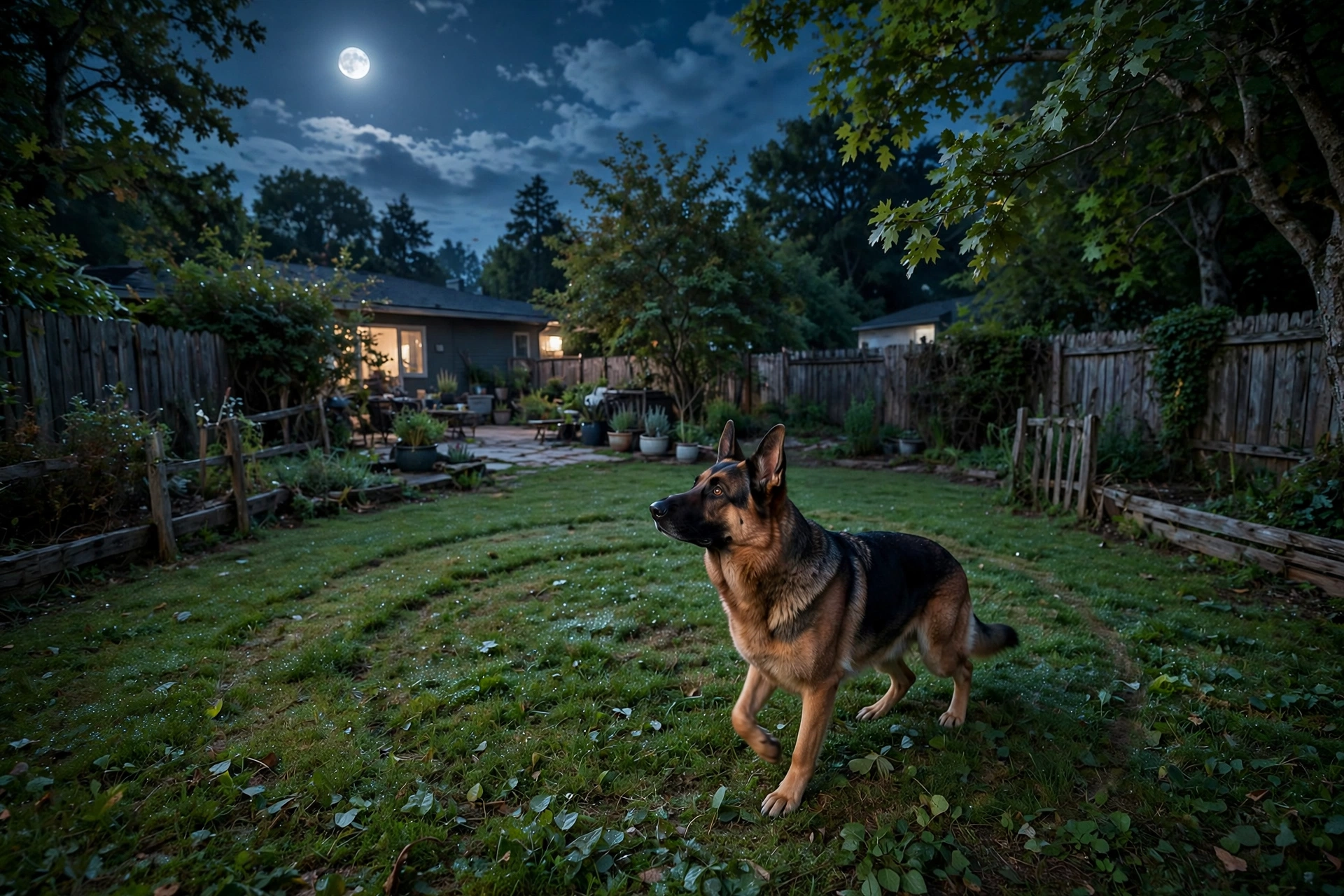
In the wild, lying down meant vulnerability. Circling gave dogs a final 360-degree scan of their surroundings — a last check for predators, snakes, or anything suspicious before closing their eyes. Many dogs still do this instinctive safety sweep, especially in unfamiliar places or when they hear a noise they can’t quite place.
What to do: If your dog spins more than usual after a move, a trip, or a new pet joining the household, give them time and a consistent sleeping spot. Consistency builds confidence, and the extra circling usually settles once the environment feels familiar.
Helpful pick: Furhaven Orthopedic Sofa Dog Bed — keeping the same beloved bed in a quiet corner gives your dog a consistent, safe-feeling spot to scan from.
3. Finding the Right Temperature
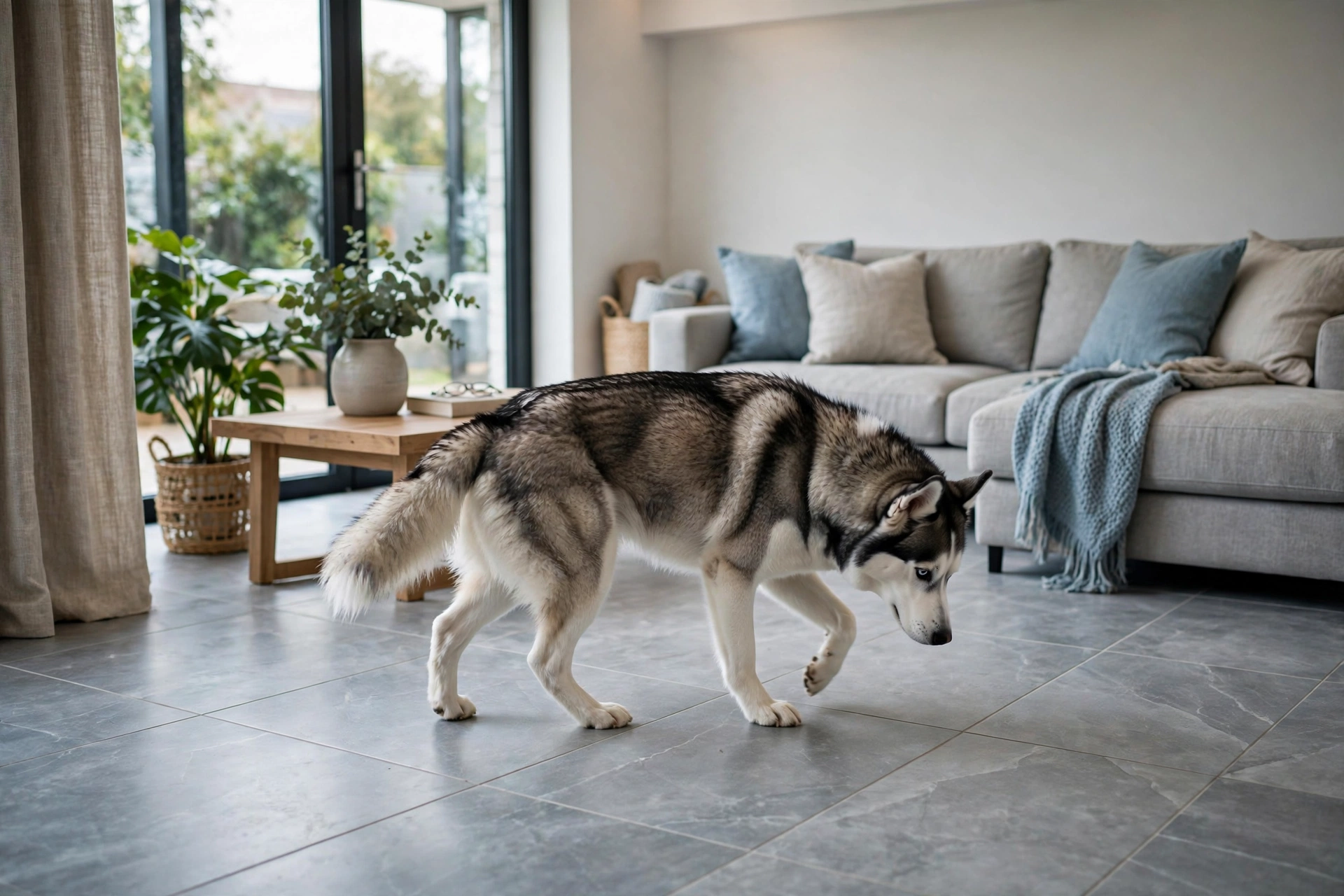
Dogs are surprisingly particular about sleep temperature. In hot weather, wild dogs would circle and scratch away the top layer of grass or soil to expose the cooler ground beneath. In cold weather, circling helped them trample down a compact, wind-sheltered nest that held body heat. Your dog circling more in summer or winter is just climate control in action.
What to do: Watch where they choose to lie down. If they always end up on the cold tile instead of their bed, offer a cooling mat for summer. If they burrow under blankets all winter, they might appreciate a warmer sleeping corner away from drafts.
Helpful pick: The Green Pet Shop Cool Pet Pad — the pressure-activated gel stays cool without water or refrigeration, so your temperature-seeking circler finds relief faster.
4. Marking Their Spot
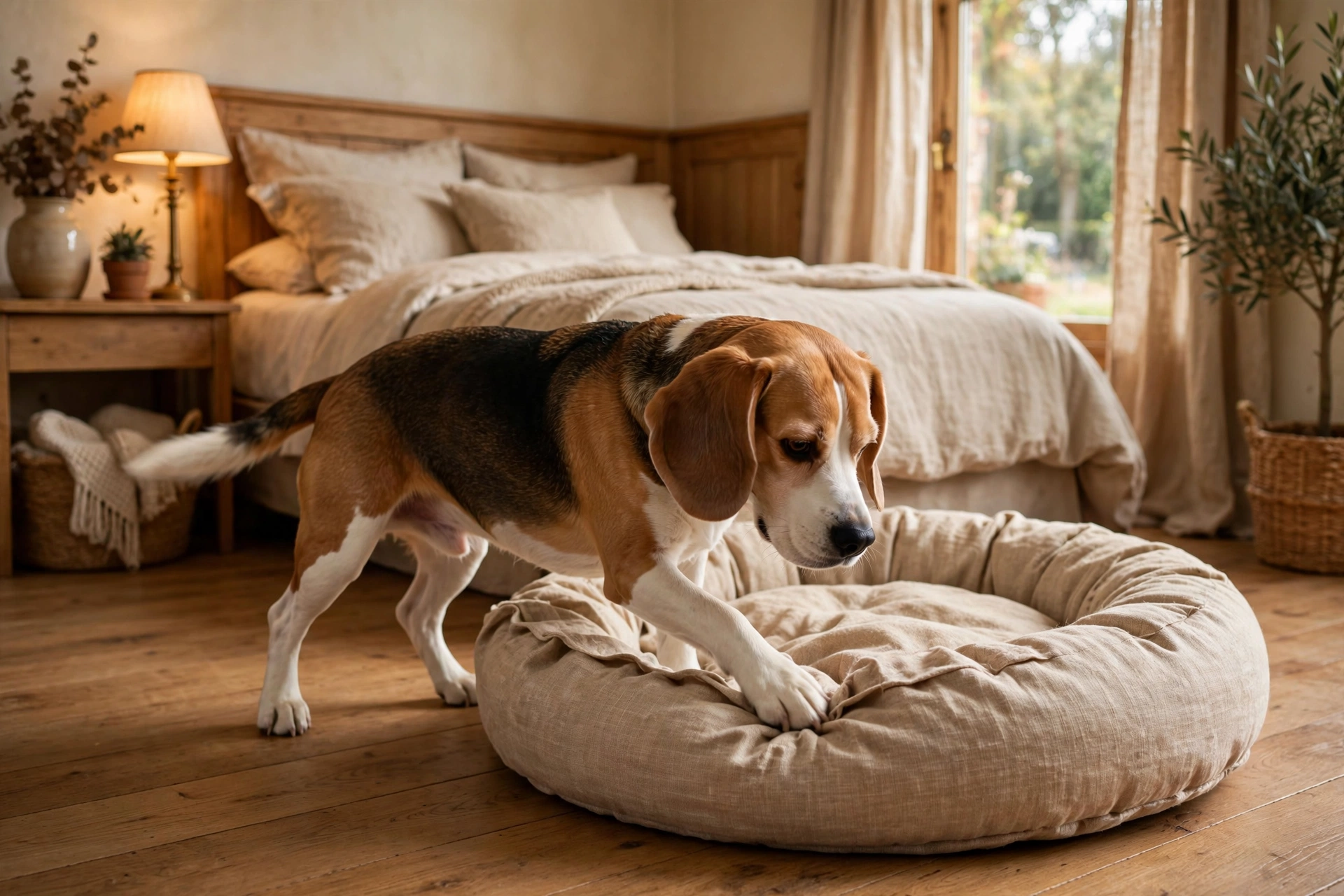
Dogs have scent glands in their paw pads, so every circle leaves a subtle signature: “this spot is mine.” It’s the same instinct behind scratching the grass after a bathroom break. In multi-dog homes, you may notice one dog re-circling and re-claiming a favorite spot after another dog uses it.
What to do: Let them have it. Scent-marking their bed is healthy, natural behavior. Washable bedding is your best friend here — regular washing keeps the “claim” fresh without letting odor build up.
Helpful pick: Furhaven Waterproof Throw Blanket — a washable layer over your dog’s favorite spot keeps their scent-claim zone clean and easy to refresh.
5. Adjusting for Joint or Back Pain
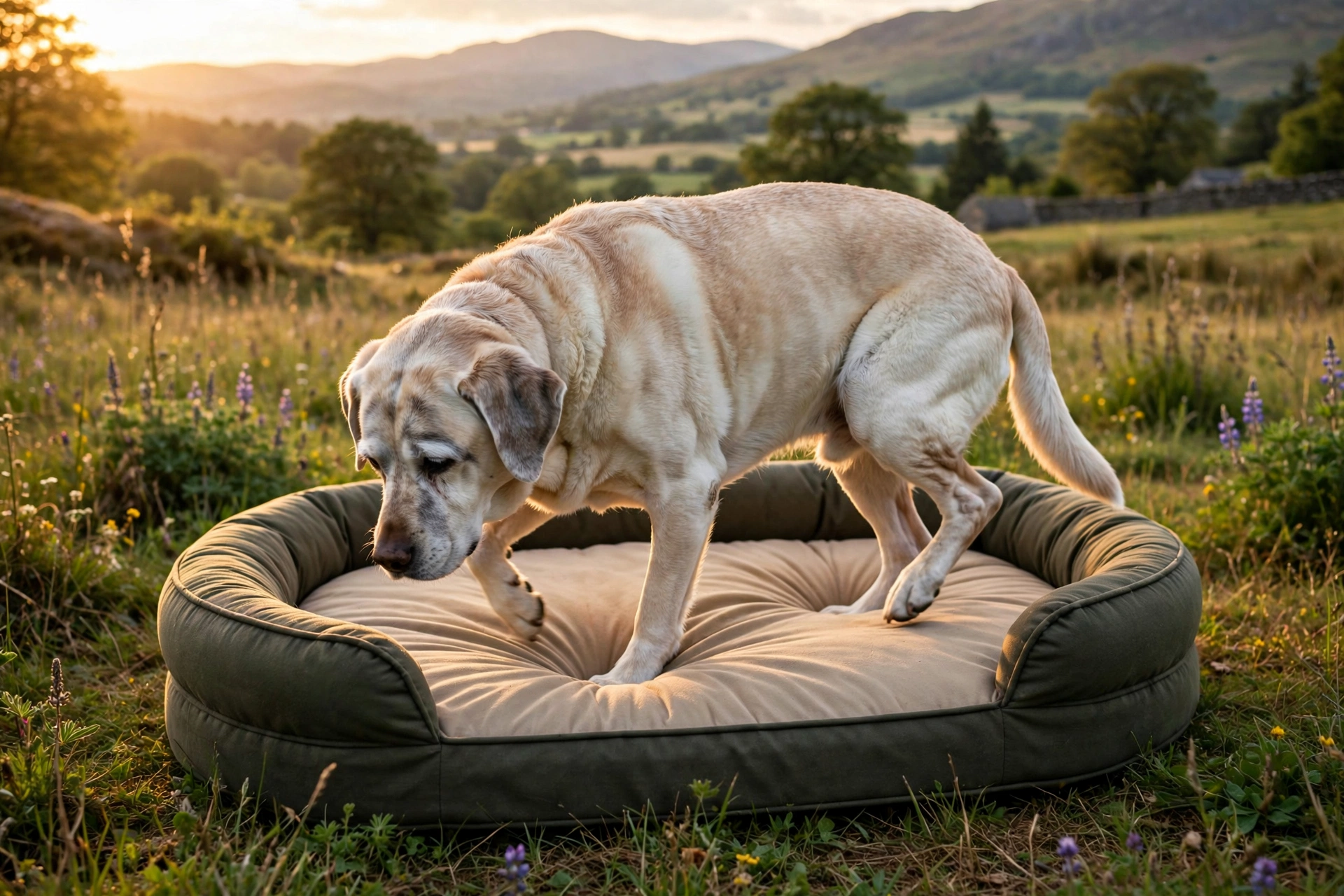
Some circling isn’t instinct at all — it’s problem-solving. A senior dog or one with arthritis, hip issues, or a sore back may circle to find the one angle that doesn’t hurt. The key difference: these dogs often look uncomfortable, circle slowly or stiffly, sigh, or try to lie down and get back up again.
What to do: If circling is new, excessive, or paired with stiffness, limping, or trouble getting up, book a vet visit. Supportive bedding can make a real difference, and joint supplements may help support mobility in aging dogs.
Helpful pick: Zesty Paws Mobility Bites (Duck, 90ct) — functional chews with glucosamine, chondroitin, and MSM to help support hips, joints, and cartilage.
6. Compulsive Circling (Worth a Vet Check)

There’s a line between a bedtime ritual and a compulsion. Normal circling happens before rest and stops once the dog lies down. Compulsive circling can continue even without a bed in sight, may happen at odd times, and can be a sign of canine cognitive dysfunction in seniors, anxiety, or neurological issues.
What to do: If your dog spins endlessly, can’t seem to settle, or circles even when there’s nowhere to lie down, talk to your vet. Anxious dogs often benefit from extra routine, enrichment, and a comfort object — many dogs self-soothe with a snuggle companion.
Helpful pick: SmartPetLove Snuggle Puppy — its heartbeat and heat pack mimic a companion, which can help anxious or restless dogs finally settle down.
How to Help Your Dog Settle Faster
You can’t (and shouldn’t) train the circling instinct out of a dog — but you can make the ritual shorter and sweeter. A predictable bedtime routine works wonders: a short evening walk to burn off the last wiggles, a potty break, then the same cozy spot every night. Dogs are creatures of habit, and a consistent wind-down routine tells their brain that it’s safe to stop scanning and start sleeping.
The sleeping setup matters too. A bed that’s the right size lets your dog circle a turn or two and drop — one that’s too small causes endless re-adjusting, while a huge bed on a cold floor doesn’t invite nesting. For dogs who circle and paw at blankets, try tucking a washable blanket into their bed so they have something satisfying to arrange without dragging your duvet across the room.
Temperature tweaks can also cut down on restless circling. In summer, move the bed to the coolest room or add a cooling mat; in winter, keep the bed away from drafty doors and windows. And if your dog circles mostly when something in the house is off — guests, thunderstorms, a new schedule — the extra spinning is just stress talking. Extra exercise during the day and a calm, boring evening usually bring the bedtime ritual back to its normal one-or-two spins.
When Circling Is a Concern
Most circling is harmless, but call your vet if you notice any of these red flags:
- Sudden change — a dog that never circled now spins constantly
- Circling paired with limping, stiffness, whining, or trouble lying down
- Circling that doesn’t stop — the dog can’t seem to settle
- Spinning at random times, not just before rest
- Balance problems, head tilt, or confusion alongside the circling
- Older dogs showing new restlessness at night (possible cognitive decline)
For everything else, enjoy the show — that little pre-bed spin is one of the oldest, cutest behaviors your dog has. For more sleep quirks, read our guides on what dog sleeping positions mean and why dogs dig on beds. If stiffness might be involved, learn the signs your dog is in pain, and senior parents can review our senior dog care tips.
Frequently Asked Questions
Is it normal for dogs to circle before lying down?
Yes — it’s one of the most common and normal dog behaviors. It comes from an ancient nesting instinct and is also a comfort and safety ritual. Only worry if it’s excessive, new, or paired with signs of pain or confusion.
Why does my dog circle on my bed but not theirs?
Your bed smells like you, which means safety and comfort — plus it’s usually softer and warmer. Circling on your bed is a compliment: it’s their favorite claimed spot in the house.
Why does my dog suddenly start circling a lot?
A sudden increase can mean pain, stiffness, anxiety, or cognitive changes — especially in older dogs. Rule out medical causes with a vet visit if the behavior is new or getting worse.
Do all dog breeds circle before lying down?
Most dogs do it to some degree, but some breeds are famous for it — herding and working breeds tend to circle more, while some laid-back breeds may barely bother. It’s individual, not just breed-specific.
Can I stop my dog from circling before bed?
There’s no need to stop it — it’s harmless and self-soothing. Providing a comfortable, consistent bed usually reduces the number of spins rather than increasing it.
As an Amazon Associate, PetPostHub earns from qualifying purchases.