How to Stop a Dog from Nipping Hands: 9 Training Tips (2026)
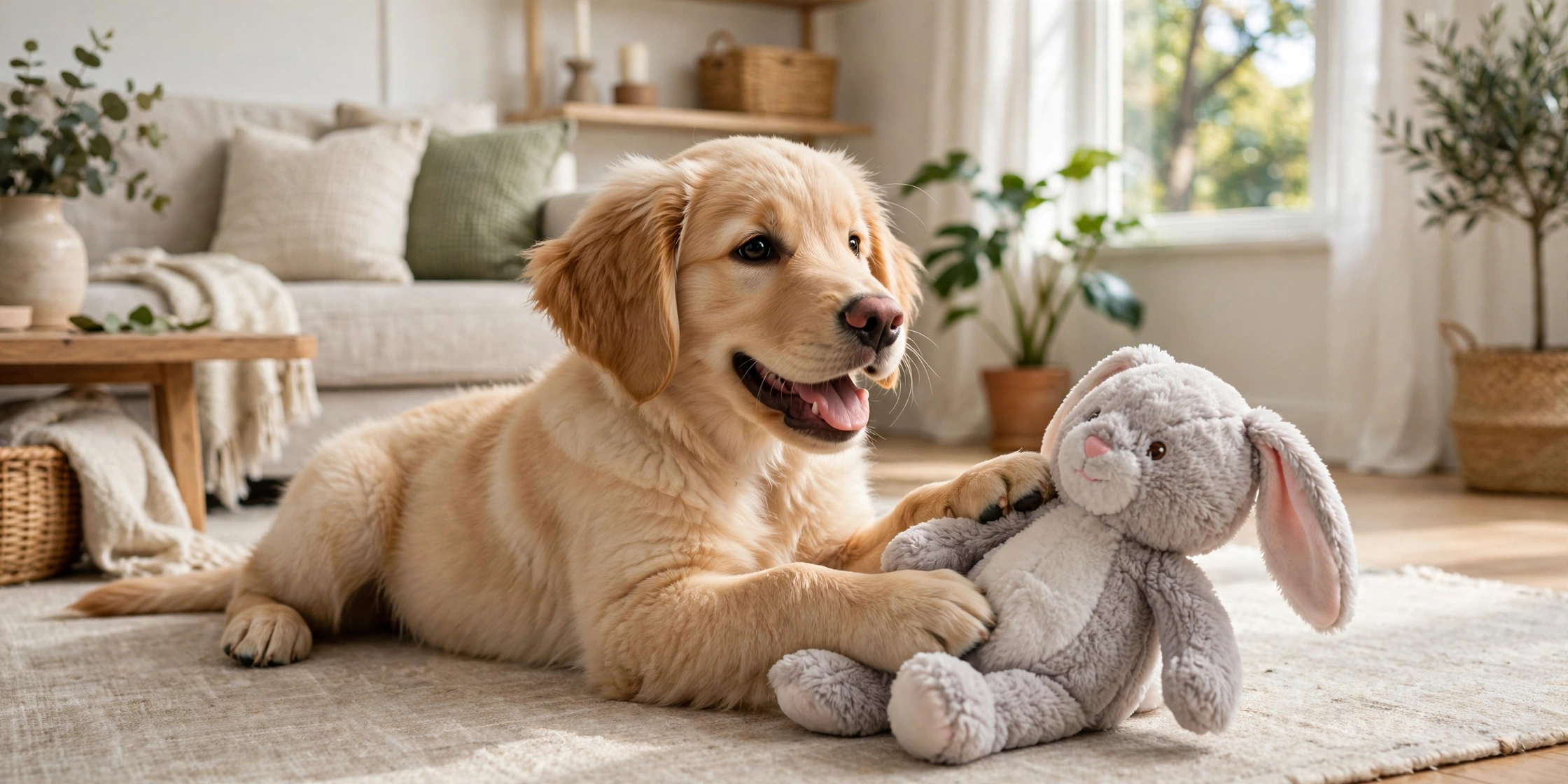
Those sharp little teeth hurt — and if you’re wondering how to stop a dog from nipping hands, you’re not alone. Almost every puppy owner goes through this phase. The good news: nipping is a normal, fixable stage, not a character flaw. With the right techniques, most puppies learn to be gentle with human skin within a few weeks.
In this guide, you’ll learn 9 proven, positive training tips that teach your puppy that hands are for petting, not for biting — without punishment or fear.
1. The “Ouch” Method: Teach Bite Inhibition

When your puppy’s teeth touch your skin, let out a short, high-pitched “ouch!” or yelp — just like a littermate would if play got too rough. Then freeze completely and stop all attention for 10 to 20 seconds. This teaches the all-important lesson of bite inhibition: knowing how soft to be with their mouth around humans.
How to do it: Let the puppy mouth your hand gently during calm play. If they press too hard, yelp, go still, and tuck your hands away. When they back off or lick you instead, praise them warmly and resume play.
Important caveat: Some puppies get MORE excited by high-pitched sounds and treat “ouch!” as a play signal. If that’s your puppy, skip the yelp and simply withdraw silently — quiet stillness works just as well.
Helpful pick: Benebone Wishbone Dog Chew Toy — a long-lasting chew to hand your puppy right after they back off, so they learn what to put their teeth on instead.
2. Freeze and Withdraw Attention
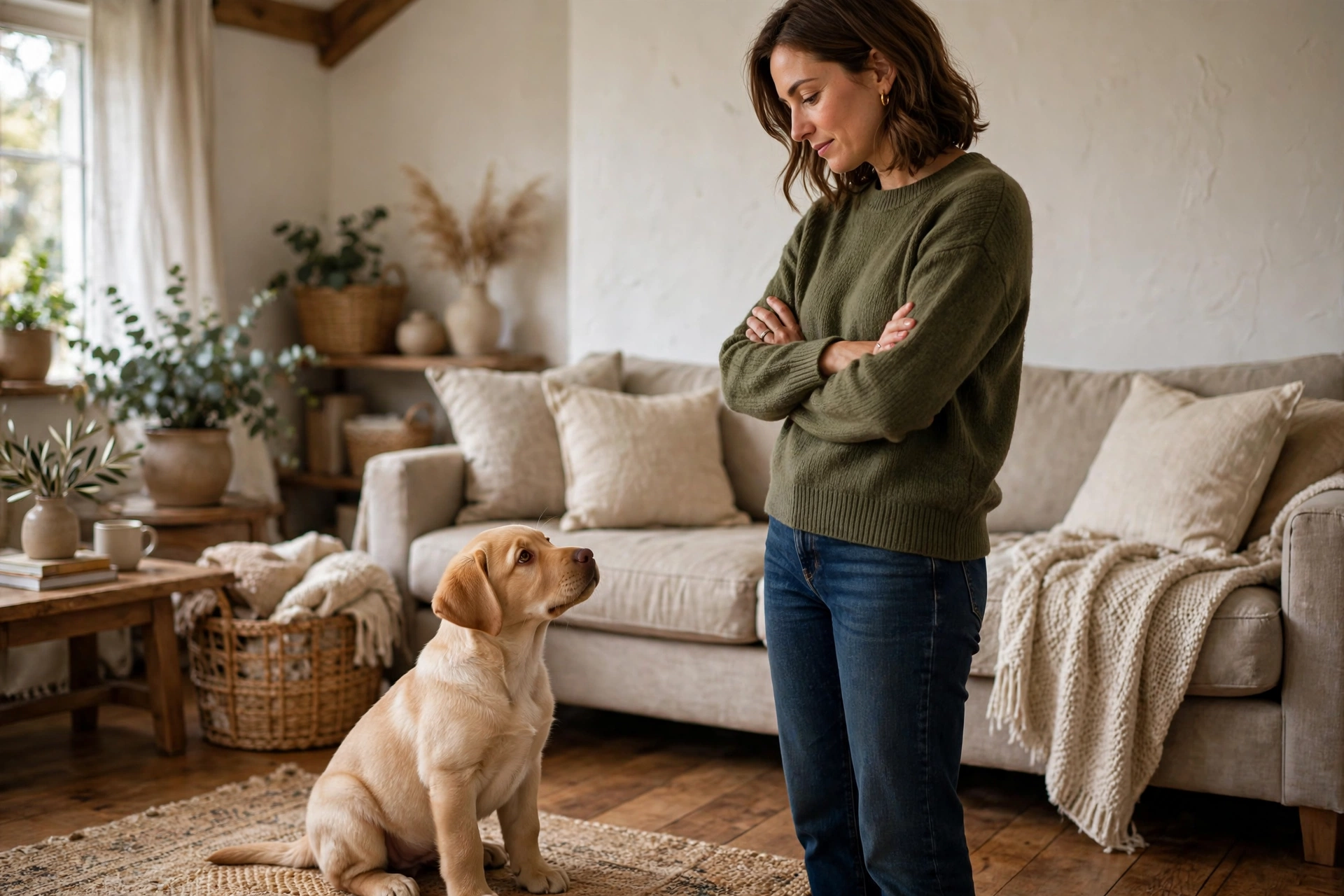
To a puppy, even negative attention — yelling, pushing, hand-wrestling — is still attention. The moment teeth touch skin or clothing: stop moving, stand up slowly, tuck your hands in, and become completely boring for a few seconds. No talking, no eye contact, no touching.
How to do it: When the nip happens, go still for 2–3 seconds, then calmly walk a few feet away and turn your back. Wait until the puppy is fully calm — soft eyes, relaxed posture — before returning and offering a toy. The lesson: teeth on people make the fun stop; being gentle makes it start again.
Timing matters: Your response must happen the instant nipping occurs, not a minute later. Puppies cannot connect a delayed correction with the earlier behavior.
Helpful pick: Egiao Dog Treat Pouch — keeps treats on your hip so you can instantly reward the calm behavior the moment your puppy backs off.
3. Redirect to a Toy Every Time
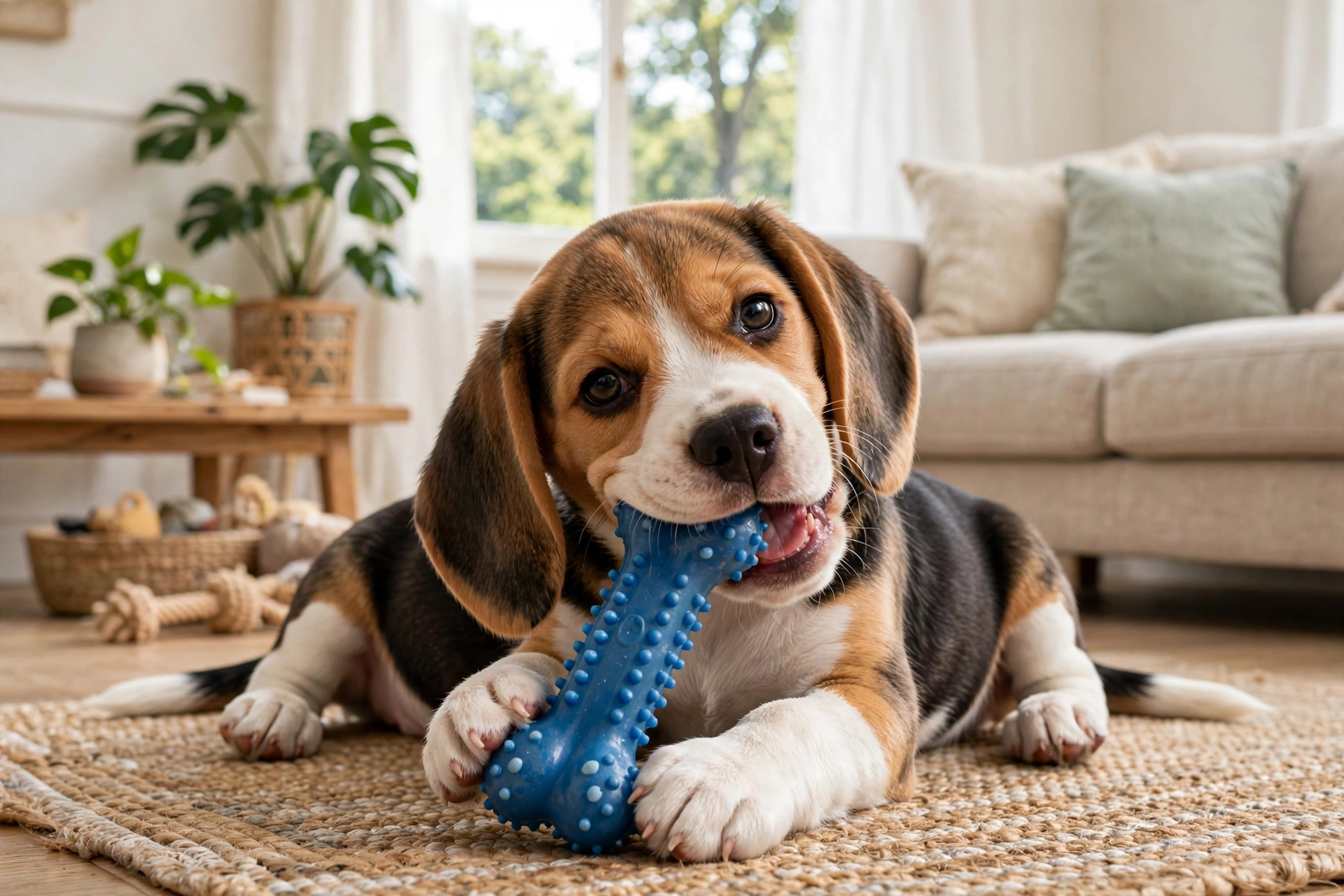
Puppies NEED to chew — it’s developmental, not defiance. Your job isn’t to stop the chewing, it’s to move it onto the right objects. Keep chew toys within arm’s reach in every room so you never miss the perfect teaching moment.
How to do it: When teeth touch you, stay calm and immediately offer a suitable chew toy or tug item. The moment they take the toy, say “yes!” and praise them. Rotate toys every few days so they stay interesting, and keep a variety: long floppy rope toys for tugging, plush toys for carrying, and small balls for chasing.
Pro tip: Use toys with enough length that your hands stay safely away from the puppy’s mouth during tug games.
Helpful pick: Nylabone Power Chew Barbell — a durable, satisfying chew that gives those teething jaws something appropriate to work on.
4. Use Calm Time-Outs
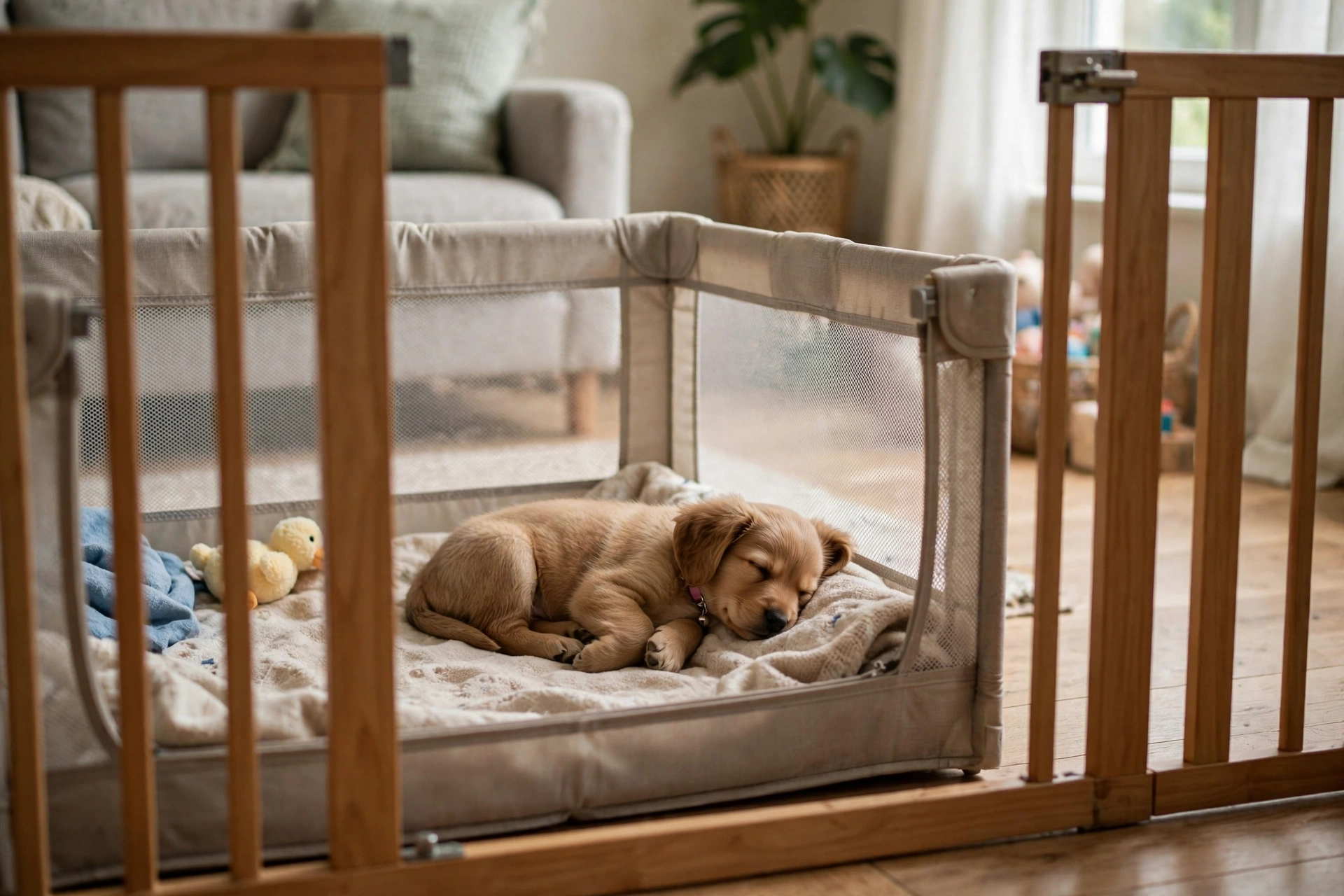
If redirection doesn’t work and your puppy keeps nipping, end the interaction briefly. Stand up, turn your back, cross your arms. If they follow and nip your ankles, step quietly into another room or behind a baby gate for 30 to 60 seconds — a “reverse time-out” where YOU leave instead of sending the puppy away.
How to do it: Keep time-outs short (30–60 seconds), boring, and emotion-free. When you return, act calm and offer a toy straight away. Never use the crate as punishment — it should stay a safe, cozy space, never associated with being in trouble.
Watch for: Puppies who nip hardest when overtired often calm down dramatically after a short nap following the time-out.
Helpful pick: MidWest iCrate Dog Crate — a comfortable den for enforced naps when your overtired land-shark needs to sleep it off.
5. Reward Gentle Mouths

It’s easy to focus on stopping the bad and forget to reward the good. Catch your puppy being gentle! When they play with a soft mouth, lick your hand instead of biting, or take a treat gently from your fingers, mark and reward it.
How to do it: During play, when teeth touch you softly (or don’t touch at all), say “yes!” or click, then deliver a treat or calm praise. You’re teaching that a soft mouth earns good things — far more powerful than punishment. Practice “gentle” treat-taking: hold a treat in a closed fist and only open it when the puppy licks or nuzzles instead of gnawing.
Pro tip: Smear a dab of peanut butter on the back of your hand to practice gentle licking — reward every lick, end the game if teeth appear.
Helpful pick: Zuke’s Mini Naturals Training Treats — tiny, soft, low-calorie treats perfect for frequent rewards during bite-inhibition practice.
6. Make Sure They Get Enough Sleep
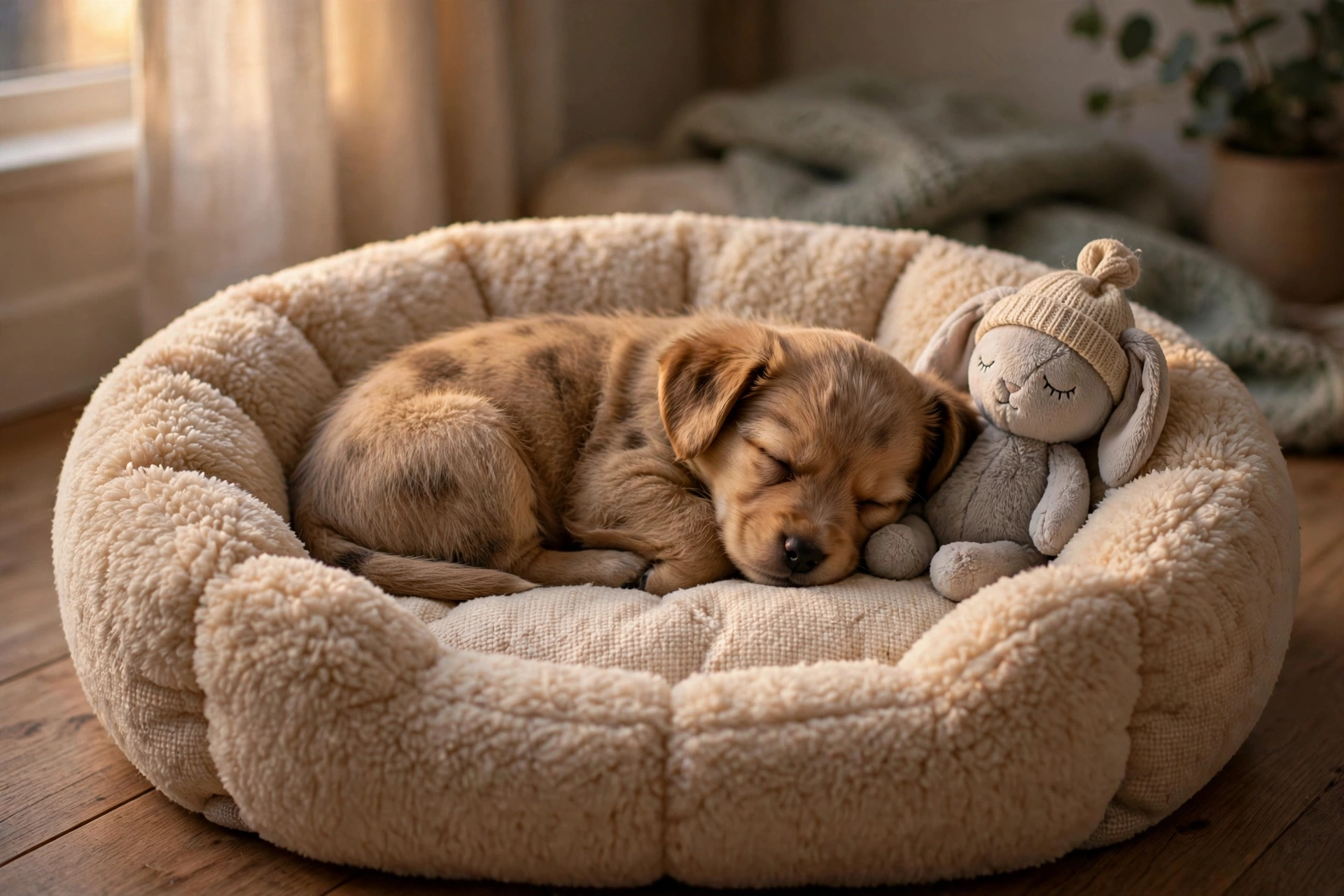
Here’s a secret most new owners miss: puppies need 18 to 20 hours of sleep per day. An overtired puppy is a nippy puppy — just like an overtired toddler, they lose all impulse control and turn into little mouthy monsters.
How to do it: Enforce a nap schedule — puppies rarely choose to sleep on their own when there’s fun happening. After an hour of play or training, settle them in a quiet spot for a nap. If your puppy nips hardest in the late afternoon or evening (the “witching hour”), that’s exhaustion talking: nap time, not more playtime.
Watch for: Pacing, frantic zoomies, and escalating mouthiness are classic overtired-puppy signs.
Helpful pick: SmartPetLove Snuggle Puppy — a heartbeat-and-warmth plush that helps puppies settle into restful naps faster.
7. Burn Off That Puppy Energy
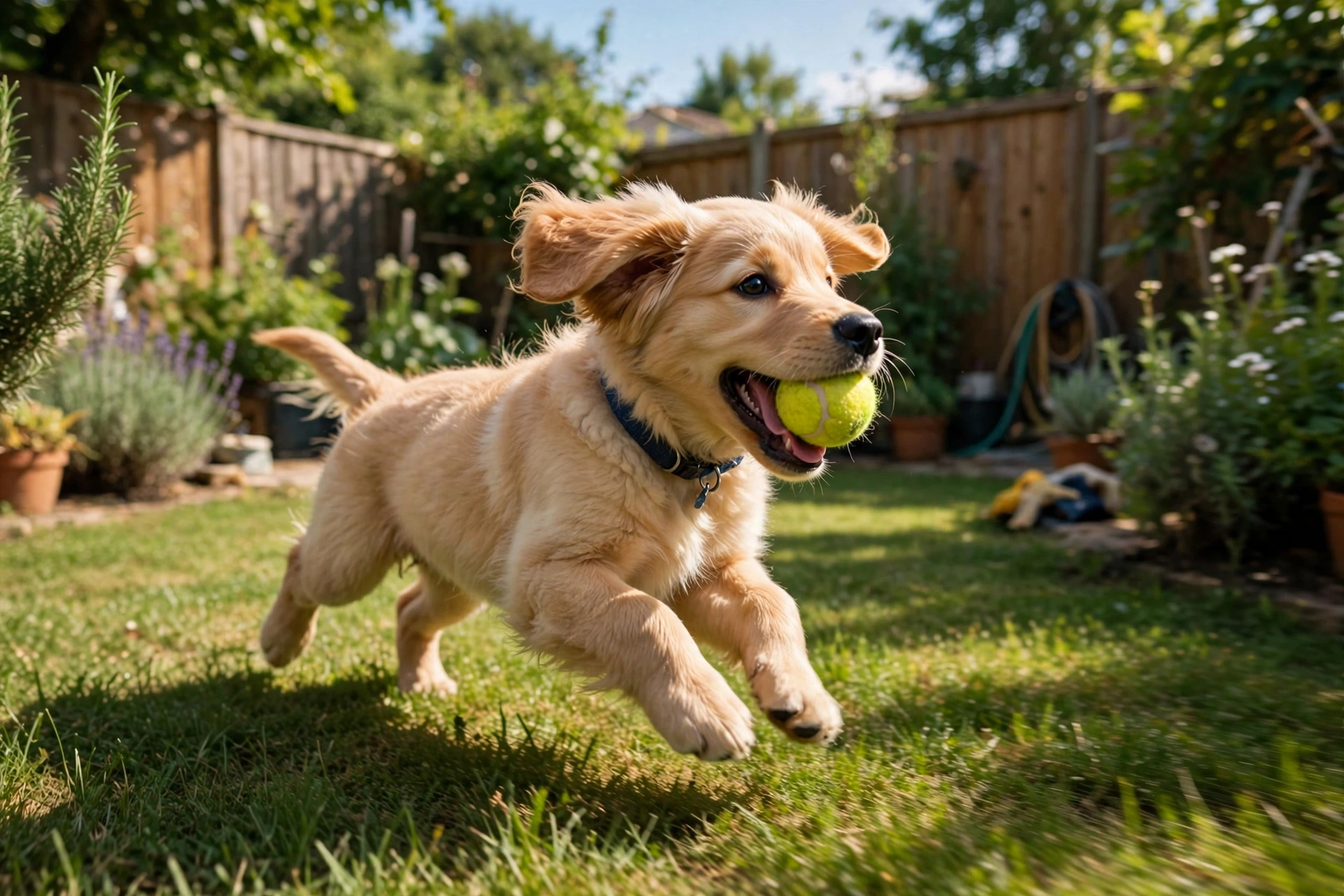
A puppy bursting with pent-up energy will channel it somewhere — and your hands are the closest target. Dogs, especially puppies, use playtime to release extra energy. Regular physical AND mental exercise dramatically reduces nipping.
How to do it: Give your puppy several short play sessions daily (5–10 minutes for young puppies), plus mental work like short training sessions, snuffle mats, or stuffed food puzzles. Check with your veterinarian about age-appropriate exercise amounts for your breed. Tired puppies nip less — but overtired puppies nip more, so find the sweet spot.
Pro tip: A quick game of fetch or structured tug before your usual “nippy hours” can preempt the behavior entirely.
Helpful pick: Chuckit! Classic Ball Launcher — turns a few minutes of fetch into serious energy-burning fun while keeping the game structured.
8. Socialize Early and Often
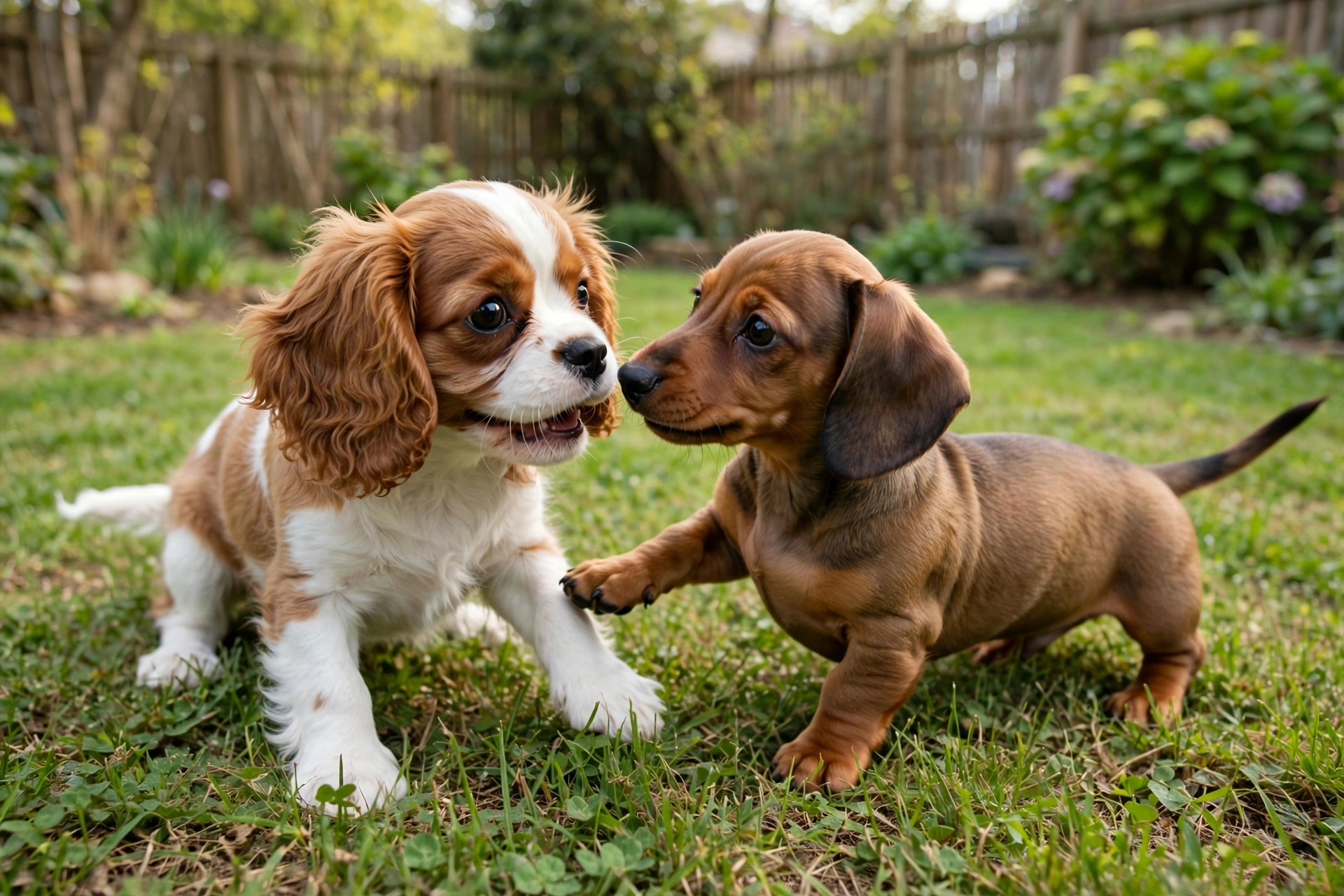
Puppies learn bite inhibition from each other. When one puppy bites too hard during play, the other yelps and stops playing — the single most natural lesson there is. Well-socialized puppies who play with gentle, vaccinated dogs learn mouth control faster.
How to do it: Arrange playdates with friendly, well-mannered adult dogs or puppies of similar size. Supervise closely and end sessions before anyone gets overstimulated. Puppy classes are also fantastic — they combine socialization with professional guidance.
Safety note: Make sure all play partners are vaccinated and the environment is clean until your puppy has completed their vaccination series.
Helpful pick: KONG Classic Dog Toy — a stuffed KONG keeps your puppy’s mouth busy with something appropriate before and after socialization sessions.
9. Be Consistent — Everyone, Every Time
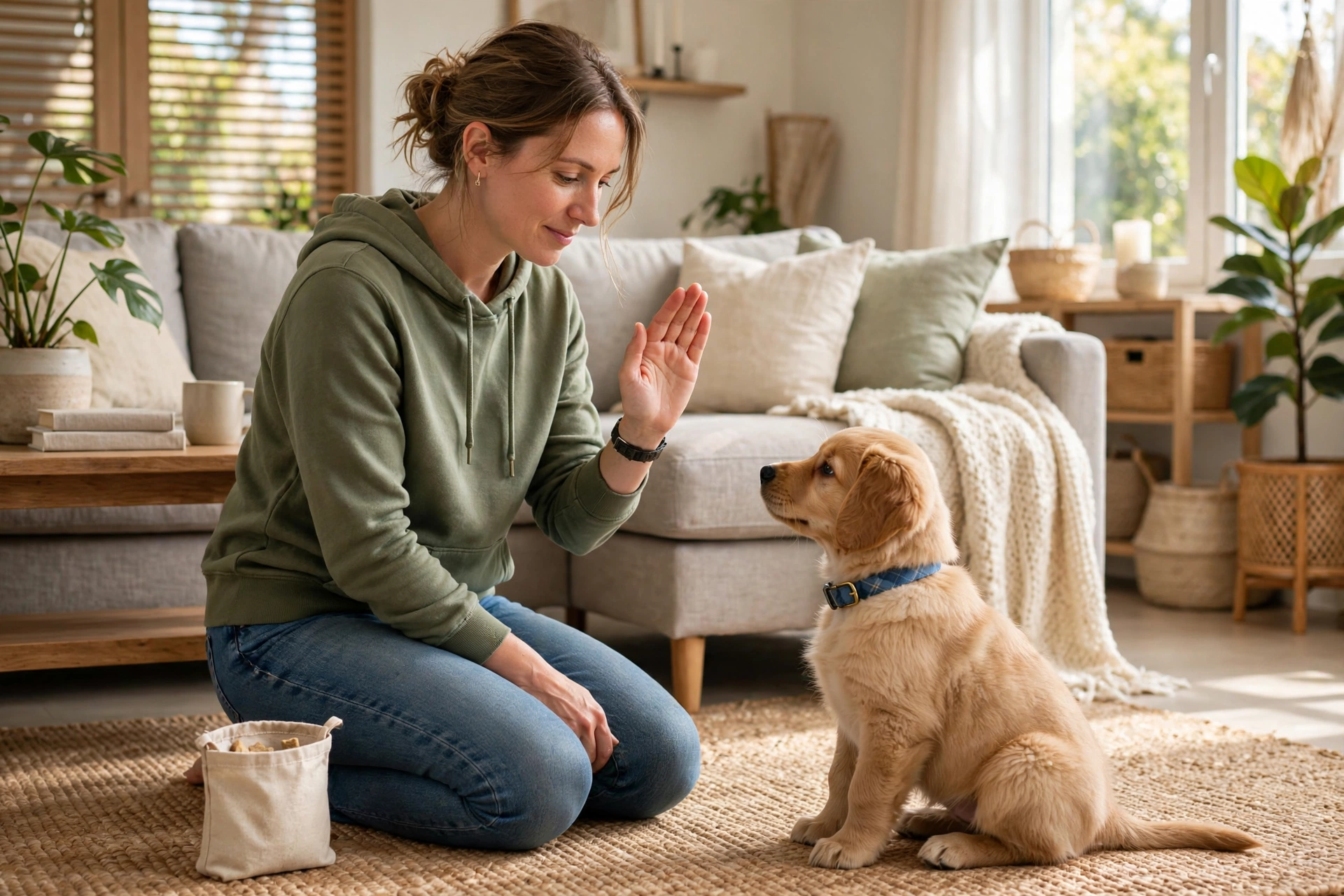
This is the tip that makes all the others work: consistency. If one family member allows hand-play while another enforces no-nipping rules, your puppy will never learn. A puppy can’t understand that hands are fair game at 6 p.m. but off-limits at 8 p.m.
How to do it: Agree on ONE method as a household and stick to it every single time — no “just this once” rough-housing with hands. Brief every family member, visitor, and dog-sitter. Use a marker word or clicker so everyone communicates the same way. Consistency isn’t about perfection; it’s about not sending mixed signals.
Remember: Most puppies improve noticeably within 1–2 weeks of consistent practice, and the behavior typically resolves by 12–18 months of age.
Helpful pick: STMK Dog Training Clicker Kit — a clicker gives everyone in the household the exact same clear marker signal for good behavior.
Why Puppies Nip
Nipping isn’t misbehavior — it’s how puppies explore the world. Puppies investigate with their mouths the way toddlers use their hands. They also nip to play (that’s how littermates play), to relieve teething discomfort, to get attention, and to release excess energy. Understanding that this is normal development — not aggression — keeps you patient and consistent. The goal isn’t to eliminate mouthiness overnight; it’s to gradually teach bite inhibition so your puppy grows into an adult dog with a reliably gentle mouth.
Frequently Asked Questions
When will my puppy stop nipping?
Most puppies nip hardest between 8 and 16 weeks and improve steadily with consistent training. The behavior typically resolves by 12–18 months of age, often sooner. If nipping is getting worse rather than better after several weeks of consistent work, consult a certified trainer or your veterinarian.
Should I punish my puppy for biting?
No — punishment like nose-tapping, mouth-holding, or yelling teaches fear, not bite control, and can make biting worse. Positive methods (redirecting, withdrawing attention, rewarding gentleness) teach your puppy what TO do instead and build trust.
Does the “ouch” method really work?
It works for many puppies, mimicking how littermates teach each other. But some puppies interpret high-pitched sounds as play signals and get more excited. If your puppy escalates after a yelp, skip it and use silent stillness plus withdrawal instead.
Is it okay to let my puppy chew my hands gently?
A common guideline: allow very gentle mouthing early on so you can teach bite inhibition, then gradually raise the standard — no teeth on skin at all by about 4–5 months of age. Never let rough or painful biting slide, even playfully.
My puppy only nips the kids — what should I do?
Kids move fast, squeal, and wave their hands — all irresistible triggers. Teach children to stand still like a tree and tuck hands when the puppy nips, and always supervise. Short, structured play sessions with toys (not hands) work best, and enforced nap breaks help too.
Keep Reading
- How to Stop Your Puppy from Biting Feet
- Puppy Socialization Checklist
- How to Teach Your Dog to Come When Called
As an Amazon Associate, PetPostHub earns from qualifying purchases.