How to Stop Your Dog from Eating Bird Poop: 7 Fixes
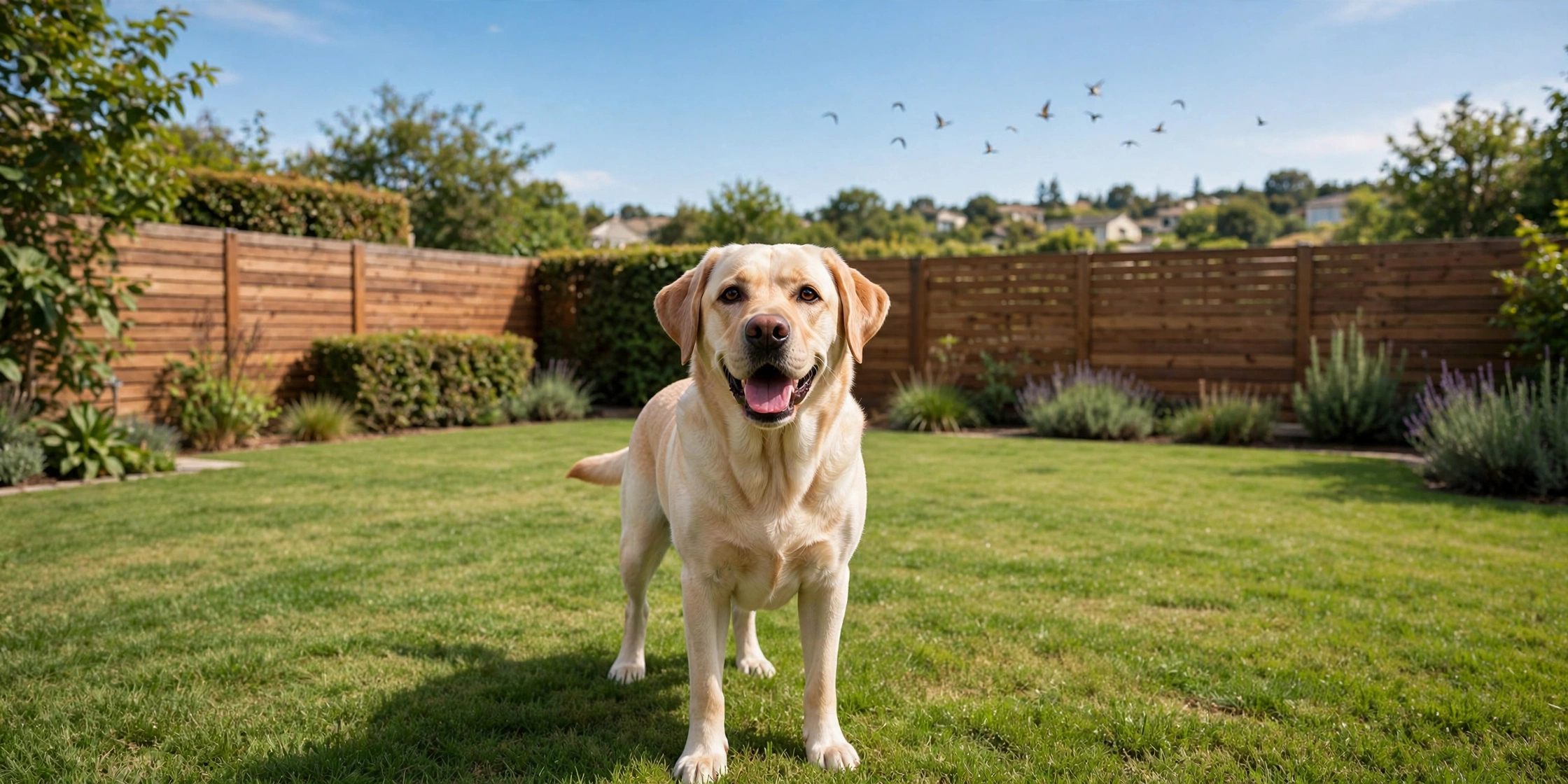
Learning how to stop dog from eating bird poop starts with understanding why he does it — and acting before the habit becomes a health risk. It’s one of the grossest dog habits out there, but it’s also one of the most common: birds leave droppings everywhere — on sidewalks, park grass, and your own backyard — and your dog’s powerful nose will find every last one. The bigger concern isn’t the “ick” factor; bird droppings can carry bacteria like salmonella and parasites that may make your dog sick, especially puppies and seniors. The good news: with consistent management and training, you can break this habit.
Quick answer: The fastest way to stop your dog from eating bird poop is a three-part approach — remove the droppings from your yard daily, train a reliable “leave it” cue, and supervise your dog outside until the habit fades. For persistent scavengers, a basket muzzle on walks adds a foolproof safety net.
Table of Contents
- 1. Clean the Yard Regularly
- 2. Train a Rock-Solid “Leave It”
- 3. Supervise Every Outdoor Session
- 4. Use a Basket Muzzle on Walks
- 5. Check His Diet and Gut Health
- 6. Redirect with Engaging Toys
- 7. Get a Vet Check If It Won’t Stop
- Is Bird Poop Dangerous for Dogs?
- Frequently Asked Questions
1. Clean the Yard Regularly
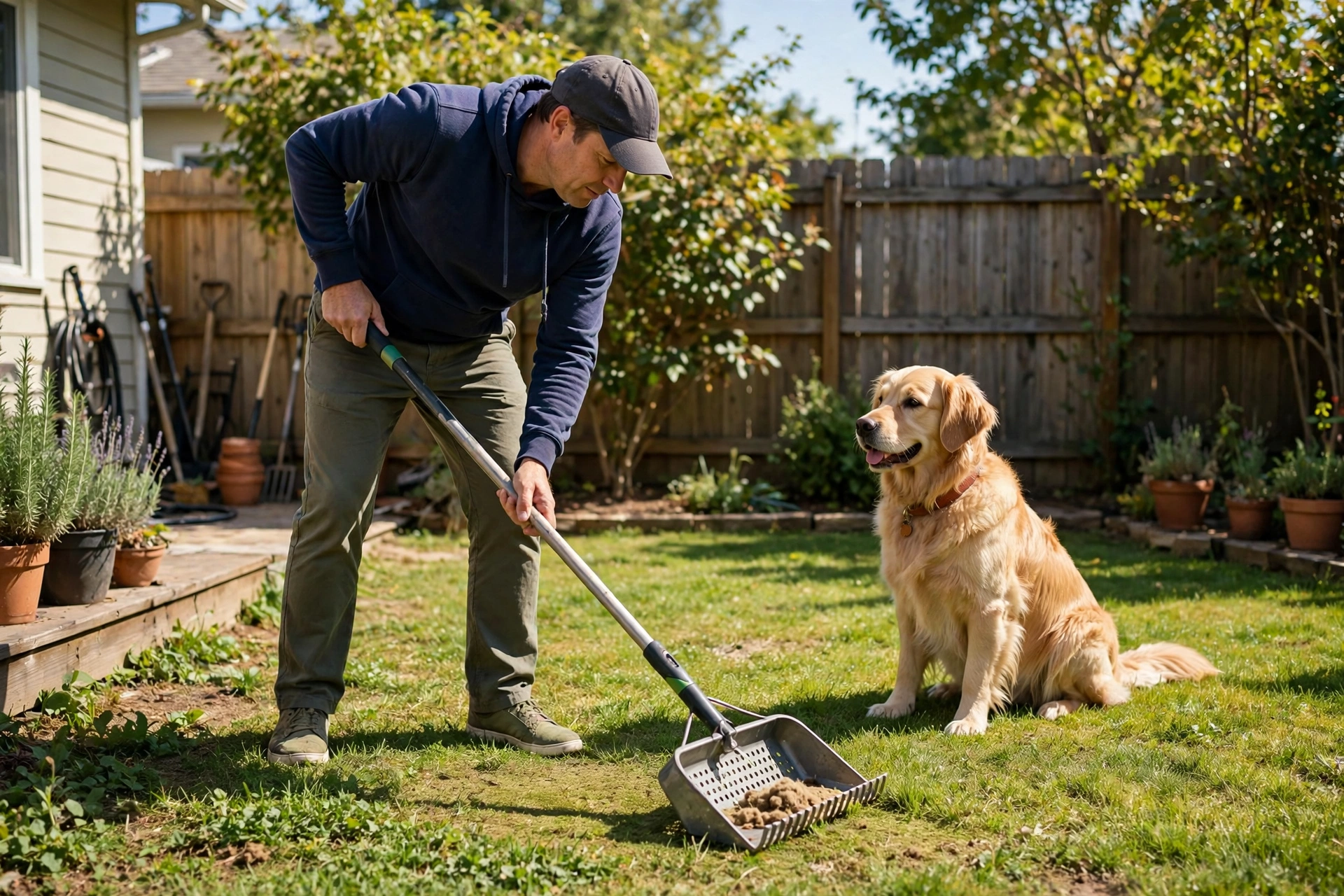
The single most effective step in learning how to stop dog from eating bird poop is to remove the temptation from your own yard. Do a quick sweep of the lawn every day or two, focusing on spots under trees, fences, and rooflines where birds perch. A long-handled scooper makes the job fast and keeps your hands clean.
Pro tip: Pay extra attention after mornings and evenings, when birds are most active. Also consider discouraging birds from loitering: take down feeders or move them out of your dog’s area, and trim branches that overhang the yard.
Helpful pick: TIMINGILA Pooper Scooper Set — its long handle and tray-and-rake design make daily yard cleanups quick and back-friendly.
2. Train a Rock-Solid “Leave It”
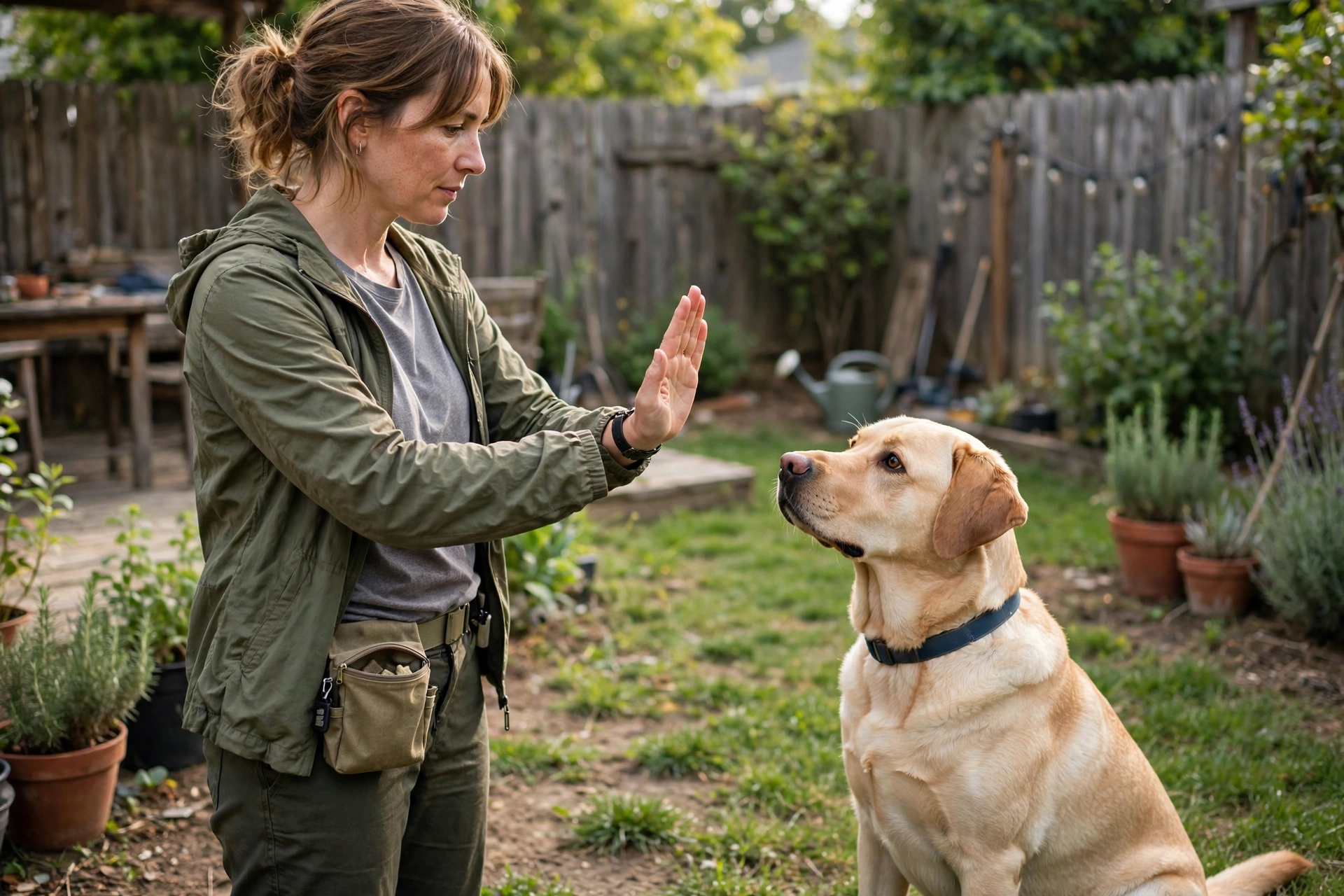
A reliable “leave it” cue is the best tool for redirecting your dog the moment his nose goes down. Start indoors: hold a treat in a closed fist, say “leave it,” and reward from your other hand the instant he backs off. Gradually work up to dropped treats, then low-value items on the ground outdoors — and eventually practice near known dropping spots.
Pro tip: Never punish a failed “leave it.” Calmly redirect, add distance, and reward the win. Short, daily 5-minute sessions beat occasional long ones.
Helpful pick: Egiao Dog Treat Pouch — keeps rewards within reach so you can mark good choices instantly during training.
3. Supervise Every Outdoor Session
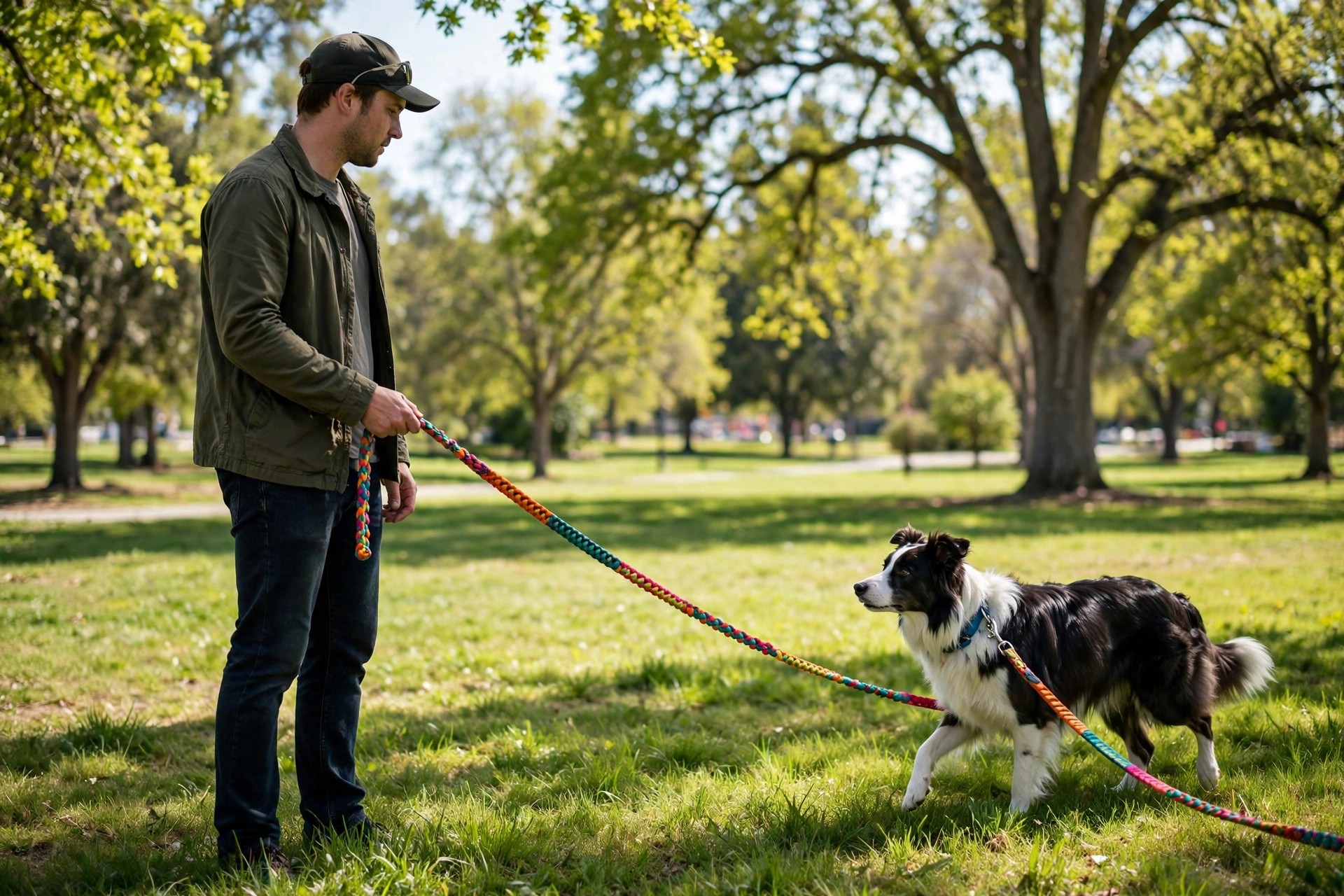
Dogs mostly snack on bird droppings when nobody’s watching. Until the habit is under control, don’t let your dog roam the yard unsupervised, and keep walks structured with a leash. A long training line gives him freedom to sniff and explore while you can still guide him away from trouble.
Pro tip: Be extra watchful around ponds, parks, and patios — pigeons, gulls, and ducks gather there, and droppings are everywhere. Redirect with a cheerful “let’s go” and a treat before he reaches it.
Helpful pick: Joytale 30ft Long Training Leash — gives your dog room to roam while keeping you in control for safe redirects.
4. Use a Basket Muzzle on Walks
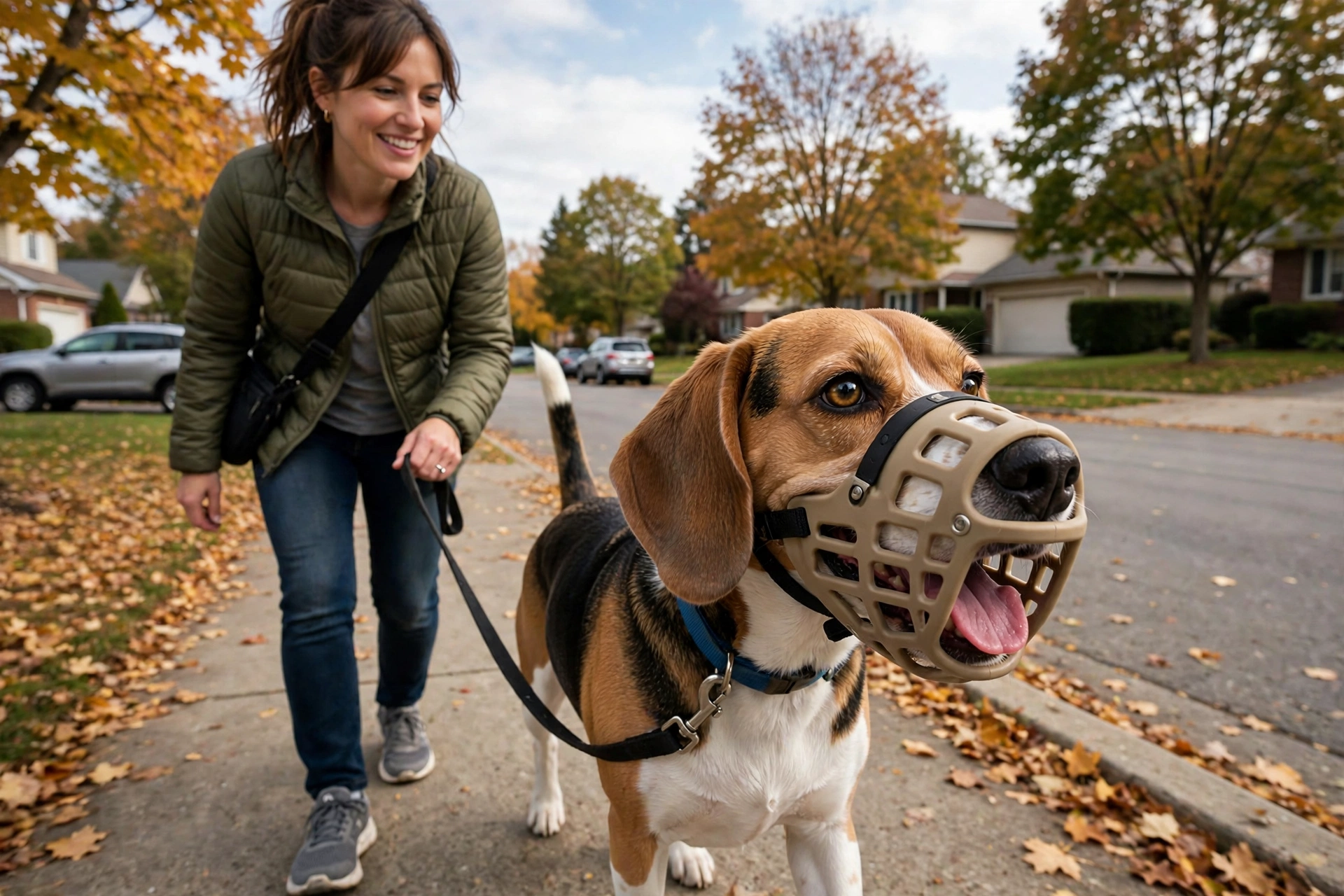
If your dog is a determined scavenger, a properly fitted basket muzzle is a humane, practical management tool. Unlike fabric muzzles, basket designs let your dog pant, drink, and take treats — they just physically block him from gobbling droppings off the ground. Always pair muzzle use with positive muzzle training so he wears it happily.
Pro tip: Measure your dog’s snout circumference and length before ordering, and practice wearing it indoors with treats first. Never leave a muzzled dog unsupervised.
Helpful pick: BARKLESS Basket Muzzle for Dogs — breathable, adjustable, and includes a treat cover to help your dog acclimate.
5. Check His Diet and Gut Health
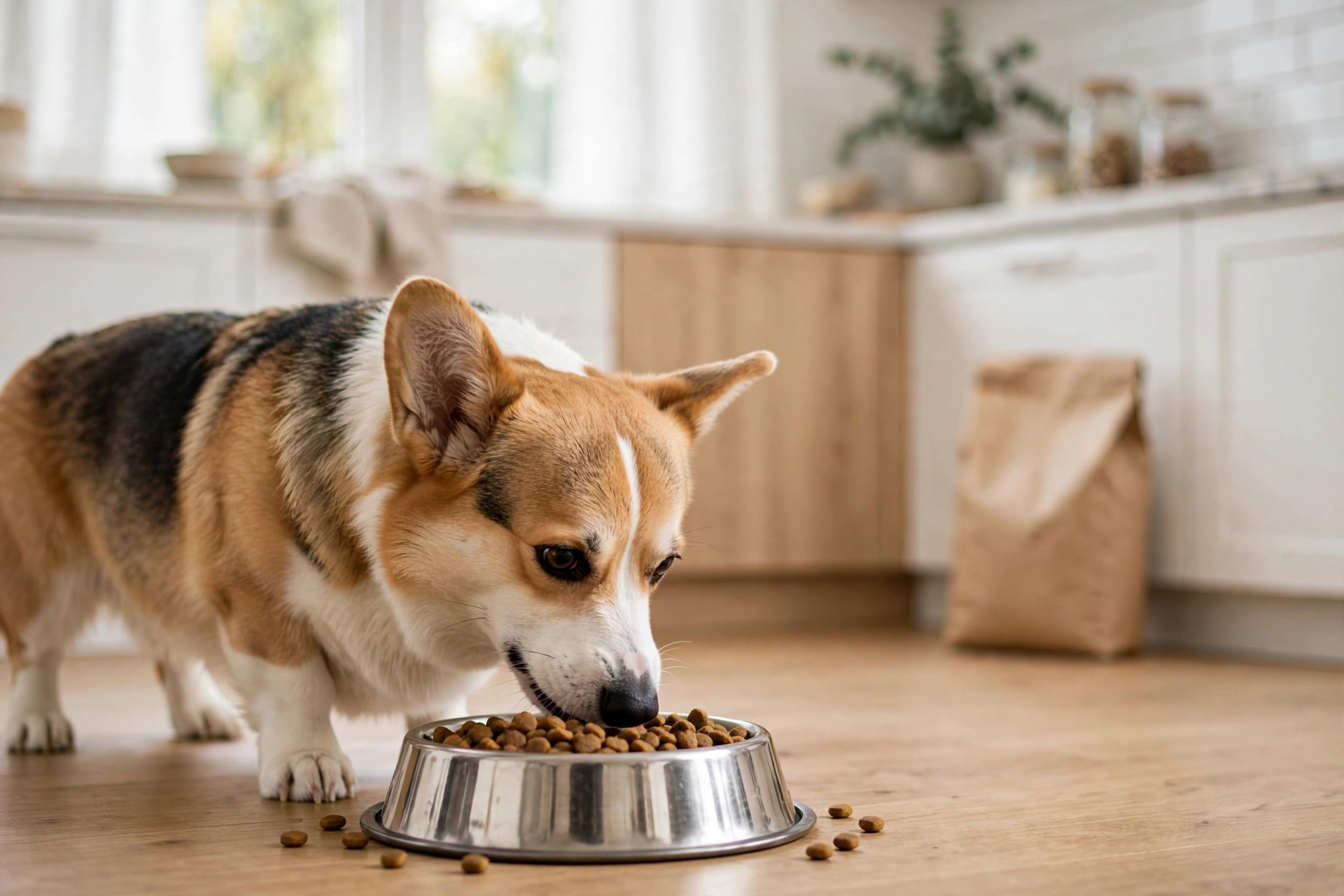
Sometimes coprophagia points to a nutritional gap. Dogs on poor-quality food, restrictive diets, or those with digestive issues may seek out droppings to replace missing enzymes or bacteria. Make sure your dog eats a complete, balanced food appropriate for his age and size, and ask your vet whether a probiotic could support his gut health.
Pro tip: Rule out the basics first: is he actually getting enough food for his activity level? Hungry dogs scavenge more. If the behavior started suddenly, a diet review is worthwhile.
Helpful pick: Pet Honesty Probiotics for Dogs — supports healthy digestion and gut balance, which may reduce stool-seeking behavior.
6. Redirect with Engaging Toys
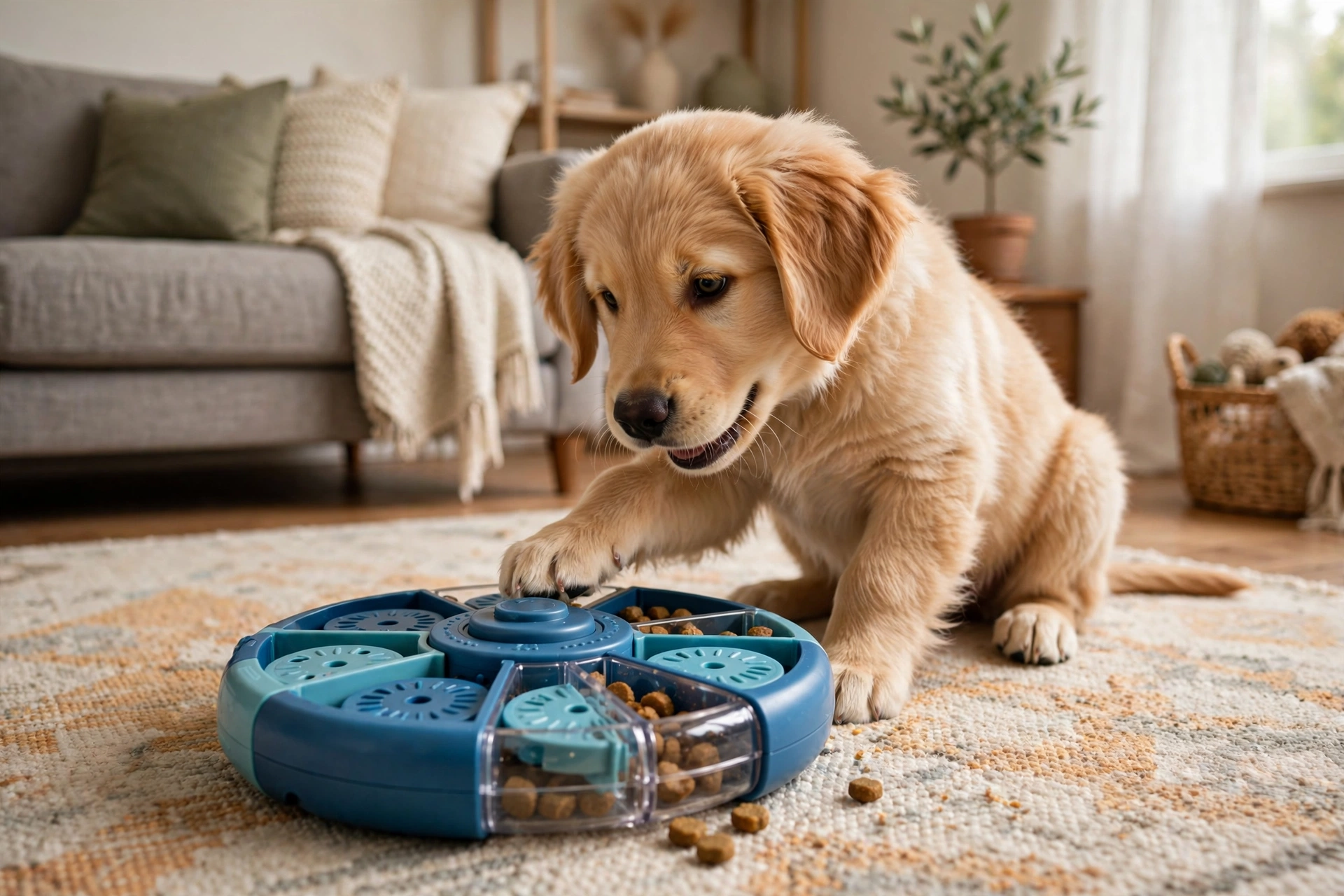
Boredom drives a lot of gross habits. A dog who has nothing to do in the yard will invent his own entertainment — and bird poop is right there. Keep his brain busy with puzzle toys, snuffle mats, and short training games so sniffing for droppings isn’t the highlight of his day. Interactive feeders also slow down meals and satisfy the urge to forage.
Pro tip: Rotate toys every few days to keep them exciting, and end yard time with a quick play session so he associates outside with fun, not scavenging.
Helpful pick: Outward Hound Tornado Puzzle Toy — a fun mental workout that channels his foraging instinct into treats, not droppings.
7. Get a Vet Check If It Won’t Stop
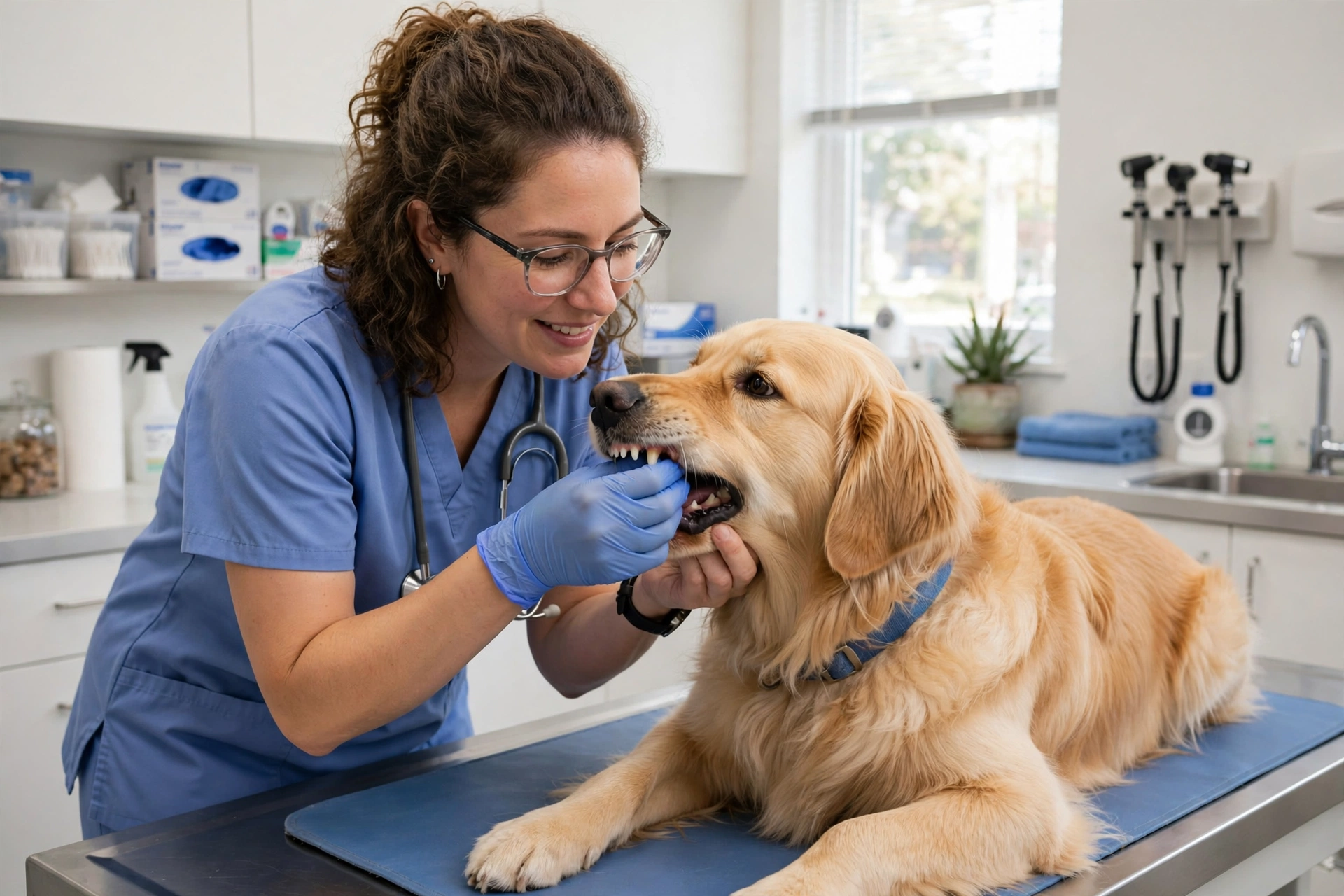
If you’ve tried training and management for a few weeks with no improvement — or the behavior started suddenly in an adult dog — book a vet visit. Underlying issues like pancreatic enzyme deficiency, intestinal parasites, diabetes, or thyroid problems can all increase stool-eating behavior. A simple stool test and bloodwork can rule out medical causes quickly.
Pro tip: Bring notes: when the habit started, what your dog eats, and any other symptoms (weight loss, diarrhea, extra hunger). This helps your vet pinpoint the cause faster.
Helpful pick: Zuke’s Mini Naturals — tiny, soft training treats that make rewarding “leave it” easy without overfeeding during vet-approved behavior plans.
Is Bird Poop Dangerous for Dogs?
Most of the time, a single nibble causes no harm — but bird droppings can carry real risks. The most common concern is salmonella, which can cause vomiting and diarrhea. Droppings can also harbor intestinal parasites such as roundworms and coccidia, plus giardia in some cases, and — rarely — the fungus that causes histoplasmosis in certain regions. Puppies, seniors, and immunocompromised dogs face the highest risk, and dogs who eat droppings regularly can also pick up parasites from soil where droppings have broken down.
Watch for symptoms like diarrhea, vomiting, lethargy, or loss of appetite after a known incident. Mild stomach upset often resolves within a day with bland food and fresh water, but call your vet if diarrhea lasts more than 24–48 hours or your dog seems unwell. When in doubt, don’t wait — it’s always better to ask. For more on what’s safe and what isn’t, see our guide on foods dogs can and can’t eat.
Frequently Asked Questions
Why do dogs eat bird poop in the first place?
Usually it’s a mix of instinct and opportunity: dogs are natural scavengers, droppings have a strong scent, and bored or under-stimulated dogs investigate with their mouths. Nutritional gaps or digestive issues can also play a role.
My dog ate bird poop and now has diarrhea — what should I do?
Keep him hydrated, feed bland food (plain boiled chicken and rice) for a day, and monitor closely. If diarrhea lasts longer than 24–48 hours, or he shows vomiting, lethargy, or loss of appetite, call your vet.
Will my dog grow out of eating bird poop?
Some puppies do, but most dogs won’t without intervention. The habit is self-rewarding — every successful snack reinforces the behavior — so consistent management is the reliable way to stop it. That said, many dogs improve noticeably within a few weeks of daily yard cleanups plus regular “leave it” practice.
Can I spray something on bird droppings to stop him?
Deterrent sprays exist, but they’re impractical for scattered droppings across a yard or park. Training, supervision, and cleanup are far more effective and reliable.
Does eating bird poop mean my dog is missing something in his diet?
Not necessarily — most cases are behavioral. But if the habit is intense or started suddenly, it’s worth reviewing his food with your vet and ruling out digestive or medical issues.
Related reading: How to Stop Your Dog from Eating Poop · How to Stop Your Dog from Eating Rocks · How to Stop Your Dog from Eating Mulch · How to Teach Your Dog to Come When Called
As an Amazon Associate, PetPostHub earns from qualifying purchases.