
Why Does My Dog Sniff Everything? 6 Reasons (2026)
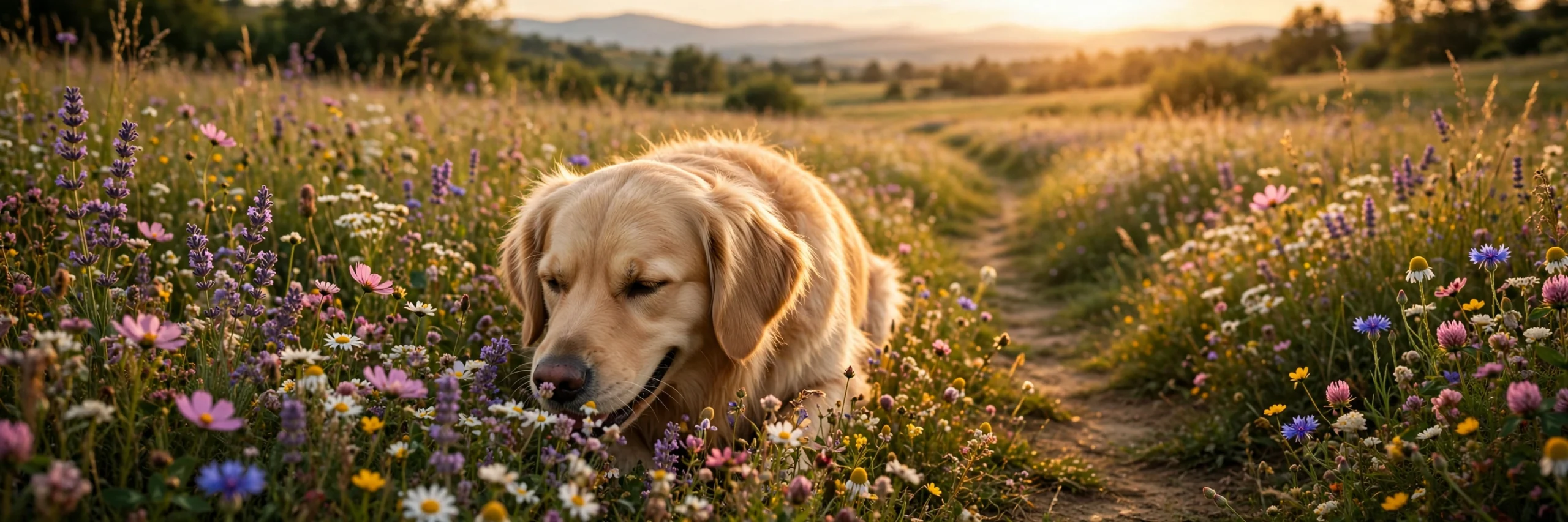
You planned a 20-minute walk. Your dog planned a three-hour investigation of every tree, hydrant, and patch of grass on the block. Sound familiar? If you keep wondering why does my dog sniff everything, the short answer is that your dog isn’t dawdling — they’re reading. While you experience the world mostly through your eyes, your dog experiences it nose-first, and every sniff is a sentence in the story of your neighborhood.
Sniffing is one of the most normal, healthy, and mentally enriching things your dog can do. But it helps to understand why they do it, when it’s perfectly fine, and how to turn all that nose energy into games and walks you’ll both enjoy. And here’s a bonus trainers swear by: twenty minutes of sniffing can tire a dog out as effectively as an hour of walking — mental exercise counts.
Table of Contents
- 1. They Have a Superpower Nose
- 2. They’re Gathering Information
- 3. They’re Bored and Sniffing for Something to Do
- 4. They’re Anxious or Stressed
- 5. They’re Searching for Scents (and Leaving Their Own)
- 6. It’s Pure Canine Instinct
- How to Channel Sniffing Into Enrichment
- Frequently Asked Questions
1. They Have a Superpower Nose
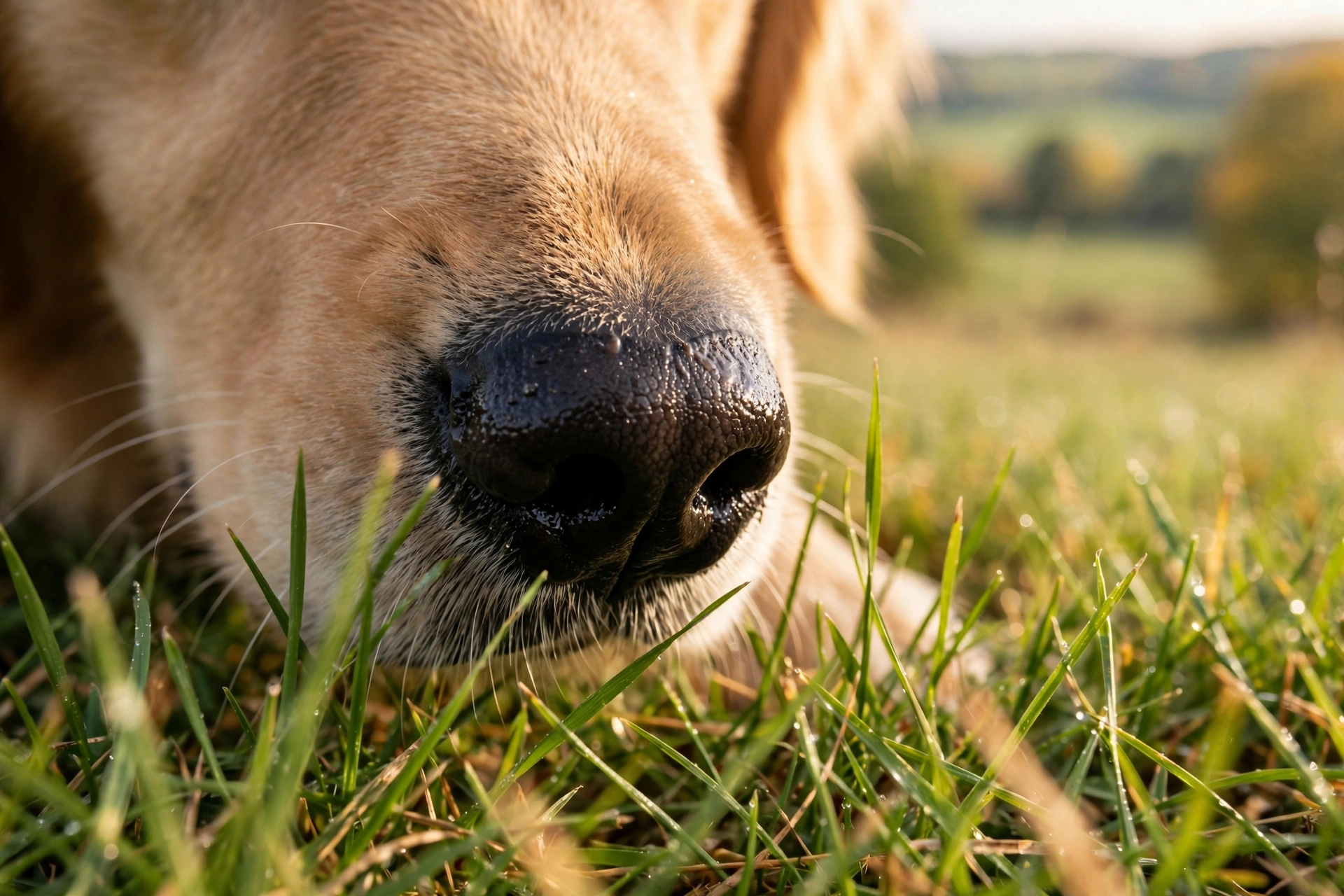
What it means: A dog’s sense of smell is genuinely one of nature’s most impressive instruments. While humans have about 5–6 million scent receptors, dogs have up to 300 million, and the part of their brain devoted to analyzing smells is roughly 40 times larger than ours. They also breathe in a clever way that separates airflow — one path for breathing, one for smelling — plus a second scent organ (the vomeronasal organ) that detects pheromones. So when your dog stops to sniff, they’re processing an entire invisible landscape you can’t perceive.
What to do: Don’t punish or constantly drag your dog away from sniffing. A “sniff walk” — where you let your dog set the pace and follow their nose — is one of the best forms of enrichment you can offer. Aim for a few long, slow sniff breaks on every walk.
Helpful pick: Snuffle Mat for Dogs — turn sniffing into an indoor treasure hunt by hiding kibble in its folds.
2. They’re Gathering Information
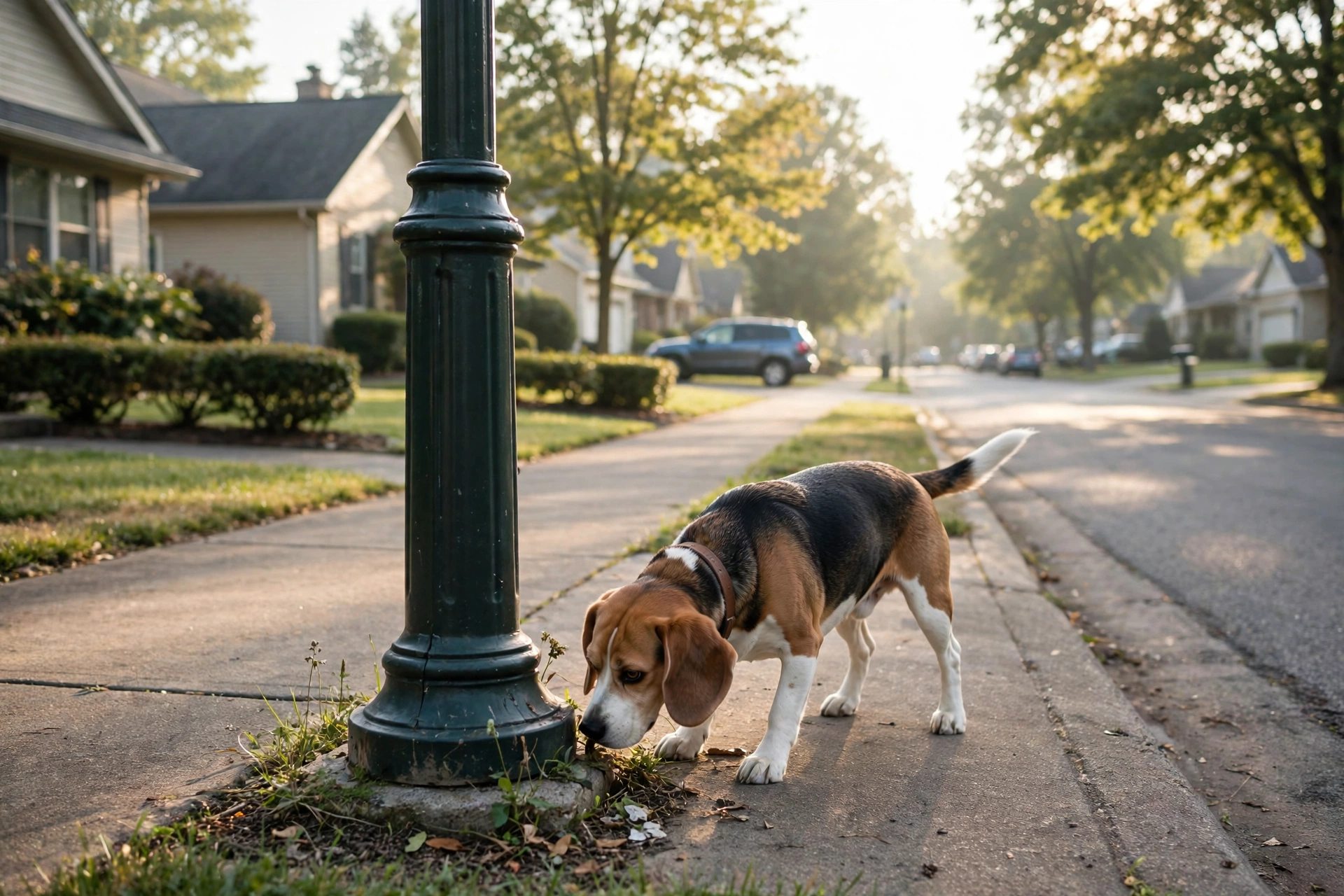
What it means: Dogs use scent the way we use social media — to catch up on what’s happening. That lamp post your dog studies for five minutes is covered in “pee-mail”: scent messages from other dogs that reveal who passed by, their sex, roughly how big they are, and how they were feeling. Your dog sniffing your hands or clothes is doing the same thing — reading where you’ve been and who you’ve met.
What to do: Allow reasonable investigation time. A good rule of thumb: if you’re not in a rush, give your dog a few minutes at each interesting spot. Sniffing new things tires them out mentally, which means a calmer dog at home afterward.
Helpful pick: Joytale 30ft Long Training Leash — a long line gives your dog room to explore scents safely while you stay in control.
3. They’re Bored and Sniffing for Something to Do
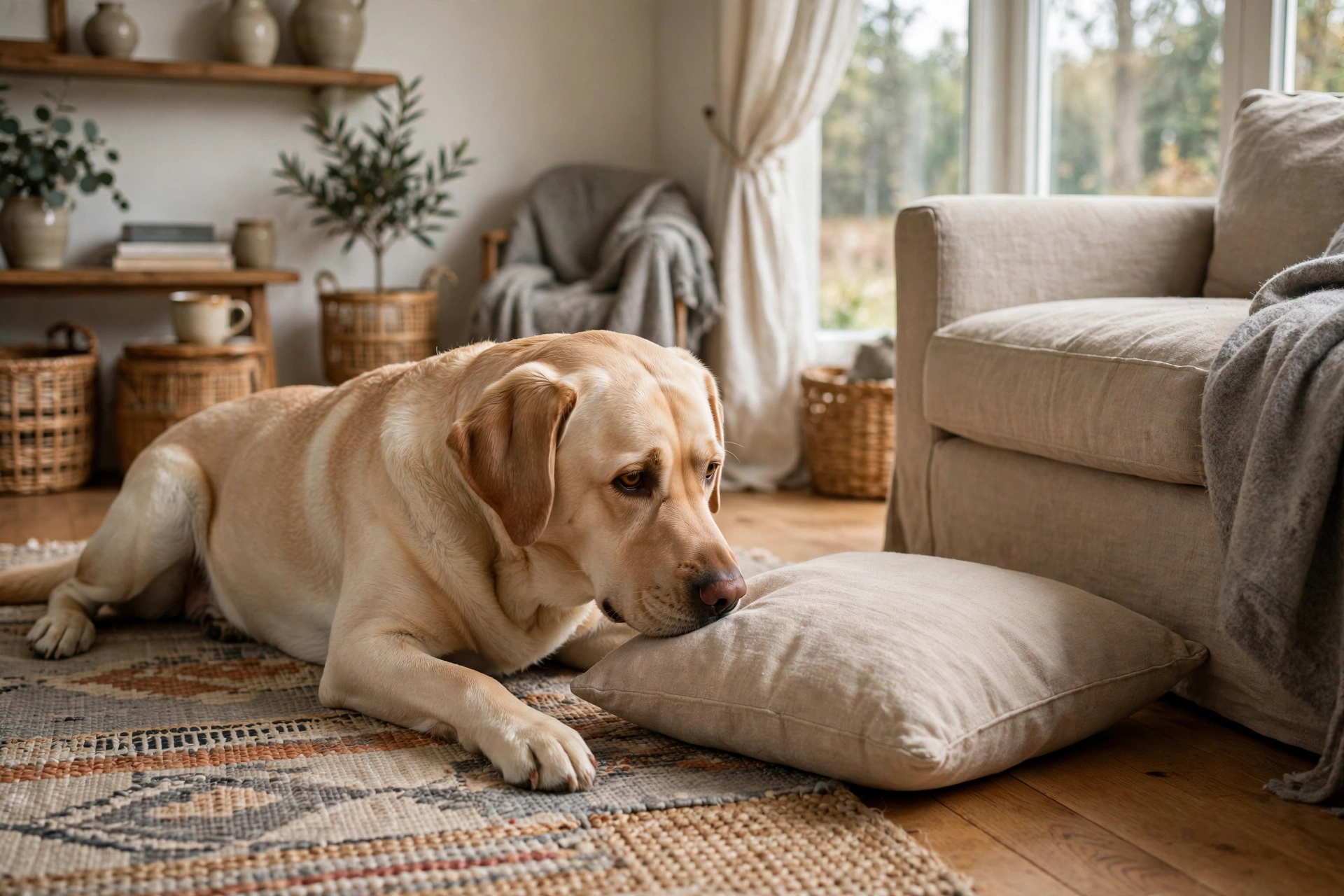
What it means: Sometimes heavy sniffing around the house — under furniture, along baseboards, inside the couch — is your dog’s way of saying “I’m under-stimulated.” A dog that doesn’t get enough mental exercise will invent their own nose games, and they aren’t always games you appreciate.
What to do: Channel the sniffing into structured nose games. Hide treats around a room and tell your dog to “find it.” Rotate puzzle toys. A dog that gets 15 minutes of nose work a day is noticeably calmer and less destructive.
Helpful pick: Outward Hound Tornado Puzzle Toy — makes your dog sniff, nudge, and problem-solve for their treats.
4. They’re Anxious or Stressed
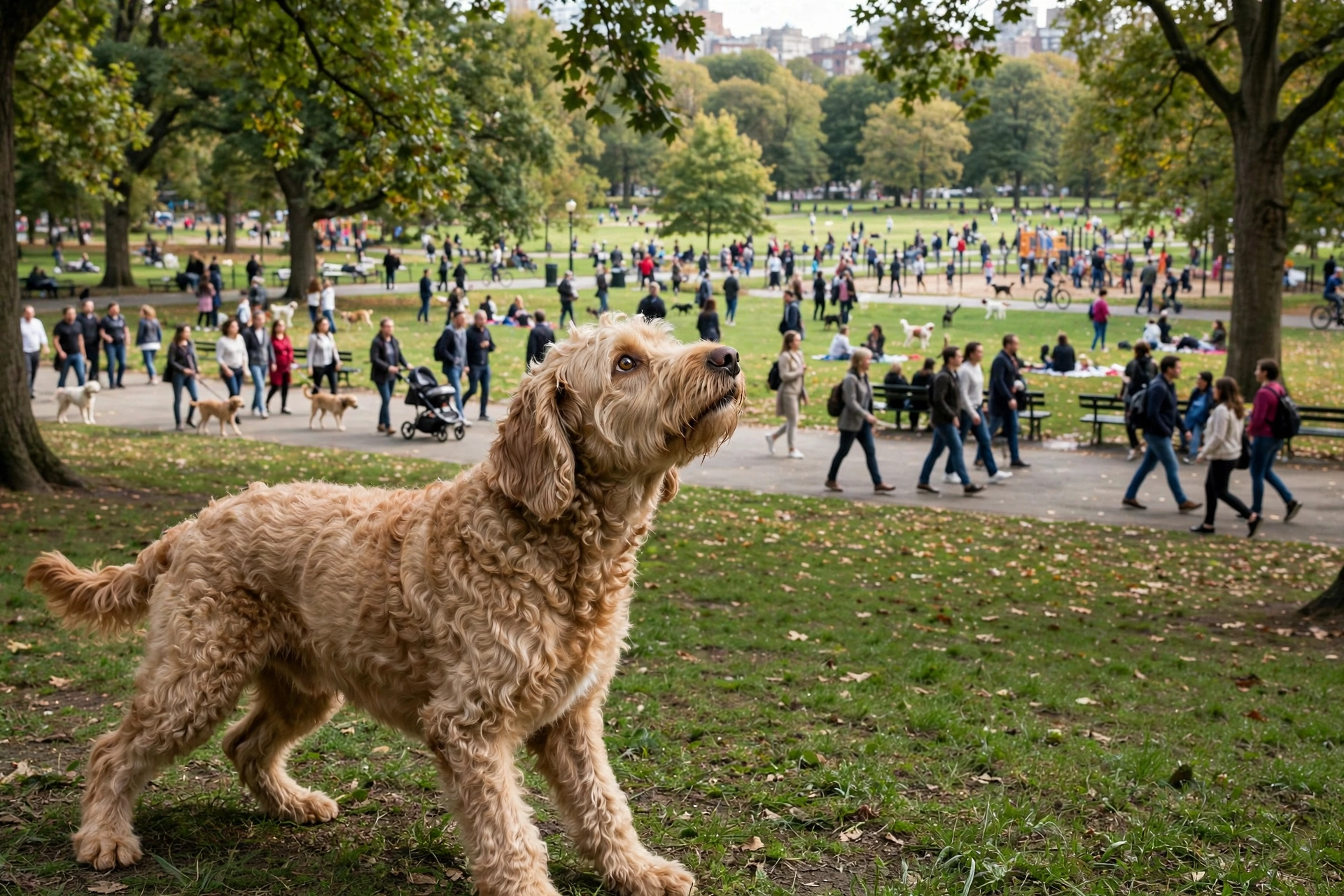
What it means: Sniffing can be a self-soothing behavior. Dogs in unfamiliar or overwhelming situations often drop their nose to the ground and sniff intensely — it’s a calming signal, a way to lower their own stress. If your dog suddenly starts sniffing frantically in a new place, they’re probably trying to cope.
What to do: Don’t rush them. Let them decompress and keep your own energy calm. If anxiety-driven sniffing happens often — combined with panting, yawning, or lip-licking — consider a calmer routine, shorter outings in busy places, and talk to your vet if it persists.
Helpful pick: KONG Classic — a stuffed frozen KONG gives an anxious dog a calming, focused activity.
5. They’re Searching for Scents (and Leaving Their Own)
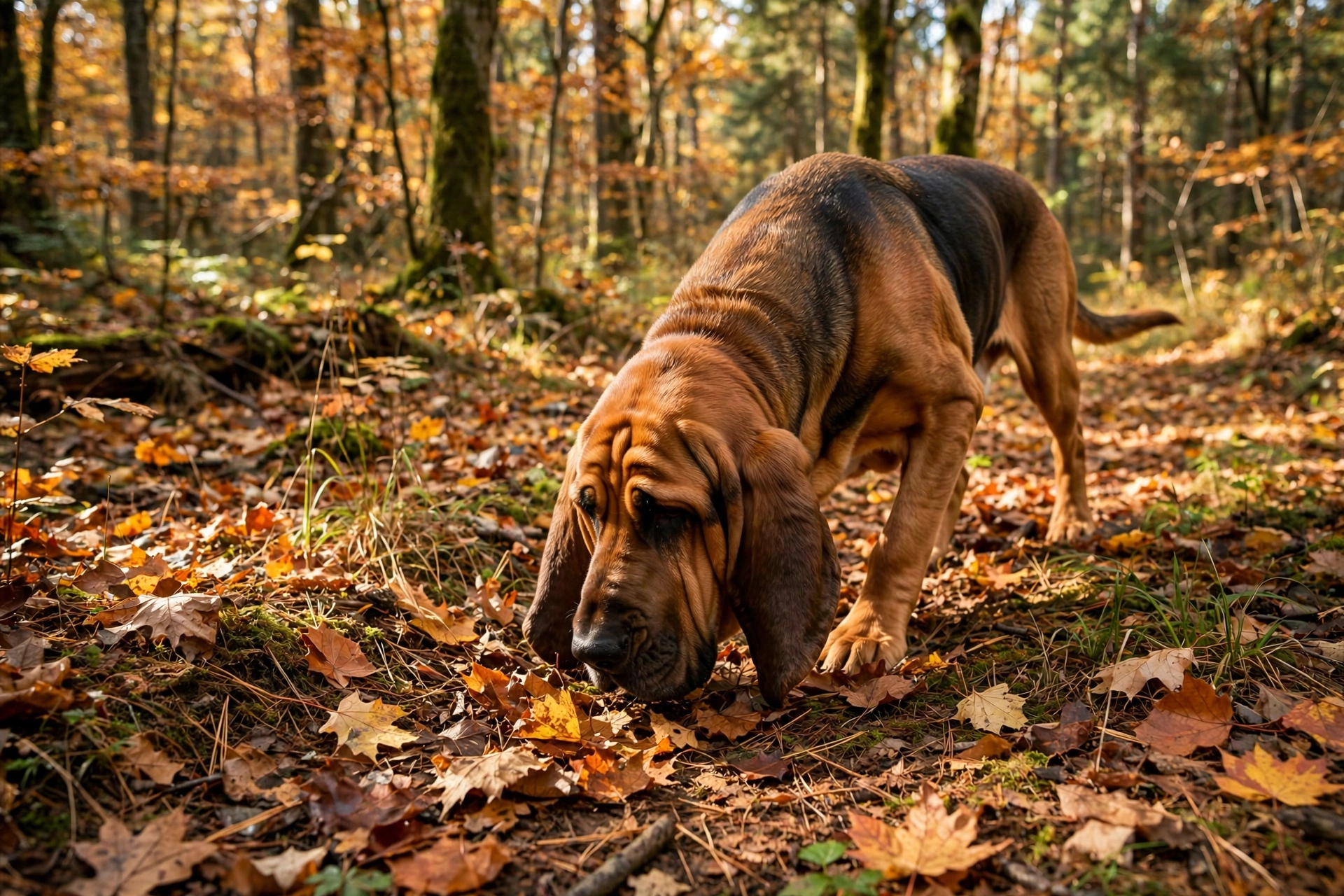
What it means: Your dog’s nose is a hunting instrument, even if the closest thing they hunt is a dropped french fry. Sniffing the ground in a grid pattern — nose down, moving methodically — is the tracking behavior their ancestors used to follow prey trails. And after sniffing, many dogs leave their own scent behind with a quick mark, adding their chapter to the neighborhood story.
What to do: Lean into it. “Find it” games, scatter-feeding kibble in the grass, and beginner nose-work classes turn this instinct into a sport your dog will love. Breeds like beagles, bloodhounds, and spaniels are especially wired for it — but every dog can play.
Helpful pick: Zuke’s Mini Naturals Training Treats — small, soft treats are perfect for rewarding successful finds during scent games.
6. It’s Pure Canine Instinct
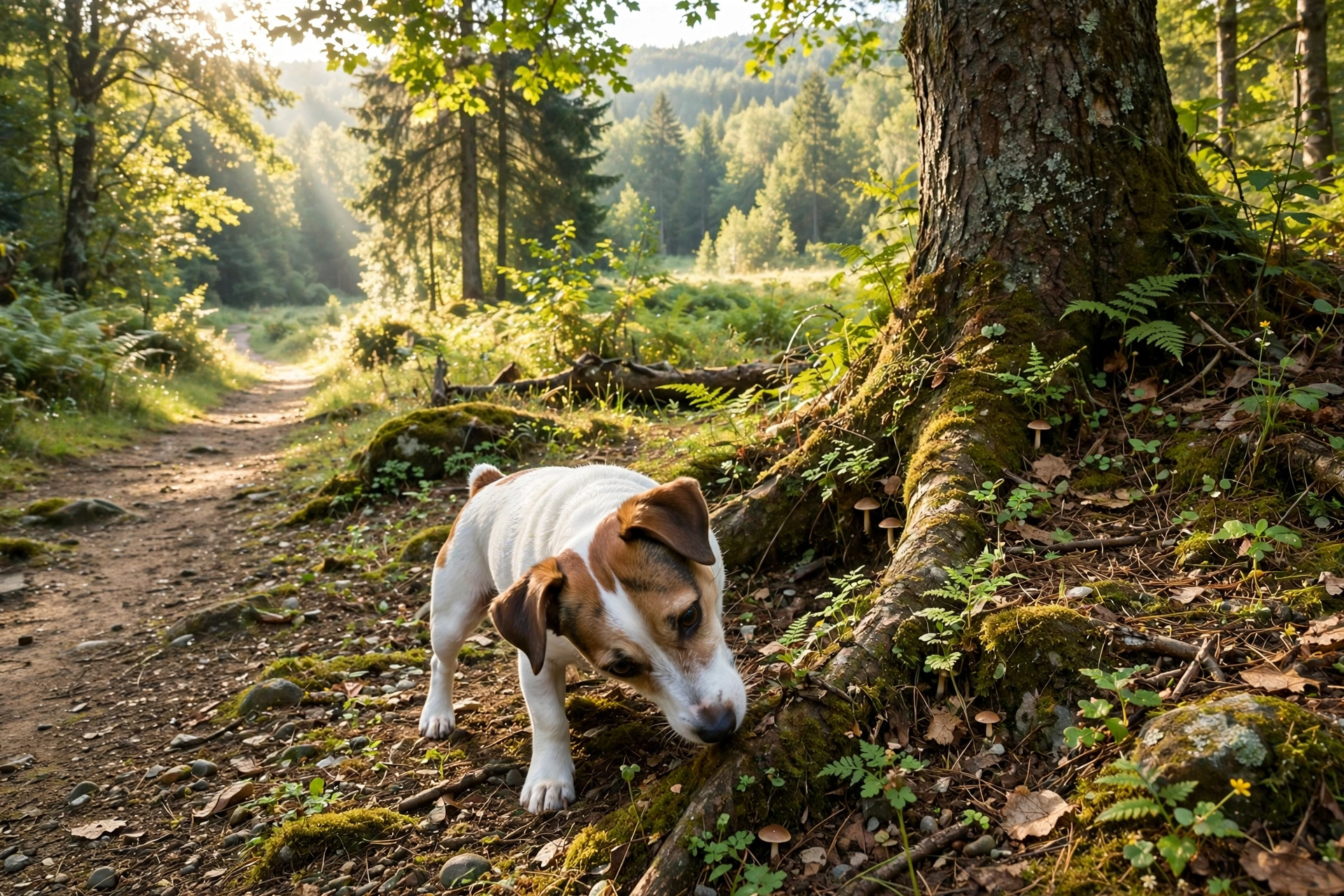
What it means: At the end of the day, sniffing everything is simply what dogs do. It’s as natural as wagging. Puppies learn about their world through their noses before their eyes are even open, and that nose-first approach never goes away. Trying to train sniffing out of a dog entirely would be like asking a human to walk around with their eyes closed.
What to do: Build sniffing into your daily routine instead of fighting it. Designate part of every walk as “their time” — no commands, no hurrying, just nose-led exploring. You’ll be surprised how much more relaxed your walks become when you stop racing the clock.
Helpful pick: Egiao Dog Treat Pouch — keep rewards handy on sniff walks so you can reinforce recall when it’s time to move on.
How to Channel Sniffing Into Enrichment
Ready to turn your dog’s favorite hobby into structured fun? Try these:
- Sniff walks: Dedicate 10–15 minutes of each walk to pure nose-led exploring. No pulling them along.
- “Find it” games: Hide treats around the house or yard and let your dog hunt them down.
- Scatter feeding: Toss dinner kibble into the grass so your dog has to sniff out every piece.
- Snuffle mats and puzzles: Great for rainy days when walks are short.
- Nose work classes: Many trainers offer beginner scent-detection classes — a wonderful outlet for high-energy dogs.
A note on pulling: If your dog drags you from smell to smell on a tight leash, the answer usually isn’t less sniffing — it’s more. Dogs that get regular, satisfying nose time tend to pull less on exercise walks because their mental tank is full. Pair sniff walks with loose-leash practice (reward check-ins with you) and you’ll get a dog that can do both: investigate like a detective and walk like a gentleman.
Keep reading: Why Does My Dog Nudge Me With His Nose? · Why Does My Dog Poke Me With His Nose? · Why Does My Dog Smell? · How to Teach Your Dog to Come When Called
Frequently Asked Questions
Is it bad to let my dog sniff everything on walks?
No — it’s one of the healthiest things you can let them do. Sniffing provides mental stimulation, lowers stress, and makes walks more satisfying. Just keep a balance: some walks can be brisk exercise, others can be relaxed sniff sessions.
Why does my dog sniff the same spot for so long?
They’re decoding a complex scent message. A single spot can hold layers of information — who was there, when, and how they felt. To your dog, it’s the equivalent of reading a long, fascinating email.
Can I train my dog to sniff less on walks?
You can teach a “let’s go” cue to keep moving when needed, but don’t try to eliminate sniffing entirely. A better approach is giving your dog dedicated sniffing time so the need is satisfied.
Do all dog breeds sniff the same amount?
No. Scent hounds like beagles and bloodhounds are legendary sniffers, but all breeds use their noses constantly. Even brachycephalic (flat-faced) breeds sniff — they just may do it in shorter bursts.
Why does my dog sniff me so much?
You’re the most interesting story in their day. Your scent tells them where you’ve been, what you’ve eaten, and how you’re feeling. It’s also a sign of bonding — they simply want to be close to you.
As an Amazon Associate, PetPostHub earns from qualifying purchases.



One Comment