Puppy Gets 3D-Printed Face Mask to Heal After Severe Dog Attack (2026)
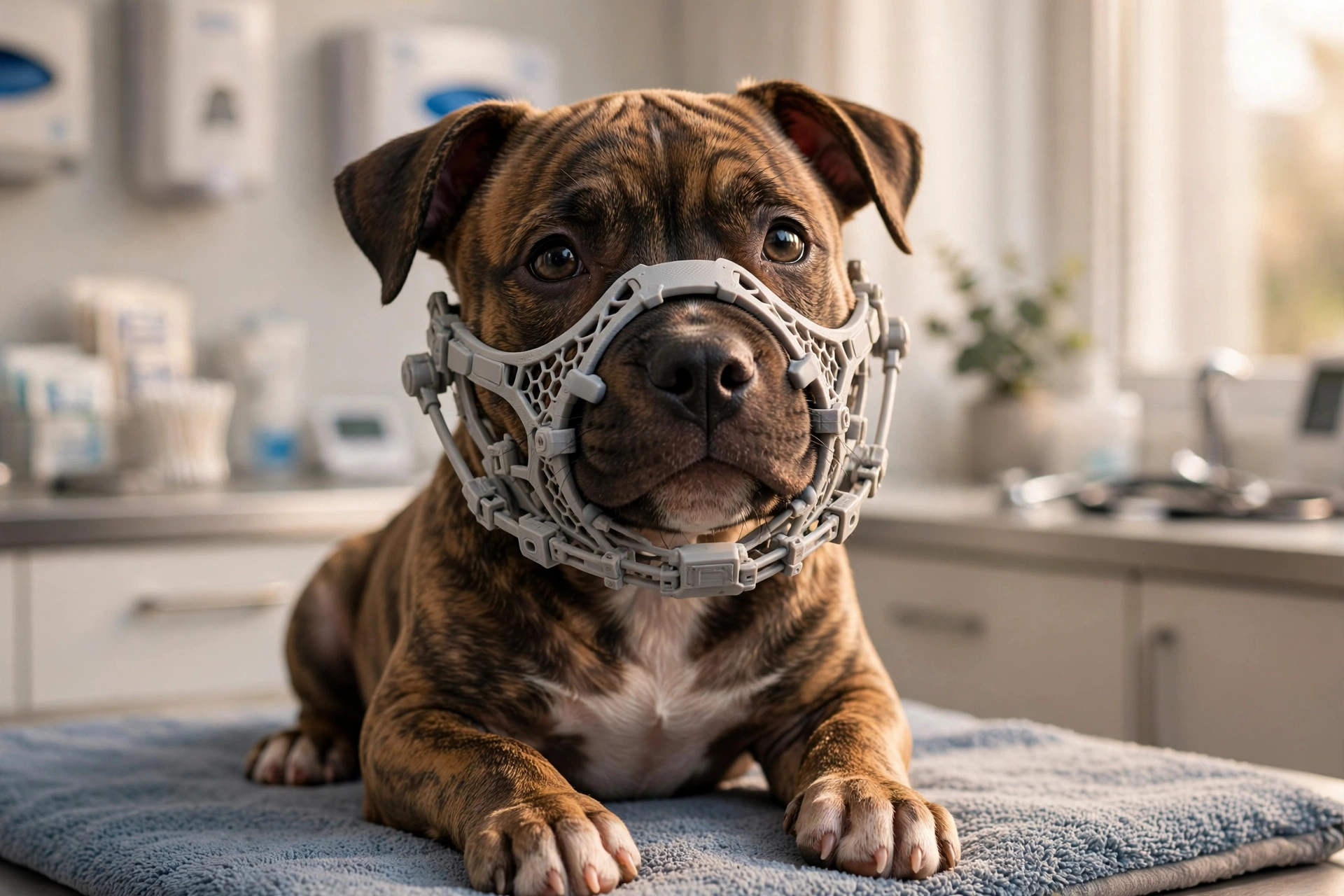
When a tiny puppy arrived at a California veterinary hospital with a shattered face, surgeons knew ordinary bandages would not be enough. But a custom 3D-printed face mask, designed just for her from a CT scan, would help her heal in a way no one had tried before.
This is the remarkable story of Loca, a four-month-old Staffordshire Bull Terrier whose broken jaw, crushed cheekbone, and damaged facial joint were repaired with the help of cutting-edge technology — and who went from tragedy to triumph in a matter of weeks.
The Severe Attack That Nearly Cost Loca Everything
At just four months old, Loca should have been spending her days learning about the world — chasing toys, napping in sunbeams, and discovering how much she loved her humans. Instead, this young Staffordshire Bull Terrier found herself in the middle of a terrifying dog attack that left her face severely injured.
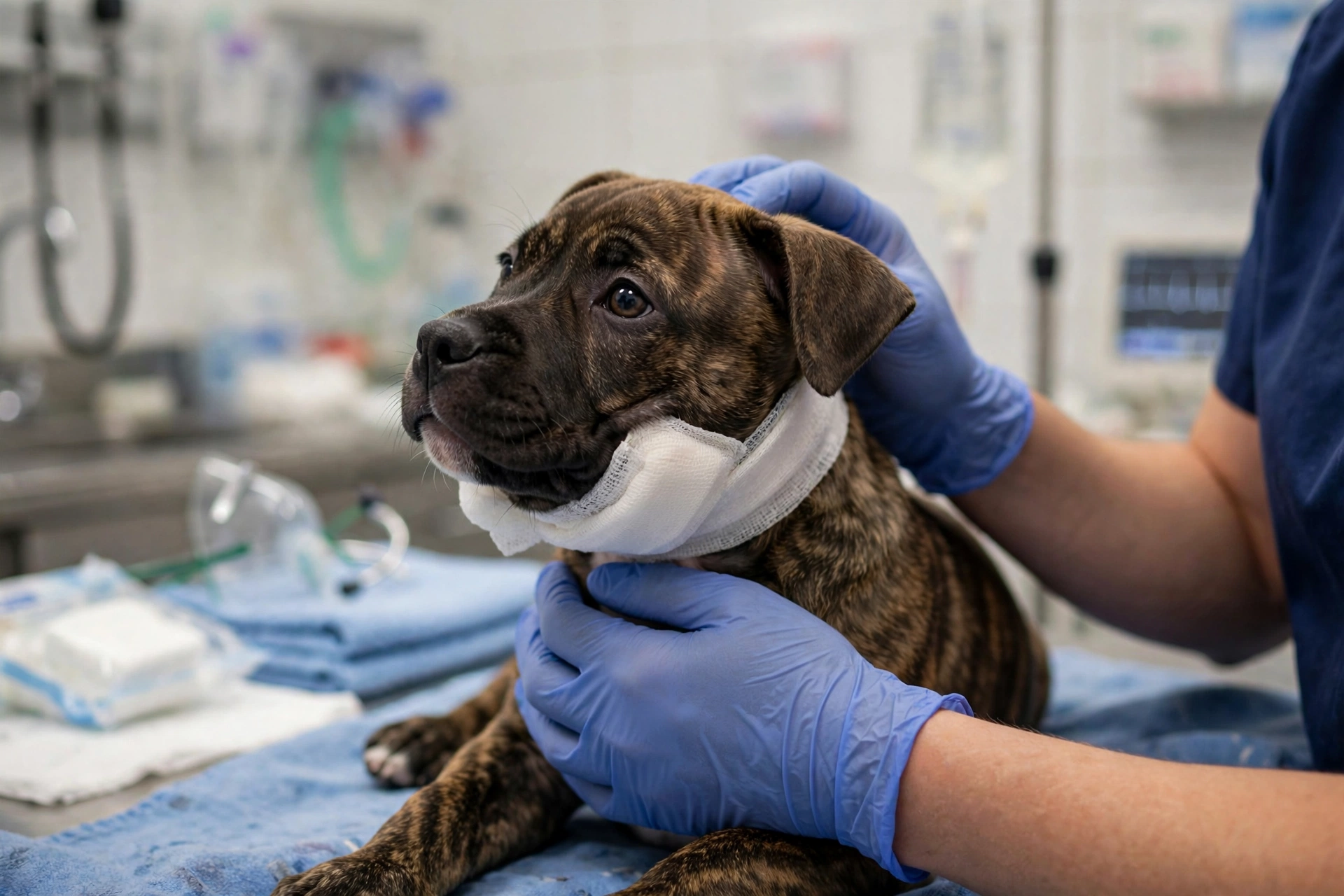
When Loca reached the UC Davis School of Veterinary Medicine in California, the veterinary team immediately understood the gravity of her condition. The puppy had suffered a crushed cheekbone, a broken jaw, and serious damage to her temporomandibular joint — the hinge that allows the jaw to open and close. On top of those fractures, she carried several puncture wounds across her face and neck from the attack.
Injuries like these are among the most difficult to treat in veterinary medicine. A dog’s face is a complex structure of thin bones, delicate joints, and powerful muscles. When multiple fractures happen at once — especially in a young puppy whose bones are still growing — surgeons face an enormous challenge. They must rebuild the facial structure precisely enough that the jaw can move normally again, because a puppy that cannot open her mouth properly cannot eat, drink, or live a comfortable life.
Loca’s case demanded complex surgery to restore her facial structure. Her veterinary surgeons carefully pieced her broken bones back together, knowing that the real question was what would come next: how do you keep a puppy’s fragile, healing face perfectly still while it mends? Puppies squirm, play, and chew — every one of those natural behaviors could undo delicate surgical work in an instant.
Fortunately, the team at UC Davis was already working on something extraordinary: a custom 3D-printed mask intended to work like a cast for dogs with fractured skulls. Loca’s case arrived at exactly the right moment — and she would become the very first patient to benefit from it.
The Innovative 3D-Printed Mask: A First-of-Its-Kind Cast
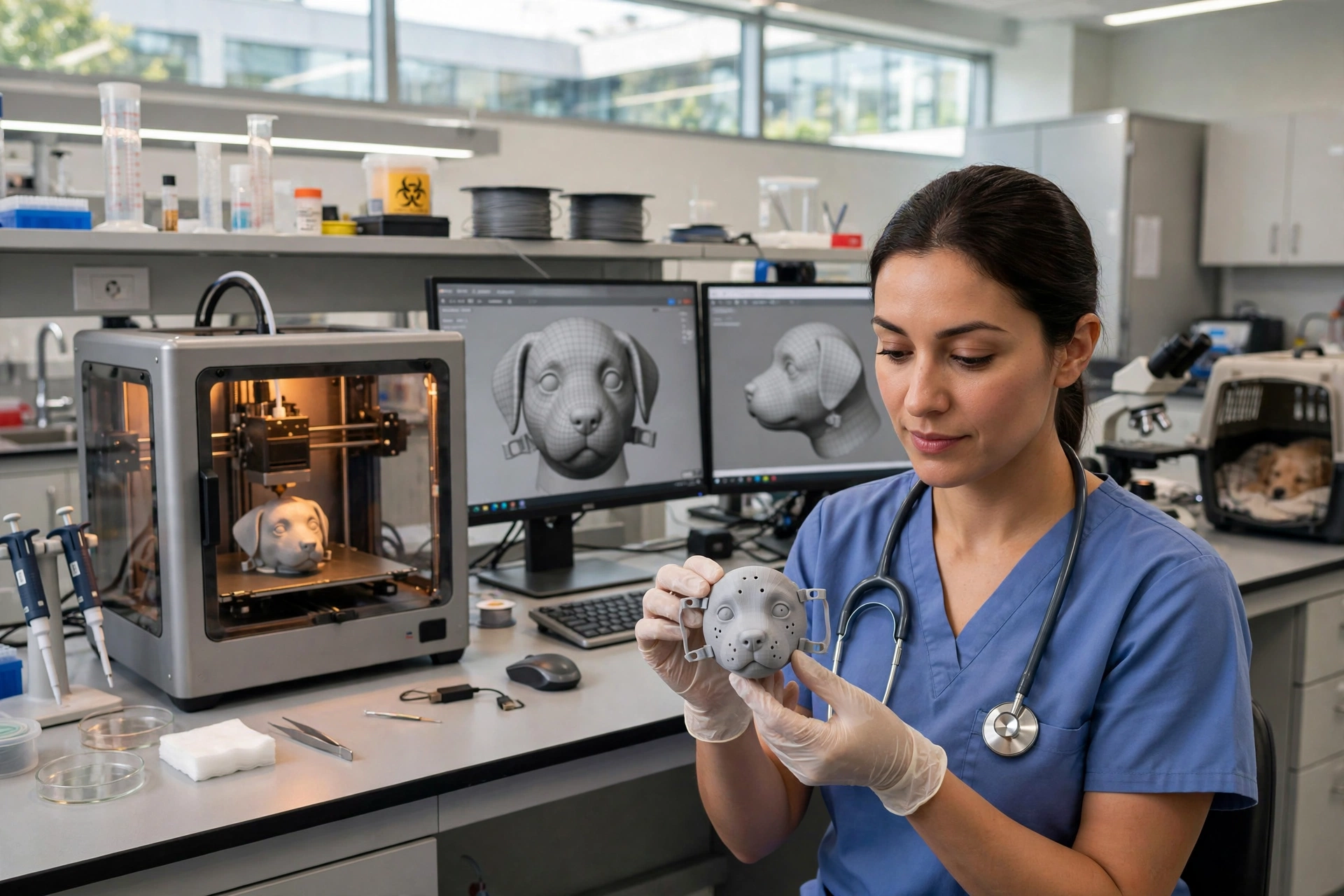
After Loca’s surgery, the team fitted her with a specially designed device called the Exo-K9 Exoskeleton — a face mask custom-printed by biomedical engineering students specifically for her tiny face. Because the students were already deep into developing this prototype, Loca was the ideal first candidate for the innovative approach.
Here is how it worked: using Loca’s CT scan, the team created a digital model of her injured skull. From that model, they 3D-printed a personalized mask shaped to fit her face perfectly. The device acted as a rigid external cast, stabilizing her jawbone and holding the repaired fractures in exactly the right position while they healed. Unlike traditional bandages or casts, which can shift or press unevenly, a mask printed from the patient’s own anatomy provides a precise, even hold.
The concept is simple but revolutionary. When humans break bones, doctors immobilize them with casts so the pieces cannot move while new bone forms. But a puppy’s face is far too complicated — and far too small — for conventional casting methods. The Exo-K9 solved that problem by wrapping the healing structures in a lightweight, custom-fitted shell that protected the surgical repairs without restricting the things a puppy still needs to do, like breathing comfortably and opening her mouth just enough to eat and drink.
What makes this story even more special is the collaboration behind it. Veterinary surgeons brought their knowledge of animal anatomy and surgical repair, while biomedical engineering students brought their expertise in 3D design and printing. Together, they turned a research prototype into a life-changing medical device for a real patient — a puppy who needed it desperately.
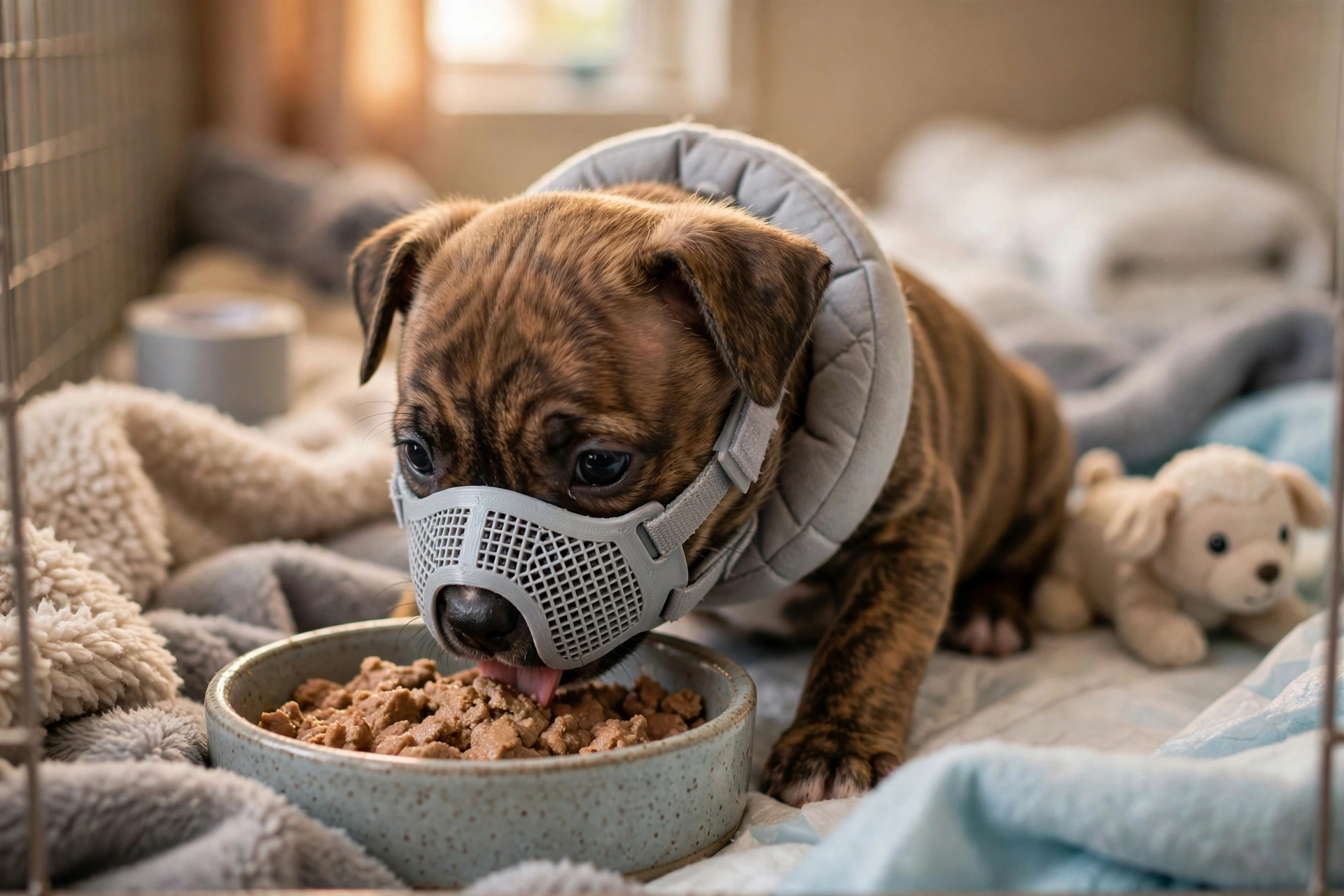
Loca thrived during her three-day stay at the hospital. She quickly began eating soft foods and remained comfortable with her pain management. Alongside the Exo-K9 mask, she wore a cushioned neck bandage that helped stabilize her neck injury and limited her movement as she healed. For a puppy who had arrived in such terrible shape, her progress was nothing short of remarkable.
The Healing Journey: One Month of Patience and Care
Healing a puppy’s fractured face is not a quick process — it requires patience, discipline, and a lot of tender loving care. For a full month after her surgery, Loca lived under strict recovery rules designed to protect her healing bones.
For thirty days, she was restricted from toys, bones, or any hard chew items — a serious sacrifice for a four-month-old puppy whose whole world revolves around chewing. Her mask and neck collar stayed on at all times, coming off only when she needed to eat or drink. She followed a soft-food diet until her wounds had fully mended, giving her jaw and cheekbone the quiet, undisturbed time they needed to rebuild.
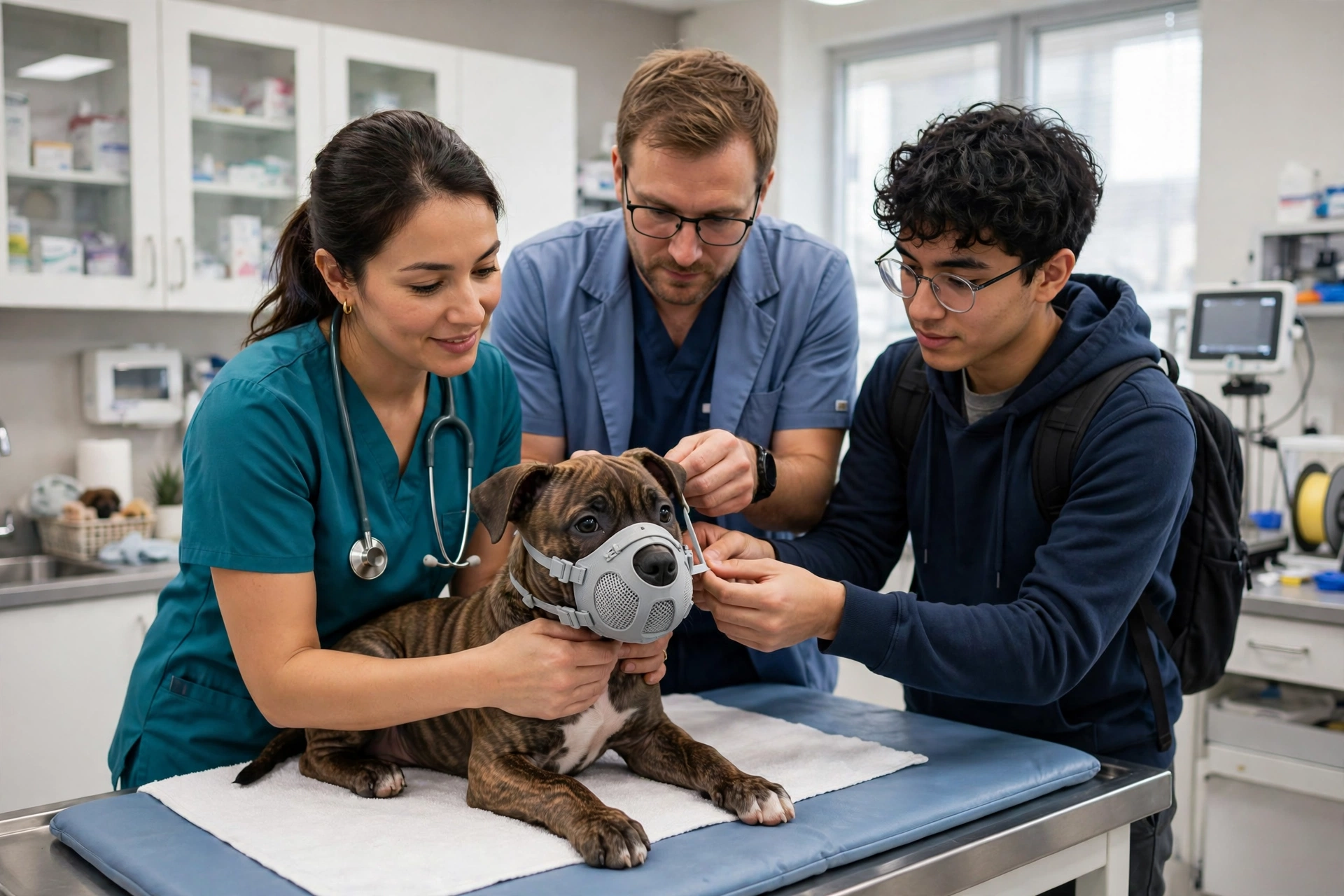
Throughout her recovery, the veterinary team monitored her closely. The mask’s custom fit meant they could check her healing without disturbing the fractures, and the soft-food diet kept her jaw working gently — just enough movement to maintain healthy function, but never enough to threaten the repairs. Week by week, the swelling faded, the bones knit together, and Loca’s bright puppy personality shone through more and more.
By the end of the month, her transformation was complete. The broken jaw had stabilized, the crushed cheekbone had healed, and the damaged joint was functioning again. The little puppy who had arrived at UC Davis with one of the most severe facial injuries the team had seen was now eating, playing, and behaving like any other happy young dog.
A Happy New Life for a Brave Little Fighter
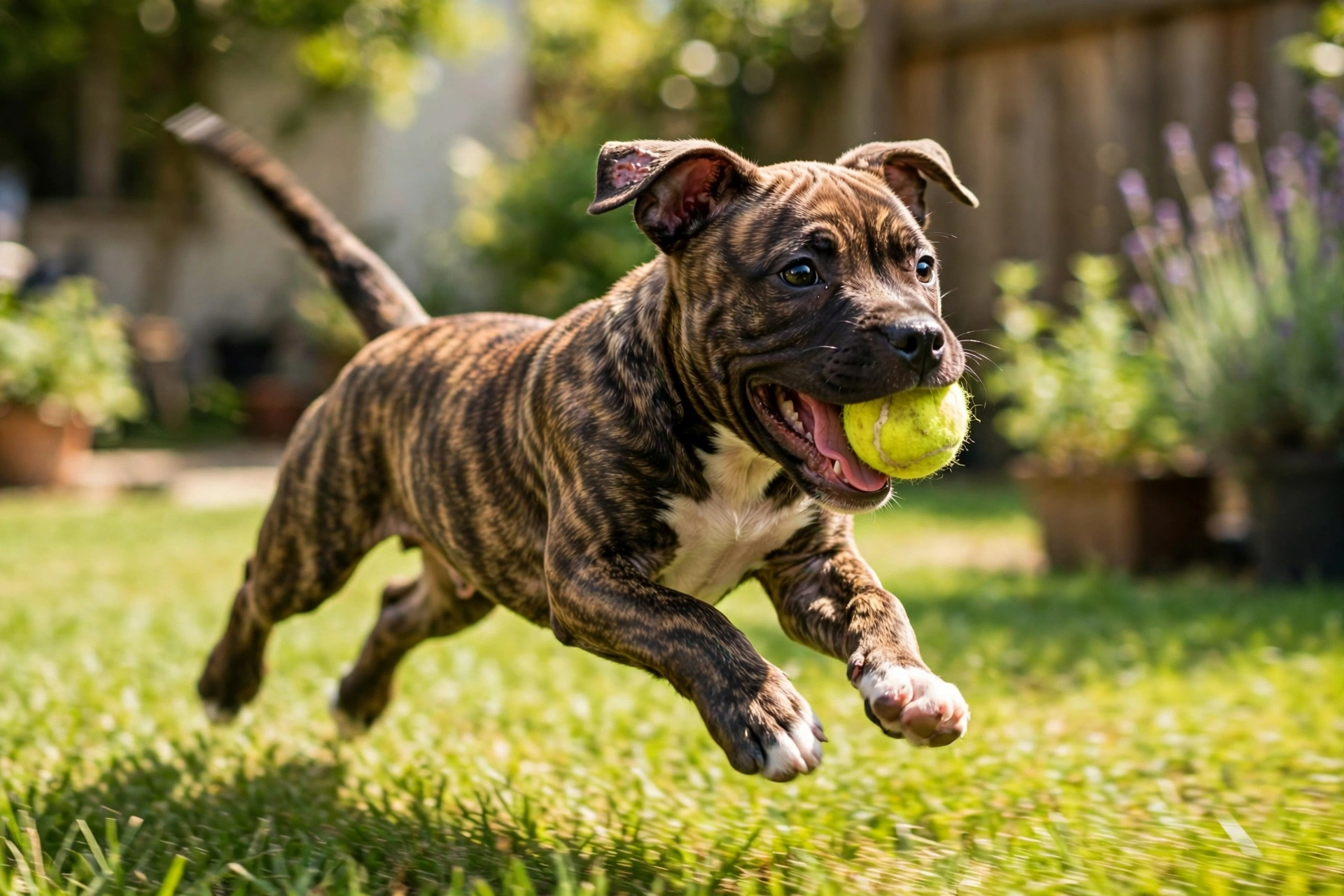
Today, Loca is living proof that innovation and compassion can change lives. The puppy who once needed a revolutionary mask just to hold her face together is now a playful, joyful young dog enjoying everything puppyhood is supposed to be — games, adventures, and all the chewing her heart desires (on safe, appropriate toys this time).
Her story represents something bigger than one lucky puppy. The Exo-K9 Exoskeleton she helped pioneer could one day become a standard tool in veterinary medicine, giving dogs with fractured skulls and severe facial injuries a better chance at full recovery. Every medical breakthrough starts with a first patient, and brave, resilient Loca carried that honor beautifully.
There is a special kind of hope in stories like Loca’s. They remind us that even the most devastating injuries are not always the end of the story. With skilled hands, creative minds, and technology designed with love, a puppy who arrived broken can leave whole. Loca’s journey from a severe dog attack to a happy new life shows what becomes possible when science and compassion work side by side — and it is a story worth celebrating.
Frequently Asked Questions
What injuries did Loca the puppy suffer?
Loca, a four-month-old Staffordshire Bull Terrier, suffered a crushed cheekbone, a broken jaw, and significant damage to her temporomandibular joint (the jaw hinge), along with several puncture wounds on her face and neck, after a severe dog attack.
What is the Exo-K9 Exoskeleton?
The Exo-K9 Exoskeleton is a custom 3D-printed face mask developed by UC Davis biomedical engineering students and veterinary surgeons. Designed from the patient’s CT scan, it works like a cast — stabilizing fractured skull and jaw bones in precisely the right position while they heal.
How long did Loca have to wear the 3D-printed mask?
For about a month after surgery, Loca wore the mask and a cushioned neck collar at all times, removing them only to eat or drink. She also stayed on a soft-food diet and was kept away from toys, bones, and hard chew items during that period.
Was Loca the first dog to use this device?
Yes. The engineering students were already developing the Exo-K9 prototype when Loca arrived, which made her the ideal first candidate — and the first patient ever fitted with this innovative device.
Can 3D-printed masks help other injured dogs?
Loca’s successful recovery suggests this technology could become a valuable tool in veterinary medicine for dogs with fractured skulls and severe facial injuries, offering precise, custom-fitted stabilization that traditional methods cannot match.
Keep Reading
- Rescued Puppy Boo Overcomes Severe Injuries and Gets a Second Chance
- Pit Bull Rescued After Being Thrown Over Razor-Wire Fence
- Cat With Broken Jaw Survives After Being Found in a Trash Bag
- 16-Year-Old Dog Rescued From Dumpster Gets a Second Chance
- Neglected Dog Bogey Survives Starvation, Sees Abuser Sentenced