
Why Does My Dog Sneeze? 8 Reasons (And When to Worry)
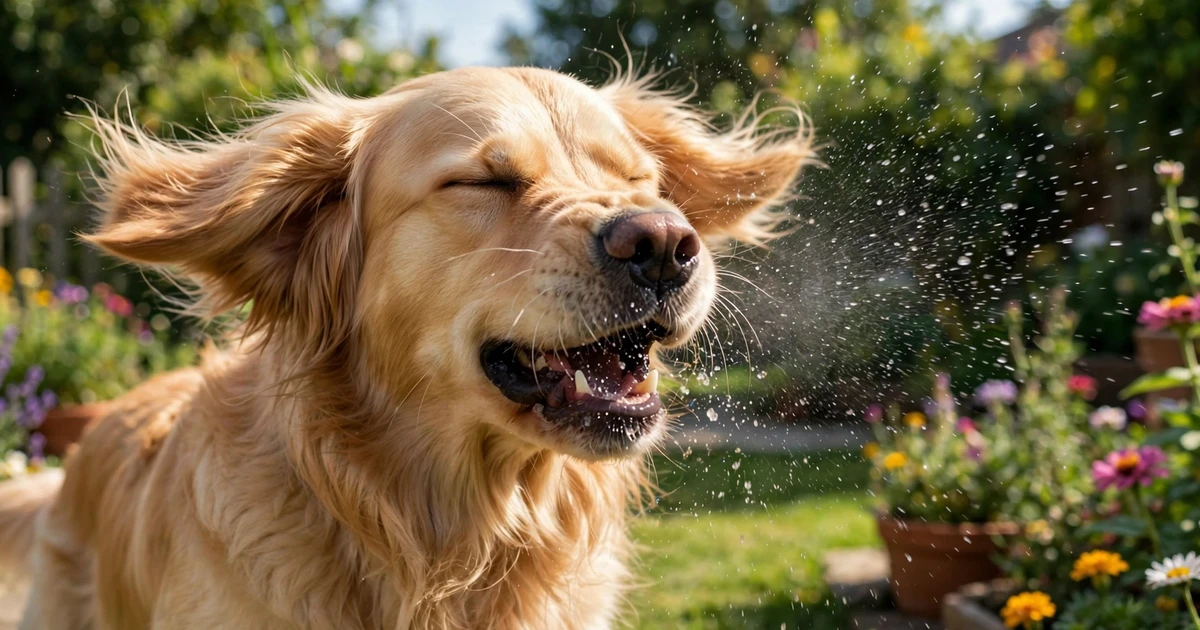
If you’ve been wondering why does my dog sneeze so much, in most cases, the answer is completely harmless. Sneezing is simply your dog’s way of clearing their nose, the same way it is for you. Dogs sneeze when they’re excited, when they catch a whiff of something interesting. That said, frequent or forceful sneezing can occasionally point to allergies, a foreign object, dental trouble, or a nasal infection — and one dramatic-sounding behavior called reverse sneezing deserves its own explanation.
In this guide, we’ll cover the 8 most common reasons dogs sneeze, what you can do about each, and the red flags that mean it’s time to call your vet. Note: This article is for informational purposes only and isn’t a substitute for professional veterinary advice. If you’re ever unsure, a quick vet check is always the safest move.
1. Excitement and Play Sneezing

What it looks like: A burst of quick, sharp sneezes right in the middle of a game of chase, tug, or wrestling — or the moment you walk through the door or grab the leash. Dogs often sneeze as a “play signal,” a way of telling another dog (or you) that the roughhousing is all in good fun. Some dogs even sneeze when they drop into a play bow.
What to do: No action needed — these sneezes are a sign of a happy, social dog and stop when the excitement settles. Keeping greetings calm and low-key can help dogs who work themselves into a frenzy.
Helpful pick: KONG Classic — the timeless stuffable toy that keeps play sessions active, enriching, and full of happy sneezes.
2. Dust or Nasal Irritants
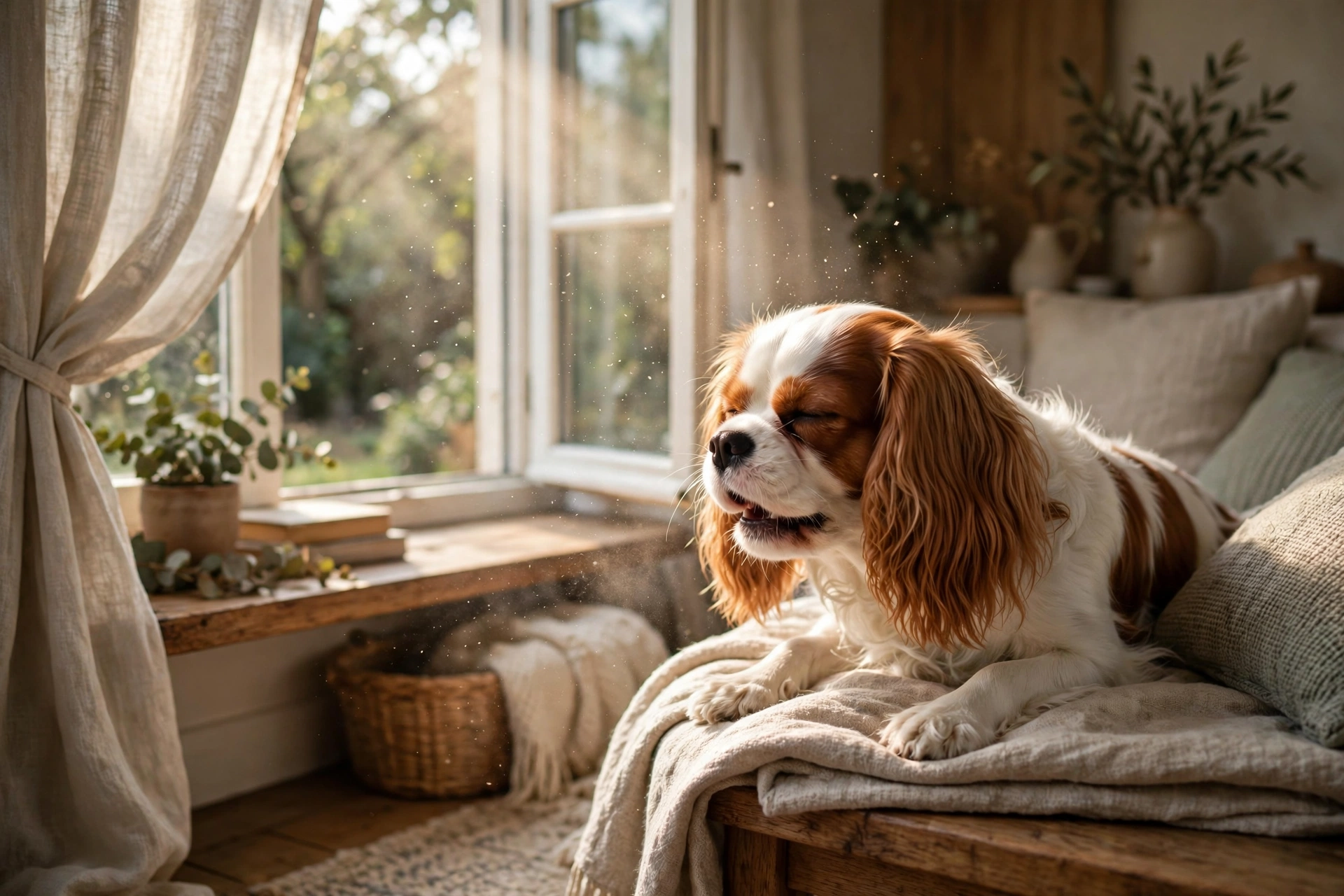
What it looks like: Sneezing that happens in a specific spot or moment — near the laundry room, after you spritz perfume, or while you’re dusting shelves. A dog’s nose is astonishingly sensitive, so household irritants like dust, scented candles, air fresheners, cigarette smoke, and harsh cleaning sprays can all set off a sneezing fit. Certain fragrances, including some essential oils, are especially hard on canine noses.
What to do: Notice where and when the sneezing happens, then remove the trigger. Switch to unscented cleaning products, keep your dog out of the room while you clean, and vacuum regularly with a HEPA-filter vacuum. If you enjoy scented products, check our guide on which essential oils are safe vs. toxic for dogs before diffusing anything around your pup.
Helpful pick: LEVOIT Core 300-P Air Purifier — its 3-in-1 HEPA filter captures dust, pollen, smoke, and pet dander for cleaner indoor air.
3. Seasonal Allergies

What it looks like: Recurring sneezing that follows a pattern — worse in spring, after walks through tall grass, or during dusty spells — often paired with watery eyes, itchy skin, paw licking, or ear scratching. Just like people, dogs can be allergic to pollen, dust mites, mold spores, and grass. Allergy sneezing rarely shows up alone; the itch-scratch-sneeze combo is the giveaway.
What to do: Wipe your dog’s paws and muzzle after walks, wash bedding frequently, and keep windows closed on high-pollen days. Talk to your vet about an allergy plan — they can recommend antihistamines or other treatments suited to your dog. Never give human allergy medication without veterinary guidance, and pairing good nutrition with allergy care helps; see our roundup of the best dog food for allergies.
Helpful pick: Zesty Paws Allergy Immune Bites — tasty daily chews that support immune health and seasonal allergy comfort in dogs.
4. Reverse Sneezing

What it looks like: Your dog suddenly stands still, stretches their neck out, and makes loud, rapid snorting or honking sounds — as if they’re inhaling sneezes instead of blowing them out. It looks alarming the first time, but it’s usually harmless. It’s most common in small and flat-faced breeds like Pugs, Shih Tzus, and Chihuahuas, and it’s typically triggered by nasal irritation, excitement, or pressure from a collar.
What to do: Stay calm — most episodes pass within 30 seconds to a minute. Gently massage your dog’s throat, offer a treat or a sip of water to encourage swallowing, or lightly blow on their face. If episodes happen on walks, switching from a collar to a harness removes throat pressure, a common trigger.
Helpful pick: rabbitgoo No Pull Dog Harness — padded and adjustable, it takes pressure off the throat and neck on every walk.
5. Nasal Mites

What it looks like: Violent, repeated sneezing fits that come out of nowhere and keep coming back, sometimes with head shaking, snorting, or a nosebleed. Nasal mites are tiny parasites that live inside a dog’s nasal passages, and they’re intensely irritating. Dogs usually pick them up through nose-to-nose contact with other dogs or from digging in dirt with their snouts.
What to do: Nasal mites can’t be treated at home — your dog needs a vet visit for diagnosis and antiparasitic medication. Meanwhile, keeping indoor air humid can help soothe irritated nasal passages. Don’t try to flush or dig anything out of your dog’s nose yourself.
Helpful pick: MEGAWISE 3.5L Cool Mist Humidifier — adds gentle moisture to dry indoor air for your dog’s nasal comfort during recovery.
6. Foreign Object in the Nose

What it looks like: Sudden, violent sneezing that erupts out of nowhere — often right after your dog was enthusiastically sniffing through grass, mulch, or underbrush. The sneezing may be one-sided, and your dog might paw at their nose or rub their face along the ground. Grass awns (foxtails) are the classic culprit and can migrate deep into nasal tissue.
What to do: A few sneezes may clear a mild irritant on their own. But if the sneezing is intense, one-sided, or continues for more than an hour or two, call your vet — lodged objects sometimes need to be removed under sedation. Never probe your dog’s nostril with tweezers or cotton swabs. Keep a pet first aid kit in the car for trail adventures.
Helpful pick: ARCA PET Pet First Aid Kit — a 75-piece vet-reviewed kit with a thermometer, muzzle, and emergency supplies for outdoor mishaps.
7. Dental Issues

What it looks like: Sneezing paired with bad breath, drooling, pawing at the mouth, or reluctance to chew hard food. The roots of a dog’s upper teeth sit very close to the nasal passages, so an infected tooth root or advanced gum disease can irritate the nose from the inside — sometimes producing discharge from just one nostril.
What to do: Check your dog’s teeth and gums regularly, and keep up with dental chews and brushing. If you notice bad breath, bleeding gums, or chewing pain, schedule a veterinary dental exam — dental sneezing won’t resolve until the underlying tooth problem is treated.
Helpful pick: Greenies Teenie Dental Treats — veterinarian-recommended daily chews that fight plaque and tartar between brushings.
8. Respiratory Infection
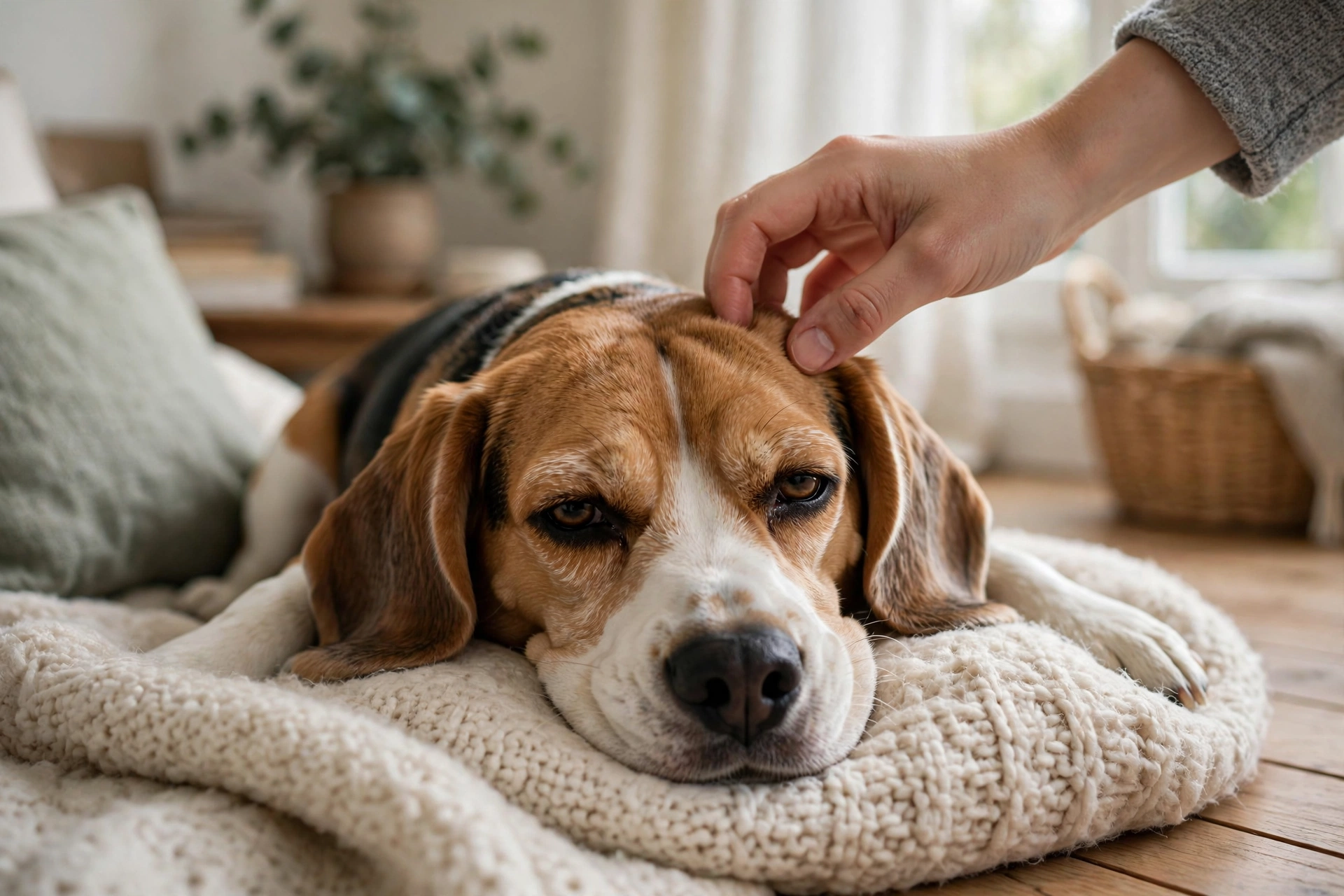
What it looks like: Sneezing that lingers for days, often with a runny nose, watery or goopy eyes, coughing, or low energy. Bacterial, viral, and occasionally fungal infections (like aspergillus from dust or decaying vegetation) can inflame the nasal passages. Thick, yellow, green, or bloody discharge is a hallmark of infection rather than a simple irritant.
What to do: See your vet promptly for diagnosis and treatment, which may include antibiotics or antifungals. Keep your dog rested, hydrated, and away from other dogs until cleared. Gentle saline-based nose drops formulated for pets can help keep nasal passages moist and comfortable — but always follow your vet’s guidance, and never use human nasal sprays or decongestants on your dog.
Helpful pick: HomeoPet Nose Relief — a safe, natural sinus supplement that helps ease sneezing and runny noses in dogs and cats.
Reverse Sneezing: What It Is and What to Do
Because reverse sneezing looks so dramatic, it deserves a closer look. A normal sneeze forcefully expels air out through the nose. A reverse sneeze does the opposite: the dog rapidly pulls air in through the nose in a series of loud snorts, often while standing still with their neck extended and elbows spread. Episodes typically last seconds to about a minute, and most dogs bounce right back afterward.
Common triggers include nasal irritation (dust, pollen, strong scents), excitement, eating or drinking too quickly, and pressure on the throat from pulling on a collar. Small and flat-faced breeds reverse sneeze most because of their compact airways.
How to help during an episode:
- Stay calm — your dog takes cues from you, and panic makes episodes worse.
- Gently massage your dog’s throat to encourage swallowing.
- Offer a small treat or a sip of water; swallowing often ends the episode.
- Briefly cover one nostril, which can prompt a swallow that resets their breathing.
- Move away from dusty, smoky, or strongly scented air.
Occasional reverse sneezing is normal. But if episodes become frequent, last several minutes, or come with nasal discharge, coughing, or labored breathing, have your vet investigate.
When Sneezing Is an Emergency
Most sneezing is harmless, but contact your vet promptly about these red flags (or an emergency vet if your clinic is closed):
- Bloody or thick, colored discharge (yellow, green, or pus-like) from the nose
- Violent, nonstop sneezing that doesn’t ease up within an hour or two
- One-sided sneezing or discharge — a classic sign of a foreign object or dental problem
- Pawing at the face, rubbing the nose on the ground, or obvious distress
- Facial swelling or a lump around the nose or muzzle
- Difficulty breathing, wheezing, or open-mouth breathing alongside sneezing
- Loss of appetite, lethargy, or fever paired with sneezing
If you’re unsure what you’re seeing, our guide to the signs a dog is in pain can help you read their body language. When in doubt, a vet check is always the safest move. Sneezing is your dog’s body waving a little flag — worth watching when it keeps waving. For more nose-adjacent mysteries, see our post on why dogs smell.
Frequently Asked Questions
Is it normal for dogs to sneeze a lot?
Occasional sneezing is completely normal. Dogs sneeze during play, when excited, or to clear dust from their nose. It becomes a concern when sneezing is frequent, persistent, one-sided, or accompanied by discharge, bleeding, or behavior changes.
What is reverse sneezing in dogs?
Reverse sneezing is when a dog rapidly pulls air in through the nose instead of expelling it, making loud snorting or honking sounds. It’s usually harmless and triggered by nasal irritation, excitement, or collar pressure. Episodes typically last under a minute. Frequent or prolonged episodes should be checked by a vet.
Can I give my dog Benadryl for sneezing?
Some vets do recommend antihistamines for dog allergies, but never give your dog any human medication without veterinary guidance first. The correct dose depends on your dog’s weight and health, and some formulations contain ingredients (like certain decongestants or xylitol) that are unsafe for dogs.
Why does my dog sneeze when playing?
Play sneezing is a well-documented canine communication signal. Dogs sneeze during play to show they’re having fun and that their roughhousing is friendly, not aggressive. It’s one of the most charming — and totally normal — reasons dogs sneeze.
When should I worry about my dog sneezing blood?
Sneezing blood always warrants a vet visit. Causes range from a scratched nasal lining or infection to nasal mites — and less commonly, a nasal tumor. One-sided bloody discharge is especially worth getting checked promptly.
As an Amazon Associate, PetPostHub earns from qualifying purchases. This article is for informational purposes only and is not a substitute for professional veterinary advice, diagnosis, or treatment.



2 Comments