12 Dog Grooming Tips Every Pet Parent Should Know

Great dog grooming tips don’t require a professional salon — just the right habits and a few reliable tools. Whether you’re fighting endless shedding, muddy paws, or a dog who treats bath time like a wrestling match, these twelve practical tips will help you keep your pup looking sharp, feeling comfortable, and staying healthy between vet visits.
Table of Contents
- 1. Brush Before the Bath, Not After
- 2. Use a pH-Balanced Dog Shampoo — Never Human Shampoo
- 3. Trim Nails Every 2–3 Weeks
- 4. Deshed With the Right Undercoat Tool
- 5. Clean Ears After Every Bath
- 6. Brush Teeth a Few Times a Week
- 7. Dry the Coat Completely to Avoid Hot Spots
- 8. Protect Dry, Cracked Paws With Balm
- 9. Free Up Both Hands With a Grooming Arm
- 10. Keep Sessions Short and Reward Heavily
- 11. Spritz Detangler Before You Brush
- 12. Wipe Down Between Baths
1. Brush Before the Bath, Not After

Brushing a dry coat before the bath loosens dead hair, dirt, and tangles while they’re still easy to work through — once water hits a matted coat, the mats tighten like tiny knots and become painful to pull out. A five-minute brush-out makes the bath faster and keeps your drain fur-free. Start at the neck, work toward the tail, and pay extra attention behind the ears and in the armpits where mats love to hide.
Helpful pick: Hertzko Self-Cleaning Slicker Brush — fine bent wires lift loose fur without scratching, and the retractable pad makes cleanup instant.
2. Use a pH-Balanced Dog Shampoo — Never Human Shampoo

Human shampoo is formulated for a skin pH around 5.5, while a dog’s skin sits closer to 7 — using yours strips protective oils and can trigger itching and flaking. Lather from the neck down so soap doesn’t run into the eyes, then rinse until the water runs completely clear.
Helpful pick: Burt’s Bees Oatmeal Shampoo for Dogs — colloidal oatmeal and honey help calm sensitive skin while it cleans.
3. Trim Nails Every 2–3 Weeks
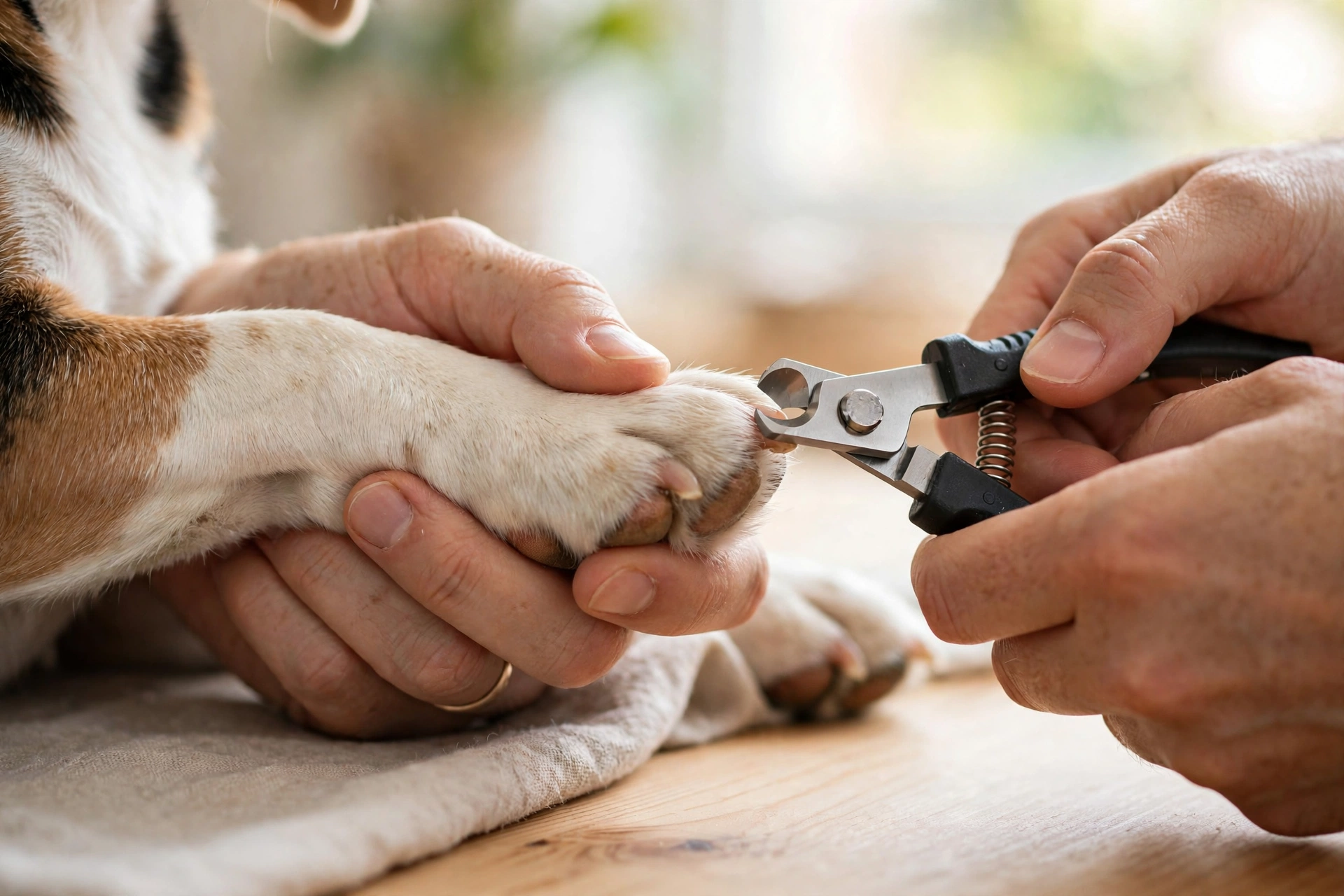
Overgrown nails force the toes to splay, throwing off posture and causing joint strain over time — if you hear clicking on hard floors, they’re overdue. Trim small amounts at a time, staying clear of the pinkish quick visible in light nails. For dark nails, take thin slivers and stop at the first gray or pink dot in the center.
Helpful pick: DakPets Dog Nail Clippers with Safety Guard — the built-in guard helps you avoid cutting too short, and the hidden file smooths rough edges.
4. Deshed With the Right Undercoat Tool
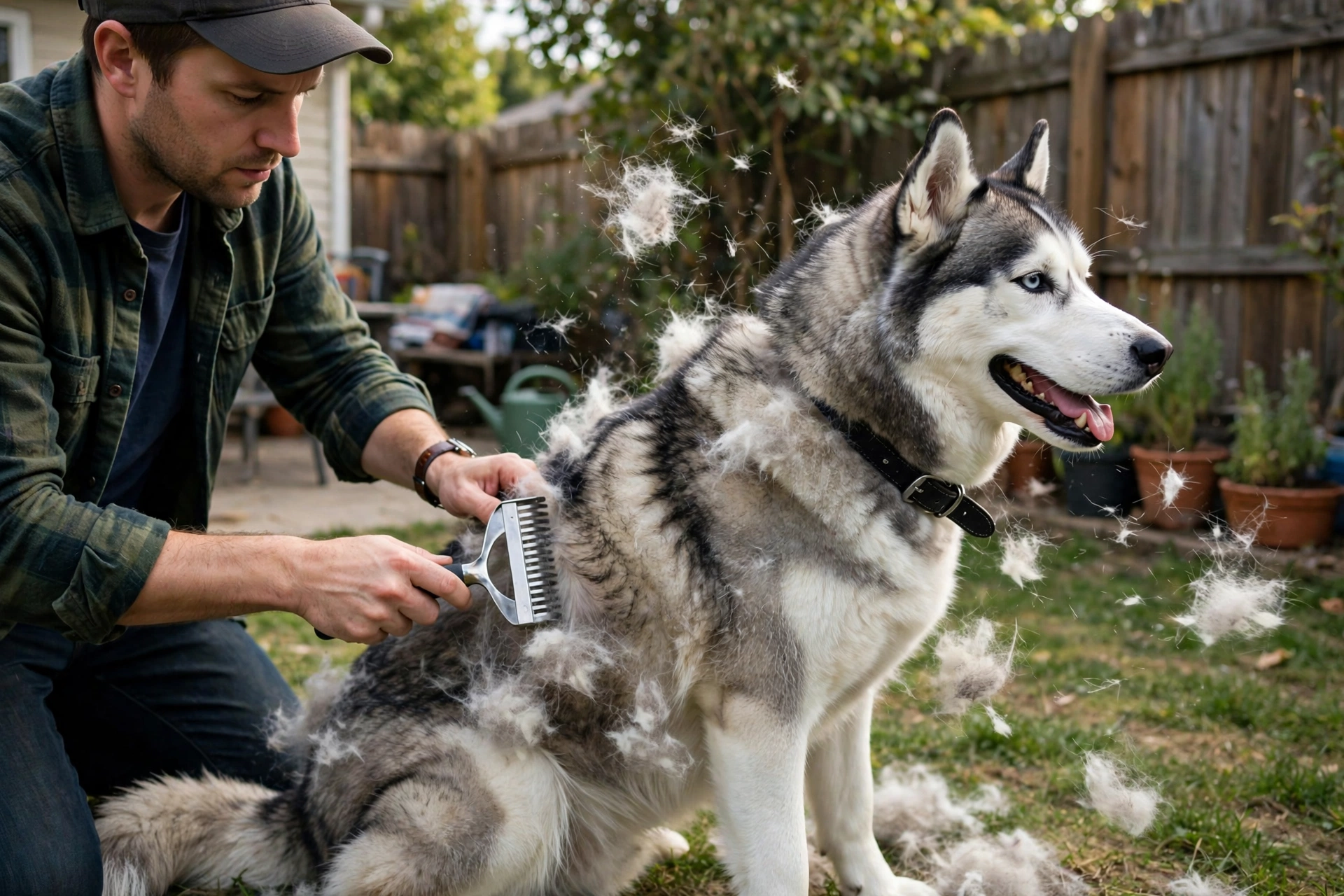
A standard brush only skims the topcoat, but the tumbleweeds of fur in your home come from the dense undercoat. A deshedding tool with rounded stainless teeth reaches that loose underlayer without scratching, pulling out weeks of dead hair in one session — especially during spring and fall blowouts. Work in the direction of growth with light strokes, and two to three weekly sessions in shedding season dramatically cut down on household fur.
Helpful pick: Thunderpaws 2-in-1 Deshedding Brush and Dematting Rake — one side lifts loose undercoat, the other works through light mats.
5. Clean Ears After Every Bath

Trapped moisture after a bath is the top cause of musty, itchy ears — especially in floppy-eared breeds. After every bath, wipe the visible ear flap and the entrance of the canal with a gentle ear cleaner on a cotton pad, and never push anything deep into the canal. Healthy ears should smell neutral and look clean pink. Redness, dark discharge, or persistent head shaking means it’s time for a vet visit rather than more home cleaning.
Helpful pick: Vet’s Best Dog Ear Relief Wash — aloe and chamomile help soothe while it clears wax and odor.
6. Brush Teeth a Few Times a Week

Dental disease is one of the most common health issues in dogs, and it often starts with simple plaque that brushing can prevent. Aim for two to three sessions per week, focusing on the outer surfaces of the upper teeth where tartar builds fastest — always with dog-formulated toothpaste, since human formulas contain ingredients dogs shouldn’t swallow. Start slow: let your dog lick the paste off your finger for a few days before introducing the brush.
Helpful pick: Arm & Hammer Complete Care Dog Dental Kit — enzymatic chicken-flavor toothpaste plus a dual-head brush and finger brush for nervous beginners.
7. Dry the Coat Completely to Avoid Hot Spots

A damp coat trapped against warm skin creates the perfect environment for hot spots — those angry, itchy patches that can appear overnight. After every bath or rainy walk, towel-dry thoroughly, then follow with a dryer on low, cool-to-warm heat while brushing. The coat is truly dry when it feels dry all the way down to the skin, not just on the surface.
Helpful pick: Tuff Pupper Microfiber Dog Towel — ultra-absorbent and oversized enough to wrap big dogs without dripping everywhere.
8. Protect Dry, Cracked Paws With Balm
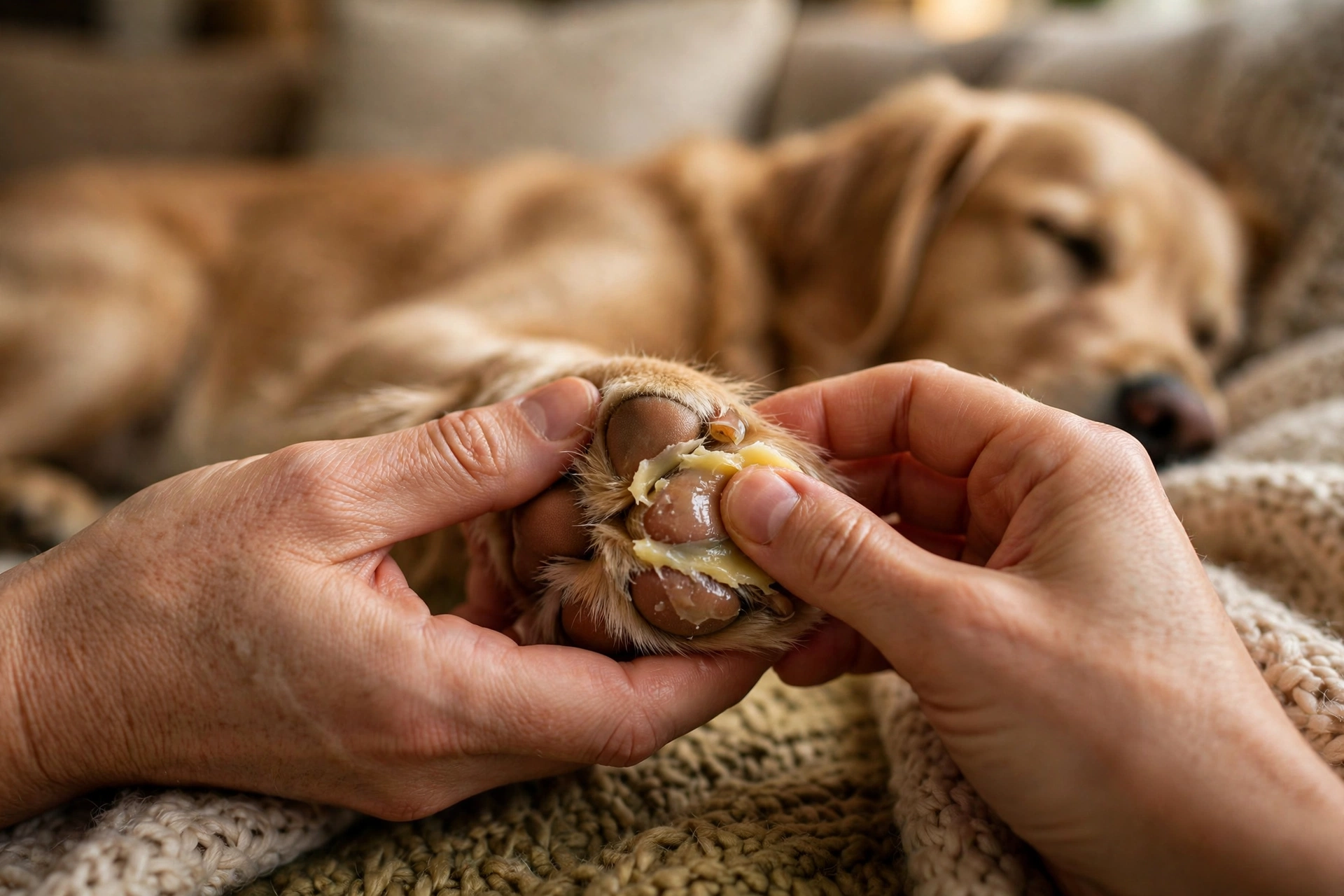
Paw pads take a beating from hot pavement, road salt, snow, and rough trails. If your dog’s pads look dry or cracked, a thin layer of balm before walks creates a protective barrier, and nightly use helps keep pads supple year-round. Smooth pads grip floors better too — a real help for seniors on hardwood.
Helpful pick: Natural Dog Company Paw Soother Balm & Wax Stick — the stick format makes application quick and mess-free.
9. Free Up Both Hands With a Grooming Arm

Brushing with one hand while stopping your dog from wandering off with the other is a recipe for frustration. A clamp-on grooming arm attaches to any sturdy table and holds your dog gently in place with a loop noose, freeing both hands to work — one of the biggest upgrades you can make to home grooming. Keep sessions positive, and never leave your dog unattended on the table.
Helpful pick: Josmimic Adjustable Dog Grooming Arm for Table — height-adjustable steel frame with a comfort hammock and nooses for steady positioning.
10. Keep Sessions Short and Reward Heavily
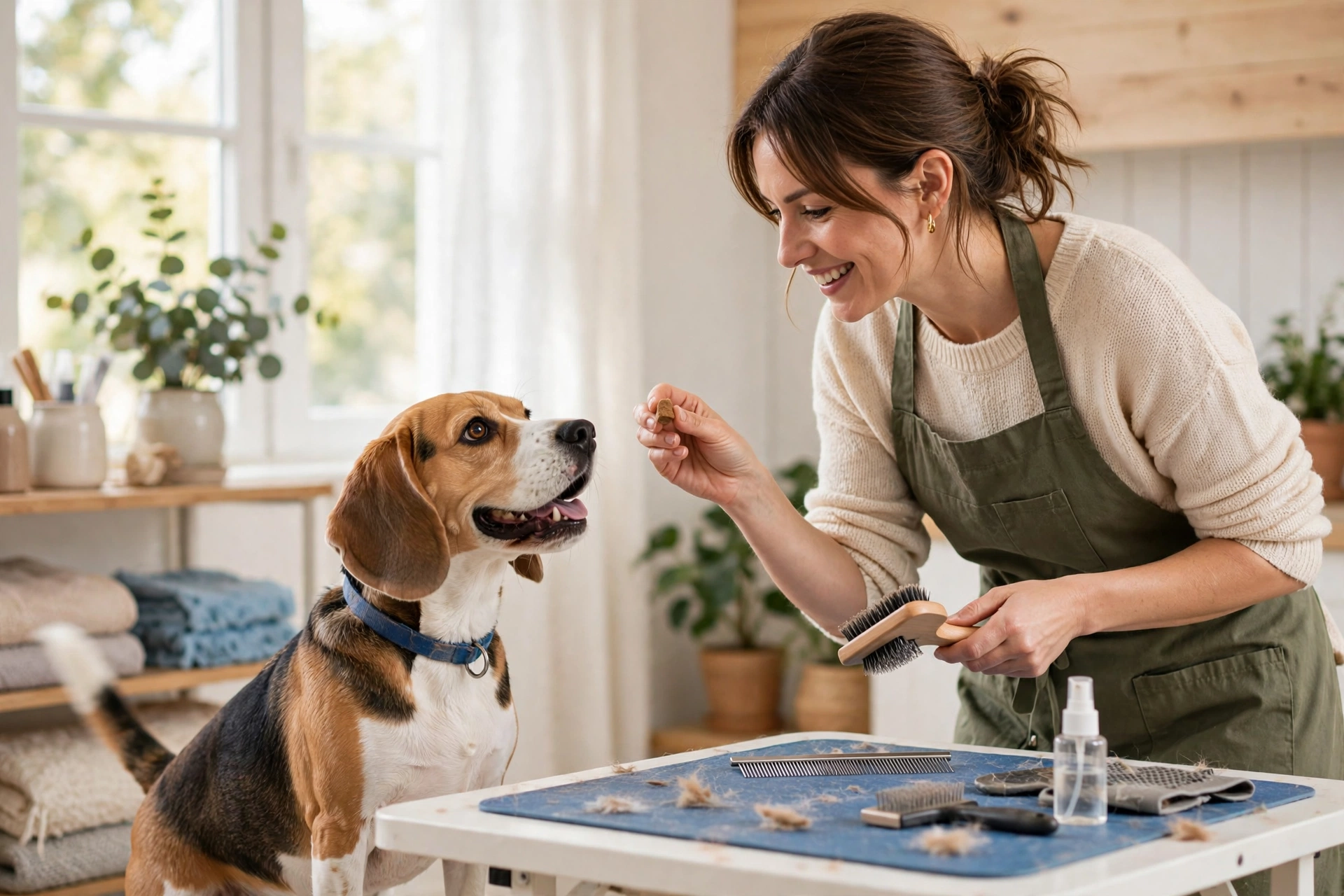
The secret to a dog who loves grooming is simple: make every session end on a high note. Keep it to five or ten minutes, hand out treats throughout, and stop while your dog is still happy — even if you’re only halfway done. Over time, your dog will start associating the brush and clippers with good things instead of dread. A lick mat smeared with peanut butter is a game-changer for fidgety dogs during nails or brushing.
Helpful pick: Wag Dog Training Treats — small, soft, and low-calorie, perfect for frequent grooming rewards.
11. Spritz Detangler Before You Brush

Brushing a dry, tangled coat pulls and breaks hair — and teaches your dog to hate the brush. A light mist of leave-in detangler before you start lets the bristles glide through, loosening snags without yanking. Work a small section at a time, hold the base of the hair near the skin while you brush outward, and save stubborn mats for a dematting tool rather than forcing them through.
Helpful pick: The Stuff Leave-In Dog Conditioner and Detangler Spray — a groomer favorite that softens tangles and adds shine without rinsing.
12. Wipe Down Between Baths
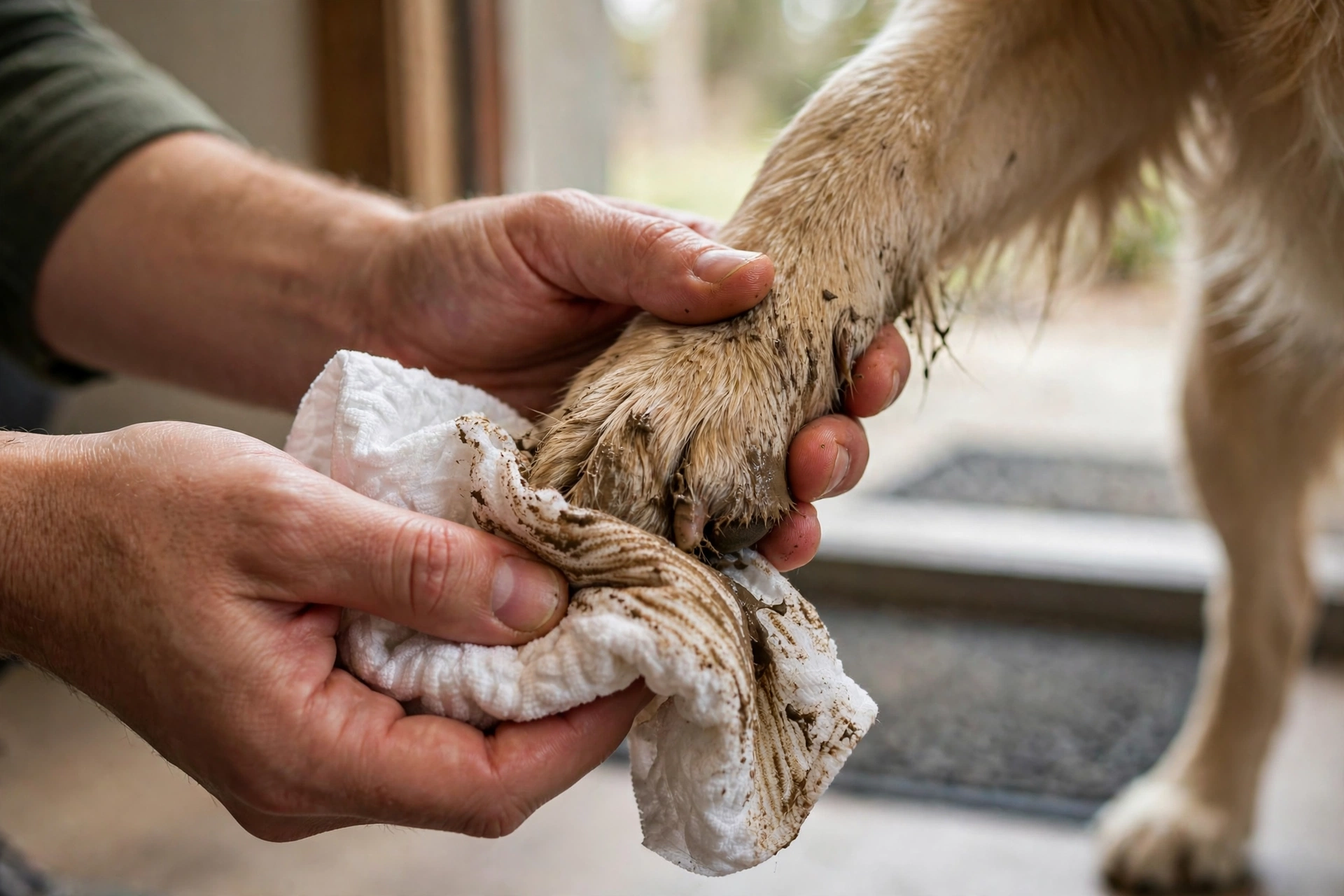
Most dogs only need a full bath every four to six weeks — over-bathing strips the coat’s natural oils. For everything in between, hypoallergenic grooming wipes handle muddy paws, drooly chins, and post-park messes in seconds. They’re a lifesaver after rainy walks and for seniors who find full baths stressful. Keep a pack by the door and another in the car to stretch the time between baths without the funk.
Helpful pick: Earth Rated Hypoallergenic Pet Grooming Wipes — thick, unscented, and gentle enough for daily paw and coat touch-ups.
Keep Reading
- DIY Dog Bath: Easy Setup Guide
- How to Bathe a Puppy the Right Way
- 14 Homemade Dog Toothpaste Recipes
- How to Clean Your Dog’s Teeth at Home
- 7 DIY Outdoor Dog Washing Stations
Frequently Asked Questions
How often should I groom my dog?
Short-coated dogs do well with weekly brushing; medium and long coats need two to four sessions per week. Baths every four to six weeks suit most dogs; nails, ears, and teeth should be checked every two to three weeks.
Can I use human shampoo on my dog in a pinch?
Once in an emergency won’t cause lasting harm, but don’t make it a habit — human shampoo is too acidic for dog skin and repeated use causes dryness and itching. Keep a bottle of dog shampoo on hand so you’re never tempted.
How do I groom a dog that hates being brushed?
Go slow and pair everything with rewards. Keep sessions short, treat constantly, and stop before your dog gets stressed. Detangler spray reduces pulling pain, and a lick mat keeps fidgety dogs busy. Patience over a few weeks usually turns things around.
When should I use a professional groomer instead?
Call a pro for full breed-specific haircuts, severely matted coats (never cut mats with scissors — skin pulls up into them), or anything around the eyes and ears that makes you nervous. Home grooming handles maintenance; groomers handle the artistry.
What are the signs my dog’s coat needs more attention?
Watch for dull or greasy fur, flaky skin, a persistent smell, mats forming behind the ears or legs, and excessive scratching. These are your dog’s way of asking for a grooming session — or a vet check if they persist.
As an Amazon Associate, PetPostHub earns from qualifying purchases.