How to Make Your Dog’s Fur Softer: 10 Proven Ways

Run your hand along a truly soft dog coat and it’s pure bliss — like stroking warm velvet. If you’re wondering how to make dog fur softer, the good news is that a softer, shinier coat is usually just a few simple habits away. A dog’s fur is one of the best windows into their overall health: great nutrition, regular grooming, and a little pampering show up in the coat long before anywhere else.
In this guide, you’ll find 10 proven, vet-aligned ways to get your dog’s fur feeling silky and looking glossy — from brushing technique and bath frequency to the dietary tweaks that make the biggest difference from the inside out.
Table of Contents
- 1. Brush Regularly (the Right Way)
- 2. Feed a Quality Diet Rich in Fatty Acids
- 3. Add an Omega-3 Supplement
- 4. Bathe Smart — Not Too Often
- 5. Follow Every Bath with Conditioner
- 6. Try a Coconut Oil Massage
- 7. Keep a De-Shedding Routine
- 8. Keep Your Dog Well Hydrated
- 9. Get a Vet Check for Persistent Dullness
- 10. Reduce Stress
- When a Dull Coat Signals a Problem
- Frequently Asked Questions
1. Brush Regularly (the Right Way)

Brushing is the single most underrated coat-softening habit. It removes dirt, loose hair, and dander, breaks up small tangles before they become mats, and — most importantly — distributes your dog’s natural skin oils through the entire coat. Those oils are what make fur feel silky rather than dry and scratchy.
Match frequency to coat type: brush short-haired dogs 2–3 times a week and long- or double-coated breeds daily. Use a slicker brush for long or thick coats and a bristle brush for short, smooth coats. Always brush in the direction of hair growth, and work gently — rough brushing irritates the skin and actually makes the coat look worse. If you hit a tangle, hold the base of the fur near the skin and work the knot apart instead of yanking it.
Pro tip: A quick 5-minute brush after walks removes dust and debris before it works its way deep into the coat.
Helpful pick: Hertzko Self-Cleaning Slicker Brush — gently detangles and lifts loose fur while spreading natural oils for a softer finish.
2. Feed a Quality Diet Rich in Fatty Acids

Soft fur is built in the kitchen, not the bathroom. Coat health depends heavily on protein for hair regrowth plus omega-3 and omega-6 fatty acids that nourish the skin and help it produce the natural oils that keep fur glossy. A food built around quality animal protein with named fat sources (like salmon or fish meal) gives your dog the building blocks of a silky coat.
Look for formulas listing real meat or fish first, with omega-3 and omega-6 fatty acids mentioned in the guaranteed analysis. Avoid foods heavy on fillers, and be wary of constant table-scrap feeding — an unbalanced diet is one of the most common reasons for a suddenly dull coat. If you’ve recently switched foods and noticed the coat change, the new formula may simply be lower in essential fatty acids.
Helpful pick: Blue Buffalo Life Protection Salmon & Brown Rice Recipe — real salmon first, with omega-3 and 6 fatty acids formulated to support skin and coat health.
3. Add an Omega-3 Supplement
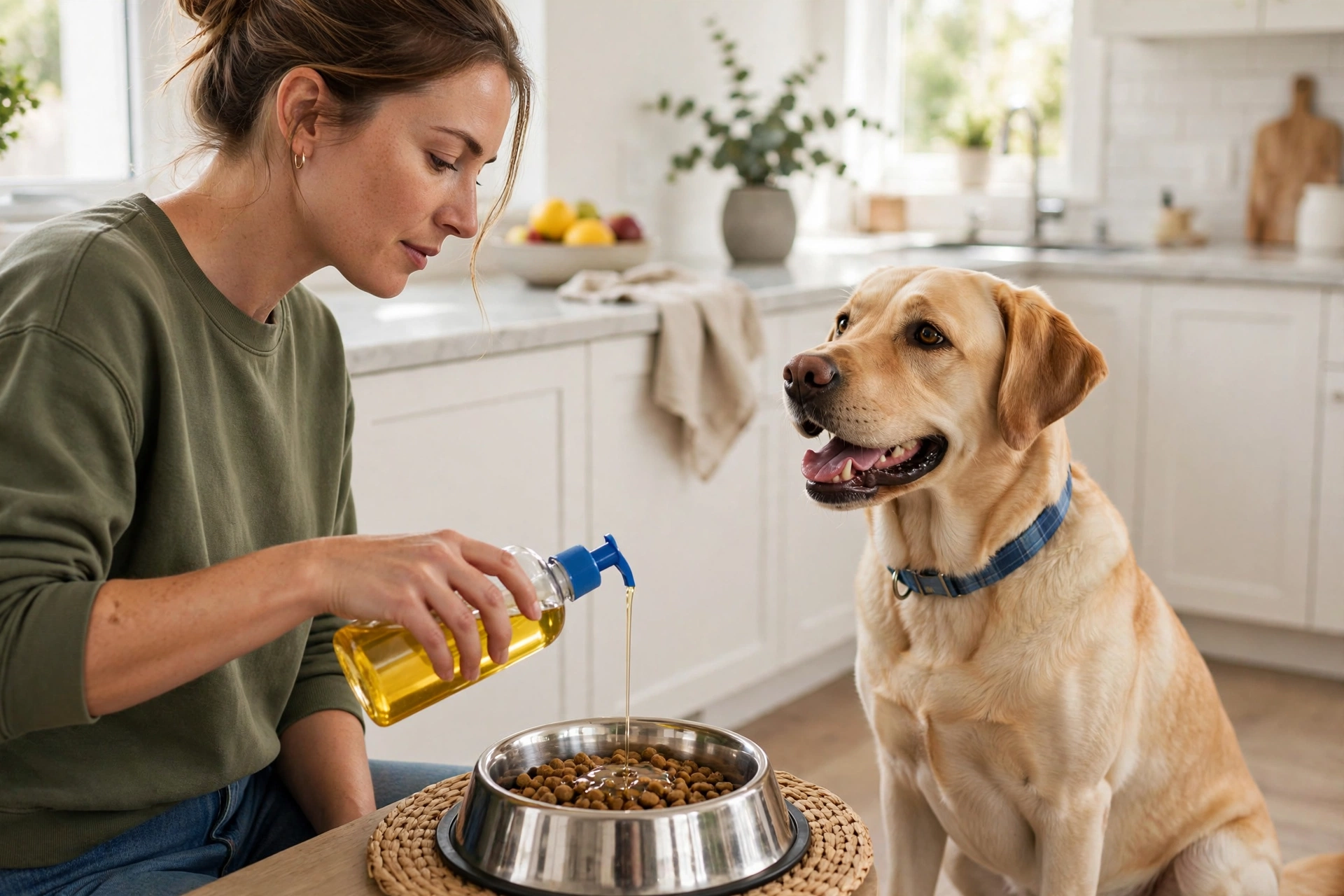
Even on a good diet, many dogs benefit from a little extra omega-3. EPA and DHA — the long-chain omega-3s found in fish oil — support skin moisture from within and are among the most researched supplements for coat shine and softness. Most owners notice a difference in 4–6 weeks of consistent use.
Pump-style salmon oils make dosing easy: just squirt the recommended amount over your dog’s meals. Start at a low dose to avoid digestive upset, and always follow the label or your vet’s guidance — more is not better with oils. Store the bottle in the refrigerator and use it within a few months, since oxidized fish oil can actually work against you.
Pro tip: If your dog is picky, mix the oil into wet food or a lick mat first.
Helpful pick: Zesty Paws Wild Alaskan Salmon Oil — a pump-bottle salmon oil with EPA and DHA to support a soft, glossy coat.
4. Bathe Smart — Not Too Often

Here’s a counterintuitive truth: bathing your dog too much is one of the fastest ways to get rough, dry fur. Every bath strips away some of the skin’s natural oils, and it takes time for those oils to replenish. Most dogs only need a bath every 4–6 weeks — more often only if they get genuinely dirty or smelly.
When bath day comes, use lukewarm water (never hot) and a gentle, dog-formulated shampoo — ideally oatmeal- or aloe-based. Human shampoo has the wrong pH for canine skin and can leave the coat coarse and itchy. Lather thoroughly but rinse even more thoroughly: leftover shampoo residue is a sneaky cause of dull, flaky fur. For more guidance on timing, see our guide on how often you should bathe a dog.
Helpful pick: earthbath Oatmeal & Aloe Dog Shampoo — a gentle, soap-free formula that cleans without stripping natural coat oils.
5. Follow Every Bath with Conditioner
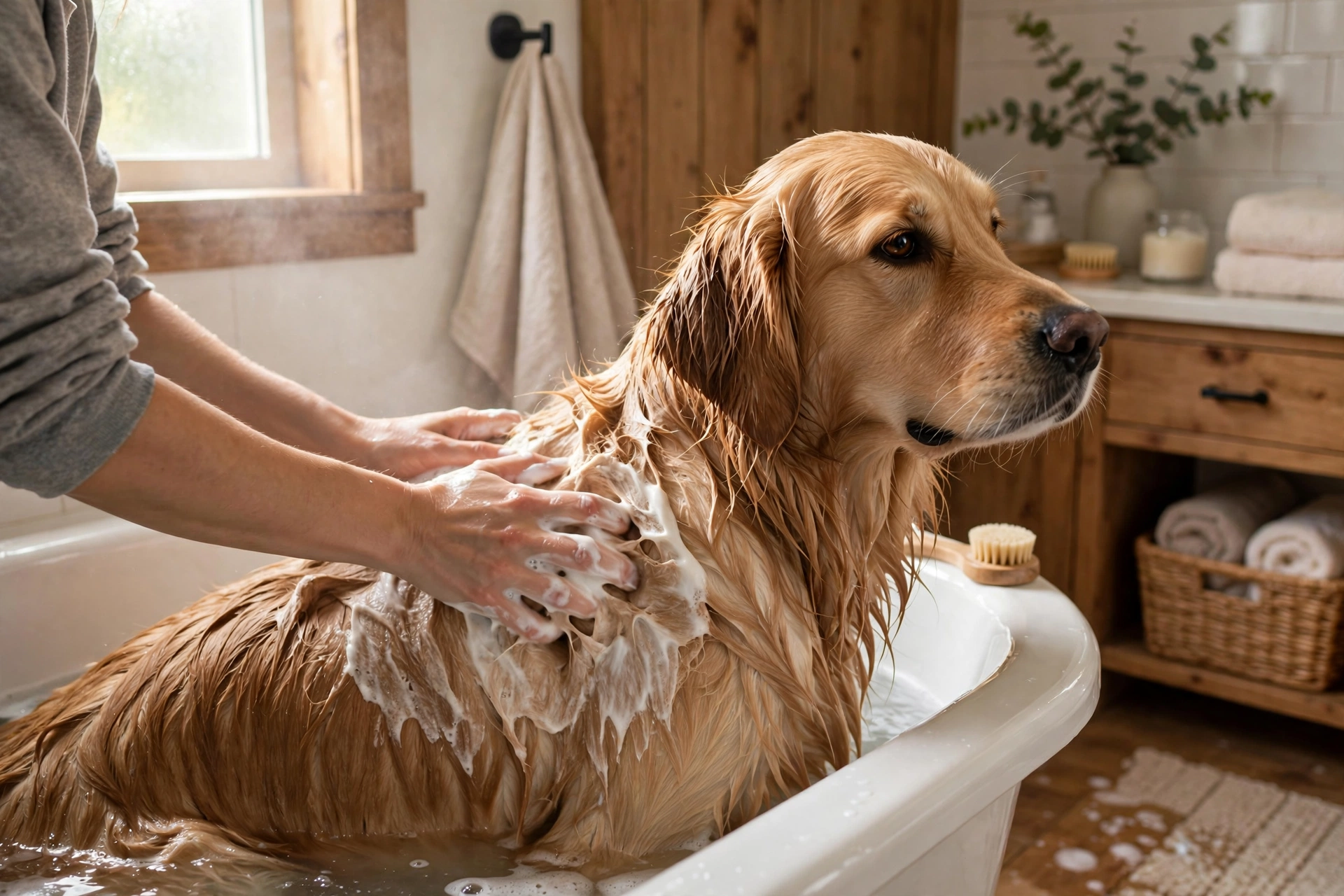
This is the step most owners skip — and the one groomers never do. Professional groomers get dogs feeling cloud-soft largely because they always follow shampoo with a conditioner or crème rinse. Conditioner seals the hair cuticle, restores moisture lost during washing, and makes the coat dramatically easier to brush out afterward.
On a clean, wet coat, work a dog-safe conditioner through the fur (avoiding the face), leave it on for a minute or two so the emollients can soak in, then rinse completely. Towel-dry gently — don’t rub aggressively — and brush once the coat is damp. The difference between a conditioned and unconditioned bath is immediately obvious to the touch.
Helpful pick: earthbath Oatmeal & Aloe Conditioner — detangles and re-moisturizes the coat after shampooing for a silky finish.
6. Try a Coconut Oil Massage

Coconut oil is a simple, natural way to add softness between baths. Massaged lightly into the coat, it helps lock in moisture and can soothe dry, flaky patches. Rub a small amount between your palms until it melts, then work it gently through the fur — a little goes a long way.
Keep it light: heavy applications leave the coat greasy and can attract dirt (or encourage your dog to lick it all off). A pea-sized amount for small dogs and a teaspoon or so for large breeds is plenty. Most dogs enjoy the massage itself, which makes it a nice bonding ritual. If your dog’s skin is very irritated or broken, skip the oil and talk to your vet first.
Helpful pick: Viva Naturals Organic Coconut Oil — a pure, unrefined coconut oil that’s easy to warm between your palms for coat massages.
7. Keep a De-Shedding Routine
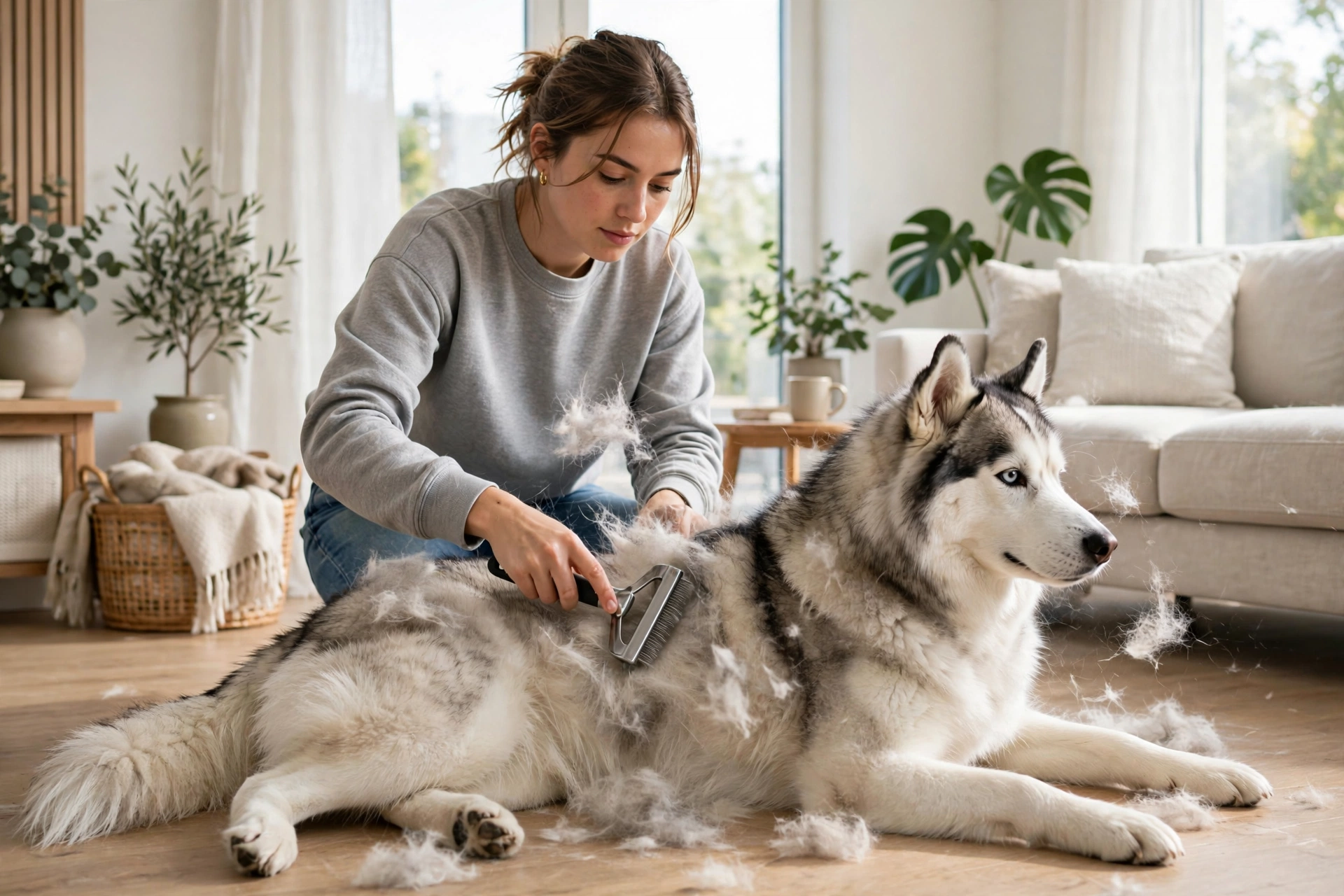
Dead undercoat trapped in the fur is a major reason coats feel coarse instead of soft. When loose undercoat piles up, it blocks airflow to the skin, traps moisture, and makes even healthy new hair feel rough by association. A weekly de-shedding session clears that dead layer so the soft topcoat can shine through.
Use a de-shedding tool 1–2 times per week for 10–20 minutes on double-coated breeds, stroking gently in the direction of hair growth. Don’t press hard or use it on thin, single coats — it can irritate the skin. After de-shedding, follow up with a regular brush to smooth everything back into place. Our roundup of the best dog brushes for shedding can help you pick the right tool for your dog’s coat type.
Helpful pick: FURminator Small Dog Undercoat deShedding Tool — reaches through the topcoat to lift out loose undercoat without damaging healthy fur.
8. Keep Your Dog Well Hydrated

Hydration shows up in the coat. A dog that doesn’t drink enough water often develops dry, brittle fur and flaky skin — the same way dehydrated human skin looks dull. Fresh, clean water should be available all day, every day, and the bowl should be washed and refilled daily so it actually tastes appealing.
Many dogs drink more from running water than from a stagnant bowl, so a pet fountain can meaningfully increase daily intake — especially helpful for picky drinkers. In hot weather, after exercise, or if your dog eats mostly dry kibble, be extra generous with water access. You can also add a splash of water to dry food to boost moisture intake at mealtimes.
Helpful pick: Pawccoli Dog Water Fountain (Stainless Steel, 7L) — flowing, filtered water encourages picky drinkers to hydrate more throughout the day.
9. Get a Vet Check for Persistent Dullness
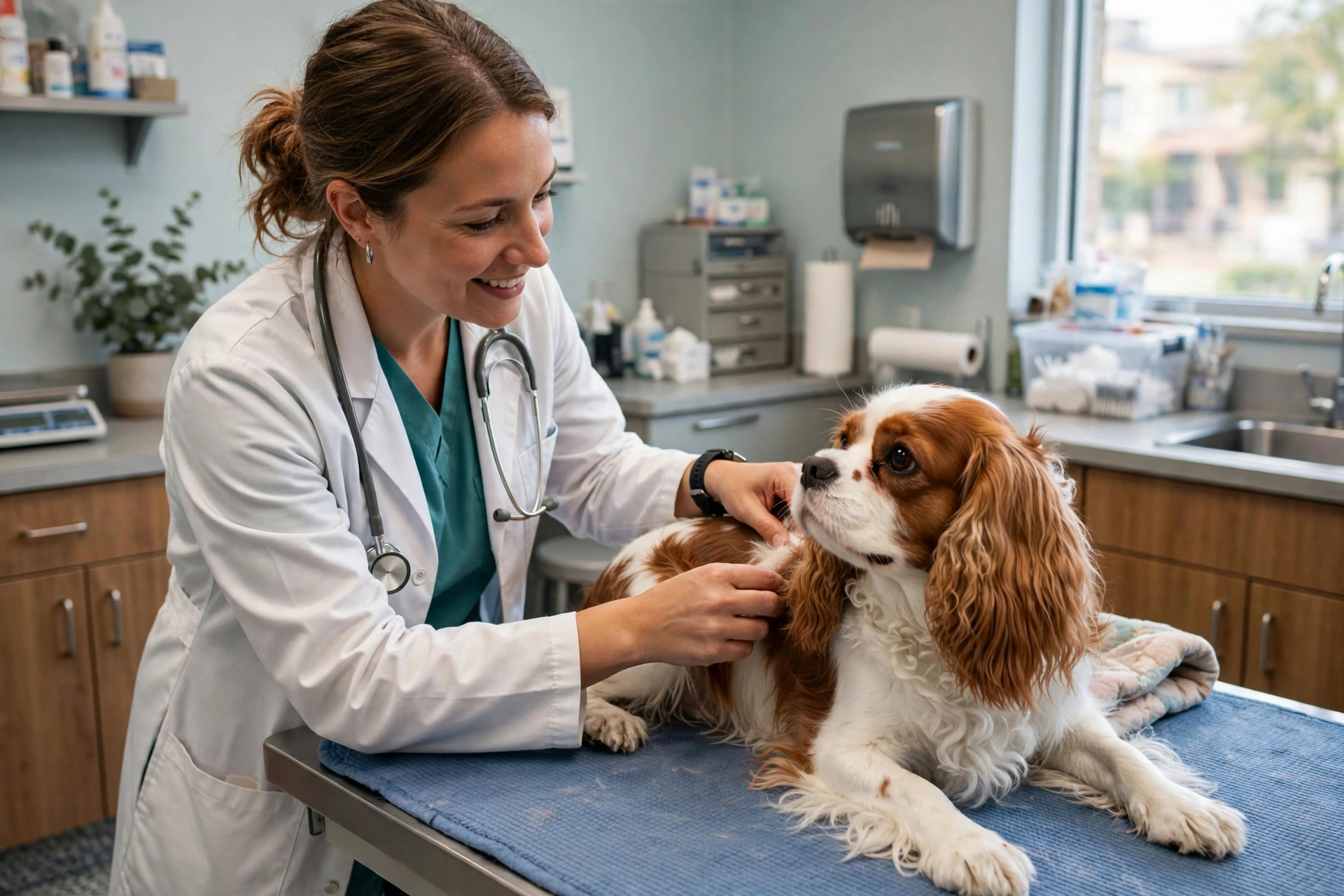
Sometimes a rough, dull coat isn’t a grooming problem at all — it’s a health signal. Allergies, hormonal issues (like thyroid problems), parasites, and skin infections can all show up first as coat changes: dullness, excessive shedding, bald patches, redness, or a greasy or flaky texture. If your dog’s coat suddenly changes despite good care, don’t just buy more products — book a vet visit.
A vet can run a skin check, rule out parasites or infections, and recommend targeted treatment. Catching these issues early usually means a faster fix and a quicker return to that soft, healthy coat. Between visits, daily skin-and-coat chews can support overall skin health as part of your dog’s routine.
Helpful pick: Zesty Paws Salmon Oil Bites for Dogs — soft chews with salmon oil, biotin, and vitamins that support everyday skin and coat health.
10. Reduce Stress
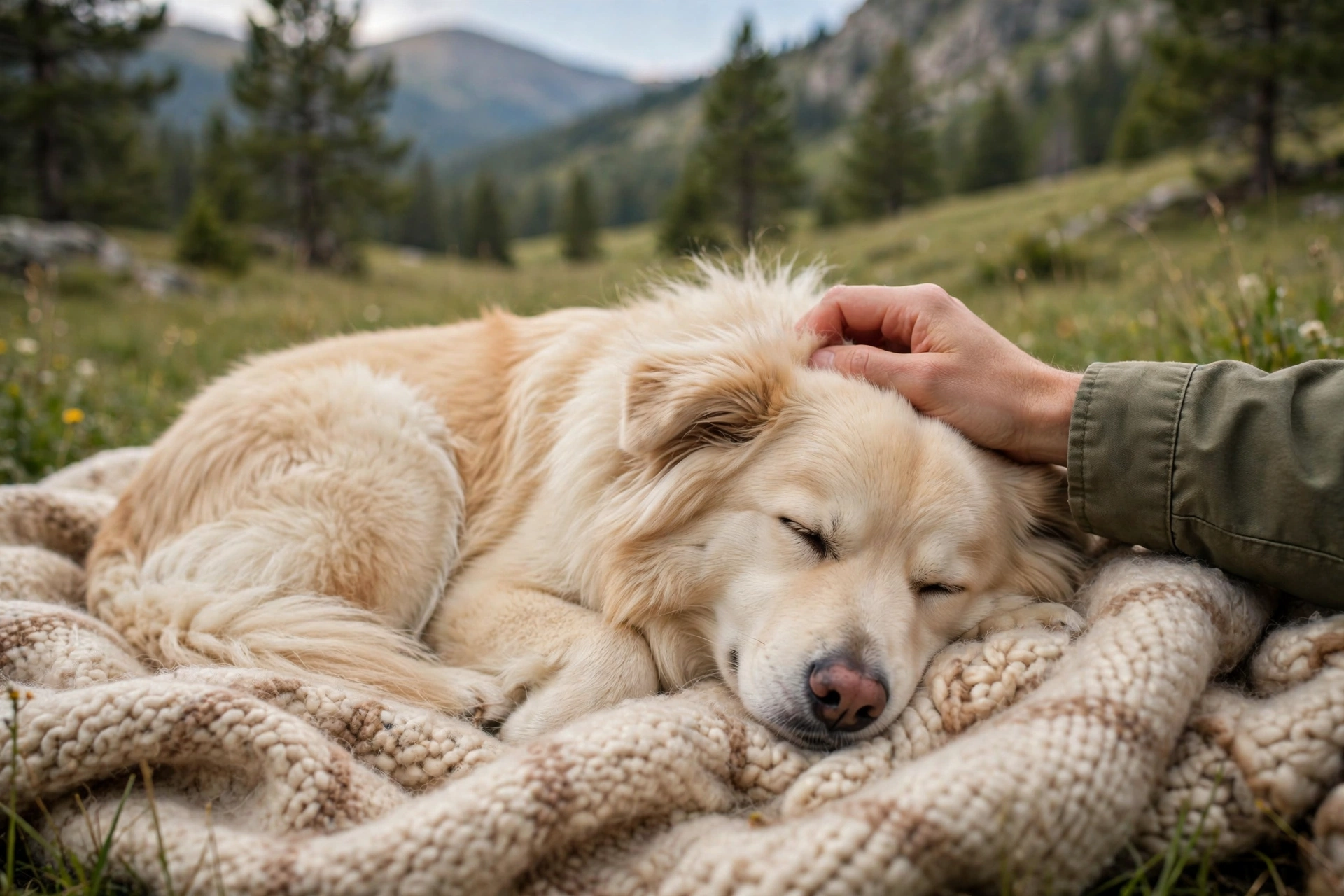
It sounds surprising, but stress affects the coat. Anxious dogs can shed excessively, lick or chew patches of fur, and develop stress-related skin issues — all of which leave the coat rough and patchy. A calm dog with a predictable routine and plenty of rest simply grows a better coat.
Keep a consistent daily schedule for meals, walks, and bedtime. Give your dog a quiet, comfortable resting spot, and use calming support during stressful events like thunderstorms, fireworks, or travel. Regular gentle grooming sessions themselves double as stress relief — most dogs find the routine deeply relaxing once they get used to it.
Helpful pick: ADAPTIL Calm Home Diffuser — releases calming pheromones that help dogs relax during stressful situations.
When a Dull Coat Signals a Problem
See your vet promptly if a dull or rough coat comes with any of these red flags: sudden hair loss or bald patches, red or inflamed skin, constant scratching or chewing, a greasy or foul-smelling coat, dandruff that won’t resolve, or scabs and sores. These can indicate allergies, infections, parasites, or hormonal conditions that grooming alone can’t fix.
Also watch for a coat that stays dull despite weeks of good nutrition, regular brushing, and proper bathing — that’s your cue that something internal may be going on. Trust your instincts: you see your dog every day, so you’re the first to notice when something’s off.
Keep Reading
- 7 Best Salmon Oils for Dogs (2026 Skin & Coat Guide)
- Omega-3 for Dogs: Benefits, Dosage & Best Sources
- How to Groom a Dog at Home: 10 Steps (Beginner Guide)
- How Often Should You Bathe a Dog? Vet-Backed Guide
Frequently Asked Questions
How long does it take to make a dog’s coat softer?
With consistent brushing, proper bathing, and a diet rich in fatty acids, most owners notice a softer coat within 3–6 weeks. Supplements like fish oil typically need 4–6 weeks of daily use before the full effect shows. Be patient — hair and skin regenerate on their own schedule.
Can I use coconut oil on my dog’s fur every day?
It’s fine in small amounts, but daily heavy use can make the coat greasy and attract dirt. A light application 1–2 times a week is plenty for most dogs. If your dog has sensitive or broken skin, check with your vet first.
Does diet really affect how soft a dog’s fur feels?
Absolutely — nutrition is arguably the biggest factor. Protein rebuilds hair, and omega-3 and omega-6 fatty acids nourish the skin so it produces the natural oils that make fur feel silky. Dogs on low-quality diets often have dull, coarse coats that improve quickly once nutrition is upgraded.
Is it bad to bathe my dog every week?
For most dogs, yes — weekly bathing strips natural oils faster than the skin can replace them, leading to dry, rough fur. Every 4–6 weeks is ideal for most breeds. If your dog gets dirty often, a water-only rinse or pet wipe between full baths is a gentler option.
Why is my dog’s fur suddenly rough and dull?
Sudden coat changes can signal diet changes, stress, seasonal shedding, or health issues like allergies, parasites, or thyroid problems. If the dullness appeared quickly and doesn’t improve with good grooming and nutrition, see your vet to rule out an underlying condition.
As an Amazon Associate, PetPostHub earns from qualifying purchases.