How to Stop Your Dog from Eating Birdseed: 6 Fixes

If you have bird feeders in your yard, you may have noticed your dog hanging around under them, vacuuming up spilled seed like it is a free buffet. Learning how to stop dog from eating birdseed matters, because while a few seeds will not hurt most dogs, seed that has sat on the ground can become moldy — and moldy seed can produce mycotoxins and aflatoxins that cause serious liver damage in dogs. Spilled seed can also carry bird droppings, bacteria, and parasites.
The good news: you do not have to take down your bird feeders. A few simple yard and training fixes can keep your dog away from the spilled seed while the birds keep dining happily. Here are the 6 fixes that actually work.
Table of Contents
1. Move the Feeder Out of Your Dog’s Reach

The simplest fix is distance. Move your bird feeder to a spot your dog does not frequent — the far side of a garden bed, a higher hanging branch, or behind a low garden fence. Many dogs patrol a favorite route through the yard; relocating the feeder outside that route removes the temptation entirely.
If you cannot move the feeder far, hang it higher so less seed lands within easy sniffing range, and add a seed-catching tray under it so spilled seed never reaches the ground. A tray also keeps the feeding area cleaner for the birds themselves.
Also store bagged birdseed where your dog cannot get into it — a sealed bin in the garage or shed. A bag ripped open by an enthusiastic dog can mean a huge, risky gorge in minutes.
Helpful pick: Myard Bird Seed Catcher Tray — a pole-mounted tray that catches fallen seed before it reaches your dog.
2. Clean Up Under the Feeder Daily
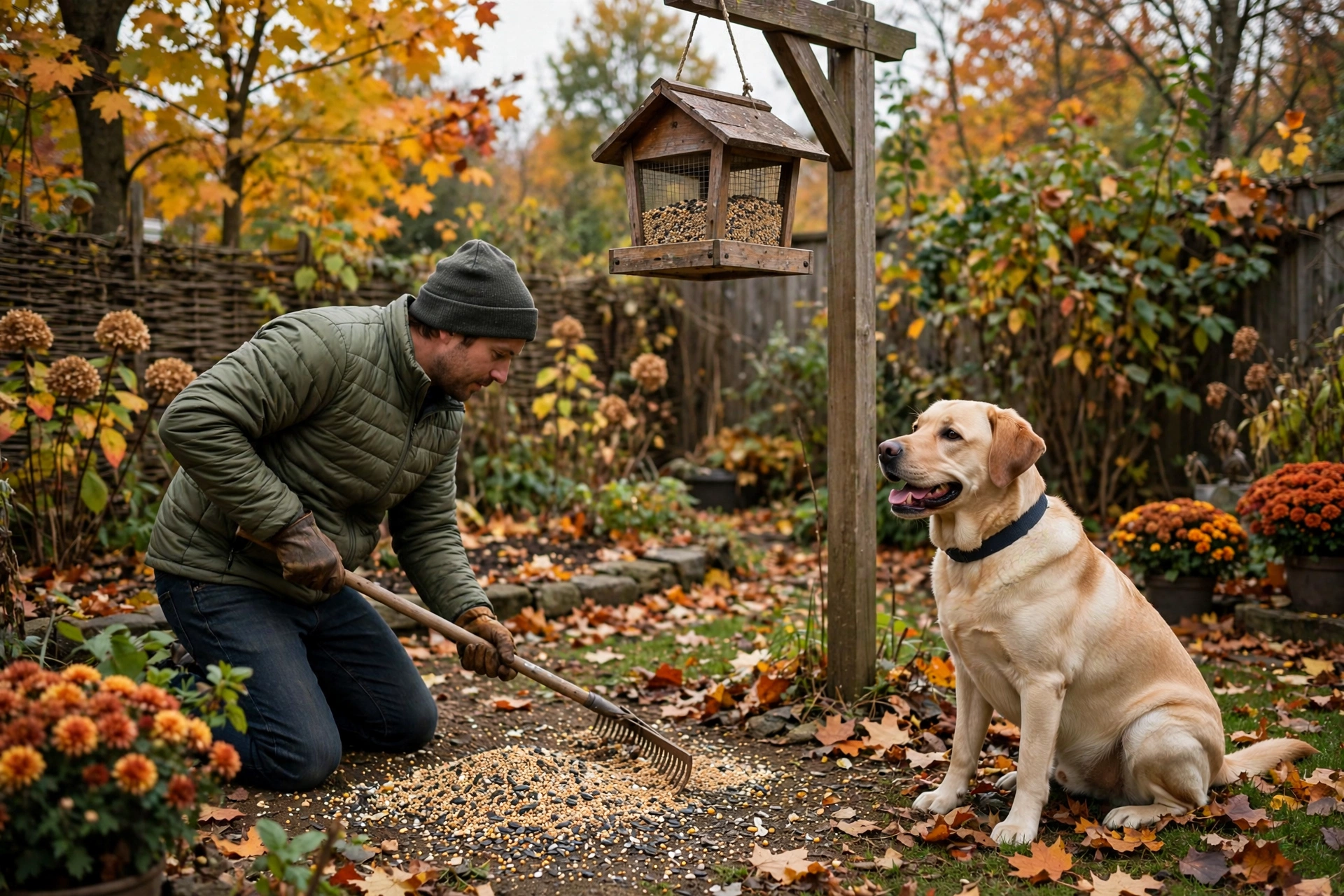
Seed that sits on damp ground can grow mold within days, and moldy seed is where the real danger lies — it can harbor aflatoxins, liver-damaging toxins produced by Aspergillus molds, which are especially common in peanut and corn-based mixes. Make sweeping or raking under your feeders part of your daily yard routine, just like filling the water bowl.
A leaf rake or hand broom takes two minutes and removes both fresh and stale seed before your dog finds it. Clean the feeders themselves regularly too — old, clumped seed caked inside a feeder goes moldy and can make birds and dogs sick.
If it rains, check under the feeder sooner rather than later. Wet seed is moldy seed, and dogs are remarkably good at finding it before you do.
Helpful pick: TIMINGILA Pooper Scooper Set — handy for scooping up scattered seed and debris under feeders on your daily clean.
3. Teach a Strong “Leave It”
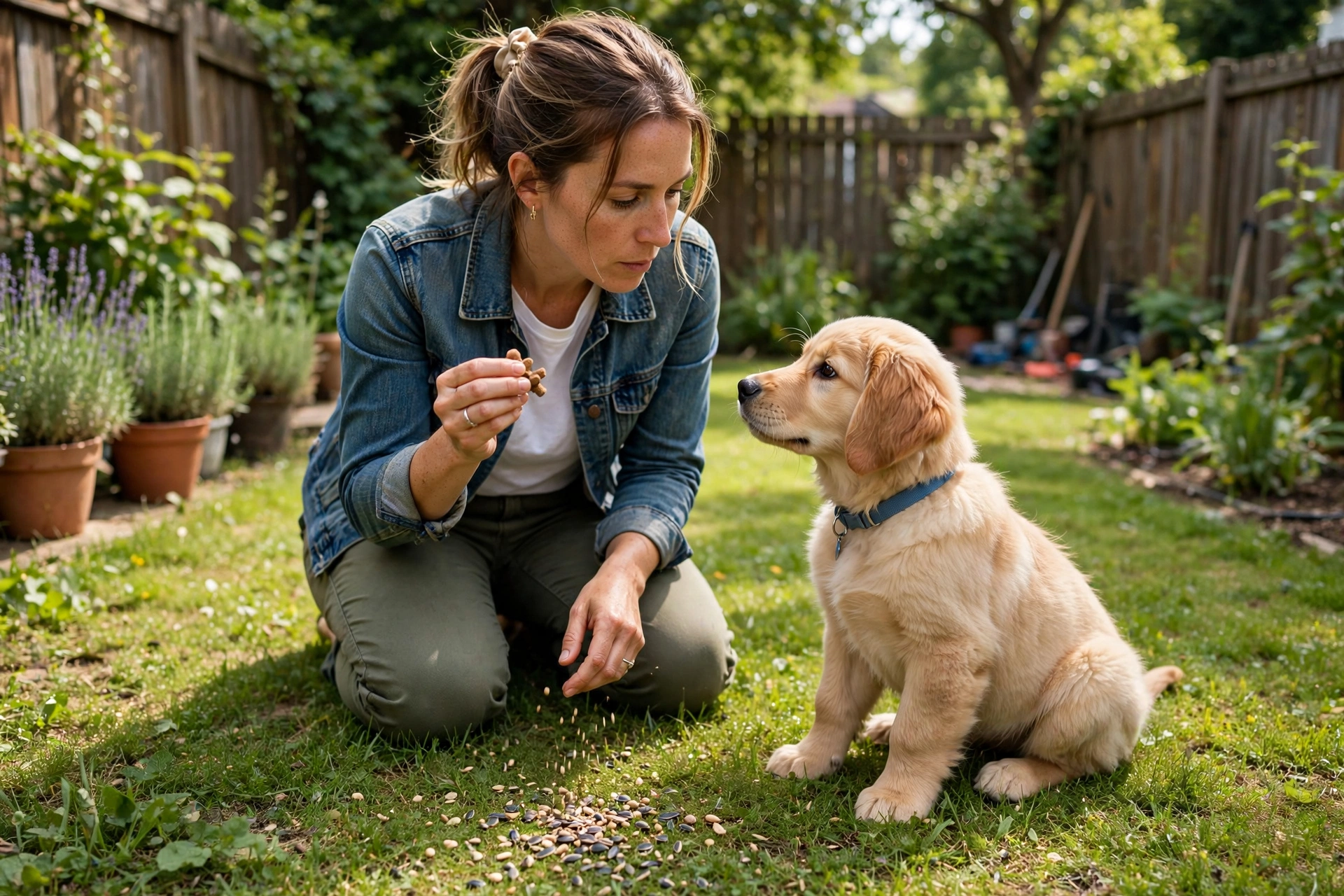
A rock-solid “leave it” is the single best training tool for dogs that scavenge. Start indoors: show your dog a treat in your closed fist, and the moment he backs off, mark it with “yes” and reward from your other hand. Never reward with the forbidden item — reward with something better.
Practice in stages. Once “leave it” works on tossed treats indoors, practice near the bird feeder area with low-value seeds at a distance, then gradually closer. Keep early sessions short and always end on a success.
Pair “leave it” with a strong recall so you can call your dog away from the feeder zone altogether. A dog that reliably leaves things alone on cue is safer around seed, bird droppings, and all the other yard hazards.
Helpful pick: Zuke’s Mini Naturals Training Treats — tiny, low-calorie rewards perfect for leave-it reps.
4. Supervise Your Dog in the Yard
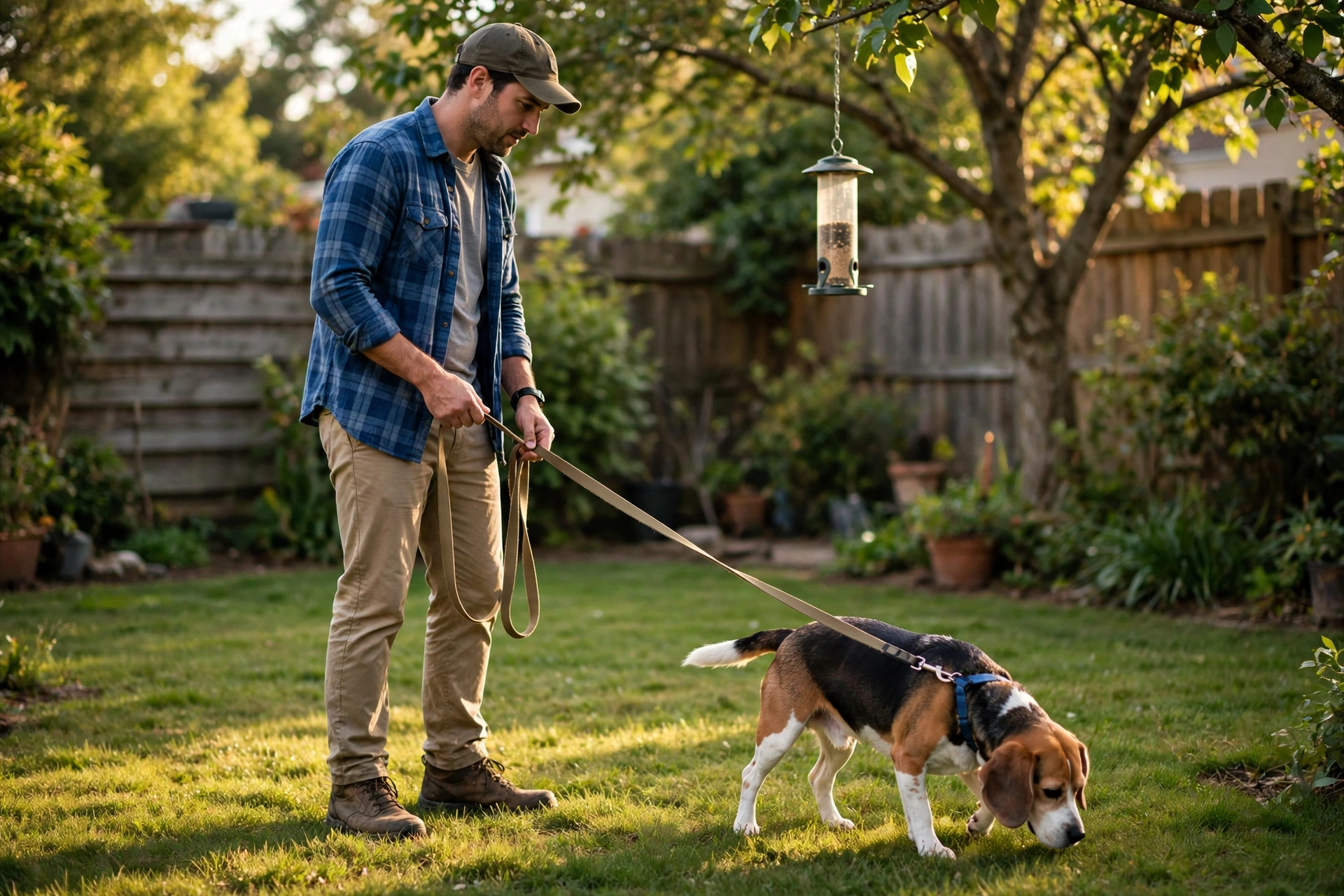
Most seed-snacking happens when dogs are alone in the yard with nothing better to do. If your dog heads straight for the feeder every time, supervise outdoor time — especially right after a seed refill, when the ground is heaviest with spill.
A long training leash gives your dog room to roam while you can still calmly step in if he dives for the seed zone. Think of it as training wheels while “leave it” gets stronger.
Supervision also lets you spot the seeds before he does. Most owners are surprised how quickly their dog learns that unattended yard time is no longer free-for-all snack time.
Helpful pick: Joytale 30ft Long Training Leash — freedom to roam with the control to step in.
5. Redirect with Toys and Enrichment
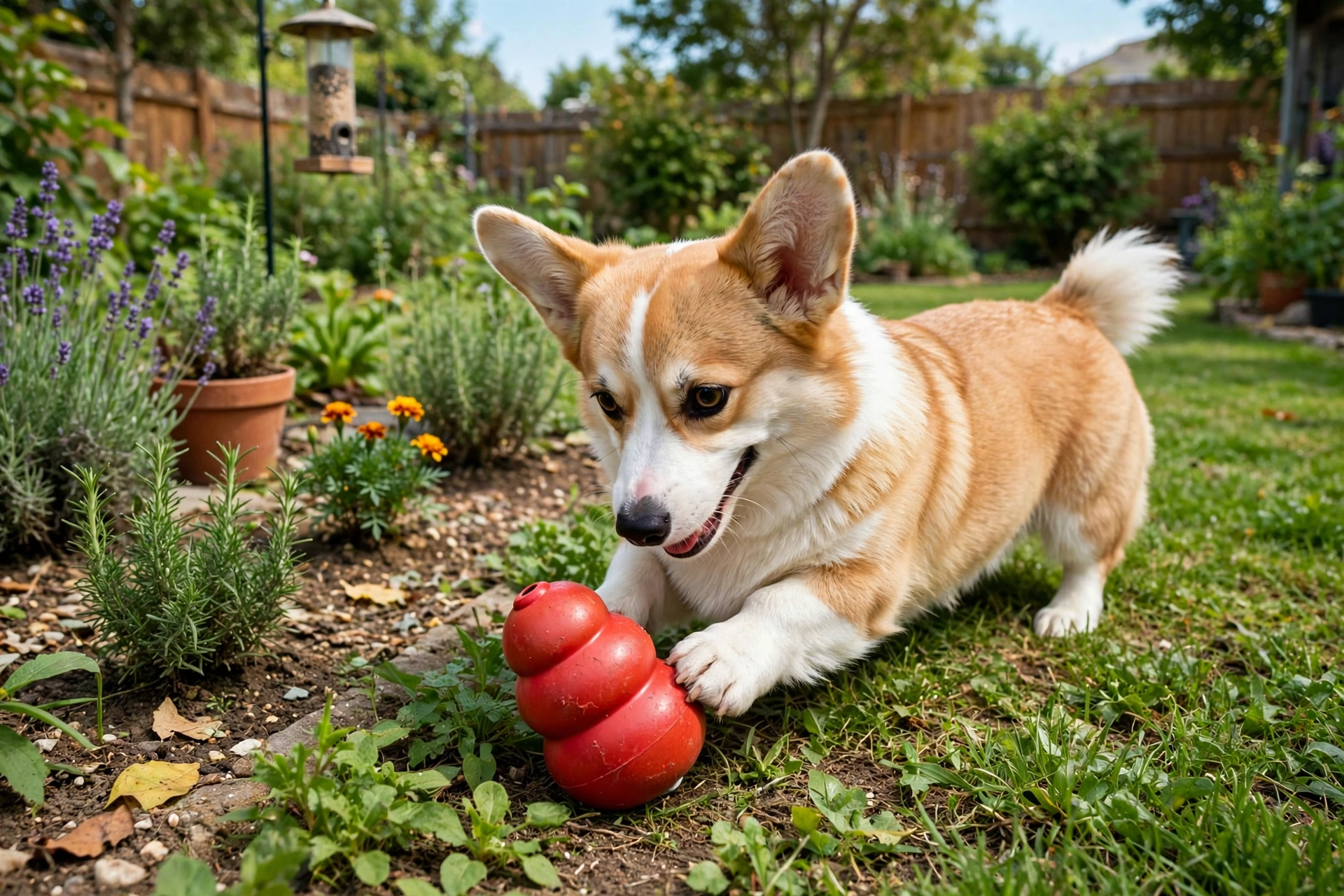
Dogs that eat birdseed out of boredom will happily trade the habit for something more fun. Stuffed Kongs, puzzle feeders, and scatter-fed meals in the grass give your dog’s nose and brain a legal job — a dog working on a puzzle is not vacuuming seed under the feeder.
Rotate toys so old favorites feel new again, and feed one meal a day through a puzzle toy instead of a bowl. Mental enrichment tires dogs out faster than another lap of the yard.
If your dog runs to the feeder out of habit, break the pattern: call him for a game of fetch or a training session every time he heads that direction. After a week or two, the new routine replaces the old one.
Helpful pick: KONG Classic — stuff it with peanut butter for a better snack than yard seed.
6. Rule Out Medical Issues with a Vet Check
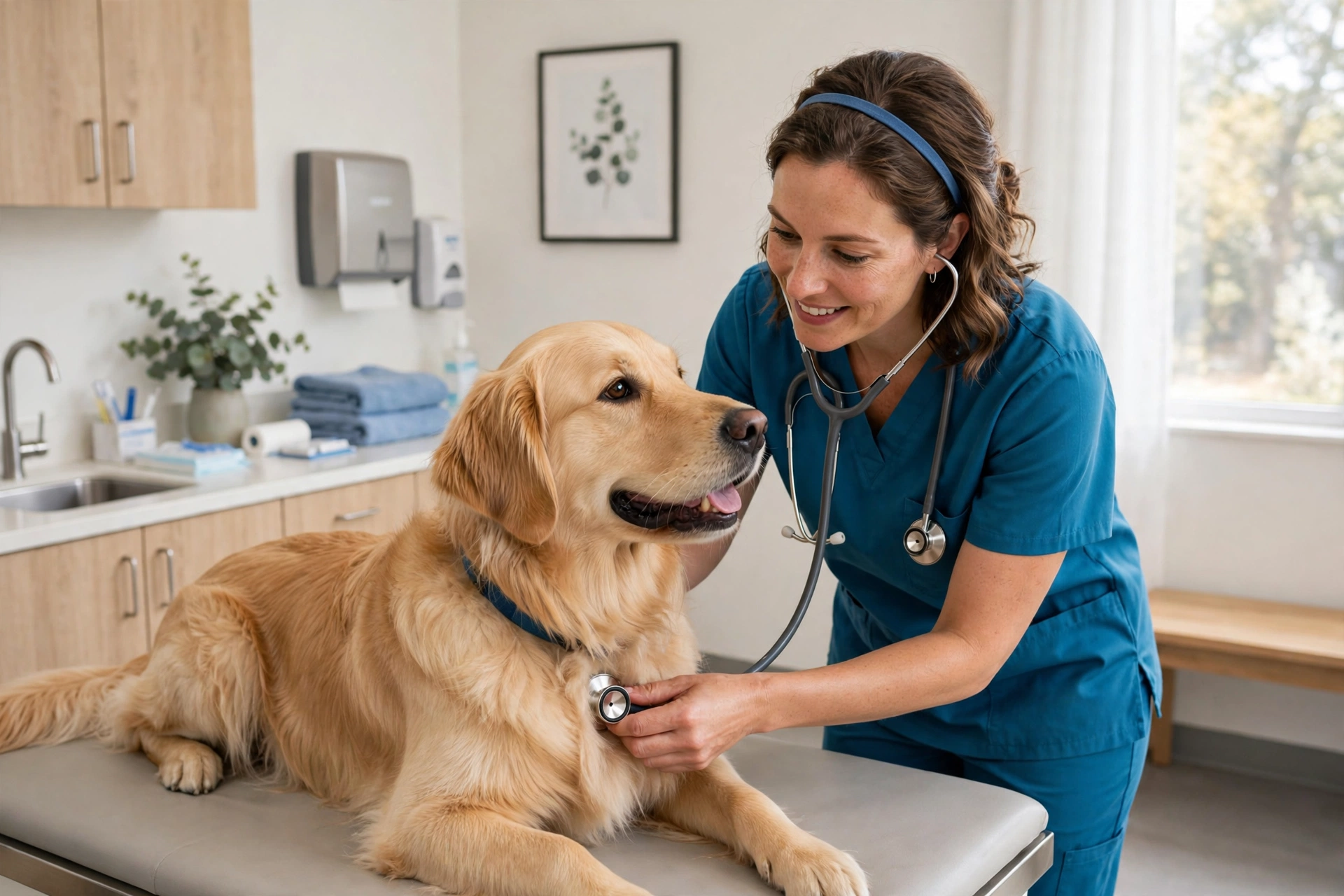
Most seed-eating is opportunistic snacking, but constant grazing on non-food items can signal a nutritional deficiency, anemia, or pica — a compulsive urge to eat non-food items. If your dog eats seed obsessively, also snacks on dirt or rocks, or has other changes in appetite, book a vet visit.
A simple blood panel can reveal iron deficiency or other imbalances, and your vet can confirm whether your dog’s regular diet needs adjusting. Better nutrition sometimes quiets the strangest cravings.
Watch for warning signs after any seed binge: vomiting, diarrhea, loss of appetite, lethargy, or yellowing gums and eyes (a possible sign of liver trouble from aflatoxin exposure). Those warrant a vet call, not a wait-and-see.
Helpful pick: PetMedics Non-Contact Pet Thermometer — a quick fever check helps you decide whether that vet visit is urgent.
Is Birdseed Dangerous for Dogs?
In small, fresh amounts, birdseed is not very toxic — the seeds themselves are not poisonous to dogs. The real risks are what comes with them:
- Mold and aflatoxins: Seed left on damp ground can grow mold that produces aflatoxins, toxins that damage the liver. This is the biggest danger, and it is entirely preventable by cleaning up spilled seed.
- Bacteria and parasites: Bird droppings mixed with seed can carry salmonella, and soil under feeders can harbor worm eggs.
- Blockage risk: A dog that gorges on a huge amount of seed (like an entire torn-open bag) can develop an intestinal blockage.
- Cryptococcosis: Rare, but dogs with weak immune systems can inhale infectious spores from dried bird droppings around feeders.
If your dog shows vomiting, tremors, wobbliness, agitation, or signs of illness after eating moldy seed, treat it as an emergency — prompt vet treatment gives the best outcome with mycotoxin exposure.
Frequently Asked Questions
Will a little birdseed hurt my dog?
A few fresh seeds usually pass through without harm. The danger is seed that has sat on the ground and grown mold, or large amounts eaten at once. When in doubt, clean it up.
What kind of birdseed is most dangerous for dogs?
Mixes containing peanuts or corn are most prone to aflatoxin-producing molds. Any seed that is wet, clumped, or visibly moldy is risky regardless of type.
Should I take down my bird feeders?
Not necessarily. Moving the feeder out of your dog’s patrol area, adding a seed-catching tray, and cleaning up daily usually solves the problem while keeping the birds.
Can birdseed give my dog worms?
The seed itself does not contain worms, but soil under feeders can harbor worm eggs, and bird droppings carry parasites. Regular deworming per your vet’s schedule covers this risk.
How do I keep my dog away from the bird feeder?
Relocate the feeder, use a seed tray, clean up daily, train a strong “leave it,” and supervise yard time. A low garden fence around the feeding zone works for determined dogs.
Keep Reading
- How to Stop Your Dog from Eating Dirt: 7 Fixes
- How to Stop Your Dog from Eating Poop: 8 Proven Fixes
- How to Stop Your Dog from Eating Rocks: 7 Fixes
- How to Stop Dog Eating Bird Poop: 7 Fixes (2026)
- Foods Dogs Can and Can’t Eat: The Complete List
As an Amazon Associate, PetPostHub earns from qualifying purchases.