
How to Teach Your Dog to Nod Yes: 6 Steps
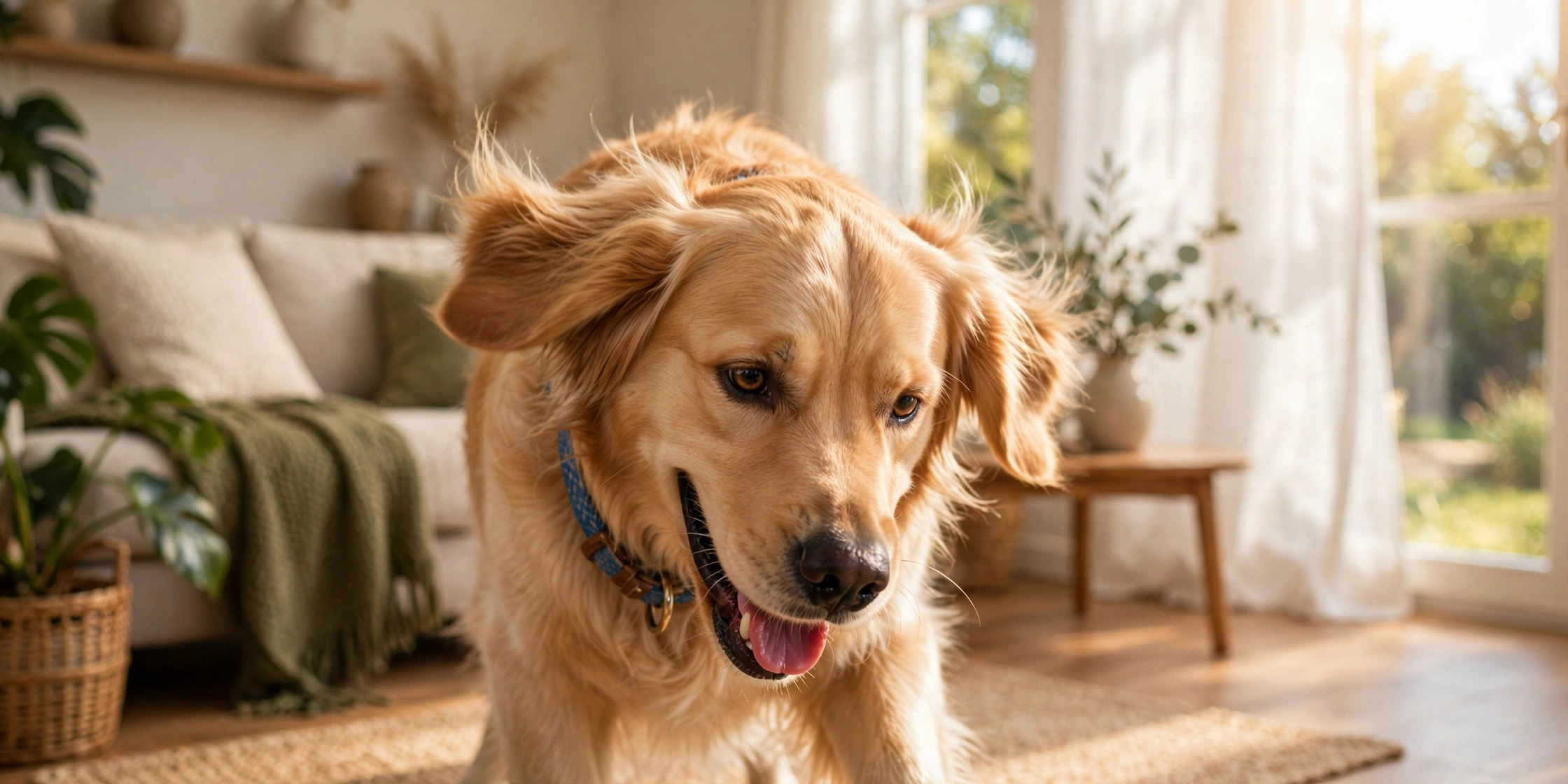
Some dog tricks are impressive. Others are pure party magic. If you want to learn how to teach dog to nod yes, you’re about to unlock one of the funniest, most crowd-pleasing tricks out there: asking your dog a question and watching them literally nod their head in answer. Imagine saying, “Do you want a cookie?” and your pup dips their chin down and back up like, “Uh-huh.” Guests go wild for it, and the best part is that it’s genuinely easy to teach. Most dogs get the basics in just a few short sessions.
This trick is built on a natural movement — dogs lower and raise their heads all the time — so instead of forcing something unnatural, you’re simply capturing and shaping something your dog already does. With a handful of treats, a marker word or clicker, and a little patience, you’ll have a four-legged yes-man in no time. Let’s get started.
Table of Contents
- What You’ll Need
- Step 1: Teach a Nose Touch First
- Step 2: Move the Target Down, Then Up
- Step 3: Mark the Nod the Moment It Happens
- Step 4: Add the Cue Word
- Step 5: Fade the Hand Target
- Step 6: Troubleshoot and Polish
- Nod Yes vs. Shake No
- Frequently Asked Questions
What You’ll Need
- High-value treats cut into pea-sized pieces (soft treats work best — your dog will eat a lot of them)
- A clicker or a consistent marker word like “Yes!”
- A treat pouch so you’re not fumbling in pockets
- A quiet room with minimal distractions
- Two to five minutes of your time, a few times a day
Keep sessions short and upbeat. One to two minutes of work, a short break, then another round. Your dog should end every session wanting more.
Step 1: Teach a Nose Touch First
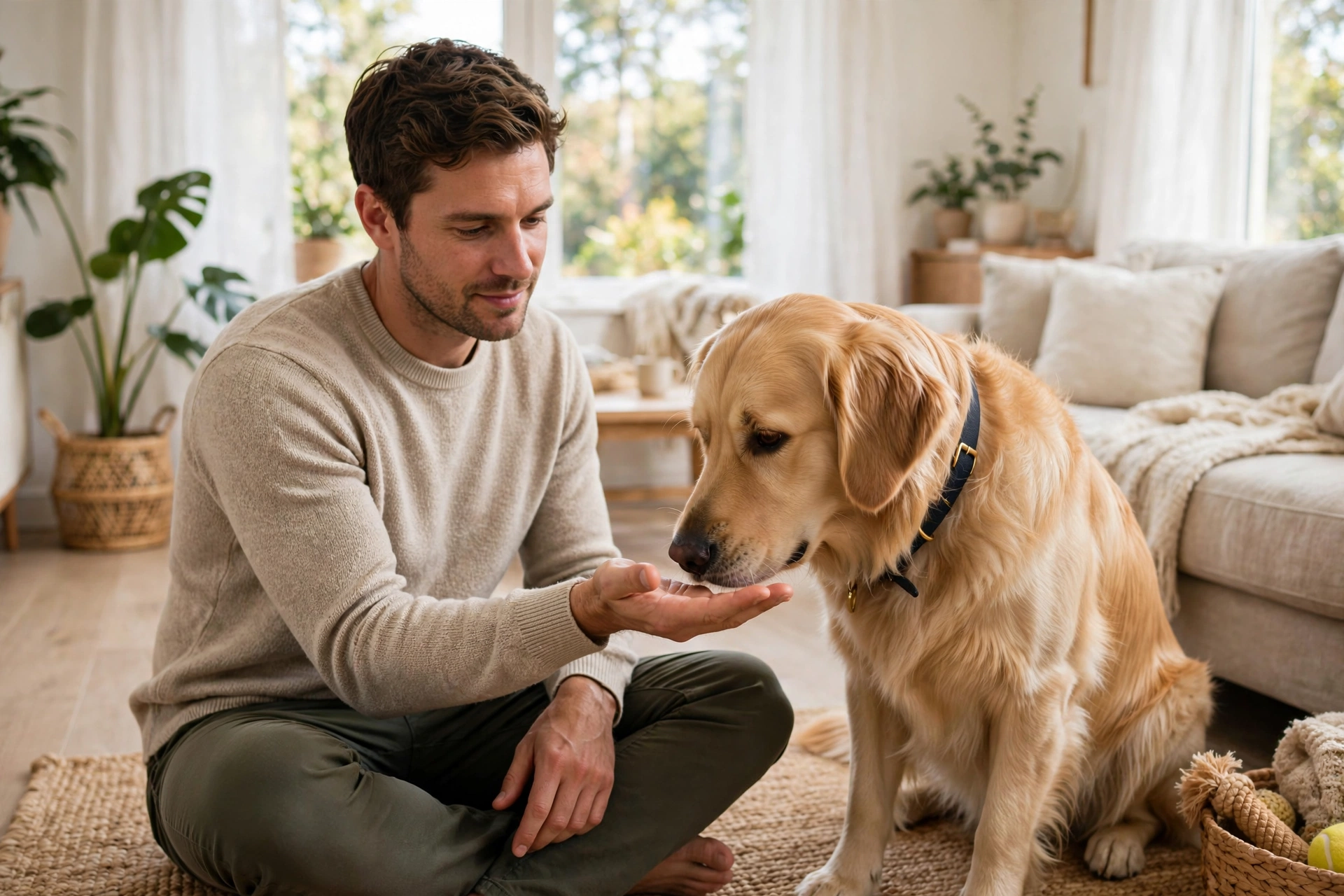
Before your dog can nod, they need to understand the game: follow my hand, earn a treat. Start with a simple nose target.
Hold your open palm a few inches in front of your dog’s nose. Most dogs will sniff it out of curiosity. The instant their nose touches your palm, mark it (“Yes!” or click) and reward with a treat from your other hand — not the target hand. This keeps the game clean: hand = target, other hand = treat.
Repeat 8–10 times. If your dog won’t touch, dab a little peanut butter on your palm for the first couple of reps, then wipe it off. Once your dog is eagerly bumping your hand 9 times out of 10, you’ve got your foundation.
Tip: If your dog mouths or chews your hand, withdraw it calmly and try again. Reward only clean nose touches — no teeth.
Helpful pick: Zuke’s Mini Naturals Training Treats — soft, pea-sized training treats your dog can eat quickly without breaking focus.
Step 2: Move the Target Down, Then Up
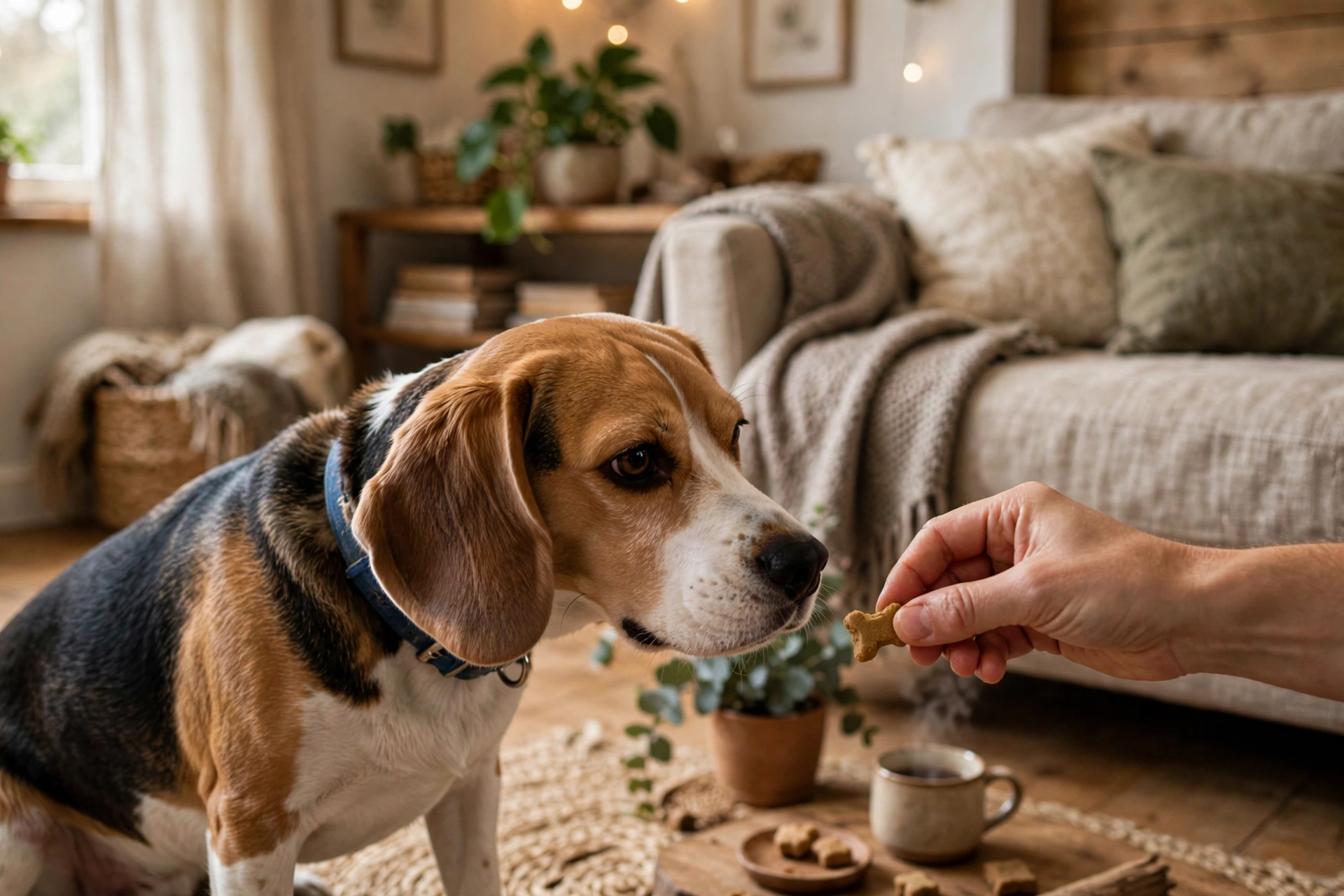
Now we shape the nod. The classic method is the up-down cycle:
- Hold a treat just above your dog’s nose so they lift their head slightly to take it.
- After they take it, they naturally lower their head to chew — mark that downward motion.
- Immediately offer the next treat up high again so they raise their head back up — mark the upward motion.
You’re rewarding a cycle: head up, head down, head up, head down. That’s a nod taking shape. Keep your movements smooth and don’t rush. The head dip can be tiny at first — a centimeter of movement counts.
Tip: Deliver treats from different heights to keep the cycle going. If you always feed at nose level, the up-down motion stalls.
Helpful pick: Egiao Dog Treat Pouch — keeps both hands free for clean hand signals and quick treat delivery.
Step 3: Mark the Nod the Moment It Happens
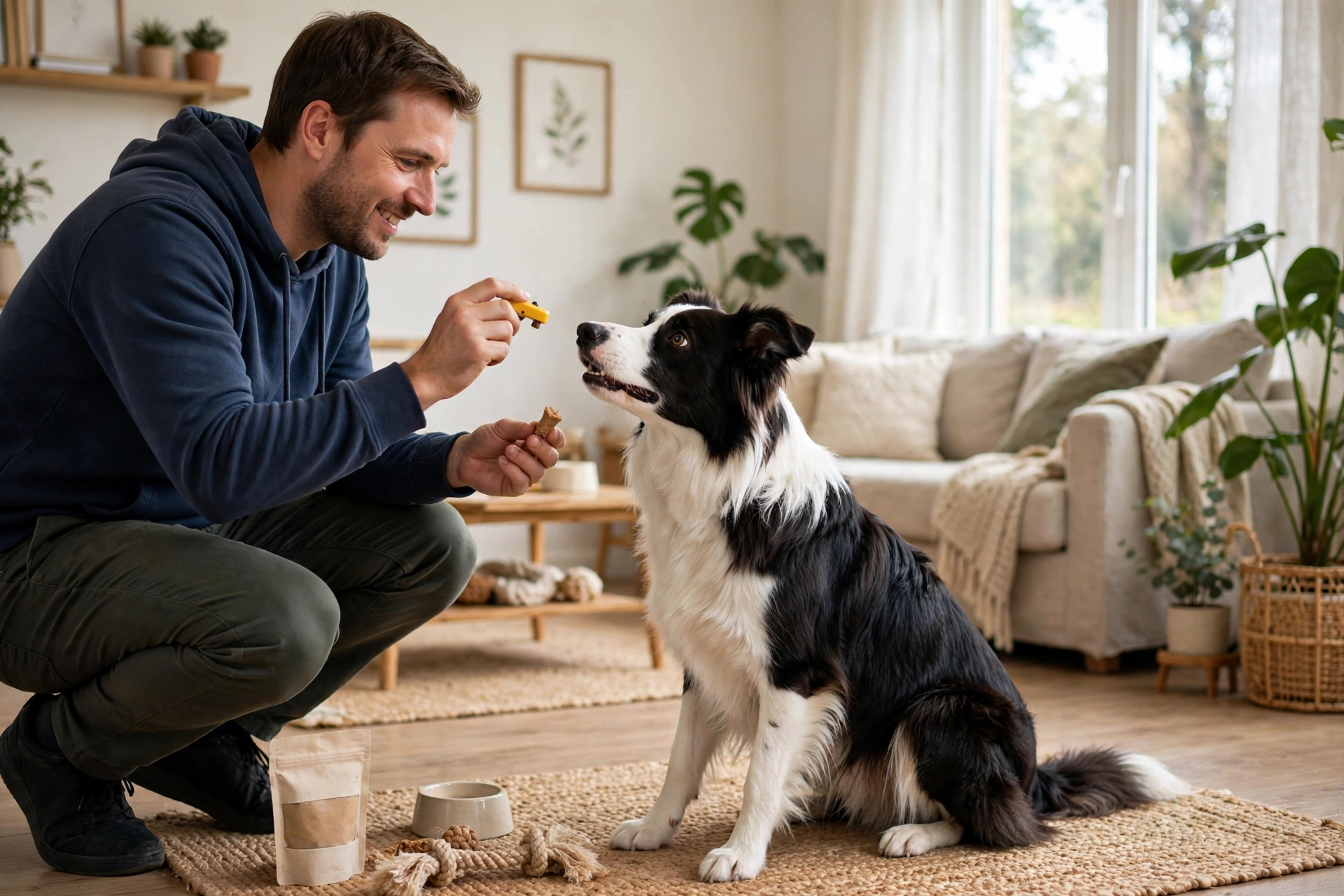
Timing is everything. The marker — your click or “Yes!” — must land during the head movement, not two seconds later. Dogs live in the moment, and your marker tells them exactly which movement earned the treat.
At this stage, watch for the downward dip first: mark as the chin drops. After a few rounds, switch to marking the upward lift instead. Then, once the full down-up cycle is flowing, mark the whole motion. This is the moment the two halves become one fluid nod.
Do 5–10 reps per mini-session. If your dog offers the dip without the lure, jackpot — give three treats in a row. Big enthusiasm cements new behaviors.
Tip: If your dog freezes or offers random behaviors (sitting, pawing), you’ve moved too fast. Go back to Step 2 and slow down.
Helpful pick: STMK Dog Training Clicker Kit — a crisp, consistent marker sound that’s easier to time than a word.
Step 4: Add the Cue Word
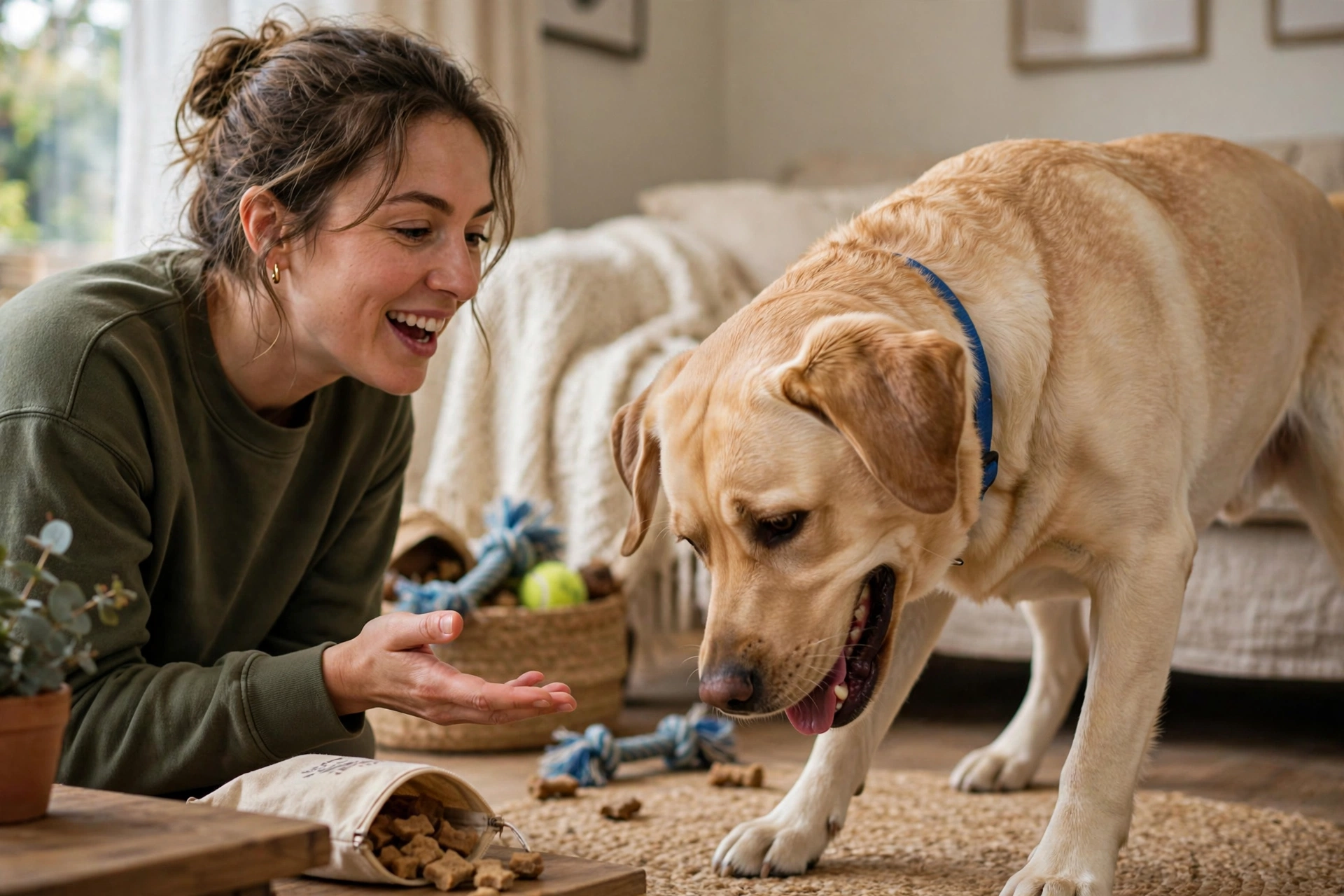
Once your dog is reliably nodding nine times out of ten, it’s time to name the behavior. Choose a fun cue — many people use a question like “Are you a good boy?” or simply “Yes?”
Here’s the sequence:
- Say your cue just as your dog begins the head dip.
- Mark the completed nod and reward.
- Repeat, gradually saying the cue a half-second earlier each round.
- Soon you’ll say the cue first, and the nod will follow.
Golden rule: never say the cue and then wait for a miracle. Name behaviors your dog already understands, not ones they’re still guessing at.
Tip: Fun cue ideas: “Do you want dinner?”, “Are you the cutest?”, or “Should we go for a walk?” — guaranteed crowd reaction.
Helpful pick: PetSafe Treat Pouch Sport — a secure, bounce-proof pouch so you can train the nod trick on walks and at the park.
Step 5: Fade the Hand Target
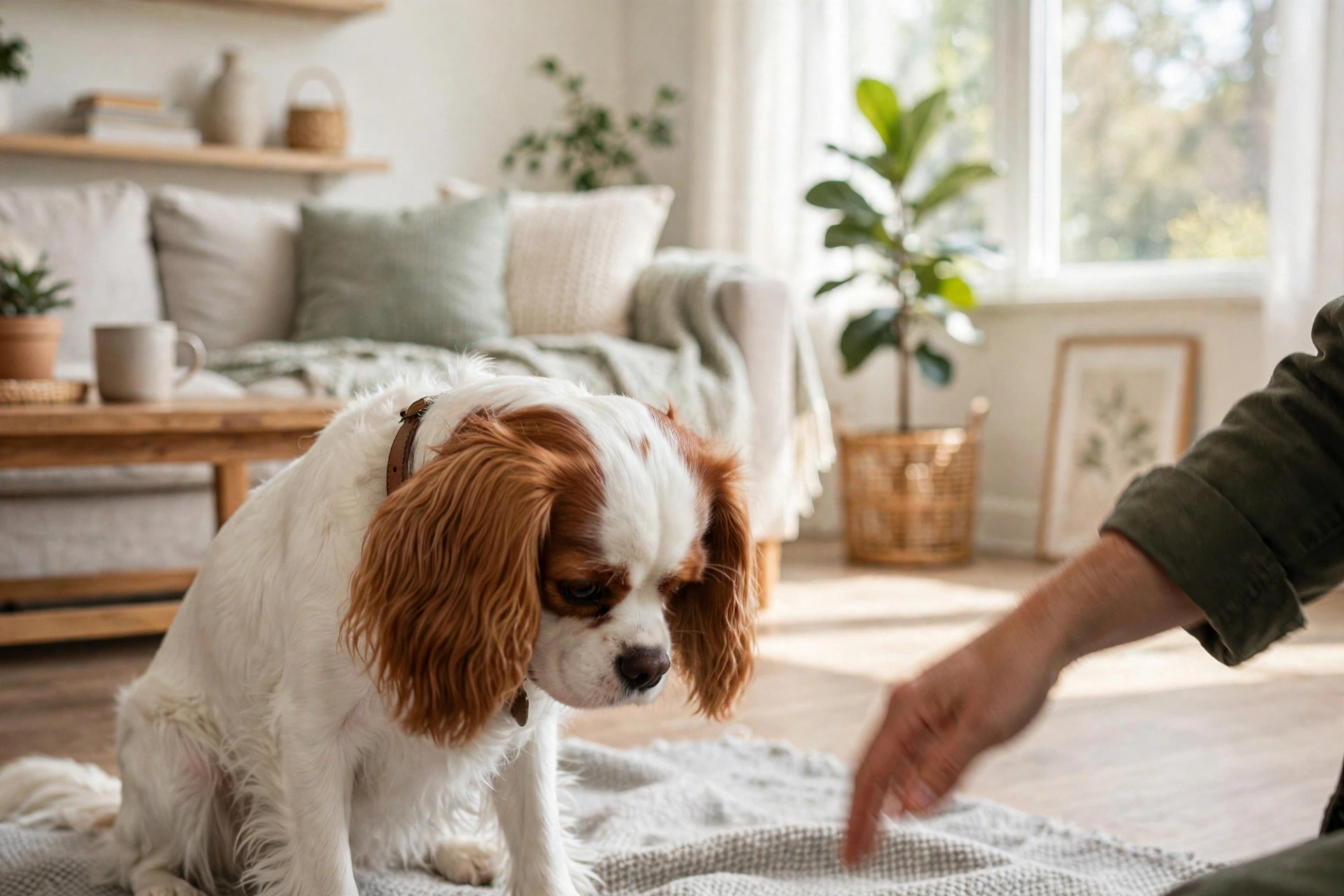
Right now your hand is doing half the work. Time to make it optional. Over several sessions, make your hand target smaller and smaller: open palm becomes two fingers, two fingers become a single pointed finger, and the pointed finger becomes a tiny nod of your own head — or nothing at all.
If the behavior falls apart when you shrink the signal, you faded too fast. Go back one step and spend another day there. Fading is like turning down a dimmer switch, not flipping a light off.
Tip: Practice in new rooms and outdoors once the nod works at home. Dogs don’t generalize well — a trick learned in the kitchen may “disappear” in the backyard until you practice it there.
Helpful pick: KONG Classic — stuff it and freeze it for a calm post-training wind-down so your dog rests instead of pestering for more reps.
Step 6: Troubleshoot and Polish
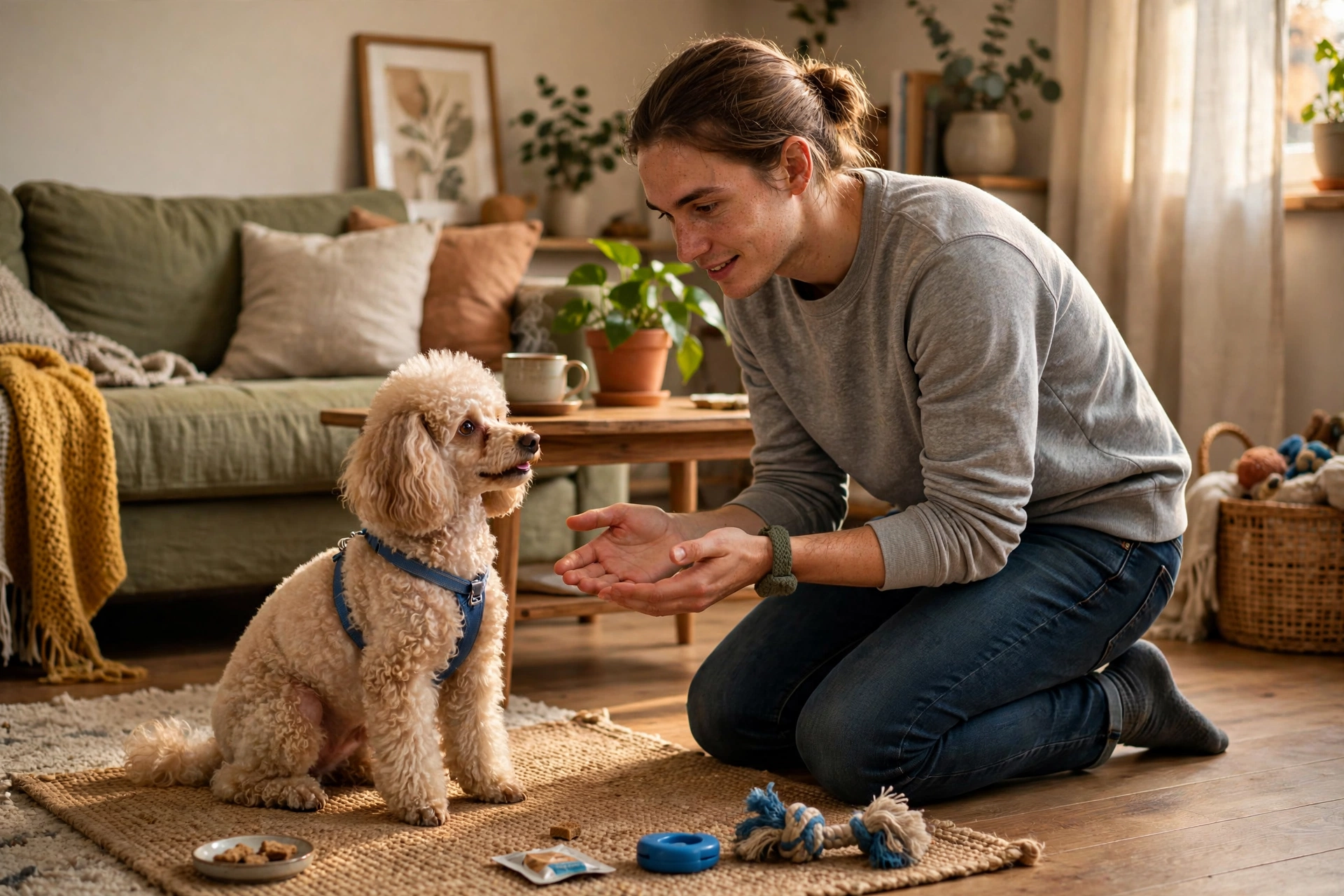
Almost every dog hits a snag. Here’s how to fix the common ones:
- My dog lies down instead of nodding. Your lure is going too low. Keep the treat above nose level so standing (or sitting) is the comfortable option.
- My dog paws at my hand. Reward only nose movements. Turn your hand over (palm facing you) so there’s nothing inviting to paw at.
- The nod is tiny. That’s fine! Reward small, then wait a beat — dogs naturally offer bigger versions of rewarded movements. Shape it gradually.
- My dog only nods for the treat in my hand. That’s Step 5 calling — your lure is still too big. Shrink it over several sessions.
- My dog loses interest. Sessions are too long or treats are too boring. Switch to something smellier (cheese, chicken) and quit after two great minutes.
Tip: End every session on a success, even if you have to ask for an easy “sit.” The last thing your dog does is what they remember.
Helpful pick: Outward Hound Tornado Puzzle Toy — a great mental warm-up before trick sessions that gets your dog in problem-solving mode.
Nod Yes vs. Shake No
Once “yes” is solid, teaching “no” (a head shake) is a natural encore. The method mirrors the nod: lure your dog’s nose slowly side to side with a treat, mark the sideways movement, then add a cue like “Shake no.” Many trainers use the lure going left-right while the “yes” lure goes up-down, which keeps the two tricks distinct.
With both tricks in your toolkit, you can ask your dog questions and get actual answers — “Do you want a bath?” gets a shake, “Do you want a treat?” gets a nod. It’s the ultimate party trick duo and a fantastic way to keep your dog’s brain busy.
Frequently Asked Questions
How long does it take to teach a dog to nod yes?
Most dogs pick up the basic motion in 3–5 short sessions over a few days. A crisp, reliable nod on a verbal cue usually takes one to two weeks of daily practice.
What age should my dog be to learn the nod trick?
Puppies as young as 8–10 weeks can learn it, since it’s a simple, low-impact movement. Senior dogs do great too — there’s no jumping or strain involved.
Can I teach the nod without a clicker?
Absolutely. A short, upbeat marker word like “Yes!” works just as well. The key is consistency — use the same sound, the same way, every single time.
My dog nods, but only when I have food in my hand. What now?
Your lure hasn’t faded yet. Practice the cue with your treating hand hidden behind your back, and reward from a pouch or bowl nearby instead of the signal hand.
Is the nod trick safe for dogs with neck problems?
The nod is a gentle, natural range of motion, but if your dog has a neck or spine condition, check with your vet before teaching any head-movement tricks.
Keep Reading
- How to Teach Your Dog to Bow: 7 Steps
- How to Teach Your Dog to Sit Pretty: 7 Steps
- How to Teach Your Dog to Give a Hug: 7 Steps
- How to Teach Your Dog to Fake It (Play Dead): 7 Steps
- How to Teach Your Dog to Turn Around: 7 Steps
As an Amazon Associate, PetPostHub earns from qualifying purchases.



One Comment