How to Avoid Losing Your Dog: Prevention + What to Do If They Get Lost

Every dog owner has felt that ice-cold flash of panic: you turn around at the park and your dog is gone. Learning how to avoid losing your dog is one of the most important things you can do as a pet parent — because most lost-dog emergencies are preventable with a few simple habits, and knowing exactly what to do in the first hour dramatically raises the odds of a happy reunion.
Below: 8 practical tips to prevent it, plus a clear action plan for the critical first hours if the worst happens.
Table of Contents
- 1. Secure Your Fencing and Gates
- 2. Build Bulletproof Leash Habits
- 3. Keep ID Tags and a Microchip Current
- 4. Add a GPS Tracker to the Collar
- 5. Train a Rock-Solid Recall
- 6. Act Fast: The First Hour If Your Dog Gets Lost
- 7. Make Flyers and Posts That Actually Work
- 8. Know Exactly Who to Call
- Frequently Asked Questions
1. Secure Your Fencing and Gates
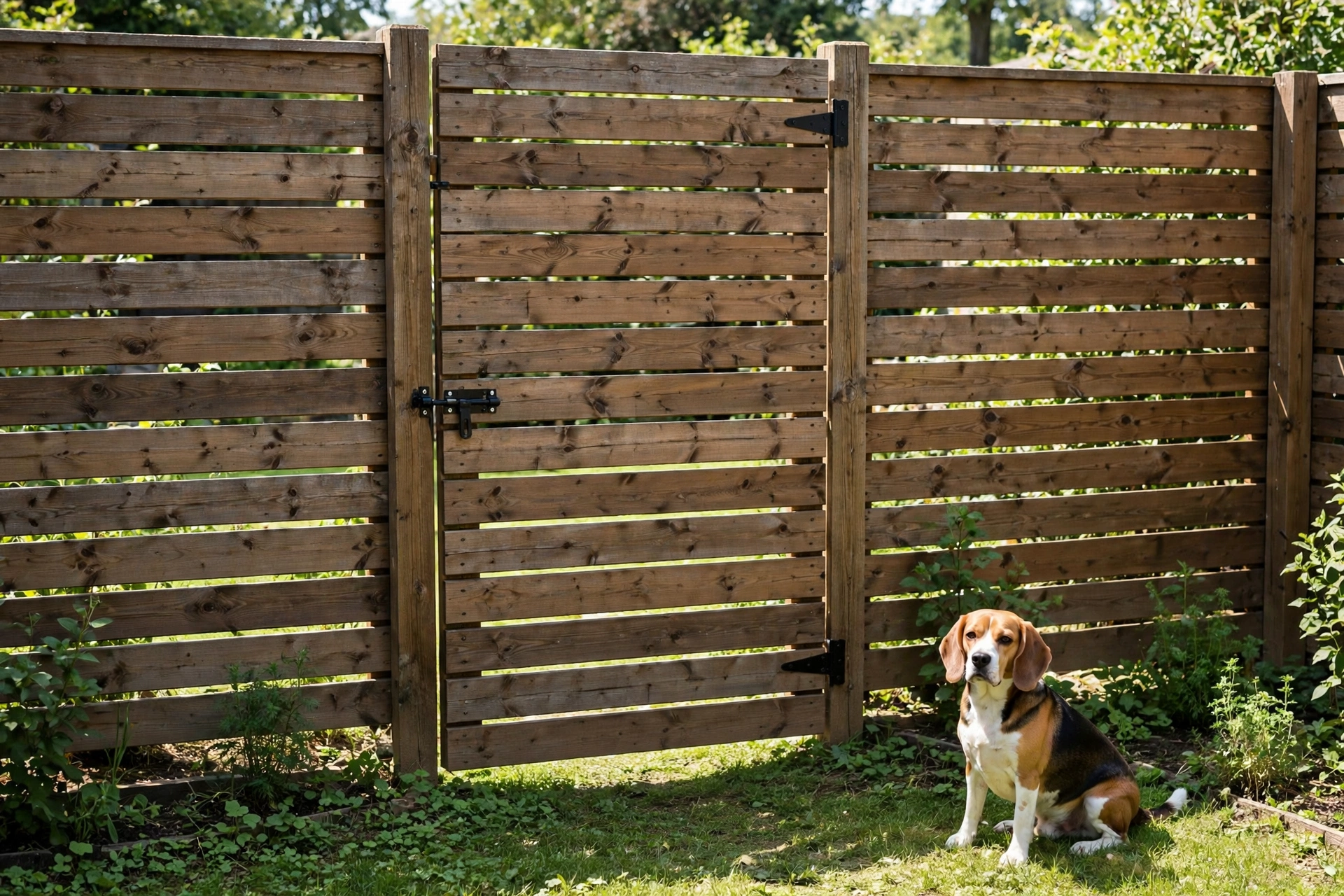
Most dogs go missing from their own yard. Walk your fence line once a month and look for the usual escape routes: gaps under the fence, loose boards, and gates that don’t latch properly. Dogs are surprisingly good engineers — a determined digger can widen a small gap in a single afternoon.
Make gate-closing automatic: self-closing hinges and a latch that clicks shut remove human forgetfulness, and a spring-loaded closer is cheap insurance with kids around. For diggers, bury chicken wire or flat stones along the fence line.
Helpful pick: Newnice Baby Gate — a sturdy pressure-mounted gate that works perfectly for blocking off doorways, hallways, and rooms so your dog can’t bolt out an open front door.
2. Build Bulletproof Leash Habits
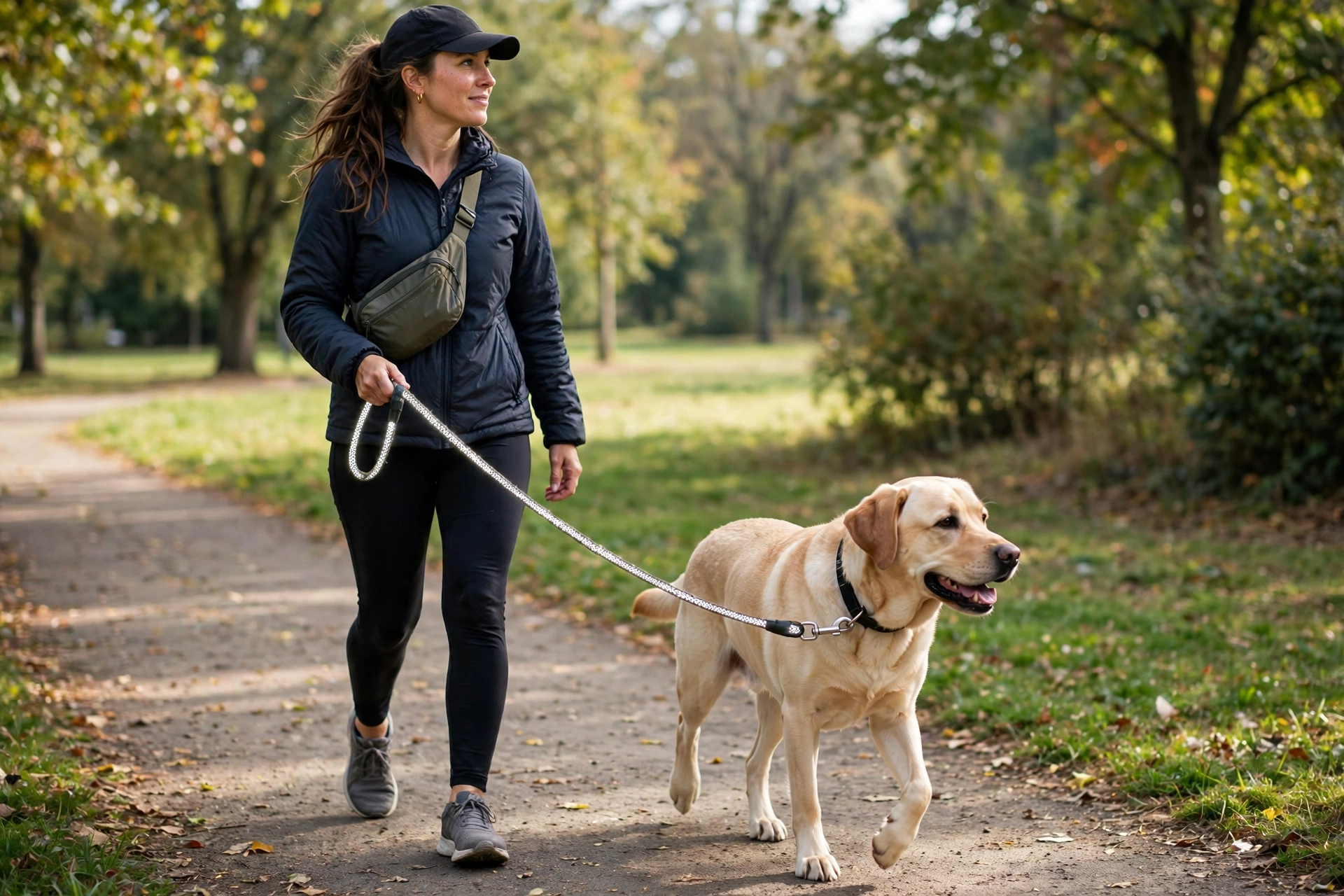
A huge number of lost-dog stories start with “the leash slipped” or “I just let him off for a second.” Use a leash with a locking clasp and check it for wear every few months — frayed nylon and tired clips fail at the worst moments. Clip the leash to a well-fitted harness rather than just a collar for dogs that pull or back out of collars.
Skip retractable leashes in unfenced areas — the cord can snap, the lock can jam, and a dropped handle chasing your dog will scare them into running farther. Make it a habit: leash on before the door opens, off only after it closes.
Helpful pick: Mycicy Reflective Rope Dog Leash — a strong 6-foot rope leash with a safety-lock clasp and reflective stitching, so your dog stays secure and visible on every walk.
3. Keep ID Tags and a Microchip Current
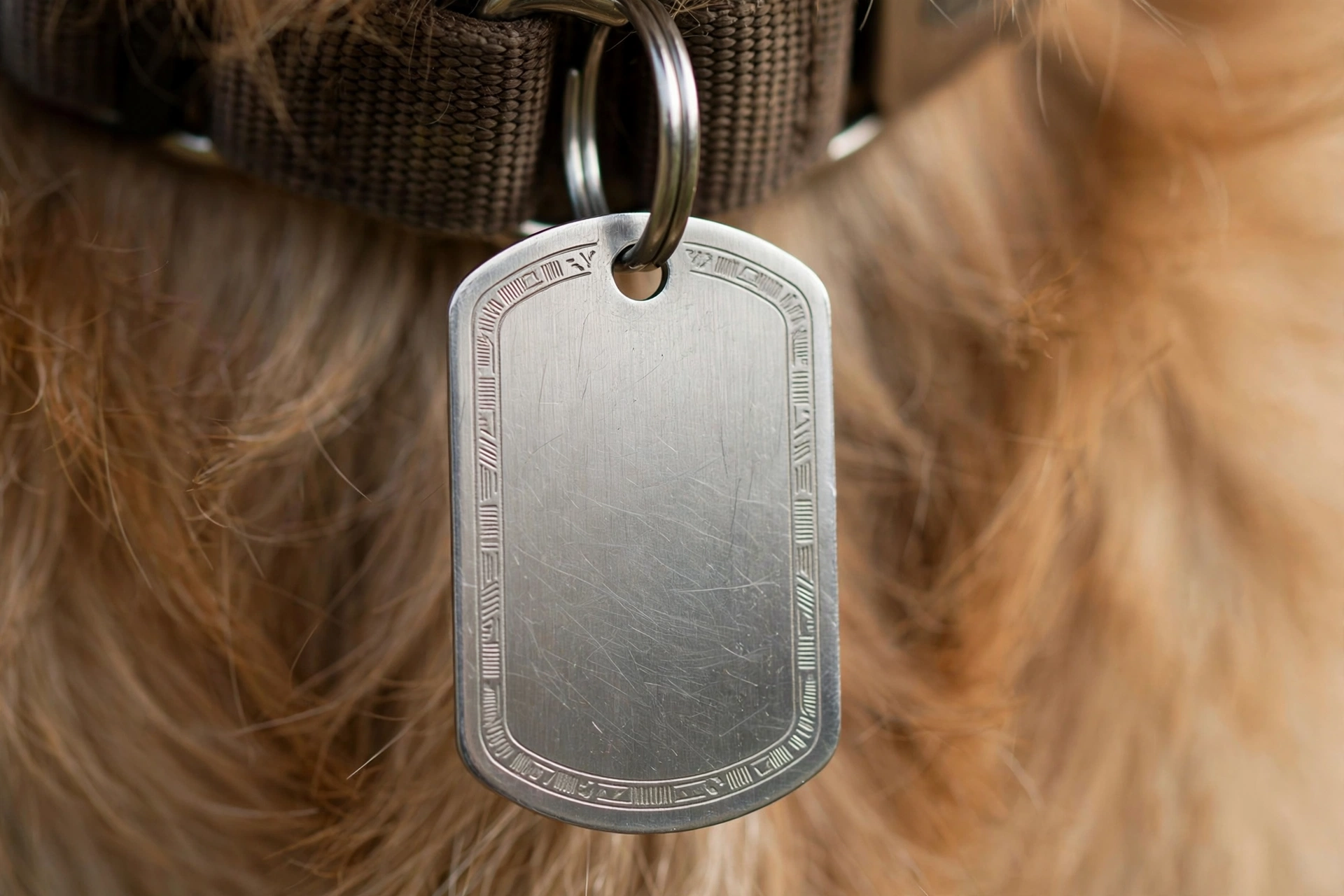
An ID tag is the fastest ticket home — a finder will read a tag long before driving to a vet for a microchip scan. Keep it simple: your dog’s name, your phone number with area code, and optionally “microchipped” on the back. Check the engraving twice a year; tags wear down.
A microchip is your backup plan, not a GPS tracker. It only works if someone scans your dog, and it only helps if your contact details are current in the chip registry. After every move or phone number change, update the registration the same day. It takes five minutes and it is the single most common reason microchipped dogs don’t make it home.
Helpful pick: Ultra Joys Stainless Steel Pet ID Tag — a rust-proof, double-sided engraved tag with deep lettering that stays readable for years.
4. Add a GPS Tracker to the Collar
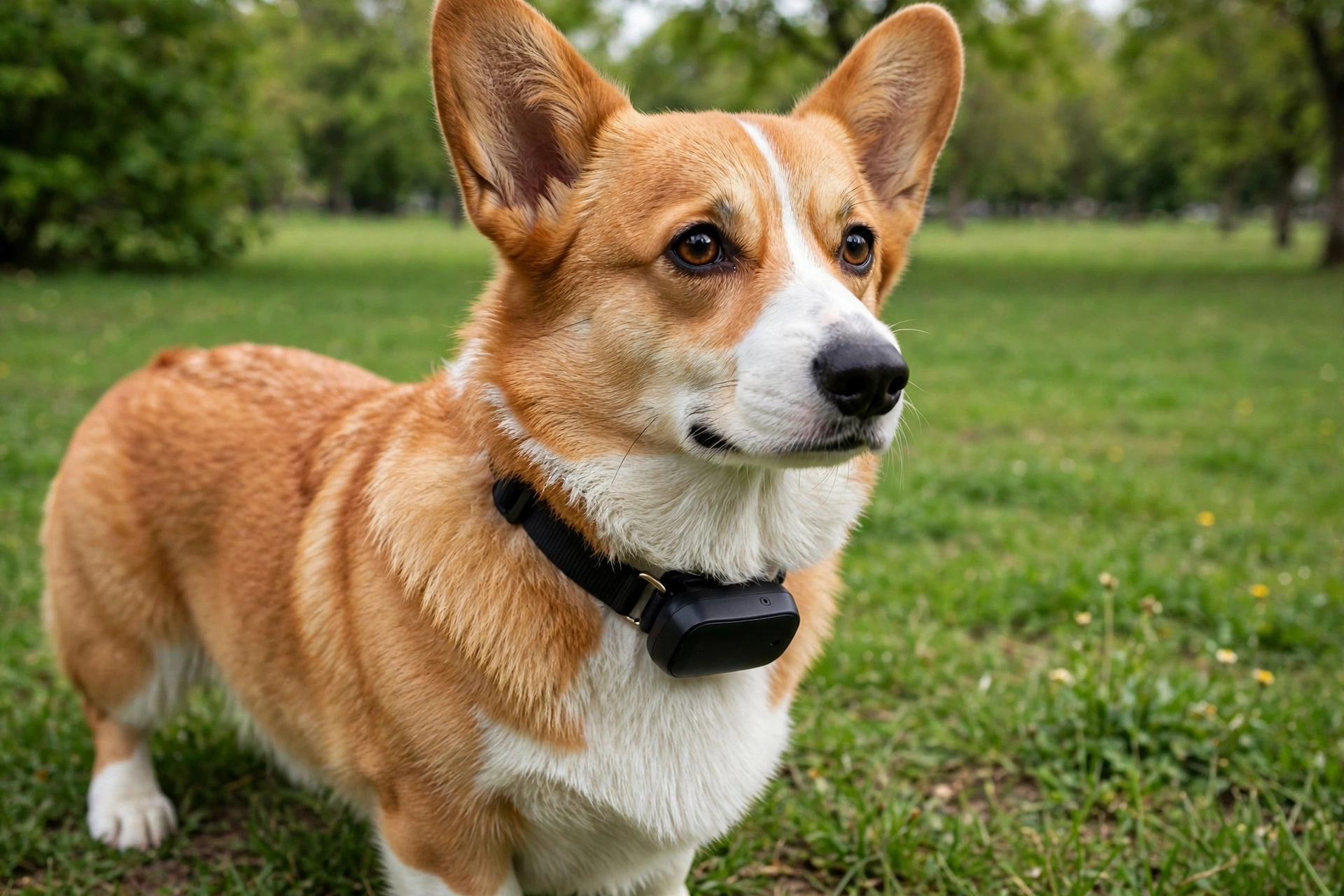
ID tags and microchips rely on someone else finding your dog — a GPS tracker lets you find them. Modern trackers are light, waterproof, and show your dog’s live location on your phone every few seconds.
The real power feature is the virtual fence: draw a safe zone around your home in the app, and you get an instant alert the moment your dog leaves it. That early warning can turn a three-day search into a ten-minute walk. Keep the tracker charged on a weekly routine — a dead tracker on the day your dog bolts helps no one.
Helpful pick: Tractive Smart Dog GPS Tracker — live GPS tracking with unlimited range, escape alerts, and virtual fences, all in a lightweight waterproof design.
5. Train a Rock-Solid Recall

The best anti-lost device ever made is a dog that comes when called. A reliable recall won’t stop every escape, but it ends most of them within seconds. Train it like it matters — because it does.
Start indoors with zero distractions: say your recall word once and reward big when your dog reaches you — never punish a dog for coming back, no matter how long it took. Build up to the yard, then long-line work in parks, keeping sessions short and happy.
Helpful pick: STMK Dog Training Clicker Kit — a clicker plus training guide that makes marking and rewarding a fast recall simple and consistent.
6. Act Fast: The First Hour If Your Dog Gets Lost

The first hour is when most lost dogs are found — they usually haven’t gone far yet. Don’t wait to “see if he comes back.” Grab a leash, treats, and a flashlight, and start searching immediately on foot. Dogs often circle back toward familiar smells, so leave a piece of your worn clothing and a bowl of water outside your door.
Search smart: walk the direction your dog was heading and check quiet hiding spots first — under porches, behind sheds, in bushes. Call calmly and happily; a frightened dog may hide from a panicked shout, even yours.
Helpful pick: HIGO LED Dog Collar Light — a USB-rechargeable light-up collar that makes any dog visible from hundreds of yards away during nighttime searches and walks.
7. Make Flyers and Posts That Actually Work
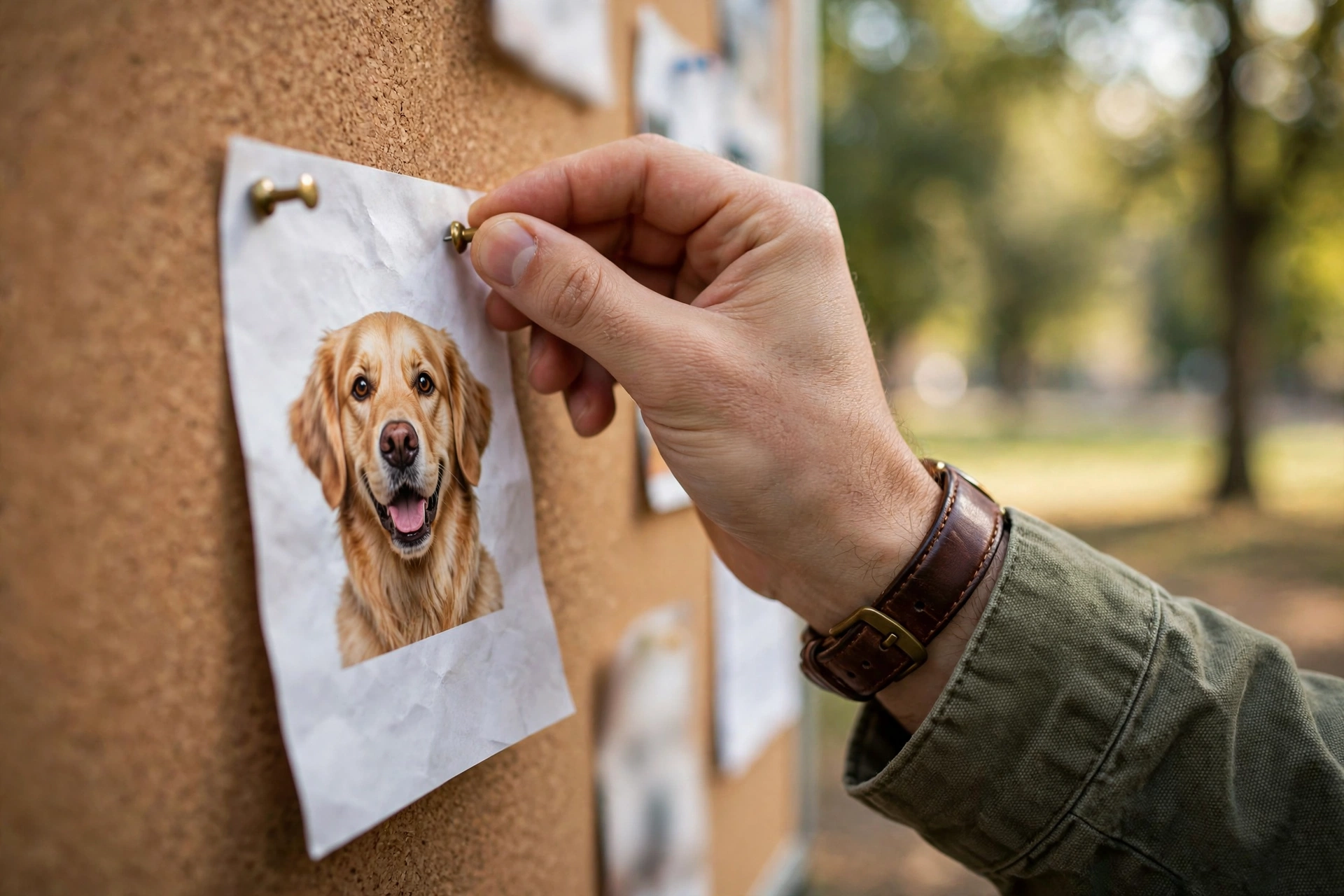
If your dog isn’t home within a couple of hours, blanket the area. The most effective lost-dog flyer is brutally simple: one big, clear photo of your dog, the words “LOST DOG” in huge letters, and your phone number in type readable from a passing car. Skip the life story — drivers have three seconds.
Post the same flyer everywhere: neighborhood boards, vet offices, pet stores, and groomers. Online, share in local Facebook lost-pet groups and on Nextdoor with your cross streets. And bring strong-smelling treats when canvassing — a scared dog will often break cover for a familiar smell when they won’t come to a voice.
Helpful pick: Zuke’s Mini Naturals Training Treats — soft, smelly, high-value treats that are perfect for luring a frightened lost dog out of hiding.
8. Know Exactly Who to Call
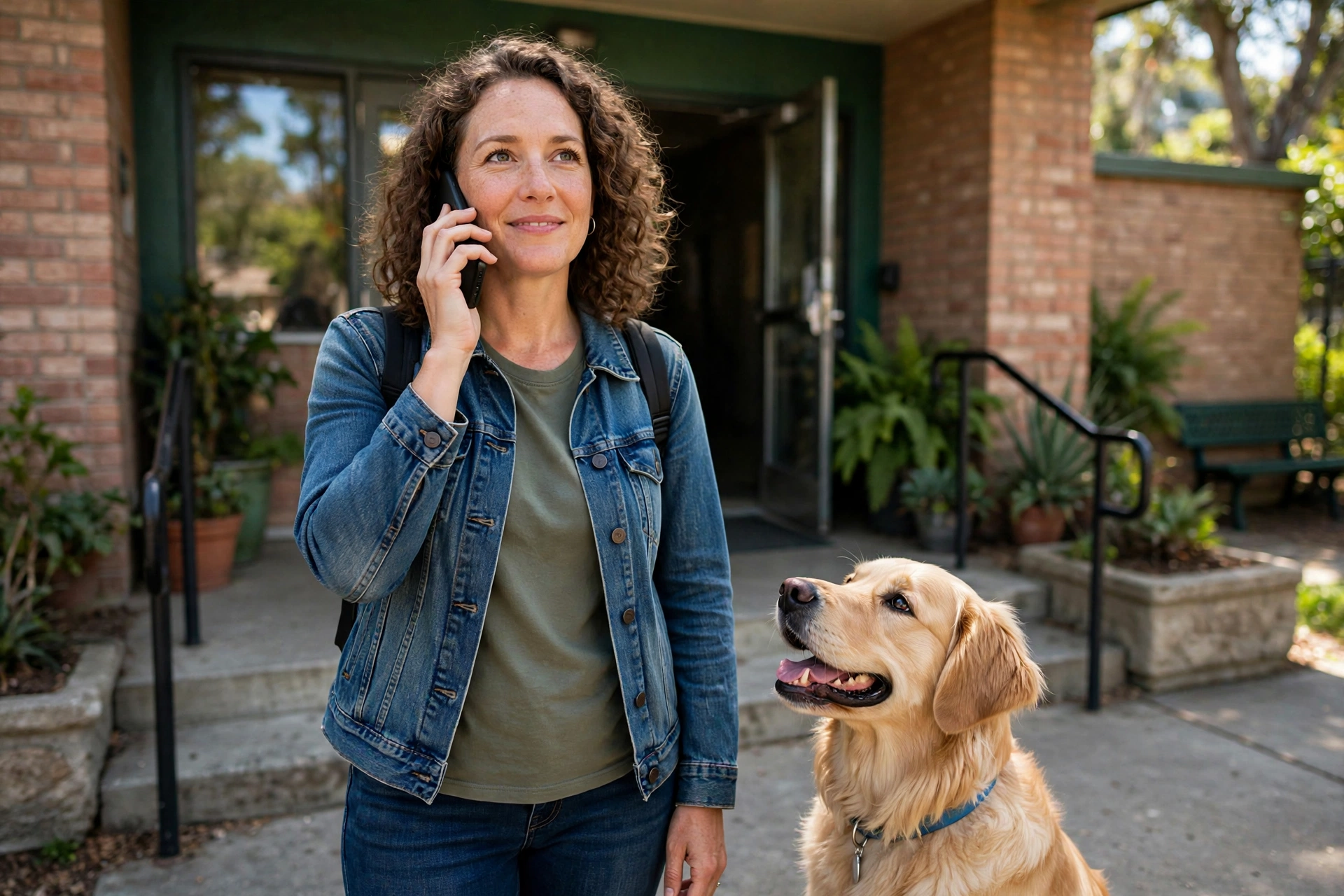
Don’t waste precious hours figuring out who handles strays in your area. Save these numbers in your phone today: your local animal control, the nearest shelters (call all of them — dogs get transferred), your vet, and your microchip company’s lost-pet line.
Call shelters daily — new strays arrive constantly and descriptions get misheard. Visit in person when you can, file a lost report with each shelter, and send your dog’s photo so they can match future intakes. Also alert neighbors directly; the person three doors down is more likely to spot your dog than anyone online.
Helpful pick: American Pet Supplies Dog First Aid Kit — a compact 19-piece emergency kit, because a dog that has been out on its own sometimes comes home with scrapes that need attention before the vet visit.
Frequently Asked Questions
What is the first thing I should do when my dog goes missing?
Start searching on foot immediately — don’t wait. Most lost dogs are found close to home in the first hour. Bring treats, a leash, and a flashlight, check hiding spots like under porches and behind sheds, and leave worn clothing and water outside your door in case your dog circles back.
Do microchips track my dog’s location?
No — a microchip is not a GPS tracker. It is a tiny ID chip under the skin that a vet or shelter reads with a scanner, and it only helps if your contact details are up to date in the registry. For live location tracking, you need a GPS collar tracker.
Should I put a reward on a lost-dog flyer?
It can help motivate people to look. Write “$$ REWARD” without naming an amount — that keeps the focus on finding your dog rather than negotiating. Never meet strangers alone when following up on sightings.
How far do lost dogs usually travel?
Most stay within a mile or two of home in the first 24 hours, often hiding nearby rather than running continuously. That’s why searching your immediate neighborhood thoroughly — and repeating the search — matters more than driving across town.
My dog slipped the collar. Will the ID tag and tracker even help?
That’s why layered protection matters: a microchip can’t slip off, and a harness is much harder to back out of than a collar. Use both, and keep the microchip registration current as your ultimate backup.
Keep Reading
- How to Teach Your Dog to Come When Called
- Dog Body Language Guide
- Signs Your Dog Loves You
- How to Stop Your Dog from Barking at the Door
As an Amazon Associate, PetPostHub earns from qualifying purchases.