
Cavalier King Charles Spaniel vs Cavapoo: Which Is Right for You?

Torn between two of the sweetest small dogs in the world? The Cavalier vs Cavapoo debate is one of the most common dilemmas for small-dog lovers — and it makes sense. Both are affectionate, people-loving lap dogs that thrive in family life. But beneath the cute faces, these two breeds have real differences in energy, grooming, health, and daily needs.
The Cavalier King Charles Spaniel is a purebred spaniel with centuries of companionship behind it. The Cavapoo is a popular designer cross between the Cavalier and the Poodle, bred to combine the Cavalier’s gentle heart with the Poodle’s brains and lower-shedding coat. This guide compares them head to head so you can choose the dog that genuinely fits your life.
Table of Contents
- Quick Comparison Table
- 1. Appearance & Size
- 2. Temperament & Personality
- 3. Grooming Needs
- 4. Exercise Needs
- 5. Health Considerations
- 6. Which Suits Your Lifestyle?
- Final Verdict
- Frequently Asked Questions
- Keep Reading
Quick Comparison Table
| Trait | Cavalier King Charles Spaniel | Cavapoo |
|---|---|---|
| Size | 12–13 inches tall | 9–14 inches tall (varies by Poodle parent) |
| Weight | 12–18 pounds | 7–25 pounds |
| Coat & Shedding | Long, silky coat; moderate shedding | Wavy to curly coat; low shedding |
| Temperament | Gentle, calm, deeply affectionate | Playful, social, bouncy |
| Exercise | 30–45 minutes daily | 45–60 minutes daily |
| Trainability | Eager to please, quick learner | Highly intelligent, very easy to train |
| Health | Prone to heart issues (MVD) | Generally hardier, fewer inherited issues |
| Lifespan | 9–14 years | 10–15 years |
| Typical Cost | $1,500–$3,500 | $1,500–$3,000 |
1. Appearance & Size
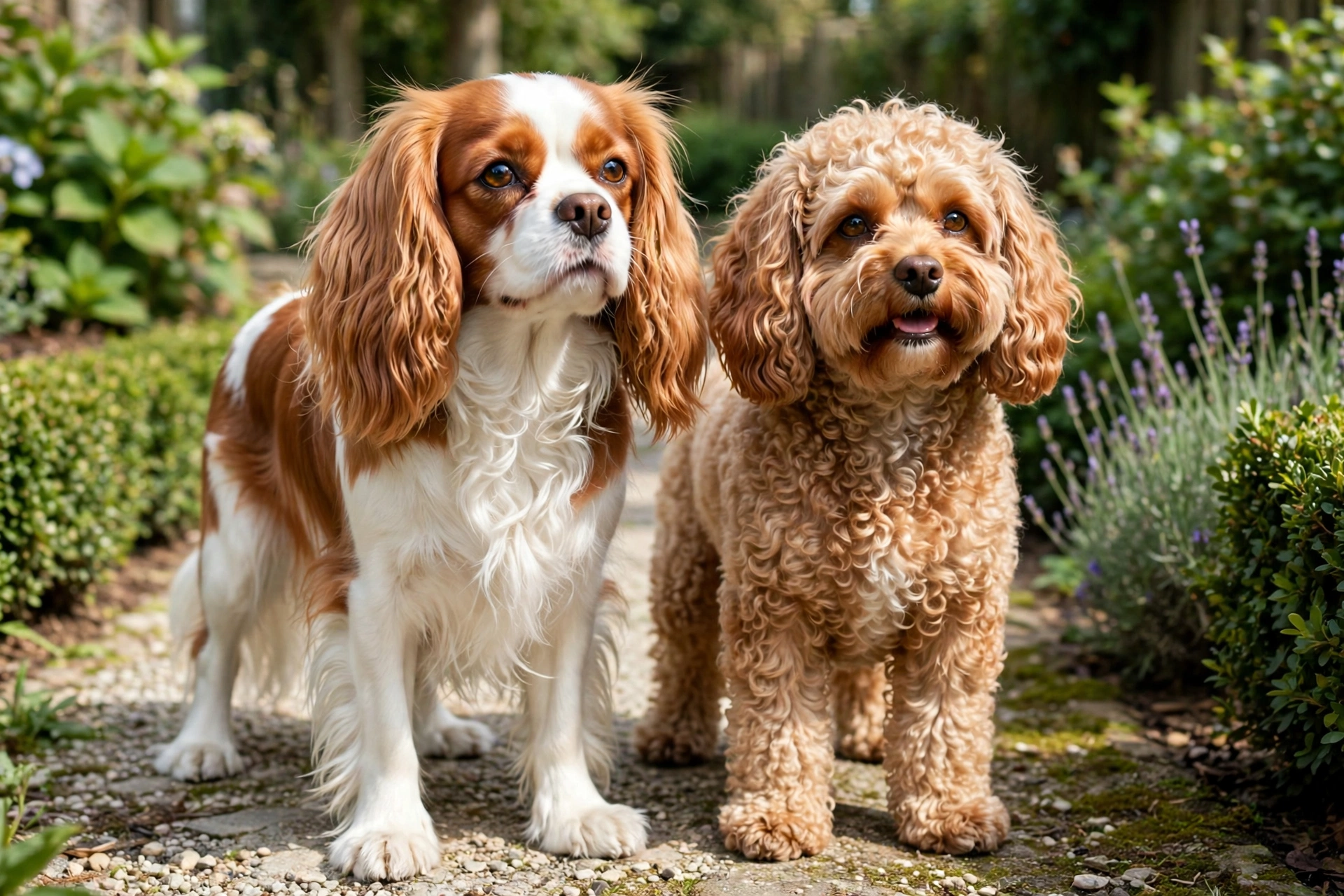
At a glance, both breeds are small, soft, and built for laps — but their looks differ more than you might expect. The Cavalier is a true spaniel: a long, silky, feathered coat, big soulful eyes, and those famously long ears. They come in four recognized colors — Blenheim (chestnut and white), tricolor, ruby, and black and tan.
The Cavapoo, being half Poodle, usually sports a wavy to curly coat that can look anything from tousled teddy bear to full poodle curls. Coat colors vary widely: apricot, cream, red, black, chocolate, and parti-colors are all common.
Size-wise, Cavaliers are remarkably consistent at 12–18 pounds. Cavapoos are less predictable — it depends on whether the Poodle parent was a Toy or a Miniature. A Toy Cavapoo may stay under 12 pounds, while a Mini Cavapoo can reach 25. If predictable size matters to you, the Cavalier wins; if you want options, the Cavapoo offers them.
2. Temperament & Personality

Both breeds are famous for their loving natures, but their personalities have different flavors. The Cavalier is the quintessential gentle companion — calm, soft-hearted, and happiest when pressed against you on the sofa. They are famously good with children, seniors, and other pets, and they rarely have an aggressive bone in their body.
The Cavapoo inherits the Cavalier’s sweetness but adds a dose of Poodle sparkle: more playful, more mischievous, and often a little clownish. Cavapoos tend to be bouncier and more demanding of attention and play, which makes them fantastic for active families with kids who want a dog that joins in the fun.
One personality quirk worth knowing: Cavaliers can be prone to separation anxiety and genuinely dislike being left alone for long stretches. Cavapoos, while still people-oriented, tend to cope a bit better with short periods solo — though neither breed is a good fit for a household empty all day.
3. Grooming Needs

Here is where the two breeds diverge sharply. The Cavalier’s gorgeous silky coat needs brushing three to four times a week to prevent tangles and mats, especially behind the ears and on the feathered legs. They shed moderately year-round, so a good vacuum becomes part of life.
The Cavapoo’s wavy or curly coat sheds far less — a major draw for allergy-sensitive households (though no dog is truly 100% hypoallergenic). The trade-off is maintenance: curls mat easily, so Cavapoos need brushing every other day plus a professional trim every 6–8 weeks. Skip the grooming and you will end up with painful mats that have to be shaved out.
Bottom line: Cavaliers need more frequent at-home brushing and shed more; Cavapoos shed less but need costlier professional grooming. Budget accordingly.
4. Exercise Needs
The Cavalier is a moderate-energy dog that is perfectly content with two relaxed walks a day — about 30–45 minutes total — plus some indoor play. They will happily join a hike but will not pester you for a marathon. Their exercise needs make them ideal for apartment dwellers and less active owners.
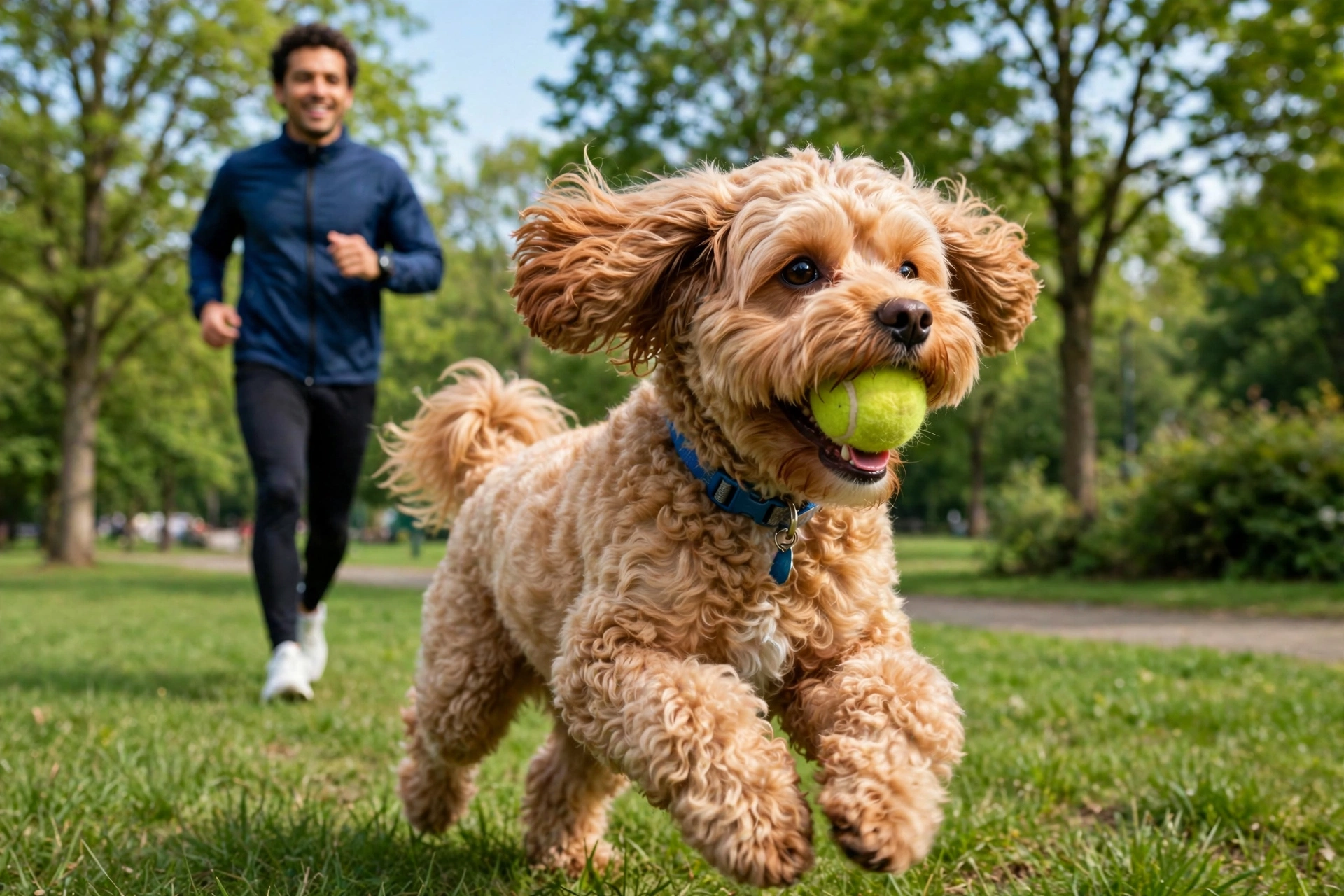
The Cavapoo usually wants more. Expect 45–60 minutes of daily activity: walks, fetch, puzzle games, and ideally some off-leash play. A bored, under-exercised Cavapoo is more likely to invent its own entertainment — chewed shoes, dug-up cushions, and all. If you are an active person who wants a small adventure buddy, the Cavapoo is the better match.
Both breeds enjoy mental stimulation, and both do well with short, positive training games woven into the day. Neither breed is a candidate for long-distance running, so keep exercise fun and moderate.
5. Health Considerations

This is the most important section of the comparison. The Cavalier King Charles Spaniel is unfortunately prone to several serious inherited conditions, most notably mitral valve disease (MVD) — a heart condition that affects a large percentage of the breed — along with syringomyelia, hip dysplasia, and eye issues. Choosing a breeder who screens hearts, eyes, hips, and patellas is non-negotiable.
The Cavapoo benefits from hybrid vigor: crossing two breeds tends to reduce the odds of inherited disease. Cavapoos can still develop issues seen in either parent breed — including progressive retinal atrophy, hip dysplasia, and luxating patellas — but on average they are the hardier of the two, with a slightly longer typical lifespan of 10–15 years versus the Cavalier’s 9–14.
Whichever you choose, pet insurance is worth serious consideration, and annual vet checkups with early cardiac screening are especially wise for Cavaliers.
6. Which Suits Your Lifestyle?

Choose the Cavalier King Charles Spaniel if: you want a calm, cuddly companion; you work from home or are retired; you prefer a predictable size and temperament; you do not mind regular brushing and some shedding; and you are prepared for potential heart-related vet costs.
Choose the Cavapoo if: you want a playful, energetic little dog; someone in the household has mild allergies; you enjoy an active lifestyle with daily play; you are happy to pay for regular professional grooming; and you want the smartest, most trainable option of the two.
Both are excellent for: families with children, apartment living, first-time dog owners, and homes with other pets. Neither breed is a good guard dog, a jogging partner, or a dog that tolerates being alone all day.
Final Verdict
There is no universal winner in the Cavalier vs Cavapoo matchup — only the right dog for your life. The Cavalier King Charles Spaniel is the gentler, calmer, more predictable choice: a purebred lap dog with a heart as big as its health considerations. The Cavapoo is the livelier, lower-shedding, hardier option: a clever little comedian that asks for more play and more grooming in return.
Meet breeders, spend time with adult dogs of both breeds, and be honest about your energy level, budget, and schedule. The right choice is the one that still feels right on an ordinary Tuesday — not just on the day you fall in love with a puppy photo.
Frequently Asked Questions
Which is better for first-time owners, Cavalier or Cavapoo?
Both are great for beginners. The Cavalier is calmer and more forgiving of rookie mistakes, while the Cavapoo is smarter and easier to train but needs more exercise and grooming commitment.
Do Cavapoos really not shed?
Cavapoos shed very little compared to Cavaliers, but no dog is completely non-shedding. If allergies are a concern, spend time with the specific puppy (and its parents) before committing.
Are Cavapoos healthier than Cavaliers?
On average, yes — hybrid vigor gives Cavapoos an edge, and they are less prone to the Cavalier’s signature heart condition (mitral valve disease). But both breeds need health-tested parents and regular vet care.
How much does each breed cost?
Expect $1,500–$3,500 for a well-bred Cavalier and $1,500–$3,000 for a Cavapoo. Be wary of prices far below these ranges, which often signal puppy mills or untested breeding.
Can Cavaliers and Cavapoos live in apartments?
Absolutely — both are apartment-friendly thanks to their small size and indoor manners. The Cavapoo just needs a bit more daily exercise and mental stimulation to stay happy in a smaller space.






One Comment