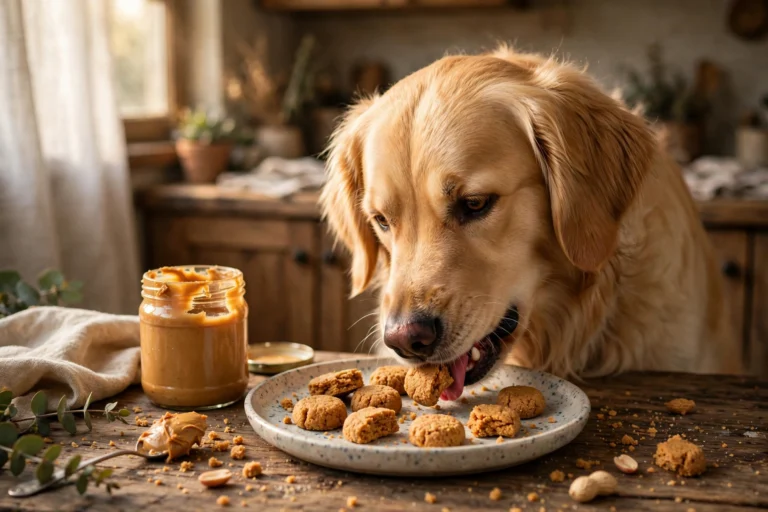
10 Best Puppy Treats for Training (2026 Buying Guide)

Finding the best puppy treats for training can make the difference between a puppy that tunes you out and one that lights up the moment you reach for your treat pouch. The right treat keeps your pup focused, motivated, and eager to repeat the good behavior you are trying to teach. Whether you are working on sit, stay, leash manners, or house training, small, soft, smelly, and low-calorie rewards are what professional trainers reach for again and again.
In this guide, we break down exactly what makes a training treat work for a young puppy, then count down our top 10 picks for 2026. Every pick is a real product you can buy today, tested against the qualities that actually matter in a training session: size, softness, aroma, calorie count, and ingredient quality.
How to Choose Training Treats for Puppies
Not every treat belongs in your training pouch. Before you buy, run every candidate through this checklist:
- Small: A training treat should be pea-sized or smaller. Your puppy should be able to swallow it in under two seconds so the session keeps flowing.
- Soft: Soft or semi-moist treats disappear fast. Crunchy biscuits take longer to chew and break your puppy’s focus.
- Smelly: The stronger the aroma, the more attention it grabs. Meaty, savory treats beat bland biscuits every time, especially outdoors with distractions.
- Low-calorie: You may hand out 30 to 50 treats in a single session. Aim for treats with 3 calories or fewer apiece so you do not blow your puppy’s daily calorie budget.
- Puppy-safe ingredients: Look for real meat as a first ingredient, and skip artificial colors, flavors, and preservatives. Very young puppies (under 12 weeks) do best with treats formulated for all life stages or specifically for puppies.
One more tip: keep two treat values on hand. Use everyday treats for easy wins like sits and downs at home, and save ultra-high-value treats (real meat, jerky, freeze-dried) for the hard stuff, like recall around distractions. This treat hierarchy is one of the foundations of good dog training, and it works beautifully during puppy socialization outings too.
The 10 Best Puppy Treats for Training
1. Zuke’s Mini Naturals Chicken Recipe

Best for: Overall everyday training
Zuke’s Mini Naturals are the treat you’ll see in more training pouches than any other. Each bite is purposely tiny, soft, and made with real chicken as the first ingredient, with no corn, wheat, or soy. At only a couple of calories per piece, you can reward generously through a full session without worrying about your puppy’s waistline. They are also easy to break in half for the tiniest of puppies.
Pros:
- Perfectly sized for training, only about 2 calories each
- Real chicken first, no corn, wheat, or soy
- Soft enough to snap in half for very small puppies
Cons:
- Strong meaty smell may be too much for some owners
- Bags can dry out if not resealed well
2. Wellness Soft Puppy Bites Lamb & Salmon
Best for: Puppy-specific nutrition
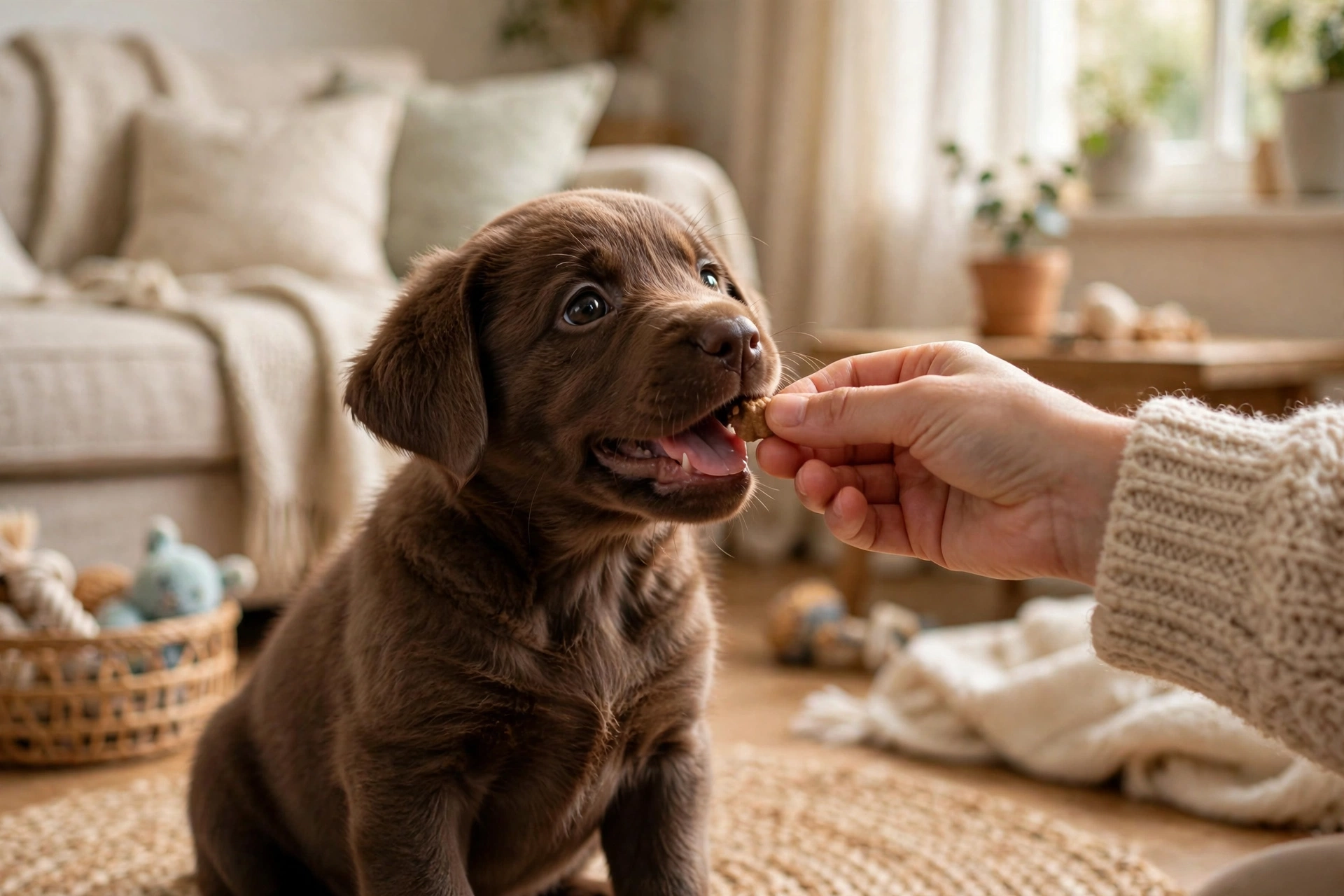
Formulated specifically for puppies, these soft bites combine lamb and salmon and add DHA to support brain development during those critical learning months. They are grain-free, soft enough for young mouths, and small enough to deliver fast. The salmon aroma keeps even easily distracted puppies locked in.
Pros:
- Made for puppies with DHA for brain development
- Grain-free with real lamb and salmon
- Soft texture ideal for puppies under 16 weeks
Cons:
- Slightly larger than some training treats, so halve them for tiny breeds
- Premium price per bag
3. Blue Buffalo BLUE Bits Tasty Chicken
Best for: Soft-moist classic
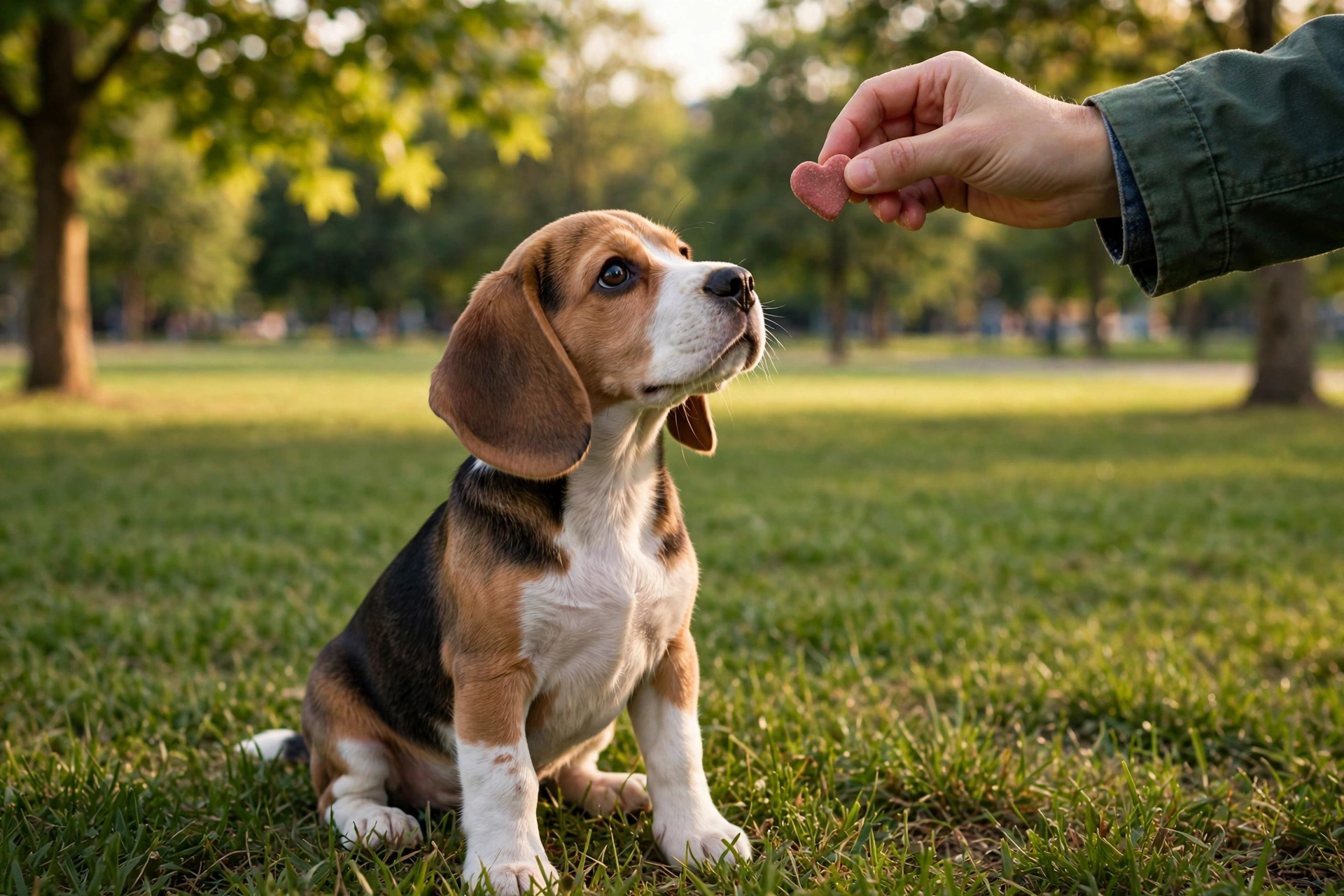
BLUE Bits have been a training staple for years, and it is easy to see why. These heart-shaped morsels are soft, moist, and made with real chicken plus DHA for cognitive development. They are bite-sized right out of the bag, so there is no fumbling with breaking pieces during a lesson. They also rank among the best-selling training treats in the country.
Pros:
- Bite-sized with no prep needed
- Real chicken first with added DHA
- No chicken by-product meals, corn, wheat, or soy
Cons:
- Can be sticky in warm weather
- Some bags vary slightly in softness
4. Pet Botanics Mini Training Rewards Chicken
Best for: Marathon training sessions
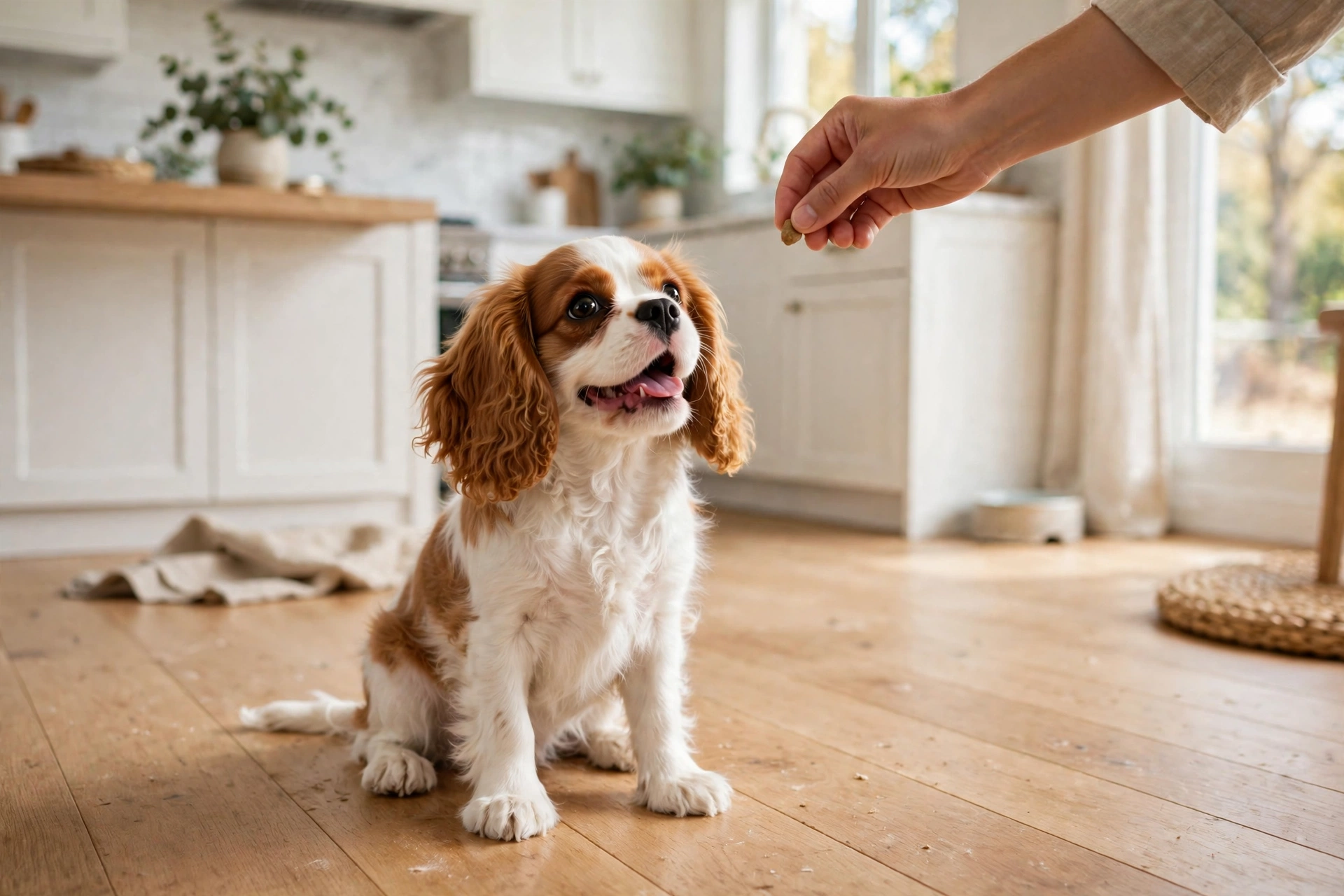
Pet Botanics packs around 500 tiny treats into a single 10-ounce pouch, which makes these a favorite for professional trainers who reward heavily. The mini size is ideal for rapid-fire rewards, and the chicken flavor with a botanical blend gives them an enticing aroma. Each treat is low-calorie, so you can keep a session going without second-guessing.
Pros:
- Huge treat count per bag for heavy rewarders
- Tiny size perfect for rapid reinforcement
- Strong aroma keeps puppies engaged
Cons:
- Treats can stick together in the bag
- Not the best pick for puppies with poultry sensitivities
5. Cloud Star Chewy Tricky Trainers Salmon
Best for: Trainer-approved low-calorie rewards
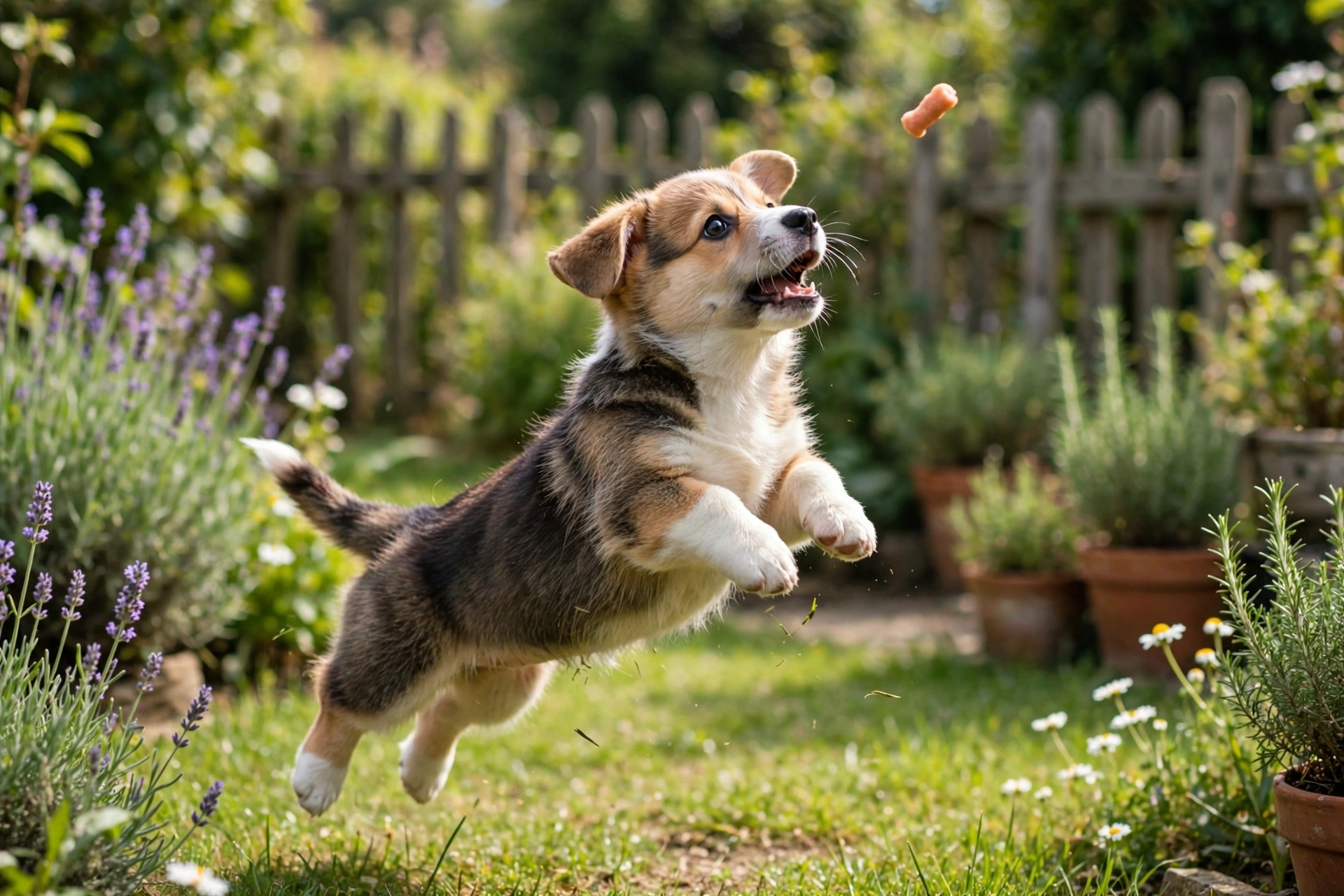
Recommended by professional trainers, Tricky Trainers are soft, chewy, and only about 3 calories each. The salmon recipe is a crowd favorite with a strong scent that cuts through outdoor distractions. They do not crumble or leave grease on your hands, which is a blessing when you are fishing treats out of a pocket mid-walk.
Pros:
- Only 3 calories per treat
- Soft and chewy, no crumbling or greasy hands
- Strong salmon aroma for high-distraction training
Cons:
- Fishy smell may linger on your hands
- Bags run out fast with enthusiastic trainers
6. Rocco & Roxie Chicken Jerky Sticks

Best for: High-value rewards
When your puppy nails a recall at the park or ignores a squirrel, ordinary treats will not cut it. These slow-roasted chicken jerky sticks from Rocco & Roxie are the jackpot reward. They are soft enough to tear into small pieces, made in the USA with real chicken, and the rich roasted aroma drives dogs wild. Save them for your hardest behaviors and your puppy will learn what pays the best.
Pros:
- Ultra-high-value reward for difficult behaviors
- Soft sticks tear into custom-sized pieces
- Made in the USA with real chicken, no fillers
Cons:
- Higher calorie than standard training treats, so use sparingly
- Needs tearing, which adds a step mid-session
7. Stella & Chewy’s Freeze-Dried Raw Beef Heart
Best for: Single-ingredient purity
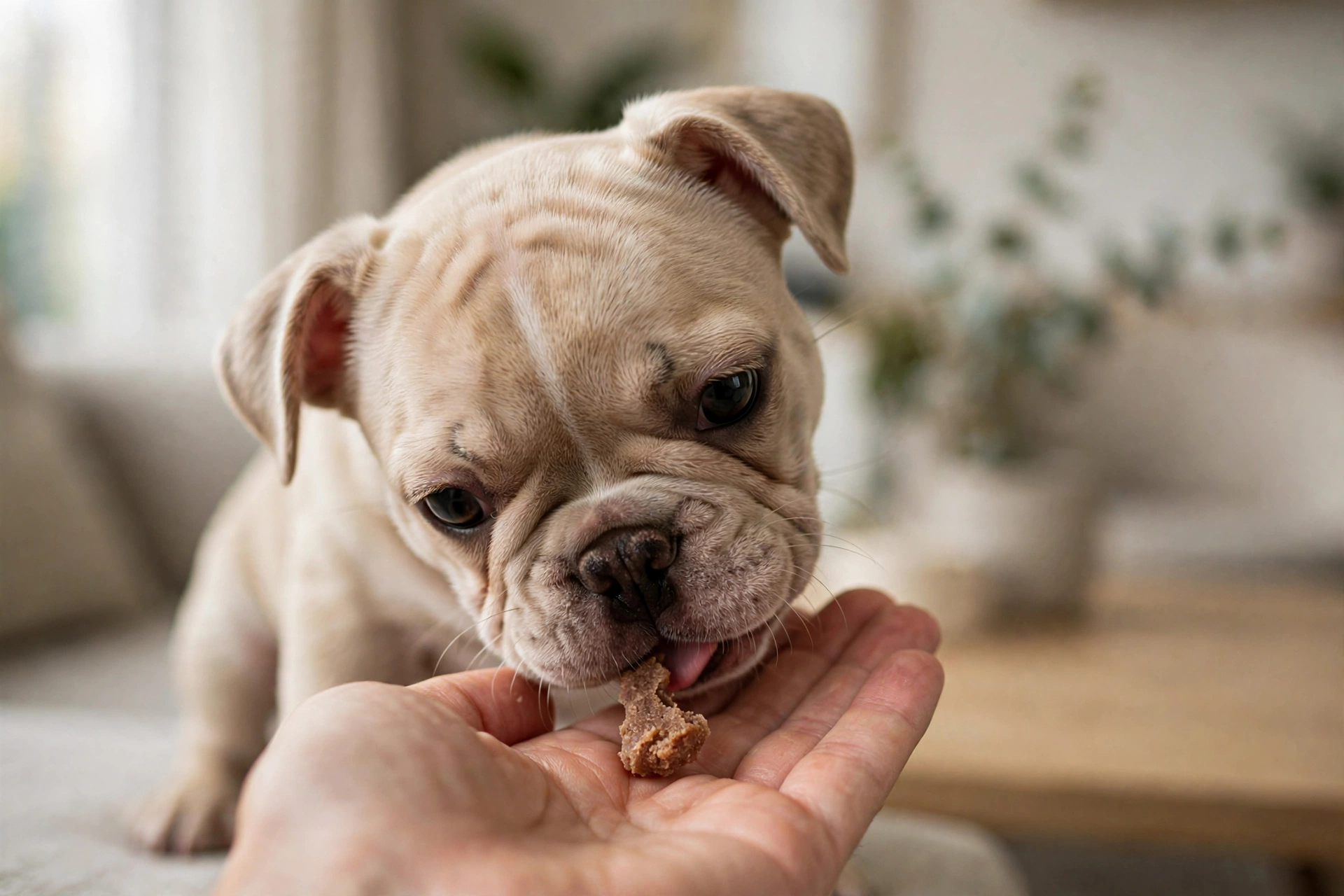
Made with one ingredient, 100% beef heart, these freeze-dried treats are as clean as training rewards get. No additives, fillers, grains, or preservatives, and they are rich in iron, taurine, and omega-3s. They break easily into smaller pieces for rapid rewards, and the raw meaty flavor makes them irresistible even to picky puppies.
Pros:
- Single ingredient, perfect for sensitive puppies
- Freeze-dried to lock in nutrients and flavor
- Easy to break into tiny training-sized pieces
Cons:
- Premium price for a small bag
- Freeze-dried texture is drier than soft-moist treats
8. Pupford Freeze Dried Training Treats Chicken
Best for: Ultra low-calorie training
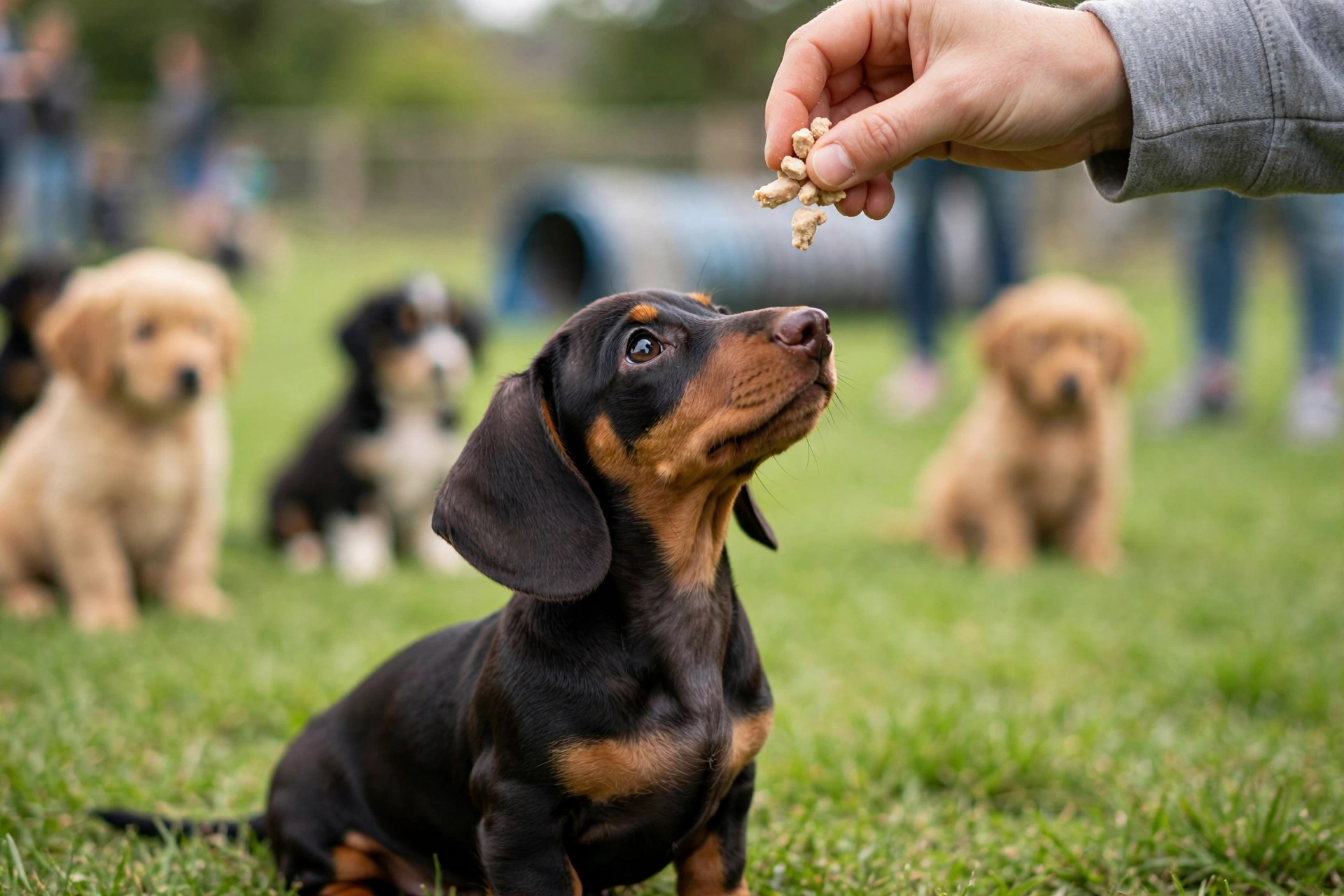
Pupford crams more than 475 two-ingredient bites into a single 4-ounce bag. With only chicken and natural antioxidants, these freeze-dried morsels are about as low-calorie as training treats come, so you can reward constantly during long sessions. They are mess-free, pocket-friendly, and a favorite among puppy class instructors for a reason.
Pros:
- 475+ treats per bag at minimal calories each
- Only two ingredients, mess-free and pocket-friendly
- Made in the USA
Cons:
- Very small, may be too tiny for giant-breed puppies to find
- Not as aromatic as soft-moist options
9. Charlee Bear Original Crunch Variety Pack

Best for: Crunchy low-calorie rewards
Prefer a crunchy treat that will not crumble in your pocket? Charlee Bear Original Crunch treats are just 3 calories each, made in the USA with natural ingredients, and come in a four-flavor variety pack to keep things interesting. They are clean to carry, leave no grease or smell on your hands, and puppies love the satisfying crunch.
Pros:
- Only 3 calories per treat
- Pocket-perfect: no crumbling, stains, or smells
- Four flavors in one variety pack
Cons:
- Crunchy texture takes slightly longer to eat than soft treats
- Best for puppies with teeth strong enough to crunch
10. Fruitables Skinny Minis Pumpkin & Berry

Best for: Sensitive stomachs
Fruitables Skinny Minis skip the meat-heavy formula and lean on superfoods like pumpkin and blueberries, which makes them a gentle option for puppies with sensitive stomachs. They are under 4 calories each, free of wheat, corn, and soy, and the sweet aroma is surprisingly motivating. A great rotation treat when you want variety without digestive drama.
Pros:
- Under 4 calories per treat
- Gentle superfood recipe, no wheat, corn, or soy
- Good variety for treat rotation
Cons:
- Less aromatic than meat-based treats, so lower motivation for some dogs
- Some picky puppies prefer meaty flavors
How Many Treats Is Too Many? (The 10% Rule)
Here is the golden rule of training treats: treats should make up no more than 10% of your puppy’s daily calories. The other 90% should come from a balanced puppy food. This is why low-calorie, pea-sized treats matter so much; fifty 2-calorie treats add up to just 100 calories, which fits comfortably inside most puppies’ 10% budget.
If you are training heavily on a given day, trim your puppy’s meal portions slightly to compensate, or subtract the treat calories from dinner. A consistent puppy feeding schedule helps you plan around big training days. On rest days, swap training treats for a stuffed lick mat or a chew toy to give your puppy enrichment without extra calories.
Watch your puppy’s weight and body condition over the first few months. If the ribs start disappearing under padding, scale back the treats, not the training. You can also use part of your puppy’s daily kibble as training rewards for easy repetitions and save the good stuff for new or difficult behaviors.
Frequently Asked Questions
When can I start giving training treats to my puppy?
You can start the day your puppy comes home, usually around 8 weeks old. Just choose soft, tiny, puppy-appropriate treats and keep pieces small. Early sessions should be short, two to five minutes, and full of easy wins like rewarding eye contact and sits.
Are training treats bad for puppies?
No, as long as you follow the 10% rule and pick quality ingredients. Problems come from overfeeding treats or using ones packed with fillers and artificial additives. Choose treats with real ingredients, keep portions small, and your puppy’s main nutrition should still come from balanced puppy food.
Can I use my puppy’s kibble as training treats?
Absolutely, and many trainers do exactly that for easy behaviors at home. Kibble is familiar, low-calorie, and already part of your puppy’s diet. Just remember that kibble is usually lower value than meaty treats, so for challenging skills like teaching shake around distractions, upgrade to something smellier.
How do I stop my puppy from getting fat during training?
Use treats under 3 calories each, break larger treats in half, and reduce meal portions on heavy training days. Mix in play and praise as rewards so not every repetition costs a calorie. If you notice weight gain, reassess both treat size and daily food amounts with your vet.
Should I use different treats for different commands?
Yes, this is called treat hierarchy, and it speeds up learning. Use everyday treats for mastered commands and reserve high-value rewards like jerky or freeze-dried meat for new skills, recall, and high-distraction environments. Your puppy will quickly learn which behaviors pay the best.
As an Amazon Associate, PetPostHub earns from qualifying purchases. This comes at no extra cost to you and helps us keep creating free, helpful content for pet parents.