Are Cavalier King Charles Spaniels Hunting Dogs? The Real Answer
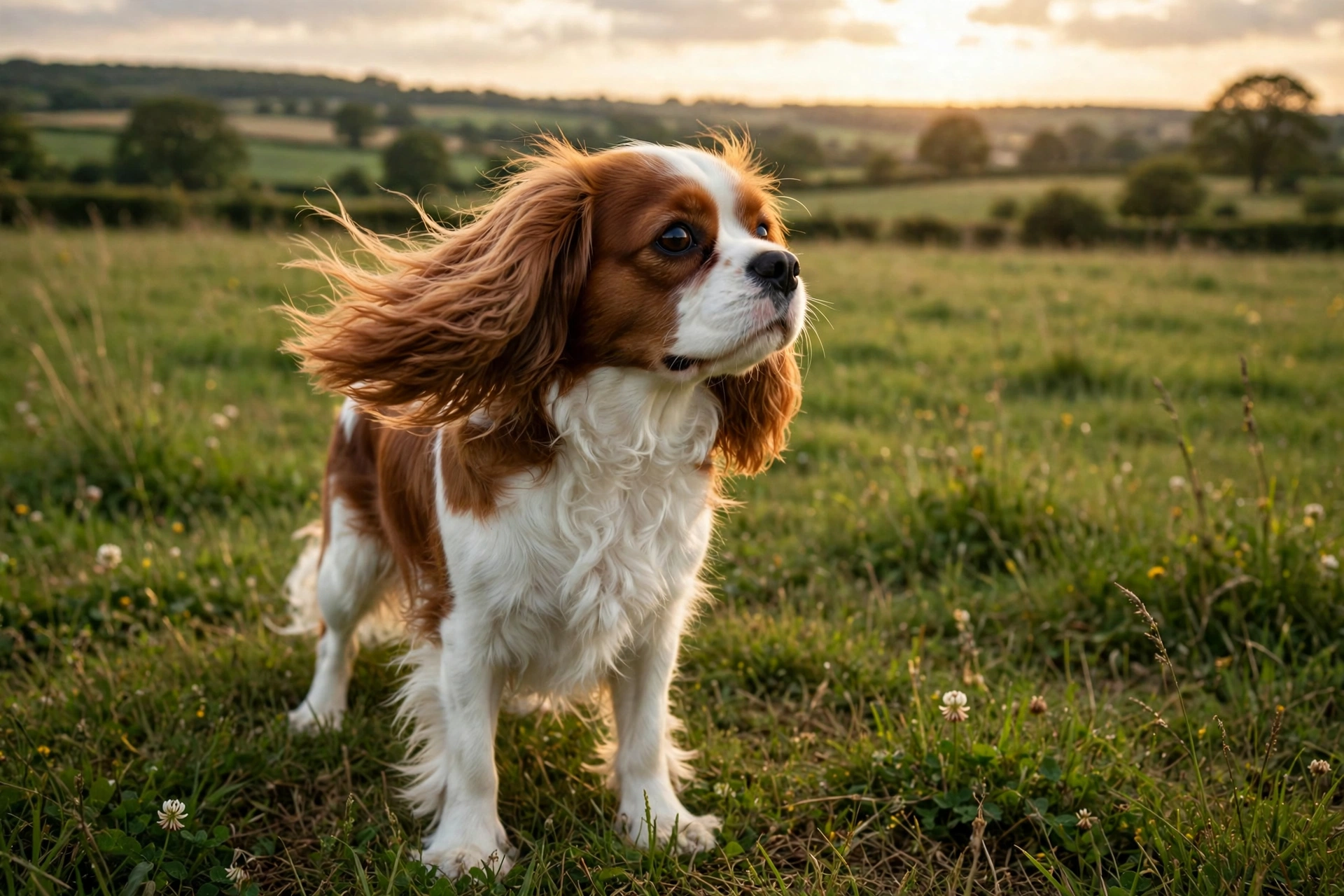
See a Cavalier King Charles Spaniel locked onto a squirrel in the park, nose down and ears flying, and it is fair to ask: are Cavaliers hunting dogs? The answer is layered. These silky little spaniels descend from dogs that worked the fields, yet today they are counted among the most devoted companion breeds on the planet. Here is the full story, plus how to channel their natural instincts in ways that make them happy.
Table of Contents
- Spaniel Roots: Where the Hunting Story Begins
- What Changed Over the Centuries
- The Modern Cavalier Temperament
- Instincts They Still Carry
- Could a Cavalier Actually Hunt Today?
- Better Modern Activities for Their Instincts
- Who Cavaliers Are Best Suited For
- Frequently Asked Questions
Spaniel Roots: Where the Hunting Story Begins
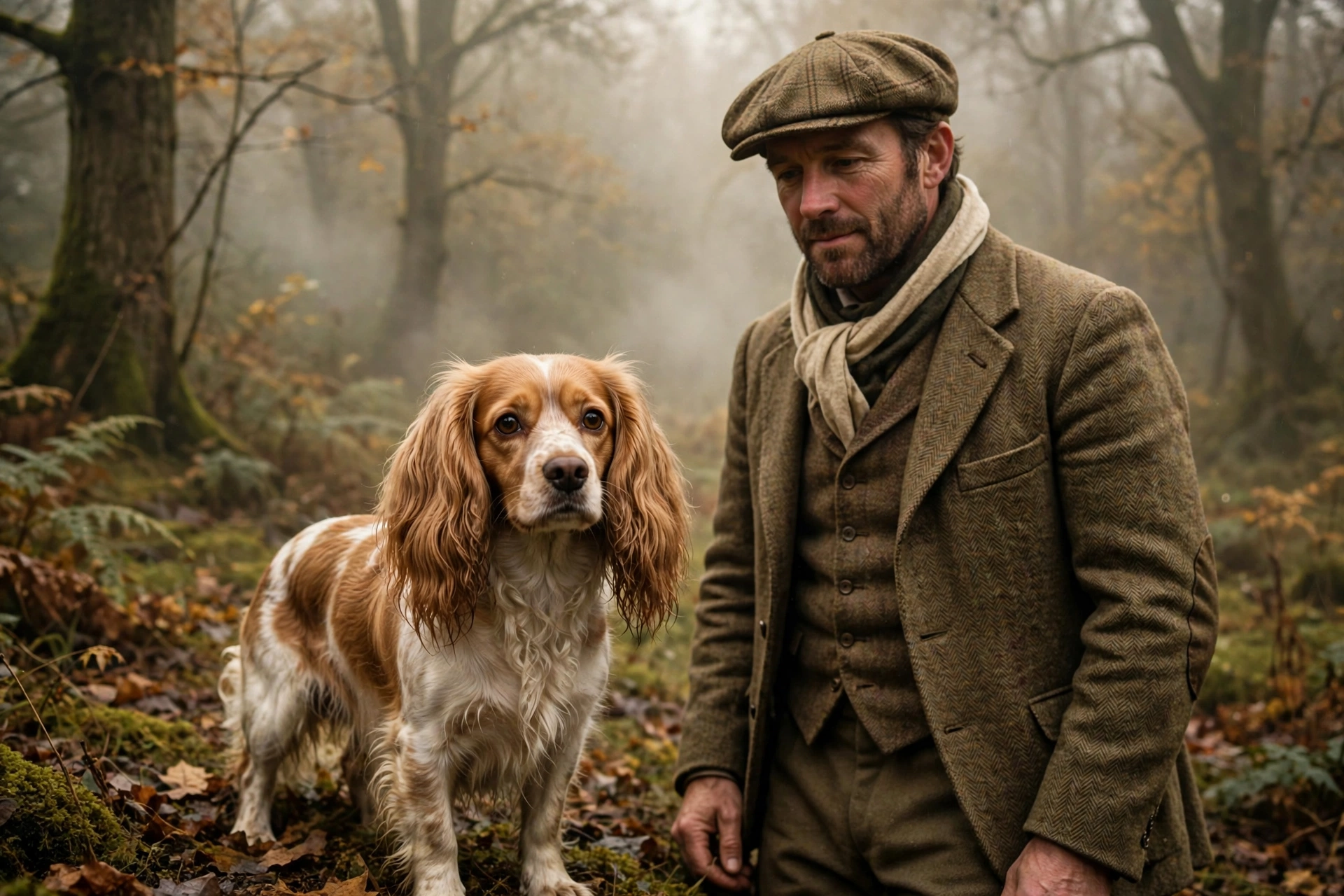
The word spaniel tells you almost everything. Centuries ago, small spaniels were valued field helpers across England and France, flushing feathered game and small ground game from cover for the hunter’s net or gun. The toy spaniels that would eventually become Cavaliers shared those same ancestors, so the hunting circuitry was wired into the breed from the very beginning.
They were not the biggest or boldest gundogs, but they were useful: low to the ground, keen-nosed, and willing. When you watch your Cavalier zigzag through tall grass on a walk, you are watching a very old program run.
Helpful pick: To channel that natural retrieving drive in the backyard, the Chuckit! Ultra Ball holds up to enthusiastic fetching sessions.
What Changed Over the Centuries
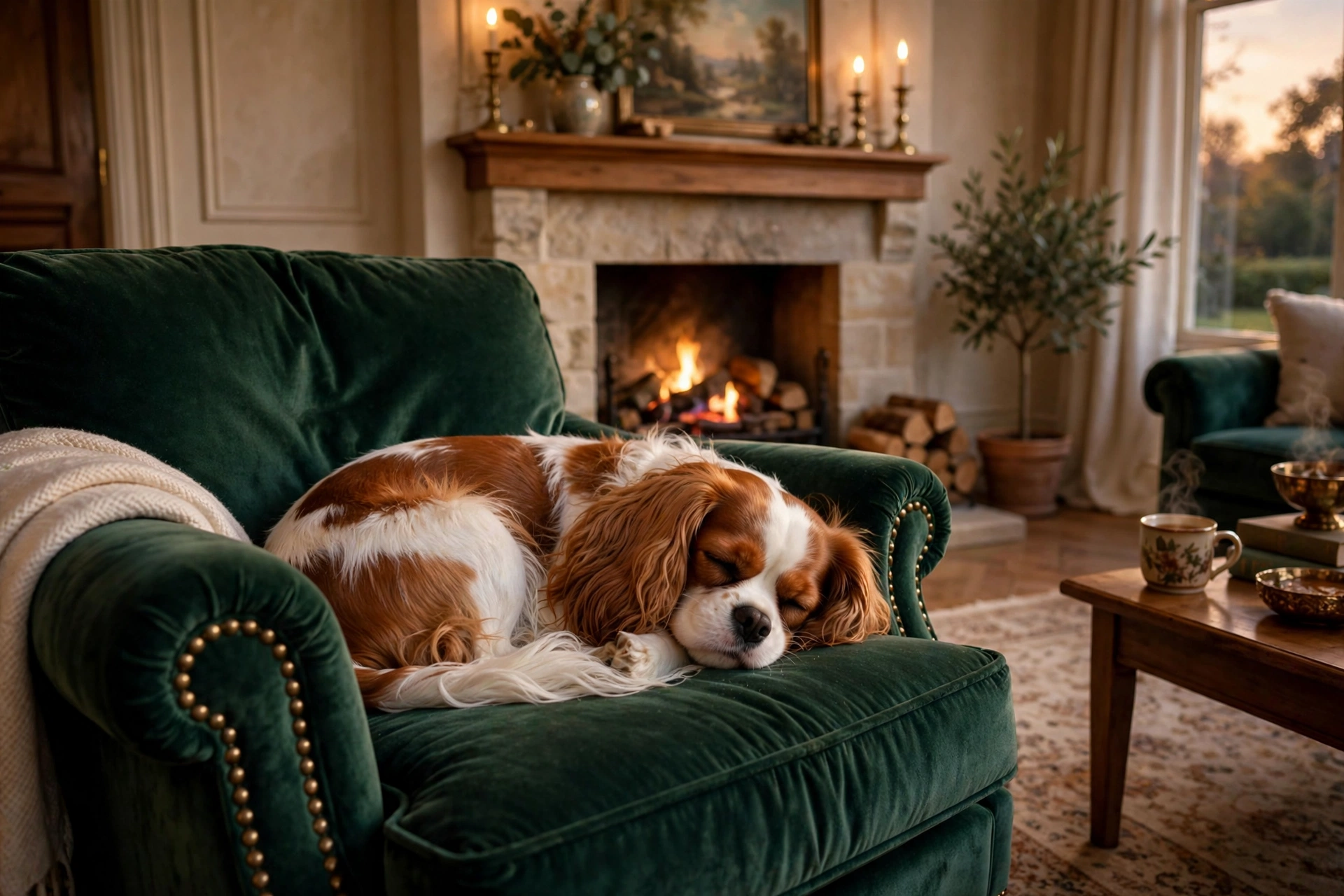
Everything shifted when aristocratic owners began favoring the smallest, prettiest spaniels as indoor companions. Over generations, breeders selected for a sweet expression, a compact frame, and a temperament that belonged on a lap rather than in a hedgerow. The working drive was never erased, but it was gently turned down while affection and gentleness were turned up.
By the time the Cavalier King Charles Spaniel was formally recognized as its own breed in the mid-20th century, the transformation was complete: the field dog had become the quintessential companion dog. Kennel clubs classify Cavaliers in the Toy group, not the Sporting group, which says it all.
Helpful pick: Their companion nature means they thrive on togetherness; the KONG Classic stuffed with treats keeps them happily occupied when you are briefly busy.
The Modern Cavalier Temperament
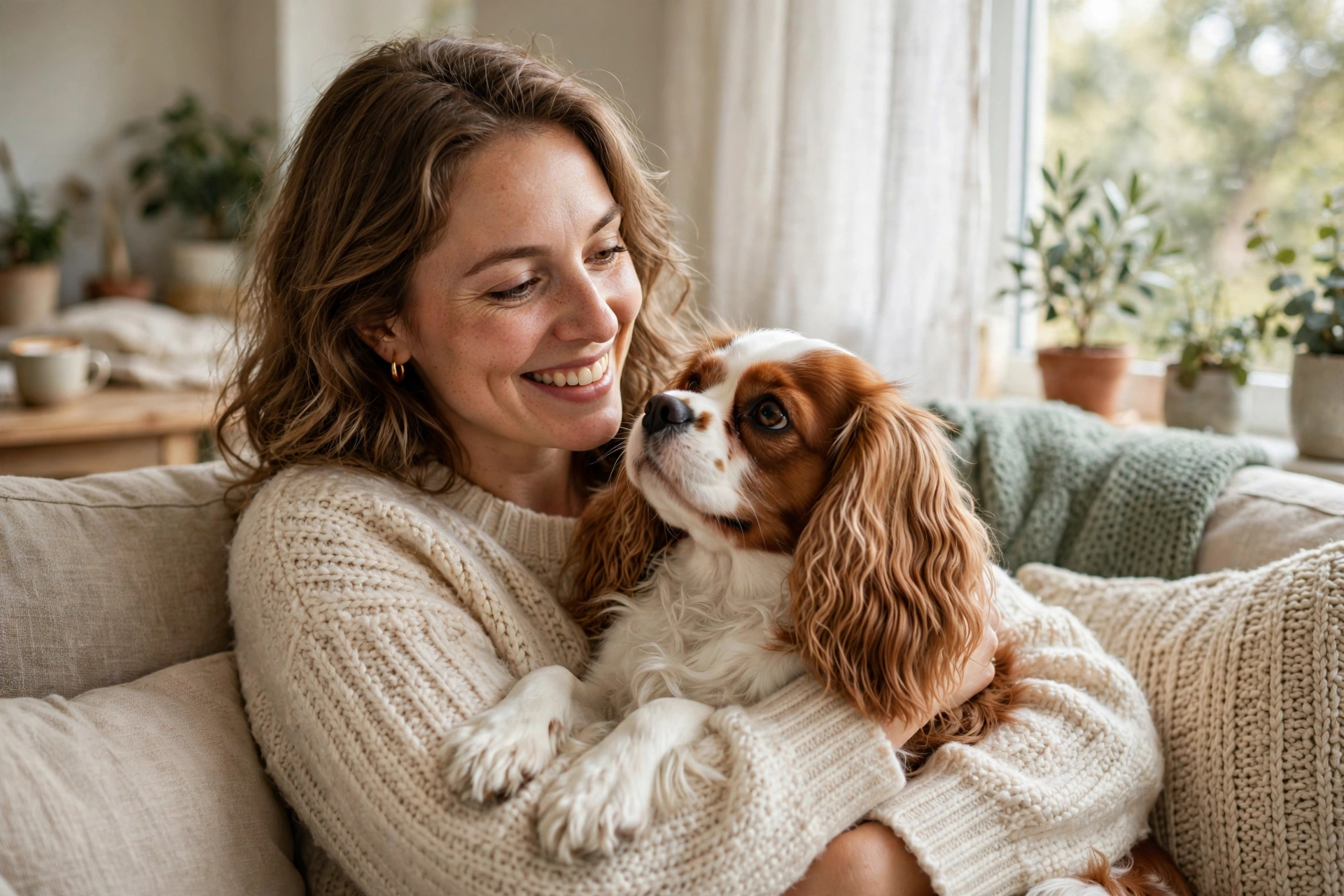
Ask any Cavalier owner to describe the breed and the same words appear: affectionate, gentle, eager to please, and endlessly social. These dogs were shaped to read human faces and mirror human moods, which makes them extraordinary family members but a poor fit for the discipline and distance of real field work.
They want to be near you, not ranging a hundred yards ahead of you. That Velcro quality is the breed’s defining trait, and it is precisely why most Cavaliers would rather join you on the sofa after a walk than push through brambles for hours.
Helpful pick: Strengthen that bond with cooperative play like the Outward Hound Hide-A-Squirrel, a gentle puzzle that rewards teamwork instead of a chase.
Instincts They Still Carry
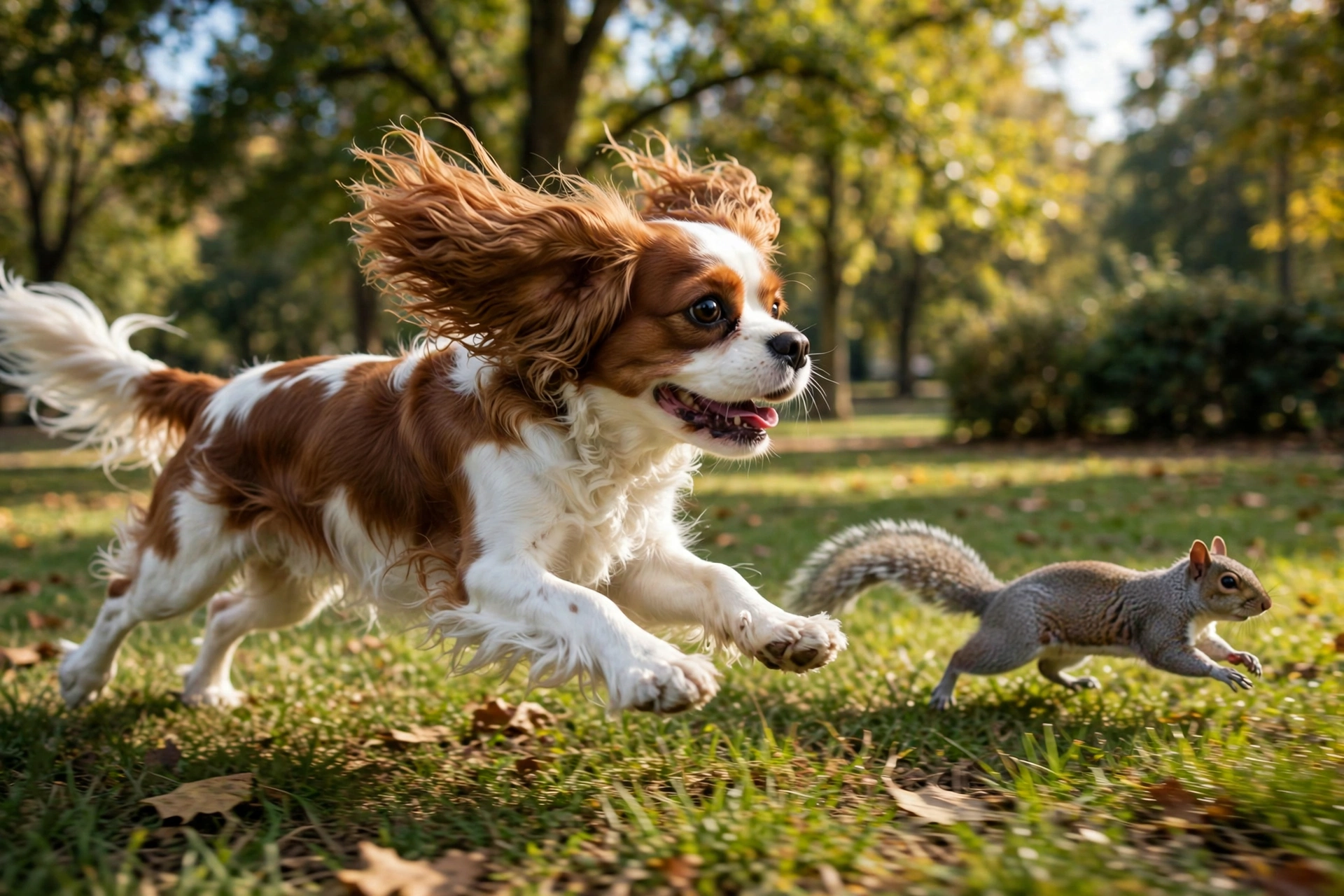
Generations of lap life have not deleted the old software. Many Cavaliers still display a strong prey drive toward squirrels, birds, and rabbits, a nose that locks onto interesting scents, and a classic flushing style when they rustle something up in the undergrowth. Owners are often surprised the first time their dainty companion goes fully alert at a rustling bush.
Because the chase instinct is real, a secure leash and a solid recall matter more than many new owners expect. Manage the instinct and it is charming; ignore it and your Cavalier may be halfway across the park before you blink.
Helpful pick: For practicing recall and giving safe freedom on walks, the Mycicy Reflective Rope Dog Leash offers visibility and control.
Could a Cavalier Actually Hunt Today?
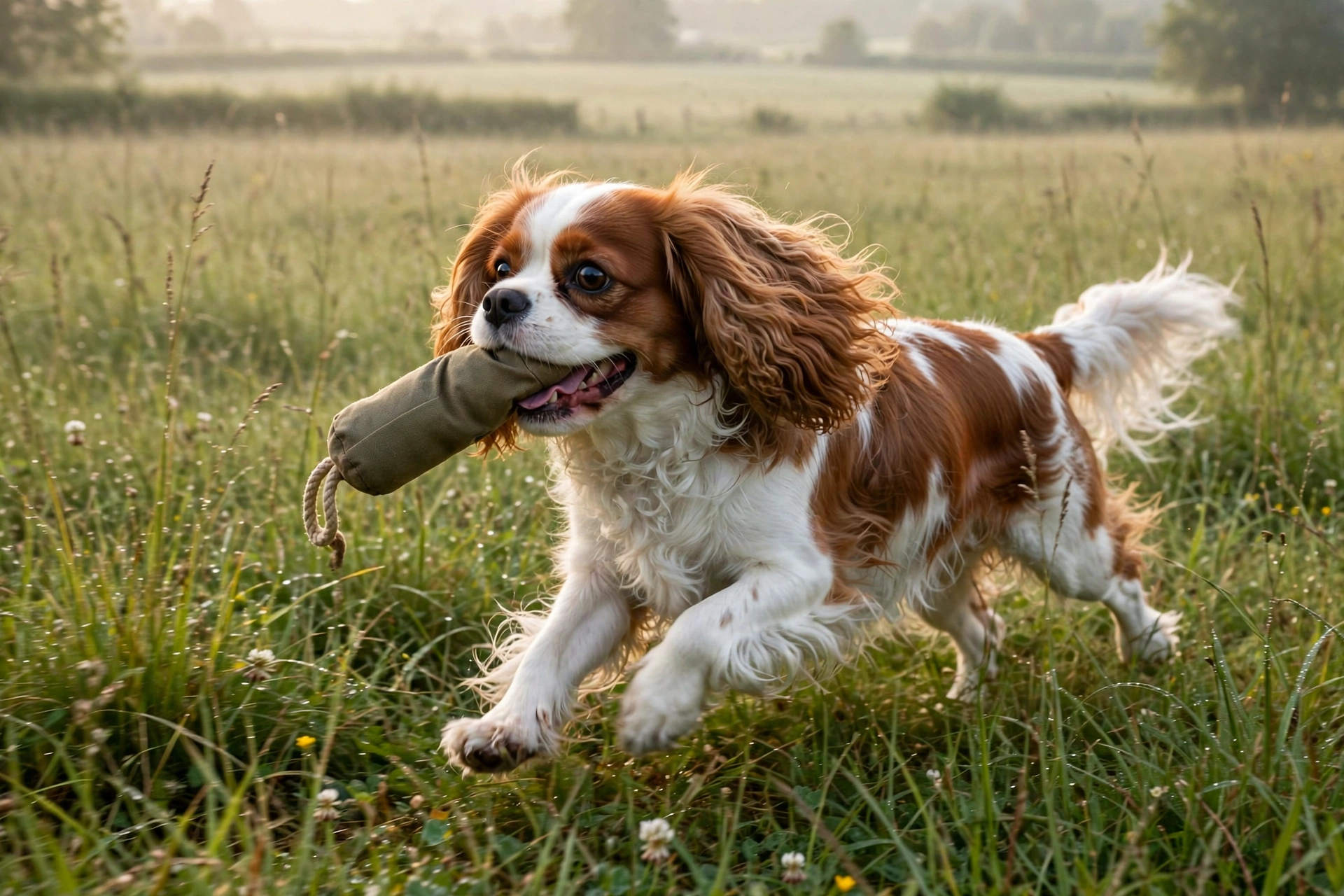
Honest answer: with patient training, a Cavalier can learn the basics of retrieving and scent games, and a few owners enjoy casual field-style play with them. But as serious hunting partners they face real limits: modest stamina, a small frame unsuited to rough cover or cold water, sensitivity to heat and cold, and a temperament that wilts under harsh correction.
Most hunting breeds were refined for endurance, range, and toughness. The Cavalier was refined for the opposite. Expecting one to work a full day in the field would be unfair to the dog, and most experienced trainers will tell you so kindly.
Helpful pick: Reward-based training works best for this sensitive breed; Zuke’s Mini Naturals Training Treats are small, soft, and ideal for frequent rewards.
Better Modern Activities for Their Instincts

The good news is that those old instincts can be honored without a single shotgun. Scent games and nose work let a Cavalier use its excellent nose, fetch and retrieving games satisfy the carry-it-back urge, and trick training scratches the itch to work with you. Even a simple game of hiding treats around the house turns a rainy afternoon into a working-dog adventure.
Short, cheerful sessions beat long drills for this breed. Ten minutes of engaged play, ended while the dog still wants more, builds more skill and confidence than an hour of repetition.
Helpful pick: A Snuffle Mat turns mealtime into a foraging game that taps directly into their scenting heritage.
Who Cavaliers Are Best Suited For

Cavaliers are best suited for people who want a companion first and everything else second: families with gentle children, seniors wanting a devoted shadow, apartment dwellers, and anyone who values affection over athleticism. They adapt to calm households and busy ones alike, as long as they are not left alone for long stretches.
If your dream is a true hunting partner for ducks or upland birds, a purpose-bred gundog will serve you far better. But if your dream is a dog with a hunter’s heart and a lover’s soul, the Cavalier King Charles Spaniel is hard to beat.
Helpful pick: Keep rewards handy on every outing with the Egiao Dog Treat Pouch, perfect for reinforcing good behavior on walks.
Frequently Asked Questions
Do Cavalier King Charles Spaniels have a prey drive?
Yes, many do. Chasing squirrels, birds, and other small animals is common, a leftover from their spaniel ancestry. A reliable recall and a secure leash are important.
Were Cavaliers ever real hunting dogs?
Their spaniel ancestors worked as flushing dogs centuries ago, but the Cavalier as we know it was developed primarily as a companion breed, and kennel clubs place it in the Toy group.
Can you train a Cavalier for hunting?
You can teach retrieving and scent skills for fun, but their size, stamina, and sensitivity make them unsuitable for serious field work. Always train with positive methods and professional guidance.
Are Cavaliers good at scent work?
They have a genuinely good nose and enjoy scent games, nose work classes, and treat-hunting puzzles, which are ideal outlets for their instincts.
What dog sports suit Cavaliers best?
Low-impact, cooperation-based activities: rally obedience, trick training, nose work, and gentle agility designed for small breeds.
Keep Reading
- Dog Body Language Guide
- How to Teach Your Dog to Come When Called
- Signs Your Dog Loves You
- Cavalier King Charles Spaniel Health Issues
- How to Help a Dog With Separation Anxiety
As an Amazon Associate, PetPostHub earns from qualifying purchases.