Dog Constipation: 8 Safe Home Remedies (And When to Call the Vet)

When your dog strains on every walk and produces nothing — or only hard, dry pellets — it is hard not to worry. Dog constipation remedies you can try safely at home may bring gentle relief for mild cases, but they are not a substitute for veterinary care. Constipation means infrequent, difficult, or incomplete bowel movements; an occasional slow day can be harmless, but persistent straining can signal something more serious. This guide covers eight gentle home strategies, the red flags that mean you should call your veterinarian right away, and clear steps for each remedy.
Quick note: This article is for general information only and is not veterinary advice. Every dog is different, so check with your veterinarian before trying any new remedy — especially if your dog is a puppy, a senior, pregnant, or managing a health condition or medication.
Table of Contents
- Common Causes of Dog Constipation
- 1. Offer More Water (and Some Wet Food)
- 2. Add Plain Pumpkin Puree
- 3. Get Them Moving With Gentle Exercise
- 4. Add Fiber-Rich Vegetables
- 5. Try a Little Coconut Oil (Check With Your Vet First)
- 6. Support the Gut With Probiotics
- 7. Give a Warm Belly Massage
- 8. Keep a Regular Potty Routine
- Red Flags: Call the Vet Immediately
- Frequently Asked Questions
Common Causes of Dog Constipation
The most common causes are not drinking enough water (the colon pulls water from stool, so too little intake means hard, dry stool), a low-fiber diet of dry kibble only, and lack of exercise, since movement stimulates the intestines. Eating hard-to-digest items like rawhide or scavenged scraps, stress, routine changes, and certain medications are other common triggers. Older dogs and dogs with arthritis (which can make squatting painful), enlarged prostate, or pelvic injuries are more prone to it. If constipation keeps happening, that is a sign to involve your veterinarian rather than guessing at the cause.
1. Offer More Water (and Some Wet Food)
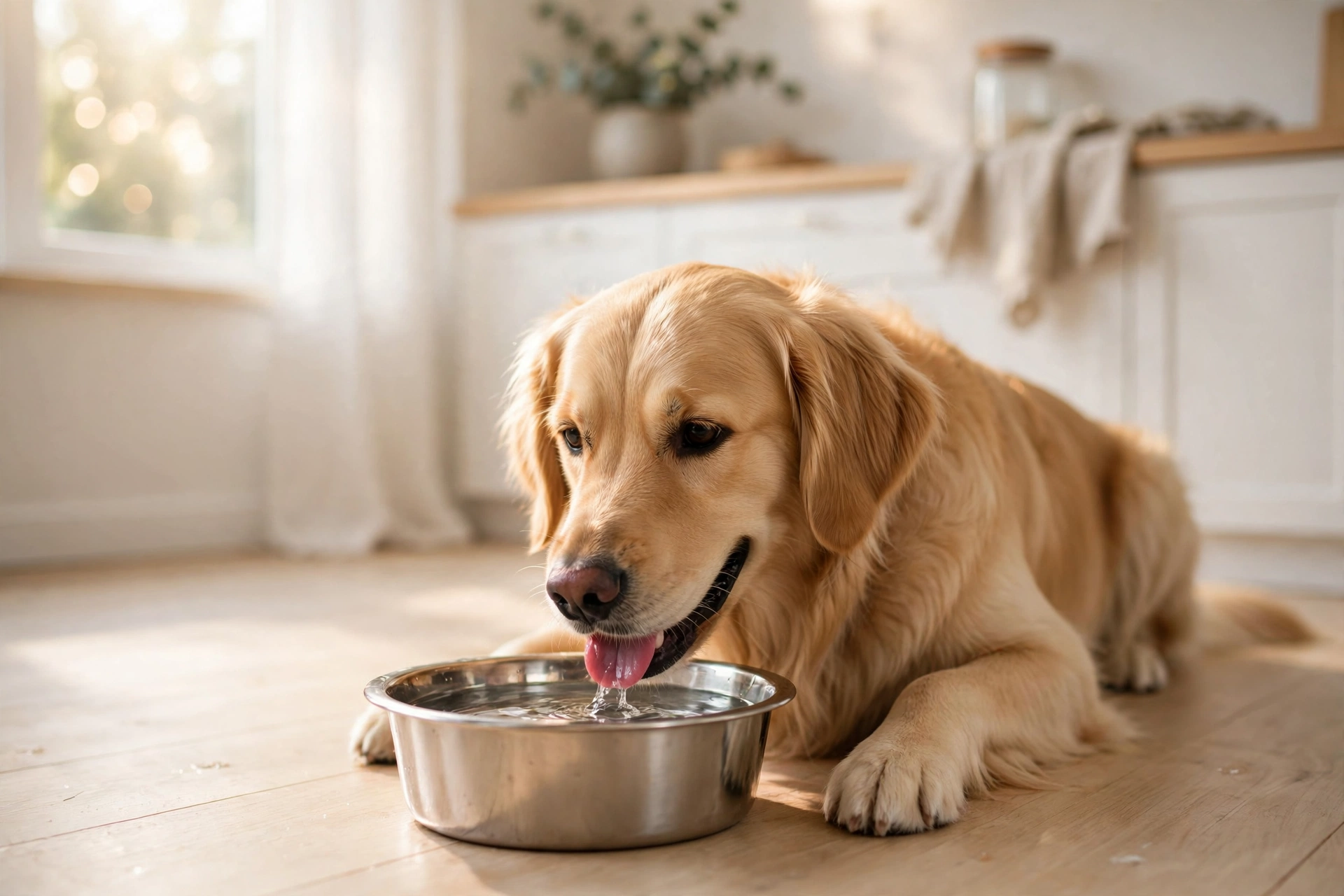
Dehydration is one of the most overlooked causes of canine constipation, so increasing moisture is a sensible first step. Wash the bowl daily and refresh water several times a day — many dogs drink more from clean, cool water or a pet fountain. You can also soak kibble before serving or pour low-sodium broth (no onion, garlic, or xylitol) over meals.
How to do it: Swap one daily meal for a quality wet food or mix it into the kibble to raise overall moisture. Note any sudden change in drinking — that is worth mentioning to your vet.
Cautions: Never restrict water as punishment. If your dog refuses water for more than a day or drinks far more than usual, contact your veterinarian.
Helpful pick: PETLIBRO Pet Water Fountain — moving, filtered water tempts picky drinkers to drink more.
2. Add Plain Pumpkin Puree
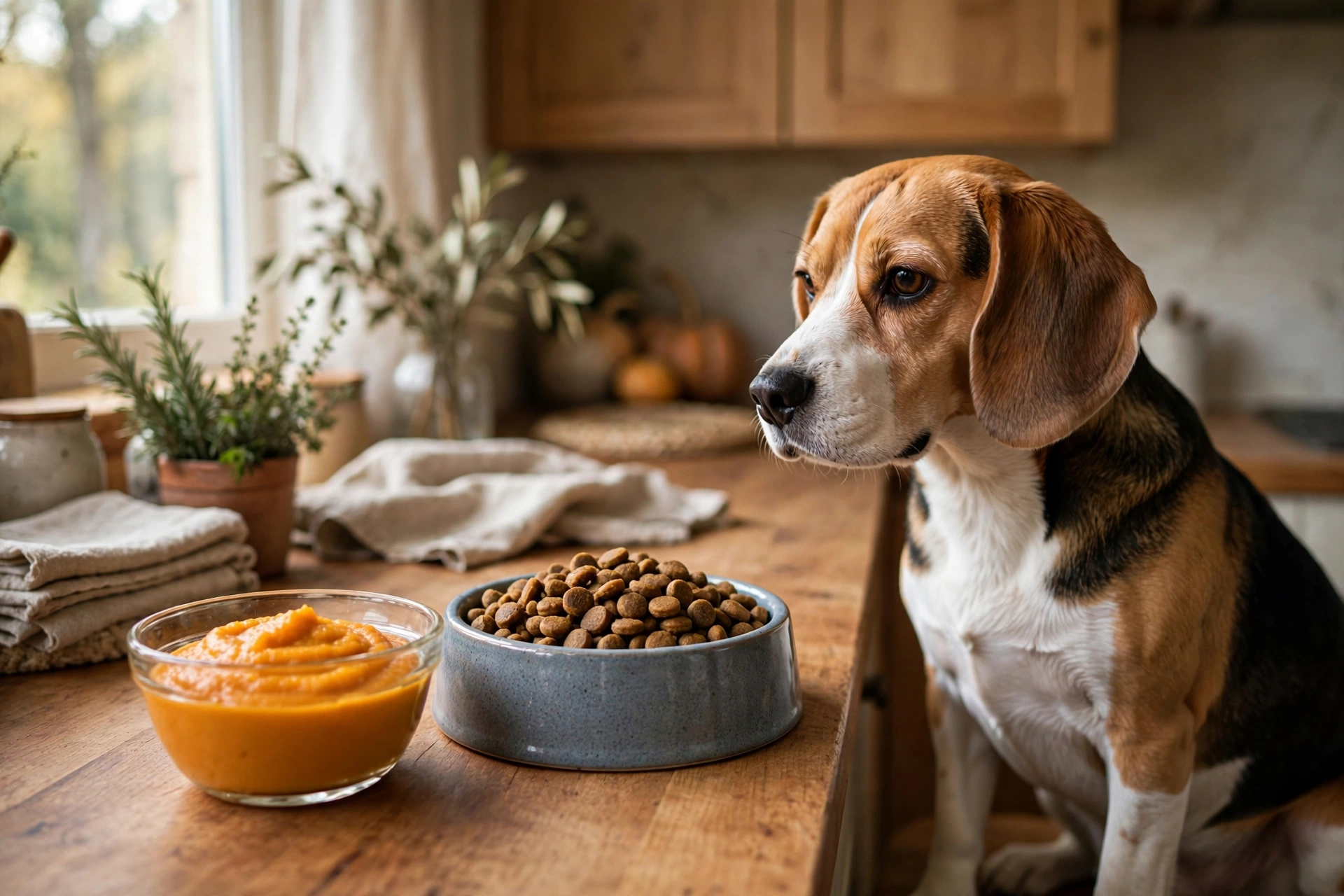
Plain canned pumpkin is a long-standing favorite for mild digestive sluggishness. It is rich in soluble fiber, which absorbs water and softens stool, and adds bulk that helps the intestines move things along. For more on this nutrient-packed ingredient, see our guide to superfoods for dogs.
How to do it: Use plain pumpkin puree — not pumpkin pie filling, which contains sugar and spices that can harm dogs. A general starting point is 1–2 teaspoons for small dogs and 1–2 tablespoons for large dogs, mixed into food once daily. Ask your veterinarian for the right amount and introduce it gradually over a couple of days.
Cautions: Too much pumpkin can cause gas or loose stool, and fiber only helps with enough water intake. Skip pumpkin if your dog is vomiting, bloated, or straining with nothing passing — those are red flags.
Helpful pick: Native Pet Organic Pumpkin Powder — a shelf-stable powder to sprinkle on meals.
3. Get Them Moving With Gentle Exercise
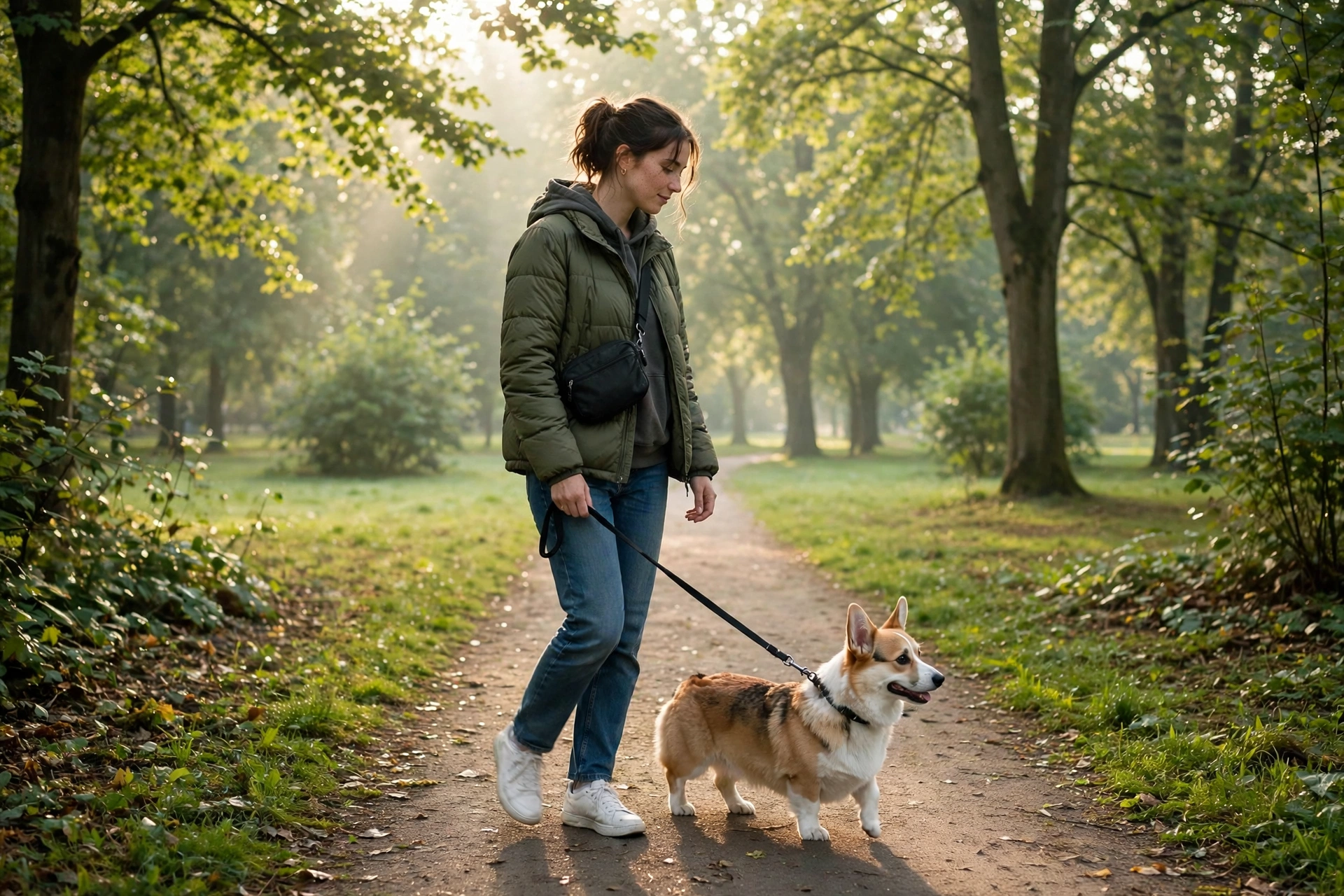
Movement stimulates the digestive tract, which is why a dog cooped up indoors may become backed up. A calm, unhurried 15-to-30-minute walk is often enough to get things moving.
How to do it: Take your dog out shortly after meals, when digestion is naturally most active, and give them plenty of sniff time — sniffing reduces stress, and stress itself can contribute to constipation. Keep the pace easy and let your dog lead.
Cautions: If your dog is straining painfully, lethargic, vomiting, or seems to be in distress, skip the long walk and call your vet instead. For senior or arthritic dogs, keep walks short and on soft, flat ground — pushing through pain is never the goal.
Helpful pick: Mighty Paw Hands Free Dog Leash — a bungee waist leash for relaxed, comfortable daily walks.
4. Add Fiber-Rich Vegetables
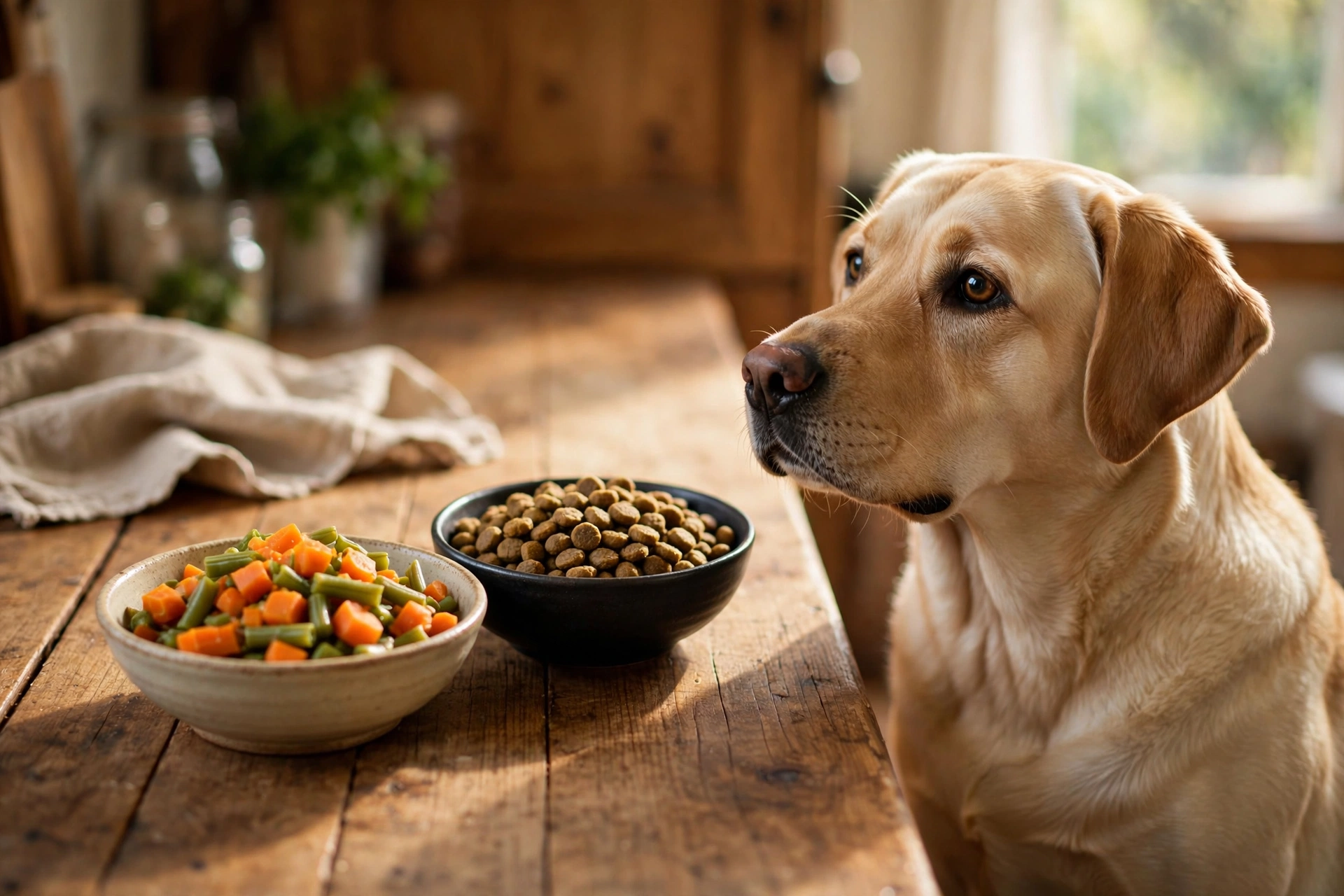
Beyond pumpkin, cooked carrots, green beans, and sweet potato can gently add fiber and moisture — all mild, widely tolerated, and easy to prepare. Before offering any new food, double-check it is safe — our list of foods dogs can and can’t eat is a good place to start.
How to do it: Steam or boil the vegetables plain and mix a small portion into their regular food — a tablespoon or two for small dogs, a few tablespoons for large dogs.
Cautions: Introduce new vegetables slowly; a sudden high-fiber load can cause gas or diarrhea. Never offer onions, garlic, leeks, or chives — all are toxic to dogs. Ask your vet before using fiber supplements like psyllium; the dose depends on your dog’s size and water intake.
Helpful pick: Metamucil Psyllium Husk Powder, Unflavored — a plain psyllium option, but only use the dose your veterinarian approves.
5. Try a Little Coconut Oil (Check With Your Vet First)
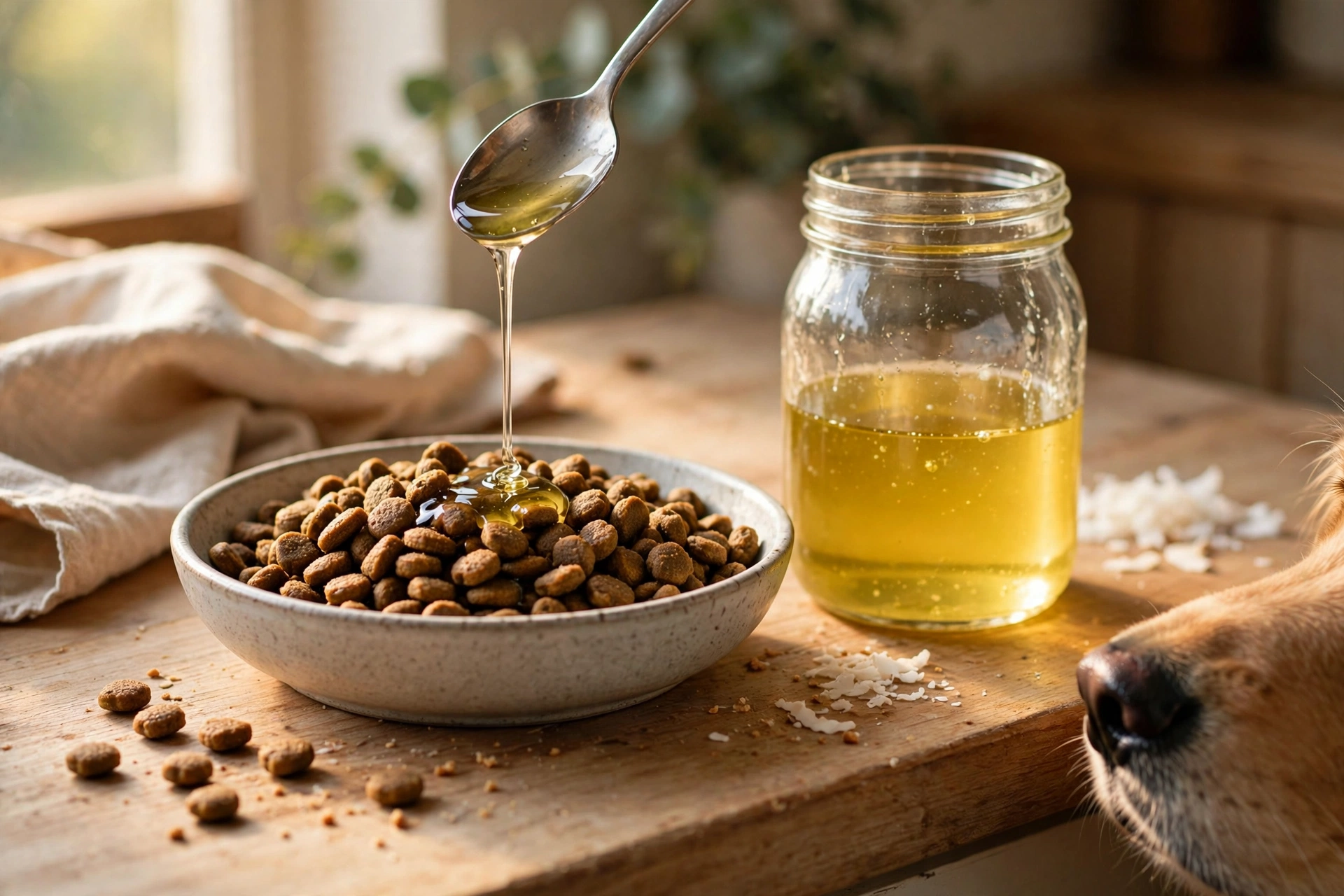
Coconut oil is sometimes suggested as a natural lubricant for the digestive tract — a small amount of fat may help stool pass more easily in mild cases. Because it is calorie-dense and can upset sensitive stomachs, check with your veterinarian first — especially if your dog has pancreatitis or weight issues.
How to do it: If your vet approves, mix a very small amount — a quarter to one teaspoon depending on size — into their food. Use plain, unrefined coconut oil; avoid flavored products that may contain xylitol.
Cautions: Never give mineral oil or other laxative oils by mouth at home — if inhaled, they can cause serious lung problems. Do not rely on coconut oil for repeated or severe constipation; it is a short-term helper at most, not a treatment plan.
Helpful pick: Nutiva Organic Virgin Coconut Oil — plain, unrefined, and additive-free.
6. Support the Gut With Probiotics

A healthy gut microbiome plays a role in normal digestion, and probiotics may help support regular bowel function — especially after antibiotics, a diet change, or a stressful event. Probiotics are not an instant fix, but they can be useful long-term digestive support.
How to do it: Choose a probiotic made specifically for dogs, follow the package or your veterinarian’s dosing, and give it daily for a few weeks before judging results. If your dog also has loose stool episodes, our dog diarrhea remedies guide may help round out your plan.
Cautions: Skip yogurt or kefir as a probiotic shortcut unless your vet approves — dairy can upset lactose-sensitive dogs, and some flavored products contain toxic xylitol.
Helpful pick: Zesty Paws Probiotic Bites — dog-specific probiotic soft chews most dogs accept as treats.
7. Give a Warm Belly Massage

Gentle abdominal massage may help relax the muscles around the digestive tract — and it is also a calming ritual for an anxious dog. Think of it as comfort care rather than a treatment: a relaxed dog strains less.
How to do it: Wait until your dog is lying calmly on their side. Using flat fingertips, make slow clockwise circles on the lower belly for 5–10 minutes, stopping if your dog tenses or moves away; never press hard. A warm (not hot) towel or microwavable pet warming pad nearby can add comfort — always test the temperature on your wrist first.
Cautions: Do not massage if your dog’s belly is swollen, hard, or painful to touch — that is a sign to call your vet. Never give human laxatives, stool softeners, or enemas at home; many are unsafe for dogs and some are toxic.
Helpful pick: Arf Pets Microwavable Pet Heating Pad — cord-free gentle warmth for a calm massage session.
8. Keep a Regular Potty Routine
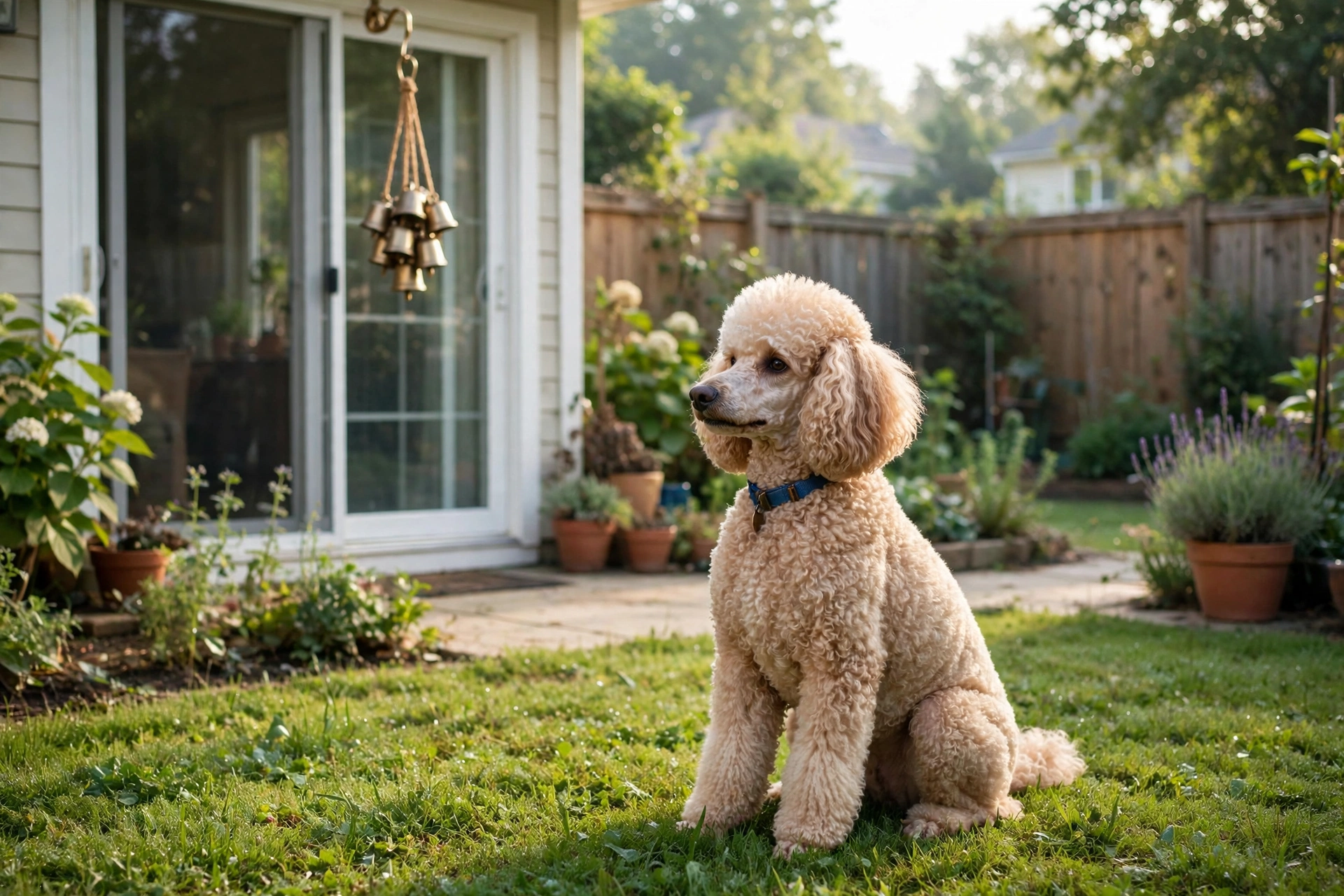
Dogs are creatures of habit, and an inconsistent schedule is a quiet contributor to constipation. When potty breaks happen at predictable times, dogs are less likely to hold it — and holding stool lets the colon absorb more water, making it harder and more painful to pass.
How to do it: Feed meals at the same times each day, then take your dog out 15–30 minutes afterward — first thing in the morning, after naps, and before bed, for at least three to four chances daily. Give your dog enough unhurried time outside; rushing a dog that needs to go teaches them to hold it. Potty bells hung on the door can help your dog clearly signal when they need to go between scheduled breaks. Our guide to the best dog food for allergies and sensitive stomachs can help you settle on a consistent diet too.
Cautions: Never punish accidents or straining — stress makes the problem worse. If your dog’s habits change sharply, tell your vet.
Helpful pick: Caldwell’s Pet Supply Co. Dog Potty Bells — sturdy door bells so your dog can signal when they need to go.
Red Flags: Call the Vet Immediately
Home remedies are only appropriate for mild, occasional constipation in an otherwise healthy dog. Stop home care and call your veterinarian — or an emergency clinic — if you notice any of these:
- No bowel movement for more than 48 hours, or constipation that keeps coming back
- Repeated vomiting
- Refusing food or water
- Lethargy or unusual restlessness
- A swollen, bloated, hard, or painful belly
- Straining repeatedly with nothing — or only mucus or liquid — coming out
- Blood in the stool, or crying while trying to go
- Suspected swallowed object (toy, string, bone)
- Puppy, senior, pregnant, or has a known medical condition
These signs can point to an intestinal blockage, enlarged prostate, megacolon, or another condition home remedies cannot fix — adding fiber or oil on top of a blockage can make things worse. When in doubt, call.
Frequently Asked Questions
How long can a dog go without pooping before I should worry?
If your dog skips a day but is otherwise eating, drinking, and acting normally, monitor them for another 24 hours. If it has been more than 48 hours without a bowel movement — or if they are straining, vomiting, or off their food — call your veterinarian.
Can I give my dog pumpkin pie filling for constipation?
No — use plain pumpkin puree only, never pumpkin pie filling. Pie filling contains sugar, spices, and sometimes toxic xylitol. Check the label: the only ingredient should be pumpkin.
Is olive oil or coconut oil safe for constipated dogs?
A very small amount of coconut oil may help in mild cases, but only after checking with your veterinarian — especially for dogs with pancreatitis or sensitive stomachs. Never give mineral oil by mouth at home; if inhaled, it can cause dangerous pneumonia.
Can I give my dog a human laxative like Miralax?
Do not give any human laxative, stool softener, or enema without explicit veterinary instructions. Dosing, safety, and suitability vary by dog, and some human products are toxic to dogs.
How can I prevent constipation in my dog?
The best prevention is routine: plenty of fresh water, a balanced diet with adequate fiber, regular exercise, and a consistent potty schedule. Avoid bones, rawhide, and scavenged scraps that can cause blockages, and keep up with regular vet checkups — especially for senior dogs.
As an Amazon Associate, PetPostHub earns from qualifying purchases made through links in this article — at no extra cost to you. Thanks for supporting our work!