
How to Get Rid of Fleas on Your Dog: Complete Treatment & Prevention Guide
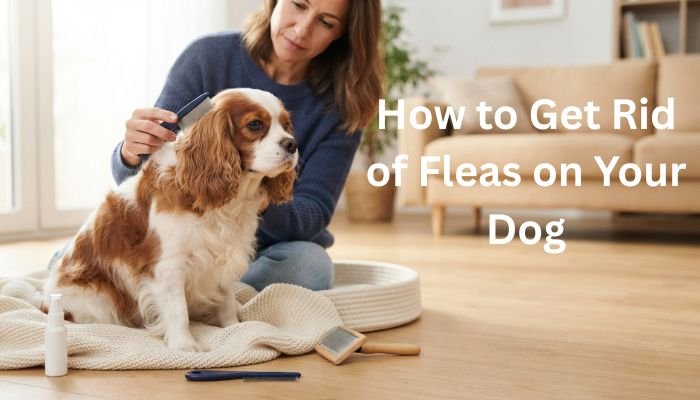
Finding fleas on your dog can be frustrating, especially when the itching continues even after you remove the fleas you can see. The key to getting rid of fleas is understanding that your dog is only one part of the problem. Flea eggs, larvae, and pupae can remain in carpets, bedding, furniture, and other areas your pet uses.
The most effective approach combines an appropriate flea treatment for your dog with thorough cleaning of your home, attention to other pets, and consistent prevention. Because fleas have several life stages, it can take time and repeated treatment to bring an established infestation under control.
Here’s exactly what to do if you think your dog has fleas, from identifying the problem to treating your home and preventing another infestation.
1. Check Your Dog for Fleas
Before choosing a treatment, look closely at your dog’s coat and skin. Adult fleas are tiny, fast-moving insects and may be difficult to spot, particularly on dogs with thick or dark coats.
Pay special attention to areas where fleas commonly hide, including around the neck, behind the ears, along the belly and groin, around the base of the tail, and on the back of the legs.
You may also notice small black or reddish-brown particles that resemble dirt. This is commonly called flea dirt and can be flea feces. Excessive scratching, licking, chewing, redness, hair loss, scabs, or irritated skin can also indicate a flea problem. Fleas are not always visible, so signs of irritation can be important clues.
Quick flea check
- Separate your dog’s fur and inspect the skin.
- Look around the tail base, neck, belly, and inner legs.
- Use a fine-toothed flea comb.
- Check for adult fleas and dark flea dirt.
- Inspect your dog’s bedding and favorite sleeping areas.
- Watch for persistent scratching, licking, or biting.
If your dog has severe itching, open sores, weakness, pale gums, or other concerning symptoms, contact your veterinarian rather than relying only on home treatment.
2. Use a Flea Treatment Appropriate for Your Dog
Once fleas are confirmed or strongly suspected, the next step is choosing an effective flea control product.
Common options include oral flea medications, topical spot-on treatments, flea collars, and other veterinary flea preventatives. The right option depends on your dog’s age, weight, health, lifestyle, and other factors. There is not one flea treatment that is automatically best for every dog.
Always read the product label carefully and use the product only for the species, age, and weight range specified. If your dog is a puppy, pregnant, elderly, sick, taking other medications, or has reacted to flea products before, ask your veterinarian before choosing a treatment.
Why consistency matters
Treating your dog once may kill many adult fleas, but it does not necessarily eliminate every flea stage already present in your home.
Veterinary flea control products can work in different ways. Some kill adult fleas, while others also help interrupt development of immature stages. Your veterinarian can help you select a product that fits your dog’s needs and lifestyle.
3. Give Your Dog a Bath and Use a Flea Comb
A bath can help remove adult fleas from your dog’s coat, while a flea comb can physically remove fleas and flea debris.
If you use a flea shampoo, make sure it is specifically formulated for dogs and follow its directions. Avoid combining multiple flea products unless your veterinarian has confirmed that the combination is safe.
A flea comb is particularly useful because it allows you to physically remove fleas without relying entirely on medication. Comb slowly through the coat, paying particular attention to the neck, belly, and area around the tail.
Keep a bowl of soapy water nearby so that fleas removed from the coat can be placed directly into it.
Tip: Bathing and combing can provide immediate cleanup, but they should be considered part of a broader flea-control plan rather than a complete solution by themselves.
4. Understand the Flea Life Cycle
One of the biggest reasons fleas seem to “come back” is that killing the adult fleas on your dog does not immediately eliminate the entire infestation.
Fleas generally develop through four stages:
- Egg
- Larva
- Pupa
- Adult
Adult fleas live on an animal and feed on blood, but immature stages can develop in the surrounding environment. Flea pupae can remain protected inside cocoons and later emerge when conditions signal the presence of a host.
This is why you might treat your dog and still see newly emerged fleas afterward.
It does not necessarily mean the treatment failed. It can mean that flea stages already present in your home are continuing to develop.
5. Treat Every Pet in the Household
If you have more than one pet, treating only the dog with visible fleas can allow the infestation to continue.
Dogs and cats can both carry fleas, and the appropriate product for one species may not be safe for another. Some flea-control products formulated for dogs can be dangerous to cats. Never assume that a dog flea medication is appropriate for your cat.
Talk with your veterinarian about flea prevention for every pet in your household.
Treating the animals and cleaning the environment at the same time gives you a much better chance of breaking the flea life cycle.
6. Vacuum Your Home Thoroughly
If your dog has fleas, cleaning your home is just as important as treating your pet.
Flea eggs and immature stages can accumulate in areas where your dog spends time, including carpets, rugs, upholstered furniture, cracks, and underneath furniture.
Vacuum thoroughly, especially:
- Carpets and rugs
- Along baseboards
- Under beds and sofas
- Upholstered furniture
- Your dog’s favorite sleeping areas
- Cracks and crevices
- Areas around pet beds
During an infestation, frequent vacuuming can help physically remove flea eggs, larvae, and other debris.
Empty the vacuum according to the manufacturer’s instructions and dispose of collected material appropriately so fleas do not remain inside the vacuum.
7. Wash Your Dog’s Bedding
Wash your dog’s bedding, blankets, washable toys, and other fabric items your pet regularly uses.
If your dog sleeps on your bed or furniture, clean those areas as well. Pet bedding is an important place to focus because flea eggs and immature stages can accumulate where your dog rests.
The CDC recommends washing bedding and thoroughly vacuuming carpets, rugs, furniture, and other areas pets frequent as part of flea control.
Repeat cleaning regularly while you are dealing with an infestation rather than assuming one wash will solve the problem.
8. Treat Fleas in Your Home
For an established infestation, cleaning alone may not always be enough.
Environmental flea-control products can target adult fleas and, depending on the product, immature stages. Some products contain insect growth regulators designed to interfere with flea development.
If you use an indoor flea-control product:
- Read the label carefully.
- Follow all application instructions.
- Keep pets and people away from treated areas as directed.
- Do not apply products to your dog unless the label specifically says they are intended for dogs.
- Consider professional pest control for severe or persistent infestations.
For significant infestations, a veterinarian or qualified pest-control professional can help you determine the safest and most appropriate approach.
9. Don’t Forget the Yard
Outdoor areas can contribute to repeated flea exposure, especially shaded, protected places where pets spend time.
Instead of treating every part of a sunny lawn indiscriminately, focus on areas that provide suitable flea habitat, such as shaded spaces, protected areas beneath decks or porches, pet resting areas, and places with accumulated organic debris.
Regular yard maintenance can also help:
- Mow the lawn regularly.
- Remove piles of leaves and organic debris.
- Reduce heavily shaded, damp resting areas.
- Keep outdoor pet bedding clean.
- Prevent wildlife and stray animals from gathering around pet food.
- Clean areas where your dog frequently rests.
Outdoor flea control should be targeted rather than excessive. A veterinarian or pest-control professional can advise you if your property has a persistent flea problem.
10. Be Careful With Natural Flea Remedies
You may see recommendations online for essential oils, vinegar, coconut oil, diatomaceous earth, or other household ingredients as natural flea treatments.
The problem is that “natural” does not automatically mean safe or effective.
The American Kennel Club notes that the safety and effectiveness of many natural flea remedies have not been adequately established, and essential oils in particular require caution around dogs.
Do not apply essential oils or homemade flea mixtures directly to your dog without veterinary guidance.
If you prefer a lower-chemical or more natural approach, discuss your preferences with your veterinarian. The goal should be effective flea control without exposing your dog, other pets, or family members to unnecessary risks.
11. Keep Cleaning After You Stop Seeing Fleas
One of the most important flea-control tips is don’t stop too early.
Flea pupae can remain protected inside cocoons and emerge later when they detect a suitable host. This is why an infestation can appear to disappear and then suddenly produce new adult fleas.
Continue your cleaning routine and follow the treatment schedule recommended by your veterinarian or the product label.
The CDC notes that moderate to severe infestations can take months to control because of the flea life cycle and may require follow-up treatment and continued sanitation.
12. Prevent Fleas From Coming Back
Once you have controlled the current infestation, prevention becomes much easier than repeatedly treating a new outbreak.
Many veterinarians recommend consistent, year-round flea prevention because fleas can survive indoors and may remain a problem outside traditional “flea season.”
A practical prevention routine includes:
- Use a veterinarian-recommended flea preventive consistently.
- Check your dog regularly with a flea comb.
- Wash pet bedding regularly.
- Vacuum frequently.
- Keep your yard maintained.
- Limit contact with stray or wild animals.
- Treat all pets in the household appropriately.
- Follow flea-treatment instructions exactly.
Consistency is one of the biggest factors in preventing another infestation.
How Long Does It Take to Get Rid of Fleas on a Dog?
There is no universal number of days because the timeline depends on how severe the infestation is, which flea-control products are used, and how much contamination exists in the environment.
Adult fleas on your dog may be killed relatively quickly by an appropriate product, but newly emerging fleas can continue to appear from stages already present in the environment.
For this reason, successful flea control often requires pet treatment plus environmental cleaning and follow-up, rather than a single bath or dose. Moderate to severe infestations can take weeks or even months to fully control.
Can Fleas Live in Your House Without a Dog?
Yes. Fleas can persist in the environment even when you do not see them on your pet.
Eggs, larvae, and pupae can develop in places such as carpets, bedding, furniture, and other protected areas. People can also transport fleas into homes through contact with infested animals or environments.
If fleas keep appearing after your dog has been treated, look beyond the dog and inspect the household environment.
Can Fleas Make Dogs Sick?
Fleas can cause much more than temporary itching.
Some dogs develop flea allergy dermatitis, an allergic reaction to flea saliva that can cause intense itching, redness, hair loss, and skin problems. Heavy infestations can also contribute to anemia, particularly in vulnerable animals. Fleas can additionally transmit tapeworms and other pathogens.
If your dog seems unusually weak, has pale gums, develops severe skin irritation, or is scratching excessively, contact a veterinarian promptly.
When Should You Call a Veterinarian?
Contact your veterinarian if:
- Your puppy has a significant flea infestation.
- Your dog has severe or persistent itching.
- Your dog develops sores or a skin infection.
- Your dog appears weak or lethargic.
- You notice pale gums.
- Fleas continue despite appropriate treatment.
- Your dog has reacted badly to a flea product.
- You are unsure which flea treatment is safe.
- You have dogs and cats and need help choosing compatible products.
Your veterinarian can help determine whether your dog has fleas, flea allergy dermatitis, a secondary skin infection, or another condition that is causing the itching.
Frequently Asked Questions About Fleas on Dogs
What is the fastest way to get rid of fleas on a dog?
The fastest approach depends on your dog’s age, weight, health, and the product selected. A veterinarian-recommended flea treatment can kill adult fleas, while bathing and flea combing can physically remove fleas from the coat. At the same time, clean the home to address flea stages in the environment.
How do I get rid of fleas on my dog naturally?
Regular flea combing, bathing with an appropriate dog-safe shampoo, frequent vacuuming, and washing bedding can reduce flea exposure. However, many popular “natural” remedies have limited evidence for safety or effectiveness. Avoid applying essential oils or homemade treatments without veterinary advice.
Why does my dog still have fleas after treatment?
New adult fleas can emerge from pupae already present in the environment. Treating the dog without cleaning the home can therefore lead to continued flea sightings. Effective control requires addressing both the pet and the environment.
How often should I check my dog for fleas?
Regular checks are useful, particularly if your dog spends time outdoors or around other animals. A flea comb can help you detect adult fleas or flea dirt before an infestation becomes extensive.
Can fleas live in carpet?
Yes. Flea eggs, larvae, and pupae can develop in carpets and other protected areas around the home. Frequent and thorough vacuuming is an important part of flea control.
Can fleas live on humans?
Fleas prefer animal hosts, but people can be bitten when they share an environment with flea-infested animals. Keeping household pets protected and cleaning infested areas can help reduce human flea exposure.
Should I treat my yard for fleas?
Not necessarily the entire yard. Fleas favor protected, shaded areas, so outdoor control should focus on places where pets spend time and conditions are suitable for flea development.
Can I use cat flea medicine on my dog?
Do not assume products can be switched between species. Flea medications have different formulations and safety instructions, and some dog products can be dangerous to cats. Always check the label and ask your veterinarian when unsure.
How can I prevent fleas from coming back?
Use an appropriate flea preventive consistently, treat every household pet according to veterinary guidance, vacuum regularly, wash pet bedding, maintain your yard, and continue prevention year-round when recommended.
Final Words
Getting rid of fleas on your dog is not just about killing the adult fleas you can see. The real solution is to interrupt the entire flea life cycle by treating your dog, managing every pet in the household, cleaning bedding and carpets, addressing suitable outdoor areas, and continuing prevention.
If fleas keep returning, don’t simply keep changing products. Speak with your veterinarian to make sure the treatment is appropriate for your dog’s age, weight, health, and lifestyle. With consistent pet treatment and environmental control, most flea problems can be brought under control and prevented from becoming a recurring headache.