How to Avoid Fleas on Dogs: 8 Prevention Tips

Few things make a dog owner panic like spotting a tiny dark speck moving through their pup’s fur. Fleas are more than just an itchy nuisance — many dogs are sensitive to flea saliva, and a heavy infestation can even lead to skin infections and anemia in small puppies. The good news is that learning how to avoid fleas on dogs is mostly about simple, consistent habits. Here’s a practical 8-step plan that covers your dog, your home, and your yard.
Table of Contents
- 1. Use a Year-Round Flea Preventative
- 2. Do Regular Flea-Comb Checks
- 3. Wash Bedding on a Hot Cycle
- 4. Vacuum Floors and Furniture Weekly
- 5. Treat Your Yard
- 6. Keep Up With Regular Grooming
- 7. Act Fast If You Spot Fleas
- 8. Call Your Vet When Something Seems Off
- Frequently Asked Questions
1. Use a Year-Round Flea Preventative
The single most effective step in how to avoid fleas on dogs is keeping your dog on a preventative all year — not just in summer. Fleas thrive in warm weather, but they can survive indoors through winter, and eggs lying dormant in carpet can hatch months later when conditions are right.
Preventatives come in several forms: collars, topical spot-on liquids, and oral chewables. Each has pros and cons — collars are easy to remove if your dog reacts, topicals are applied monthly between the shoulders, and chewables avoid any skin-contact concerns. The right choice depends on your dog’s age, weight, health, and lifestyle, so talk it through with your veterinarian before starting anything new.
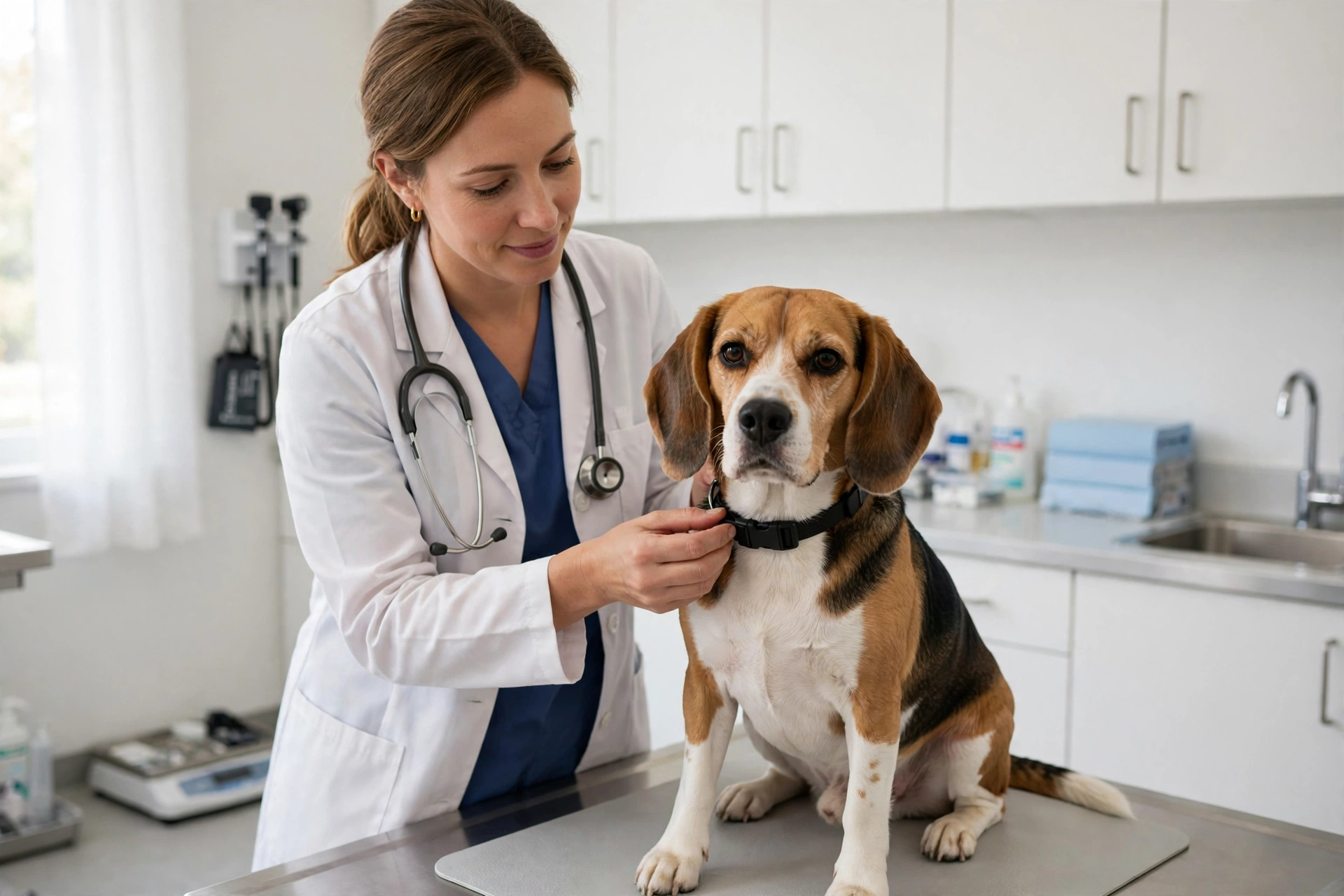
Helpful pick: Seresto Flea & Tick Collar for Dogs — a vet-recommended collar option that provides up to 8 months of continuous protection; just confirm the size matches your dog and check with your vet first.
2. Do Regular Flea-Comb Checks
A fine-toothed flea comb is one of the cheapest early-warning tools you can own. Once a week, run it slowly through your dog’s coat — especially around the neck, behind the ears, at the base of the tail, and along the belly, where fleas love to hide. After each stroke, tap the comb onto a damp white paper towel: flea dirt (digested blood) will leave reddish-brown streaks, which tells you fleas are present even if you haven’t seen one yet.
Between strokes, dip the comb in a cup of warm water with a drop of dish soap. This simple routine takes five minutes and can catch an infestation weeks before it becomes visible.

Helpful pick: Safari Double Row Flea Comb — the double row of fine teeth helps pull fleas and flea dirt out of both short and long coats.
3. Wash Bedding on a Hot Cycle
Flea eggs and larvae don’t just live on your dog — they drop off wherever your dog rests. Washing all dog bedding, blankets, and crate pads in hot water (at least 130°F / 54°C) every one to two weeks destroys eggs and larvae hiding in the fabric. If your dog sleeps on your bed, toss your own sheets and blankets in too.
Choosing a bed with a removable, machine-washable cover makes this habit effortless — you can zip the cover off and wash it without wrestling the whole bed into the machine.

Helpful pick: Furhaven Orthopedic Dog Bed with Washable Cover — the zippered cover comes off in seconds and is fully machine washable, so keeping the sleeping area flea-free is easy.
4. Vacuum Floors and Furniture Weekly
Vacuuming is one of the most underrated flea-fighting habits. The vibration of a vacuum actually stimulates flea pupae to hatch — and the freshly hatched fleas get sucked up before they can find your dog. Focus on carpets, rugs, baseboards, under furniture, and upholstered cushions where your dog lounges. Empty the vacuum canister or toss the bag outside immediately afterward so nothing crawls back out.
For extra support between deep cleans, a plant-based home spray on carpets, pet bedding, and crates can help discourage fleas from settling in.

Helpful pick: Vet’s Best Flea & Tick Home Spray — a plant-based spray with peppermint and clove oils designed for use on carpets, furniture, and dog bedding around the home.
5. Treat Your Yard
Your backyard is often where fleas hitch a ride onto your dog in the first place. Fleas love shady, damp spots — under bushes, along fences, and in tall grass. Keep the lawn mowed short, clear away leaf litter and debris, and let sunlight reach as much of the yard as possible.
If fleas are a recurring problem, treat the yard with a pet-safe outdoor spray, focusing on shaded areas and the perimeter where wildlife (a common flea source) passes through. Reapply after heavy rain and during peak flea season for ongoing support.

Helpful pick: Wondercide Ready-to-Use Flea & Tick Yard Spray — a plant-based hose-end sprayer that attaches to your garden hose and treats up to 5,000 square feet for fleas and mosquitoes.
6. Keep Up With Regular Grooming
Regular brushing does more than keep your dog looking handsome — it gives you a weekly hands-on inspection of the skin and coat. Brushing removes loose fur, dirt, and debris that fleas hide in, and it lets you feel for the tiny bumps, scabs, or “salt and pepper” specks (flea dirt and eggs) that signal trouble.
Brush in the direction of hair growth, then part the fur in a few spots to check the skin underneath. For long-haired breeds, a slicker brush reaches the undercoat where fleas often lurk unnoticed.

Helpful pick: Safari Self-Cleaning Slicker Brush — the retractable pins make it easy to clear collected fur between strokes during your weekly coat check.
7. Act Fast If You Spot Fleas
If your flea-comb check turns up live fleas or heavy flea dirt, don’t wait — treat your dog promptly. A flea bath with a flea shampoo kills adult fleas on contact and gives you a clean starting point. Lather from the neck down (fleas flee toward the head when they feel water), leave the lather on for the time stated on the label, and rinse thoroughly.
After the bath, keep combing daily for the next week or two. Flea eggs already in the environment will keep hatching, so follow up with your regular preventative and repeat your home-cleaning routine until you’re sure the cycle is broken.

Helpful pick: Adams Plus Flea & Tick Shampoo — formulated to kill fleas, flea eggs, ticks, and lice on contact while conditioning the coat; follow the label directions and age guidelines.
8. Call Your Vet When Something Seems Off
Some situations call for professional help rather than DIY. Contact your vet if your dog is scratching raw spots, losing fur in patches, developing hot spots or scabs, or if a puppy or senior dog seems lethargic or pale (possible anemia from heavy flea feeding). Also call if an over-the-counter approach isn’t working after a couple of weeks — your vet can prescribe faster-acting options and rule out flea allergy dermatitis or secondary skin infections.
Keeping a basic pet first-aid kit on hand is smart for any dog household, so you’re prepared for skin flare-ups and minor issues while you wait for your appointment.

Helpful pick: ARCA PET Dog First Aid Kit — a compact kit with essentials for minor pet emergencies, handy to keep near your flea-treatment supplies.
Frequently Asked Questions
Can indoor dogs get fleas?
Yes. Fleas can hitchhike inside on your shoes, clothing, or other pets, and flea eggs can lie dormant in carpet for months. That’s why year-round prevention matters even for dogs that rarely go outside.
How often should I check my dog for fleas?
A quick flea-comb check once a week is a good baseline during flea season, plus a check after hikes, dog parks, or boarding stays. In winter you can stretch it to every two weeks if your dog is on a year-round preventative.
Are natural flea remedies enough on their own?
Plant-based sprays and yard treatments can be helpful as part of a broader routine, but in areas with heavy flea pressure they usually work best alongside a proven preventative. Ask your vet what’s appropriate for your region.
How long does it take to get rid of a flea infestation?
Typically 3 to 4 months of consistent treatment and cleaning. That’s how long it takes to outlast the flea life cycle — eggs and pupae already in your home will keep hatching, so stay diligent even after the adults are gone.
Can fleas bite humans too?
They can. Fleas prefer dogs and cats, but they’ll bite people — usually around the ankles — when populations are high. Treating your dog and your home together is the fastest way to stop the cycle.
Keep Reading
- How to Bathe a Puppy
- Best Dog Brushes for Shedding
- Best Dog Food for Allergies
- Foods Dogs Can and Can’t Eat
- Dog Body Language Guide
- Signs Your Dog Is in Pain
As an Amazon Associate, PetPostHub earns from qualifying purchases.