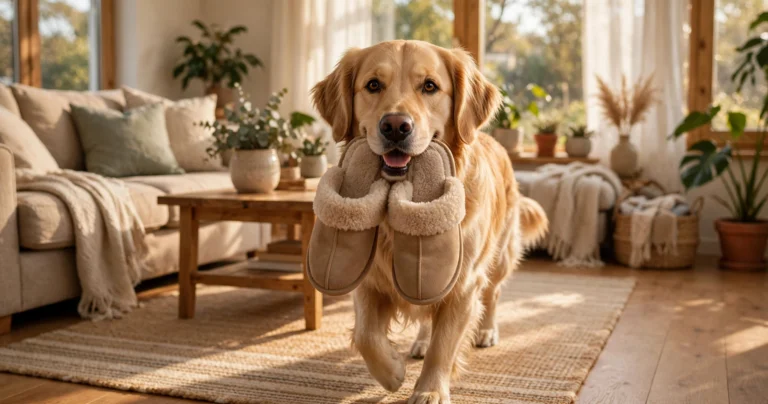
Why Does My Dog Follow Me Everywhere? 8 Sweet (and Serious) Reasons
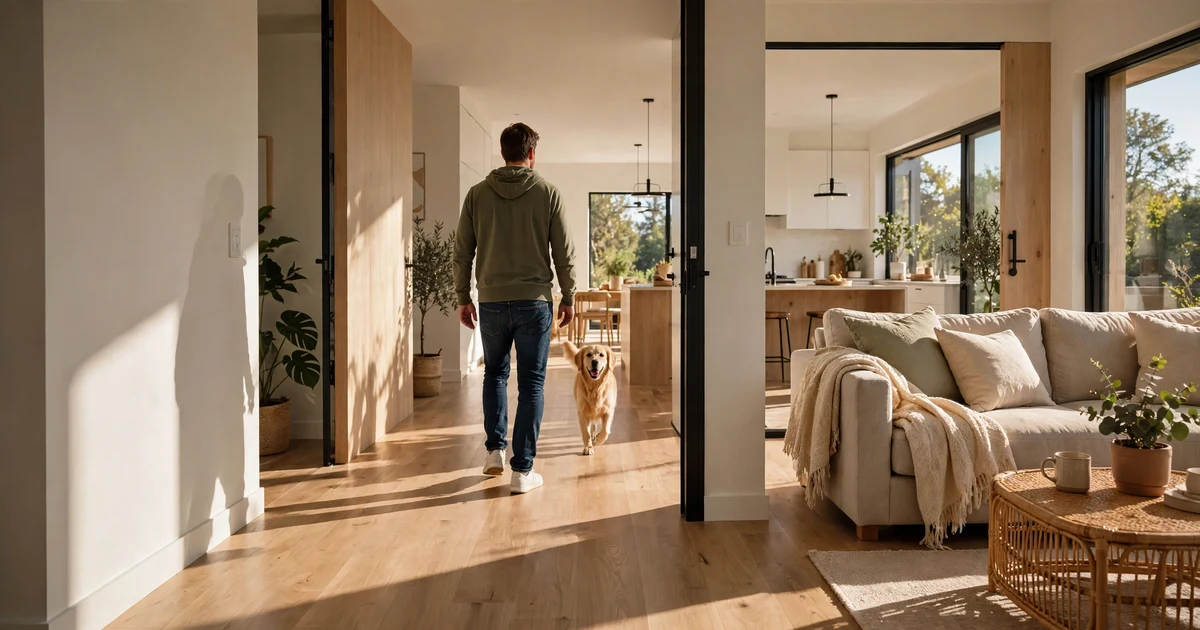
If you’ve ever wondered why does my dog follow me everywhere — to the kitchen, down the hallway, and yes, even to the bathroom — you’re in very good company. Canine “shadowing” is one of the most common dog behaviors owners ask about, and the good news is that in most cases it’s completely normal. In fact, it’s often a compliment: your dog thinks you’re the best thing in their world.
But constant following can also be your dog’s way of saying something else — that they’re bored, uneasy, unwell, or simply reading your routine like a furry little fortune teller. Below are 8 sweet (and a few serious) reasons your dog won’t leave your side, what each one looks like, and what to do about it.
Table of Contents
- 1. Pack Instinct and Deep Bonding
- 2. You’ve Trained Them — With Treats
- 3. Separation Anxiety
- 4. Boredom and Understimulation
- 5. They’re Reading Your Routine
- 6. They’re Detecting Scent Changes (Pregnancy or Illness)
- 7. Old Age and Cognitive Decline
- 8. Herding Breed Instinct
- Velcro Dog vs. Separation Anxiety: How to Tell
- Frequently Asked Questions
1. Pack Instinct and Deep Bonding

Dogs are social animals descended from pack-living ancestors, and proximity is hardwired into them. Sticking close to their chosen person is how dogs express security and belonging — you’re their safe place, their favorite companion, and the center of their social world. Many dogs simply prefer your company over an empty room, and that quiet devotion is one of the clearest signs your dog loves you.
What to do: Honestly? Enjoy it — as long as it’s relaxed. A dog who follows you calmly and settles happily nearby is showing healthy attachment. Strengthen the bond with daily quality time: a walk, a game of fetch, or just brushing them while you watch TV.
Helpful pick: Chuckit! Classic 26M Dog Ball Launcher — a daily game of fetch is one of the fastest ways to deepen your bond.
2. You’ve (Accidentally) Trained Them — With Treats
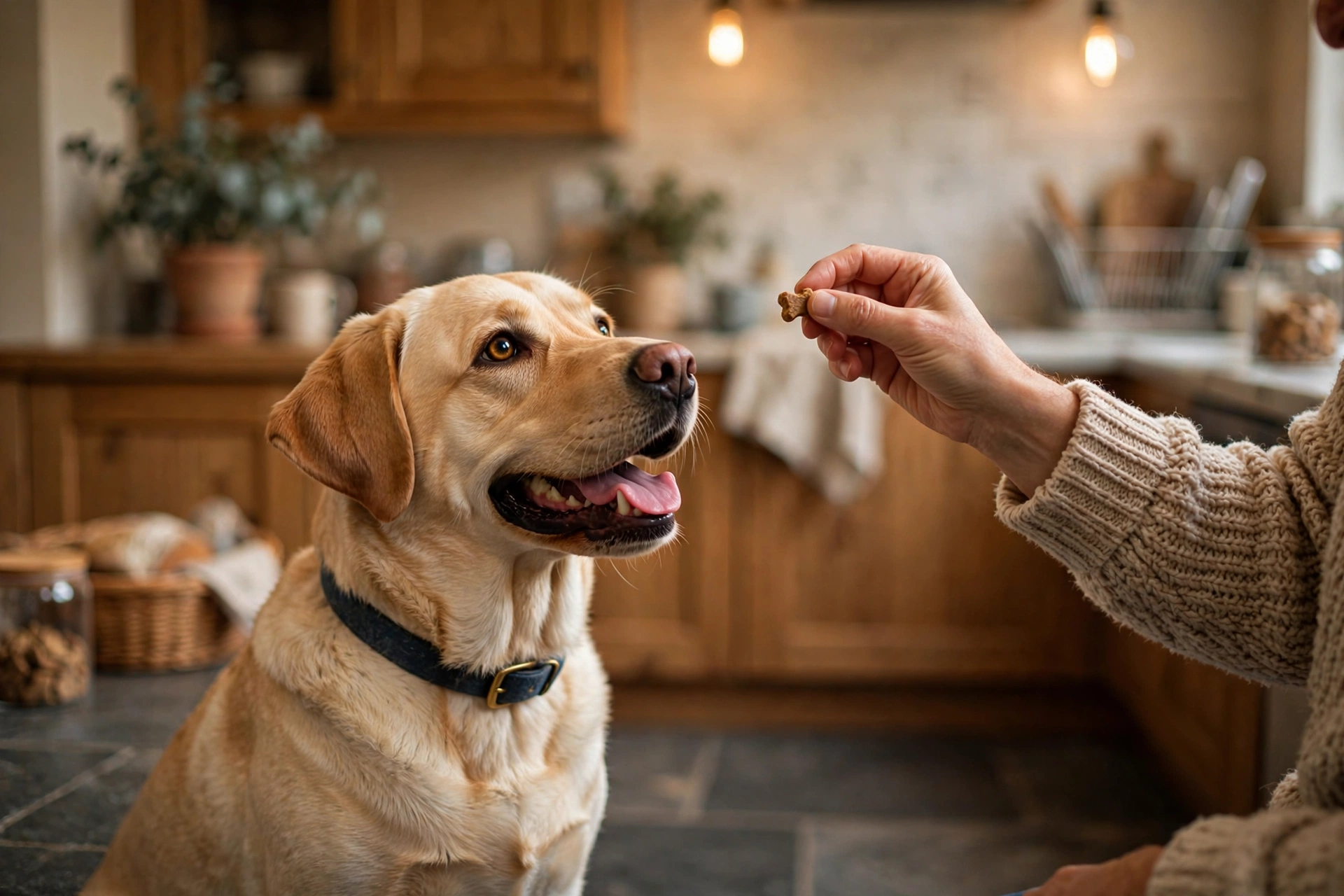
Think back: when your dog trailed you into the kitchen, did a treat sometimes fall their way? Dogs are brilliant pattern-spotters, and if shadowing you has ever paid off — with treats, pets, praise, or a fun outing — they’ll keep doing it. This is simple positive reinforcement, and you may have been doing it without realizing.
What to do: If you like the companionship, carry on. If the constant underfoot traffic is tripping you up, retrain the pattern: reward calm settling on a dog bed instead of the following, and keep kitchen scraps off the menu so the kitchen stops being a slot machine.
Helpful pick: PetSafe Treat Pouch Sport — keeps training treats handy so you can reward calm, independent behavior on the spot.
3. Separation Anxiety

Sometimes following isn’t about love — it’s about fear. Dogs with separation anxiety shadow their owners because being apart feels genuinely frightening to them. The key difference is the emotional state: an anxious follower isn’t relaxed. They may whine or pace when you move out of sight, panic when you pick up your keys, and struggle even with brief separations like a closed bathroom door. True separation anxiety goes further than clinginess — it often shows up as barking, drooling, destructive chewing, or house-soiling when left alone.
What to do: Don’t punish the behavior; anxiety needs patience, not correction. Build independence gradually with very short absences and rewards for calm alone-time, and make departures boring — no long goodbyes. For moderate to severe cases, follow a structured plan like our guide on how to help a dog with separation anxiety, and talk to your vet or a certified behaviorist.
Helpful pick: ADAPTIL Calm Home Diffuser, 30-Day Starter Kit — releases calming pheromones that help anxious dogs feel more secure at home.
4. Boredom and Understimulation
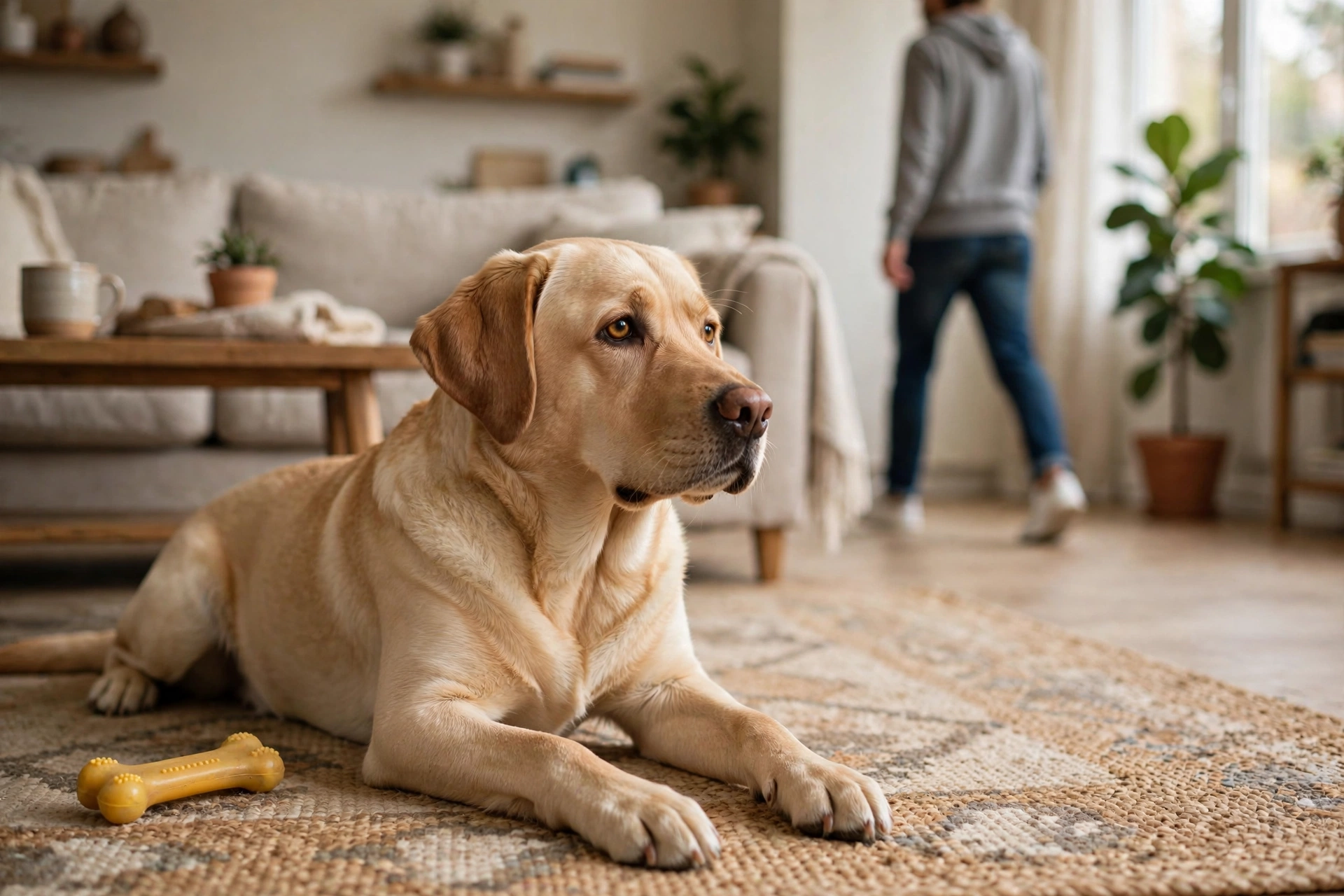
A dog with nothing to do will make YOU their entertainment. If your pup isn’t getting enough exercise or mental challenge, following you becomes their default activity — you’re simply the most interesting thing in the house. Boredom-following often comes with a restless edge: the dog perks up the moment you move, as if thinking “finally, something’s happening!”
What to do: Tire out the brain, not just the body. Add a solid daily walk, but also feed their mind: scatter feeding, snuffle games, training sessions, and puzzle toys. Fifteen minutes of problem-solving can be as tiring as a much longer walk — and an enriched dog will often choose a cozy nap over tailing you to the laundry room.
Helpful pick: Outward Hound Nina Ottosson Dog Brick Puzzle Toy — flip lids and sliding compartments keep clever noses busy and boredom at bay.
5. They’re Reading Your Routine

Dogs are masters of routine — they learn that shoes mean walk, the fridge door means food, and the laptop closing means playtime. Your dog may follow you simply because they’re trying to predict what’s next and don’t want to miss it. If the shadowing intensifies around mealtimes or walk o’clock, your dog isn’t being clingy — they’re being clever.
What to do: This one’s harmless and a sign of a sharp, engaged dog. Keep routines predictable so they don’t hover anxiously — consistency is comforting. If you want to reduce the hovering, break the pattern occasionally: put on your shoes and then sit down with a book. When the cues stop being 100% reliable, the intense tracking eases off.
Helpful pick: PETLIBRO Automatic Pet Feeder (5L, WiFi) — keeps mealtimes on a rock-solid schedule so your dog learns food comes from the feeder, not from following you.
6. They’re Detecting Scent Changes (Pregnancy or Illness)

It sounds like folklore, but there’s real science behind it: dogs have up to 300 million scent receptors and can detect subtle chemical changes in the human body. Countless owners report their dog becoming suddenly clingy during pregnancy or when they’re unwell. Hormonal shifts, changes in body chemistry, and even shifts in your mood or movement patterns can all prompt a dog to stay glued to you — part curiosity, part protective instinct. If your normally independent dog suddenly won’t leave your side, pay attention to what changed.
What to do: First, don’t panic — but do take it as a gentle nudge to check in with yourself. If you’re pregnant, congratulations — your dog may have known before the test did. Also watch your dog: sudden clinginess can occasionally mean they’re the one not feeling well, so note any other changes and read up on signs your dog is in pain. A vet check for them — or a checkup for you — is never a bad idea.
Helpful pick: Furbo 360° Dog Camera — check in and toss a treat with two-way audio when you can’t be home, so your sensitive pup never feels alone.
7. Old Age and Cognitive Decline

As dogs age, the world gets a little harder to navigate. Failing vision or hearing can make familiar rooms feel uncertain, and canine cognitive dysfunction (doggy dementia) can bring confusion, disorientation, and anxiety. An older dog who follows you more than they used to is often seeking the one thing that still feels completely safe: you. Increased clinginess in a senior dog — especially if it’s a new development — deserves your compassion and your attention.
What to do: Schedule a senior wellness exam. Your vet can check vision, hearing, and cognitive function, and rule out pain (arthritis is a common hidden culprit — achy dogs stick close to their comfort person). At home, keep the environment predictable: don’t rearrange furniture, keep pathways clear, and maintain a calm routine.
Helpful pick: Bedsure Orthopedic Dog Bed — supportive foam and bolstered sides give achy senior joints a soft, secure place to rest near you.
8. Herding Breed Instinct
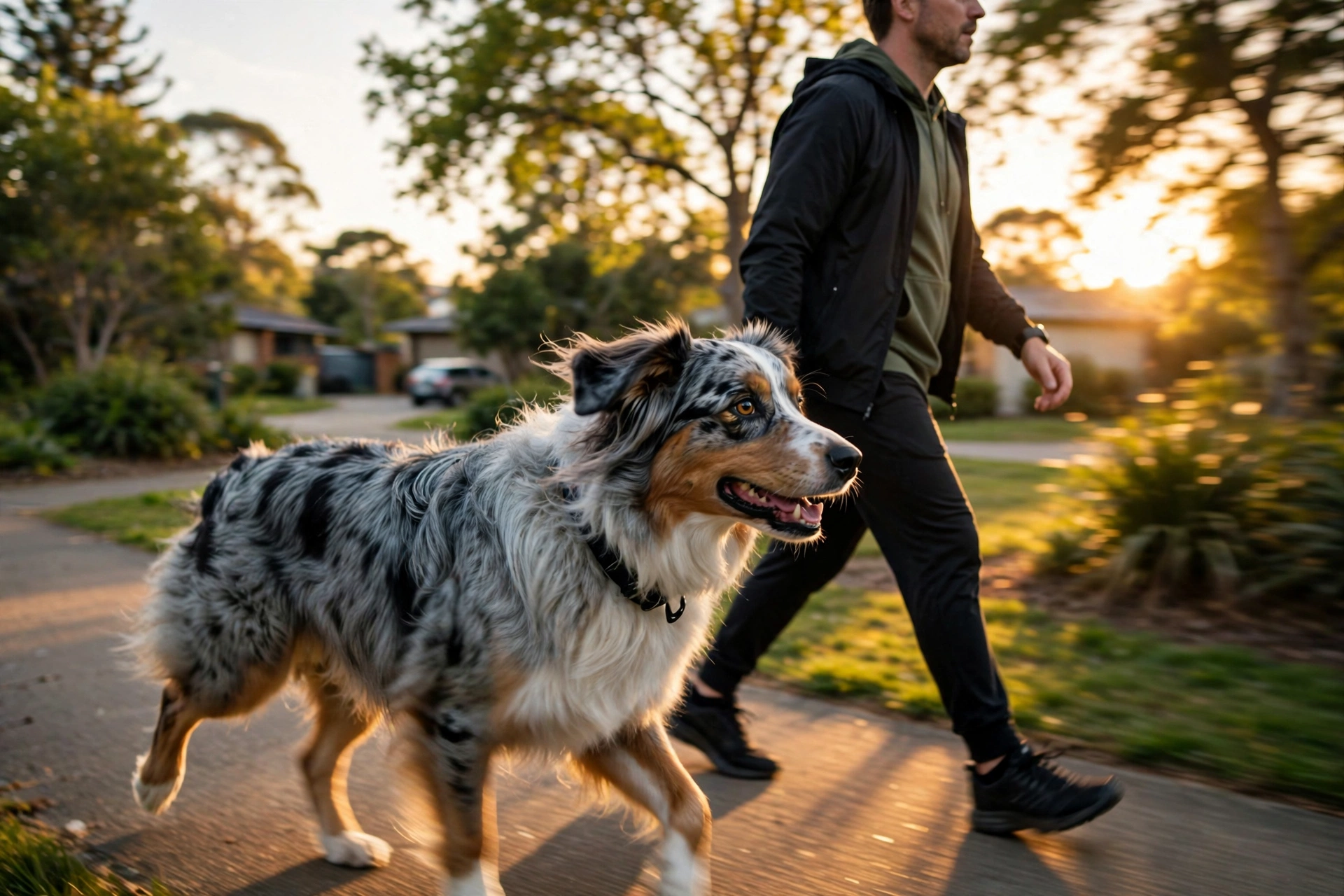
If you share your home with a Border Collie, Australian Shepherd, Corgi, or German Shepherd, constant following may simply be in their DNA. Herding breeds were bred for generations to stay close to their handler and watch every movement. What looks like velcro behavior is really a hardwired work ethic — your dog is “on the job,” keeping their flock (you) together.
What to do: Give the instinct a healthy outlet. Herding dogs need a job: try treibball, agility, advanced obedience, or structured fetch games that channel the drive to chase and gather. Without an outlet, herding instinct can morph into nipping at heels or obsessive circling — so direct it rather than suppress it. Once the dog gets a real “job,” the indoor shadowing usually calms down.
Helpful pick: Jolly Pets Push-n-Play Ball Dog Toy — a big, durable herding-style ball that lets herders push, chase, and “work” to their heart’s content.
Velcro Dog vs. Separation Anxiety: How to Tell
Not every shadow is an anxious dog — and confusing the two is one of the most common dog training mistakes owners make. A happy velcro dog follows you with a relaxed body, settles calmly when you sit down, and — crucially — is fine when you leave. They might watch you go, then curl up and nap.
A dog with separation anxiety shows distress, not just devotion: panting or pacing as you prepare to leave, barking or howling while you’re gone, destructive chewing (especially around doors and windows), and house-soiling despite being fully housetrained. If your dog can’t cope with any separation — even a closed door — that’s anxiety, not love.
The simplest test? Record your dog for 30 minutes after you leave. A velcro dog sleeps. An anxious dog panics. If you see panic, don’t wait it out — start a gentle desensitization plan and loop in your vet. Anxiety rarely resolves on its own, but it responds beautifully to the right help.
Frequently Asked Questions
Why does my dog follow me everywhere and stare at me?
Following plus staring usually means your dog is waiting for a cue — a treat, a walk, or your attention. Dogs read human body language constantly, and staring is one of their main communication tools. A soft, relaxed stare is affection and anticipation, not a problem.
Is it bad that my dog follows me everywhere?
Not usually. Relaxed, happy following is normal canine behavior and a sign of a strong bond. It only becomes a concern if your dog shows distress when separated from you, can’t settle on their own, or the behavior appeared suddenly alongside other changes — in which case a vet visit is wise.
Why does my dog follow me to the bathroom?
Because to your dog, a closed door is suspicious. Dogs are curious and social, and mildly convinced that anything happening behind a door must be interesting. There’s also a protective angle — in the wild, pack members are most vulnerable when relieving themselves, so your dog may simply be standing guard.
How do I get my dog to stop following me everywhere?
Teach independence gradually: reward calm settling on a bed, practice short separations, provide plenty of mental enrichment, and avoid accidentally rewarding the following with treats or attention. Never punish clinginess — it only increases anxiety. If the following is driven by separation anxiety, follow a structured training plan rather than just trying to shoo them away.
Do dogs pick a favorite person to follow?
Yes — dogs often shadow the person who feeds them, walks them, trains them, or simply spends the most quality time with them. Positive experiences build the strongest attachment, so the “chosen one” is usually whoever is most involved in the dog’s daily life. In multi-person households, don’t be surprised if the dog rotates favorites over time.
Affiliate Disclosure: This post contains affiliate links. If you purchase through these links, we may earn a small commission at no extra cost to you. We only recommend products we genuinely believe in.