
8 Best Dog Foods for Weight Loss (2026 Guide)

If your pup is packing on the pounds, the best dog food for weight loss can make all the difference. Over half of dogs in the U.S. are overweight, and those extra pounds quietly raise the risk of joint problems, diabetes, and a shorter life. The good news: with the right low-calorie, high-protein diet and a vet-approved plan, most dogs slim down safely within a few months. Before switching foods, always check with your veterinarian — they’ll rule out medical causes like thyroid issues and set a healthy target weight.
Table of Contents
- How to Choose a Weight-Loss Dog Food
- The 8 Best Dog Foods for Weight Loss
- Safe Weight-Loss Tips for Dogs
- Frequently Asked Questions
How to Choose a Weight-Loss Dog Food
Not every “light” kibble is created equal. Here’s what actually matters when comparing weight-loss dog foods:
High Protein for Lean Muscle
When calories drop, dogs can lose muscle along with fat. A good weight-loss formula keeps protein high (usually 25–30% or more) so your dog sheds fat while holding onto the muscle that keeps them active and mobile.
Fiber for Fullness
Fiber adds bulk without many calories, helping your dog feel satisfied between meals. Look for ingredients like beet pulp, pumpkin, or oat fiber. This satiety effect is what keeps dogs from begging all day on a reduced portion.
L-Carnitine for Fat Metabolism
L-carnitine is an amino-acid derivative that helps the body convert fat into usable energy. Many dedicated weight-management formulas include it, and it’s one of the clearest markers of a formula designed for fat loss rather than just fewer calories.
Clinically Tested vs. General “Healthy Weight” Claims
Some foods (like Hill’s Perfect Weight) have feeding-trial research behind their weight-loss claims; others simply adjust the macros. Neither is automatically better, but clinical backing is a strong tiebreaker. For dogs with significant obesity, ask your vet about prescription weight-loss formulas — they’re the most powerful tool available.
The 8 Best Dog Foods for Weight Loss
We compared ingredient profiles, calorie density, protein levels, and real-world reputation to pick the best dog foods for weight loss in 2026. Each pick below is verified and available on Amazon.
1. Hill’s Science Diet Perfect Weight Adult 1-6 — Best Overall

Best for: Dogs that need proven results — Hill’s reports visible weight loss within 10 weeks in their feeding trials.
Hill’s Perfect Weight is the gold standard of over-the-counter weight-loss dog food, and it’s earned that reputation through actual clinical testing rather than marketing copy. The chicken-based formula balances lean protein for muscle maintenance with natural fiber to keep dogs feeling full, and it avoids artificial colors and flavors. Because it’s widely vet-recommended and available everywhere, it’s also the easiest choice to stick with long term.
- Pros: Clinically studied formula; natural ingredients; supports lean muscle; widely available.
- Cons: Pricier than grocery-store brands; chicken is the only protein option.
Check it out: Hill’s Science Diet Perfect Weight Adult Dry Dog Food
2. Blue Buffalo Life Protection Healthy Weight — Best High-Protein Pick
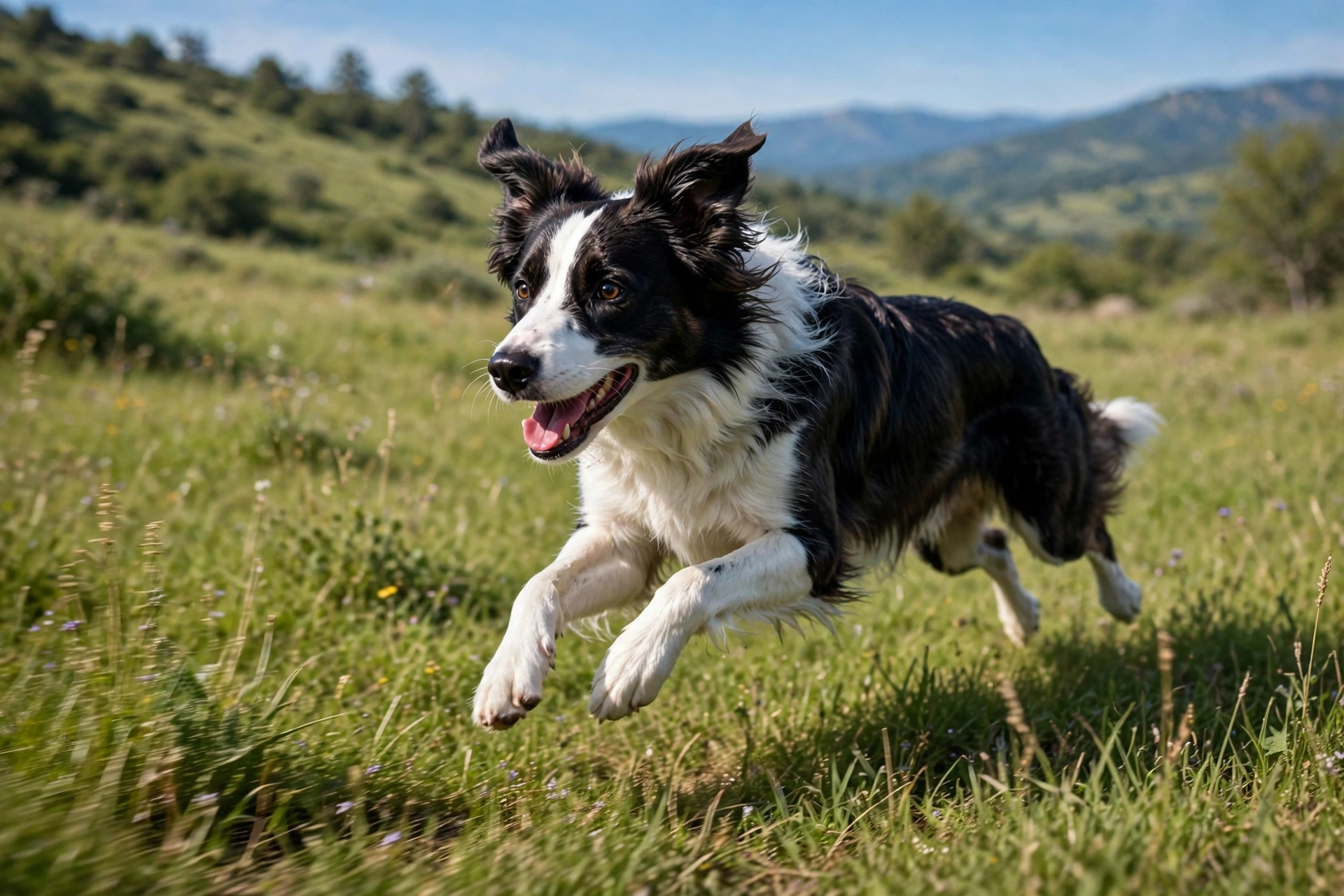
Best for: Active dogs that need serious protein to preserve muscle while cutting fat.
Blue Buffalo’s Healthy Weight formula starts with real chicken and keeps protein high while trimming fat, which is exactly the combination that preserves lean muscle during a calorie deficit. It skips corn, wheat, soy, and by-product meals in favor of wholesome grains and vegetables, and the included LifeSource Bits add antioxidants for immune support. This is a strong choice for dogs that are overweight but still moderately active.
- Pros: High protein from real chicken; no by-product meals; antioxidant-rich LifeSource Bits.
- Cons: Some dogs pick around the LifeSource Bits; calorie density is moderate, so portions still matter.
Check it out: Blue Buffalo Life Protection Healthy Weight Dry Dog Food
3. Purina Pro Plan Weight Management — Best for Lean Muscle

Best for: Dogs that need to keep every ounce of muscle — this formula runs around 30% protein.
Purina Pro Plan Weight Management takes a protein-first approach, with real chicken as the first ingredient and a formula engineered to maintain lean body mass during weight loss. It’s backed by Purina’s feeding trials, includes live probiotics for digestive health, and is known for high palatability — a real advantage when switching a dog from a richer food. If your dog is a reluctant eater or you’re worried about them rejecting a “diet” food, this one converts skeptics.
- Pros: 30% protein for muscle retention; live probiotics; very palatable; research-backed brand.
- Cons: Contains some meat by-products; not grain-free if your dog has sensitivities.
Check it out: Purina Pro Plan Weight Management Dry Dog Food
4. Wellness CORE Reduced Fat Healthy Weight — Best Grain-Free
Best for: Dogs that do best without grains but still need to slim down.
Wellness CORE Reduced Fat delivers the brand’s signature high-meat philosophy with 25% less fat than the original CORE recipe. Turkey, chicken, and salmon oil provide quality protein and omega fatty acids for skin and coat, while added fiber helps with satiety. It’s completely free of corn, wheat, soy, and artificial anything — a clean label that grain-free fans can trust for a weight-loss plan.
- Pros: Grain-free; 25% less fat than CORE Original; probiotics and antioxidants included.
- Cons: Premium price point; smaller bag sizes cost more per pound.
Check it out: Wellness CORE Reduced Fat Dry Dog Food
5. Royal Canin Small Weight Care — Best for Small Breeds
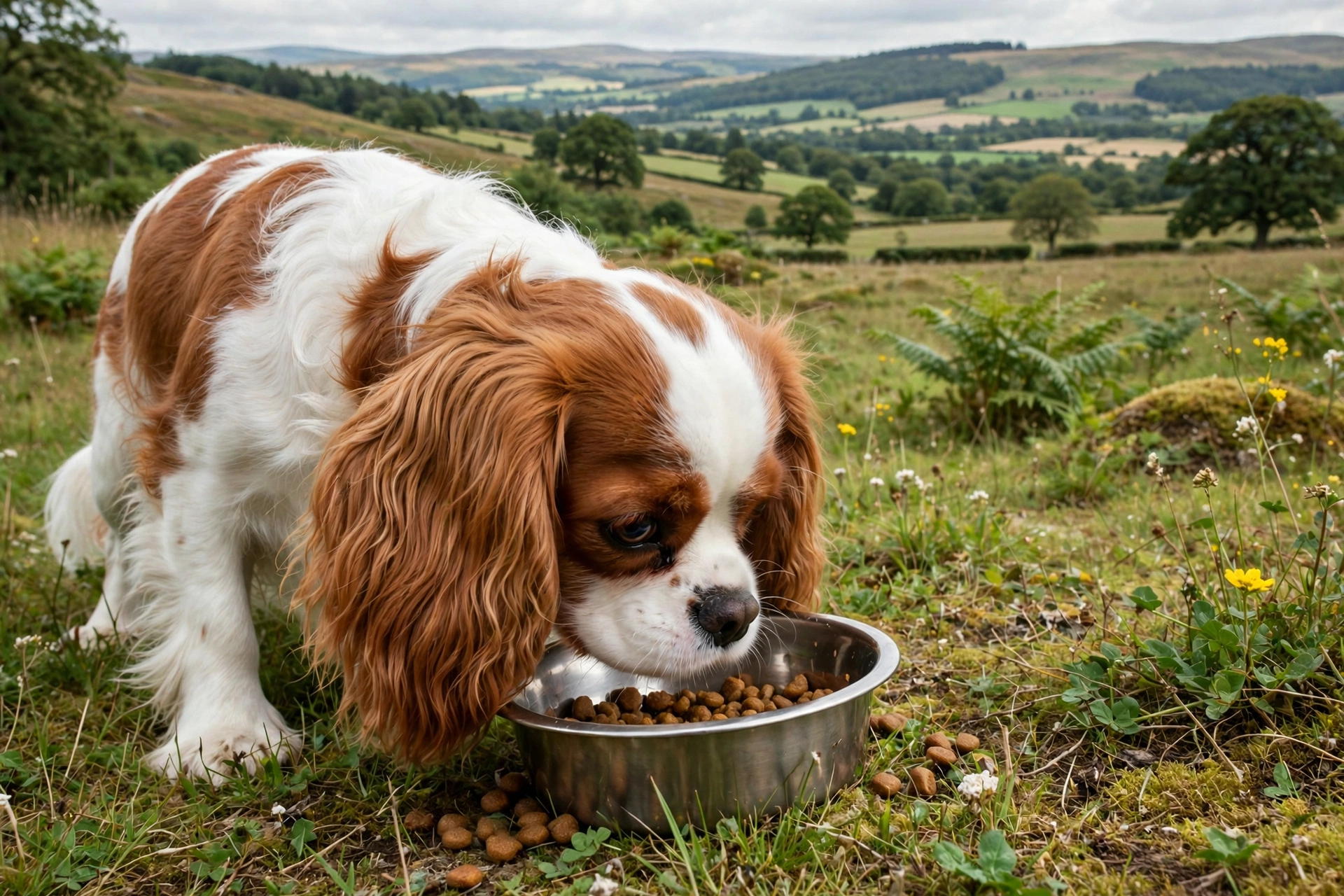
Best for: Slightly overweight small dogs up to 22 lbs that need precise portion control.
Small dogs gain weight fast — even a few extra treats show up on the scale — and Royal Canin’s Small Weight Care is formulated specifically for them. The tiny kibble suits small jaws, and the recipe balances protein with L-carnitine to support fat metabolism while maintaining muscle. As a vet-familiar brand with precise feeding guidelines, it takes the guesswork out of portions for little dogs whose margin for error is small.
- Pros: Small-breed kibble size; L-carnitine for fat metabolism; precise feeding guide.
- Cons: Only for small breeds; contains some by-product meal and grains.
Check it out: Royal Canin Small Weight Care Dry Dog Food
6. Iams ProActive Health Healthy Weight — Best Budget

Best for: Owners who want an effective weight-loss food without the premium price tag.
Iams ProActive Health Healthy Weight proves you don’t need to spend a fortune to feed a diet food. With real chicken as the first ingredient, added L-carnitine, and 17% less fat than Iams’ standard recipe, it covers the weight-loss essentials at one of the lowest prices per pound in this guide. The dual feeding chart — one column for weight reduction, one for maintenance — makes it easy to transition once your dog hits their goal.
- Pros: Excellent value; real chicken first; L-carnitine included; clear weight-reduction feeding chart.
- Cons: Contains some by-products and fillers; fewer premium extras like probiotics.
Check it out: Iams ProActive Health Healthy Weight Dry Dog Food
7. Purina ONE +Plus Healthy Weight — Best Multi-Dog Value

Best for: Multi-dog households or large dogs where you need a big bag that lasts.
Purina ONE +Plus Healthy Weight pairs real turkey with high protein and fiber to support a healthy weight, and it’s available in large bags that make it one of the most economical per-pound options here. The formula includes glucosamine for joint health — a thoughtful addition since overweight dogs put extra stress on their joints — plus omega-6s for skin and coat. It’s a practical, no-fuss choice for families feeding more than one dog.
- Pros: Great value in large bags; real turkey first ingredient; added glucosamine for joints.
- Cons: Contains some meat by-products; fewer specialty functional ingredients than premium picks.
Check it out: Purina ONE +Plus Healthy Weight Dry Dog Food
8. VICTOR Senior Healthy Weight Management — Best for Senior Dogs

Best for: Older dogs that need to lose weight while protecting aging joints.
Senior dogs face a double challenge: slower metabolisms make weight gain easy, while extra pounds punish aging joints. VICTOR’s Senior Healthy Weight formula is gluten-free with glucosamine and chondroitin for hip and joint support, plus the brand’s VPRO blend for immune health. It’s calorie-controlled for less active seniors but nutrient-dense enough to keep them thriving — ideal for the gray-muzzled dog who needs to slim down gently.
- Pros: Gluten-free; glucosamine and chondroitin for joints; tailored for senior metabolisms.
- Cons: Formulated for seniors, not ideal for younger overweight dogs; beef-based only.
Check it out: VICTOR Senior Healthy Weight Management Dry Dog Food
Safe Weight-Loss Tips for Dogs
The right food is only half the equation. Pair it with these vet-approved habits:
- Feed for the goal weight, not the current weight. Check the feeding chart for your dog’s target weight. If your 80-lb dog should weigh 65, feed for a 65-lb dog.
- Measure every meal. Use a real measuring cup or kitchen scale — eyeballing portions is how most weight-loss plans fail. (The opposite problem is underfeeding, so precision matters both ways.)
- Cut treats to 10% of daily calories. Swap high-calorie treats for baby carrots, green beans, or a few pieces of their kibble. And know which human foods are safe before sharing table scraps.
- Add daily exercise gradually. Start with a 20-minute walk and build up. For dogs with joint issues, swimming is gentle and burns serious calories.
- Weigh monthly and adjust. A healthy rate is 1–2% of body weight per week. If progress stalls after three weeks, reduce portions by about 10% (never more than 25% below the bag’s recommendation) and check in with your vet.
- Slow down fast eaters. A slow-feeder bowl stretches out meals, which helps dogs feel fuller on less food.
- Get the whole household on board. One family member slipping table scraps can undo a whole week of progress. Make the rules clear to everyone.
Frequently Asked Questions
How fast should my dog lose weight?
A safe target is 1–2% of body weight per week. Faster loss can cause muscle wasting and nutritional gaps, so weigh your dog monthly and let your vet adjust the plan.
Should I just feed less of my dog’s regular food?
Simply cutting portions of a regular food can leave your dog short on protein, vitamins, and minerals. Weight-management formulas are designed to deliver complete nutrition at lower calories — that’s what makes them safer than plain portion-cutting.
Do weight-loss dog foods actually work?
Yes, when combined with measured portions and exercise. Clinically tested formulas like Hill’s Perfect Weight have published trial results, and the general principle — high protein, controlled calories, more fiber — is well supported by veterinary nutrition research.
Is grain-free better for weight loss?
Not necessarily. Grain-free foods aren’t automatically lower in calories, and some are higher in fat. What matters is the calorie content, protein level, and fiber — check the label rather than the marketing.
When should I ask my vet about a prescription diet?
If your dog is significantly obese, hasn’t lost weight on an over-the-counter formula after 6–8 weeks, or has obesity-related health issues like diabetes or joint disease, ask about prescription options like Royal Canin Satiety Support or Hill’s r/d. These require veterinary supervision but are the most effective tool for serious cases.
Keep reading: Best Puppy Food for Small Breeds · Best Dog Food for Sensitive Stomachs · Foods Dogs Can and Can’t Eat
As an Amazon Associate, PetPostHub earns from qualifying purchases.



One Comment