
How to Help Your Dog Gain Weight Healthily: 8 Vet-Approved Tips
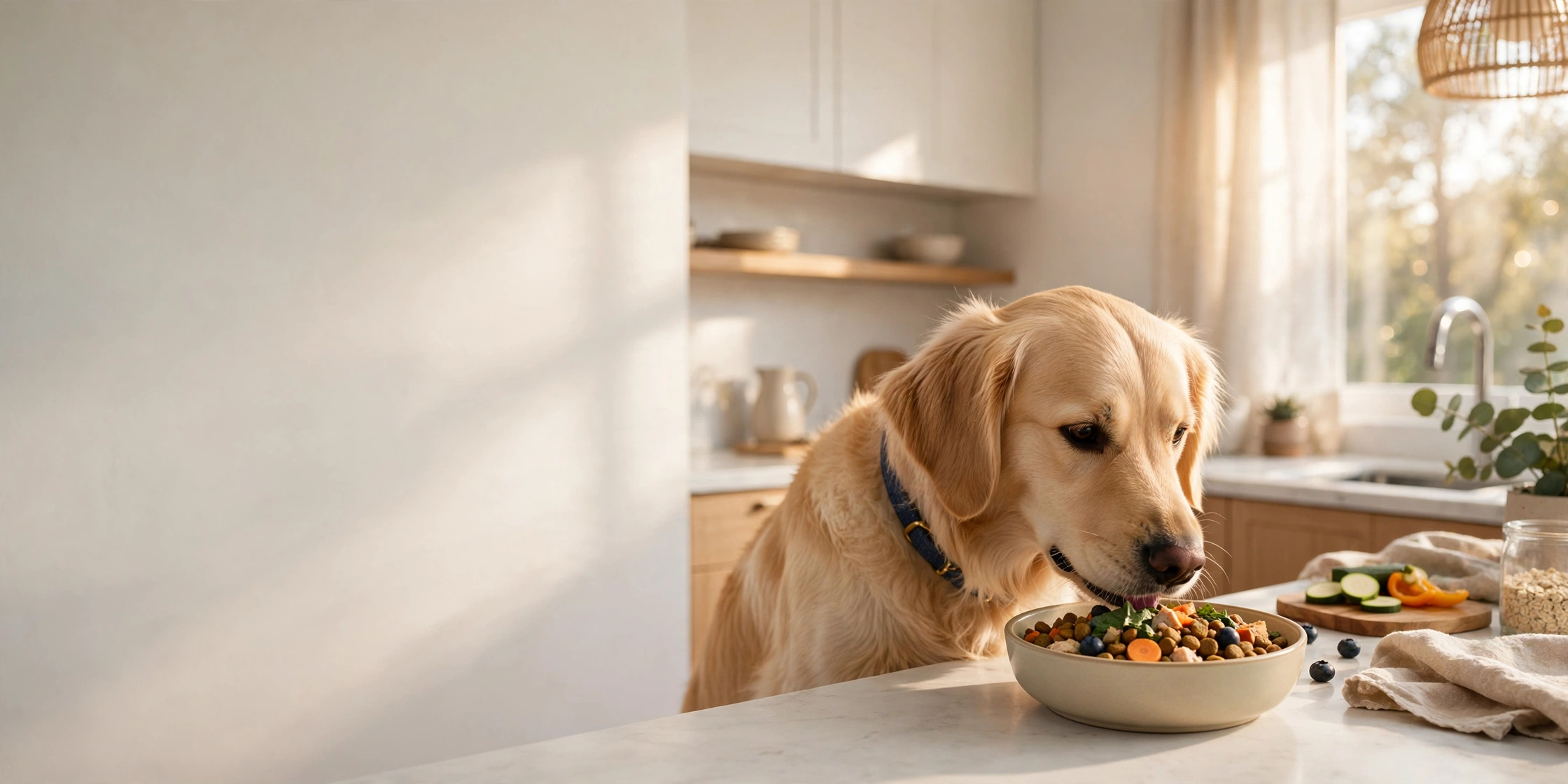
If your dog is looking a little too lean, you’re probably wondering how to help a dog gain weight the right way — without just piling on empty calories. Healthy weight gain is about balanced nutrition, gradual increases, and building lean muscle, not fat. Whether your dog is recovering from illness, a picky eater, or a rescue who’s finally safe and ready to fill out, these 8 vet-approved tips will guide you.
Important: Always start with a vet visit before changing your dog’s diet. Sudden weight loss can signal parasites, dental pain, or an underlying illness, and extra food alone won’t fix a medical problem.
Table of Contents
- 1. Rule Out Medical Causes First (Vet Check)
- 2. Switch to a High-Calorie, Quality Food
- 3. Feed Smaller, More Frequent Meals
- 4. Add Healthy, Vet-Approved Toppers
- 5. Offer Protein-Rich Treats Between Meals
- 6. Use Gentle Exercise to Build Muscle
- 7. Track Weight Weekly (Not Daily)
- 8. Know When to Call the Vet
- Foods That Help Dogs Gain Weight
- Frequently Asked Questions
1. Rule Out Medical Causes First (Vet Check)

Before you add a single extra calorie, book a vet appointment. Intestinal parasites, dental disease, thyroid issues, and digestive disorders can all keep a dog thin no matter how much you feed. Your vet can run a fecal test, check your dog’s teeth, and set a healthy target weight — typically you want your dog to reach a body condition score of 4–5 out of 9, where you can feel the ribs easily but not see every one.
Tip: Bring a list of exactly what your dog eats each day (food, treats, table scraps) so your vet can estimate current calories and recommend how much to increase. If your dog is a rescue or newly adopted, ask the shelter about their feeding history too — a dog that has been underfed for weeks needs an especially gradual refeeding plan to avoid digestive upset.
Helpful pick: Zesty Paws 8-in-1 Multivitamin Bites — supports daily nutrition while your vet rules out medical causes of low weight.
2. Switch to a High-Calorie, Quality Food
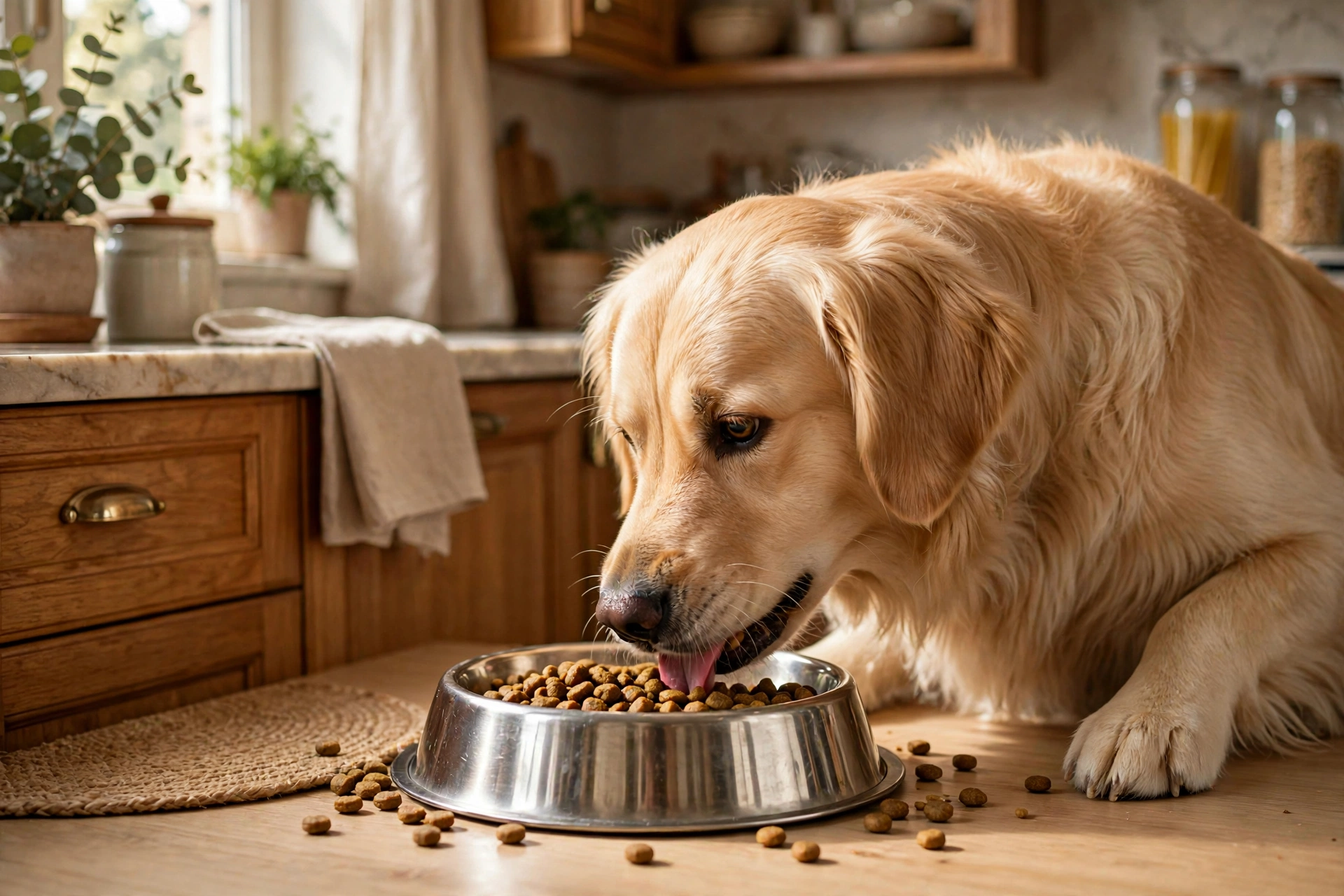
The foundation of healthy weight gain is a nutrient-dense food rich in quality animal protein and healthy fats. Performance and “sport” formulas (often around 30% protein and 20% fat) pack significantly more calories per cup than standard adult food, so your dog gets more nutrition from the same-sized portion. Look for real meat or fish as the first ingredient and avoid foods padded with fillers.
Tip: Transition gradually over 7–10 days (25/75, then 50/50, then 75/25) to avoid stomach upset — diarrhea causes weight loss, the exact opposite of your goal. Don’t jump straight to the high-calorie formula’s full feeding guideline either; increase the daily amount by about 10–20% over the feeding chart and let your weekly weigh-ins guide further adjustments.
Helpful pick: Purina Pro Plan Sport Performance 30/20 — a high-calorie, high-protein formula designed for dogs that need extra energy and muscle support.
3. Feed Smaller, More Frequent Meals
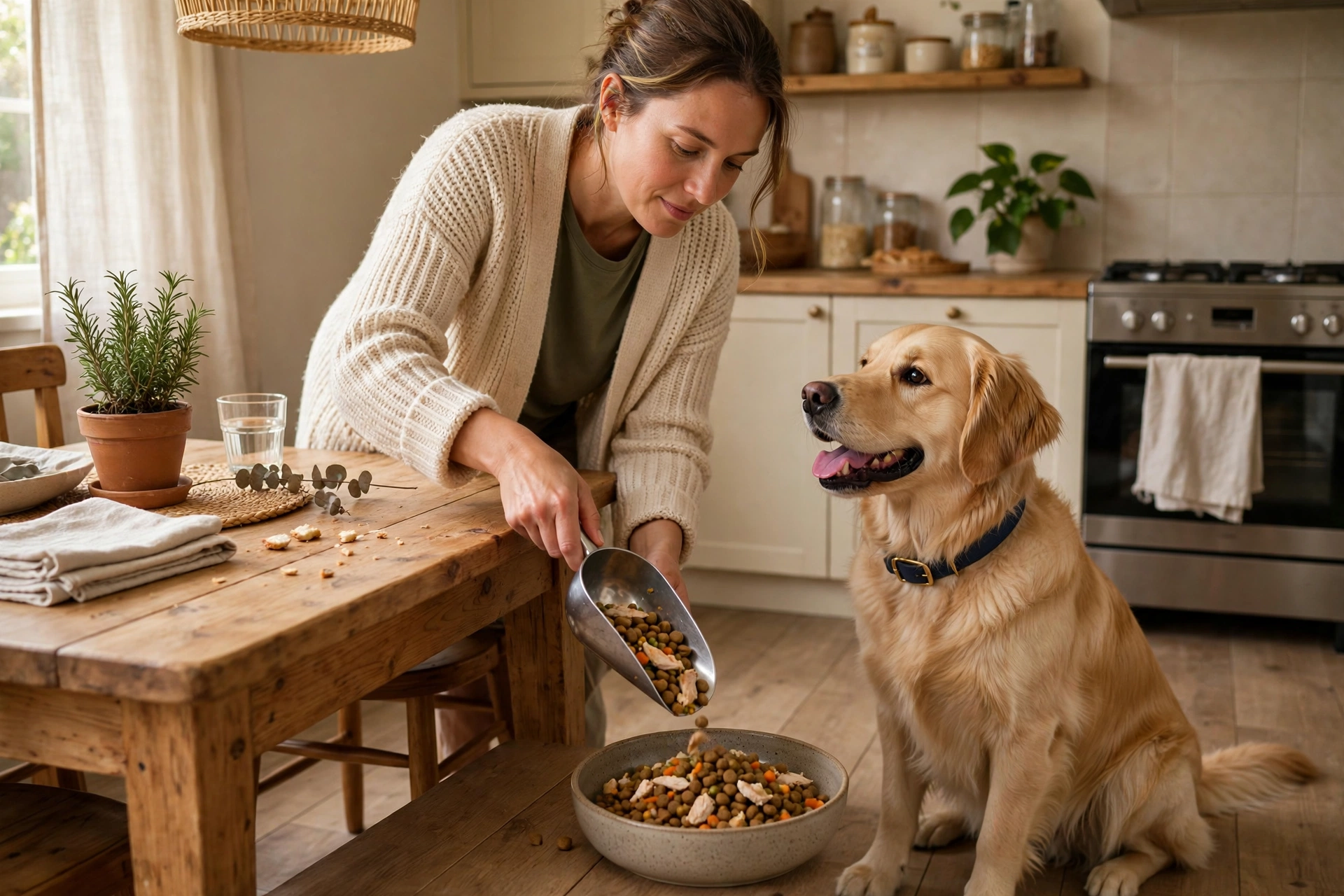
A big bowl of food can overwhelm an underweight or picky dog. Instead, split the daily ration into 3–4 smaller meals. Frequent meals are easier on the digestive system, keep energy levels steady, and help fussy eaters consume more calories over the course of the day. A calm, consistent feeding routine at the same times each day also encourages better appetite.
Tip: If your dog eats too fast, a slow-feeder bowl makes each small meal last longer and improves digestion.
Helpful pick: Outward Hound Fun Feeder Slo Bowl — turns small frequent meals into engaging, slower eating for better digestion.
4. Add Healthy, Vet-Approved Toppers

Calorie-boosting toppers make meals more enticing and nutritious without a full diet overhaul. A drizzle of salmon oil adds calorie-dense omega-3s that support skin, coat, and heart health, plus most dogs love the taste. Other gentle options include a spoonful of plain pumpkin puree (fiber + palatability), a scrambled egg, or a splash of goat’s milk — with your vet’s okay.
Tip: Start toppers at no more than 10% of daily calories and watch stool quality for 48 hours before increasing.
Helpful pick: Wholistic Pet Organics Salmon Oil — pure wild Alaskan salmon oil that adds tasty, healthy calories to every meal.
5. Offer Protein-Rich Treats Between Meals

Healthy treats between meals are an easy way to add extra calories throughout the day. Choose treats made with real meat or fish as the first ingredient and no corn, wheat, or soy fillers. Soft, bite-sized training treats work especially well for underweight dogs because they’re palatable and easy to eat — but remember to count treat calories toward the daily total (treats should stay under 10% of daily calories).
Tip: Keep a treat pouch on you and reward calm, relaxed behavior — the training bonus builds your bond while the calories add up.
Helpful pick: Zuke’s Mini Naturals Chicken Recipe Treats — soft, real-chicken training treats made without corn, wheat, or soy.
6. Use Gentle Exercise to Build Muscle

It sounds counterintuitive, but exercise helps underweight dogs gain the right kind of weight. Short, easy walks — about 15 minutes twice a day — stimulate appetite and make sure dietary protein is being used to rebuild muscle tissue rather than stored as fat. Muscle is denser and healthier than fat, so the goal is a fit, toned dog, not a soft one.
Tip: Skip the five-mile run for now. If your dog seems lethargic or reluctant to move, they may not have the caloric reserves for that level of activity yet — build up slowly.
Helpful pick: Joytale 30ft Training Leash — gives your dog room to explore gently on calm, muscle-building walks.
7. Track Weight Weekly (Not Daily)

You can’t manage what you don’t measure. Weigh your dog once a week on the same scale, at the same time of day, and log the numbers. You’re aiming for a slow, steady gain of about 1–2% of body weight per week. Daily weigh-ins just create noise from water and meal timing. A weekly photo from above (“bird’s eye view”) is also a great way to see the waistline gradually filling out.
Tip: If there’s no gain after two weeks of consistent feeding, increase the daily portion by about 10% and reassess.
Helpful pick: MINDPET-MED Digital Pet Scale — precise digital weighing to the gram for accurate weekly weight tracking.
8. Know When to Call the Vet
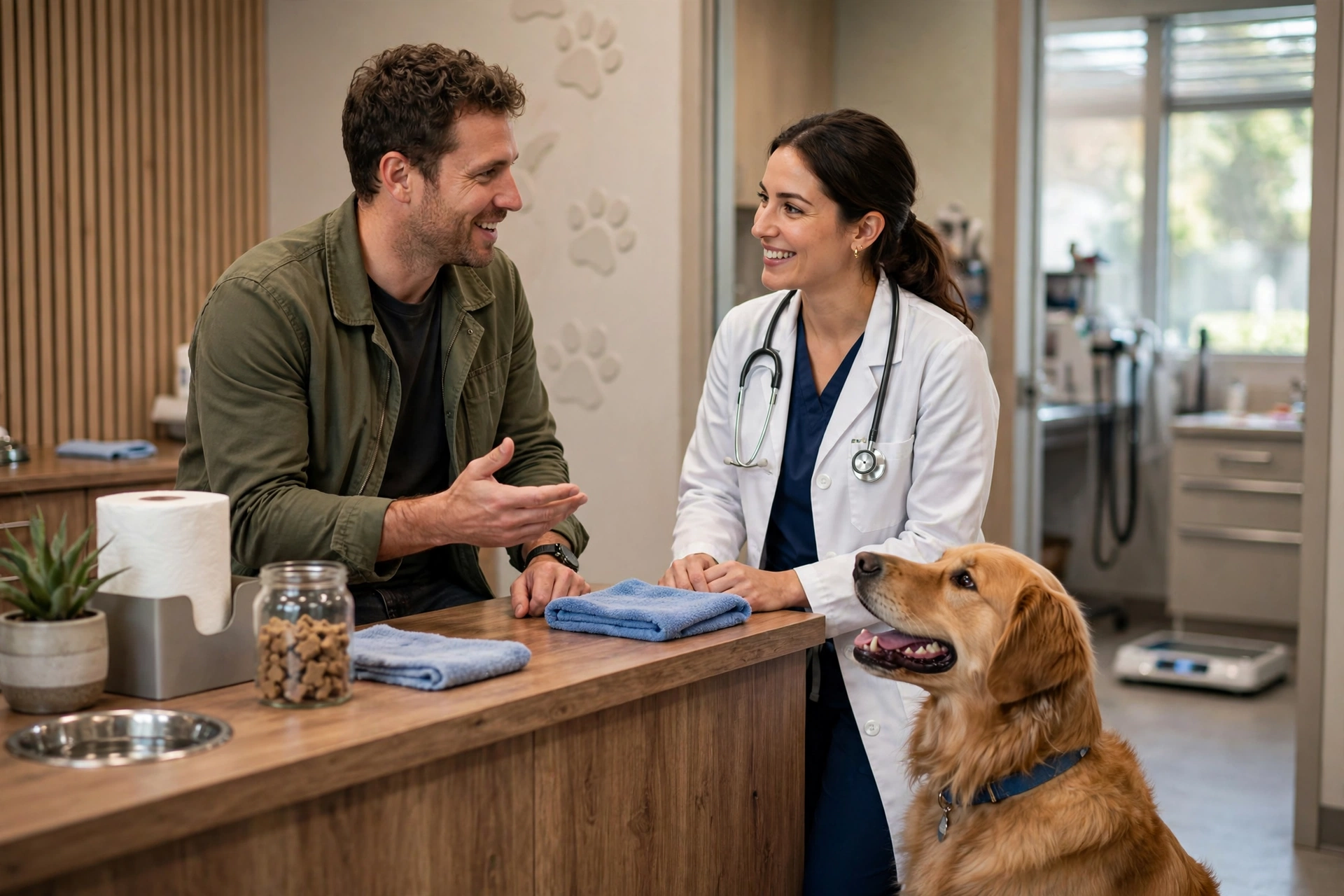
Steady, slow gain is the goal — but some signs mean it’s time to call your vet promptly: continued weight loss despite eating more, vomiting or diarrhea, lethargy, a sudden drop in appetite, or rapid weight gain (several pounds in a few days, which can signal bloat or fluid retention). Once your dog reaches the target weight, transition back to a maintenance diet to avoid overshooting into overweight territory.
Tip: For picky eaters between vet visits, ask your vet about a high-calorie nutritional gel as a short-term calorie boost.
Helpful pick: Tomlyn Nutri-Cal High-Calorie Nutritional Gel — a vet-trusted concentrated calorie supplement for dogs needing an extra boost (use only with vet guidance).
Foods That Help Dogs Gain Weight
Beyond a calorie-dense kibble, these vet-approved foods can support healthy weight gain when added in moderation:
- Cooked eggs — excellent digestible protein
- Plain pumpkin puree — fiber and palatability (not pie filling)
- Goat’s milk — calorie-dense and usually well tolerated
- Salmon oil or fish oil — healthy fats with omega-3s
- Plain cooked sweet potato — gentle carbs for energy
- Puppy formula food — naturally higher in calories and protein than adult food
Avoid fatty table scraps, butter, fried foods, and rich human food — they can cause stomach upset and increase the risk of pancreatitis. For more on safe foods, see our guide to foods dogs can and can’t eat.
Frequently Asked Questions
How fast should my dog gain weight?
Aim for about 1–2% of your dog’s body weight per week. For a 50-pound dog, that’s roughly half a pound to a pound weekly. Faster than that usually means water or fat, not healthy muscle. Think marathon, not sprint — slow and steady keeps the gain lean and sustainable.
Can puppy food help an adult dog gain weight?
Yes — puppy formulas are naturally higher in calories and protein than adult food, which is why many vets recommend them as a short-term weight-gain diet. Your vet can confirm the right formula and duration. See our best puppy food for small breeds guide and puppy feeding schedule for more.
Why is my dog eating but not gaining weight?
The most common culprits are intestinal parasites, dental pain, or an underlying metabolic condition — extra calories alone won’t fix a medical problem. If you’re feeding more and the scale isn’t moving after two weeks, schedule a vet visit rather than just adding more food. Some high-energy breeds also simply burn a lot of calories and need a calorie-dense performance formula to maintain weight.
Should I just feed my dog more of their current food?
Not all at once. Never suddenly double portions — it can cause vomiting or diarrhea. Increase by 10–20%, split into 3–4 smaller meals, and consider upgrading to a higher-calorie, nutrient-dense formula.
Is it safe to give my dog weight-gain supplements?
Most are safe when used as directed, but check with your vet first — especially high-calorie gels, which are meant as short-term support, not a substitute for balanced meals.
Keep reading: Best Puppy Food for Small Breeds · Puppy Feeding Schedule · Foods Dogs Can and Can’t Eat
As an Amazon Associate, PetPostHub earns from qualifying purchases.





One Comment