Why Does My Dog Drag His Bum? 5 Reasons

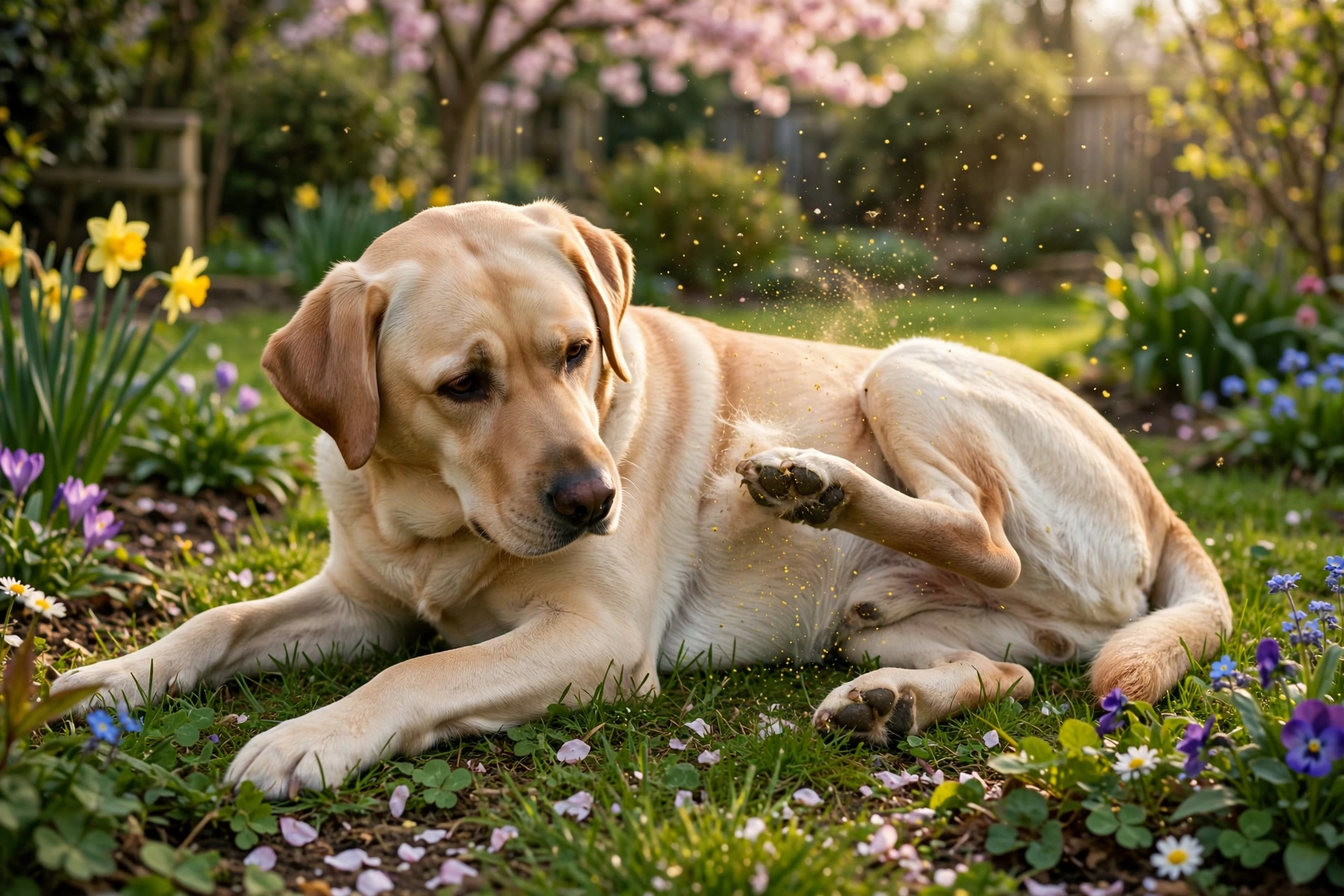
You have probably witnessed it at least once: your dog drops into a sitting position on the lawn or, worse, your living-room rug, and then drags his backside along the ground in the world’s least dignified scoot. So why does my dog drag his bum like this? While the behavior looks funny, veterinarians call it scooting, and it is almost always a sign that something is itchy, irritated, or uncomfortable around your dog’s rear end.
The most common cause is full or impacted anal glands, but worms, allergies, skin irritation, and leftover stool can all trigger the same drag. In this guide, we break down the 5 most common reasons dogs drag their bum and what you can do about each one — plus when scooting means it is time to call your vet.
Table of Contents
- 1. Full or Impacted Anal Glands
- 2. Intestinal Worms
- 3. Allergies
- 4. Skin Irritation
- 5. Diarrhea or Stool Residue
- When Scooting Needs a Vet
- Frequently Asked Questions
1. Full or Impacted Anal Glands
What it means: Your dog has two small, grape-sized scent glands sitting just inside his anus, one on each side. Every time he passes a firm stool, the pressure squeezes a bit of foul-smelling fluid out of these glands — it is part of how dogs leave their scent for other dogs. But if his stools are too soft, or his glands simply do not empty well on their own, the fluid builds up. The glands become full, impacted, and intensely itchy — sometimes even painful.
This is the number one reason dogs drag their bum. Scooting is your dog’s only way to scratch an itch he cannot reach, and the rougher the surface, the better the relief. If you also notice him suddenly stopping to lick or bite at the base of his tail, or a strong fishy smell, full anal glands are very likely the culprit.
What to do: Have the glands expressed by your vet or a professional groomer — this is a quick, routine procedure. Adding fiber to his diet, such as a teaspoon of plain canned pumpkin a few times a week, helps stools stay firm enough to empty the glands naturally. Some dogs need their glands checked every few months, so ask your vet what schedule suits your dog.

Helpful pick: Glandex Anal Gland Support Chews & Wipes Bundle — vet-formulated fiber chews that support firm stools and healthy anal gland function between vet visits.
2. Intestinal Worms
What it means: Worms are often blamed first for scooting, and while they are not the most common cause, they are a real one. Tapeworms, in particular, release small rice-grain-like segments around the anus that itch and irritate the skin. Other parasites, like roundworms or whipworms, can cause diarrhea or rectal irritation that makes your dog want to drag his bum across the floor for relief.
If your dog has been scooting, watch for other clues: visible rice-like segments in his stool or stuck to the fur under his tail, weight loss, a dull coat, or diarrhea. These signs point more strongly toward parasites than glands.
What to do: Keep up with a regular deworming schedule — most vets recommend year-round parasite prevention. If you see worm segments or suspect an infection, bring a fresh stool sample to your vet for testing so the right type of dewormer can be prescribed. Do not guess at medications yourself, since different worms need different treatments.

Helpful pick: Pet Honesty Probiotics for Dogs — supports healthy digestion and gut balance, which helps your dog recover well after a vet-prescribed deworming treatment.
3. Allergies
What it means: Dogs with skin allergies — whether to pollen, dust mites, or certain food ingredients — get inflammation in all their skin folds: armpits, groin, paws, and especially under the tail. The skin around the anus becomes itchy and inflamed, and your dog cannot exactly reach back there with a paw, so scooting across the grass becomes his scratching post.
If the scooting comes with seasonal patterns, red or flaky skin under the tail, frequent ear infections, or excessive licking of the paws, allergies are a strong suspect. Diet can play a role too: some dogs react to common proteins like chicken or beef, and the irritation shows up around the rear end.
What to do: Note when the scooting is worst — seasonal flare-ups suggest environmental allergies, while year-round itching leans toward food sensitivities. Talk to your vet about allergy testing, omega-3 supplements for skin health, and whether an elimination diet trial makes sense for your dog.
Helpful pick: Zesty Paws Wild Alaskan Salmon Oil — a daily omega-3 topper that supports healthy skin and helps calm allergy-related inflammation.
4. Skin Irritation
What it means: Beyond full-body allergies, the skin under your dog’s tail can get irritated for all sorts of local reasons: a healing clipper burn after grooming, chafing, a mild bacterial or yeast infection in the skin folds, or simple contact irritation. Dogs cannot tell you something stings — they just drag it along the carpet until it feels better (or worse).
Look for redness, swelling, a sour or musty smell, flaky skin, or hair loss around the tail base and anus. If the area looks raw, moist, or your dog flinches when you touch it, a local infection may be brewing.
What to do: Keep the area clean and dry. After baths, make sure the tail folds are fully dried. For mild redness, antiseptic pet wipes can soothe the area — but never use alcohol or human antiseptics. If redness, odor, or swelling does not improve within a day or two, or if your dog seems in pain, get him to the vet before a small irritation turns into a proper infection.

Helpful pick: Paw Science Chlorhexidine Wipes — vet-strength cleansing wipes that help soothe irritated skin and keep the tail area clean between baths.
5. Diarrhea or Stool Residue
What it means: Sometimes the cause of scooting is refreshingly simple: your dog has an itchy, uncomfortable bum because stool is stuck to the fur around his anus. Loose stools, diarrhea, or even just a long-coated breed after a normal bathroom break can leave residue that dries and pulls on the skin. The scoot is basically your dog trying to wipe himself on the floor.
This type of scooting often shows up after digestive upset — a diet change, something scavenged on a walk, or a bout of diarrhea. You may notice dried stool matted in the fur, or a lingering odor even after a normal poop.
What to do: Gently check the area and clean off any residue with warm water or pet-safe wipes (trim long fur around the anus on very hairy breeds). If diarrhea is the root cause, focus on settling the stomach: bland meals, plenty of water, and probiotics can help. If diarrhea lasts more than a day or two, or comes with vomiting or lethargy, see your vet.

Helpful pick: Earth Rated Pet Grooming Wipes — gentle, plant-based wipes for quick cleanups around the tail after walks and bathroom breaks.
When Scooting Needs a Vet
Occasional scooting is not an emergency, but call your vet if you notice any of these red flags:
- Scooting happens daily or is getting more frequent
- Blood, pus, or swelling around the anus or tail base
- A strong, persistent fishy smell that does not fade
- Your dog cries, flinches, or seems in pain back there
- Lethargy, loss of appetite, vomiting, or diarrhea alongside scooting
- Visible worms, or weight loss despite a normal appetite
Untreated impacted anal glands can become infected, and infections can turn into abscesses that rupture — a painful, messy situation that needs urgent vet care. When in doubt, get those glands checked. It is a quick appointment that can save your dog a lot of misery.
Frequently Asked Questions
Is it normal for dogs to drag their bum?
An occasional scoot is common and usually harmless, but regular bum-dragging is not normal behavior. It is your dog’s way of telling you something back there itches, hurts, or feels wrong — so treat it as a symptom, not a habit.
How often should my dog’s anal glands be expressed?
It varies by dog. Some never need it; others need it every 4 to 8 weeks. Your vet or groomer can tell you how full the glands get and set a schedule. Firm stools from a fiber-rich diet can reduce how often expression is needed.
Can I express my dog’s anal glands at home?
You can, but most vets recommend leaving it to professionals — the glands sit in delicate tissue, and improper technique can cause injury or infection. If you want to learn, ask your vet to demonstrate first rather than learning from a video.
Does scooting always mean worms?
No — worms are actually a less common cause than most people think. Full anal glands are the top cause by far, followed by allergies and skin irritation. Keep up with regular deworming, but do not assume worms without checking the other causes first.
Why does my dog smell fishy when he scoots?
That fishy, metallic smell is the classic signature of anal gland fluid. When glands are full or leaking, the odor can get on your dog’s fur, bedding, and even your carpet. Getting the glands expressed usually resolves the smell quickly. If you want the full breakdown, read our guide on why your dog smells like fish.
Keep Reading
As an Amazon Associate, PetPostHub earns from qualifying purchases.