10 Things Cavalier Owners Must Never Forget
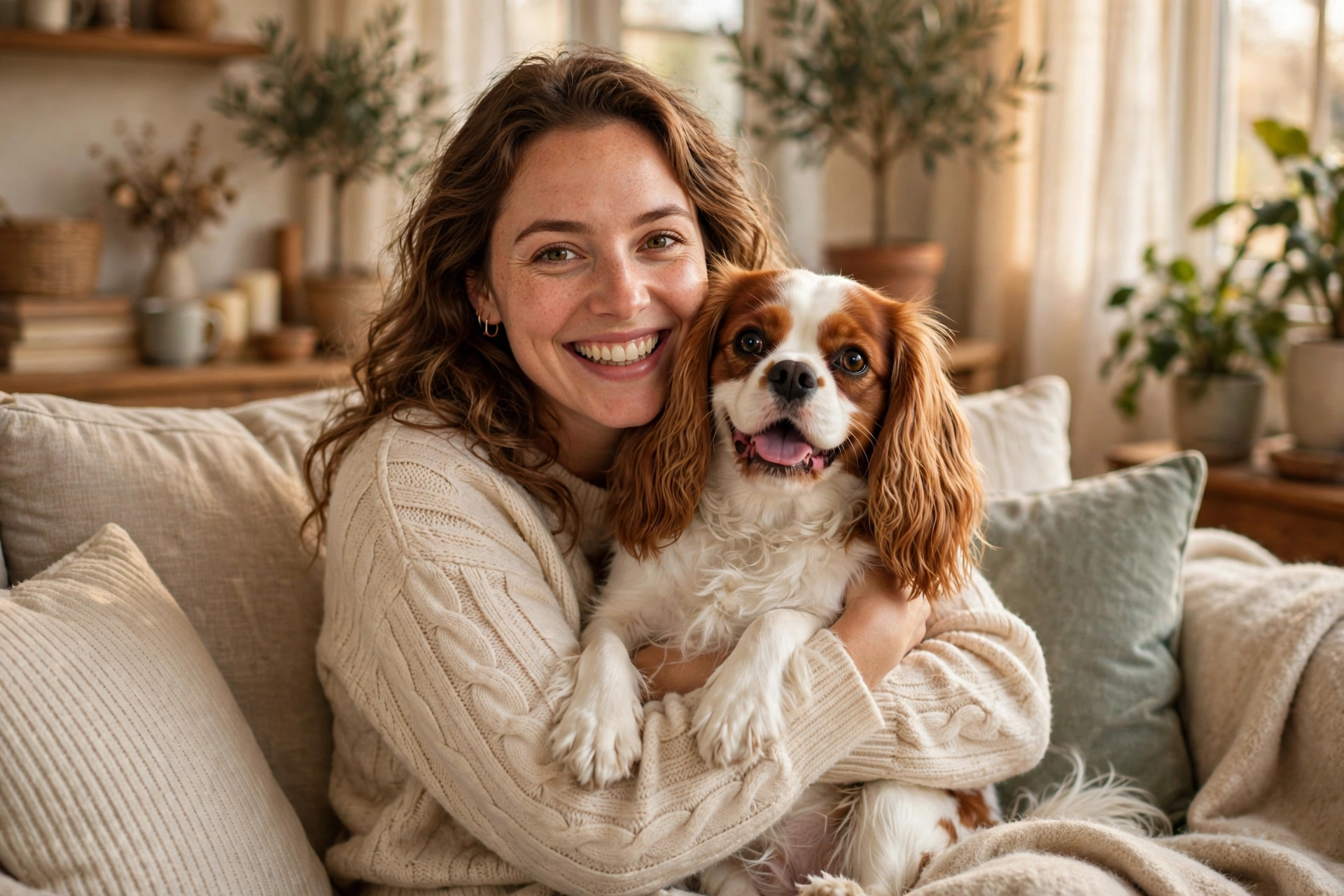
Bringing home a Cavalier King Charles Spaniel feels like winning the companion-dog lottery — these gentle, affectionate spaniels bond fast and love deeply. But that sweet temperament comes with a responsibility: Cavalier owners must never forget that this breed has some very specific needs that are easy to overlook in the daily rush. Miss them, and small problems quietly turn into big ones.
Below are the eight things responsible Cavalier owners keep on their radar at all times — from the health screening this breed is famous for needing, to the simple daily habits that add years to your dog’s life.
Contents
- 1. Never Skip Early Socialization
- 2. Keep Up With Heart Checks
- 3. Stay on Top of Grooming and Ear Care
- 4. Watch Their Weight Like a Hawk
- 5. Leash Up — They Will Chase
- 6. Don’t Neglect Dental Care
- 7. Don’t Leave Them Alone Too Long
- 8. Respect Their Temperature Limits
- Frequently Asked Questions
1. Never Skip Early Socialization

Cavaliers are famously friendly, but that doesn’t mean socialization happens on its own. The window between roughly 8 and 16 weeks is when your puppy’s brain is deciding what the world looks like — and a puppy who meets new people, hears odd sounds, and politely greets other dogs during that window grows into the calm, confident adult the breed is known for. Skip it, and even a sweet-natured Cavalier can turn shy, barky, or nervous around strangers.
Keep outings short and positive: let your puppy approach new experiences at their own pace and reward calm curiosity with treats.
Helpful pick: Keep training treats handy on every outing — Zuke’s Mini Naturals Training Treats are tiny, soft, and perfect for rewarding brave moments without overfeeding.
2. Keep Up With Heart Checks

If there’s one thing Cavalier owners must never forget, it’s this breed’s heart. Mitral valve disease shows up in Cavaliers at far higher rates than in most breeds, and it can start silently — your dog may act completely normal while a murmur is already developing. That’s why an annual cardiac listen at your vet visit isn’t optional; it’s the cornerstone of Cavalier ownership.
Ask your vet to grade any murmur they hear and keep a record year over year. Catching changes early lets your vet adjust monitoring, diet, or medication long before symptoms like coughing or tiring easily appear. Many Cavaliers live long, full lives with managed heart conditions — but only when owners stay ahead of them.
Helpful pick: Between visits, a quick at-home temperature and wellness check helps you spot trouble early — the PetMedics Non-Contact Pet Thermometer makes it easy to check your dog without any stress.
3. Stay on Top of Grooming and Ear Care

That silky coat and those feathered ears are a Cavalier’s glory — and their biggest maintenance job. Brush two to three times a week to prevent mats behind the ears, under the legs, and around the tail. A five-minute brush-down is also your early-warning system: lumps, hot spots, and skin changes are much easier to catch when your hands are in the coat regularly.
Ears deserve special attention: long, floppy ears trap warmth and moisture, making Cavaliers prone to ear infections. Check weekly for redness, odor, or buildup, and treat problems early while they’re simple to fix.
Helpful pick: For routine ear maintenance, Zymox Advanced Formula Otic Plus Enzymatic Ear Solution helps keep ears clean and comfortable between vet visits.
4. Watch Their Weight Like a Hawk

Cavaliers are champion beggars. Those melting eyes have convinced countless owners to share “just one bite,” and the pounds creep on fast in a small breed. Extra weight is especially punishing for Cavaliers: it strains an already vulnerable heart, stresses joints, and shortens life. You should be able to feel — but not see — your dog’s ribs with light pressure.
Measure every meal, count treats as part of the daily total, and ask your vet for your dog’s ideal weight. A food puzzle also turns mealtime into mental exercise.
Helpful pick: The KONG Classic stuffed with a portion of your dog’s meal turns eating into a rewarding activity that slows down fast eaters.
5. Leash Up — They Will Chase

Don’t let the lapdog reputation fool you — underneath it sits a spaniel with real hunting instincts. A squirrel, a rabbit, or even a blowing leaf can flip the chase switch, and Cavaliers have been known to bolt straight toward roads without a second thought. Off-leash freedom is wonderful in a safely enclosed area, but near traffic or in open spaces, the leash stays on. No exceptions.
Pair the leash habit with a solid recall trained through positive reinforcement, and check your fencing — Cavaliers slip through surprisingly small gaps.
Helpful pick: A sturdy, comfortable leash makes daily walks safer — the Mycicy Reflective Rope Dog Leash offers a secure grip plus visibility on evening walks.
6. Don’t Neglect Dental Care

Small breeds and dental disease go together like peanut butter and jelly, and Cavaliers are no exception. Tartar builds quickly, gums recede, and before long your dog is dealing with painful infections that can even seed bacteria into the bloodstream — a particular concern for a breed already prone to heart issues. Bad breath that could knock over a lamp is usually the first sign owners notice, and by then the problem is advanced.
Brush a few times a week with a dog-safe toothpaste (never human toothpaste), offer dental chews as a supplement — not a replacement — and have your vet assess the teeth at every annual exam. Professional cleanings under anesthesia sound scary, but they’re far kinder than letting dental disease run its course.
Helpful pick: Greenies Teenie Dental Dog Treats are sized for small mouths and help fight tartar between brushings.
7. Don’t Leave Them Alone Too Long

Cavaliers were bred for one job: being with people. Leave one alone for long stretches day after day, and you’ll likely meet the fallout — barking that annoys the neighbors, chewing, house-soiling, or a dog that shadows you anxiously the moment you’re home. This isn’t bad behavior; it’s a companion breed telling you its core need isn’t being met.
If your schedule keeps you out, plan around it with a midday walker, daycare a few days a week, or puzzle toys for shorter absences.
Helpful pick: For dogs that get restless when alone, Zesty Paws Calming Bites support a calm, relaxed disposition during alone time.
8. Respect Their Temperature Limits

Cavaliers handle neither extreme well. Their short muzzles make them less efficient at cooling through panting, so summer heat can turn dangerous fast — skip midday walks in hot weather, watch for heavy panting or glazed eyes, and always carry water. On the flip side, their single silky coat offers little insulation, so winter walks may call for a sweater and shorter outings.
A Cavalier that flops down in the shade or lags behind is asking for a break. Plan exercise around the weather — early mornings in summer, midday in winter.
Helpful pick: On warm days, the Arf Pets Dog Self Cooling Mat gives your Cavalier a cool spot to recover after outdoor play — no water or refrigeration needed.
Frequently Asked Questions
What is the most important thing Cavalier owners must never forget?
Heart monitoring. Mitral valve disease is extremely common in the breed, so annual vet checks with a cardiac listen — and tracking any murmur over time — matter more than anything else.
How often should I groom my Cavalier?
Brush two to three times per week to prevent mats, check ears weekly for signs of infection, trim nails every few weeks, and bathe roughly once a month or when dirty.
Can Cavaliers be left alone during the workday?
They struggle with long solo hours. If you’re gone all day, arrange a midday walker or daycare, and build up alone time gradually with positive routines rather than suddenly leaving a puppy for eight hours.
Are Cavaliers really hard to keep at a healthy weight?
They gain weight easily because they’re small and food-motivated. Measured meals, limited treats, and regular weigh-ins make it very manageable — the hard part is resisting the begging eyes.
Do Cavaliers need a lot of exercise?
Moderate exercise suits them best — daily walks plus some play. They’re not marathon dogs, but they’re not couch decorations either; regular activity supports their heart, weight, and mood.
Keep Reading
- Cavalier King Charles Spaniel Health Issues: What Owners Should Know
- How to Help a Dog With Separation Anxiety
- Dog Body Language Guide: What Your Dog Is Telling You
- Signs Your Dog Loves You
- Foods Dogs Can and Can’t Eat: The Complete List
As an Amazon Associate, PetPostHub earns from qualifying purchases.