10 Best Service Dog Breeds for Every Task (2026)
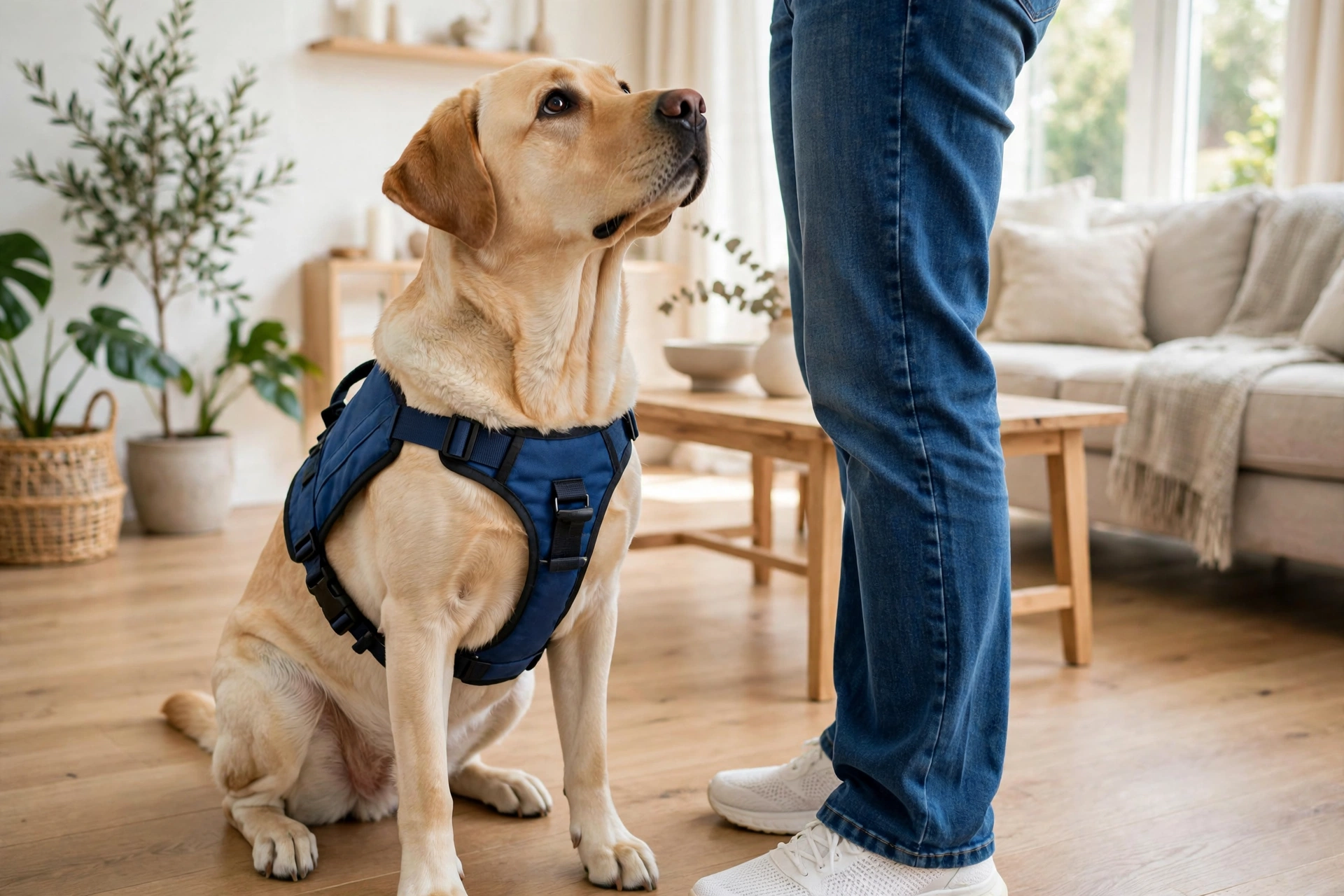
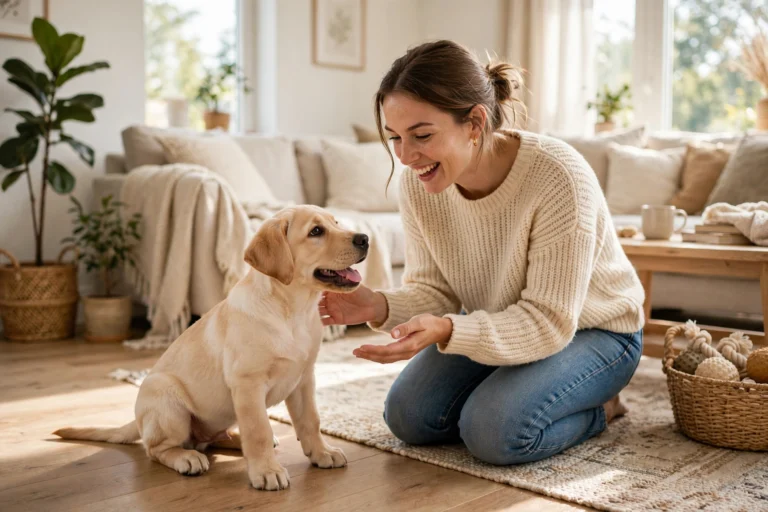
Choosing from the best service dog breeds is one of the most important decisions you will make if you rely on a dog for daily assistance. The right breed sets you up for years of dependable help, while the wrong fit brings frustration, wasted training costs, and a dog not wired for the job. A service dog is a working partner, so temperament, health, size, and trainability matter far more than looks.
Here is the honest truth: the breed alone does not make a service dog. Individual temperament and serious training do. But some breeds stack the odds in your favor because they were shaped over generations to be eager to please, steady under pressure, and deeply bonded to their handler. This guide covers the ten breeds that programs and experienced handlers return to again and again, plus a practical framework for matching one to the exact tasks you need.
1. Labrador Retriever
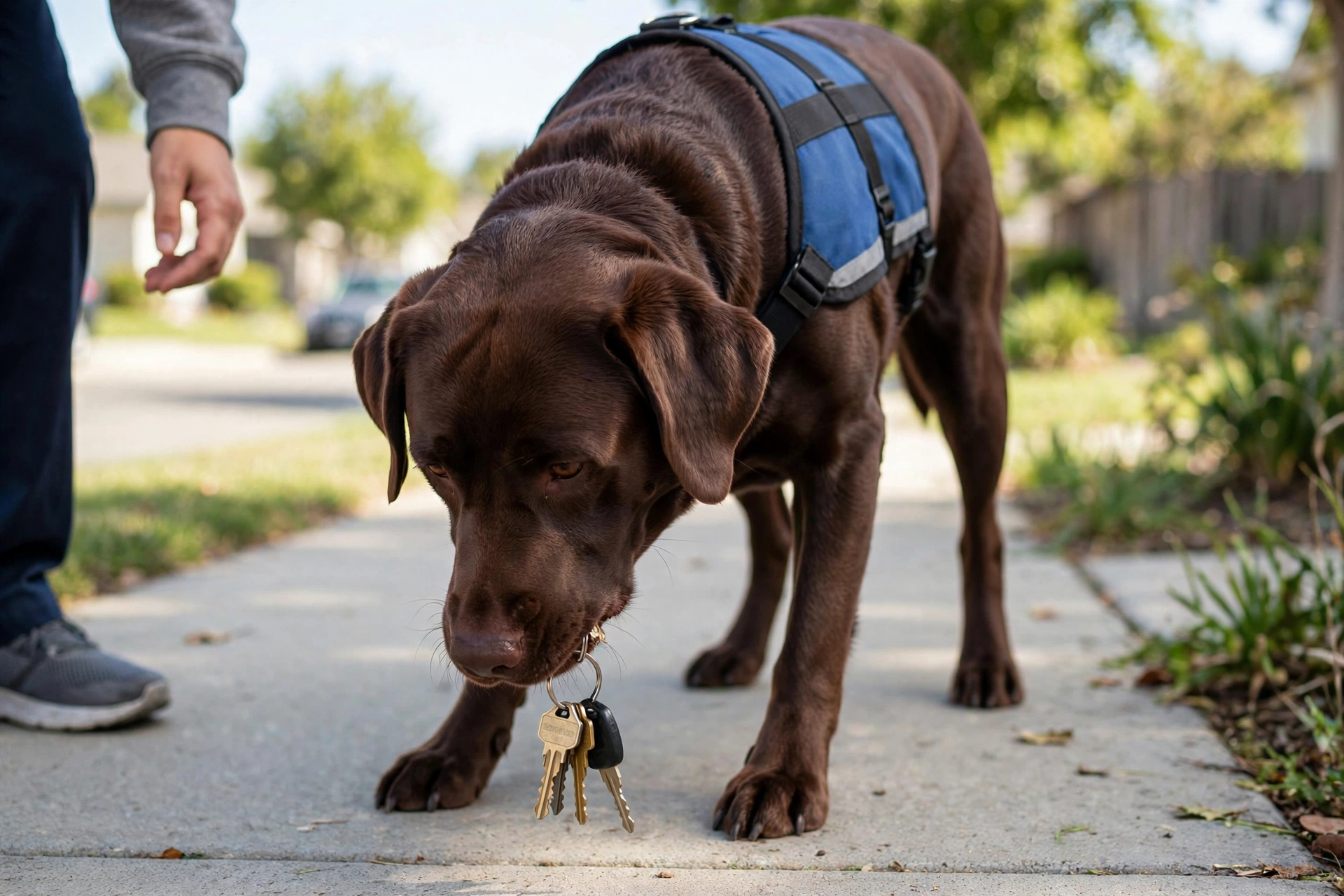
The Labrador Retriever remains the most common choice among service dog programs for good reason. Labs combine a steady, food-motivated work ethic with a calm presence in busy places like stores, buses, and airports. They handle guide work, mobility tasks such as bracing and retrieval, and medical alert work with ease. The trade-off is a heavy shedding coat and a real need for daily exercise and training.
Helpful pick: The KONG Classic is a go-to reward toy for reinforcing training sessions with a food-driven Lab.
2. Golden Retriever
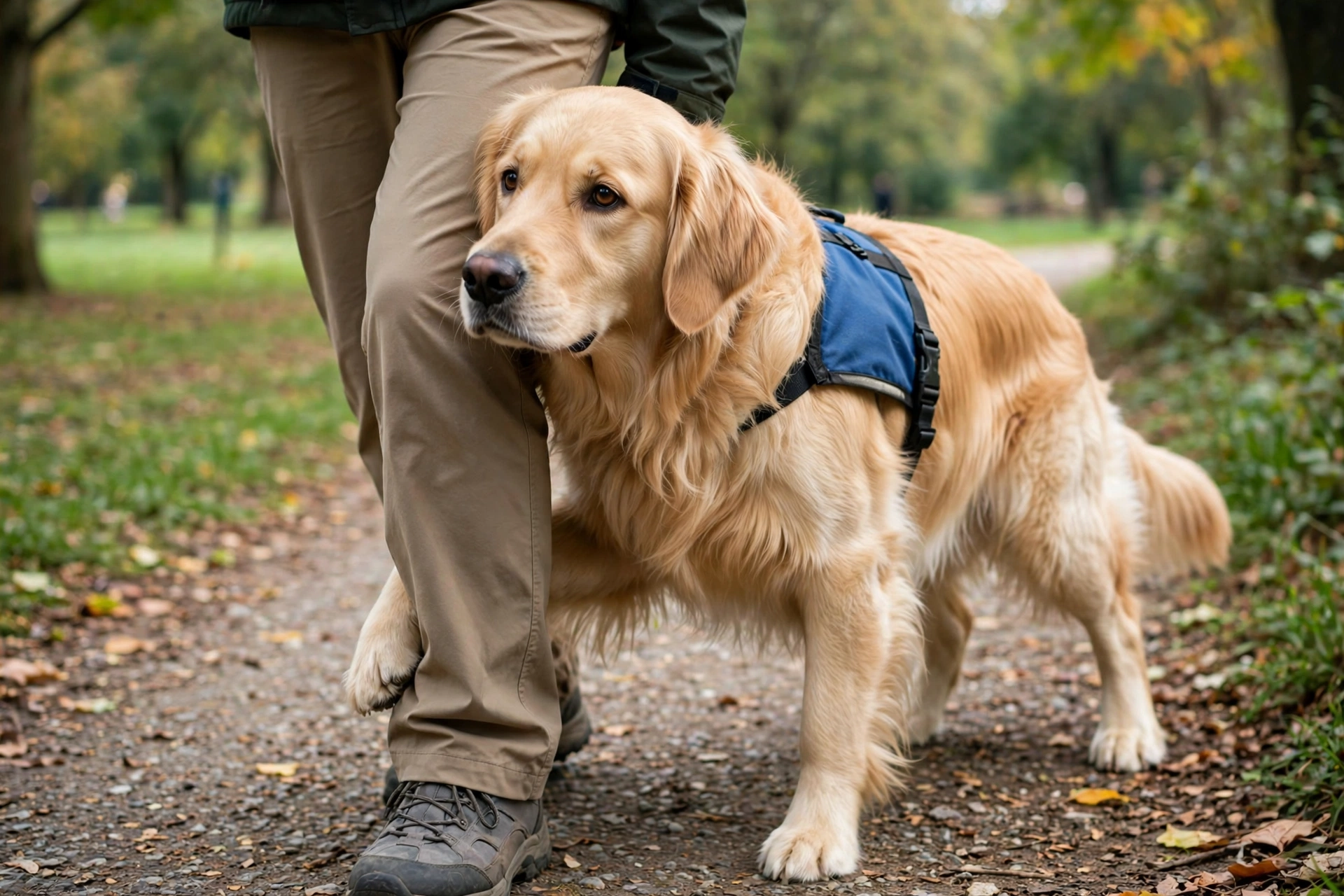
Golden Retrievers bring a softer, people-focused energy to service work. Their patience with children and strangers, combined with quick learning when training is clear and kind, makes them favorites for guide work, mobility assistance, and psychiatric service roles. Plan on managing a lot of coat: heavy shedding and regular brushing are part of the deal, and choosing lines with solid health testing helps you avoid the joint and heart issues that can cut a working career short.
Helpful pick: The Hertzko Self-Cleaning Slicker Brush makes regular coat maintenance on a heavy-shedding Golden much easier.
3. Standard Poodle
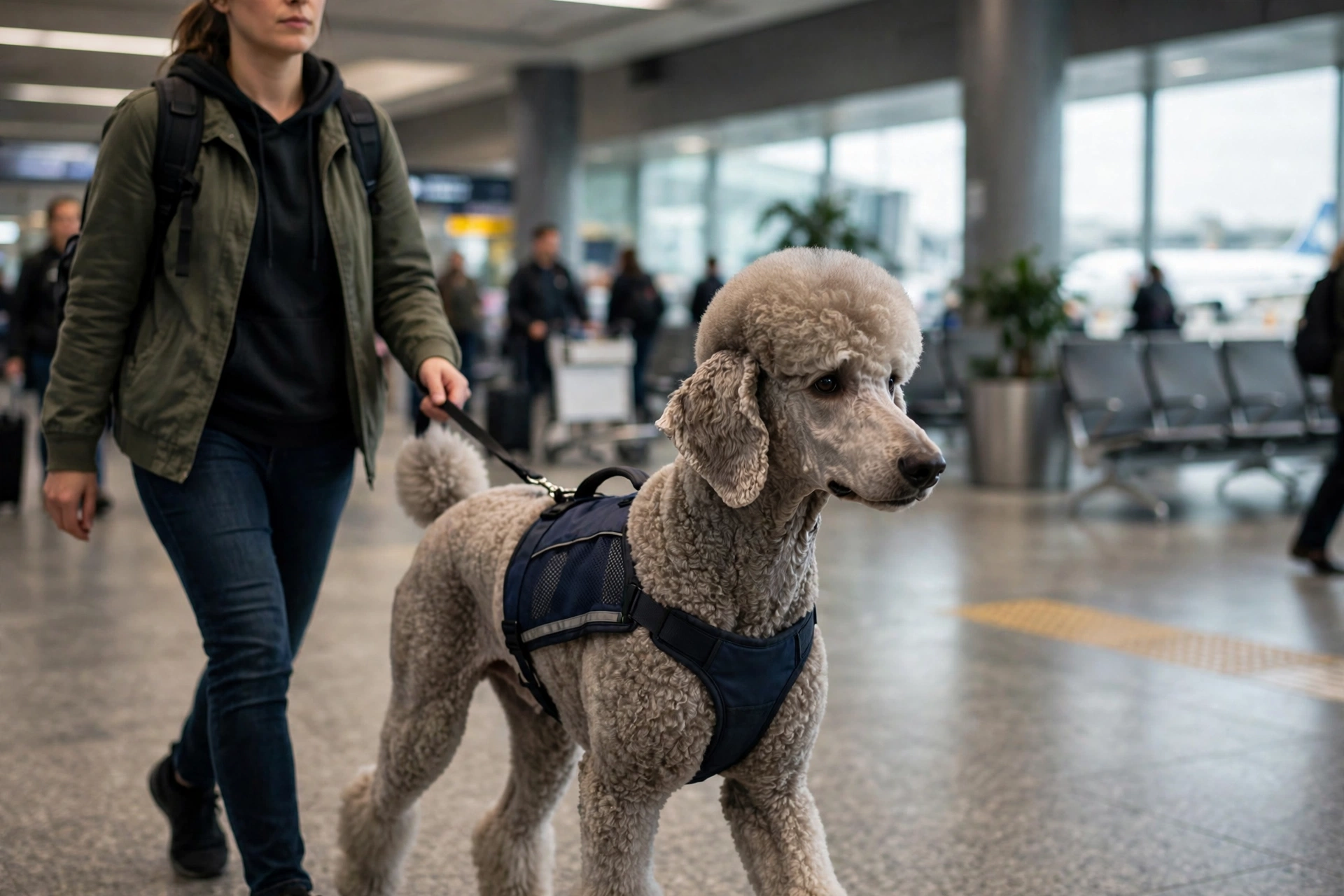
Standard Poodles are among the smartest and most athletic service dog candidates, and their low-shed coat is a genuine advantage for handlers with allergies or tidy homes. From stable, confident lines, they excel at psychiatric work, medical alert tasks, and mobility assistance. The coat demands regular professional grooming to stay mat-free, and overly sensitive lines should be avoided, since a service dog must stay composed in unpredictable public settings.
Helpful pick: The GoPets Dematting Comb helps keep a Poodle’s curly coat free of painful mats between grooming appointments.
4. German Shepherd
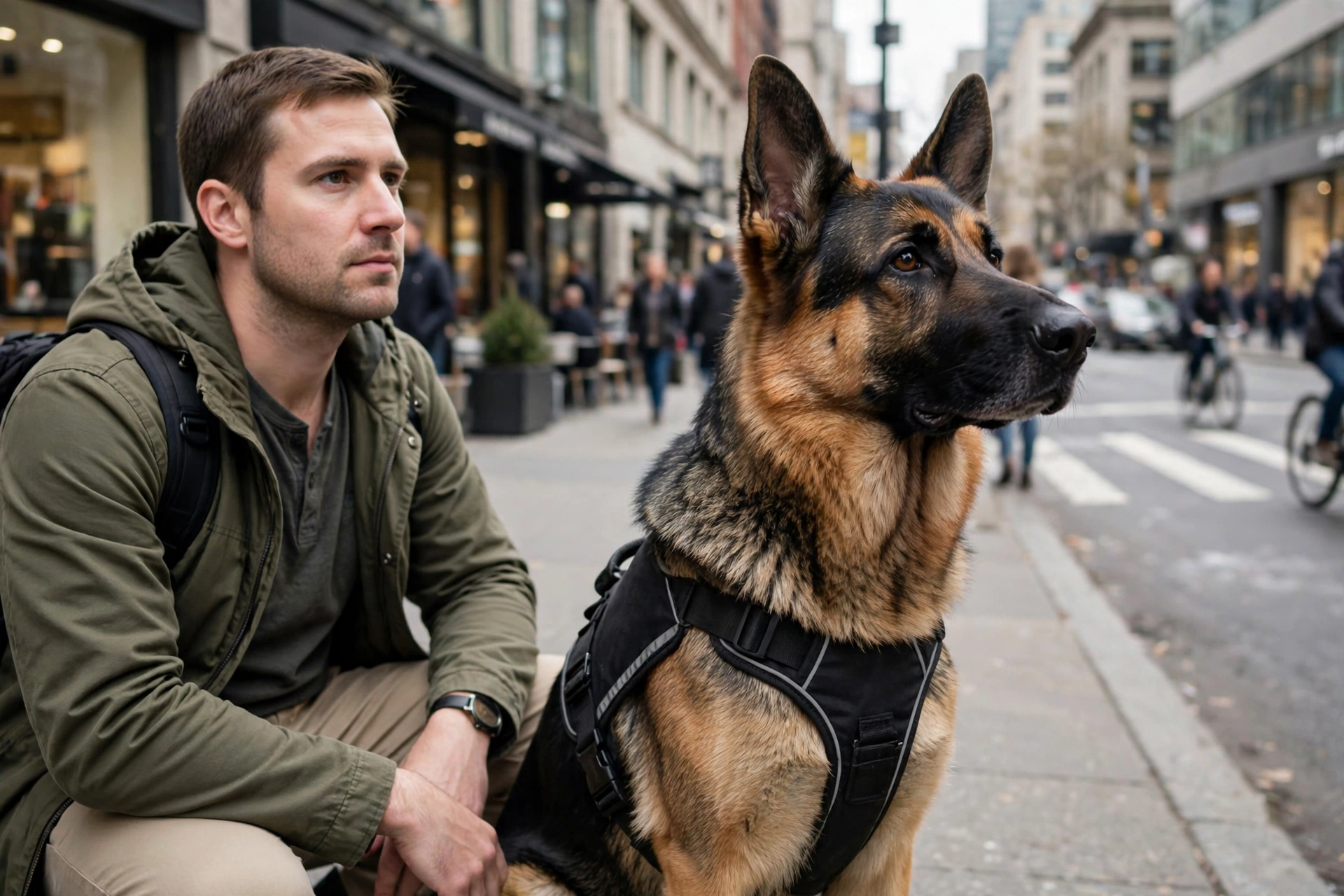
German Shepherds are capable of some of the most complex service work around, from guiding to intricate medical alert routines. Their loyalty, intelligence, and drive are unmatched when the dog comes from well-bred, well-socialized lines. Without early socialization and clear leadership, Shepherds can become reactive or anxious in public, which ends a service career fast. Thorough hip, elbow, and spine health testing is non-negotiable before choosing one.
Helpful pick: The Bedsure Calming Dog Bed gives a hard-working Shepherd a comfortable spot to rest and reset between tasks.
5. Collie
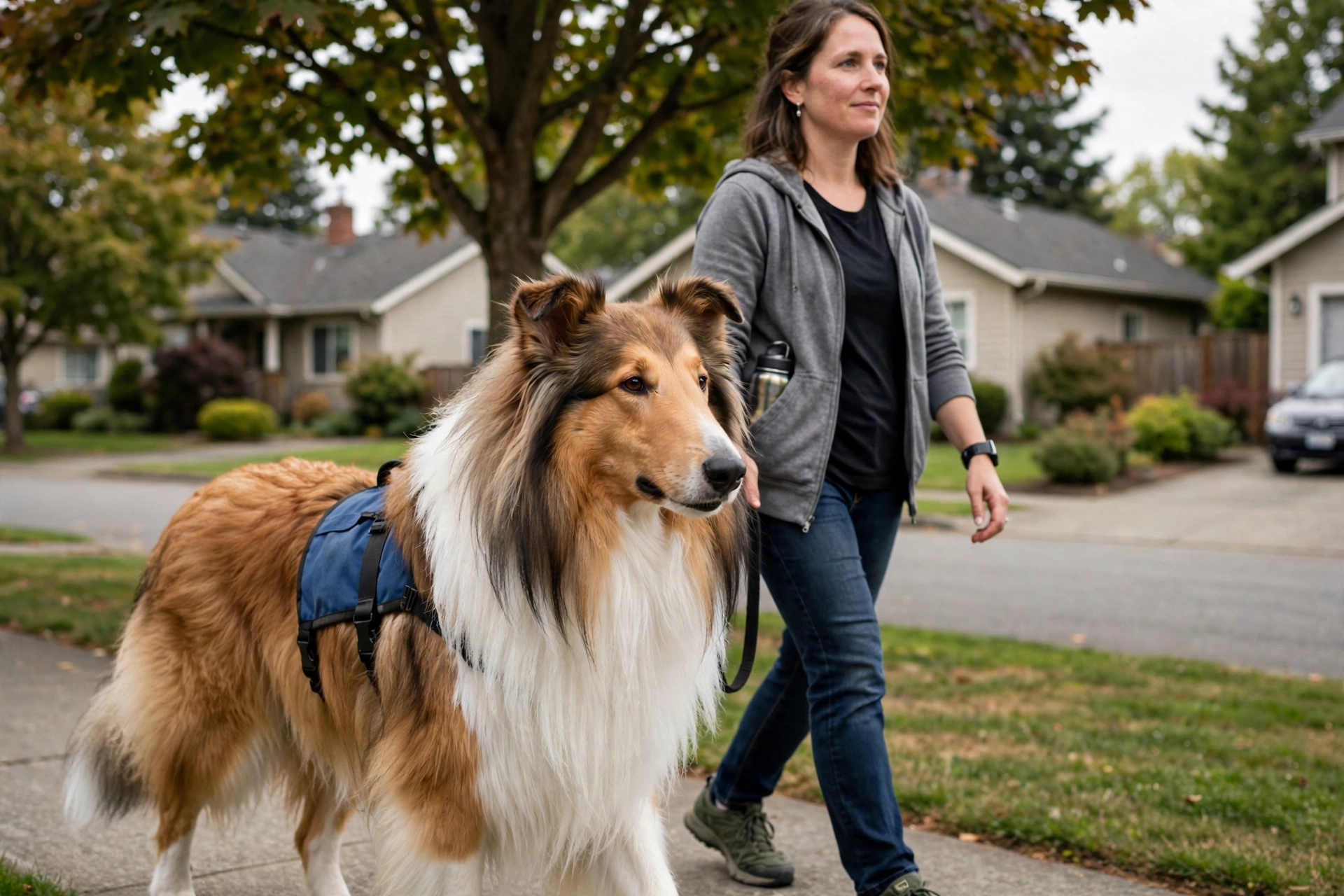
Collies, both Rough and Smooth, offer a sensitive and observant style of partnership that suits handlers who prefer a gentle, watchful dog. They can shine at psychiatric work and some medical alert tasks when bred for confidence and steadiness. Be aware that Collies can be more sound- and environment-sensitive than Labs or Goldens, so a very loud city lifestyle may overwhelm them. The Smooth variety keeps grooming simple, while the Rough coat needs regular brushing.
Helpful pick: The Burt’s Bees Oatmeal Shampoo supports a healthy, soft coat with gentle ingredients made for dogs.
6. Boxer
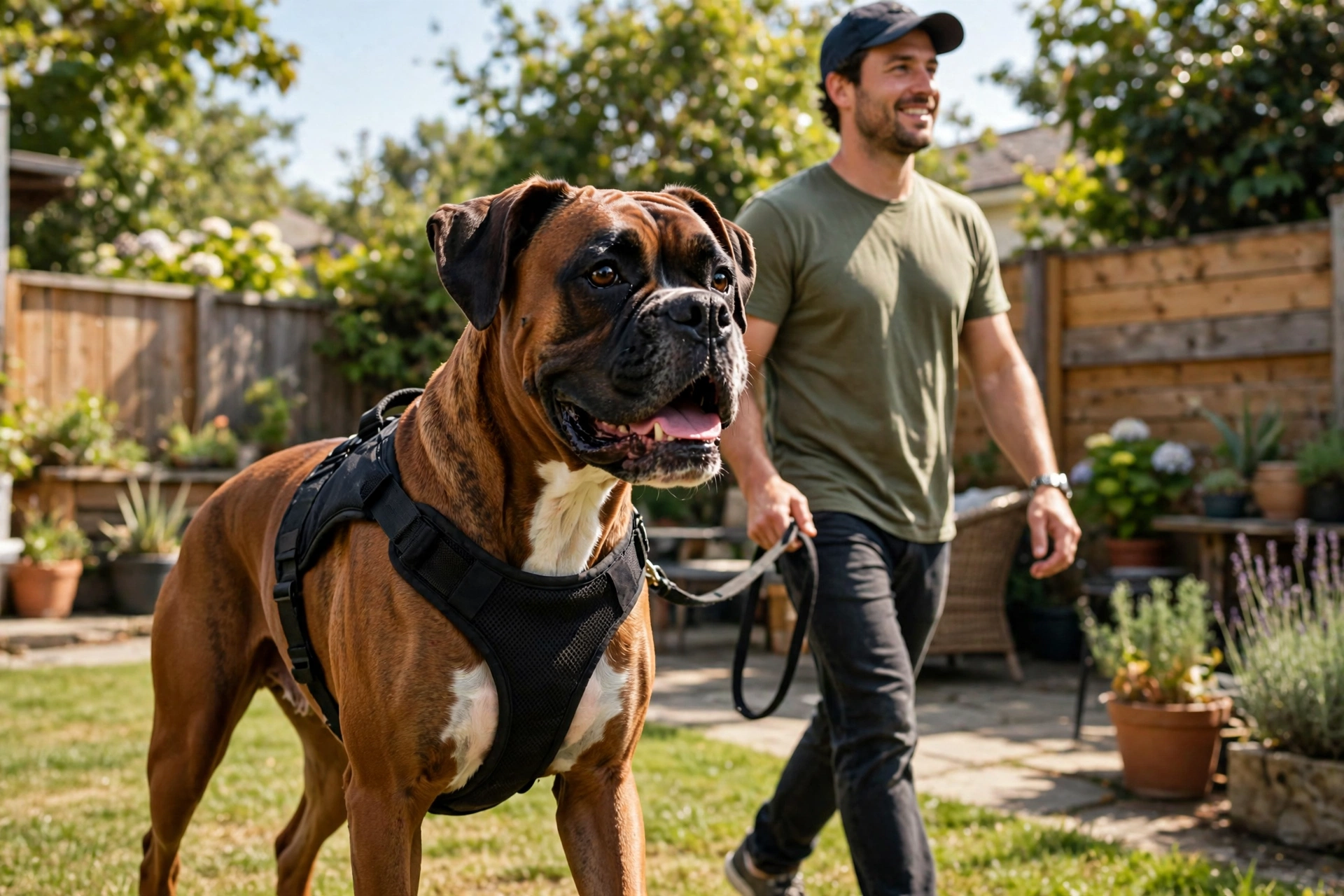
Boxers bring an athletic, upbeat presence to service work and are often great with people, which helps in psychiatric and some mobility assistance roles. They need consistent exercise and firm, positive training to channel their energy into reliable task work, so they fit handlers with an active lifestyle. Their shorter muzzle means heat management matters during long outdoor work sessions.
Helpful pick: The Chuckit! Ultra Ball is a durable fetch toy for burning off a Boxer’s energy during off-duty play.
7. Bernese Mountain Dog
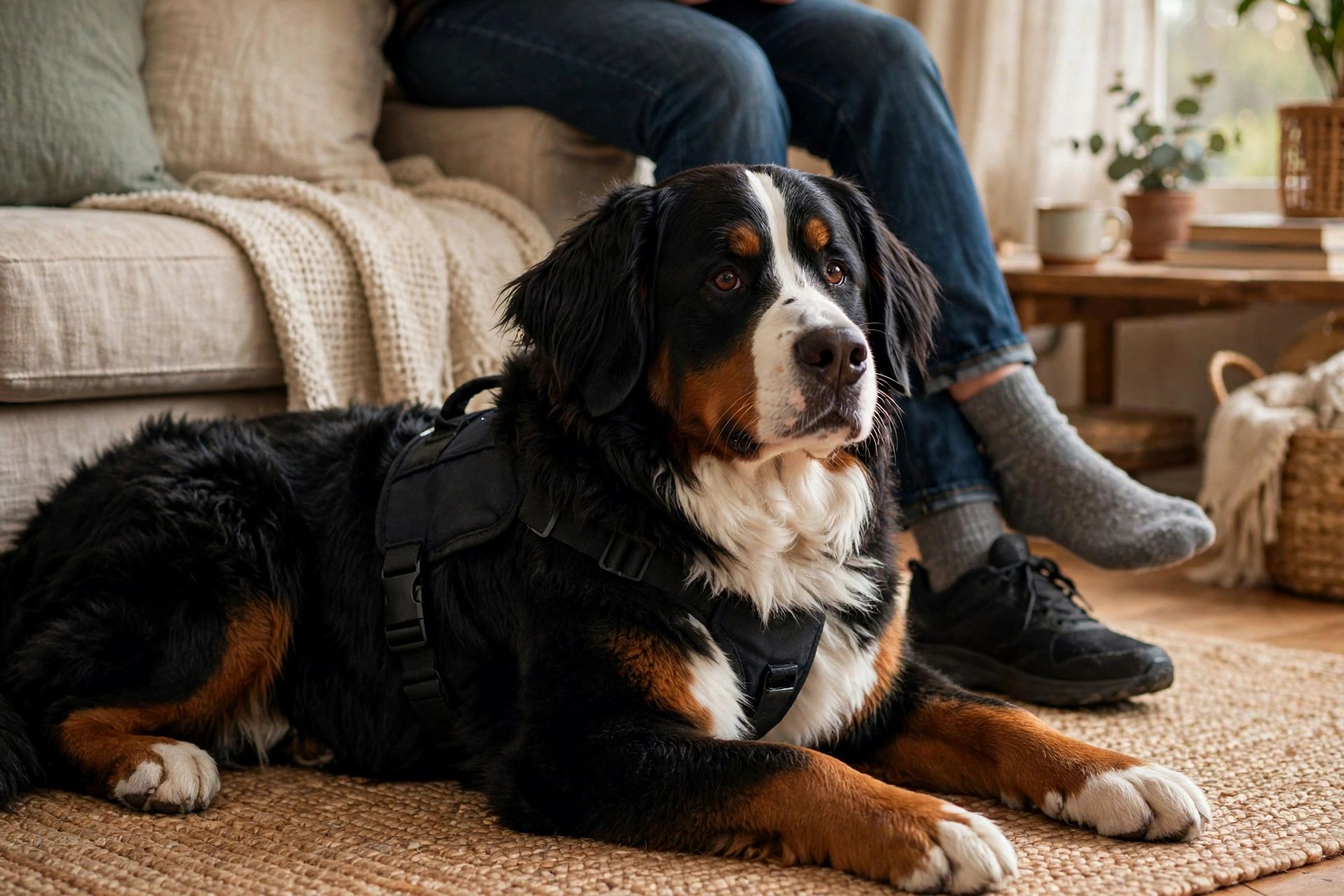
The Bernese Mountain Dog is a calm, patient giant with the strength for serious mobility support, including bracing-style tasks for handlers who need a large, steady dog. Their people-oriented nature makes them natural, gentle companions. The honest downside is lifespan: giant breeds often live shorter lives and face more joint issues, so choosing one means accepting a potentially shorter working career.
Helpful pick: The Qonimm Cooling Mat helps a thick-coated Bernese stay comfortable during warm weather.
8. Labradoodle
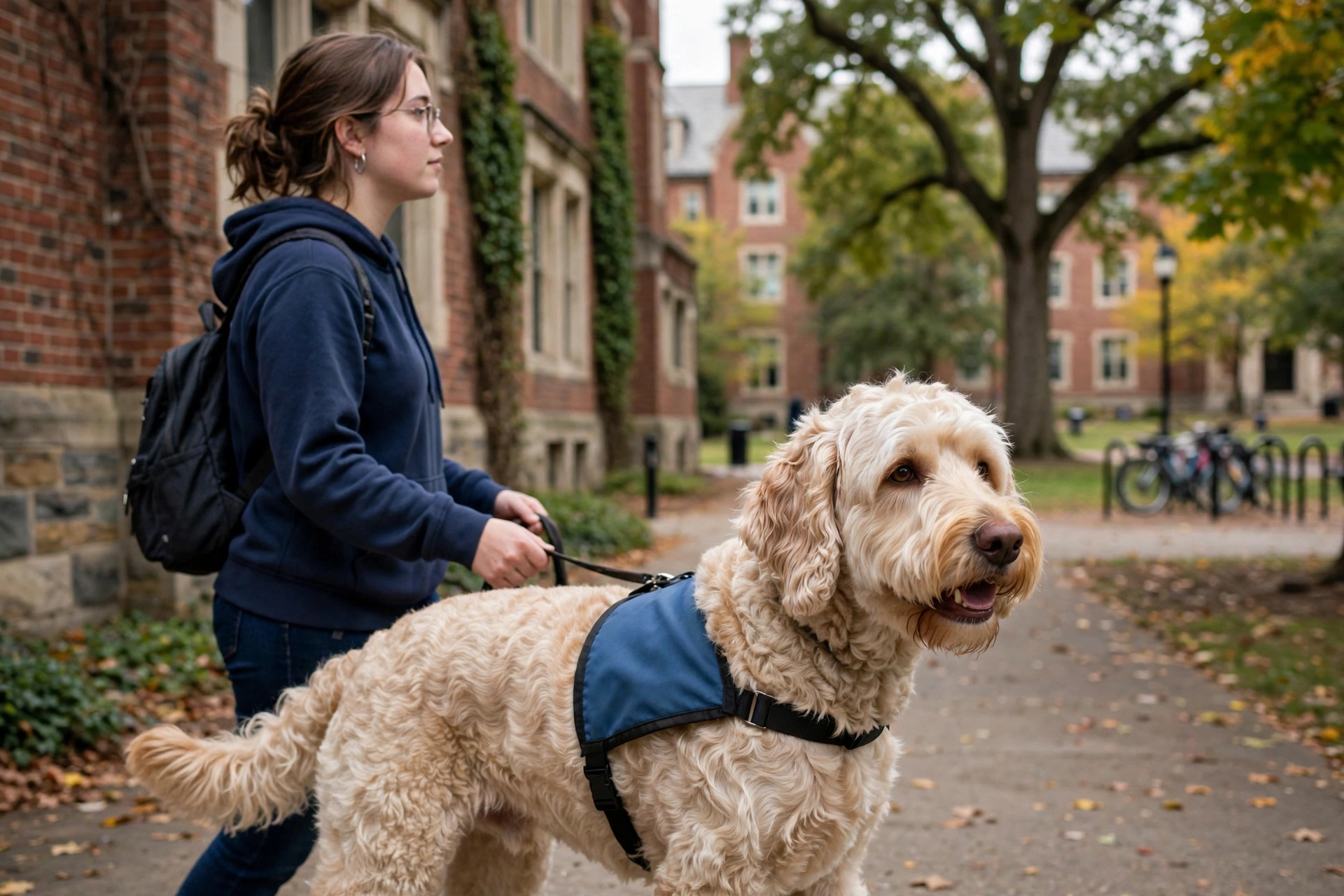
Labradoodles have become popular service dog candidates, especially for handlers wanting a lower-shed coat. The catch is consistency: doodles vary widely in size, coat type, and temperament, and not every puppy grows into a calm, stable worker. Success stories almost always trace back to breeders or programs that health test and temperament test specifically for service work. If you go this route, prioritize proven working lines.
Helpful pick: The Tuff Pupper Microfiber Towel is handy for drying a doodle after baths and rainy-day outings.
9. Cavalier King Charles Spaniel
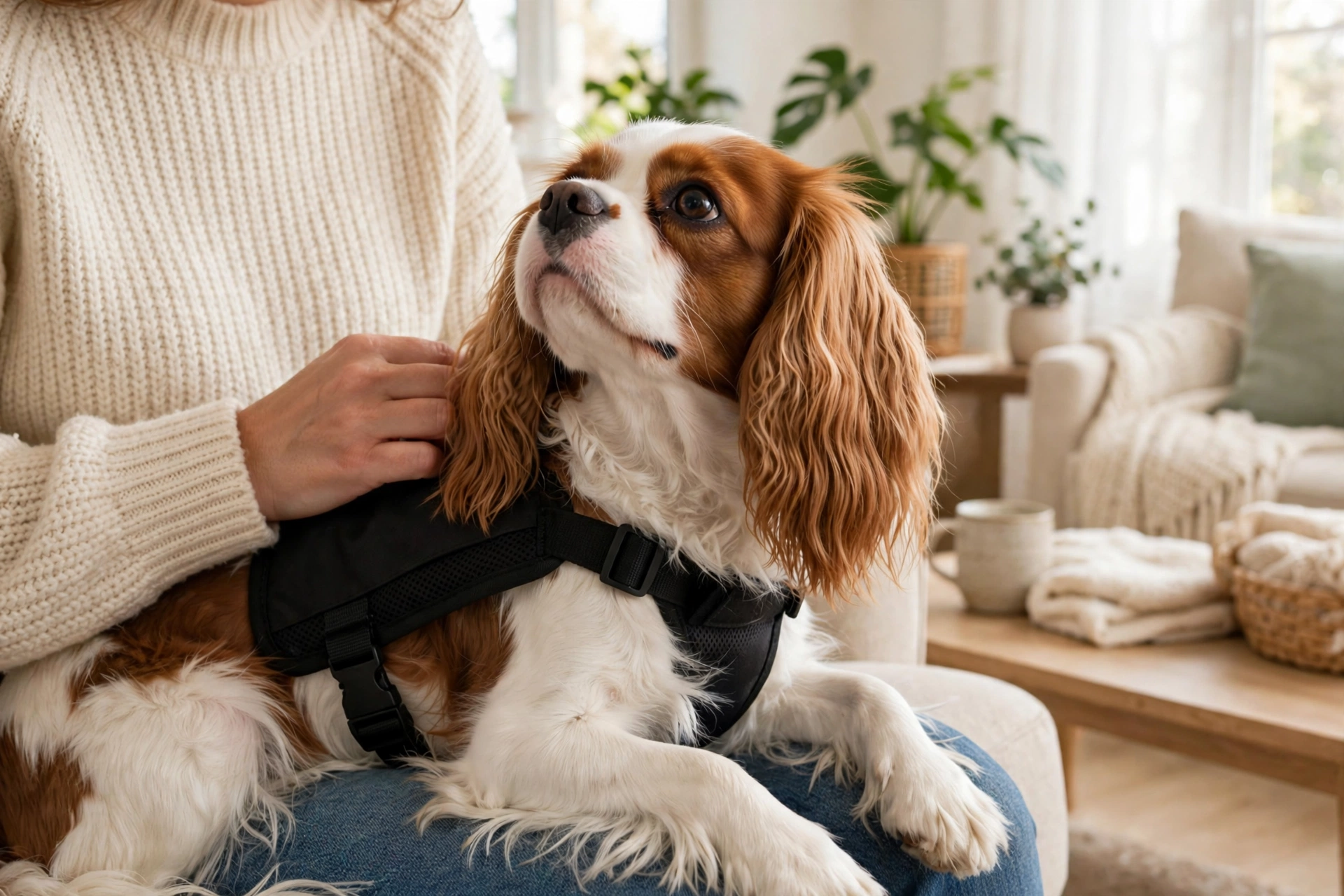
Not every service task needs a big dog. The Cavalier King Charles Spaniel is a standout for psychiatric work, hearing alert tasks, and medical alert jobs where the dog detects changes and applies deep pressure on a lap. Cavaliers are affectionate, highly trainable, and easy to manage in small apartments or tight public spaces. They cannot do bracing or heavy mobility work, but for alert- and comfort-based tasks, this gentle breed is one of the most appealing small options.
Helpful pick: The MidWest QuietTime Crate Mat gives a small service dog a cozy, portable resting spot at home or on the go.
10. Miniature Poodle
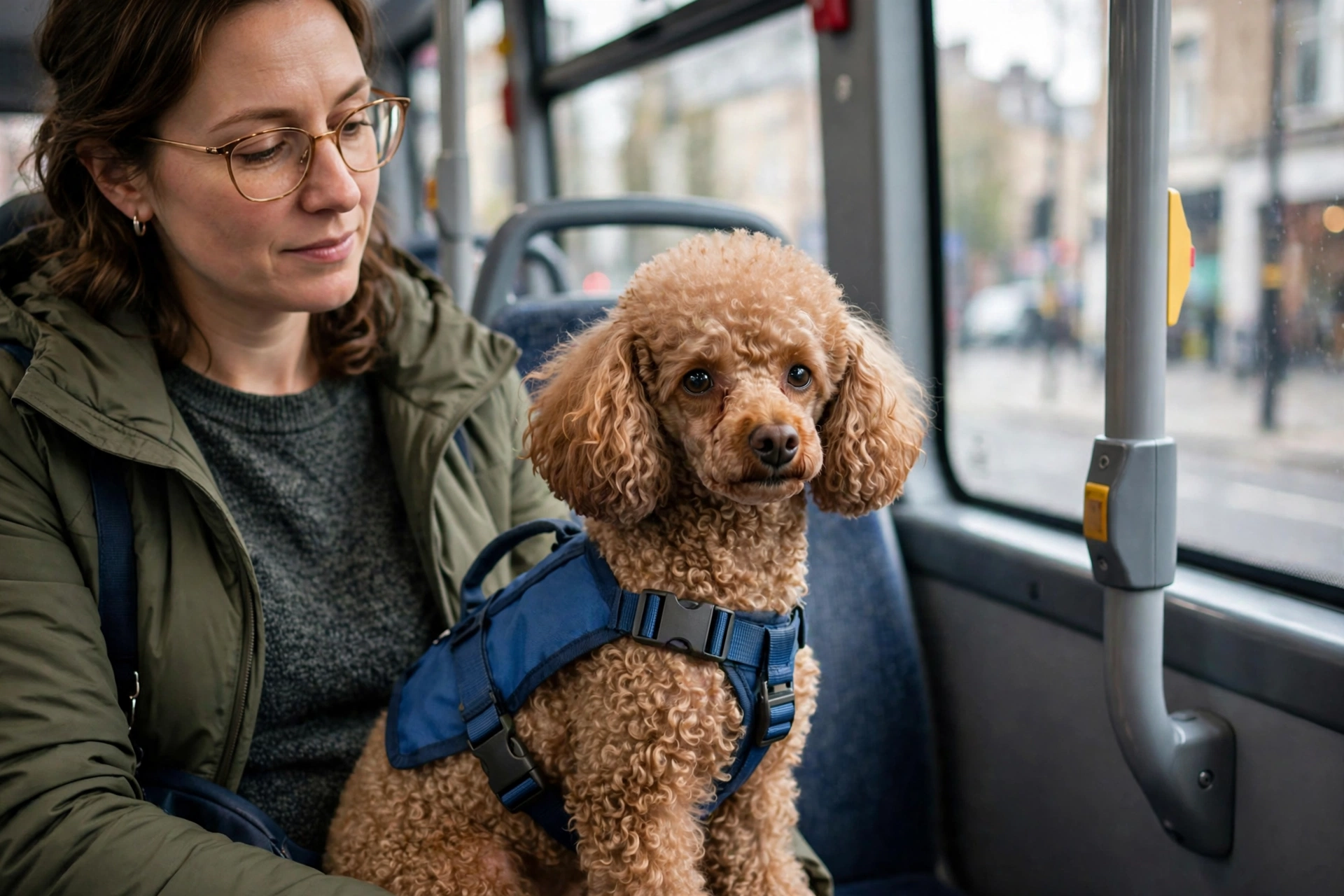
The Miniature Poodle packs the Standard’s famous intelligence into a portable frame, making it an excellent choice for psychiatric and hearing alert work in apartments, offices, and public transit. Like its larger cousin, it sheds very little but needs regular grooming to prevent matting. Miniature Poodles bond intensely with their handler and learn complex routines quickly, and their small size makes air travel and crowded spaces far easier to navigate than with a large breed.
Helpful pick: The G-Promise Bath Sprayer makes frequent small-dog baths quick and low-stress.
How to Choose the Right Service Dog Breed for Your Needs
Start with the exact tasks you need, not the breed you find cutest. List what you need help with on a normal day: standing, walking, picking up items, hearing alerts, interrupting panic episodes, or detecting medical changes. A mobility handler who needs bracing requires a large, sturdy dog, while someone needing hearing or psychiatric alert work can choose a calm small breed. Next, be honest about your energy level, space, and routine. Finally, judge the individual dog, not just the breed: meet prospects from health-tested lines, watch how they recover from surprises, and talk to established programs about which breeds fit your task list.
Keep Reading
- Best Family Dog Breeds for Every Household
- Best Dog Doors for Every Home and Climate
- DIY Dog Cage Ideas for a Stylish Crate Setup
- Indoor Dog Park Ideas for Rainy Days
- DIY Dog Bunk Beds for Multi-Dog Homes
Frequently Asked Questions
What is the best service dog breed for a first-time handler?
A Labrador Retriever or Golden Retriever from established service dog lines is usually the safest first choice. They are forgiving to train, steady in public, and widely available through reputable programs.
Can a small dog really be a service dog?
Yes, for tasks like hearing alerts, psychiatric interruption, and medical alert work. Small breeds simply cannot perform physical tasks like bracing or pulling a wheelchair.
How long does it take to train a service dog?
Full task training usually takes around one and a half to two years, including socialization, public access manners, and reliable task performance.
Are doodles good service dogs?
Some are excellent, but only when bred from proven service dog lines with health and temperament testing. Pet-bred doodles vary too much in coat, size, and stability for serious work.
Should I get a dog from a program or train my own?
Established programs offer much higher success rates because they pre-select for temperament and health. Owner-training is possible but demanding, and many first attempts do not produce a fully working dog.
As an Amazon Associate, PetPostHub earns from qualifying purchases.