Cavalier King Charles Spaniel Breeders in Colorado: A Buyer’s Guide

Finding Cavalier King Charles Spaniel breeders Colorado families can trust takes more than a quick online search. The Cavalier is a gentle, affectionate companion breed that fits beautifully into Colorado life — from Denver apartments to mountain towns — but the quality of your puppy’s start in life depends almost entirely on who bred them. A careful, well-socialized puppy from health-tested parents is worth the extra homework; a puppy from a careless breeder can mean years of vet bills and heartache.
This guide walks you through exactly how to find a responsible Cavalier breeder in Colorado: what good breeding practices look like, the questions to ask before you commit, the red flags that should send you walking, and rescue options if you’d rather adopt.
Table of Contents
- What to Look for in a Reputable Colorado Breeder
- Questions to Ask Before You Commit
- Red Flags to Avoid
- Cavalier Adoption and Rescue Options in Colorado
- Frequently Asked Questions
- Keep Reading
What to Look for in a Reputable Colorado Breeder
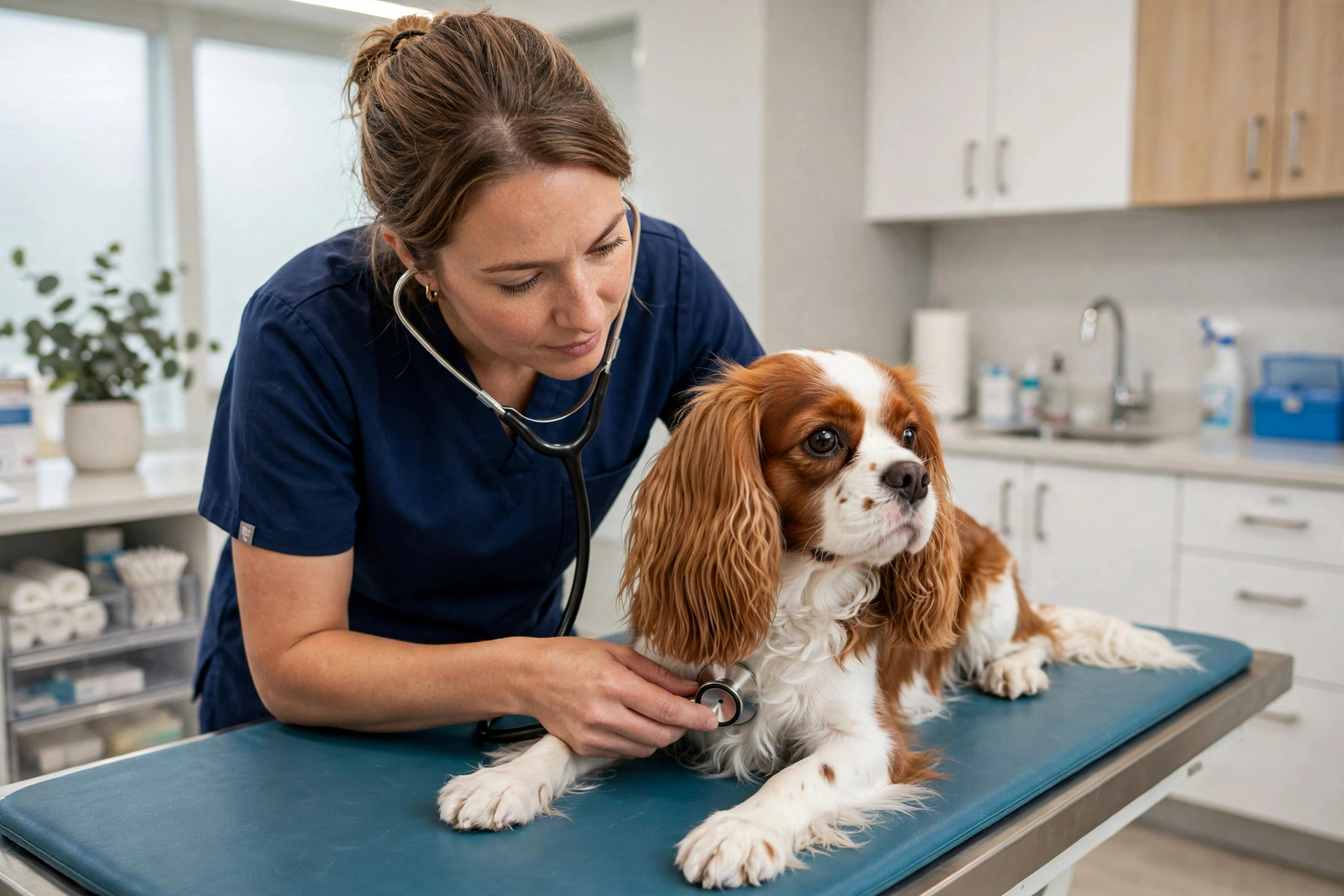
Cavaliers are prone to certain inherited conditions — most notably mitral valve disease, a heart condition that affects a large share of the breed as they age. Responsible breeders in Colorado screen their breeding dogs for these problems before ever producing a litter. Here is what a trustworthy breeder does:
They health-test the parent dogs. At minimum, both parents should have documented cardiac clearances from a board-certified veterinary cardiologist, eye clearances (CAER exams), and OFA or PennHIP evaluations for hips and patellas. These are tests on the parents, not the puppies — that is how genetic risk gets reduced.
They register with the AKC. Puppies should come with American Kennel Club registration papers (full or limited, depending on the agreement). AKC registration alone does not guarantee quality, but its absence is a warning sign.
They offer a written contract and health guarantee. A reputable breeder gives you a purchase agreement spelling out both sides’ responsibilities, plus a health guarantee against serious genetic conditions — typically valid for one to two years. They should also require that the puppy comes back to them if you ever cannot keep it.
They welcome visits. Good breeders are proud of how their dogs live. They will invite you to meet the mother dog (and the father, if he is on site), see where the puppies are raised, and observe the puppies’ temperament firsthand. Puppies should be raised inside the home, handled daily, and exposed to normal household sights and sounds.
They breed sparingly and specialize. A breeder who raises one or two litters a year and focuses on Cavaliers — not a rotating cast of many breeds — has the time and breed knowledge to do it right.
Questions to Ask Before You Commit

A good breeder expects — and welcomes — tough questions. Bring this list to your visit or phone call:
- What health testing have the parents had? Ask for the actual results and certificates, not just verbal assurances. Cardiac, eye, hip, and patella clearances should be documented.
- How old are the parents? Responsible breeders do not breed very young dogs, and they retire females after a limited number of litters.
- Can I meet the mother dog? Her temperament and condition tell you a great deal about what your puppy may inherit — and about how the breeder treats their dogs.
- How are the puppies socialized? Look for daily handling, exposure to children, other pets, car rides, and household noises from an early age.
- What is in the contract? Review the purchase agreement and health guarantee carefully. Ask what happens if a serious genetic condition is diagnosed.
- What do you feed, and what veterinary care have the puppies had? Puppies should be dewormed, vet-checked, and started on vaccinations before going home at 8 to 10 weeks.
- Will you take the puppy back if I cannot keep it? Any ethical breeder answers yes without hesitation.
- Can you provide references? Past puppy buyers are usually happy to share their experiences — and a breeder with nothing to hide will connect you.
Red Flags to Avoid

Walk away — no matter how cute the puppies are — if you see any of these:
- No health testing. “Our vet says they’re healthy” is not a substitute for cardiac, eye, hip, and patella clearances on the parents.
- Always has puppies available. A breeder with multiple litters on the ground year-round, or puppies “ready now” with no waitlist, is producing volume, not quality.
- Will not let you visit. If they only offer to ship the puppy or meet in a parking lot, something is wrong. You should see where the dogs live.
- No contract or health guarantee. A cash-only handshake deal leaves you with zero protection.
- Puppies leave too early. Puppies should stay with their mother and littermates until at least 8 weeks — earlier separation harms social development.
- Pressure tactics. “Someone else wants this one” or steep discounts to move puppies fast are classic signs of a seller who prioritizes turnover over the dogs’ welfare.
Cavalier Adoption and Rescue Options in Colorado
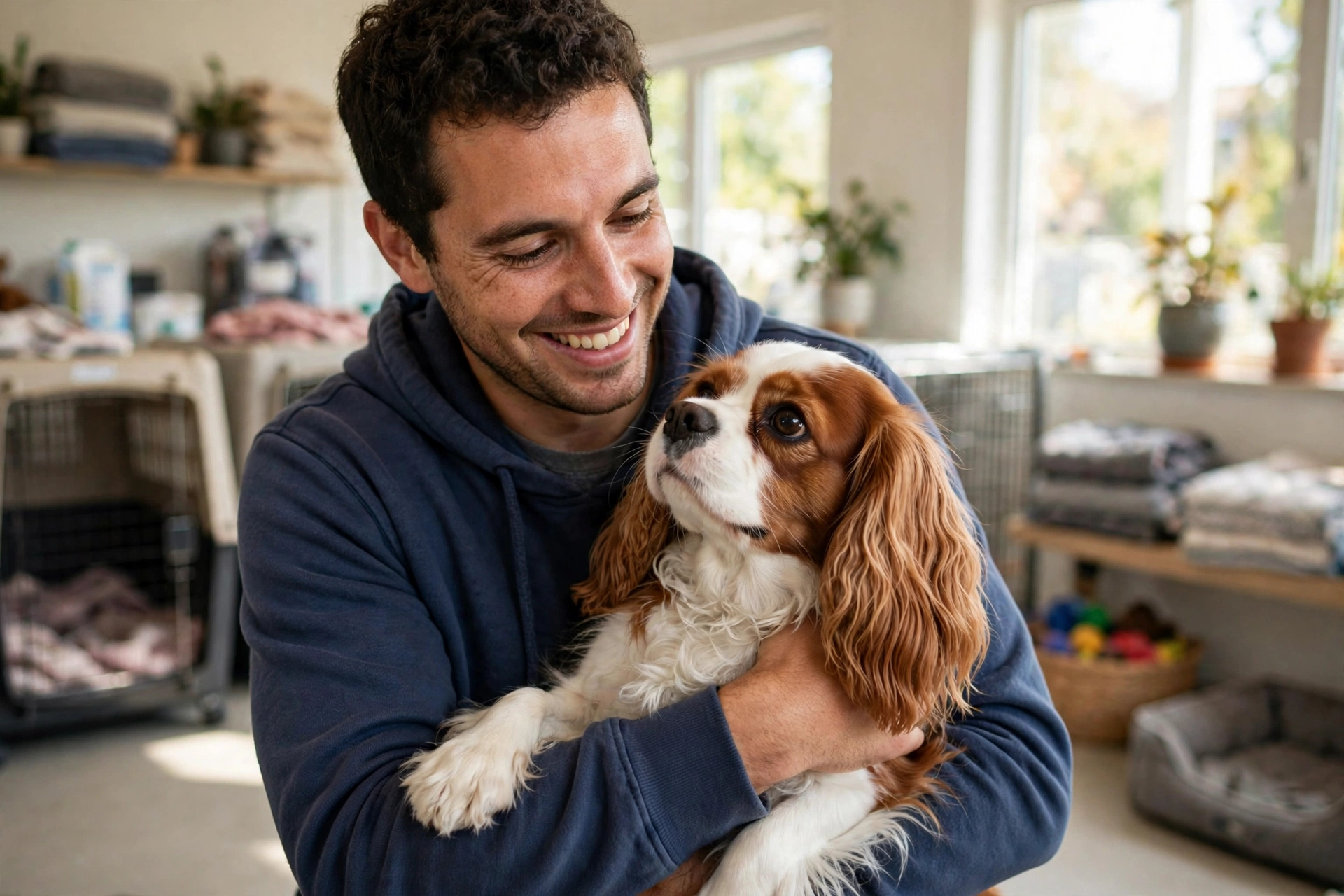
Buying from a breeder is not the only path to a Cavalier. Breed-specific rescue organizations operate across the country and regularly place Cavaliers in Colorado homes — including owner surrenders, retired breeding dogs, and seniors who make wonderful, calm companions.
Start with national Cavalier rescue networks, which maintain lists of adoptable dogs by region and can connect you with Colorado-based foster homes. Your local humane societies and all-breed rescues along the Front Range also take in Cavaliers and Cavalier mixes more often than people expect.
Adoption typically costs far less than buying a puppy, the dog is usually spayed or neutered and vetted, and you get an honest picture of the adult dog’s temperament — a real advantage with a breed where personality matters so much. Be prepared for a home check and an adoption application; good rescues are as careful about placement as good breeders are.
Frequently Asked Questions

How much does a Cavalier King Charles Spaniel puppy cost in Colorado?
Expect to pay between $1,800 and $4,000 from a reputable breeder, depending on pedigree, coat color, and the breeder’s reputation. Prices below that range often signal skipped health testing. Budget an additional $80 to $150 per month for food, grooming, vet care, and insurance.
Are Cavaliers good for Colorado’s altitude and climate?
Yes — Cavaliers adapt well to Colorado living. They are moderate-energy dogs that enjoy hikes and snow play but are equally happy as couch companions. Just watch them in summer heat at altitude, keep up with paw care on winter ice-melt, and never leave them in a hot car.
Should I choose a male or female Cavalier?
Both make excellent pets. Males tend to be slightly more affectionate and goofy; females can be a touch more independent. Temperament varies more by individual puppy and socialization than by sex, so choose based on personality fit rather than gender.
How long is the wait for a puppy from a good breeder?
Reputable breeders often have waitlists of several months to over a year, since they breed only one or two litters annually. A wait is actually a good sign — it means demand is managed responsibly rather than mass-produced.
What is the most important health test for Cavaliers?
Cardiac screening is critical, since mitral valve disease is the breed’s most serious inherited threat. Both parents should have heart clearances from a board-certified cardiologist. Eye, hip, and patella evaluations round out a complete screening panel.