Cavalier King Charles Spaniel Breeders in Georgia: How to Find a Reputable One

Few dog breeds melt hearts the way a Cavalier King Charles Spaniel does. With their silky coats, soulful eyes, and gentle, people-loving nature, Cavaliers have become one of the most sought-after companion breeds across the Peach State. If you are searching for Cavalier King Charles Spaniel breeders in Georgia, this guide will show you exactly how to find an ethical, responsible breeder — and how to spot the ones to avoid.
Rather than listing kennels by name (listings go out of date fast, and a name on a list is never proof of quality), this guide teaches you how to evaluate any Georgia breeder yourself, what questions to ask, and what warning signs should send you walking away.
Table of Contents
- What to Look for in a Reputable Georgia Breeder
- Questions to Ask Before You Commit
- Red Flags to Avoid
- Cavalier Adoption and Rescue Options in Georgia
- Frequently Asked Questions
- Keep Reading
What to Look for in a Reputable Georgia Breeder
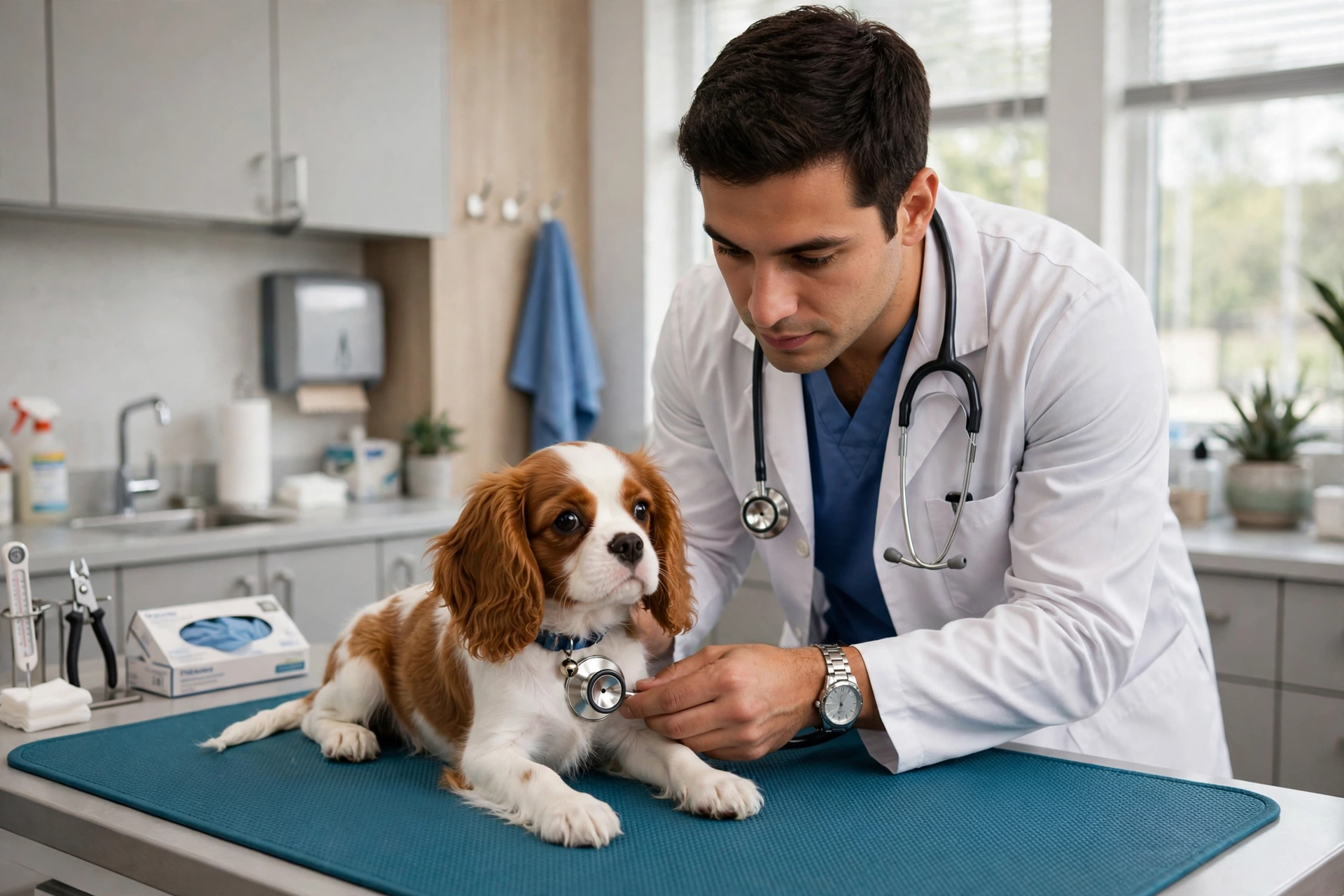
Cavaliers are wonderful dogs, but they are also prone to certain inherited health problems — most notably mitral valve disease (a heart condition), eye disorders, and kneecap issues. A reputable breeder works hard to reduce these risks through careful, documented health testing. Here is what to insist on:
Documented health testing. Ask to see actual test results, not just verbal promises. At minimum, breeding dogs should have current heart clearances from a board-certified veterinary cardiologist, eye exams by a veterinary ophthalmologist, and OFA evaluations for patellas (kneecaps) and hips. Many dedicated Cavalier breeders also test for genetic conditions like episodic falling syndrome and curly coat/dry eye syndrome.
AKC registration and breed club involvement. Puppies should come with American Kennel Club registration papers, and ideally the breeder is involved with a regional or national Cavalier breed club. Club involvement signals that the breeder is accountable to a community of peers, not operating in isolation.
A written contract and health guarantee. Ethical breeders provide a clear purchase contract covering both parties’ responsibilities, plus a written health guarantee against hereditary conditions for a defined period. The contract should also include a take-back clause: if you ever cannot keep the dog, the breeder wants the dog returned to them rather than surrendered to a shelter.
An invitation to visit in person. A good breeder is proud of how their dogs live and will welcome you to visit — meet the mother dog, see where the puppies are raised, and observe the conditions firsthand. Puppies raised in a clean, loving home environment with early socialization (exposure to household sounds, people, and gentle handling) grow into far more confident adult dogs.
Specialization, not a puppy supermarket. Reputable breeders typically focus on one or two breeds. It takes years to truly understand a breed’s genetics, health, and temperament. Someone offering a dozen different breeds is almost certainly prioritizing volume over quality.
Questions to Ask Before You Commit
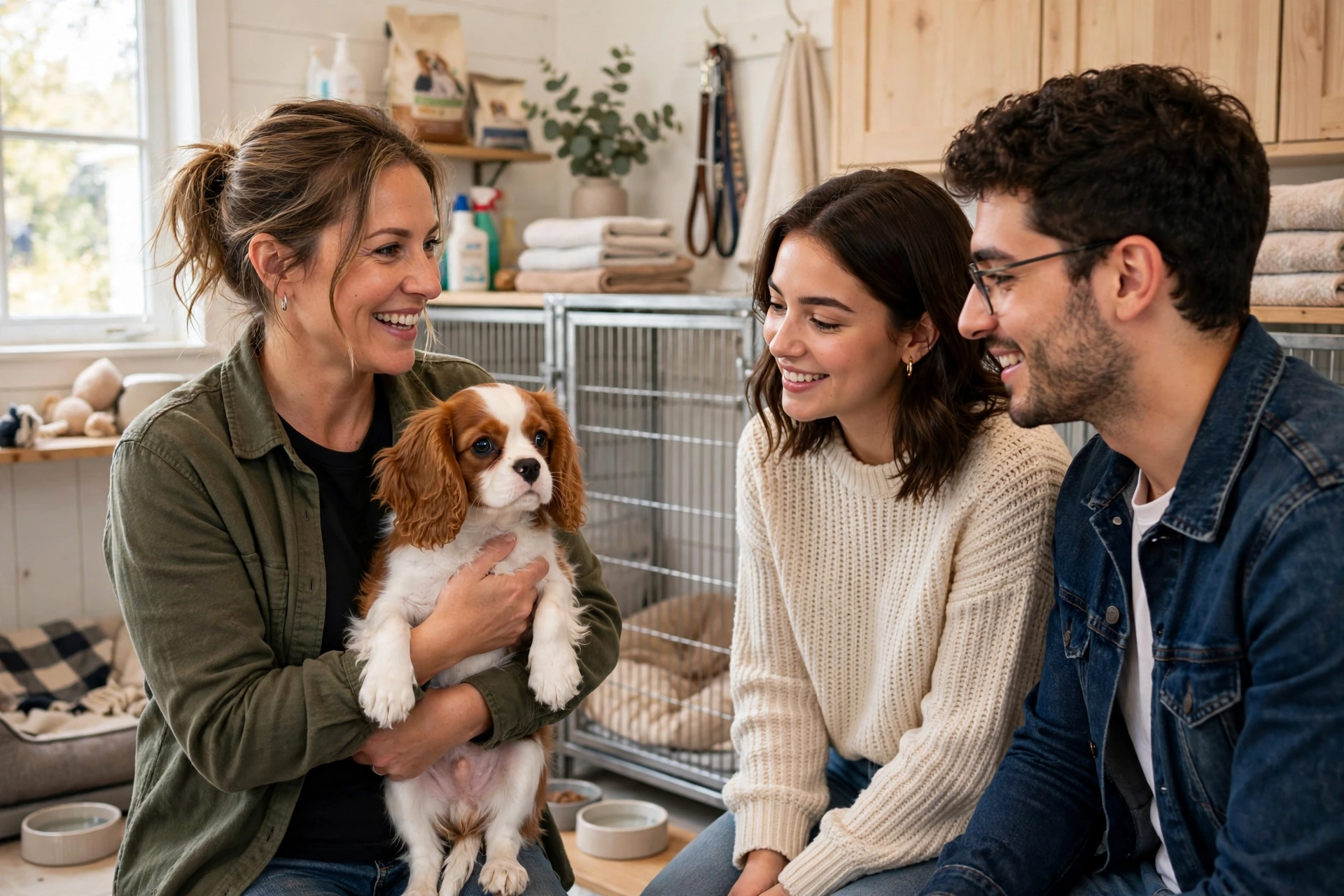
A responsible breeder will welcome your questions — in fact, they will probably ask you just as many. Bring this list to every conversation:
- What health testing have the sire and dam had, and can I see the certificates?
- How old are the parent dogs, and how many litters has the mother had?
- Can I meet the mother dog (and the father, if he is on site)?
- Where are the puppies raised — in your home or in a kennel building?
- What early socialization do the puppies get before going home?
- What vaccinations and vet checks will the puppy have before pickup?
- What does your contract and health guarantee cover, and for how long?
- If I can no longer keep the dog, will you take it back?
Pay attention to how the breeder answers, not just what they say. A trustworthy breeder answers thoroughly, volunteers documentation, and asks about your home, schedule, and experience with dogs. A breeder who rushes you, dodges specifics, or seems annoyed by questions is telling you everything you need to know.
Red Flags to Avoid
Georgia has its share of wonderful breeders — and, unfortunately, its share of puppy mills and careless backyard breeders. Walk away if you notice any of these warning signs:
- No health testing documentation. Claims like “the vet says they’re healthy” are not a substitute for cardiologist, ophthalmologist, and OFA clearances.
- Refusal to let you visit. Meeting in a parking lot or shipping a puppy sight-unseen is a major red flag. You should always see where the puppy was raised.
- Always-available puppies. Ethical breeders usually have waiting lists and breed only occasionally. Someone with puppies ready year-round is likely overbreeding.
- No contract or health guarantee. A handshake deal with no paperwork means no accountability if the puppy develops a hereditary condition.
- Pressure tactics. “Someone else wants this puppy, decide today” is a sales trick, not the behavior of someone who cares where their puppies go.
- Unusually low prices. Raising health-tested Cavalier puppies properly is expensive. A price far below the going rate usually means corners were cut on health testing, vet care, or nutrition.
Cavalier Adoption and Rescue Options in Georgia
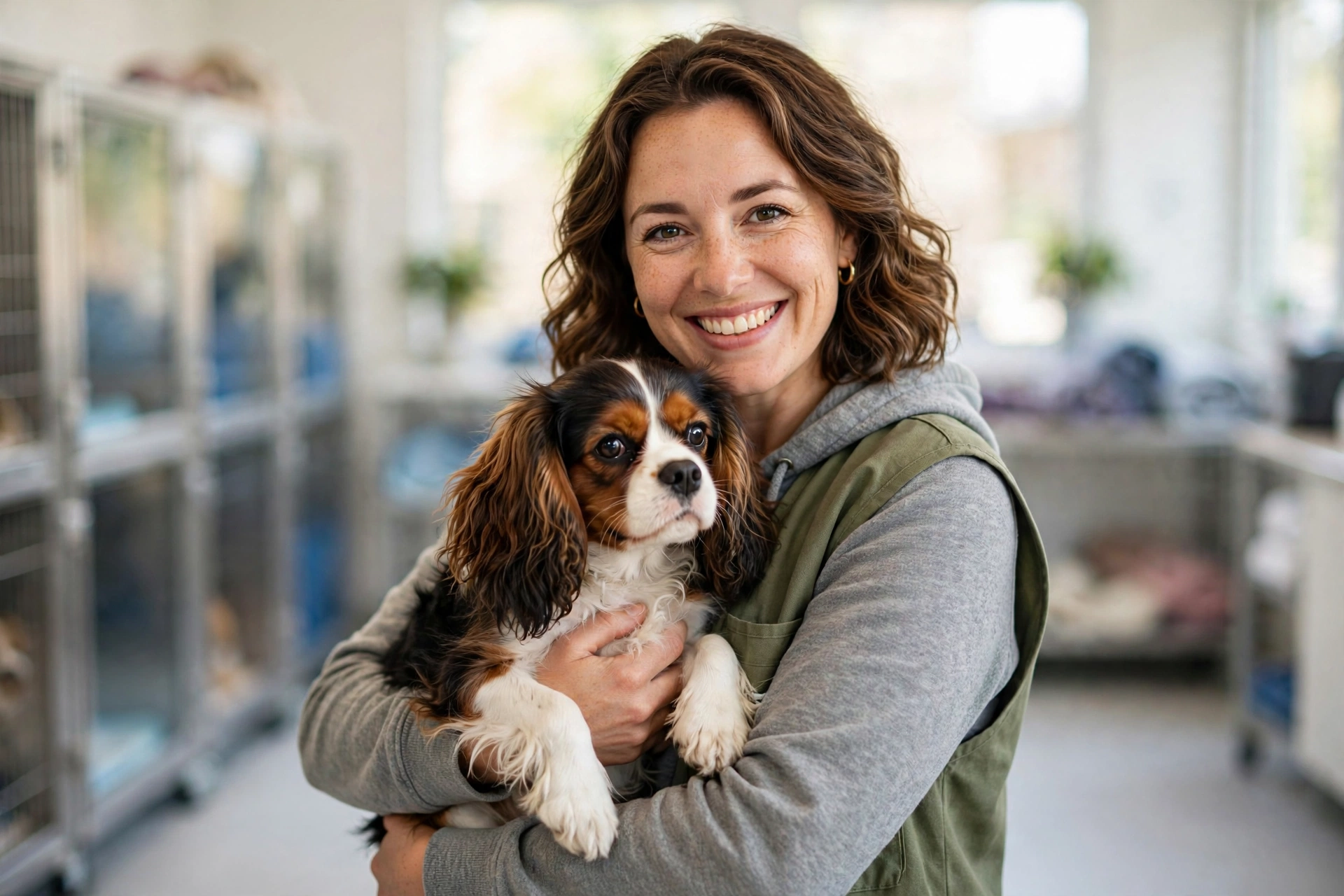
Buying from a breeder is not the only path to a Cavalier. Breed-specific rescues and all-breed shelters across Georgia regularly have Cavaliers and Cavalier mixes looking for homes — including adult dogs and seniors, who are often already housetrained and past the destructive puppy chewing phase.
Search for Cavalier-specific rescue organizations serving the Southeast, and check Georgia shelters’ websites and adoption listings regularly. Rescue adoption fees are a fraction of breeder prices, and you get the deep satisfaction of giving a deserving dog a second chance. Many rescues also have foster-to-adopt programs so you can make sure the dog is a good fit before committing.
Whether you go the breeder or rescue route, the same principle applies: take your time, do your homework, and choose the source — not just the puppy — with care.
Frequently Asked Questions

How much does a Cavalier King Charles Spaniel puppy cost in Georgia?
Prices vary by breeder, pedigree, and health testing, but expect to pay a premium for puppies from fully health-tested parents. Be wary of prices that seem too good to be true — they usually signal skipped health testing. Always ask exactly what is included (vaccinations, vet checks, microchip, registration papers).
What health tests should a Georgia Cavalier breeder perform?
At minimum: annual heart clearances by a board-certified cardiologist, eye exams by a veterinary ophthalmologist, and OFA patella (and ideally hip) evaluations. Genetic testing for episodic falling syndrome and curly coat/dry eye syndrome is also common among dedicated breeders.
Should I visit the breeder in person before buying?
Yes, absolutely. Visiting lets you meet the mother dog, see the puppies’ living conditions, and judge the breeder’s transparency. A breeder who refuses visits or only meets in neutral locations should be crossed off your list.
Is it better to adopt a Cavalier or buy from a breeder in Georgia?
Both are valid paths. A reputable breeder gives you a health-tested puppy with a known background; a rescue gives an adult dog a second chance at a lower cost. The right choice depends on your household, experience, and what you are looking for in a companion.
How can I verify a breeder’s AKC registration claims?
Ask for the AKC registration numbers of the parent dogs and the litter, and confirm the breeder’s standing. You can also check whether the breeder participates in a recognized Cavalier breed club, which adds a layer of accountability.