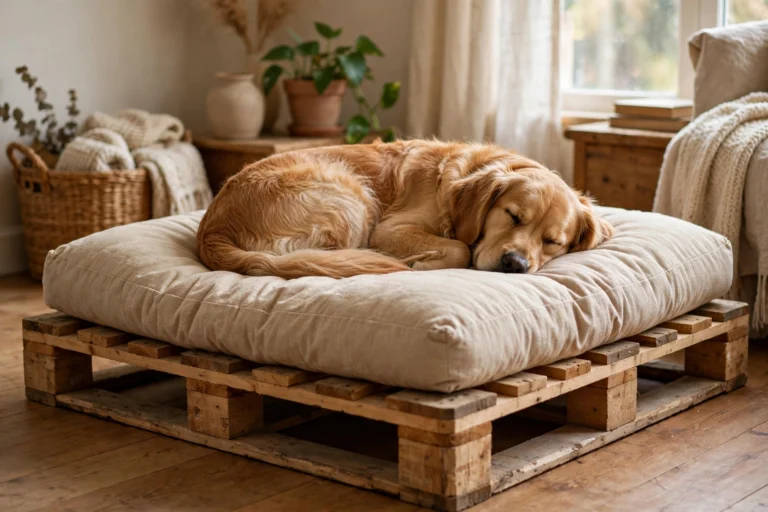
10 Dog Park Design Ideas That Keep Dogs Happy and Safe (2026)

Great dog park design is about more than a patch of grass and a fence. The right layout gives your dog room to sprint, obstacles to think through, shady spots to rest, and safe footing everywhere in between. Whether you are building a play corner in your own backyard or helping plan a community park, these 10 dog park design ideas will help you create a space dogs genuinely love to use.
Table of Contents
- 1. The Turf-and-Fence Agility Playground
- 2. The DIY Backyard Play Tower
- 3. The Crawl-Through Photo Tunnel
- 4. The Ramp-and-Stair Training Deck
- 5. The Elevated Lookout Perch
- 6. The Curved Ramp and Stepping Pods
- 7. The Raised Pause Platform
- 8. The Tire Jump Station
- 9. The Complete Backyard Agility Course
- 10. The Shaded Cool-Down Corner
- Bonus Tip: Mind the Ground
1. The Turf-and-Fence Agility Playground
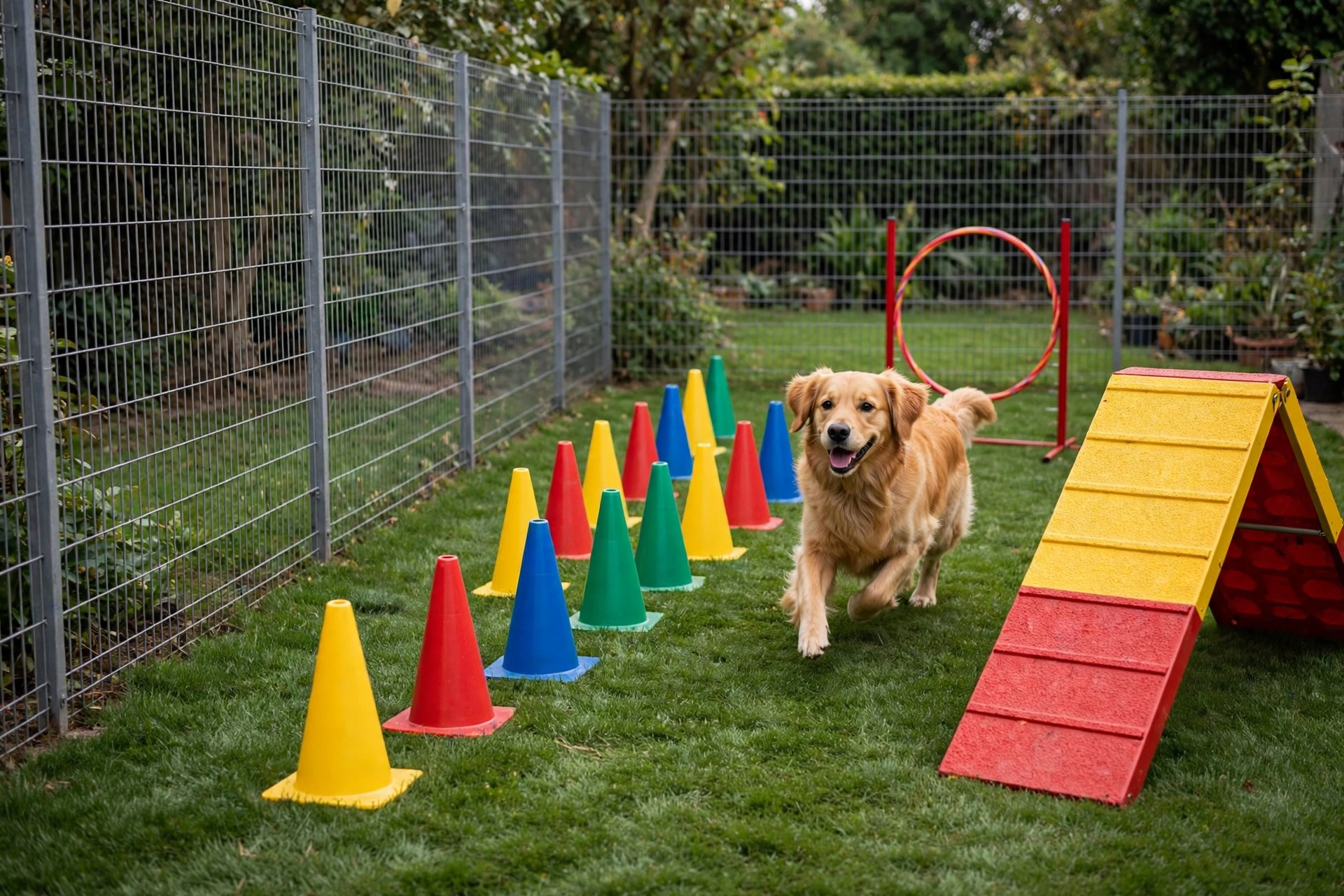
This is the classic dog park centerpiece: a roomy turf field wrapped in tall powder-coated wire mesh fencing, stocked with a starter agility set. Scatter colorful weave cones in a slalom line, add a hoop jump and a small A-frame ramp, and you have an instant energy burner. Keep stations at least six feet apart so dogs can build speed safely without crashing into equipment. Clover blended into the turf keeps landings soft on paws.
Helpful pick: XiaZ Dog Agility Course Backyard Set — a tunnel, hurdles, tire jump, weave poles, and pause box in one portable kit for building this zone fast.
2. The DIY Backyard Play Tower

Think of it as a jungle gym for dogs. Build a pressure-treated wood frame with a raised platform, a gentle access ramp, and striped slat panels that hang rope toys from S-hooks. Set a shallow sand tray beside it as a dig box so excavation-prone dogs have an approved outlet. Paint with exterior-grade paint before assembly, and sand every edge — mouthy dogs will chew on anything.
Helpful pick: YITAHOME Dog Agility Training Equipment Set — tunnel, hurdles, weave poles, and a pause platform to round out your play-tower zone.
3. The Crawl-Through Photo Tunnel

Parks are social places, and a photo station is an easy crowd-pleaser. Build a lightweight doghouse facade from painted plywood with a circular tunnel opening — dogs trot through, you snap the picture. Make it modular with bolt-together panels so it stores flat between events, and weigh the base with sandbags on windy days. It doubles as a tunnel-confidence exercise for nervous beginners.
Helpful pick: Dog Agility Tunnel for Small and Medium Dogs — a pop-up fabric tunnel that gives shy dogs the same crawl-through fun anywhere.
4. The Ramp-and-Stair Training Deck

This raised deck teaches body awareness and polite movement. One side has a ramp with non-slip rubber treads, the other a four-step staircase, both leading to a center platform where dogs practice “place.” Keep the ramp angle gentle — around 25 to 30 degrees — so seniors and puppies can join in. Space slats slightly so rain drains instead of pooling.
Helpful pick: PetSafe CozyUp Folding Dog Stairs — non-skid portable steps that add climbing practice to any deck design.
5. The Elevated Lookout Perch
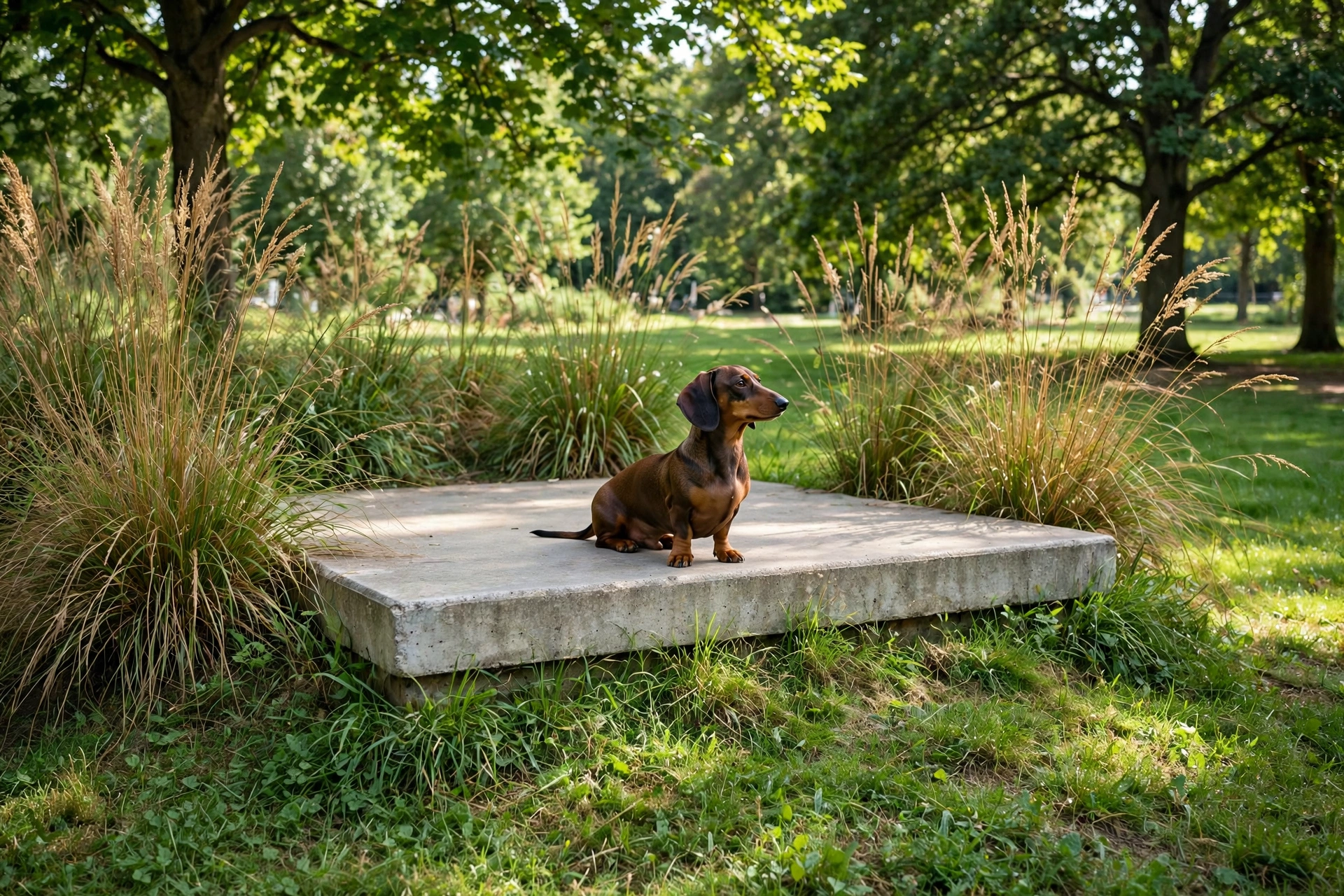
Dogs love high ground. A low concrete or stone platform — just 6 to 8 inches tall — set on a natural rise gives dogs a defined “throne” to survey the park from. It reduces anxiety in busy parks because the dog has a spot to own. Surround it with tall ornamental grasses for texture and nearby shade trees, and place it where dogs can watch the action without rushing the fence.
Helpful pick: YITAHOME 42″ Cooling Elevated Dog Bed — a raised, breathable perch your dog can claim as a lookout spot at home or in the park.
6. The Curved Ramp and Stepping Pods

Great for timid or senior dogs, this station pairs a gently curved ramp with a trio of round stepping pods set at staggered heights. The curve encourages climbing without intimidation, and the pods teach precise foot placement — wonderful for core strength. Lay a bed of wood chip mulch underneath for soft landings and mud-free footing.
Helpful pick: DEZAL Dog Balance Disc Cushion — an inflatable balance disc that builds the same core strength and body awareness indoors.
7. The Raised Pause Platform

Every park needs a “calm down” station. This simple platform — weathered pine planks raised about a foot on sturdy posts — is where dogs practice settling on cue. The slight elevation makes dogs feel confident and focused, which is why trainers love it. Leave quarter-inch gaps between slats so mud and water fall through, and sand everything smooth.
Helpful pick: DWVO Dog Agility Accessories Kit — includes a pause box plus hurdles, weave poles, and a tunnel for a complete training setup.
8. The Tire Jump Station
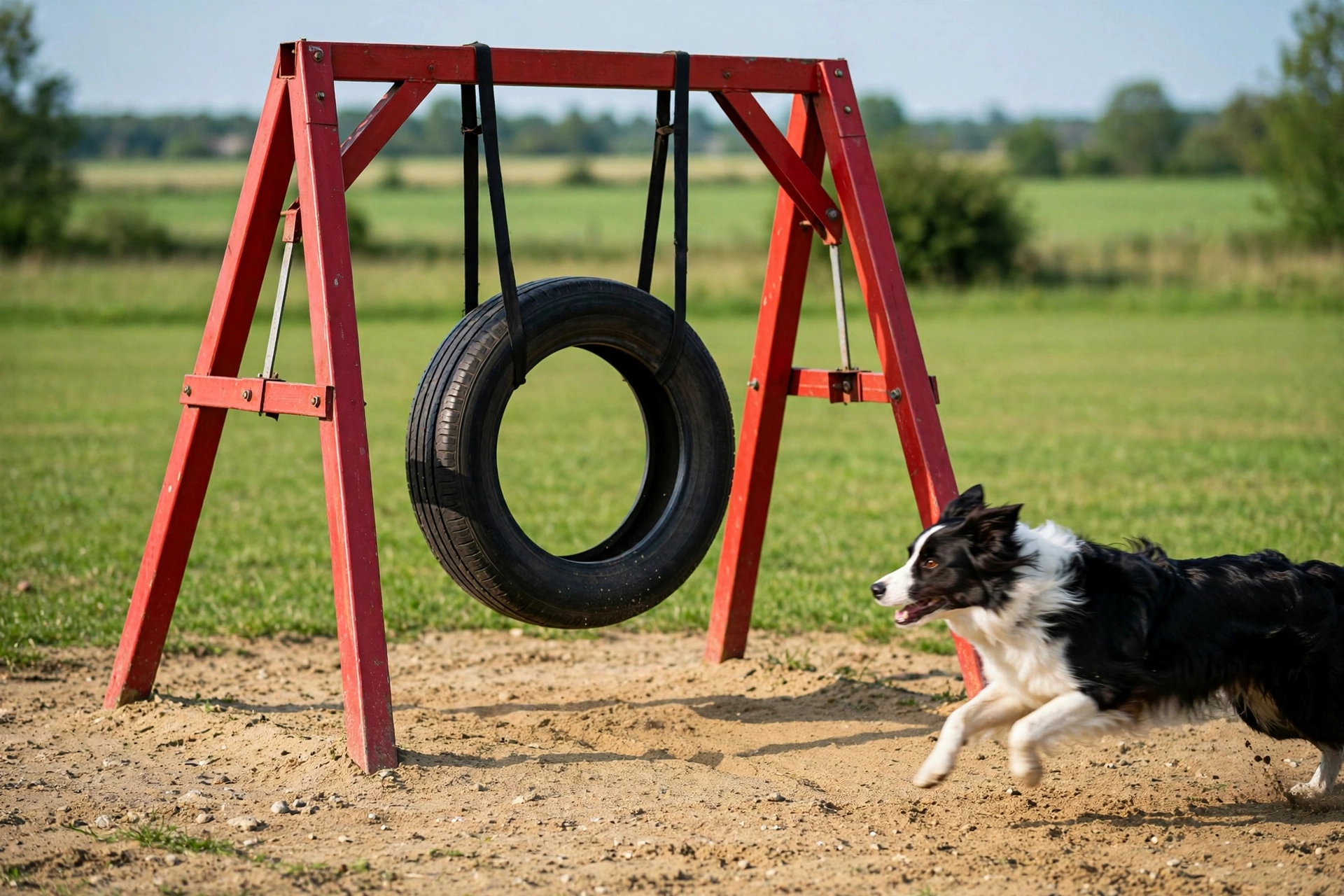
The tire jump is an agility classic that looks impressive but is beginner-friendly when set low. Hang a standard tire from a sturdy A-frame so the center opening sits 18 to 20 inches off the ground for medium breeds, and paint the frame a high-contrast color so dogs read the obstacle quickly. Put compacted sand or decomposed granite underneath as a landing pad that will not turn to mud.
Helpful pick: MelkTemn Dog Agility Training Equipment Set — an adjustable tire jump plus hurdles, tunnel, weave poles, and pause box for a full backyard course.
9. The Complete Backyard Agility Course

If you have the space, go all in: a blue agility tunnel, adjustable PVC jump bars, and a carpeted A-frame with a non-slip textured surface, all laid out on synthetic turf. High-contrast colors help dogs read the course, and synthetic turf stays mud-free year-round. This setup burns serious energy — fifteen minutes here and your dog is happily wiped out by dinnertime.
Helpful pick: Better Sporting Dogs Complete Starter Agility Set — a 5-piece kit with an adjustable jump, tire jump, weave poles, 10-foot tunnel, and pause box.
10. The Shaded Cool-Down Corner

After all that running, dogs need a shady place to recover. Tuck a corner under a large tree, lay packed decomposed granite for clean footing, and hang a rope toy from a low branch at nose height so dogs engage with it on their own. Lean a hula hoop against the trunk as a casual jump-through, and always keep fresh water nearby.
Helpful pick: Qonimm Dog Cooling Mat — a foldable cooling mat that gives dogs a cool surface to lie on during rest breaks.
Bonus Tip: Mind the Ground
The single most overlooked part of dog park design is what is underfoot. Pick surfaces that drain fast and stay kind to paws: synthetic turf for high-traffic zones, wood chip mulch or decomposed granite around equipment, and avoid pea gravel, which can lodge between paw pads. Walk your layout after a heavy rain before finalizing — if water pools, regrade before you build.
Keep Reading
- 10 Dog Park Equipment Picks for Your Backyard (2026)
- 15 Indoor Dog Park Ideas for Rainy Days (2026)
- 7 DIY Dog Bunk Beds Your Pups Will Fight Over (2026)
- 10 Dog Photo Ideas Worth Framing (2026)
- 10 Dog Hotel Design Ideas That Feel Like Home (2026)
Frequently Asked Questions
How much space do I need for a backyard dog agility area?
A course with three to four obstacles fits comfortably in a 20-by-30-foot yard. Space each station at least six feet apart so dogs can turn safely between obstacles.
What is the safest ground surface for a dog park?
Synthetic turf, wood chip mulch, and decomposed granite all drain well and cushion paws. Avoid pea gravel and bare concrete, which are rough on pads.
How tall should a dog park fence be?
Five to six feet handles most jumpers, but pair height with sight lines — dogs are calmer when they can see what is happening on the other side.
Can small dogs use the same agility obstacles as large dogs?
Yes, as long as heights are adjustable. Start jumps at their lowest setting and raise the bar only when your dog is confident and comfortable.
How do I keep my dog park equipment from getting muddy?
Choose fast-draining surfaces under and around every station, grade the area so water runs away from play zones, and add sandbags or stakes to keep portable equipment stable.
As an Amazon Associate, PetPostHub earns from qualifying purchases.