Dog Rescued Alive After Being Trapped Beneath Earthquake Rubble

Some stories remind us that hope can survive in the darkest places. When a powerful earthquake shook Venezuela, buildings crumbled in seconds and countless lives changed forever. Beneath the debris of one collapsed structure, a dog rescued from earthquake rubble lay buried and nearly unreachable. Hours passed. Then rescuers heard something that changed everything — a faint sound that meant someone was still alive down there.
This is the story of that dog, the teams who refused to give up on him, and the second chance he earned through sheer will to survive.
Table of Contents
- The Earthquake That Shattered Venezuela
- Trapped Beneath the Rubble
- The Rescue Operation
- Survival and a New Life
- How You Can Help Animals in Disasters
- Frequently Asked Questions
- Keep Reading
The Earthquake That Shattered Venezuela
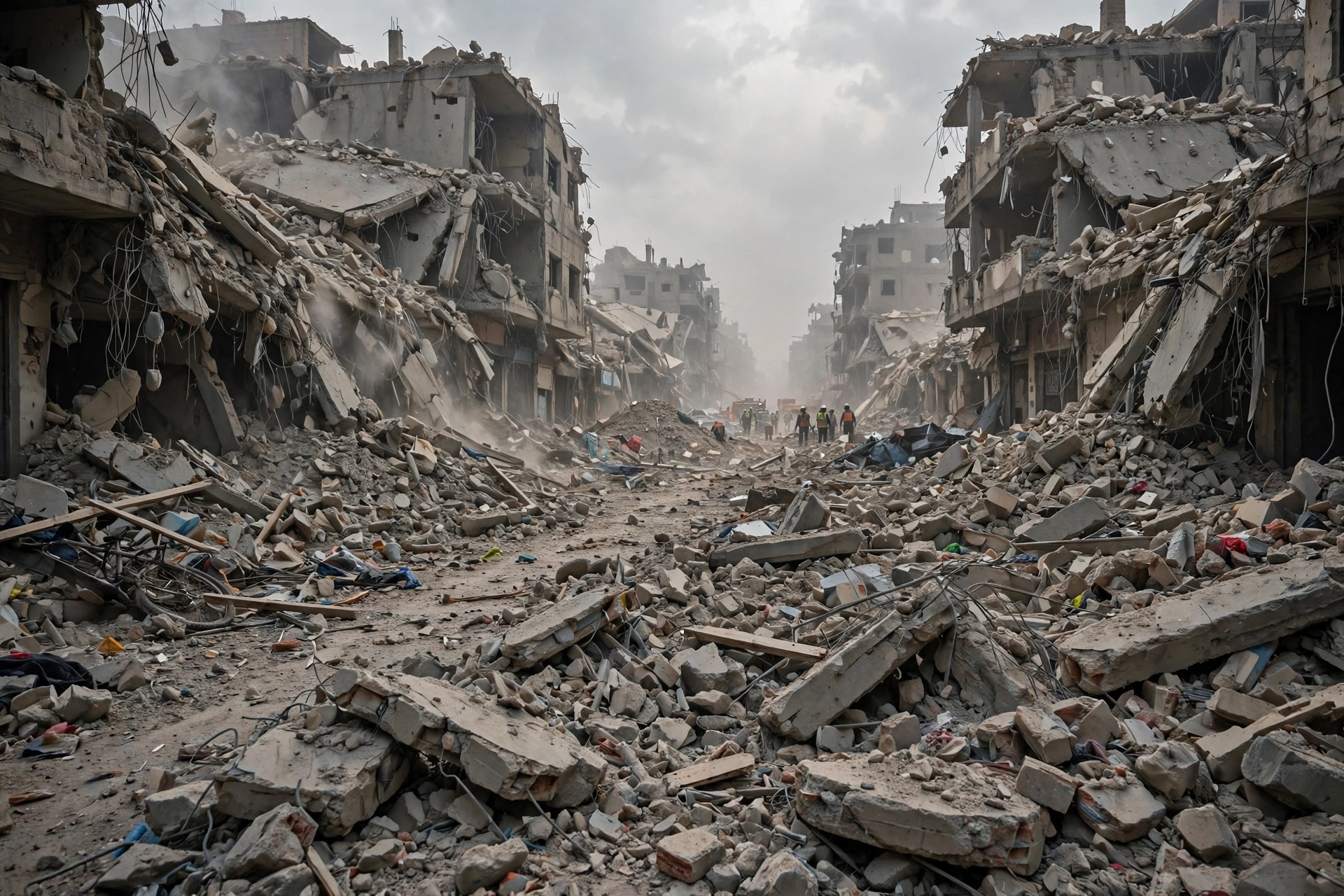
Disasters rarely give warning. In Venezuela, the ground began to tremble without mercy, and within moments, structures that had stood for years began to sway, crack, and fall. Walls buckled, roofs caved in, and streets filled with clouds of dust as families ran for open ground, clutching their children and, in some cases, their pets.
The quake struck with terrifying speed. People inside buildings had only seconds to react. Some made it out. Others did not. Homes became piles of broken concrete and twisted metal, and neighborhoods that were bustling that morning turned into scenes of chaos by the afternoon.
The scale of destruction was staggering. More than 589 people lost their lives and over 971 were injured across the affected regions. Hospitals filled, emergency shelters opened their doors, and search teams rushed toward the collapsed buildings, knowing the first hours after a quake are the most critical for finding survivors.
But while the headlines focused on the human toll, another tragedy was unfolding quietly beneath the wreckage. Animals had been caught in the collapse too. Dogs and cats inside homes, courtyards, and streets when the shaking began were buried alongside their owners. Unlike people, they could not call out for help. Their survival depended entirely on rescuers finding them — or on a small whimper drifting up through the debris.
Trapped Beneath the Rubble
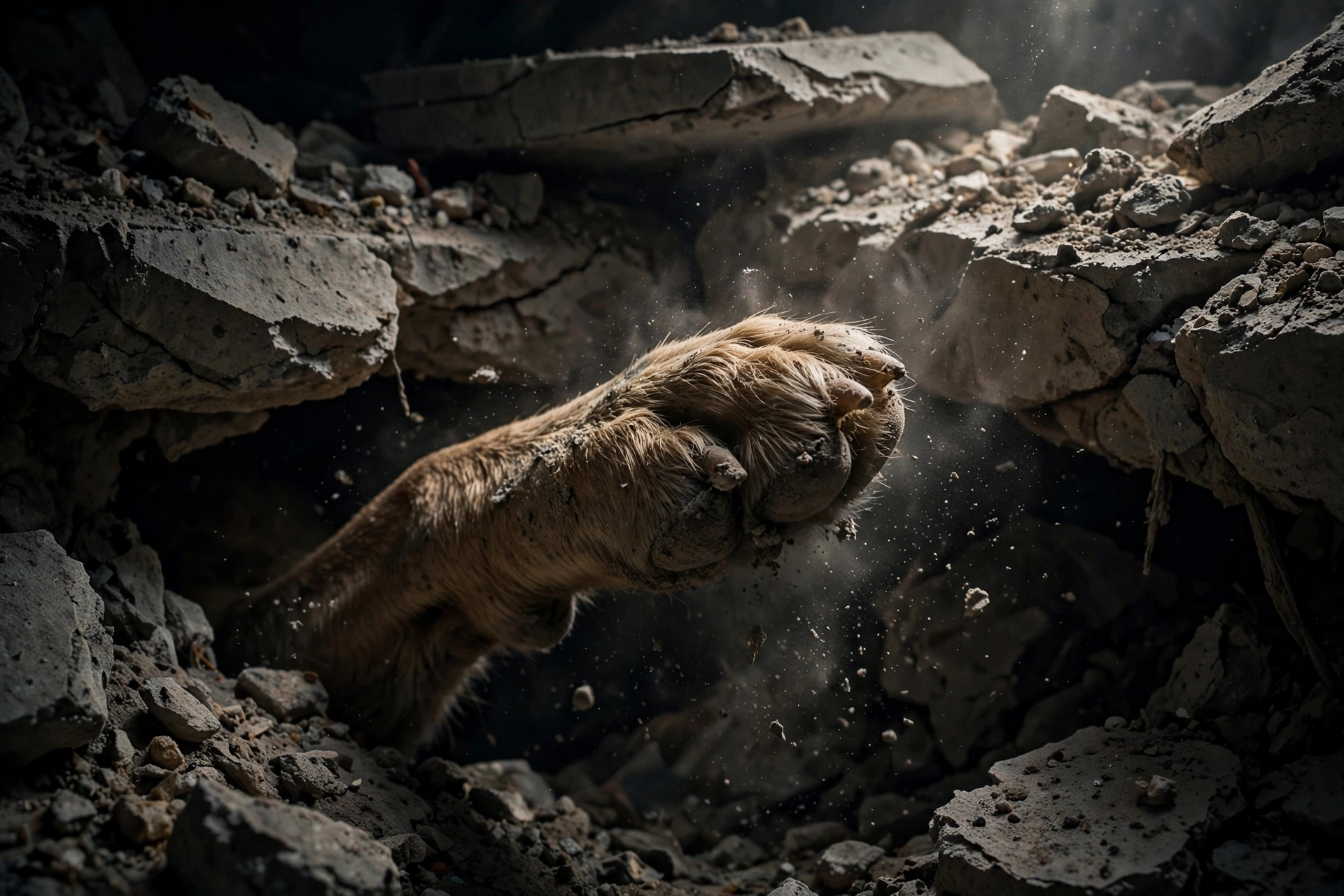
Imagine the darkness. The weight of broken walls pressing down from every side. Air thick with dust. No light, no space to move, no way to call for anyone. That was the reality for one brave dog, buried deep beneath layers of dirt, concrete, and splintered wood.
He had been trapped when the building above him gave way. The collapse happened in an instant, but the hours that followed were a slow test of endurance. Pinned so tightly he could hardly shift his body, he stayed alive through instinct — conserving energy, staying still, and waiting. When he sensed movement or voices above, he did the one thing that could save his life: he made noise. A whimper, a scratch — anything to tell the world above that he was still there.
When rescuers first arrived at the site, they were scanning for human survivors. Then came the sound — small, weak, but unmistakable. A dog was alive under the rubble.
The challenge was enormous. The debris was unstable, and one wrong move could cause the whole pile to shift and crush whatever air pockets remained. Heavy machinery was out of the question. This would have to be done by hand — piece by piece, stone by stone. Time was working against them, because trapped animals can fade fast from dehydration and crush injuries.
The Rescue Operation

What happened next was a masterclass in patience. The rescue team gathered around the spot where the sounds were coming from. They cleared the loose surface material first, then began the slow, careful work of removing heavier pieces — always checking the stability of the pile before lifting anything.
Working by hand, they unearthed the dog inch by inch. Concrete slabs had to be pried apart just enough to create space without letting anything collapse inward. The rescuers spoke softly as they worked, keeping their movements slow and deliberate. After what must have felt like an eternity, they finally reached him.
The first part of his body to emerge was his head. The moment his face appeared from the debris, the team offered him something simple and vital: a sip of water. For a dog who had been trapped in the dark and dust, that first drink was everything. They kept working around him, freeing his shoulders, his legs, and finally his whole body from the wreckage.
Video of the rescue shows the raw emotion of the moment — workers covered in dust, hands scraped from hours of digging, gently lifting the dog clear of the pile. Exhausted but alive. A small miracle wrapped in matted fur.
The teams on the ground hailed his survival as a beacon of hope. In a disaster that had taken hundreds of lives, pulling one small life out of the darkness alive felt like a promise that not all was lost. It was the kind of moment that reminds everyone why they do this work.
Survival and a New Life

Surviving the rubble was only the first chapter. Once free, the dog needed veterinary care — a full check for crush injuries, dehydration, and internal damage. Dogs pulled from collapsed buildings often suffer from shock, and the first 48 hours after a rescue are critical. Vets monitor them closely for organ damage that may not be visible right away.
This dog was lucky. He had been found in time. With medical attention, food, water, and rest, his body could begin to heal. Just as important was the emotional recovery. A dog that has lived through a disaster may be fearful or anxious for weeks afterward. Gentle handling, quiet surroundings, and calm, kind people make all the difference.
Stories like this one do more than warm our hearts — they shine a light on an issue that deserves more attention. In disaster zones around the world, pets and stray animals suffer in silence. They cannot evacuate themselves or tell rescuers where they are. Their fate rests on teams who choose to listen for them in the ruins. And awareness is growing: more disaster response crews now train to search for animals as well as people.
For this one brave dog in Venezuela, the nightmare is over. He went from being buried alive in the dark to being lifted into the daylight by strangers who refused to walk away — a reminder that hope is real, and sometimes it has four legs and a wagging tail.
How You Can Help Animals in Disasters

When earthquakes strike, local shelters and rescue groups are the first to respond for animals — and they run on donations and volunteers. If this story moved you, consider supporting animal disaster relief organizations, such as Red de Apoyo Canino, the Caracas-based group active in Venezuela, or SPCA International’s Global Animal Rescue program, which partners with local teams in disaster zones.
You can also prepare your own pets. Keep a go-bag with a leash, a carrier, several days of food and water, medications, and vaccination records. Make sure your dog wears a collar with an ID tag and is microchipped, because frightened animals bolt during quakes. A few minutes of preparation today can save your pet’s life tomorrow.
Frequently Asked Questions
How long can a dog survive trapped under rubble?
It depends on injuries, air flow, and temperature, but dogs have survived for several days buried in rubble. Dehydration and crush injuries are the biggest dangers, which is why rescue teams work as fast as safety allows. This dog’s survival shows how resilient dogs can be when given a chance.
How do rescue teams find animals buried in earthquake debris?
Teams listen for sounds like whimpers or scratching, use trained search dogs that detect the scent of living bodies, and sometimes use thermal cameras or listening devices. In this case, faint sounds led rescuers to the dog’s location, and they dug him out by hand.
Why can’t heavy machinery be used to rescue trapped animals?
Heavy machinery can cause unstable debris to shift or collapse further, crushing survivors. Near a living animal or person, rescuers clear rubble by hand, piece by piece, to keep the pile stable. It is slower, but it is the only safe way.
What injuries do rescued dogs typically have after being buried?
Common issues include dehydration, cuts and scrapes, crush injuries, broken bones, shock, and breathing problems from inhaling dust. Vets usually recommend a full medical exam, fluids, rest, and close monitoring for at least 48 hours after the rescue.
How can I help animals affected by earthquakes?
Donate to animal disaster relief groups like Red de Apoyo Canino or SPCA International’s Global Animal Rescue program, volunteer with local shelters during emergencies, and have a disaster plan for your own pets — including carriers, food, water, and vaccination records.