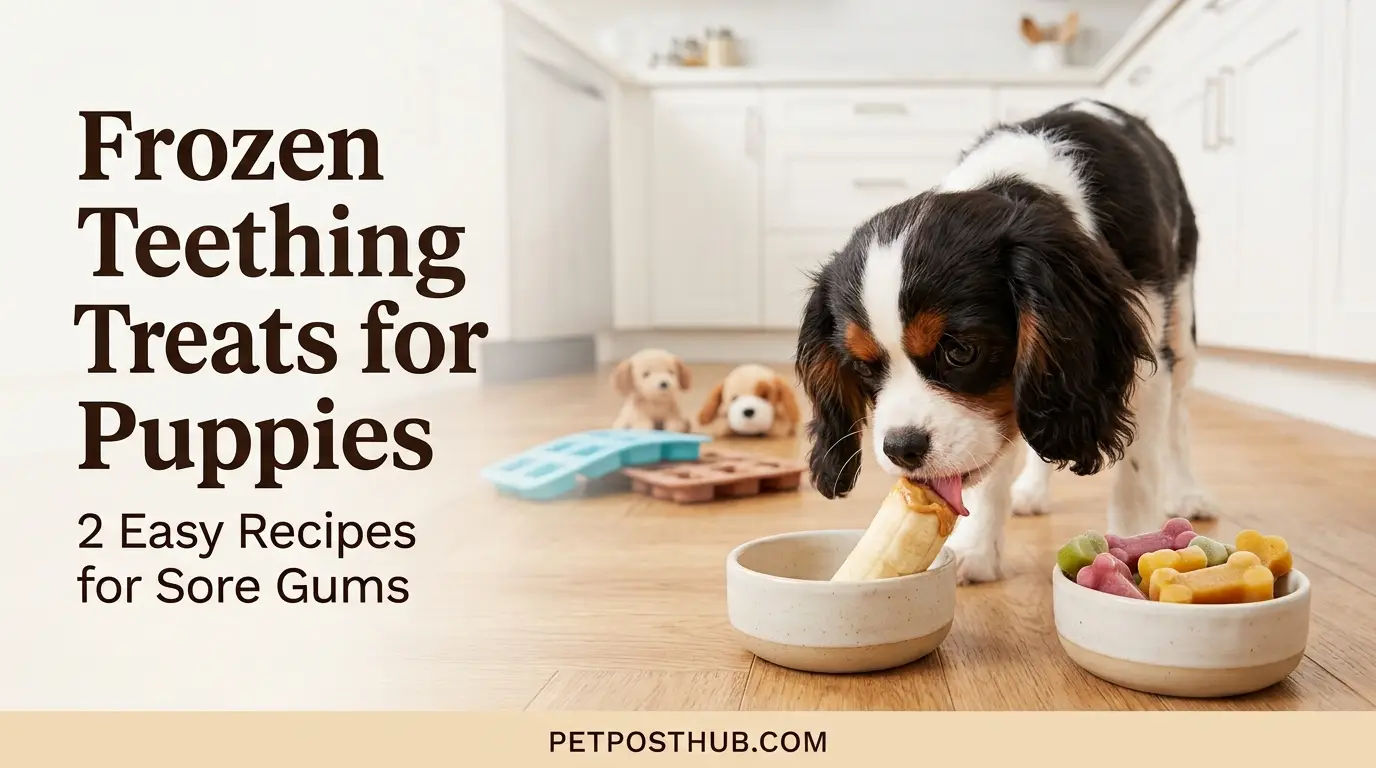
Frozen Teething Treats for Puppies: 2 Easy Recipes for Sore Gums
Puppy teething can turn a normally sweet little dog into a nonstop chewing machine. Furniture, shoes, blankets, and even your fingers can suddenly become targets. The good news is that you can give your puppy something more useful to chew: a cold, soothing treat.
These frozen teething treats for puppies are easy to make with simple ingredients and can provide temporary comfort for sore, tender gums. Below are two puppy-friendly recipes, plus a simple frozen washcloth trick for very young puppies.
Why Frozen Treats Help Teething Puppies
When puppies lose their baby teeth and adult teeth begin coming through, their gums can feel irritated and uncomfortable. A cold treat can provide temporary soothing relief while giving them an appropriate chewing or licking activity.
Frozen treats may help:
- Soothe irritated gums
- Reduce the sensation of gum discomfort
- Keep a puppy occupied for longer
- Add extra moisture to their diet
- Redirect chewing away from furniture and household items
Frozen treats aren’t a replacement for veterinary care, but they can be a useful addition to your puppy’s teething routine.
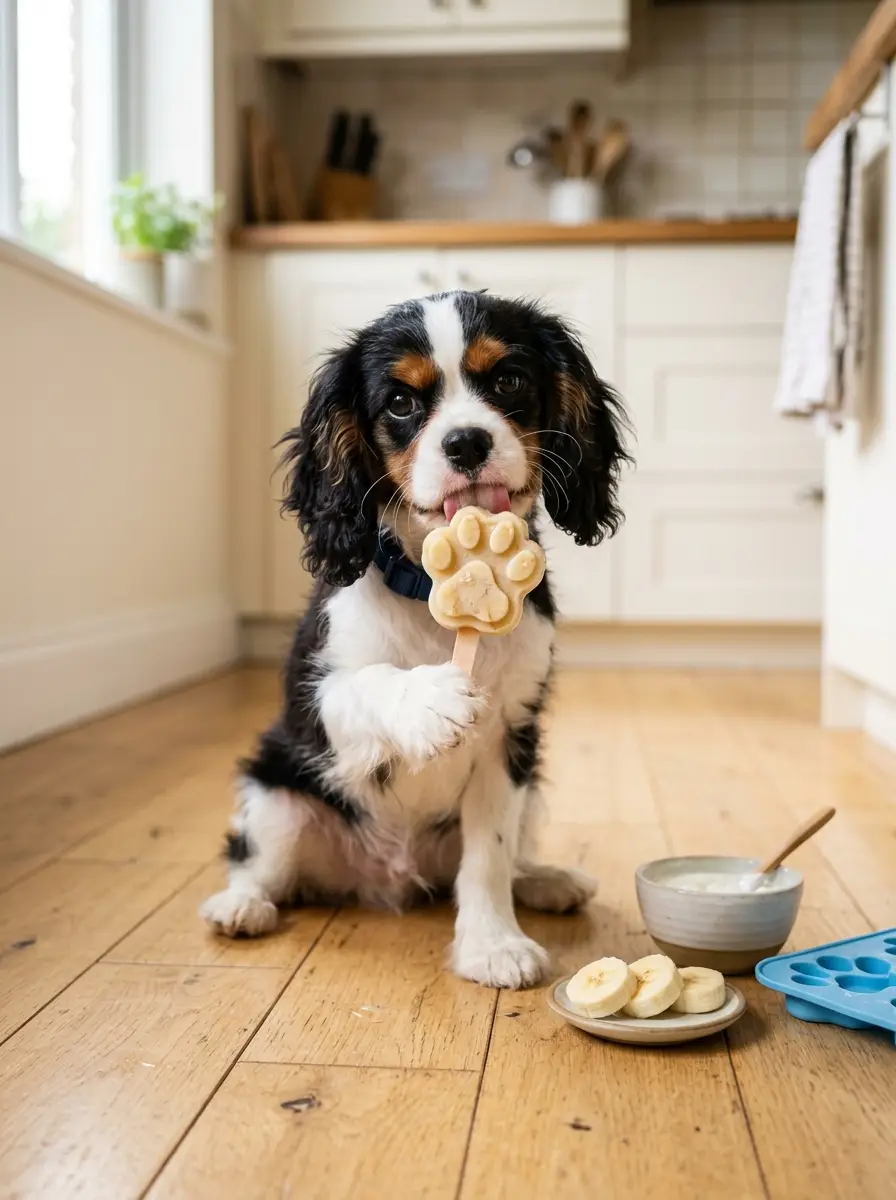
1. Frozen Peanut Butter Banana Pupsicles
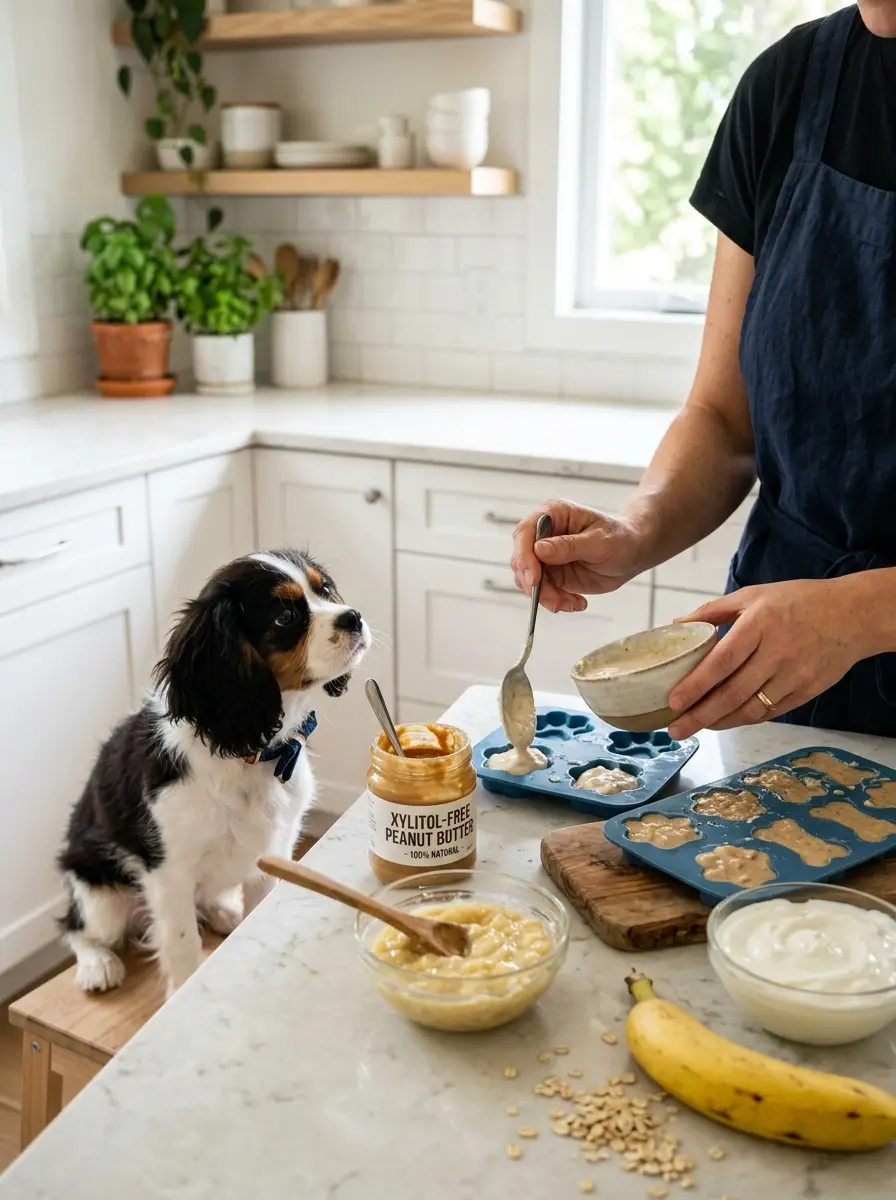
This is one of the easiest frozen puppy treats you can make. Banana provides natural sweetness while plain Greek yogurt gives the mixture a creamy texture.
Ingredients
- 1 ripe banana
- 2 tablespoons xylitol-free peanut butter
- 1/2 cup plain Greek yogurt
- 2 tablespoons water
How to Make Them
Mash the banana in a bowl until mostly smooth. Add the Greek yogurt, peanut butter, and water, then mix until combined.
Spoon the mixture into small silicone molds or an ice cube tray. Freeze for at least 4 hours, preferably overnight.
Remove one treat from the freezer and let your puppy enjoy it under supervision.
Important Peanut Butter Safety
Always check the ingredient label before giving peanut butter to a puppy. It must be completely free from xylitol, which is highly toxic to dogs. Avoid products containing added chocolate, excessive sugar, or other unnecessary ingredients.
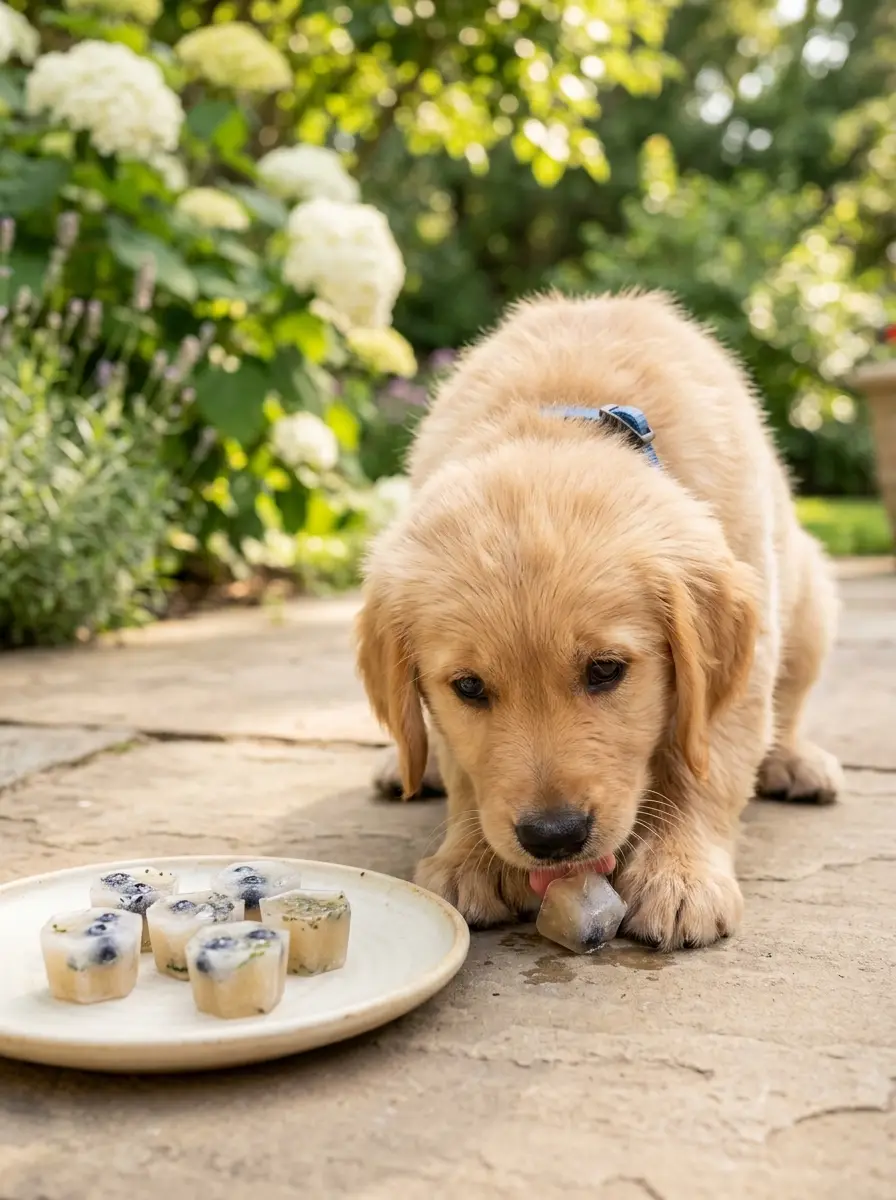
2. Frozen Bone Broth Puppy Treats
If your puppy doesn’t tolerate dairy or simply doesn’t like banana, these bone broth cubes are a simple alternative.
Ingredients
- 2 cups low-sodium bone broth
- 2 tablespoons plain pumpkin puree
- 6–8 blueberries, optional
Choose broth made without onion, garlic, excessive salt, or added seasonings.
How to Make Them
Warm the broth slightly and stir in the pumpkin until smooth. Don’t bring it to a boil.
Place a blueberry into each small silicone mold if you’re using them. Pour the broth mixture over the top and freeze for 6–8 hours.
Once frozen solid, pop out a single cube and serve it to your puppy while supervised.
These treats also provide extra moisture, making them especially useful when your puppy isn’t enthusiastic about drinking.
Frozen Washcloth for Young Puppies
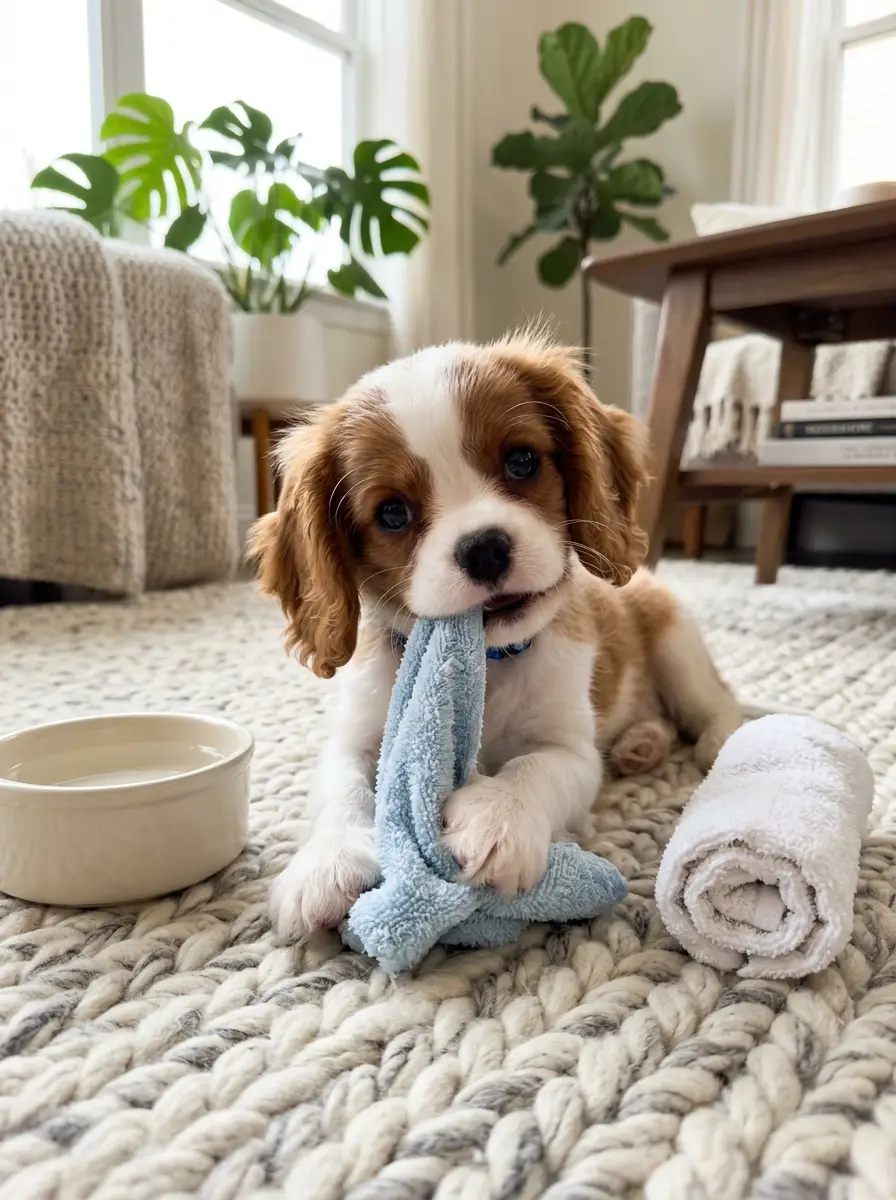
A frozen washcloth can be an inexpensive option for puppies that are too young for additional treats.
Wet a clean washcloth with water and wring out the excess. Twist it into a loose rope, place it flat on a clean plate, and freeze it.
Give it to your puppy for a short, supervised chewing session.
Never leave a puppy alone with a frozen washcloth. If pieces of fabric start coming loose, remove it immediately because swallowed material can cause serious digestive problems.
How Much Frozen Treat Can a Puppy Have?
Frozen treats should be treated as treats rather than a replacement for balanced puppy food.
Start with a small portion and watch how your puppy responds. Too much banana, yogurt, pumpkin, or rich peanut butter can cause digestive upset.
A useful rule is to keep treats to around 10% or less of your puppy’s daily calorie intake. Smaller puppies generally need much smaller portions.
What Not to Put in Frozen Puppy Treats
Some foods that are fine for people can be dangerous for dogs. Never add:
- Xylitol or products containing it
- Chocolate or cocoa
- Grapes or raisins
- Onion or garlic
- Macadamia nuts
- Heavily salted broth
- Artificial sweeteners or heavily seasoned foods
Also avoid giving puppies extremely hard, solid objects to chew. Very hard treats or ice can potentially damage developing teeth.
When Teething Needs More Than a Treat
Most puppy teething discomfort can be managed with appropriate chew toys, supervision, and soothing options. However, contact your veterinarian if your puppy has severe pain, significant bleeding, facial swelling, refuses food or water, develops persistent diarrhea or vomiting, or seems unusually unwell.
If you notice baby teeth that remain firmly in place while adult teeth are coming through, your veterinarian can also check whether they need attention.
The Best Frozen Teething Treat for Your Puppy
For a puppy that enjoys creamy treats, the banana, yogurt, and peanut butter pupsicles are an easy first choice. For puppies with sensitive stomachs or dairy intolerance, frozen bone broth cubes offer a simpler alternative.
Either way, keep portions small, use dog-safe ingredients, and always supervise your puppy while eating or chewing.
A good frozen treat won’t stop teething, but it can make those difficult chewing days a little easier—for your puppy and your furniture.
FAQs About Frozen Teething Treats for Puppies
Are frozen treats good for teething puppies?
Yes, appropriately prepared frozen treats can temporarily soothe irritated gums and provide a safe licking or chewing activity. They should complement, not replace, appropriate puppy food and chew toys.
Can puppies have frozen bananas?
Small amounts of plain frozen banana are generally suitable for puppies. Remove the peel and avoid adding sweeteners or other unsafe ingredients.
Can I freeze yogurt for my puppy?
Plain, unsweetened yogurt can be frozen into small treats if your puppy tolerates dairy. Start with a small amount because some dogs develop digestive upset from dairy.
Are ice cubes safe for teething puppies?
Large, very hard ice cubes aren’t the best choice for young puppies because of the potential for tooth damage. Softer frozen treats or frozen washcloths can be better alternatives when appropriately supervised.
How long do homemade puppy treats last in the freezer?
For best quality, store homemade frozen treats in an airtight freezer container and use them within a few weeks. Always discard treats that develop freezer burn, an unusual smell, or contamination.