Why Does My Dog Fart When I Pet Him? 5 Reasons
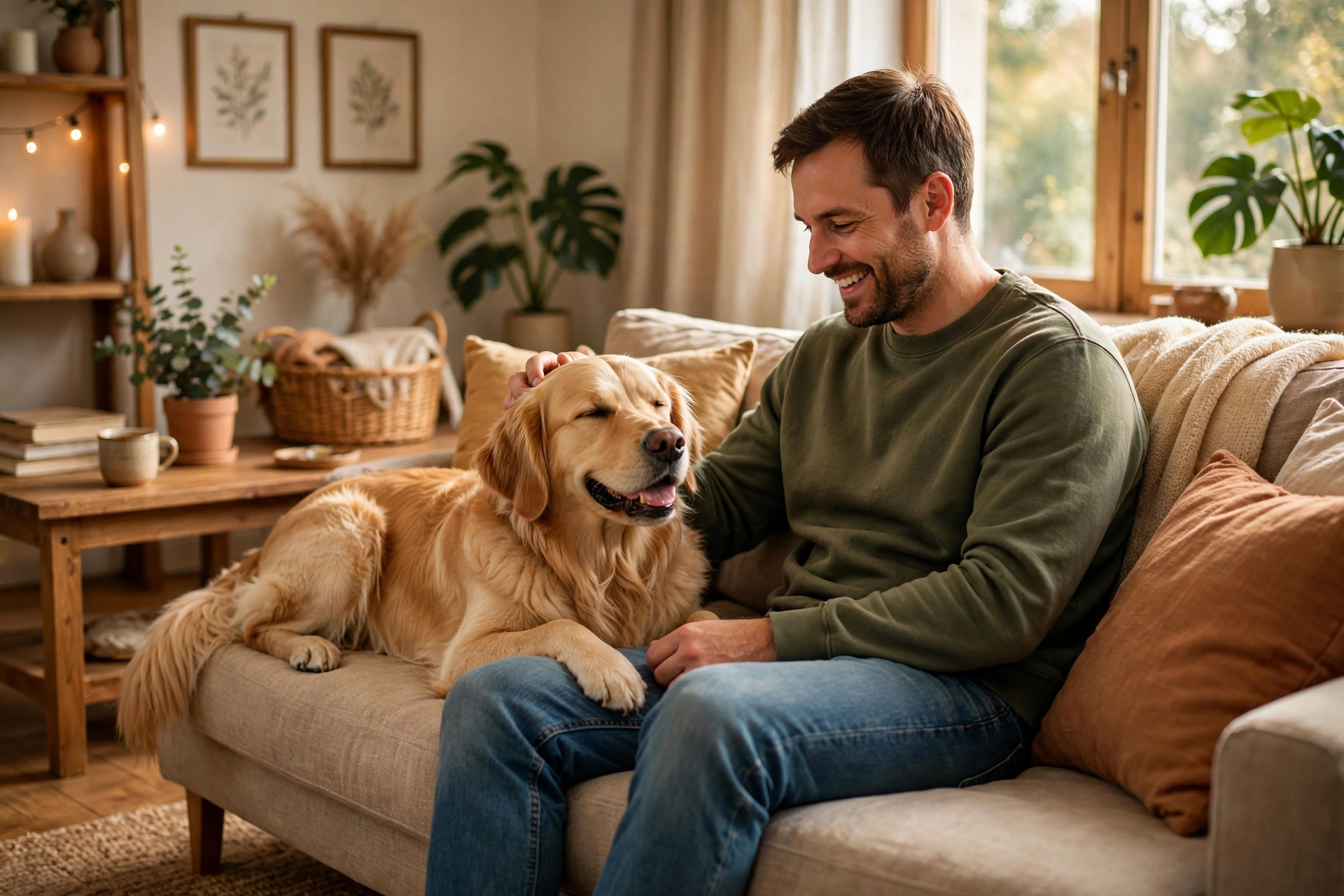
You settle in for a sweet cuddle session, hand running through your dog’s fur — and then it happens. A little pfft. Your dog looks up at you, completely unbothered, while you question your life choices.
If you’ve ever wondered why does my dog fart when I pet him, take comfort in knowing this is one of the most common (and funniest) things dog owners ask about. Occasional gas is totally normal — but the timing can feel suspiciously deliberate. The good news: in most cases, petting just creates the perfect conditions for a trapped fart to make its escape. Here are the 5 real reasons it happens, and what you can do about the stinkier ones.
Table of Contents
- 1. Relaxed Muscles Let the Gas Out
- 2. Excitement Speeds Things Up
- 3. Swallowing Air During the Day
- 4. Gas-Causing Foods in Their Diet
- 5. An Underlying Digestive Issue
- 5 Quick Tips to Reduce the Stink
- When Dog Gas Needs a Vet
- Frequently Asked Questions
1. Relaxed Muscles Let the Gas Out
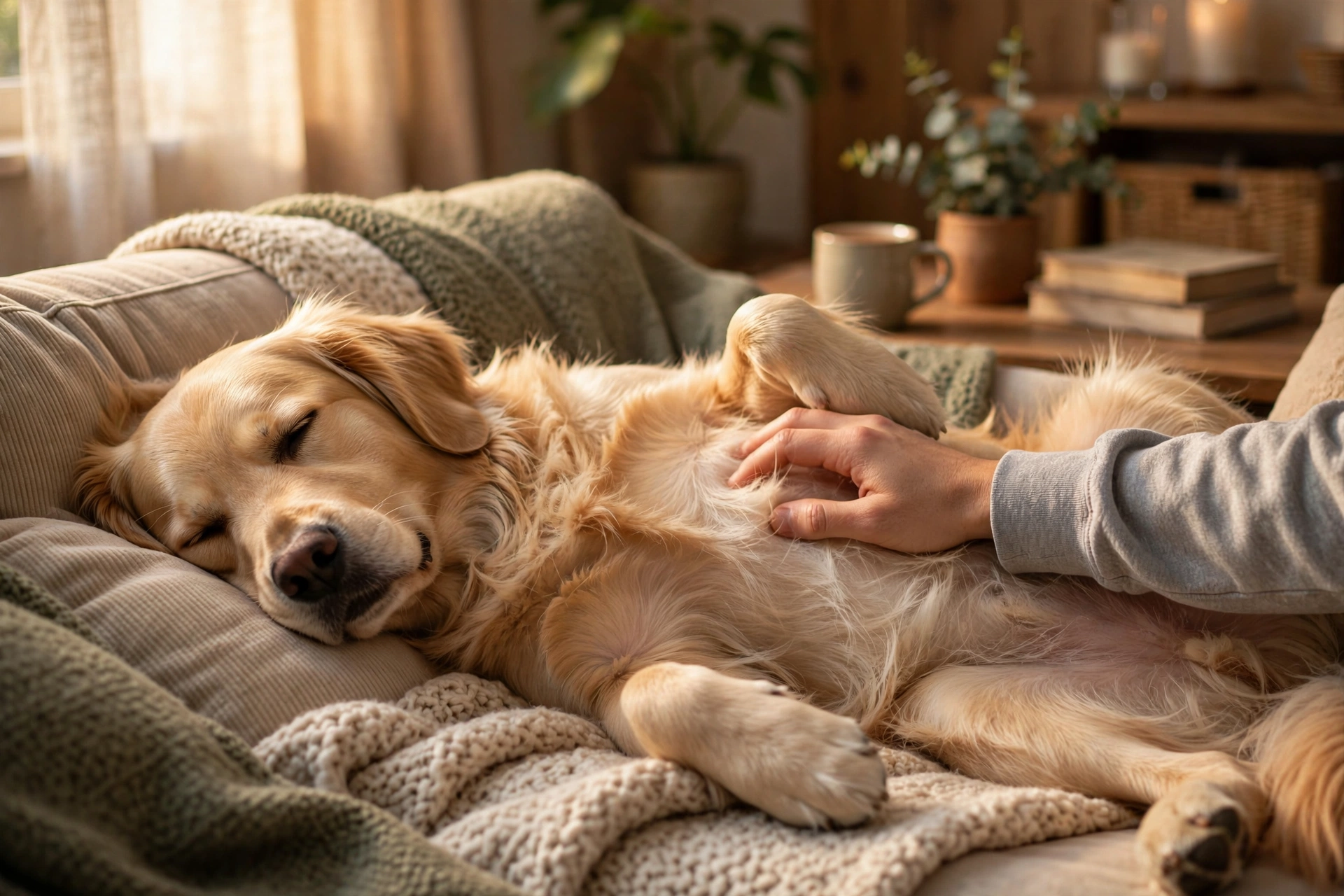
What it means: This is the number one reason your dog farts when you pet him — and it’s actually a compliment. When your dog melts into a puddle of bliss during belly rubs, all their muscles relax, including the ones that were holding back built-up gas. Think of it as the canine version of sighing with contentment. Your petting didn’t create the gas; it just gave it permission to leave.
What to do: Nothing at all — this is a healthy, happy dog being a healthy, happy dog. The gas was already there, waiting for a quiet moment. If anything, it means your dog feels safe and relaxed around you, which is the goal of every cuddle session.
Helpful pick: Best Friends by Sheri Calming Donut Bed — a cozy nest that supports the deep, relaxed rest where your dog recharges.
2. Excitement Speeds Things Up
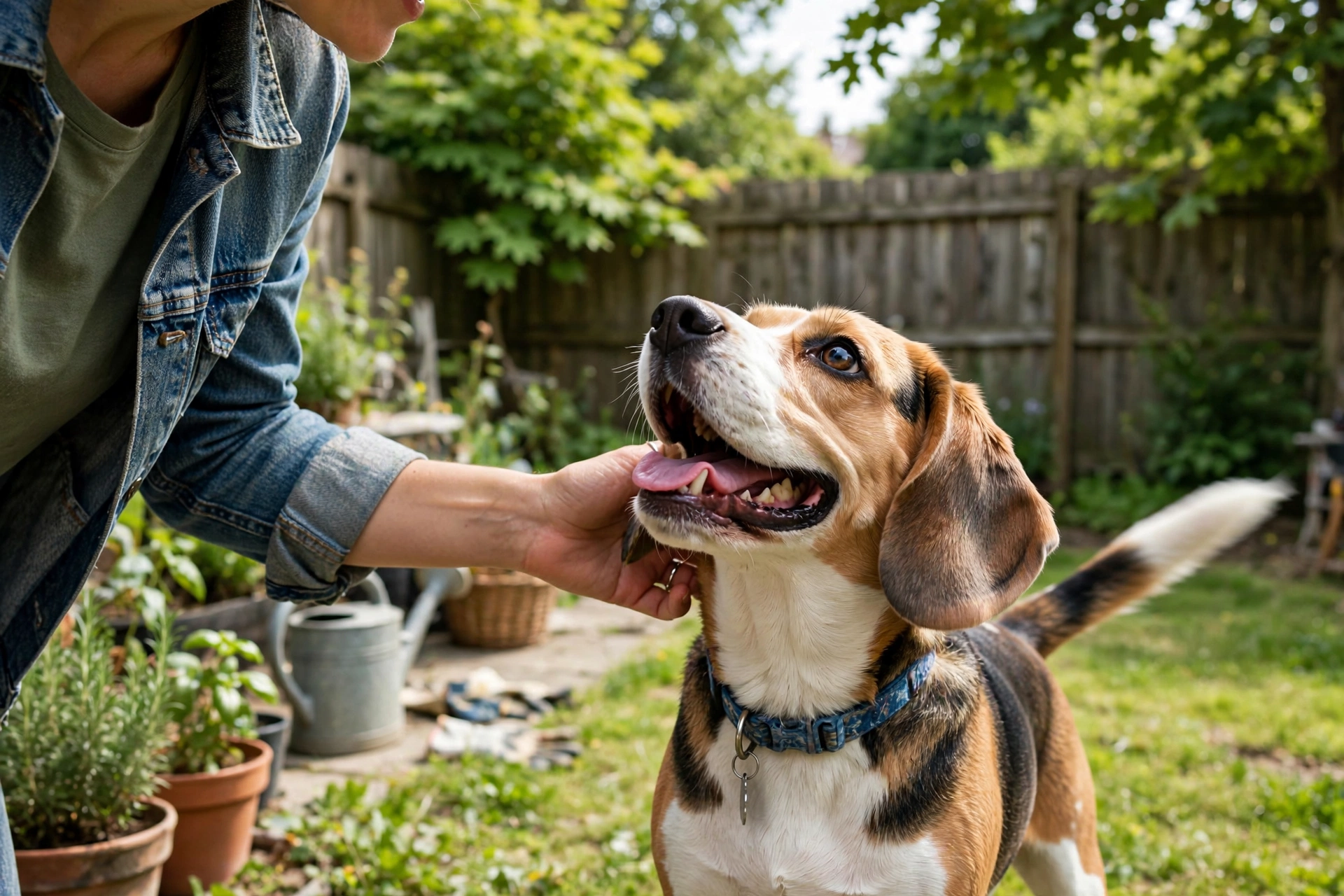
What it means: Does your dog toot most often when you first come home and start the greeting pet-fest? Excitement gets everything moving faster — the heart rate, the wiggling, and yes, the digestive tract. An excited dog pants, gulps air, and bounces around, all of which can push trapped gas out at exactly the wrong (or funniest) moment.
What to do: Keep greetings calm if the gas is excessive. Greet your dog quietly, pet them gently instead of riling them up, and give them a minute to settle before the full cuddle assault. Calm, low-key affection produces fewer fireworks.
Helpful pick: Zuke’s Mini Naturals Training Treats — reward calm behavior during greetings so your dog learns that settling down pays off.
3. Swallowing Air During the Day
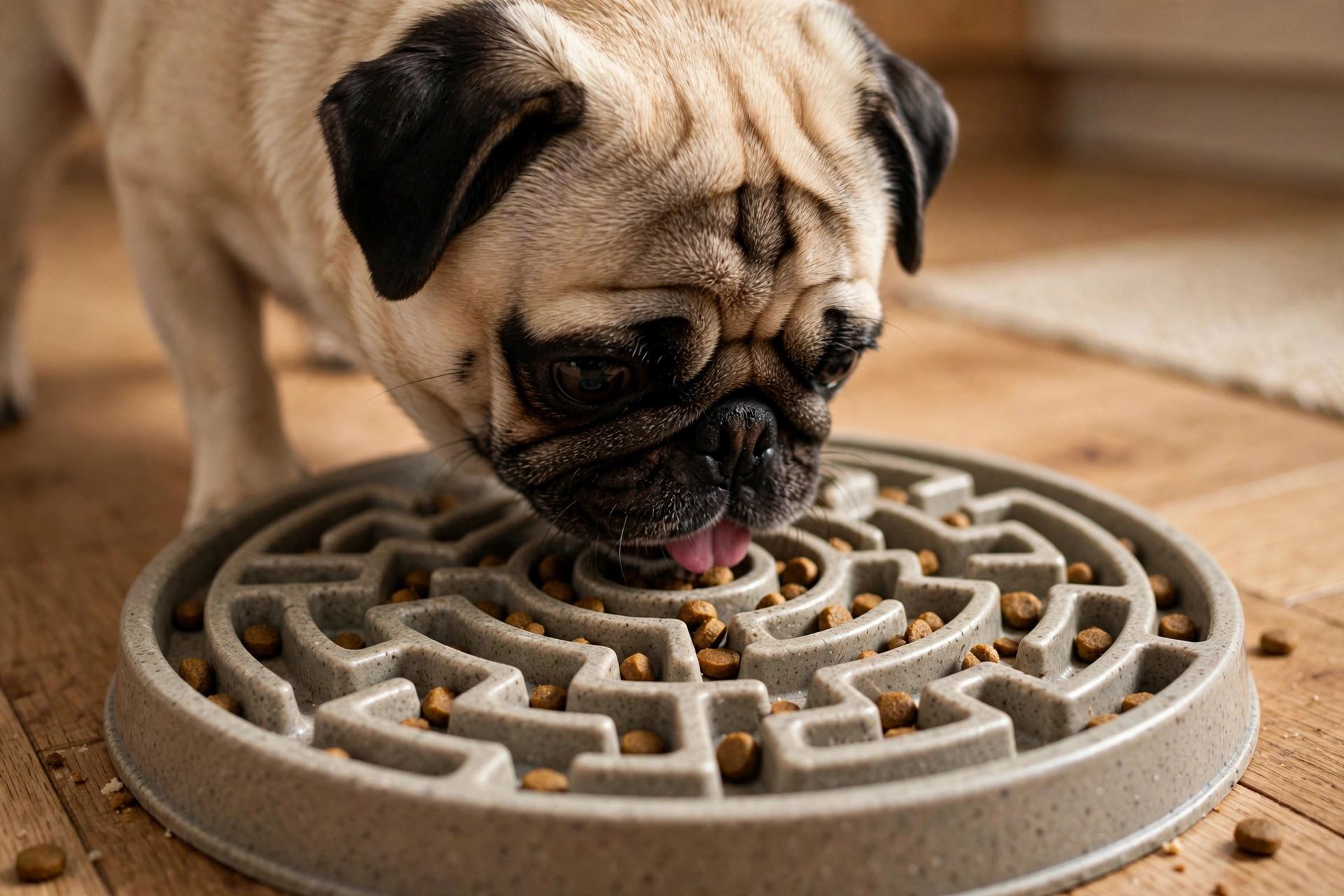
What it means: Many dogs develop gas simply because they swallow too much air — while eating too quickly, panting after play, or just breathing hard. Brachycephalic (short-nosed) breeds like pugs, boxers, and bulldogs are especially prone to this because of their airway structure. That swallowed air travels through the digestive tract and eventually exits the back end, often right when your dog finally relaxes in your lap.
What to do: Slow down mealtimes with a slow feeder bowl, which forces your dog to eat at a calmer pace and swallow less air. Avoid exercise right before or after meals, and feed smaller portions more often instead of one big bowl.
Helpful pick: Outward Hound Fun Feeder Slo Bowl — meal-lengthening ridges slow fast eaters up to 10x, cutting down on swallowed air.
4. Gas-Causing Foods in Their Diet
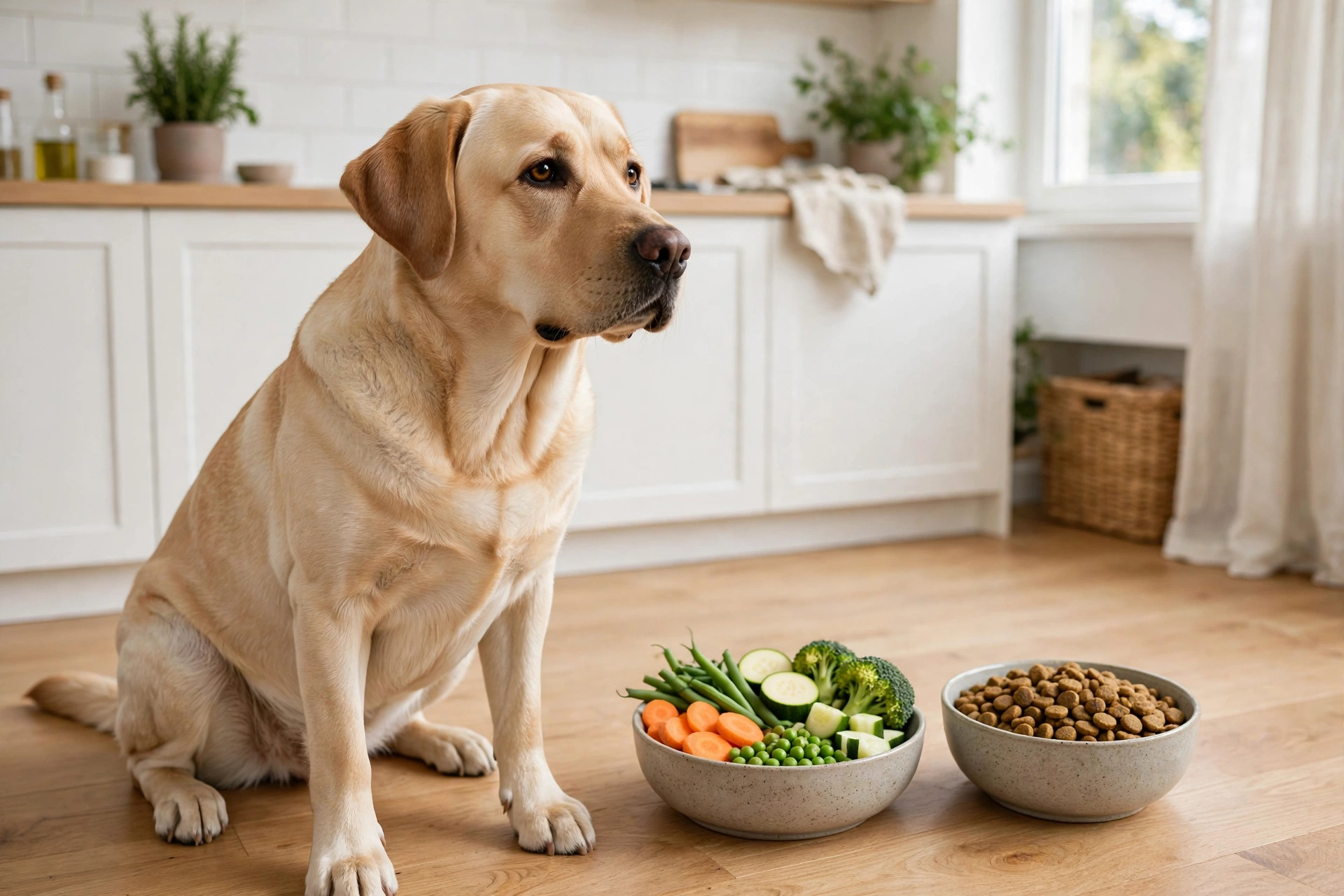
What it means: Diet is one of the most common causes of excessive flatulence. Hard-to-digest ingredients like soybeans, peas, beans, dairy, high-fat foods, and lots of table scraps ferment in the gut, producing especially fragrant gas. Sudden diet changes, spoiled food, or sneaky trash raids can all turn your dog into a walking whoopee cushion.
What to do: Switch to a high-quality, easily digestible food and transition over 7–10 days to avoid upsetting the gut further. Cut back on table scraps and dairy (most adult dogs are lactose intolerant). If you’re testing a new food, keep a simple log of gas levels so you can spot the culprit.
Helpful pick: Zesty Paws Probiotic Bites — probiotics that support healthy digestion and a calmer gut.
5. An Underlying Digestive Issue
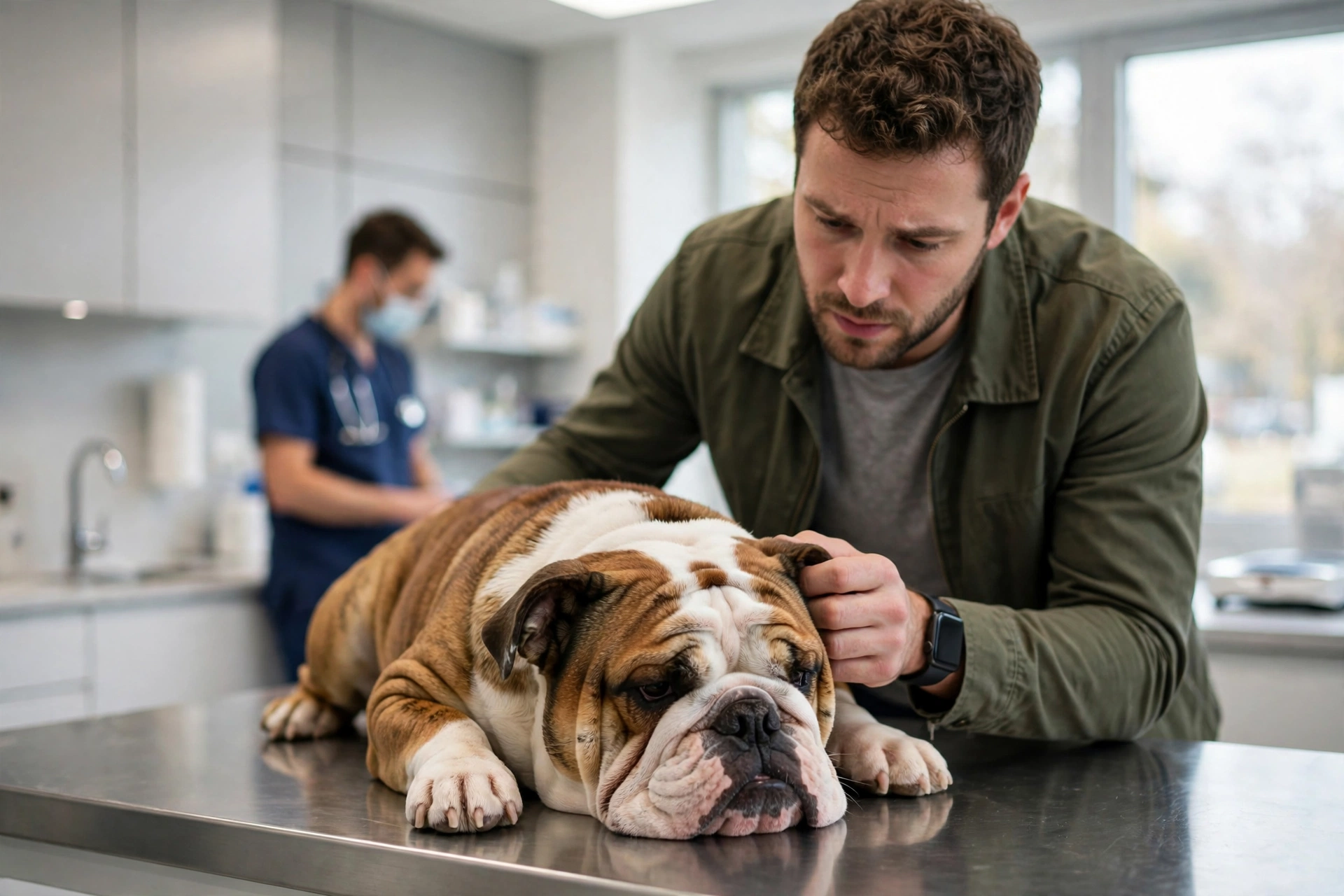
What it means: If the gas is new, constant, or combined with other symptoms, it can signal something deeper: food allergies or intolerances, inflammatory bowel disease, intestinal parasites, pancreatitis, or other digestive disorders. In these cases, the farting isn’t really about the petting at all — the petting just happens to be when you notice it.
What to do: Watch for red flags (see below) and schedule a vet visit if gas is persistent or paired with other changes. Your vet may suggest an elimination diet to identify intolerances, test for parasites, or adjust food to something gentler on the stomach.
Helpful pick: PetMedics Non-Contact Pet Thermometer — a quick way to check for a fever while you monitor whether your dog’s tummy troubles need a vet visit.
5 Quick Tips to Reduce the Stink
Ready to clear the air — literally? These simple changes make the biggest difference for most gassy dogs:
- Switch to a slow feeder bowl. Fast eaters swallow pockets of air with every gulp. A maze-pattern bowl turns a 60-second inhale into a five-minute meal, and many owners notice less gas within a week.
- Feed on a schedule, not free-choice. Two or three smaller meals a day are easier to digest than one giant bowl, and scheduled meals make it easier to spot which food is causing trouble.
- Transition foods gradually. Swap to a new food over 7–10 days, mixing a little more of the new food in each day. An abrupt switch is one of the most common causes of a sudden fart storm.
- Skip the dairy and table scraps. Most adult dogs can’t digest lactose well, and fatty human food ferments poorly in a dog’s gut. Keep cheese, milk, and greasy leftovers off the menu.
- Add gentle daily exercise. A good walk keeps the digestive tract moving the way it should. Gas that sits in a sedentary dog’s gut has more time to build up — and more time to make itself known during cuddle time.
When Dog Gas Needs a Vet
Occasional farts are normal, but call your vet if you notice any of these:
- Sudden, dramatic increase in gas or smell
- Vomiting, diarrhea, or changes in appetite
- Weight loss or a bloated, painful-looking belly
- Lethargy or obvious discomfort
- Bloody or mucus-filled stool
When in doubt, it’s always better to get a professional opinion — especially since excess gas can occasionally signal conditions that need treatment.
Frequently Asked Questions
Is it normal for dogs to fart when relaxed?
Yes. When a dog relaxes — during petting, sleep, or cuddles — the muscles around the digestive tract loosen up, which can release trapped gas. It’s one of the most common and harmless explanations.
Why does my dog fart every time I pet him?
If it happens literally every time, the most likely culprits are diet or fast eating rather than the petting itself. The petting just creates the relaxed moment when the gas escapes. Try a slow feeder and review their food.
Do certain breeds fart more?
Yes. Short-nosed (brachycephalic) breeds like pugs, boxers, bulldogs, and Boston terriers tend to swallow more air, so they fart more than average. Diet and eating speed matter for every breed, though.
Can I give my dog something for gas?
Probiotic chews and a switch to easily digestible food help many dogs. Avoid giving human gas remedies unless your vet specifically recommends them — some are unsafe for dogs.
What foods make dogs fart the most?
The biggest offenders are beans, peas, soy, dairy, high-fat foods, spicy foods, and sudden diet changes. Table scraps and trash raids are also classic triggers.
Keep Reading
- Best Dog Food for Sensitive Stomachs
- Foods Dogs Can and Can’t Eat
- Why Does My Dog Groan?
- Signs Your Dog Loves You
As an Amazon Associate, PetPostHub earns from qualifying purchases.