
Why Does My Dog Stink Even After a Bath? 8 Reasons & Fixes
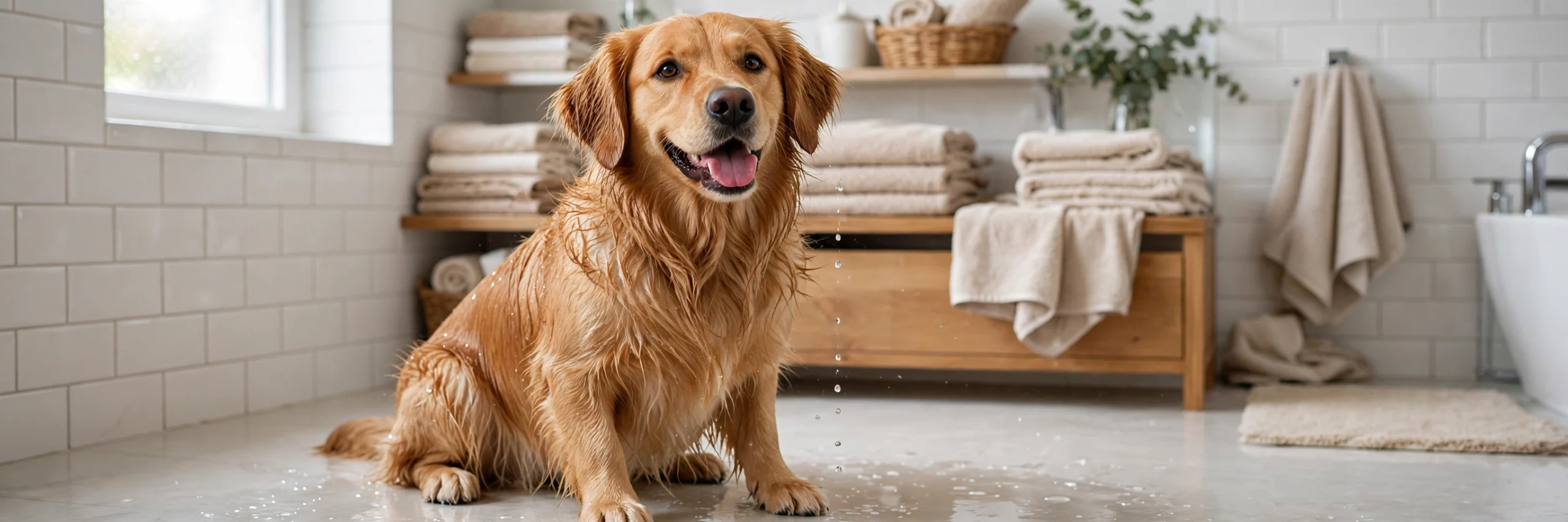
You bathe your dog, towel them off, they smell amazing — and by the next morning, the funk is back. If you’re wondering why your dog stinks even after a bath, the answer is usually hiding somewhere the shampoo never reached: the ears, the mouth, the skin, or the anal glands. Bathing only washes the coat. When the odor comes from somewhere else, no amount of lathering will fix it.
The good news: most post-bath stink has a findable cause and a straightforward fix. Below are the 8 most common reasons a dog still smells bad after a bath, what each type of smell actually smells like, and exactly what to do about it. Think of yourself as an odor detective — match the smell to the source below, and you’ll stop wasting shampoo on a problem that was never about the coat.
Table of Contents
- 1. Skin Infection (Yeast or Bacteria)
- 2. Ear Infection Odor
- 3. Dental Disease
- 4. Anal Gland Problems
- 5. Wet Undercoat That Never Fully Dried
- 6. The Wrong Shampoo
- 7. Allergies Behind the Odor
- 8. Diet and Digestive Gas
- When Smell Means a Vet Visit
- Frequently Asked Questions
1. Skin Infection (Yeast or Bacteria)
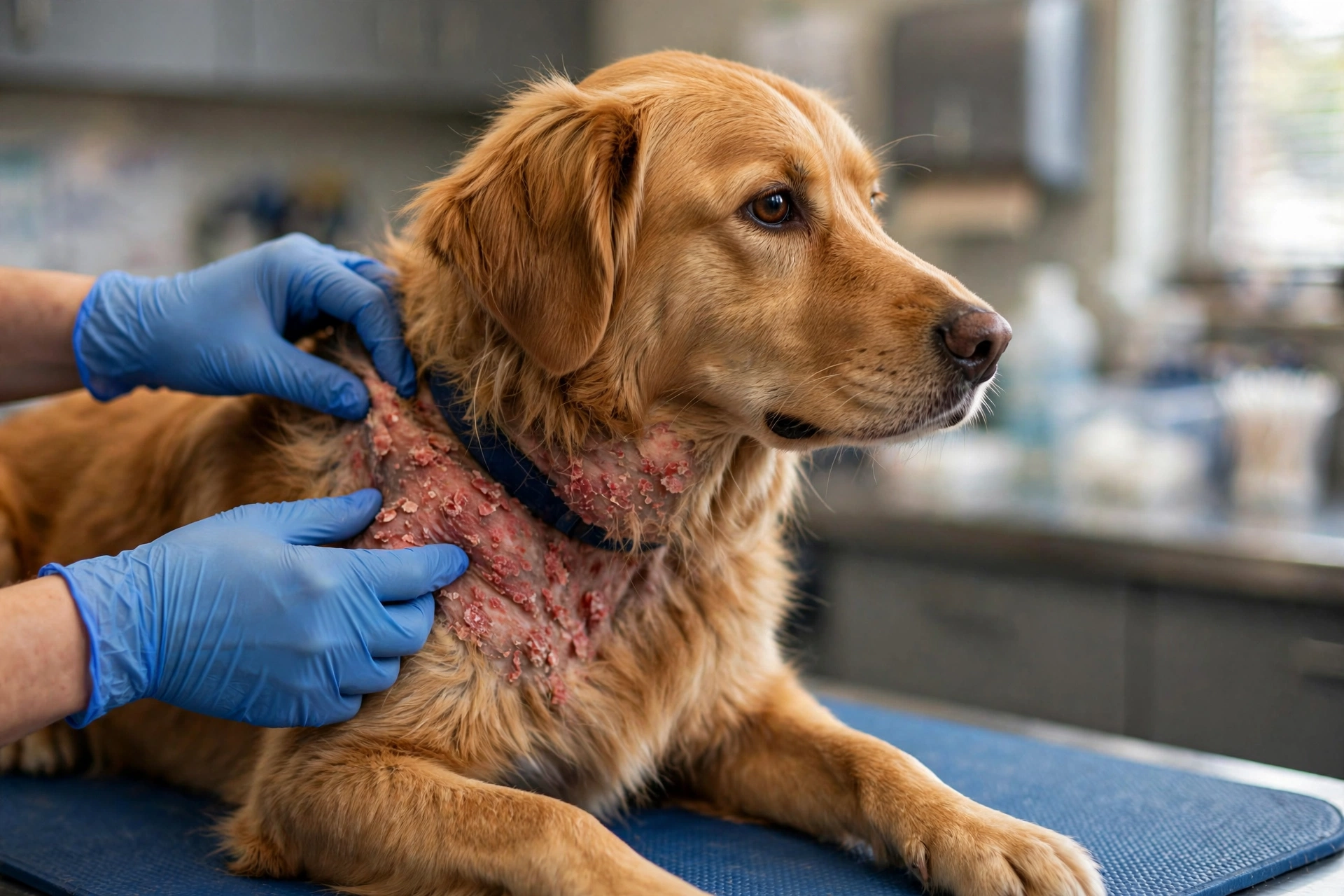
What it smells like: A musty, sweet-sour smell — many owners describe it as “corn chips” or “Fritos.” It’s strongest on the paws, belly, skin folds, and ears.
Yeast and bacterial skin infections are the number one reason a dog smells bad right after a bath. The shampoo cleans the hair, but the infection lives in the skin underneath, so the odor returns within hours. Dogs with allergies, floppy ears, or skin folds are most prone to it. Look for greasy skin, redness, darkening pigment, or constant scratching and licking.
How to fix it: Don’t just bathe more often — over-bathing strips protective oils and can make yeast worse. Use an antifungal/antibacterial medicated shampoo 1–2 times per week as directed, and book a vet visit. The vet can identify whether it’s yeast, bacteria, or both and treat it properly.
Helpful pick: Vet Formula Clinical Care Antiseptic & Antifungal Shampoo — a medicated shampoo designed for yeasty, smelly skin between vet visits.
2. Ear Infection Odor
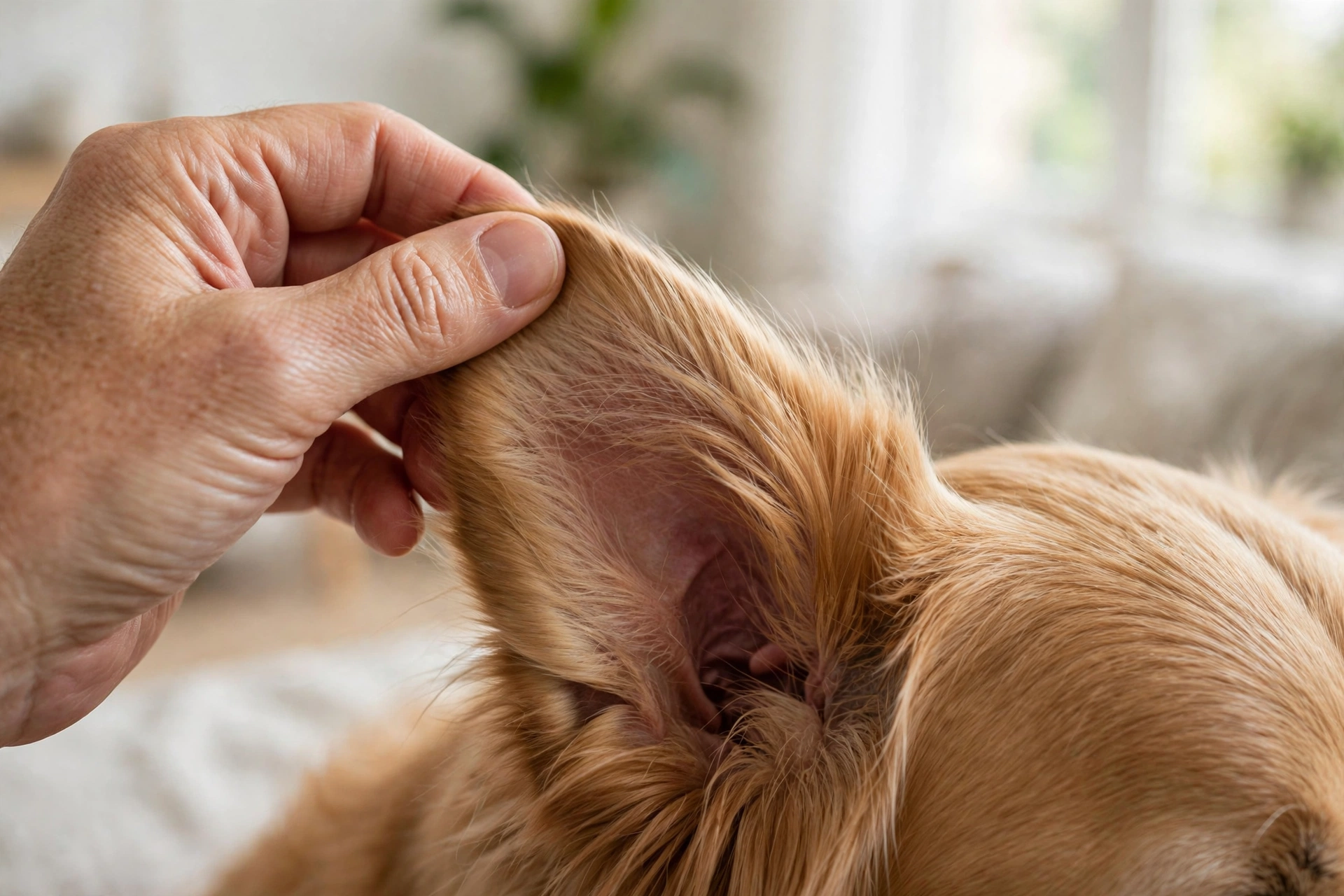
What it smells like: A sharp, sour, almost cheesy smell concentrated around the head and neck. You may notice it when your dog shakes their head — and suddenly the whole dog seems stinky.
Many “smelly after a bath” cases are really ear problems. Bathing doesn’t reach inside the ear canal, so an infection keeps pumping out odor. Floppy-eared breeds are especially prone. Warning signs: head shaking, scratching at one ear, redness, or dark waxy discharge.
How to fix it: Gently look and sniff near the ear opening — never poke deep inside. Clean the outer ear with a vet-approved ear cleaner, and see your vet if there’s strong odor, redness, or discomfort. Ear infections need the right treatment (bacterial vs. yeast), and the wrong product can make things worse.
Helpful pick: Zymox Otic Enzymatic Ear Solution — a no-sting enzymatic ear cleaner many owners use for routine smelly-ear maintenance.
3. Dental Disease

What it smells like: A rotten, metallic smell coming from the mouth — you notice it when your dog yawns, pants, or licks your face.
If your dog’s body smells clean but their breath is awful, the “bath didn’t work” mystery is solved: the odor is in the mouth, not the coat. Plaque, tartar, gum disease, or even an abscessed tooth can create a stink that shampoo will never touch. Most dogs over age three have some degree of dental disease.
How to fix it: Brush your dog’s teeth a few times a week with dog-safe toothpaste, offer vet-approved dental chews, and schedule a dental exam. Red gums, bleeding, or a broken tooth means a vet visit is due soon.
Helpful pick: Greenies Teenie Dental Treats — vet-accepted dental chews that help fight the plaque behind bad breath.
4. Anal Gland Problems
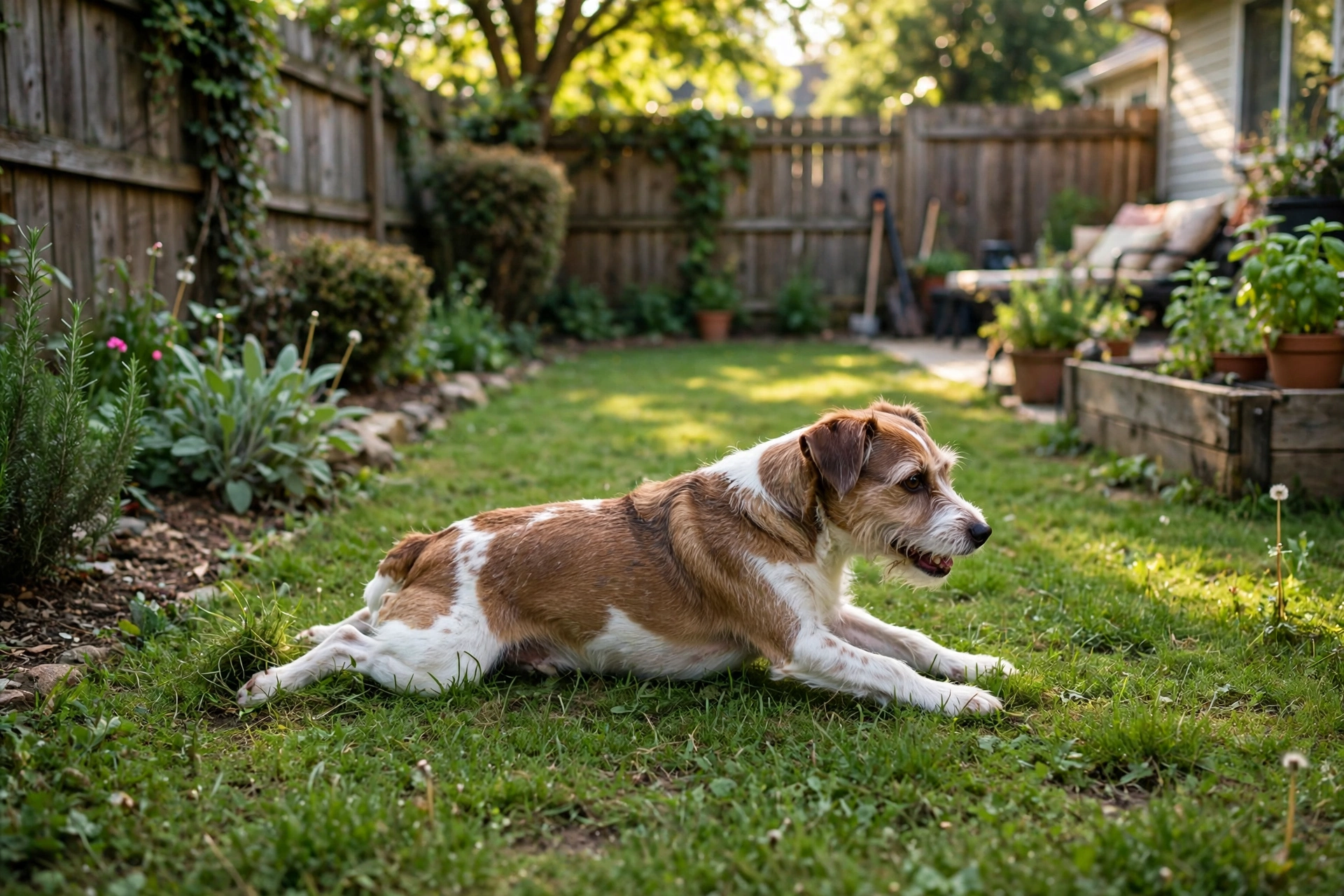
What it smells like: A distinct fishy smell from the rear end — sharp and unmistakable, sometimes with scooting or licking of the rear.
Anal glands can become full, impacted, or infected, and the resulting fishy odor can cling to bedding, furniture, and the dog’s coat long after a bath. If your dog scoots across the floor or chases their tail, the glands are the likely culprit.
How to fix it: Have your vet or groomer express the glands — never try internal expression yourself. For recurring issues, a fiber-supporting supplement can help the glands empty naturally during bowel movements. Recurring infections need a vet, not repeated baths.
Helpful pick: Vetnique Glandex Anal Gland Chews — vet-formulated fiber chews that support healthy anal gland function.
5. Wet Undercoat That Never Fully Dried

What it smells like: Classic “wet dog” — musty and sour, getting stronger as the day goes on.
This is the most common and most overlooked cause. Dogs smell fine right out of the bath, but the undercoat, chest, belly, armpits, and between the toes stay damp for hours. Moisture trapped against the skin feeds the normal yeast and bacteria that live there, and the musty smell blooms. Letting a damp dog onto the couch or bed makes it worse — fabric soaks up the odor and re-deposits it.
How to fix it: Dry like it matters, because it does. Towel-dry thoroughly (press, don’t just wipe), dry between the toes, and keep your dog off furniture until completely dry. A low, cool airflow setting on a pet dryer finishes the job for thick-coated breeds.
Helpful pick: Soggy Doggy Super Shammy — an ultra-absorbent drying towel that pulls far more moisture out of thick coats than a regular towel.
6. The Wrong Shampoo
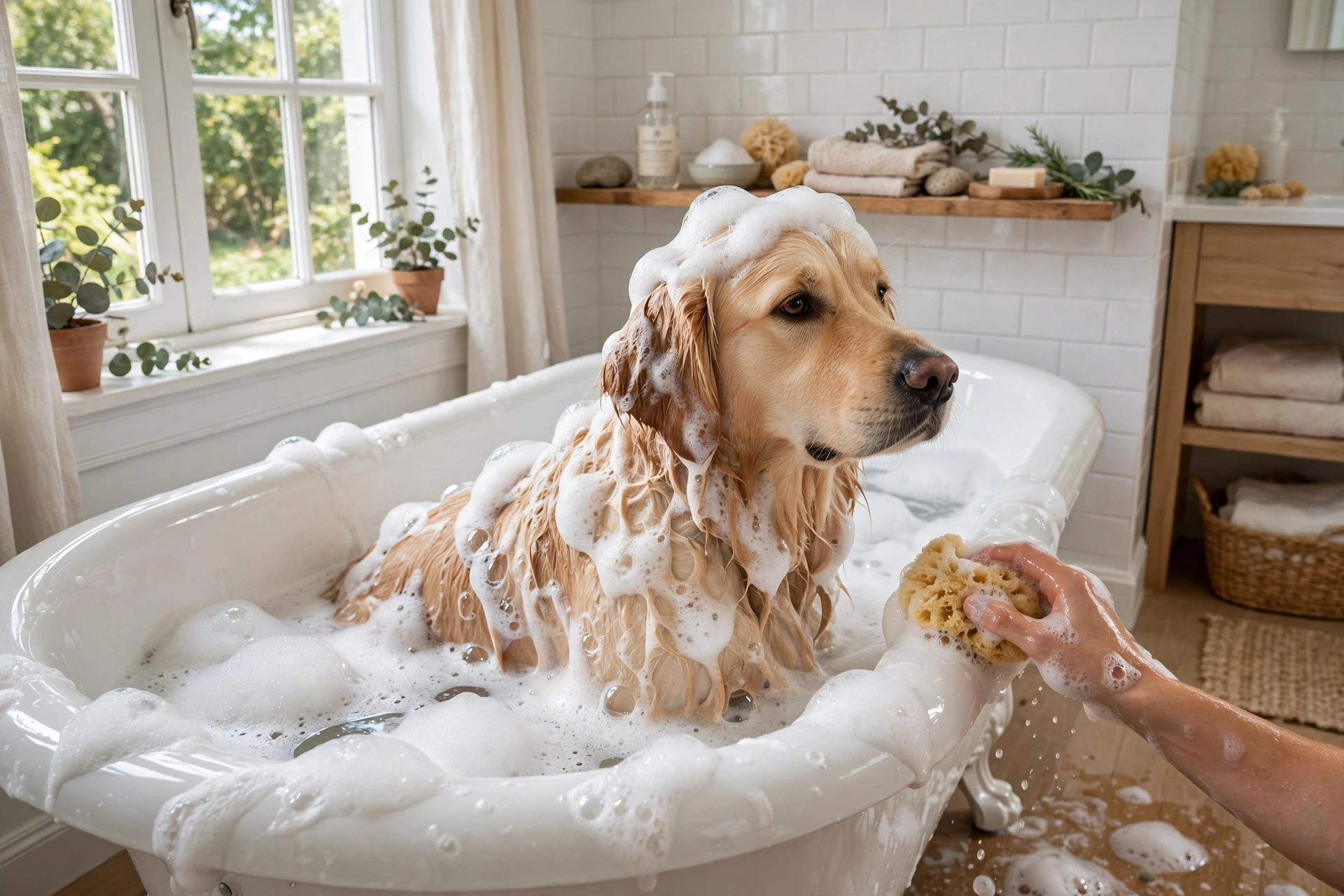
What it smells like: A faintly chemical or “off” smell, or an odor that returns within a day or two of washing.
Human shampoo is too harsh for dogs — it disrupts the skin’s pH, dries it out, and can trigger the oil glands to overproduce, which actually makes the dog smellier. Even some dog shampoos are too strong for frequent use. And if you’re not rinsing thoroughly, soap residue trapped in the coat turns into odor fast.
How to fix it: Use a gentle, dog-specific shampoo, rinse until the water runs completely clear (this takes longer than you think), and bathe only as often as your dog’s coat needs — usually every 4–8 weeks, not weekly. A deodorizing formula helps dogs that get smelly between baths.
Helpful pick: earthbath 3-in-1 Deodorizing Shampoo — a gentle deodorizing shampoo made for dogs that tend to get smelly.
7. Allergies Behind the Odor
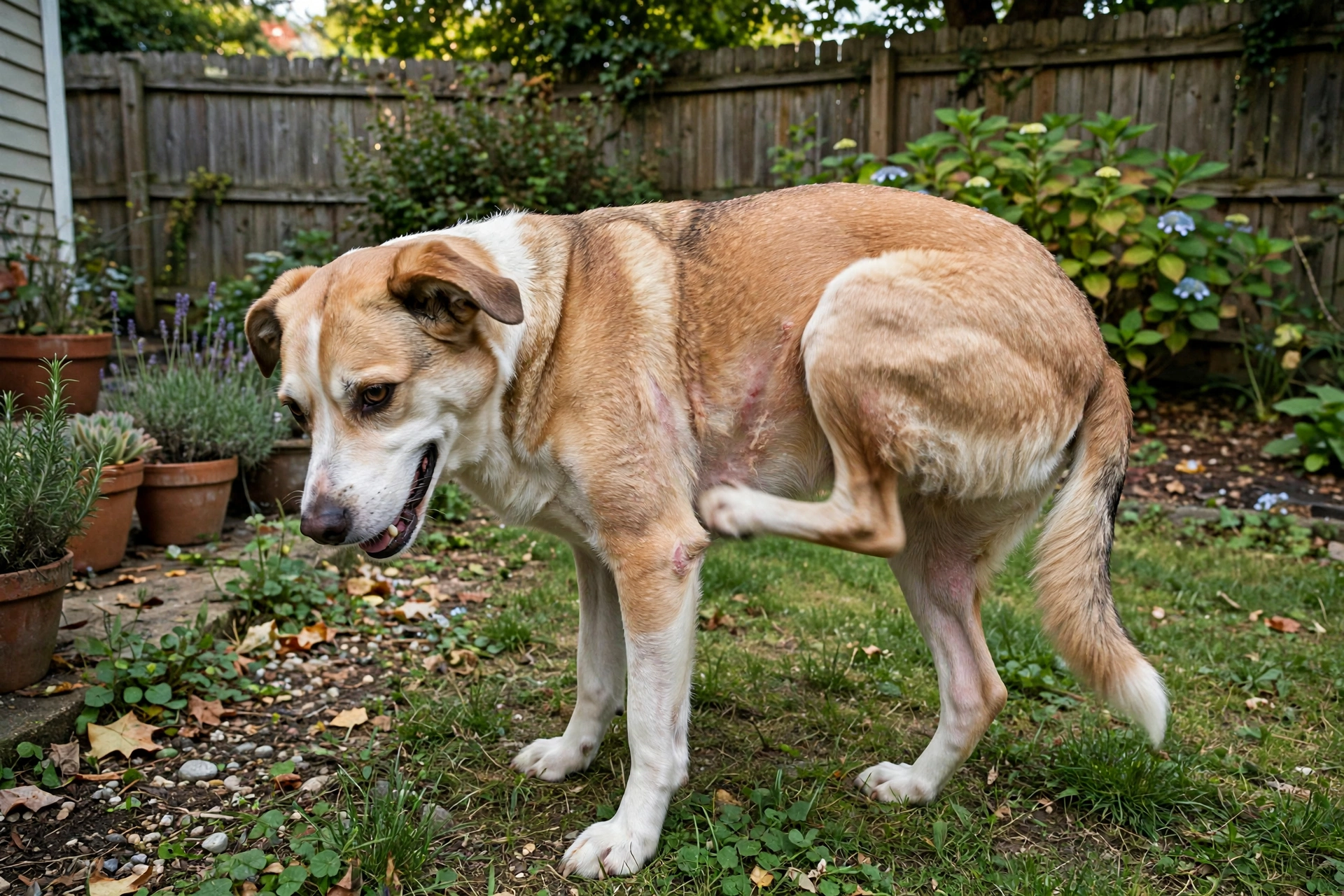
What it smells like: The musty-sweet yeast smell again — because allergies are often what’s feeding it.
Environmental or food allergies make dogs itch, and constant scratching and licking damages the skin barrier. Damaged skin invites yeast and bacteria, which create odor. If your dog smells yeasty and itches constantly, the allergy is the root cause and the smell is the symptom.
How to fix it: Wipe paws and belly after walks during allergy season, bathe with a soothing oatmeal or medicated shampoo as your vet recommends, and talk to your vet about identifying the trigger — food trials, environmental management, or allergy treatment. A skin-and-coat support supplement can help strengthen the skin barrier.
Helpful pick: Zesty Paws 8-in-1 Multivitamin Bites — daily multivitamin chews that support skin and coat health.
8. Diet and Digestive Gas
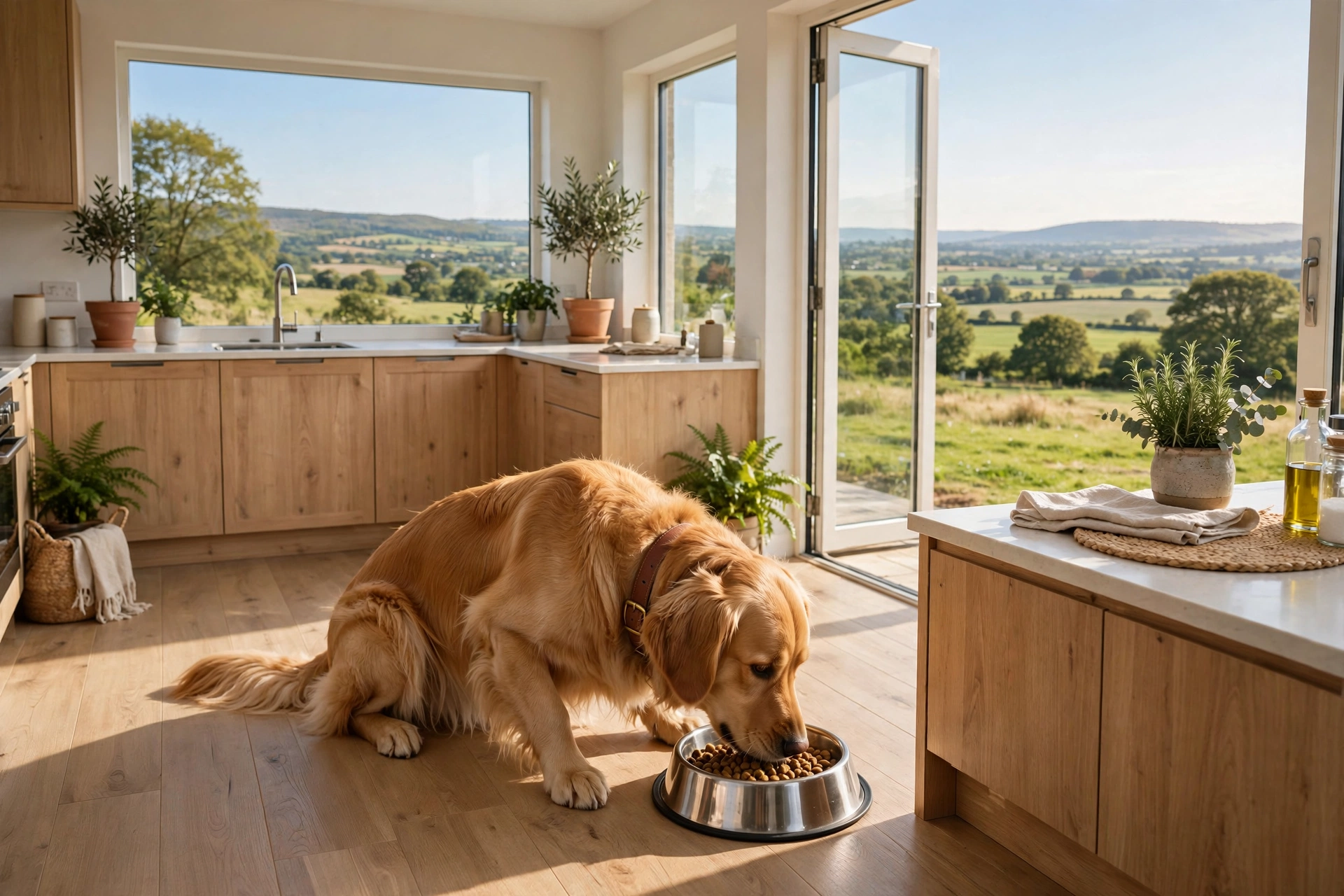
What it smells like: Persistent gas, a “doggy” body odor that seems to come from within, or bad breath that isn’t dental.
Sometimes the smell isn’t on the dog at all — it’s coming out of the dog. A low-quality diet, food intolerances, or a sudden diet change can cause gas and a general body odor that bathing can’t fix. Dogs that smell musty all over despite healthy skin may be reacting to something in their food.
How to fix it: Make sure your dog’s food meets AAFCO standards for their life stage, transition foods gradually over 7–10 days, and ask your vet about a diet trial if you suspect an intolerance. Omega-3 supplements support skin health from the inside out and can reduce that “doggy” smell over time.
Helpful pick: Native Pet Omega 3 Fish Oil — wild-caught fish oil that supports skin and coat health from the inside.
When Smell Means a Vet Visit
A little doggy odor is normal — every dog has a scent. The concern starts when the smell is new, strong, or refuses to go away despite proper bathing, thorough drying, and clean ears. Persistent odor is your dog’s way of flagging something you can’t see, and catching it early usually means simpler treatment.
Book a vet appointment promptly if you notice any of these alongside the smell:
- A sudden, strong new odor that doesn’t fade after bathing and drying
- Red, greasy, flaky, or darkened skin — or hair loss
- Constant scratching, licking, or head shaking
- Discharge from the ears, eyes, or rear
- Bleeding or very painful gums, or a broken tooth
- Changes in appetite, thirst, energy, or urination (odor plus these can signal metabolic issues)
The key takeaway: if the smell survives a proper bath and a thorough drying, the answer is a diagnosis, not another bath. Bathing more often can actually make yeast, dryness, and skin-barrier problems worse.
Frequently Asked Questions
How often should I bathe my smelly dog?
Most dogs only need a bath every 4–8 weeks. If your dog smells bad sooner than that, look for the underlying cause (ears, skin, teeth, glands) instead of bathing more often — over-bathing strips natural oils and can make the smell worse.
Why does my dog smell worse when wet?
Dogs have yeast and bacteria living naturally on their skin. When dry, they barely smell; when wet, the microorganisms release organic acids that smell much stronger. Thorough drying after every bath is the single biggest fix for post-bath stink.
Can I use human shampoo on my dog?
No. Human shampoo has the wrong pH for dog skin and dries it out, which can trigger oil overproduction and more odor. Always use a shampoo made for dogs.
My dog’s paws smell like corn chips — is that normal?
A mild corn-chip smell on the paws is normal (it’s from harmless bacteria). But if the smell is strong, or your dog is chewing or licking their paws constantly, it can signal a yeast infection that needs a vet’s attention.
What gets rid of dog smell on furniture and bedding?
Wash bedding in hot water regularly, vacuum upholstery, and keep your dog off fabric until fully dry after baths. If the dog’s odor persists, though, treat the source on the dog first — a stinky dog will re-scent clean furniture within days.
Want more grooming help? See why your dog smells, dog ear infection signs, how to clean your dog’s teeth without brushing, DIY dog shampoo for itchy skin, and the best dog food for allergies.
As an Amazon Associate, PetPostHub earns from qualifying purchases.



One Comment