
How to Teach Your Dog to Crawl: 7 Steps
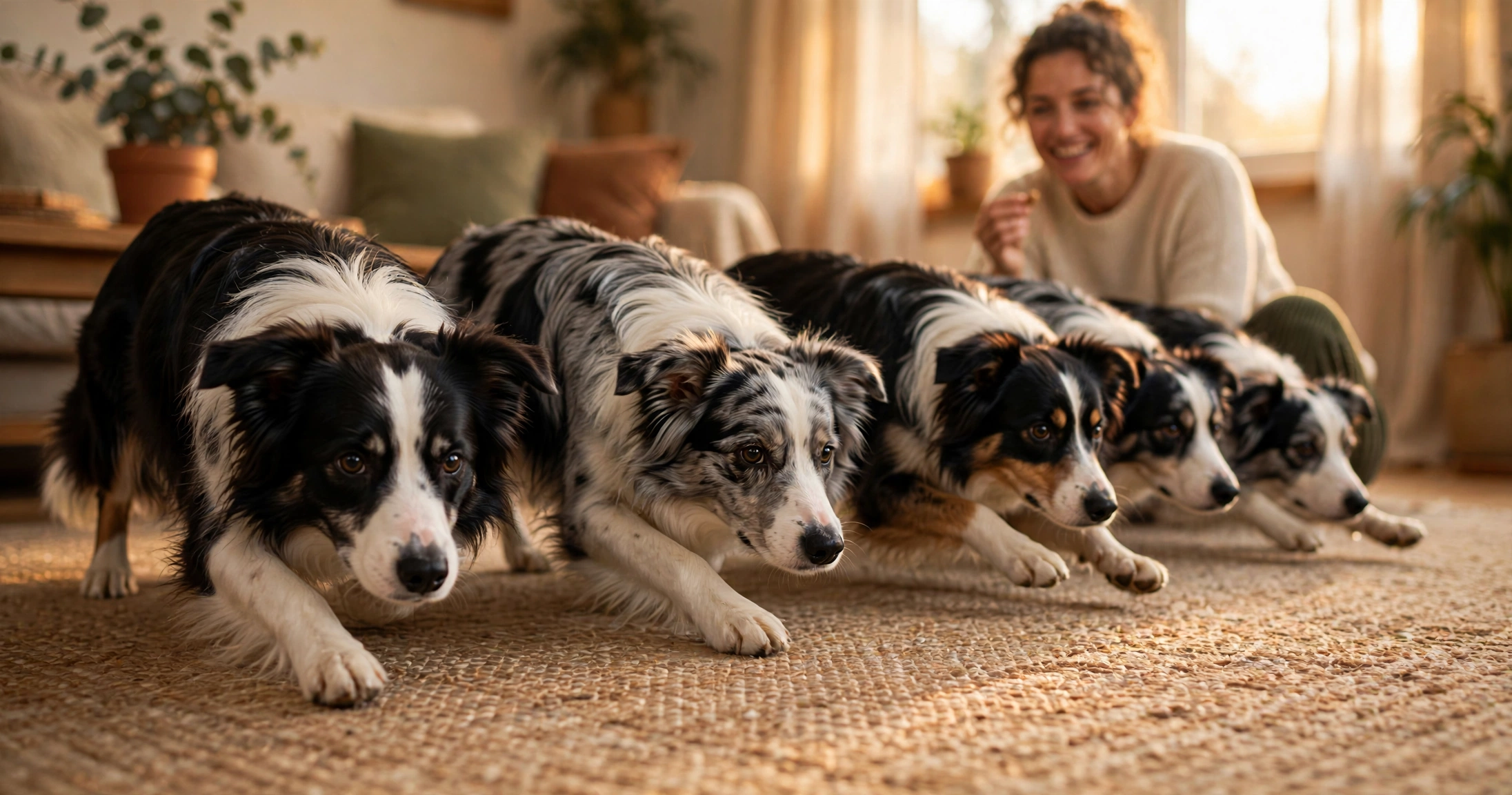
Ready to impress everyone at the dog park? Learning how to teach dog to crawl — the classic army crawl — is one of the most crowd-pleasing tricks you can add to your pup’s repertoire, and it’s easier than it looks. If your dog already knows how to lie down, you’re 90% of the way there. With a few high-value treats, a flat hand, and short fun sessions, most dogs start scooting forward on their bellies within a single training day. Here’s the full 7-step playbook.
Step 1: Start from a Down
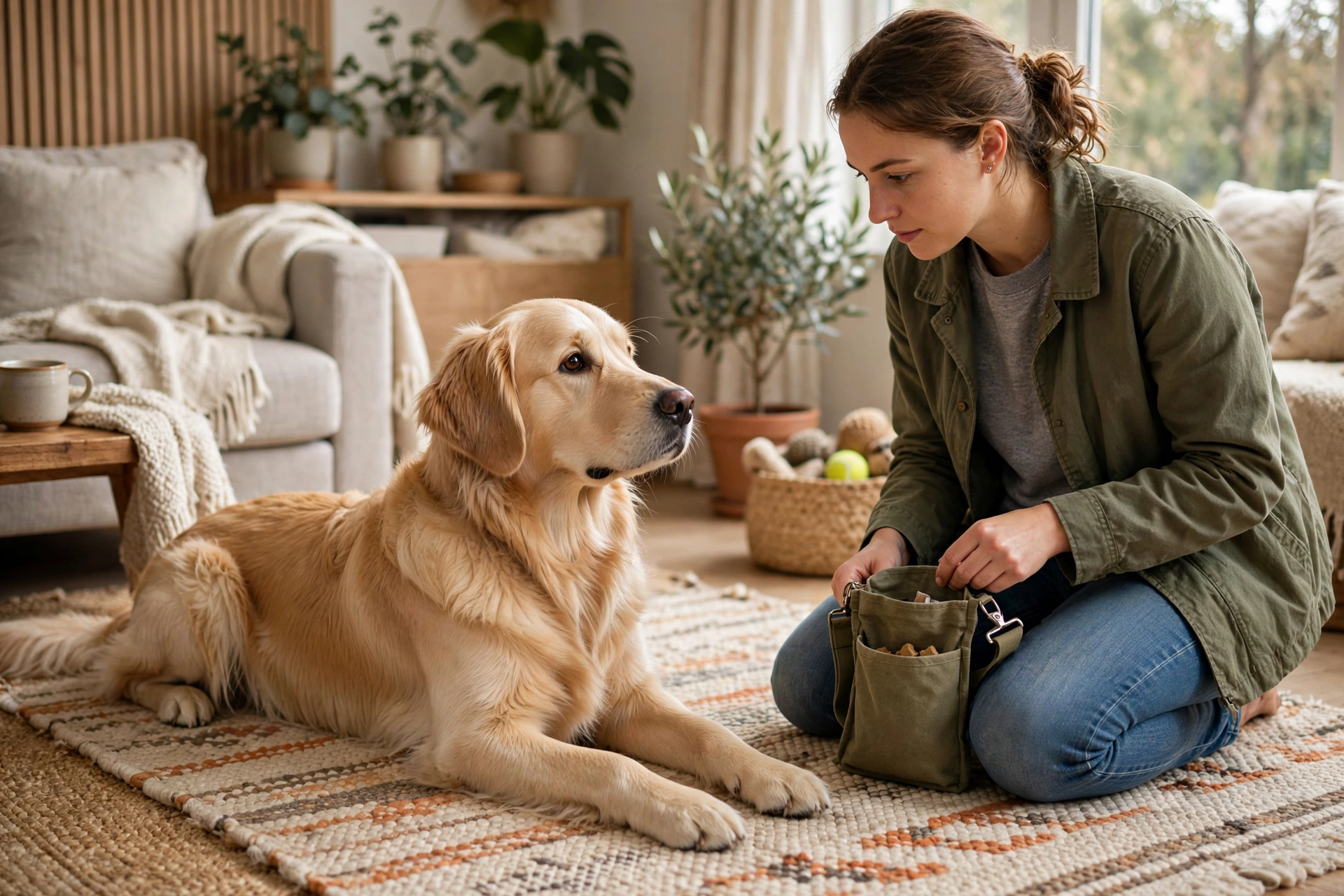
Every good crawl begins with a solid down. Ask your dog to lie down in the sphinx position (belly on the floor, front legs forward) on a non-slip surface like a rug or training mat. Slippery hardwood can make dogs pop up out of frustration, so set yourself up for success with good footing.
Pro tip: Train in a quiet, familiar room with zero distractions first. A bored hallway or living room beats the backyard every time for a brand-new trick. Keep sessions to 3–5 minutes and end on a win.
Helpful pick: Snuffle Mat — a soft, grippy surface that keeps small paws planted while you train.
Step 2: Lure Low and Forward

Hold a treat at your dog’s nose, then slowly slide it forward and slightly down, keeping it an inch or two off the ground. The golden rule: the treat stays low. If you lift it, your dog will stand up to chase it — and the crawl becomes a stand. Move the lure just a few inches at a time, letting your dog’s nose follow it while his belly stays glued to the floor.
Pro tip: Use small, smelly, high-value treats — bits of cheese, freeze-dried liver, or soft training treats. The stronger the smell, the more your dog will stretch forward instead of popping up.
Helpful pick: Zuke’s Mini Naturals — tiny soft treats that are perfect for rapid-fire reward sessions.
Step 3: Reward Tiny Movements
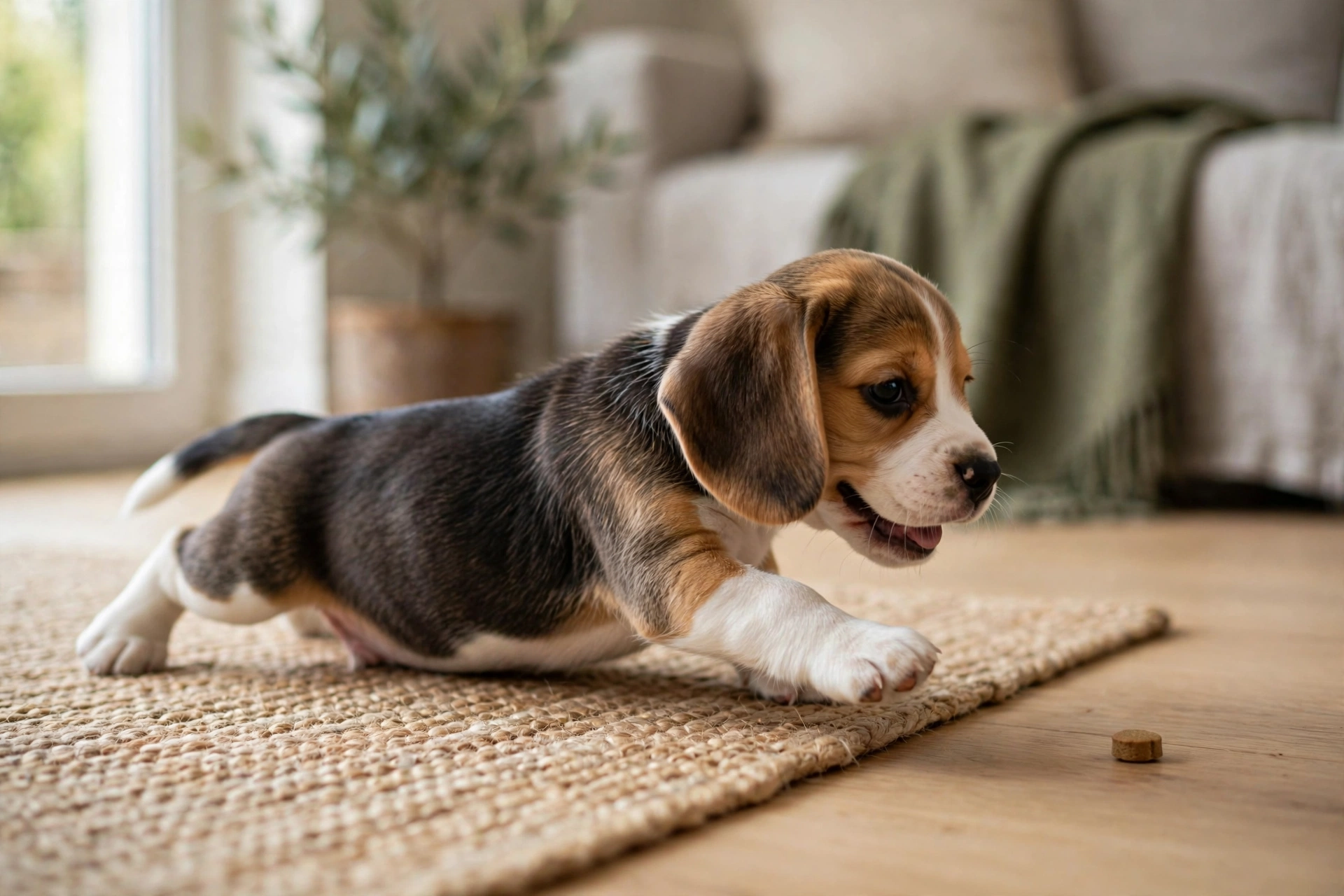
At first, reward anything that looks like a crawl — even one paw inching forward or a weight shift counts. Mark the exact moment with a clicker or a crisp “Yes!” and deliver the treat. This is classic shaping: you’re building the behavior one tiny slice at a time. Once your dog reliably scoots an inch or two, only reward slightly bigger scoots. Gradually raise your standards and the full crawl will emerge on its own.
Pro tip: If your dog seems stuck, make it easier — lure only an inch, or even reward a nose-stretch toward the treat. Never let more than a few failures happen in a row; always go back to a level where your dog can win.
Helpful pick: STMK Dog Training Clicker Kit — a precise marker that tells your dog exactly which micro-movement earned the treat.
Step 4: Keep the Belly Down
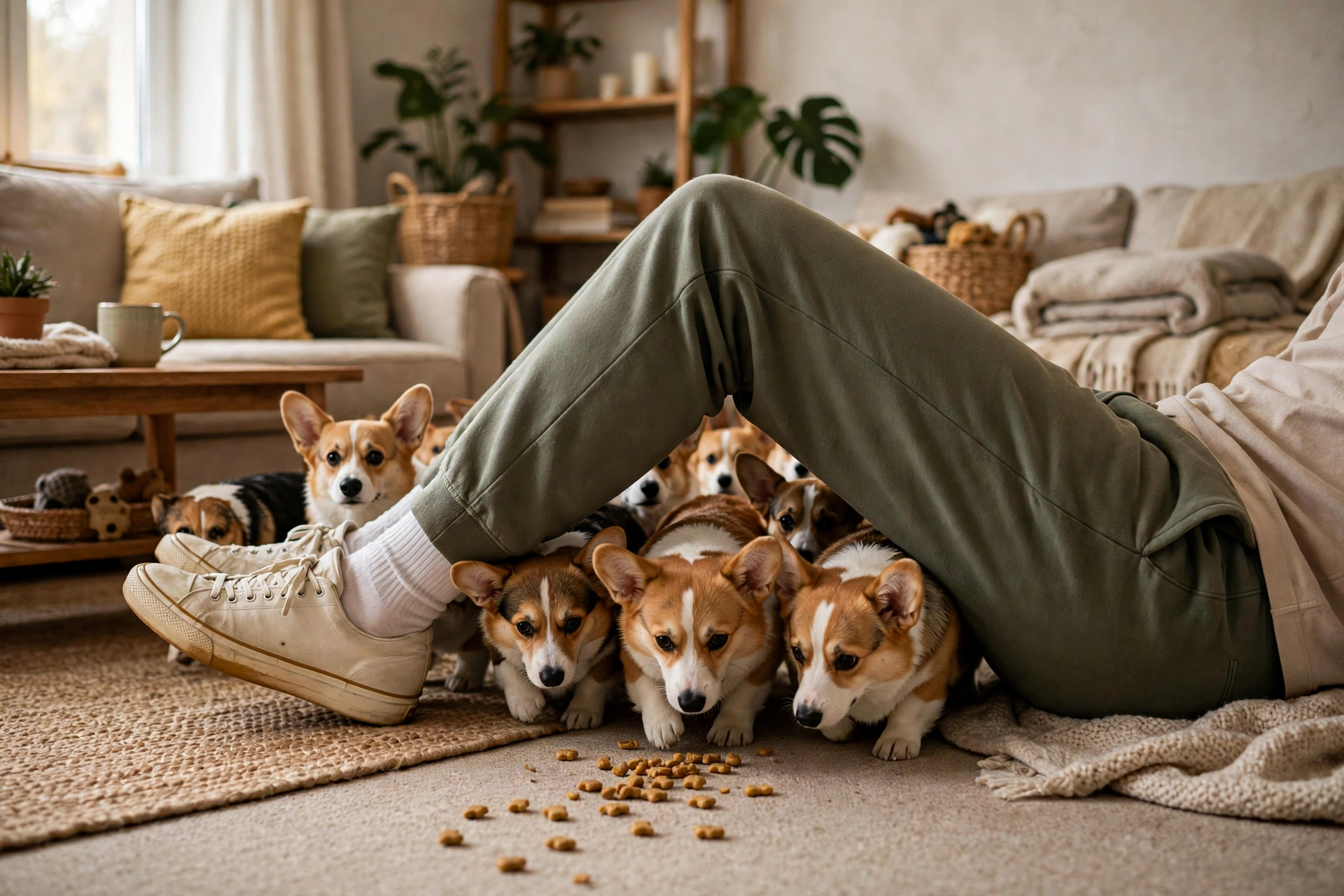
The number one crawl-killer is the pop-up: your dog stands, walks to the treat, and eats it like a normal snack. The fix? Make standing the wrong answer. A favorite trainer trick is to create a “bridge” — sit with your knees up (or lay your arm across low chairs) so your dog must stay low to pass under it to reach the lure. With the ceiling literally lowered, crawling becomes the only option, and your dog builds muscle memory for staying down.
Pro tip: If your dog stands, don’t scold — just quietly reset him into a down and start over. Calmly withholding the treat teaches faster than any “no.”
Helpful pick: Chuckit! Ball Launcher — burn off zoomies before training so your dog has the patience to stay low and focused.
Step 5: Add Distance
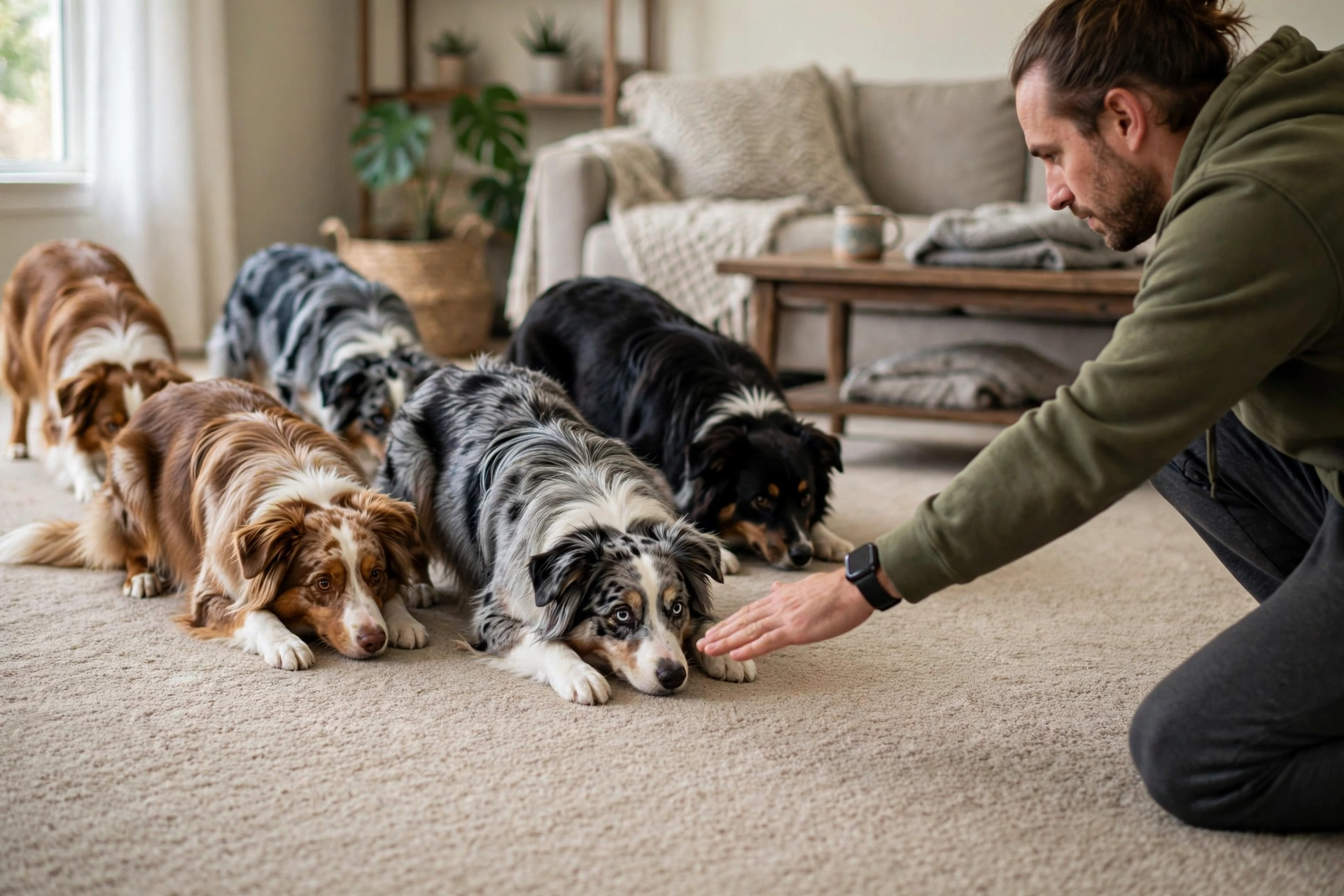
Once your dog crawls a foot or two, start stretching the distance. Slide the lure farther ahead between rewards, then gradually fade the lure itself — switch from a treat in your hand to an empty-hand gesture sweeping low along the floor. Reward after the crawl instead of luring through it. Aim for a few feet of smooth army crawling before you move on.
Pro tip: Raise your posture bit by bit too. Start kneeling close, then crouch, then stand — lowering your hand signal each time. Rushing this stage is why crawls fall apart in new rooms.
Helpful pick: Egiao Dog Treat Pouch — keeps a full session’s worth of rewards at your hip so you never break the flow.
Step 6: Add the Cue Word
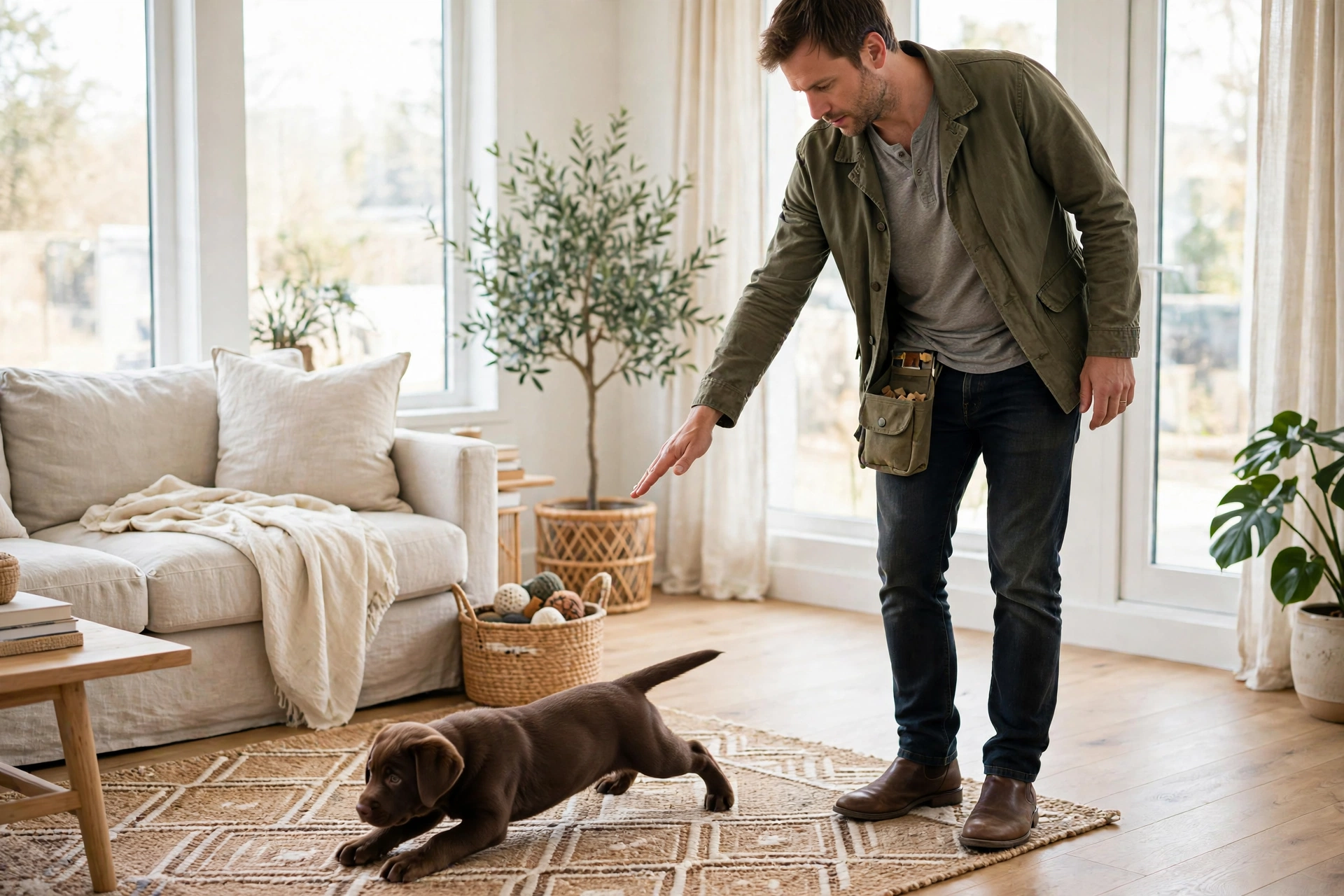
Only now — when the behavior is reliable — do you add the verbal cue. Say “crawl” (or “army,” which many trainers prefer for its crisp sound) right as your dog starts moving, then reward. After a dozen or so pairings, try saying the cue before the motion. If your dog hesitates, help with the hand lure again — you added the word too early, not the other way around.
Pro tip: Pick your word once and stick with it. Families should agree on the same cue, or the dog ends up answering to three different commands.
Helpful pick: PetSafe Treat Pouch Sport — a hands-free pouch so your cue hand is always free for signals.
Step 7: Troubleshoot

Problem: My dog stands up every time. Your lure is too high or moving too fast. Lower it to the floor, slow down, and reward tinier movements. The bridge trick from Step 4 is your best friend here.
Problem: My dog goes sideways. Some dogs crab-walk instead of crawling straight. Fix it by training along a wall or in a narrow hallway — the corridor funnels them forward. Reward only straight-ahead movement.
Problem: My dog loses interest. Sessions are too long or treats are too boring. Keep it to 5 minutes, use jackpot rewards for breakthroughs, and always quit while your dog is still having fun.
Helpful pick: KONG Classic — stuff it for a post-session decompression chew after a big training win.
Common Crawl Mistakes
- Starting on slippery floors. Dogs that slide while crawling give up fast — always train on carpet or a mat.
- Naming the trick too early. Saying “crawl” before the behavior exists just teaches your dog to ignore the word.
- Reaching too far, too fast. Jumping from one inch to three feet creates pop-ups. Build distance gradually.
- Training a tired or wired dog. A quick play session first puts your dog in the calm-but-alert sweet spot.
- Skipping the marker. Without a clicker or marker word, your dog can’t tell which tiny movement earned the treat.
Keep Reading
- How to Teach Your Dog to High Five
- How to Teach Your Dog to Spin
- How to Teach Your Dog to Shake
- Best Puzzle Toys for Dogs
Frequently Asked Questions
How long does it take to teach a dog to crawl?
Most food-motivated dogs grasp the basics in 1–3 short sessions spread over a day or two. Polishing it into a reliable, on-cue trick usually takes about a week of consistent practice.
Does my dog need to know “down” first?
Yes — a solid down is the foundation. If your dog can’t hold a down for a few seconds, work on that first; the crawl will be ten times easier.
Why does my dog keep standing up instead of crawling?
Almost always, the lure is too high or moving too fast. Keep the treat at floor level, slow down, and try the bridge technique (luring under your knees or arm) to make standing physically awkward.
Is crawling bad for my dog’s elbows or joints?
For healthy dogs on soft surfaces, no. But skip this trick for puppies under 6 months, senior dogs with arthritis, or breeds prone to elbow dysplasia unless your vet gives the green light.
Can older dogs learn to crawl?
Absolutely — older dogs often learn faster because their impulse control is better. Just keep sessions gentle, reward generously, and watch for any stiffness afterward.
As an Amazon Associate, PetPostHub earns from qualifying purchases.


