How to Stop a Dog from Running Away: 8 Escape-Proof Fixes
There are few moments as panic-inducing as watching your dog bolt across the park, out the front door, or down the street — and keep going. If you’re searching for how to stop a dog from running away, the good news is that bolting is almost always a training and management problem, not a loyalty problem. With the right mix of recall training, smarter management, and a few backup safety measures, even determined escape artists can become dogs you can trust.
This guide walks you through 8 practical fixes — from building a bulletproof recall to escape-proofing your yard and your gear — so you never have to sprint after your dog again.
Table of Contents
- 1. Build a Bulletproof Recall
- 2. Never Chase Your Dog
- 3. Secure the Yard: Do a Full Fence Check
- 4. Supervise Off-Leash Time (The Right Way)
- 5. Fix Boredom: Exercise + Enrichment
- 6. Talk to Your Vet About Spaying/Neutering
- 7. Use Long-Line Walks for Safe Freedom
- 8. ID Tags + Microchip: Your Backup Plan
- Why Dogs Run Away
- Frequently Asked Questions
1. Build a Bulletproof Recall
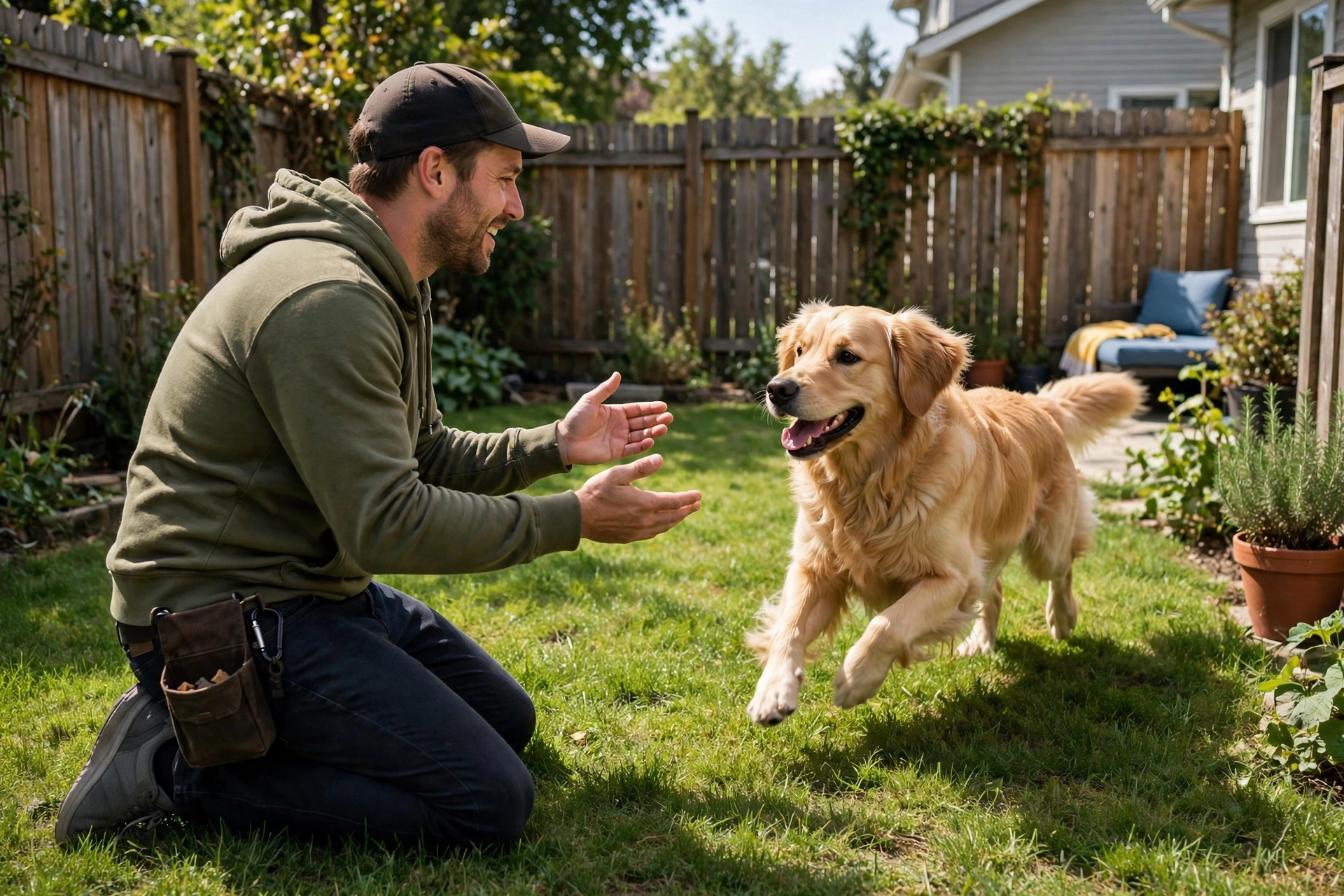
A reliable recall — your dog coming when called, every time — is the single most valuable skill for a dog that loves to roam. Start indoors with zero distractions: say your dog’s name followed by your recall word (“come” or “here”), and the moment they move toward you, reward with a high-value treat and genuine praise. Gradually increase distance, then move to the yard, then to busier environments.
Two rules make recall training work: never call your dog to punish them or to end the fun (put them back on leash for boring things on a separate cue), and always pay generously. If your dog ever hesitates, go back a step — shorten the distance and reduce distractions. Consistency beats speed; most dogs need weeks of short, happy sessions before recall becomes reliable.
Helpful pick: STMK Dog Training Clicker Kit — a clicker makes it easy to mark the exact instant your dog turns toward you.
2. Never Chase Your Dog
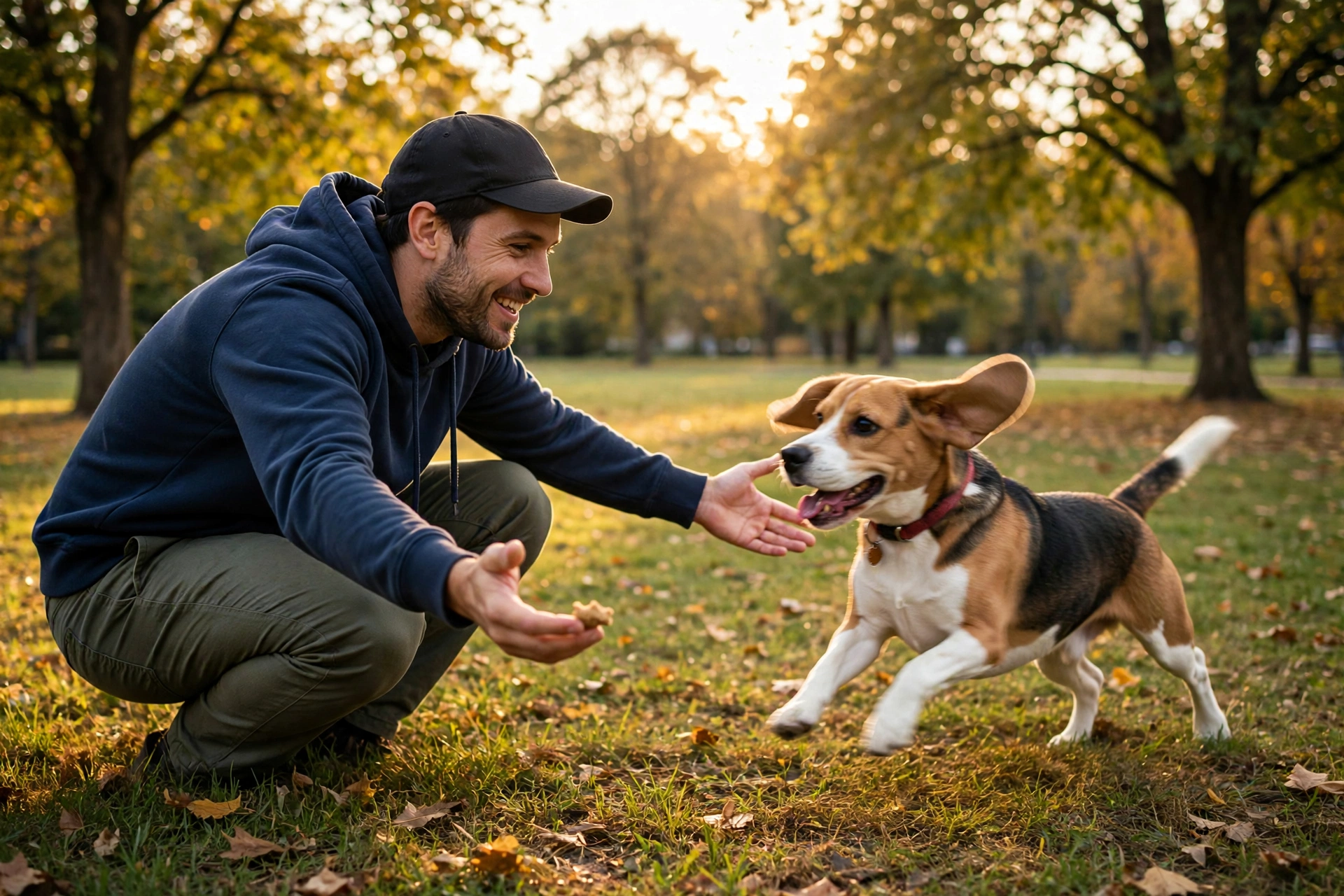
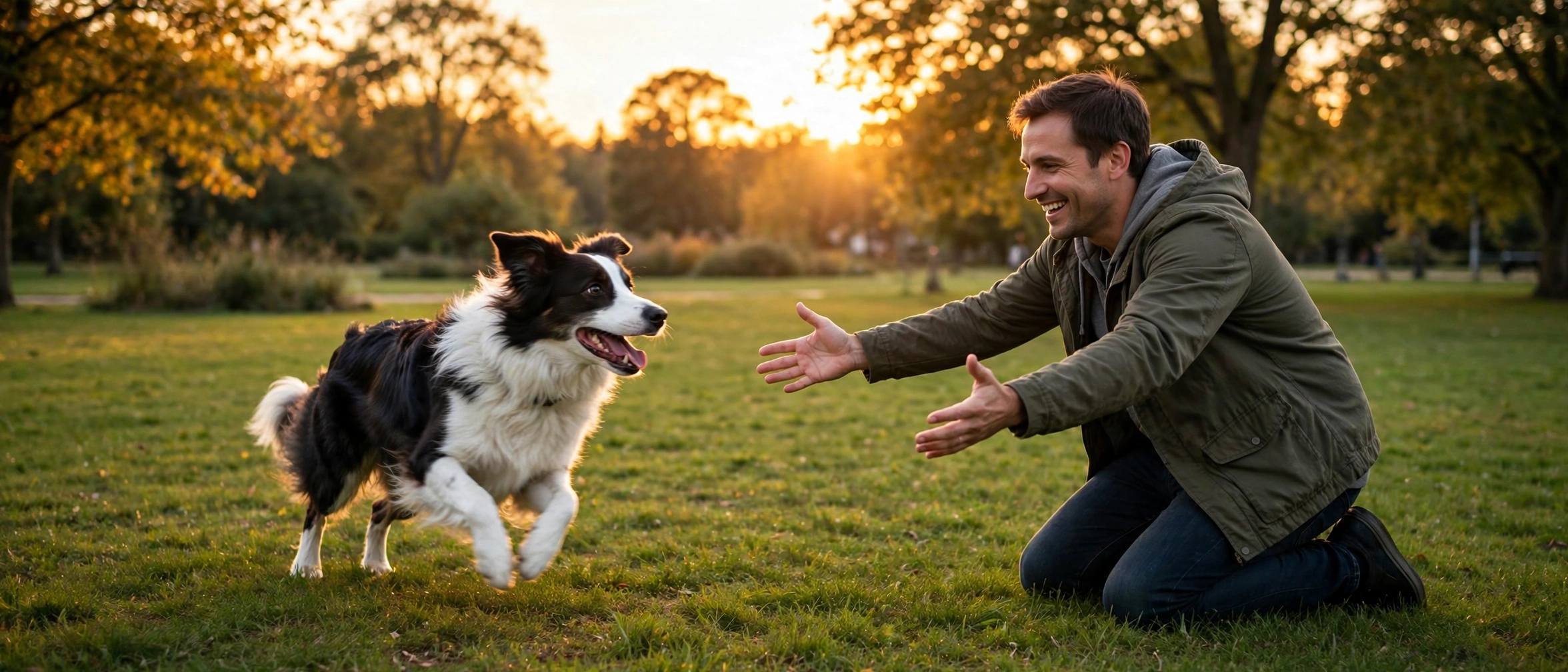
Your instinct when your dog bolts will be to run after them — but chasing teaches your dog that running away starts a fun game, and dogs are faster than you. Instead, do the opposite: stop, crouch low, open your arms, and call in an excited, happy voice. Many dogs can’t resist running toward a person who looks like they’re having fun.
If your dog keeps their distance, try running away from them — that often flips the chase instinct so they chase you. Always have treats ready on walks so you can lure them in, and when they reach you, celebrate like they just won a prize. Never scold a dog for coming back, no matter how long they kept you waiting.
Helpful pick: Egiao Dog Treat Pouch — keep high-value treats on your hip so you can reward the moment your dog returns.
3. Secure the Yard: Do a Full Fence Check
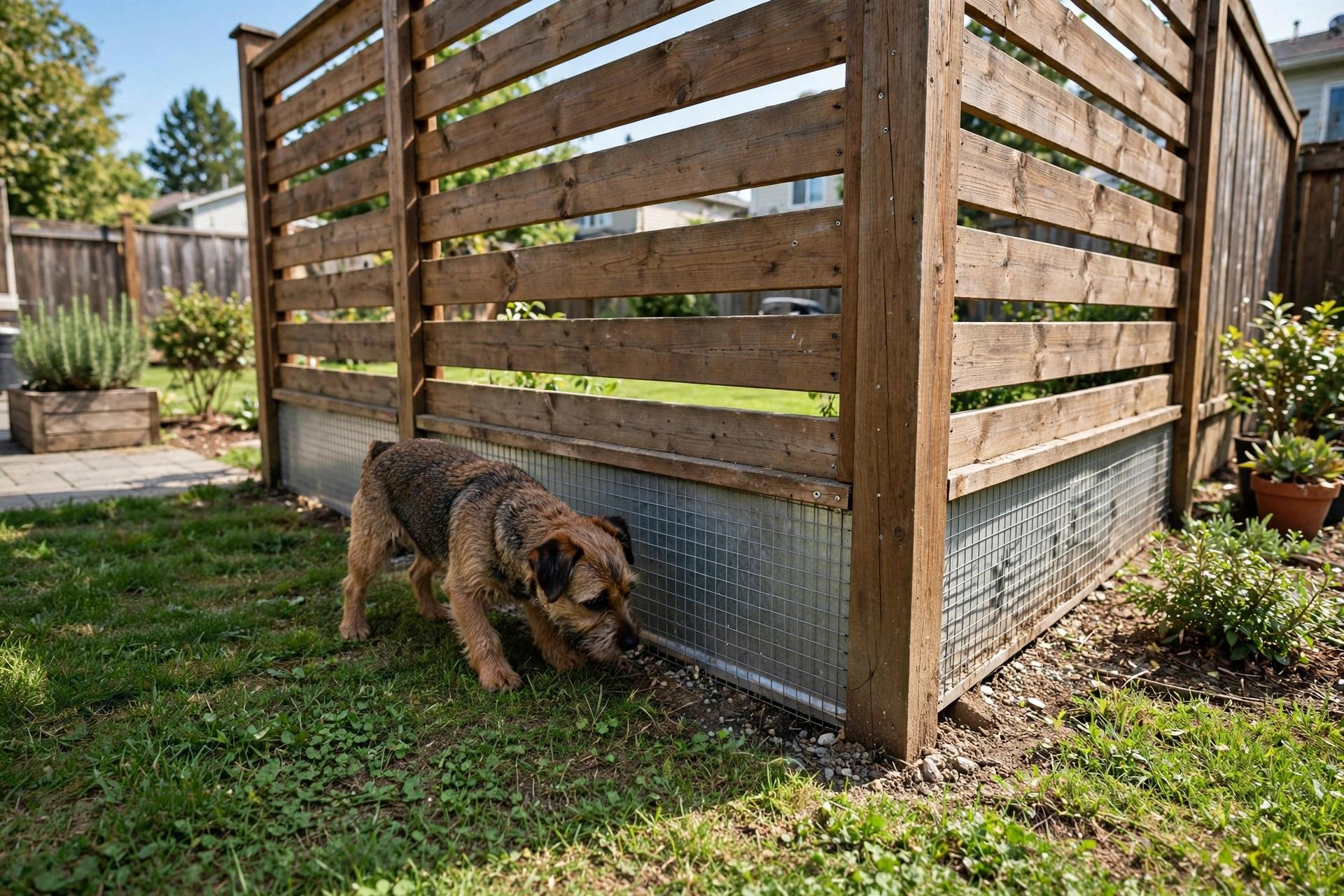
Many escapes are management failures, not training failures. Walk your entire fence line and look for the three classic escape routes: digging under, jumping or climbing over, and squeezing through gaps. For diggers, barriers that extend below the fence line stop tunneling. For climbers, extensions or rollers along the top remove the foothold. And gate latches should be checked regularly — a surprising number of dogs learn to nose open a loose latch.
Also think about the front door, which is where a huge share of bolting happens. Baby gates, a double-door buffer zone, or simply training a “wait” at doorways can prevent the classic dash when a delivery arrives. Until your yard is truly secure, never leave your dog unsupervised outside.
Helpful pick: Dig Defence Animal Barrier Fence — galvanized panels that extend your fence below ground to stop diggers.
4. Supervise Off-Leash Time (The Right Way)
Off-leash freedom is earned, not granted. Until your dog’s recall is rock-solid, all outdoor time should be supervised — and that doesn’t mean standing on the porch scrolling your phone. Active supervision means staying within sight, watching for triggers like squirrels or open gates, and stepping in before your dog makes the decision to bolt.
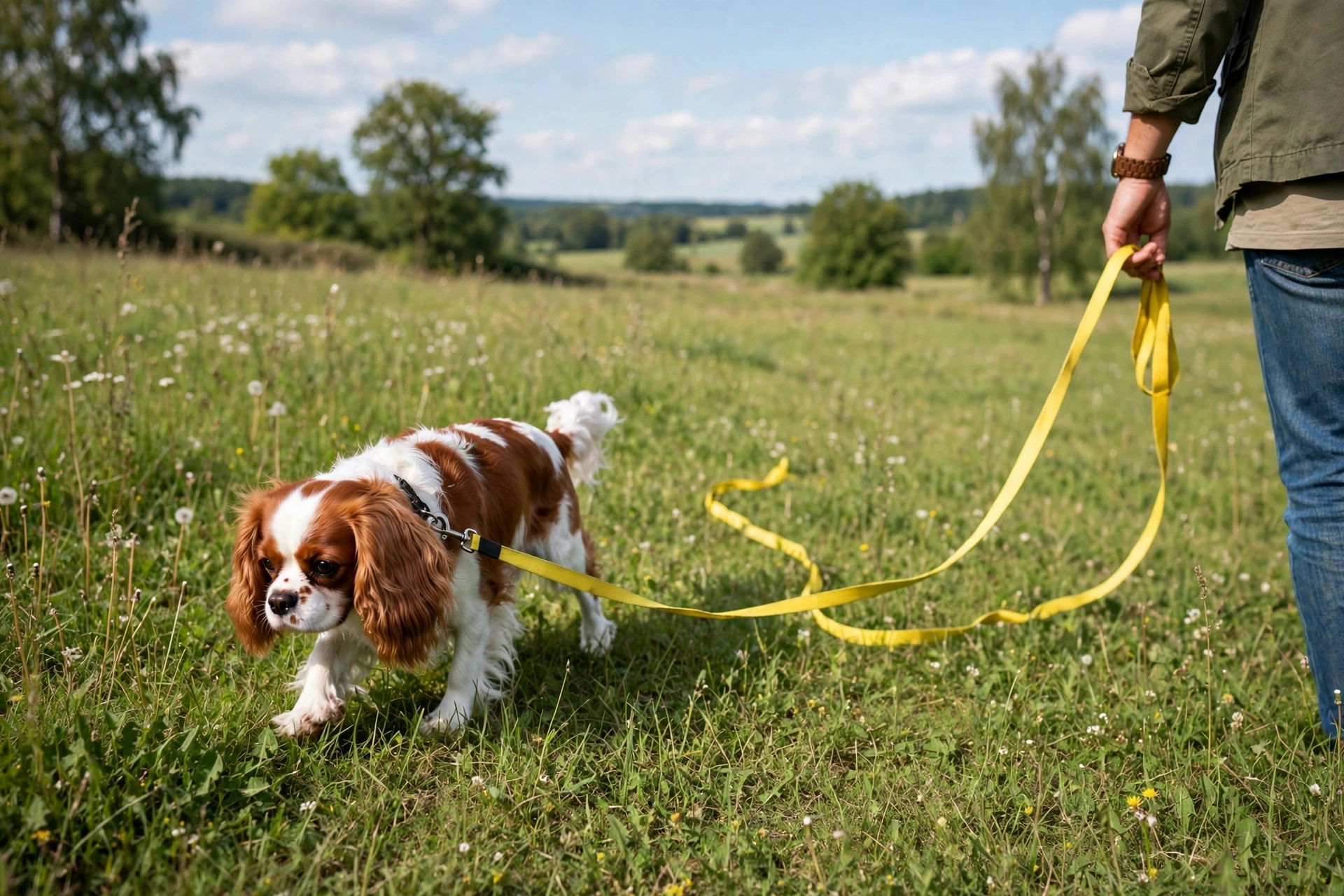
A great middle ground is a secure fenced area or a long training line that gives your dog room to run while you keep a safety net. Start with short off-leash sessions in low-distraction places, reward check-ins (when your dog voluntarily looks at you), and end sessions before your dog gets bored enough to wander.
Helpful pick: Joytale 30FT Long Dog Training Leash — gives your dog freedom to roam while you keep control during recall practice.
5. Fix Boredom: Exercise + Enrichment
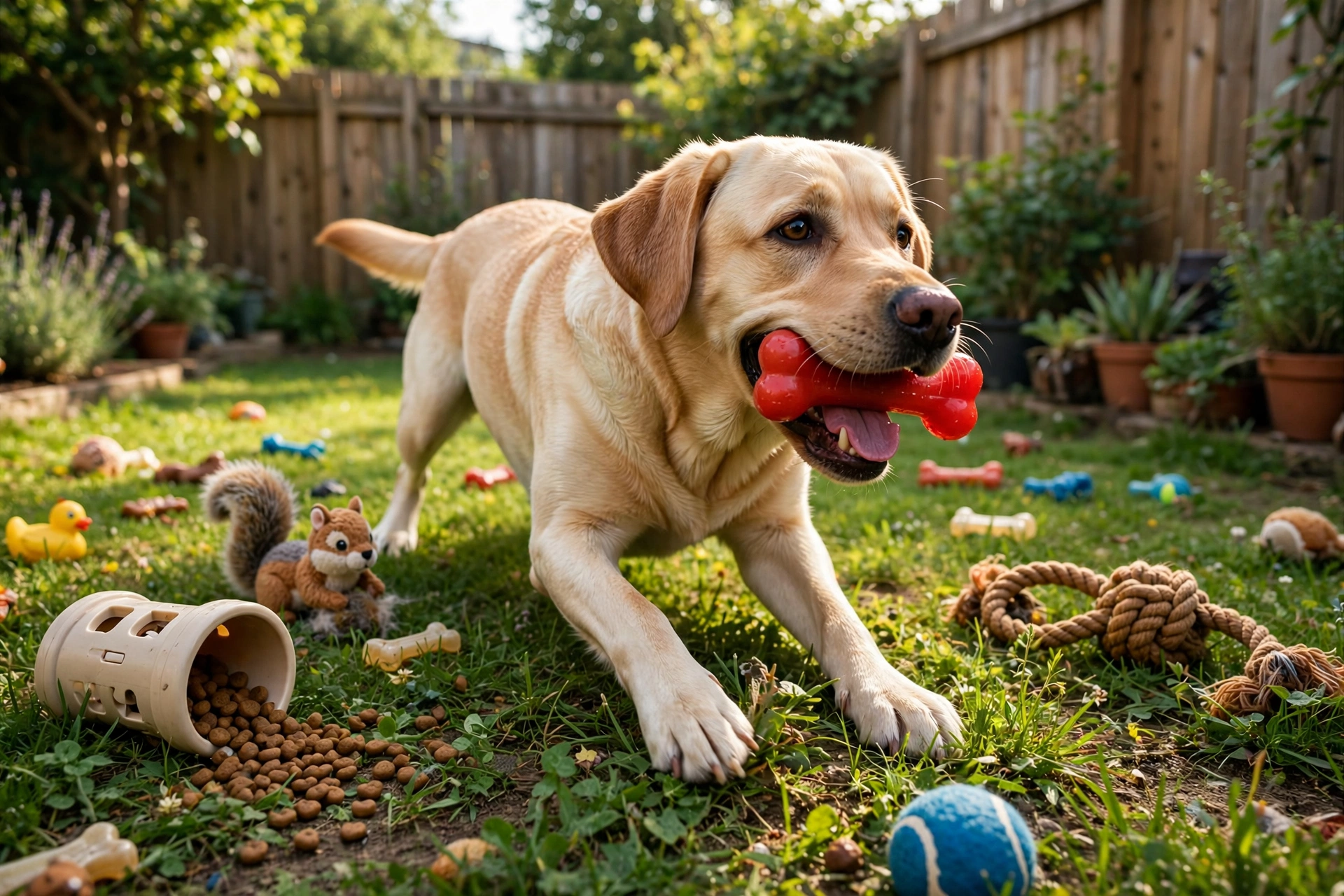
Dogs that are under-exercised and under-stimulated are escape-prone. An unfulfilled dog will manufacture their own entertainment — and the exciting world beyond your fence is full of it. Most adult dogs need a solid daily walk plus play or training; high-energy breeds may need a real workout like fetch, swimming, or agility.
Mental exercise matters just as much as physical. Puzzle feeders, frozen stuffed toys, snuffle mats, and short training sessions tire a dog’s brain in ways a simple walk can’t. A dog that gets a stuffed toy when you leave and a proper outing every day has far less motivation to go looking for adventure on their own.
Helpful pick: KONG Classic — stuff and freeze it before you leave to give your dog a rewarding solo activity.
6. Talk to Your Vet About Spaying/Neutering

Intact dogs are strongly motivated to roam — the urge to find a mate can drive a dog to jump fences, dig under gates, and travel surprising distances. Spaying or neutering removes that hormonal drive and, according to many trainers and vets, can noticeably reduce roaming behavior.
It’s not a magic fix for every dog, though. Roaming can also be driven by habit, boredom, or anxiety, so spaying/neutering works best as part of the bigger plan in this guide. Talk to your vet about the right timing for your dog’s breed and age, and meanwhile keep up with training and management — a secure harness and attentive leash handling help while you work through it.
Helpful pick: rabbitgoo No-Pull Dog Harness — a snug, escape-resistant harness keeps walks safe and controlled during training.
7. Use Long-Line Walks for Safe Freedom

A long line — a lightweight 15 to 30-foot lead — is the secret weapon of recall training. It lets your dog sniff, explore, and feel free while you stay in control. Practice recall on the line: let your dog wander, call them, and reward the return. If they ignore you, you can gently guide them back instead of watching them sprint away.
Pair the long line with a distinct whistle cue for your emergency recall. A whistle carries farther than your voice and always sounds the same, which makes it easier for your dog to recognize. Practice the whistle the same way as your verbal recall — whistle, dog comes, huge reward — until the sound alone reliably turns your dog around.
Helpful pick: ACME Alpha 210.5 Dog Whistle — a consistent, far-carrying tone that makes a perfect emergency recall cue.
8. ID Tags + Microchip: Your Backup Plan
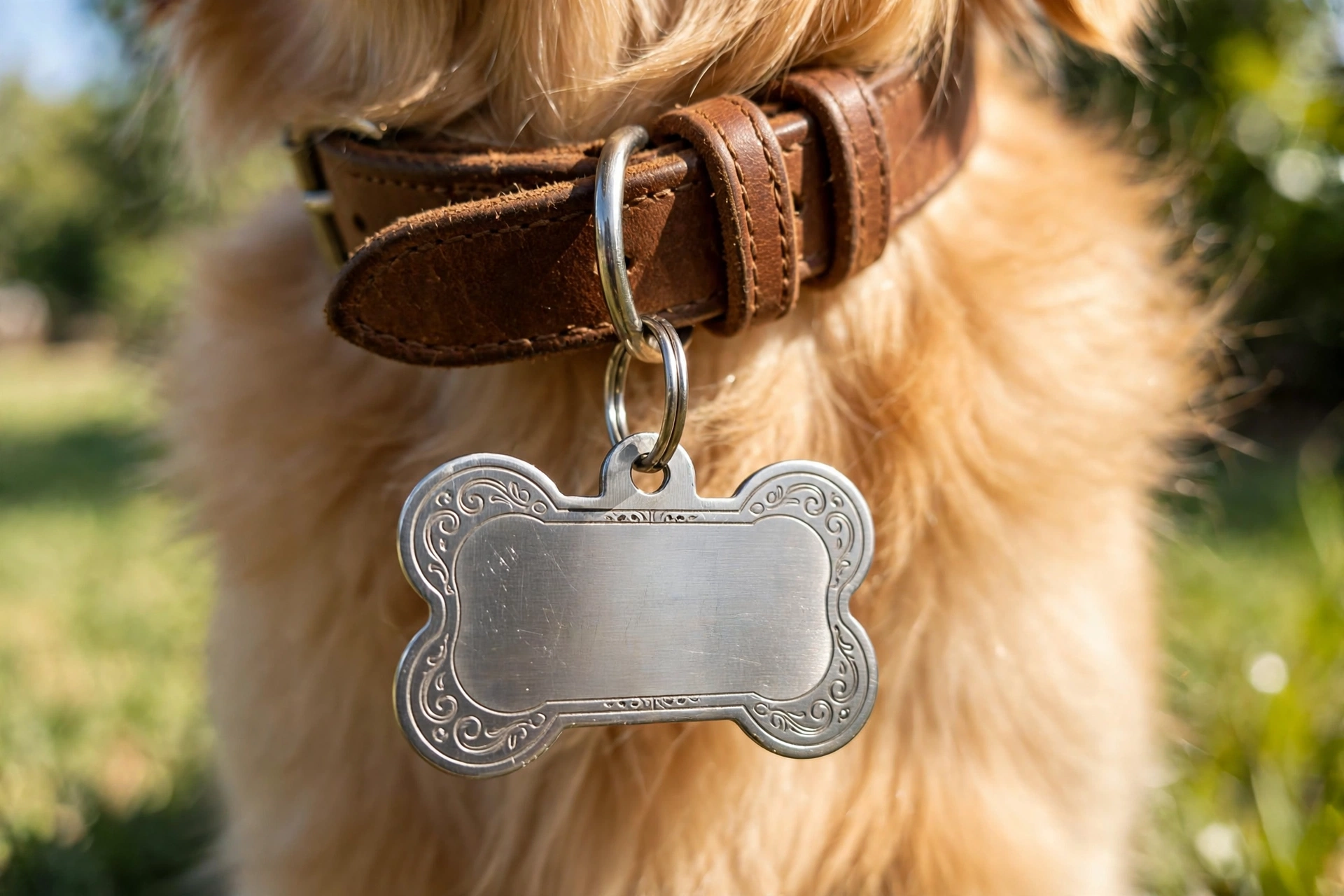
Even with perfect training and management, accidents happen — a gate left open, a spooked dog, a slipped collar. Your backup plan should always be in place: a collar with an up-to-date ID tag (your dog’s name and your phone number, engraved on both sides if there’s room) plus a registered microchip as the permanent backup.
Check that tags are still legible every few months — engraving can wear down — and make sure your microchip registration has your current phone number and address. These two simple steps are the difference between a lost dog and a found dog, and they cost almost nothing.
Helpful pick: GoTags Personalized Stainless Steel Dog Tag — deep laser engraving on both sides with room for all your contact details.
Why Dogs Run Away
Dogs rarely run away because they don’t love their owners. The most common reasons are prey drive (chasing squirrels, cats, or rabbits), mating instincts, boredom and pent-up energy, fear (thunder, fireworks, or loud noises), and new environments where the dog hasn’t bonded yet. Some dogs also bolt because they’ve learned that running away starts an exciting game of chase.
Understanding your dog’s specific trigger is half the battle. A dog that chases squirrels needs recall proofing around distractions; a dog that panics during storms needs a safe indoor space and desensitization work. Match the fix to the cause and you’ll see faster progress.
Frequently Asked Questions
Will my dog come back on their own if they run away?
Sometimes, but never count on it. Many dogs do return once the excitement fades, but traffic, wildlife, other animals, and disorientation can prevent a safe return. Always act quickly: call calmly, check familiar routes, and alert neighbors.
Is it ever okay to punish a dog for running away?
No — punishing a dog for running away, or scolding them when they finally come back, only teaches them that returning means trouble. That makes future escapes more likely, not less. Always reward the return, no matter how frustrated you are.
How long does it take to train a reliable recall?
It varies by dog, age, and practice consistency. Expect weeks to months of short, positive sessions. Some dogs with strong prey drive may never be trustworthy off-leash in open areas — and that’s okay. A long line and good management are perfectly valid lifelong tools.
Should I use a shock collar to stop my dog from running away?
We don’t recommend it. Aversive tools can suppress behavior temporarily while increasing fear and anxiety, which can actually worsen bolting. Positive recall training, management, and enrichment address the root causes without the risks.
What should I do if my dog is currently lost?
Act fast: search the immediate area on foot, call local shelters and animal control, post on neighborhood and lost-pet groups with a clear photo, and leave familiar-smelling items (their bed, your worn clothing) outside your home. Make sure your microchip registration is current so a finder can reach you.
Keep reading: How to Stop a Dog from Jumping · Dog Training Mistakes to Avoid · How to Teach Your Dog to Shake · Best Harnesses for Small Dogs · How to Stop a Dog from Marking Territory
As an Amazon Associate, PetPostHub earns from qualifying purchases.