How to Stop Your Dog from Digging Under the Fence: 9 Fixes
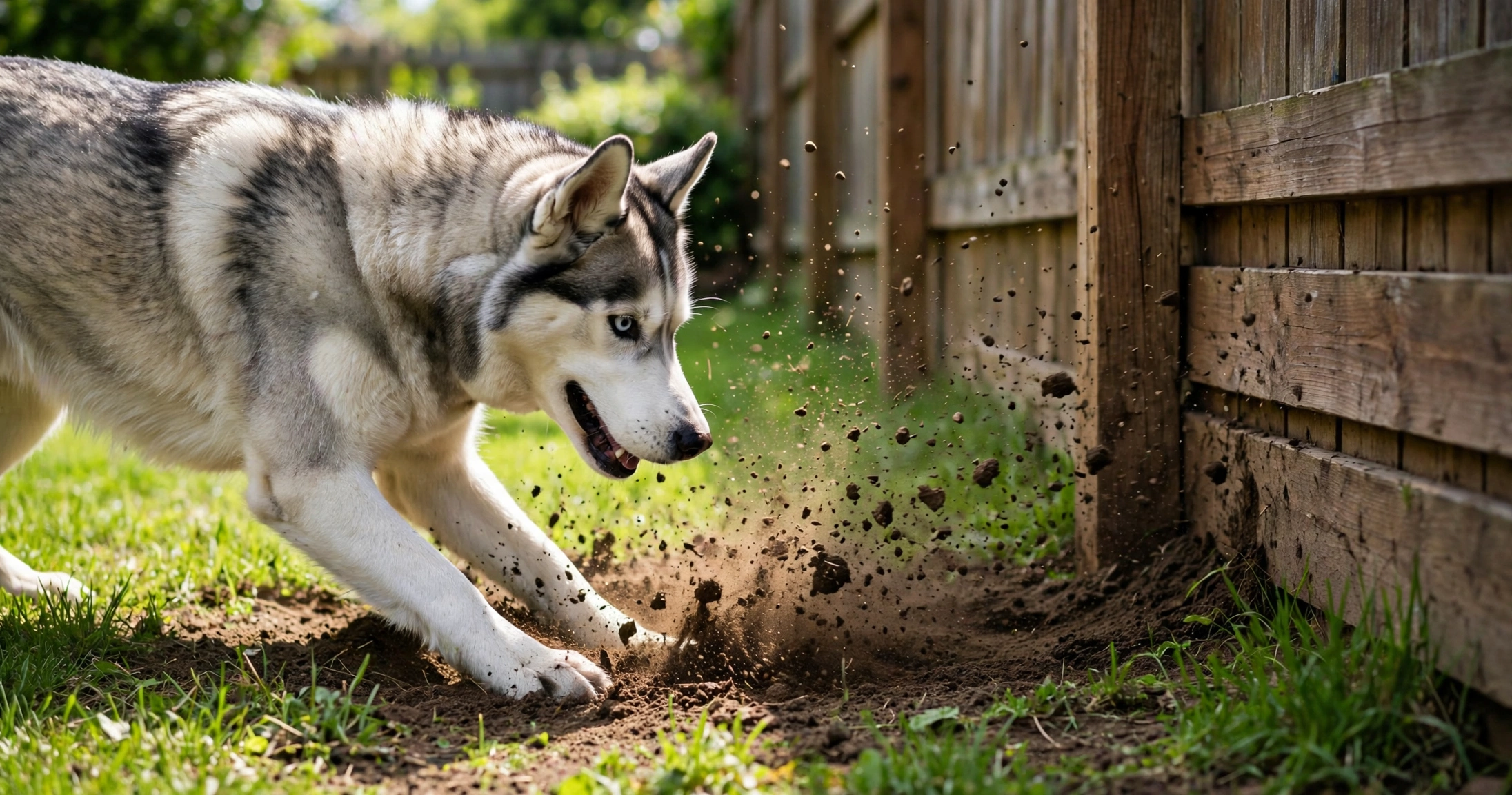
Finding a tunnel under your fence is every dog owner’s nightmare — one minute your dog is in the yard, the next they’re visiting the neighbor’s barbecue. If you’re searching for how to stop dog from digging under fence, the good news is this is one of the most fixable behavior problems out there. You just need the right combination of a physical barrier and a plan for the energy that’s driving the digging. Below are nine proven fixes, from quick weekend projects to permanent solutions.
Table of Contents
- 1. Install a Chicken Wire or L-Footer Barrier
- 2. Pour a Buried Concrete Footer
- 3. Line the Fence with Large Rocks or Gravel
- 4. Supervise Every Outdoor Session
- 5. Burn Off the Energy That Fuels Digging
- 6. Give Them a Legal Place to Dig
- 7. Block the View That’s Tempting Them
- 8. Talk to Your Vet About Spaying or Neutering
- 9. Never Leave a Known Escape Artist Unattended
- Why Dogs Dig Under Fences
- Frequently Asked Questions
1. Install a Chicken Wire or L-Footer Barrier

The single most effective physical fix is a buried wire barrier. Dig a trench about a foot deep along the fence line, then lay galvanized chicken wire or hardware cloth in an L-shape: one side goes down into the trench, the other bends outward and lies flat on the ground away from the fence. Cover the flat section with soil or turf.
When your dog starts digging at the fence base, their paws hit wire instead of soft soil — and most dogs give up fast. Wear thick gloves when cutting and handling wire, and fold over any sharp edges so your dog can’t scratch themselves on it.
Helpful pick: Metamesh Galvanized Hardware Cloth Roll — stiff, rust-resistant mesh that’s ideal for a buried L-footer.
2. Pour a Buried Concrete Footer

For a permanent, bulletproof solution, dig a trench 8–12 inches deep along the fence line and pour concrete. Once it sets, no dog on earth is digging through it. This is the best option for serious escape artists, heavy breeds, or terriers that treat every barrier as a personal challenge.
Tip: you don’t have to do the whole yard in one weekend. Start with the sections where your dog actually digs — most dogs pick one or two favorite spots. Use a fast-setting mix so the job takes an afternoon, not a week.
Helpful pick: QUIKRETE Concrete Mix — a reliable, fast-setting mix perfect for small fence-line footers.
3. Line the Fence with Large Rocks or Gravel

If digging a trench sounds like too much work, large rocks are a fast no-dig deterrent. Place heavy, flat river rocks or a strip of chunky gravel tightly along the base of the fence. Dogs dislike the feel of hard, uneven stone under their paws, and the weight makes it nearly impossible to move.
Choose rocks that are too big to pick up in your dog’s mouth — small stones can become a choking hazard or an expensive vet visit. For a cleaner look, set the rocks in a shallow bed of landscape fabric so weeds don’t grow up between them.
Helpful pick: Royal Imports Decorative River Rocks — smooth, natural stones in the right size for a fence-line border.
4. Supervise Every Outdoor Session
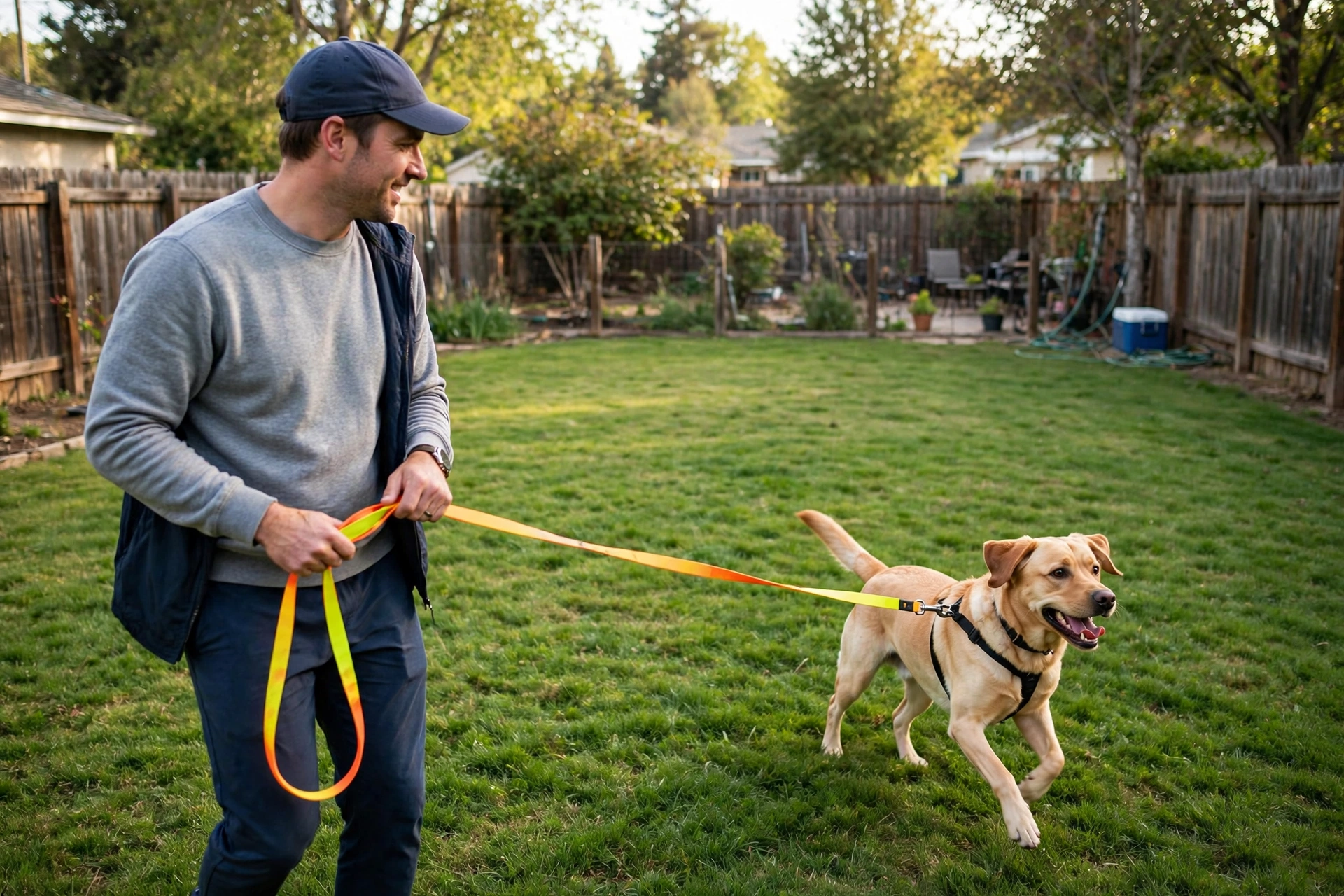
No barrier works as well as simply being out there with your dog. Most fence digging happens when dogs are left alone and bored. If you’re in the yard, you can interrupt the digging the moment it starts — redirect to a toy, call them over for a treat, or practice a quick training rep.
If you can’t stay glued to your dog, use a long training line attached to your belt or a secure anchor while you’re gardening or hanging laundry nearby. Your dog gets freedom to explore, and you get instant control if a tunnel project begins.
Helpful pick: Joytale 30ft Training Leash — gives your dog yard freedom while keeping you in charge.
5. Burn Off the Energy That Fuels Digging

A tired dog rarely digs. Digging is often just stored energy with nowhere to go — especially in high-drive breeds like terriers, huskies, and herding dogs. Add a second walk, a rousing game of fetch, or a flirt pole session before yard time, and watch the urge to excavate disappear.
Mental exercise counts too. Ten minutes of trick training or nose work tires a dog out as much as a long walk. The goal: make the yard a place for relaxed sniffing, not the day’s main event.
Helpful pick: YILAKO Flirt Pole — taps your dog’s chase instinct and drains energy in minutes.
6. Give Them a Legal Place to Dig

Digging is a natural, self-rewarding behavior — punishing it just creates a sneakier digger. Instead, redirect it. Set up a designated digging pit (a kid’s sandbox works perfectly) in a corner of the yard, fill it with soft sand, and bury toys and treats in it. Praise your dog wildly when they dig there.
Most dogs learn within a week or two that the sandbox is where the good stuff happens. Keep it covered when not in use so neighborhood cats don’t claim it as a litter box.
Helpful pick: BIRASIL Wood Sandbox with Cover — the perfect size for a dedicated dog digging pit.
7. Block the View That’s Tempting Them

Many dogs dig under fences because they can see something irresistible on the other side — the neighbor’s cat, kids playing, another dog. Out of sight really does mean out of mind. Zip-tying a privacy screen to a chain link or slatted fence removes the visual trigger overnight.
Bonus: privacy screens also cut down on fence-line barking and fence fighting with neighboring dogs, since the provocation disappears.
Helpful pick: AOSION Privacy Screen Fence — heavy-duty mesh that blocks the view and installs in minutes with zip ties.
8. Talk to Your Vet About Spaying or Neutering

If your dog is intact, the urge to roam is often hormonal. An unneutered male can smell a female in heat from a remarkable distance, and no amount of chicken wire fully competes with biology. Neutering won’t fix every digger, but for escape-driven-by-hormones cases, it makes a dramatic difference.
This is a conversation for your vet, not the internet — they’ll weigh your dog’s age, breed, and health. While your dog recovers, keep them busy with gentle puzzle toys so boredom doesn’t restart the digging habit.
Helpful pick: Outward Hound Tornado Puzzle Toy — keeps a recovering dog’s brain busy without much physical strain.
9. Never Leave a Known Escape Artist Unattended
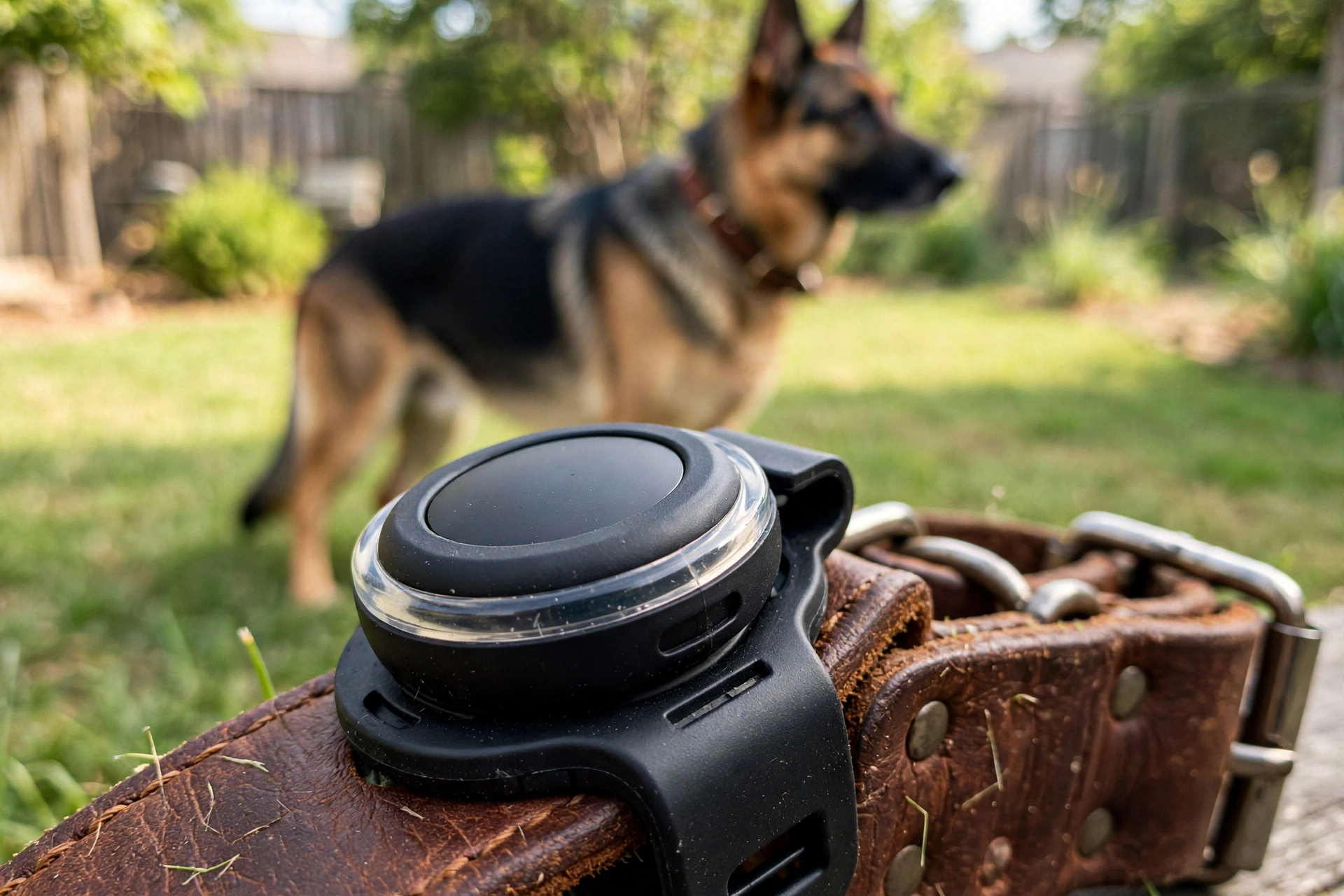
Even with barriers in place, a proven escape artist should never be left alone in the yard for long stretches. Bring them inside when you leave, or use a secure kennel run as a backup layer. And as cheap insurance, put a tracker on their collar — if they do get out, you’ll find them in minutes instead of hours.
An AirTag in a sturdy collar holder is the simplest option for most owners. It won’t stop an escape, but it turns a panic-stricken search into a quick recovery.
Helpful pick: DEERLET AirTag Dog Collar Holder — waterproof, shockproof, and keeps the tag firmly on the collar.
Why Dogs Dig Under Fences
Understanding the motive makes the fix obvious. The most common reasons dogs tunnel under fences are:
- Boredom: An under-exercised dog invents their own entertainment.
- Prey drive: A squirrel, rabbit, or cat on the other side is an irresistible invitation.
- Mate-seeking: Intact dogs will go to astonishing lengths to roam.
- Anxiety: Some dogs dig frantically during storms or when left alone.
- Comfort: Hot dogs dig cool pits; the fence line just happens to be where the shade is.
- Breed instinct: Terriers, dachshunds, and huskies were literally bred to dig.
Match your fix to the cause: barrier fixes (#1–3) stop the behavior physically, while lifestyle fixes (#4–9) remove the motivation. The best results come from combining one physical fix with one lifestyle fix.
Frequently Asked Questions
Will my dog grow out of digging under the fence?
Some do — puppy digging often fades with maturity and training. But for breeds hardwired to dig, like terriers and huskies, it’s a lifelong instinct. Don’t wait it out; install a barrier and provide a legal digging outlet.
Is chicken wire safe to bury where my dog digs?
Yes, as long as you use galvanized wire, fold or bury all cut edges, and wear gloves during installation. The wire sits below the surface, so your dog meets a blunt barrier — not a sharp one.
How deep should I bury a fence barrier?
About 12 inches is the standard recommendation, with an L-footer extending another 12–24 inches outward along the ground. Determined diggers rarely go deeper once they hit wire.
My dog digs only at one spot. Do I need to do the whole fence?
Start with the problem spot — most dogs have one or two favorite digging zones. But watch for new spots to appear, and be ready to extend the barrier.
Will an electric fence stop digging?
We don’t recommend it. Underground electric fences don’t physically stop a dog, and a panicked or highly motivated dog will run straight through the correction — then be too afraid to come back in. A real barrier plus training is safer and more reliable.
Keep Reading
- How to Stop Your Dog from Digging in the Yard
- How to Stop Your Dog from Running Away
- How to Stop Your Dog from Chasing Cars
- How to Train a Dog to Walk Politely: 10 Steps
As an Amazon Associate, PetPostHub earns from qualifying purchases.