Why Does My Dog Walk in Circles? 6 Reasons
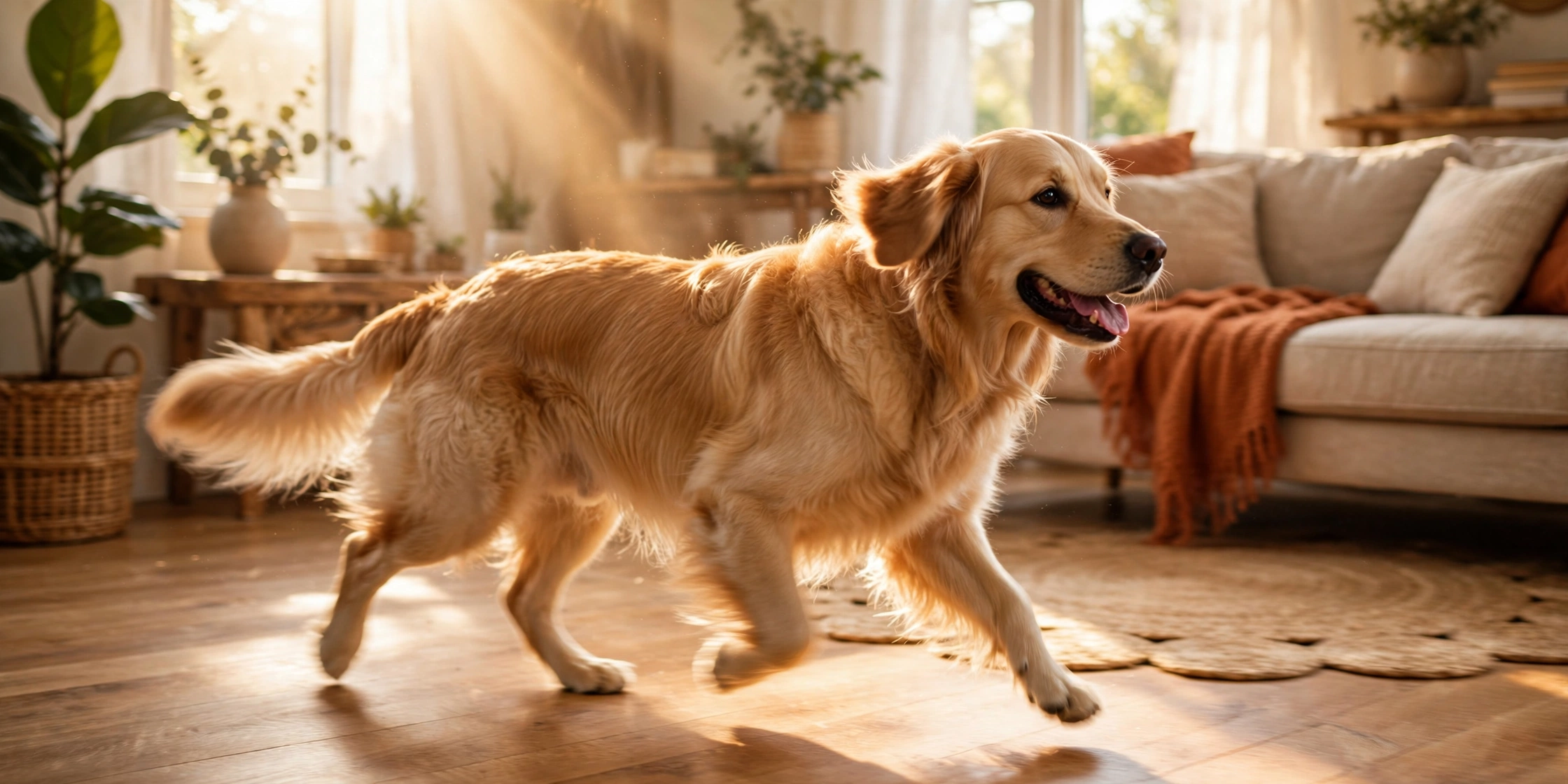
Is your dog suddenly walking in circles and you’re wondering what on earth it means? Wondering why does my dog walk in circles is one of the most common — and confusing — questions dog owners ask. The truth is, circling can be perfectly normal, or it can be a signal that something is wrong. The difference is all in the details.
Most dogs circle before lying down, when they’re excited, or when they’re settling in for a nap. That’s ancient instinct at work. But persistent, one-direction circling — especially in an older dog, or paired with a head tilt, loss of balance, or confusion — is your dog’s way of telling you they need help. This guide breaks down the 6 most common reasons dogs walk in circles, what to do about each one, and exactly when to call your vet.
Quick Answer: Why Does My Dog Walk in Circles?
Circling is usually harmless instinct — nesting, excitement, or anxiety. It becomes a concern when it’s new, relentless, always in one direction, or paired with symptoms like head tilt, stumbling, disorientation, or pain. When in doubt, a vet visit is always the right call.
Table of Contents
- 1. Nesting Instinct
- 2. Anxiety or Stress
- 3. Ear Infection
- 4. Vestibular Disease
- 5. Cognitive Decline
- 6. Pure Excitement
- When Circling Needs a Vet
- Frequently Asked Questions
1. Nesting Instinct
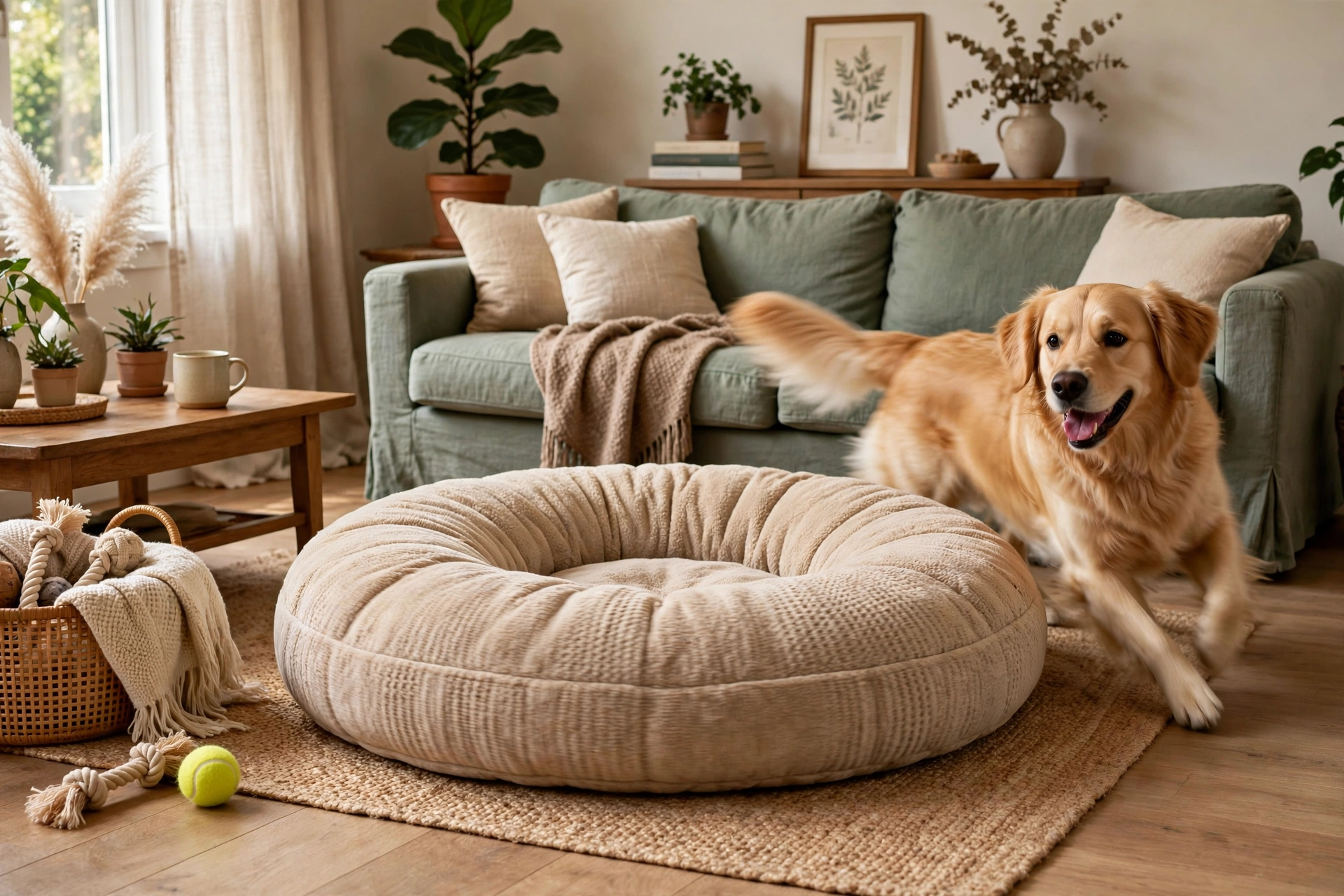
What it means: Circling before lying down is one of the oldest behaviors in the dog playbook. Wild ancestors circled to flatten grass, check for snakes and insects, and create a cozy, hidden sleeping spot. Thousands of years of domestication haven’t erased that wiring — your dog is “building a nest” every time they turn three times and flop into bed. This type of circling is brief, happens right before rest, and always ends with the dog settling down.
What to do: Nothing at all — this is a happy sign of a content dog. You can make the ritual even cozier with a plush, supportive bed that feels nest-like. A soft, round bed gives their instinct something satisfying to work with.
Helpful pick: Best Friends by Sheri Calming Donut Bed — a plush, round bed that satisfies the nesting urge perfectly.
2. Anxiety or Stress
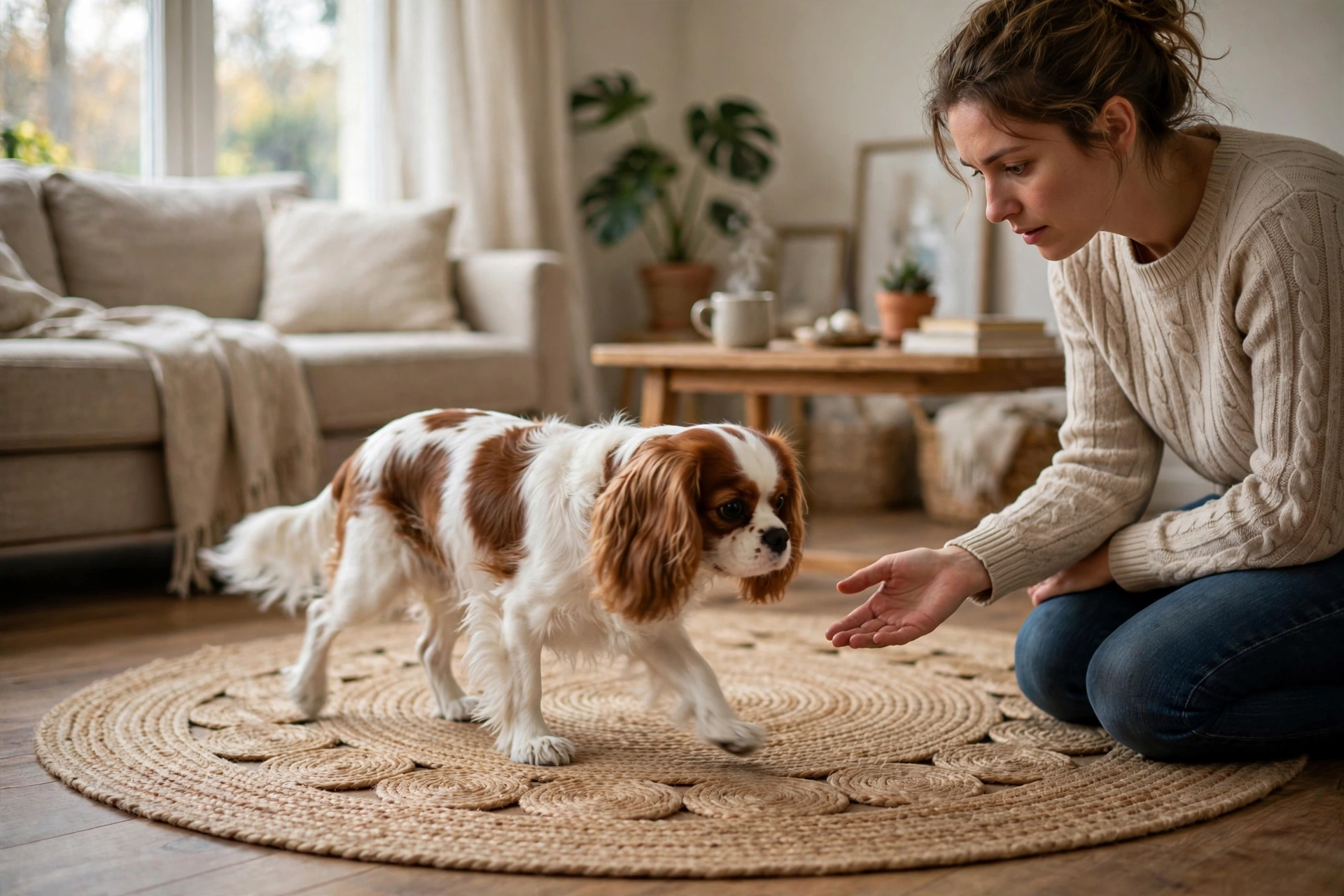
What it means: Anxious dogs pace and circle much like a worried person paces a room. Triggers include storms, fireworks, visitors, a new schedule, or separation from their favorite human. If your dog circles restlessly during storms or when you grab your keys, anxiety is likely the driver. You’ll often see other stress signals alongside it — lip licking, yawning, panting, or clinging to you.
What to do: Identify and soften the trigger where you can. Keep storms from being a surprise with a cozy safe space, maintain a predictable routine, and try calming aids like music or a pheromone diffuser. Never punish pacing — it will only raise the anxiety. For more on stress cues, read our guide to signs your dog is stressed.
Helpful pick: ADAPTIL Calm Home Diffuser — a plug-in that releases a calming dog pheromone into the room.
3. Ear Infection

What it means: The inner ear is ground zero for balance. When infection or inflammation sets in, a dog may circle — almost always in one direction, usually toward the affected ear. Watch for head shaking, ear scratching, a foul or yeasty smell from the ears, and a head tilt. Floppy-eared breeds like Cocker Spaniels and Cavaliers are especially prone.
What to do: This one needs a vet visit — ear infections are painful and rarely clear up on their own, and deep infections can spread to the middle ear. While you’re getting your dog checked, regular ear cleaning at home helps prevent future infections.
Helpful pick: ZYMOX Ear Cleanser — a gentle enzymatic cleaner that helps keep dirty ears fresh between vet visits.
4. Vestibular Disease
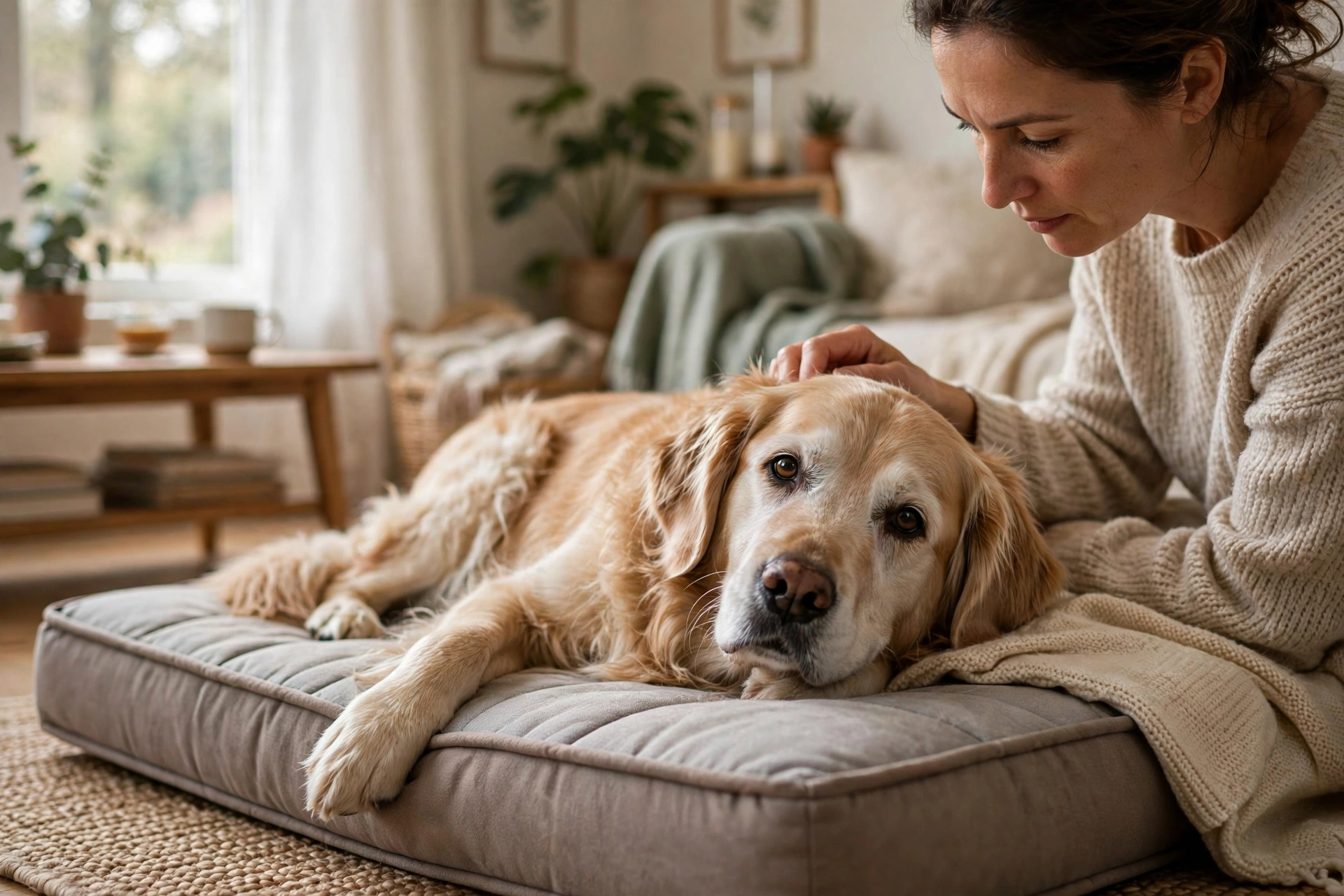
What it means: Vestibular disease affects the balance system in the brain or inner ear and can come on frighteningly fast — dogs look drunk, circle tightly to one side, tilt their head, stumble, and may vomit from dizziness. In senior dogs, “old dog vestibular disease” (idiopathic vestibular syndrome) is common and, while alarming, often improves within days to weeks with supportive care.
What to do: Call your vet promptly — a sudden balance problem should be evaluated the same day to rule out stroke, tumor, or other serious causes. While recovering, keep your dog comfortable on a supportive bed, block stairs, and carry food and water to them.
Helpful pick: Bedsure ComfyFleece Orthopedic Dog Bed — a supportive, low-profile bed that’s easy for a wobbly dog to get in and out of.
5. Cognitive Decline
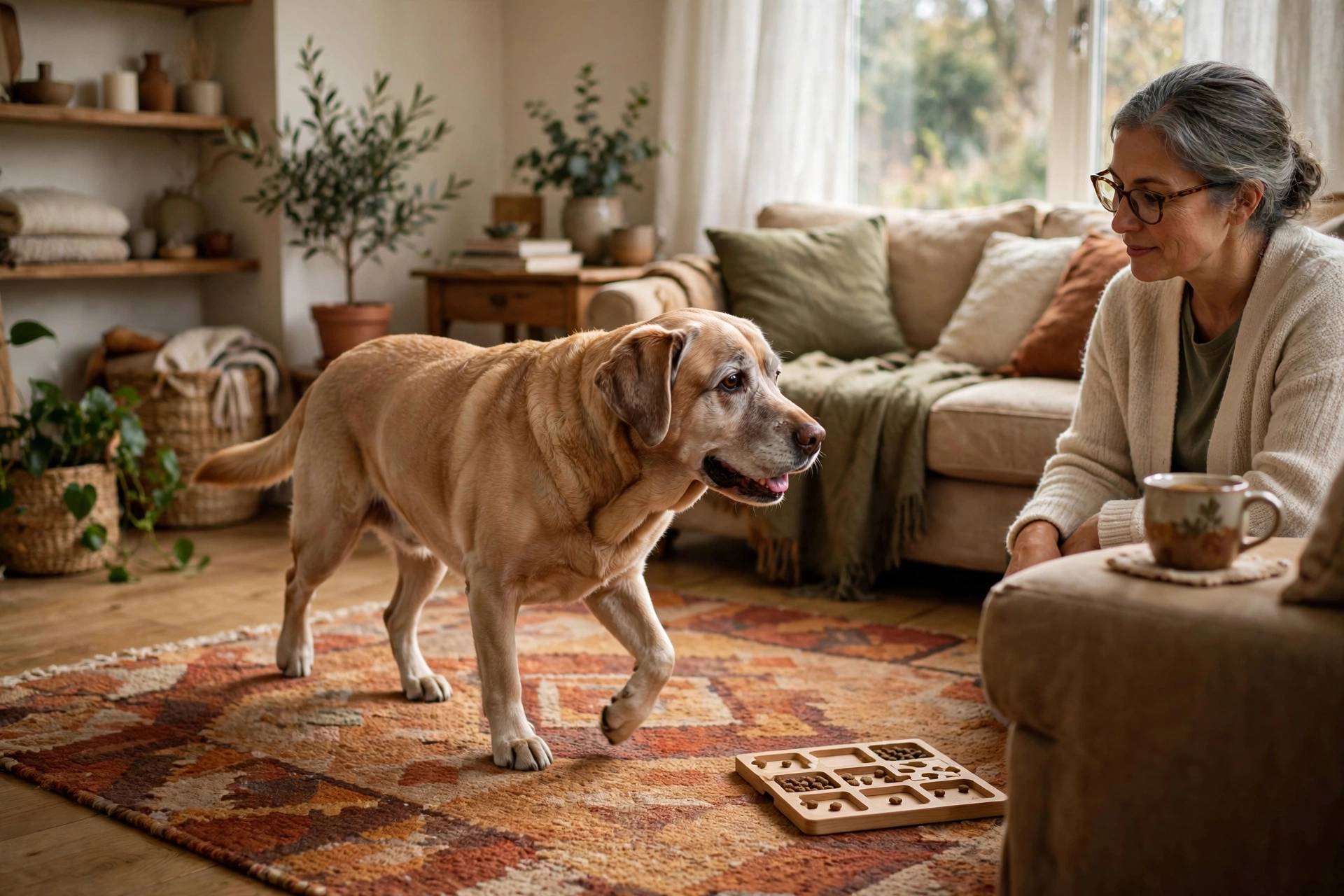
What it means: Older dogs can develop canine cognitive dysfunction (CCD), similar to Alzheimer’s in people. Repetitive circling — especially aimless, confused pacing at odd hours — is one of its hallmarks, along with disorientation, changed sleep patterns, and forgetting housetraining. If your senior dog circles at night and seems lost in familiar rooms, CCD is worth discussing with your vet.
What to do: Book a senior wellness exam. CCD can’t be cured, but vets can recommend diets rich in brain-supporting nutrients, gentle enrichment, and medications that help some dogs stay sharper. Keep routines consistent and the environment predictable — it lowers confusion.
Helpful pick: Zesty Paws Wild Alaskan Salmon Oil — a salmon oil that supports overall brain and coat health in senior dogs.
6. Pure Excitement
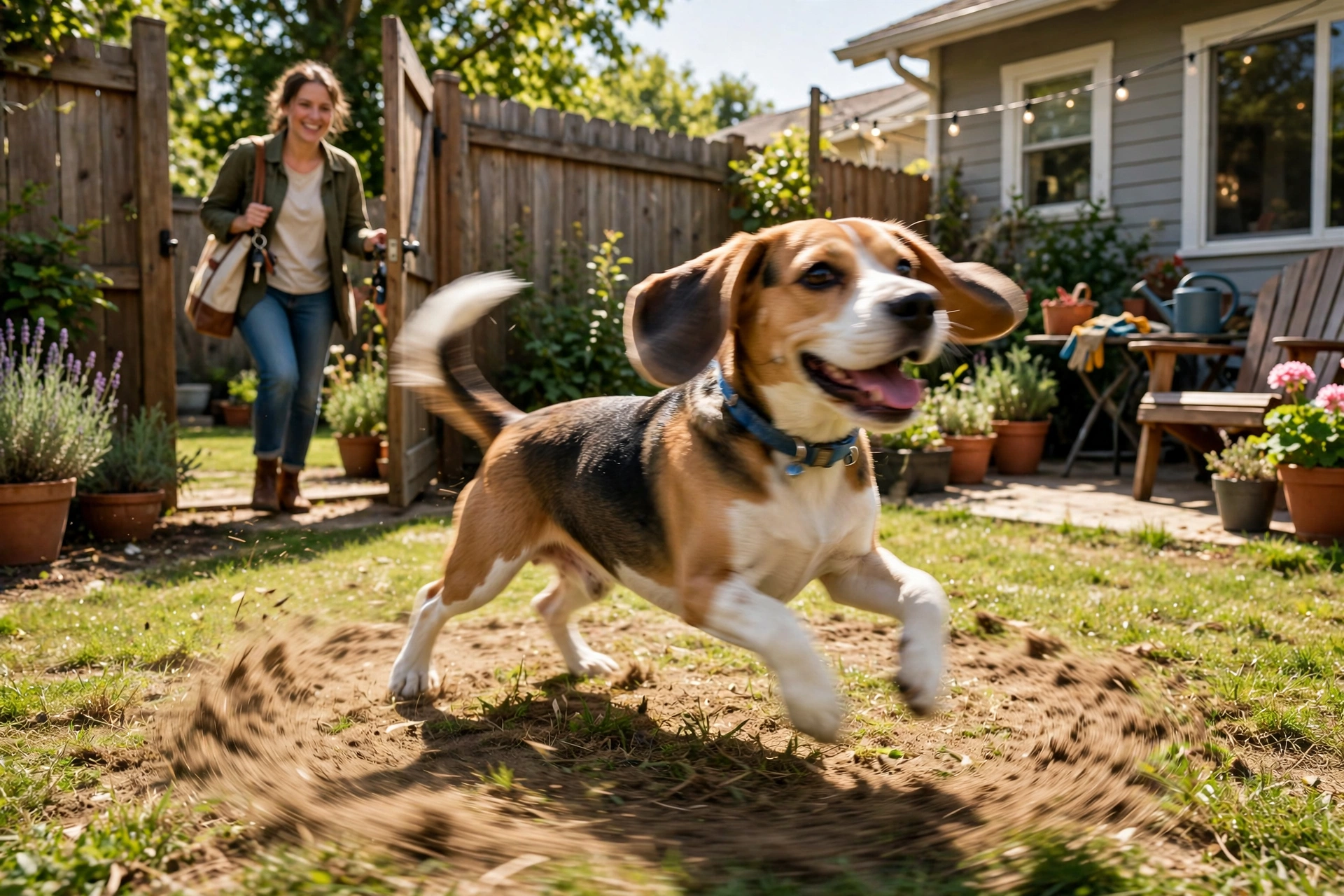
What it means: Some dogs spin in circles purely from joy — when you come home, when the leash appears, when it’s dinner time. Excitement circling is loose, bouncy, full-body wiggly, and happens at predictable happy moments. Puppies and high-energy breeds are the biggest offenders, and honestly, it’s one of the most endearing habits a dog can have.
What to do: Enjoy it! If the spinning gets out of hand (jumping, knocking things over), channel that energy into training: ask for a sit before the fun thing happens, and reward calm. Interactive play burns off the excess so the circles stay cute.
Helpful pick: KONG Classic — stuff it with treats to redirect burst-of-energy spinning into focused play.
Healthy Circling vs. Worrisome Circling
Still not sure which camp your dog falls into? This quick comparison usually clears it up:
- Healthy circling: happens before lying down or at exciting moments, lasts seconds, stops on its own, and your dog is otherwise acting totally normal.
- Worrisome circling: came on suddenly, keeps going for minutes or hours, always turns one way, and comes with other symptoms like head tilt, stumbling, or confusion.
A good rule of thumb: if you can interrupt the circling by calling your dog’s name and they respond normally, it’s almost certainly behavioral. A dog that can’t “snap out of it” — or circles right through a called name like you’re not there — deserves a vet check soon. Dogs with compulsive circling may also benefit from more mental stimulation: scatter feeding, sniff walks, and puzzle toys often reduce repetitive pacing in bored or under-exercised dogs.
When Circling Needs a Vet
Some circling is just personality; some circling is a medical flag. Call your vet — and treat it as urgent if it’s sudden — when you notice any of these:
- Circling that’s new, constant, or always in one direction
- Head tilt, stumbling, falling over, or loss of balance
- Rapid eye flicking (nystagmus), vomiting, or refusing food
- Disorientation, staring at walls, or getting stuck in corners (see also why dogs stare at walls)
- Signs of pain — whimpering, panting, reluctance to move (check signs your dog is in pain)
- An older dog whose behavior has clearly changed
Tip: take a short video of the circling before your appointment. It helps your vet distinguish instinctive circling from neurological circling far better than a description can.
If your dog’s circling happens right before bed and ends with a happy flop, you’re probably just watching a smaller version of what our bedtime guide covers in why dogs circle before lying down.
Frequently Asked Questions
Why is my dog walking in circles and falling over?
Circling plus falling over usually points to a balance problem — vestibular disease, an ear infection, or a neurological issue. This combination warrants a same-day vet visit, especially if it came on suddenly.
Why does my old dog walk in circles?
Senior dogs circle from cognitive decline, vestibular disease, arthritis-related discomfort, or ear problems. Because aging dogs can have several things going on at once, a senior wellness exam is the best way to sort it out.
Is it normal for dogs to walk in circles before pooping?
Yes — circling before pooping is thought to help dogs align with the earth’s magnetic field and find the most comfortable spot. It’s quirky, but it’s normal.
Why does my dog walk in circles around me when I’m eating?
That’s excitement plus anticipation. Your dog has learned that circling gets attention — and maybe a scrap. If you’d like less tornado at mealtime, reward a calm sit instead.
Can anxiety cause a dog to walk in circles?
Absolutely. Anxious dogs pace and circle repetitively, especially during storms, fireworks, or separations. Calming routines, safe spaces, and enrichment usually help — persistent anxiety is worth a vet or trainer consult.
Keep Reading
- Why Does My Dog Circle Before Lying Down? 6 Reasons
- Why Does My Dog Stare at the Wall? 6 Reasons
- Signs Your Dog Is in Pain: 9 to Watch For
- Signs Your Dog Is Stressed: 10 to Watch For
As an Amazon Associate, PetPostHub earns from qualifying purchases.