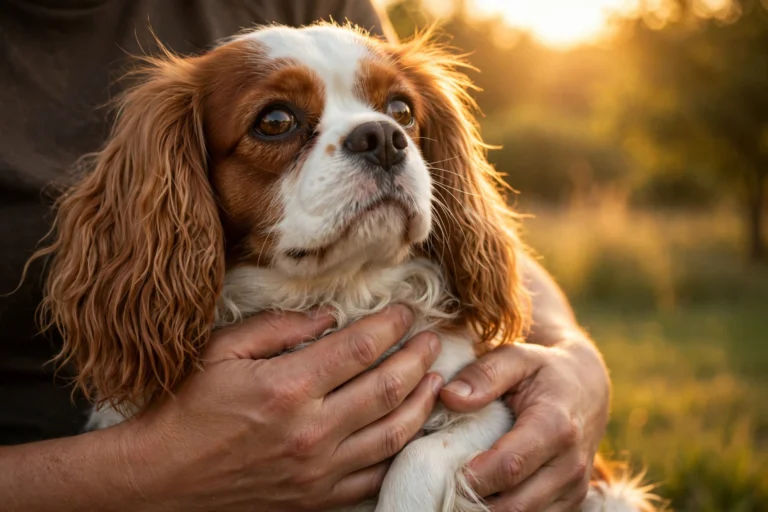
Cavalier King Charles Spaniel Breeders in North Carolina
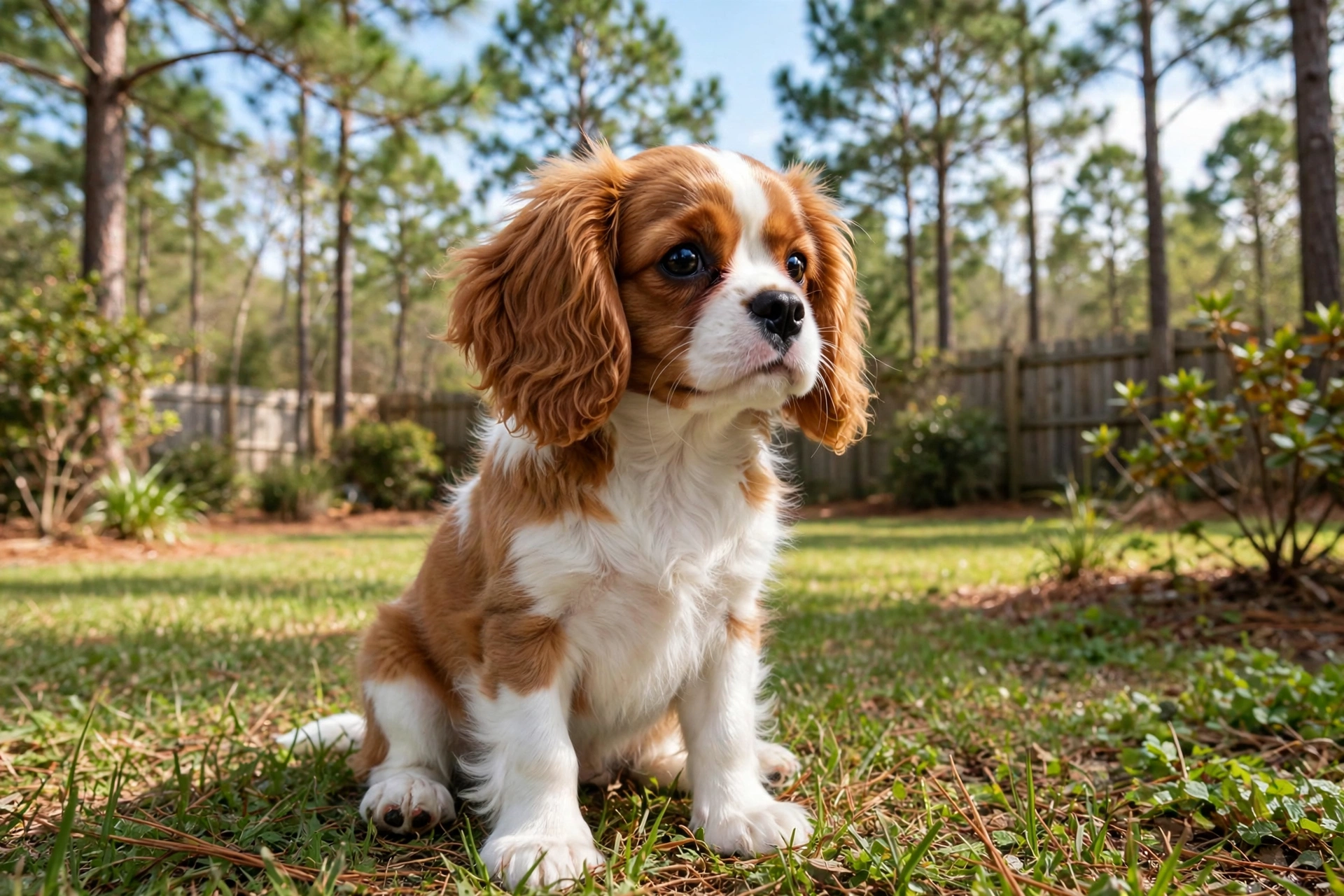
Finding a healthy, well-socialized Cavalier King Charles Spaniel starts with finding the right breeder. If you are searching for cavalier king charles spaniel breeders north carolina, you are in luck: the Tar Heel State has a strong community of responsible breeders, from the mountains around Asheville to the suburbs of Charlotte and the Raleigh-Durham Triangle. But not every breeder advertising puppies online meets the same standards, and knowing how to tell the difference is what protects both your wallet and your future dog’s health.
This guide walks you through exactly what to look for in a reputable North Carolina Cavalier breeder, the questions to ask before you put down a deposit, the red flags that should send you walking, and where to find Cavalier rescue options in the state if you would rather adopt.
Table of Contents
- What to Look for in a Reputable North Carolina Breeder
- Questions to Ask Before You Commit
- Red Flags to Avoid
- Cavalier Adoption and Rescue Options in North Carolina
- Frequently Asked Questions
- Keep Reading
What to Look for in a Reputable North Carolina Breeder
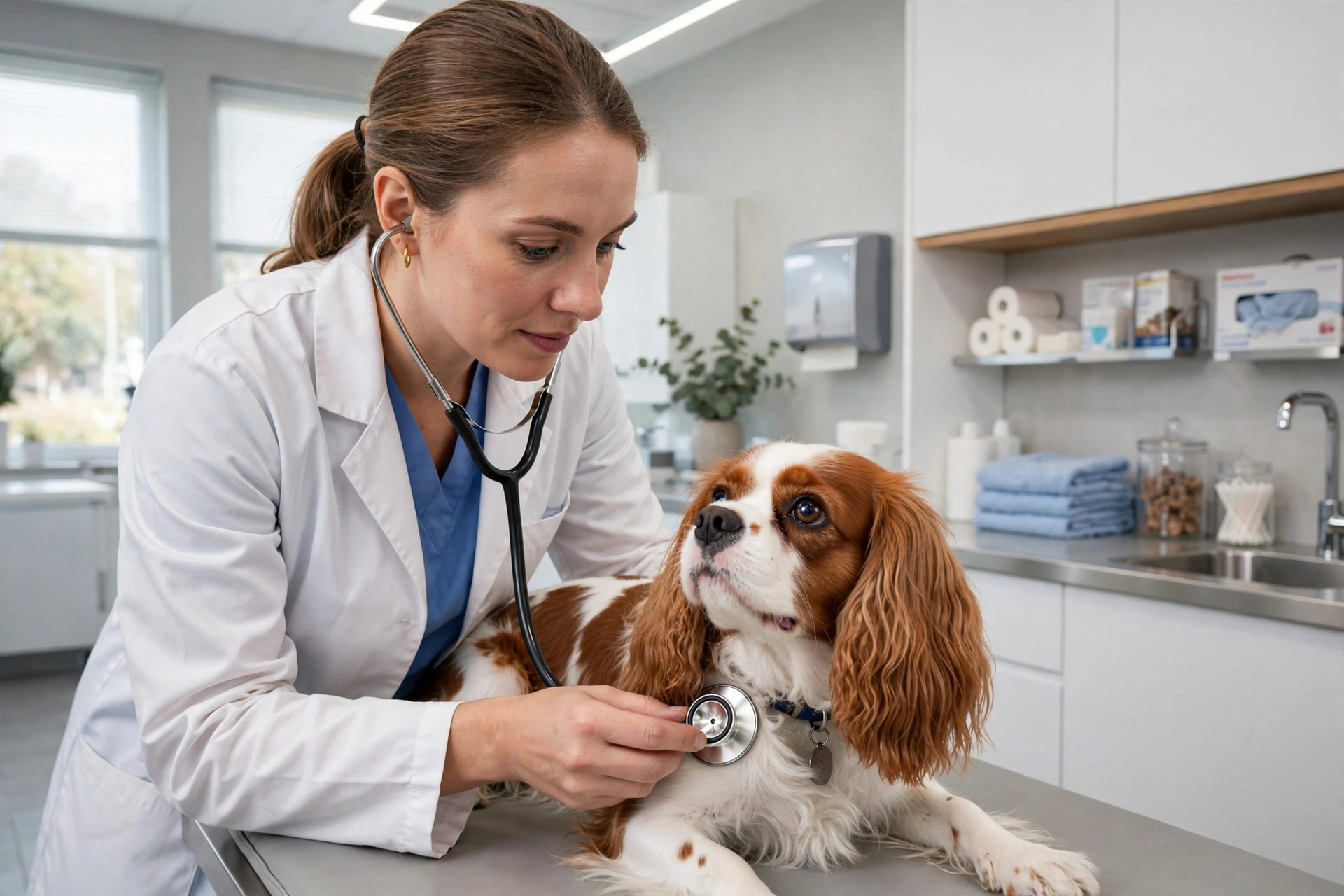
Cavaliers are wonderful companions, but the breed carries well-known health risks — especially mitral valve disease (a heart condition), eye disorders, and knee problems. A responsible breeder does not just hope for healthy puppies; they actively test their breeding dogs and share the results with you. Here is what to expect:
Documented health testing. At a minimum, breeding dogs should have recent heart clearances from a board-certified cardiologist, current eye certifications, and hip and patella evaluations. Ask to see the actual certificates or the dogs’ records in a public database — a verbal promise is not enough.
AKC registration and breed club involvement. Puppies should be eligible for American Kennel Club registration, and the best breeders are active in regional or national Cavalier clubs. Club involvement signals that the breeder answers to a community with a code of ethics, not just to their own bottom line.
A written contract with a health guarantee. Expect a contract that covers spay/neuter terms, a health guarantee (typically one to two years against congenital conditions), and — just as important — a take-back clause. Ethical breeders will take a dog back at any age if you can no longer keep it.
You can visit in person. A trustworthy North Carolina breeder will welcome you to their home or facility to meet the mother dog and see where the puppies are raised. Puppies raised in a clean, busy household are better socialized than puppies raised in isolated kennel runs. If a breeder refuses visits or only offers to meet in a parking lot, that is a serious warning sign.
Small scale and limited litters. Quality breeders typically raise one or two litters a year, not a constant rotation. They should be able to tell you about each puppy’s personality and which homes would suit them — they are matchmaking, not just selling.
Questions to Ask Before You Commit
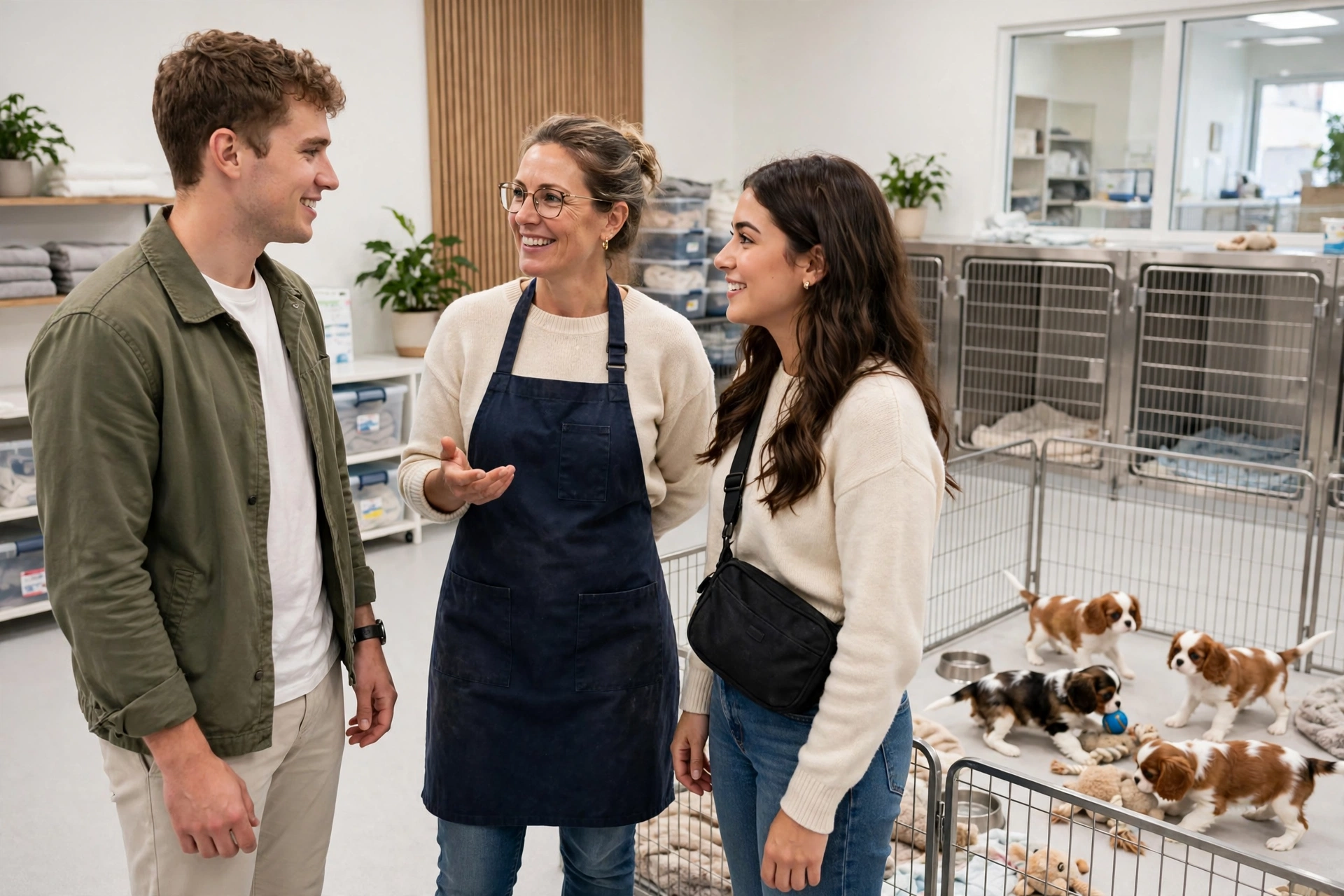
When you contact a breeder, treat the conversation like an interview — because it is one, in both directions. Good breeders will also be interviewing you. Bring these questions:
- What health testing have the sire and dam completed, and can I see the certificates?
- How old are the parents, and how many litters has the mother had?
- What is your health guarantee, and what happens if my puppy develops a congenital condition?
- Will you take the dog back at any point in its life if I cannot keep it?
- Can I meet the mother dog and see where the puppies are being raised?
- How do you socialize the puppies before they go home (sounds, handling, children, other pets)?
- What food are the puppies eating, and what vaccination and deworming schedule have they followed?
- Do you have references from previous puppy buyers or your veterinarian?
Pay attention to how the breeder responds. Thorough, patient answers are a great sign. Evasive or impatient answers — or pressure to send a deposit before you have even spoken — are not.
Red Flags to Avoid
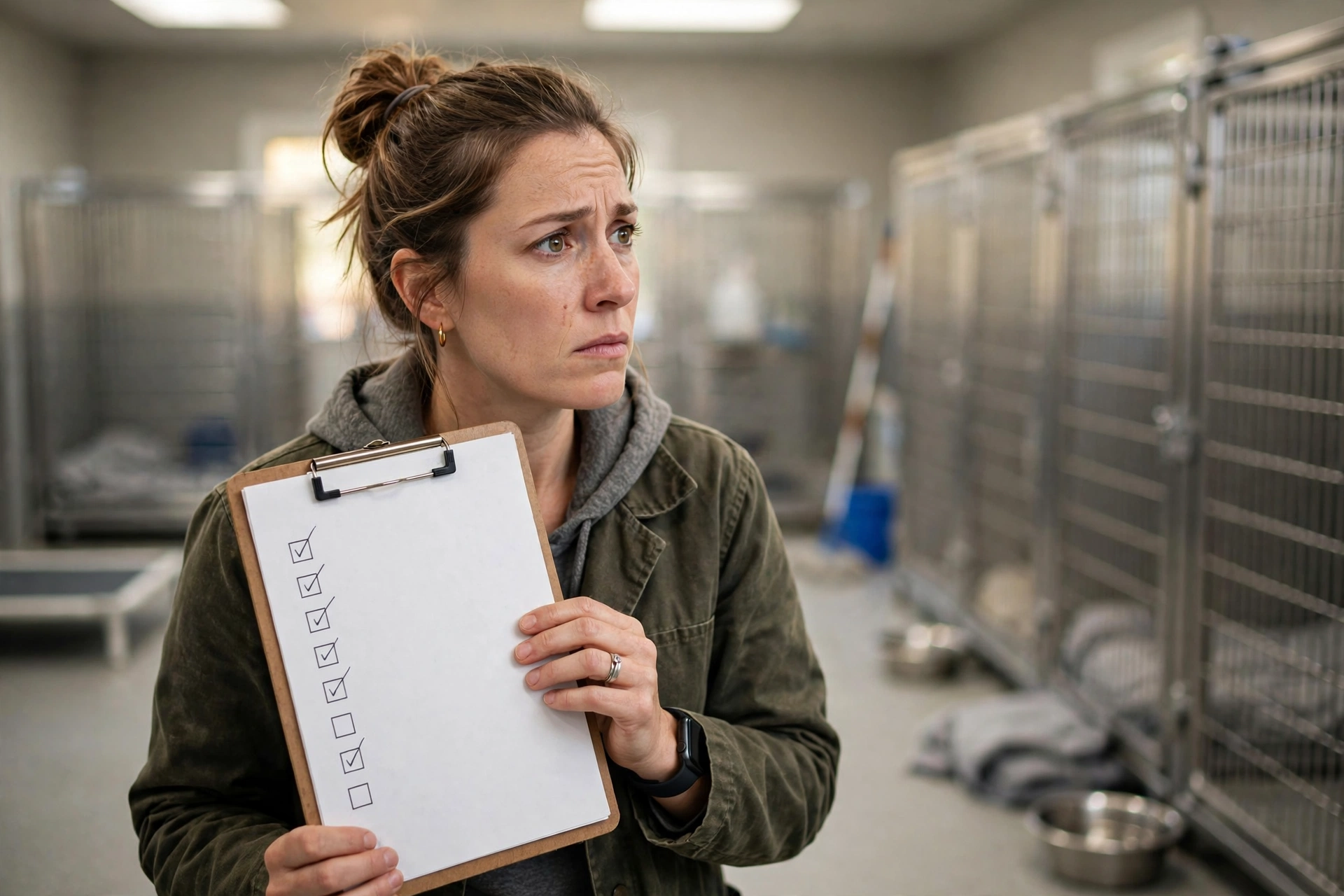
North Carolina, like every state, has its share of puppy mills and careless backyard breeders. Walk away if you encounter any of these:
- No health testing. “Our vet says they are healthy” is not health testing. Without cardiac, eye, and orthopedic clearances on the parents, you are gambling on your puppy’s future.
- Always-available puppies. A breeder who always has puppies ready, in multiple breeds, is operating a volume business — not a careful breeding program.
- No home visit allowed. If you cannot see where the puppies live, assume the worst about where the puppies live.
- Pressure tactics. “Someone else wants this puppy” or demands for an immediate non-refundable deposit are sales tricks, not signs of a caring breeder.
- Meeting in neutral locations. Legitimate breeders invite you to their home. Sellers who insist on parking lots or highway exits are hiding their operation.
- Cash only, no paperwork. No contract, no registration papers, no health records — and a request for cash or wire transfer — is a classic scam pattern.
Also be cautious with online puppy marketplaces. Some legitimate breeders advertise there, but these sites are also where puppy mills and scammers concentrate. Always verify everything independently, no matter how professional the listing looks.
Cavalier Adoption and Rescue Options in North Carolina
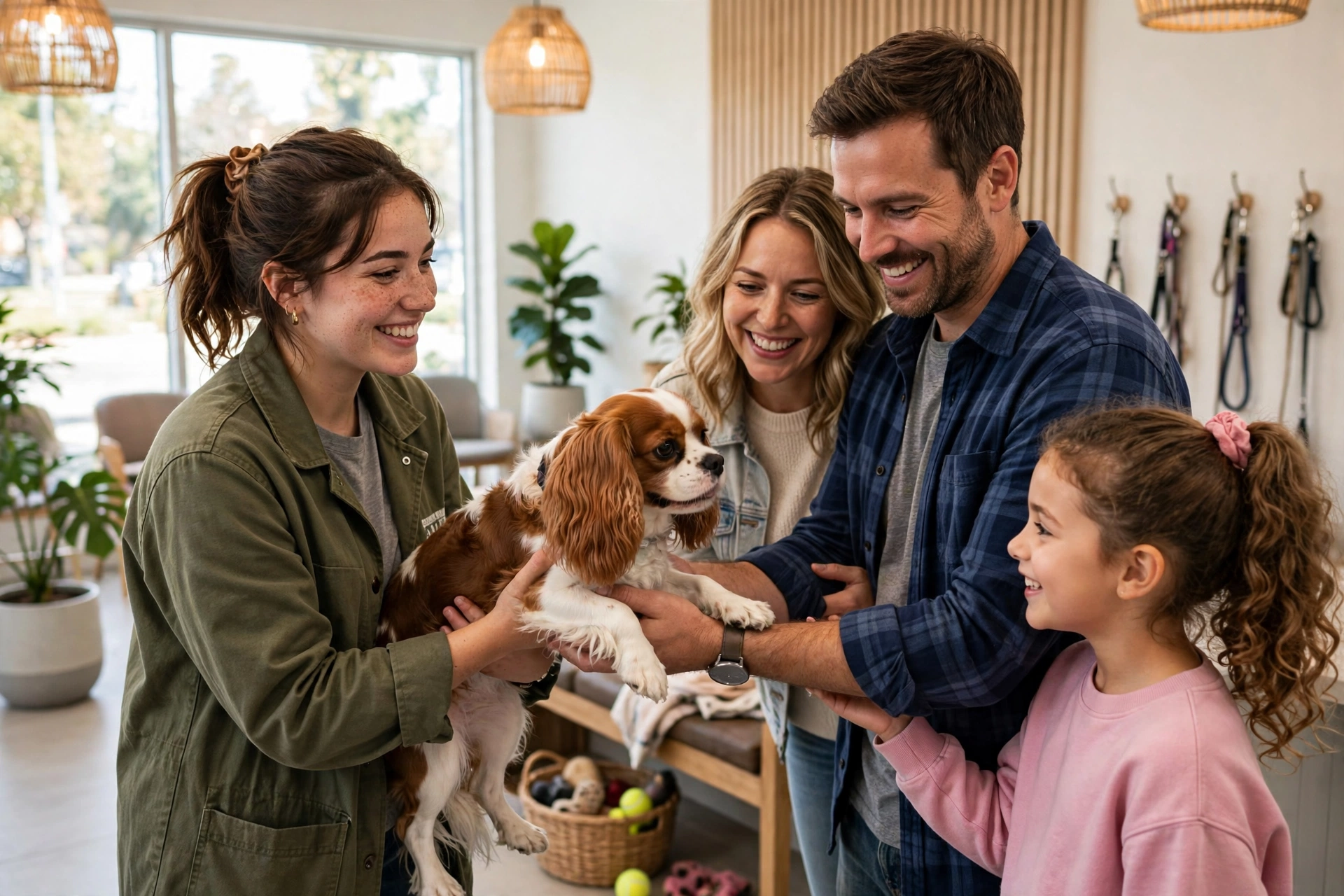
Buying from a breeder is not the only path to a Cavalier. Breed-specific rescue groups regularly have Cavaliers and Cavalier mixes looking for homes — including owner surrenders, retired breeding dogs, and seniors who make wonderfully calm companions.
Start with national Cavalier rescue organizations that coordinate with foster homes across North Carolina, and check regional all-breed rescues in the Charlotte, Raleigh, and Asheville areas, which frequently take in small companion breeds. Many rescues list available dogs on their websites and social media pages, and some maintain waiting lists for popular breeds like the Cavalier.
Adoption usually costs a fraction of a breeder puppy’s price, the dog is typically spayed or neutered and up to date on vaccinations, and foster families can tell you honestly about the dog’s temperament, house training, and quirks. The trade-off is patience: Cavaliers are in demand, so you may wait weeks or months for the right match. For many families, that wait is well worth it.
Whether you buy or adopt, the same rule applies: a responsible source is transparent, asks you questions, and puts the dog’s welfare first.
Frequently Asked Questions
How much does a Cavalier King Charles Spaniel puppy cost in North Carolina?
From a reputable breeder, expect to pay roughly $2,000 to $4,000 depending on pedigree, health testing, and location within the state. Prices far below that range are a warning sign — corners are being cut somewhere, usually on health testing.
How long is the wait for a Cavalier puppy?
Responsible breeders often have waiting lists of three to twelve months. If a breeder can hand you a puppy this weekend with no wait, ask yourself why no one else is in line.
Should I get a male or female Cavalier?
Both make excellent pets. Males can be slightly more affectionate and goofy; females a touch more independent. A good breeder will help you choose based on the individual puppy’s temperament rather than gender alone.
Are Cavaliers good for first-time dog owners in North Carolina?
Yes — Cavaliers are among the best breeds for first-time owners. They are gentle, eager to please, and adaptable to apartments or houses. Just be ready for the grooming commitment and the breed’s known health issues, and budget for good veterinary care.
Can I find a Cavalier puppy near Asheville, Charlotte, or Raleigh?
Those metro areas have the highest concentration of breeders and rescues in the state, so they are good places to start your search. Be prepared to drive a bit — the right breeder is worth a road trip, and many buyers travel across the state for a well-bred puppy.