
Lucy’s Law: What It Means for Puppy Buyers

If you have been thinking about bringing a Lucy’s Law puppy into your life — by which we mean a puppy purchased the legal, transparent way the law intended — there is an important piece of legislation you should know about. Lucy’s Law changed the rules for buying puppies and kittens in England, and it stands as one of the most celebrated animal welfare victories of recent years. This guide explains what the law is, who it was named for, what it requires, and how it helps you become a more responsible, better-informed puppy buyer.
Table of Contents
- 1. What Is Lucy’s Law?
- 2. The Puppy Mill Problem It Fights
- 3. What the Law Bans and Requires
- 4. How Lucy’s Law Protects Puppy Buyers
- 5. Responsible Breeder vs. Puppy Mill: How to Spot the Difference
- 6. What You Can Do to Help
- Frequently Asked Questions
1. What Is Lucy’s Law?
Lucy’s Law is the informal name for regulations that took effect in England in April 2020, making it illegal for commercial third parties to sell puppies and kittens under six months old. From that date forward, buyers in England could only purchase a young puppy or kitten directly from the breeder who raised them — or adopt from a rescue center. Pet shops, dealers, and middlemen who once sold animals on behalf of breeders were cut out of the chain entirely.
The law was named for Lucy, a Cavalier King Charles Spaniel who spent years in a Welsh puppy farm before being rescued. Lucy’s suffering — and her rescuer’s tireless campaigning in her memory — turned one small dog’s story into the rallying cry for nationwide reform. The legislation was widely hailed as a triumph for animal welfare because it attacked the economics of large-scale puppy farming: without third-party sellers to move large volumes of puppies quickly and anonymously, the most exploitative operations lost their most profitable route to market.

2. The Puppy Mill Problem It Fights
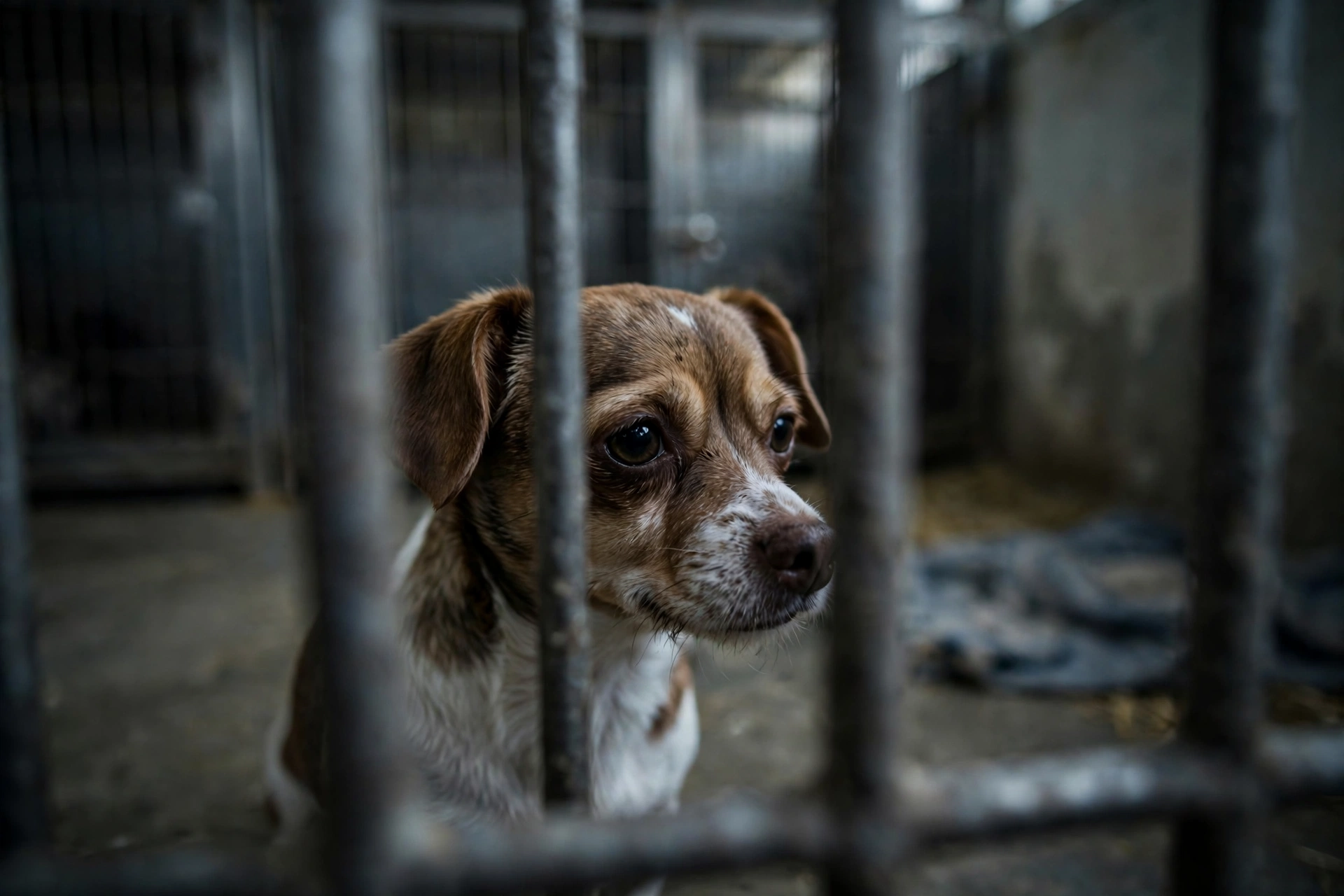
To understand why Lucy’s Law mattered, it helps to understand the system it was designed to break. High-volume commercial breeding operations — often called puppy mills or puppy farms — breed dogs at industrial scale, prioritizing output and profit over health, temperament, and welfare. Breeding dogs may be kept in cramped, unsanitary conditions, receive minimal veterinary care, and be bred repeatedly without recovery time.
Third-party sellers were the engine of this trade. A puppy farmed hundreds of miles away could arrive at a pet shop or be advertised online by a dealer, and the buyer would never see the mother, the breeding conditions, or anything that revealed where the puppy truly came from. Puppies raised without early socialization often grew into fearful, anxious, or unhealthy adult dogs — problems the buyer discovered only weeks or months after bringing the puppy home. By breaking the link between high-volume producers and anonymous sellers, Lucy’s Law targeted the business model itself.
3. What the Law Bans and Requires
The core of Lucy’s Law is simple: anyone selling a puppy or kitten under six months old in England must have bred the animal themselves. Commercial third-party sales are prohibited. There are only two lawful routes to a young puppy or kitten — buy directly from the breeder, or adopt from a legitimate rescue organization. Licensed hobby breeders and small-scale responsible breeders were largely unaffected, because they were already selling directly to the families their puppies joined.
The law also sits alongside broader licensing rules for breeders. Anyone breeding three or more litters a year, or breeding dogs commercially, generally needs a license from their local authority. Licensed breeders are subject to inspections and must meet welfare standards covering housing, health care, socialization, and record-keeping. Together, these rules create a system where the person handing you the puppy is the person who raised it — and that person is accountable for the conditions it grew up in.

4. How Lucy’s Law Protects Puppy Buyers
The single biggest protection Lucy’s Law gives buyers is transparency. Because you must buy directly from the breeder, you get to visit the place your puppy was born. You can meet the mother dog, see where the puppies are raised, observe how they are handled, and ask questions about health testing, veterinary care, and socialization. No middleman can smooth over poor conditions or invent a backstory you cannot check.
This direct relationship also gives you real information about what to expect. A responsible breeder knows each puppy’s personality, can tell you about the parents’ health histories, and will usually take the puppy back at any point in its life if you can no longer keep it. You also gain the right to see evidence of health checks and the puppy’s first veterinary visits. If something about the setup makes you uncomfortable — dirty conditions, an absent or distressed mother, reluctance to show you the premises — the law’s structure makes that discomfort a clear signal to walk away.

5. Responsible Breeder vs. Puppy Mill: How to Spot the Difference
Knowing how to distinguish a responsible breeder from a puppy mill is the most practical skill Lucy’s Law expects of buyers. A responsible breeder raises a limited number of litters, health-tests breeding dogs for breed-relevant conditions, welcomes you to visit (often more than once), introduces you to the mother, provides veterinary records, and asks you as many questions as you ask them — they want their puppies in suitable homes.
Warning signs point the other way. Be cautious of sellers who always have puppies available, offer multiple breeds at once, pressure you to decide quickly, suggest meeting in a parking lot or delivering the puppy to you, or cannot show you the mother or the home environment. Unusually low prices for a popular breed are another red flag — responsible breeding is expensive, and prices far below the norm often mean corners were cut. Online adverts with stock-style photos or sellers who dodge questions about health testing deserve the same skepticism. When in doubt, slow down: a genuine breeder will respect a careful buyer.

6. What You Can Do to Help
You do not have to live in England for Lucy’s legacy to matter. Wherever you are, you can apply the same principles: always buy directly from a breeder you have visited, or adopt from a rescue. Never buy a puppy from a pet shop window, a roadside seller, or an online advert you cannot verify in person. Each purchase from a responsible source is a vote against the puppy-mill economy.
You can also spread the word. Many well-meaning buyers still do not know how the puppy trade works, and a short conversation about visiting breeders and meeting the mother can change someone’s decision. Support rescue organizations through adoption, fostering, donations, or volunteering. And if you encounter a suspicious seller, report them to your local animal welfare authority — enforcement depends on ordinary people speaking up. Lucy’s story proves that one small dog, and the people who refused to stay silent about her, can change the law. The least the rest of us can do is live by it.

Frequently Asked Questions
Does Lucy’s Law apply outside England?
Lucy’s Law itself applies in England. Similar measures have been discussed or adopted elsewhere in the UK, but the rules vary by nation, so check your local regulations before buying a puppy.
Does the law cover kittens too?
Yes. The ban on commercial third-party sales covers both puppies and kittens under six months old.
Can pet shops still sell puppies?
In England, pet shops cannot sell puppies or kittens under six months old unless they bred the animals themselves — which commercial pet shops do not. The practical effect is a ban on third-party puppy sales in shops.
What should I do if I spot a suspicious puppy seller?
Do not buy from them. Gather what information you safely can — adverts, names, locations — and report the seller to your local authority’s animal welfare or trading standards team.
How can I verify a breeder is genuine?
Visit in person, meet the mother dog, ask for veterinary and health-test records, check licensing where required, and look for breeders recommended by breed clubs or your veterinarian. A genuine breeder welcomes scrutiny.




One Comment