Cavalier King Charles Spaniel Breeders in Indiana: How to Find a Reputable One

Searching for Cavalier King Charles Spaniel breeders in Indiana can feel exciting and overwhelming at the same time. The Hoosier State is home to plenty of people raising this gentle, affectionate breed — but not every breeder holds themselves to the same standard, and choosing the wrong one can lead to heartbreak and steep vet bills down the road.
This guide walks you through exactly how to find a trustworthy Cavalier breeder in Indiana: what health testing to expect, which questions separate the good breeders from the rest, the red flags that should send you walking, and rescue options worth considering before you buy. No shortcuts, no guesswork — just a clear process for bringing home a happy, healthy puppy.
Table of Contents
- What to Look for in a Reputable Indiana Breeder
- Questions to Ask Before You Commit
- Red Flags to Avoid
- Cavalier Adoption and Rescue Options in Indiana
- Bringing It All Together
- Frequently Asked Questions
What to Look for in a Reputable Indiana Breeder
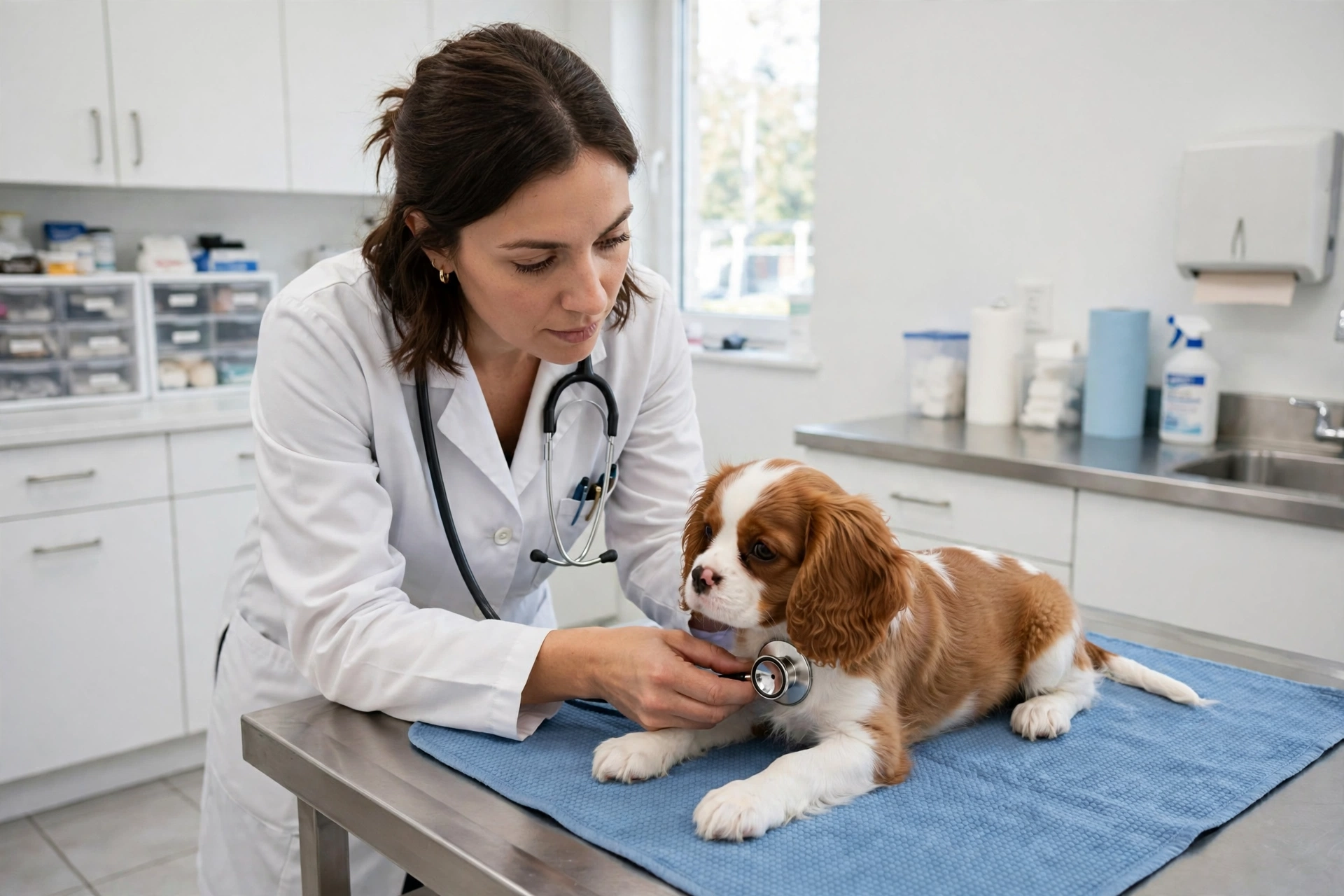
A reputable breeder treats every litter as a responsibility, not a revenue stream. Here’s what that looks like in practice.
Documented health testing. Cavaliers are prone to specific inherited conditions, so health screening is non-negotiable. At a minimum, both parent dogs should have current clearances for heart (mitral valve disease is the breed’s biggest concern), eyes (annual CERF/CAER exams), and knees (patellar luxation). Many serious breeders also test hips and screen for episodic falling syndrome and curly coat/dry eye syndrome. Ask to see the actual test paperwork — a good breeder will hand it over proudly, not dodge the question.
AKC registration and breed club involvement. Puppies should come with AKC registration papers, and the breeder should ideally be connected to a regional or national Cavalier club. Club membership signals that the breeder answers to a community with standards, not just their own judgment.
A written contract with a health guarantee. Expect a clear purchase agreement spelling out the health guarantee (typically covering genetic conditions for at least a year or two), spay/neuter terms, and — critically — a take-back clause: if you ever can’t keep the dog, the breeder wants it returned to them rather than surrendered to a shelter.
Puppies raised in the home. The best Indiana breeders raise litters in their living rooms, not in detached kennel buildings. Home-raised puppies arrive pre-socialized to household sounds, people, and daily routines, which makes your first weeks together dramatically easier.
An open-door visit policy. A trustworthy breeder will insist you visit in person before committing. You’ll get to meet the puppy’s mother (and ideally the father), see where the puppies live, and watch how the breeder interacts with their dogs. If a breeder discourages visits or offers to ship a puppy sight unseen, that’s your cue to move on.
Questions to Ask Before You Commit
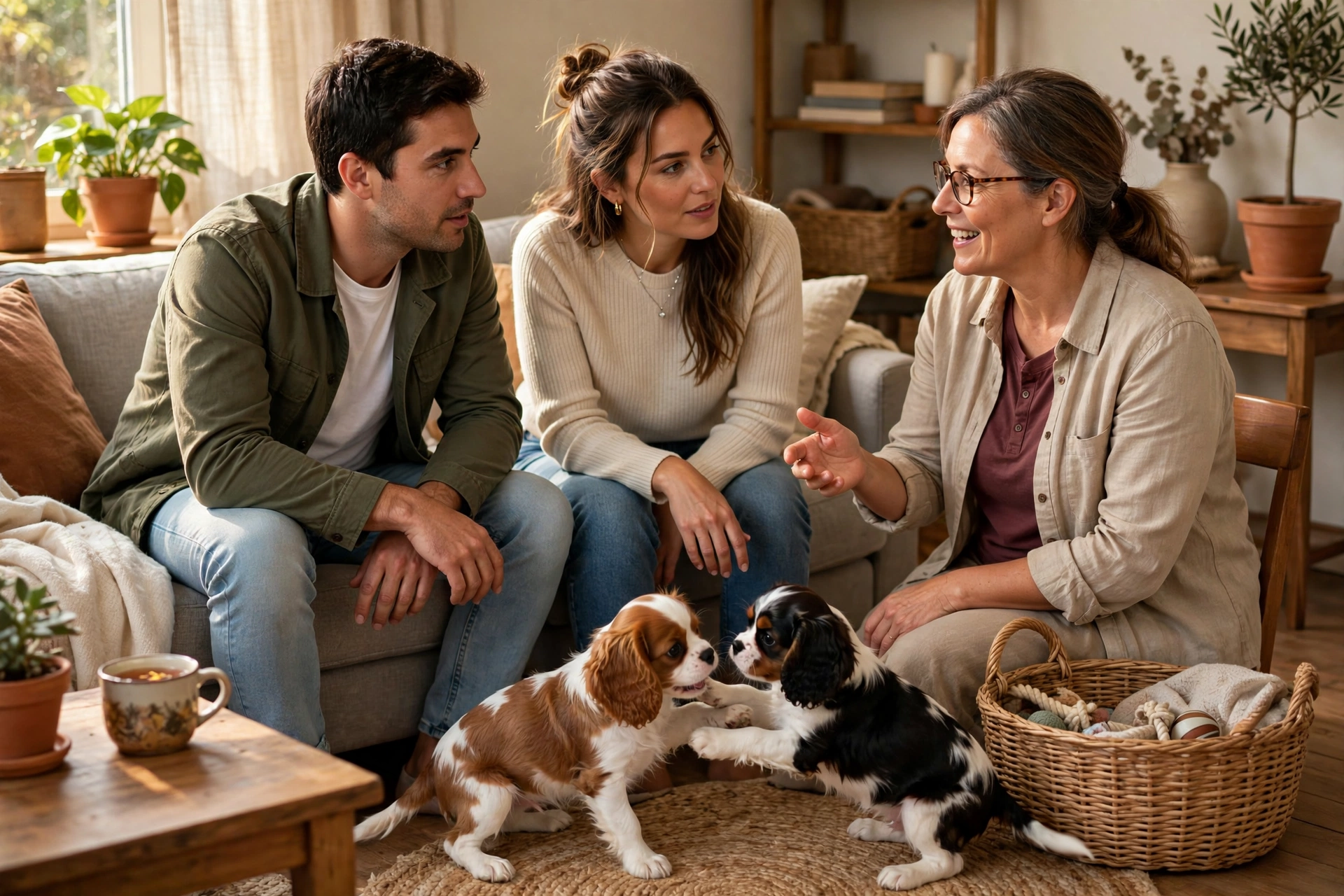
Bring this list to every breeder conversation. The answers — and how willingly they’re given — tell you everything.
- Which health tests have both parents had, and can I see the certificates?
- How many litters do you raise per year, and how many breeds do you work with?
- At what age do your puppies go home, and what veterinary care have they received by then?
- What does your health guarantee cover, and for how long?
- What happens if I can no longer keep the dog — will you take it back?
- Can I meet the puppy’s mother and see where the puppies are raised?
- What kind of socialization do the puppies get before they come home?
- Do you have references from families who bought puppies from previous litters?
Pay attention to the breeder’s questions for you, too. A breeder who asks about your home, work schedule, experience with dogs, and plans for training is a breeder who cares where their puppies end up. An interview that goes both ways is one of the strongest green flags in the business.
Red Flags to Avoid
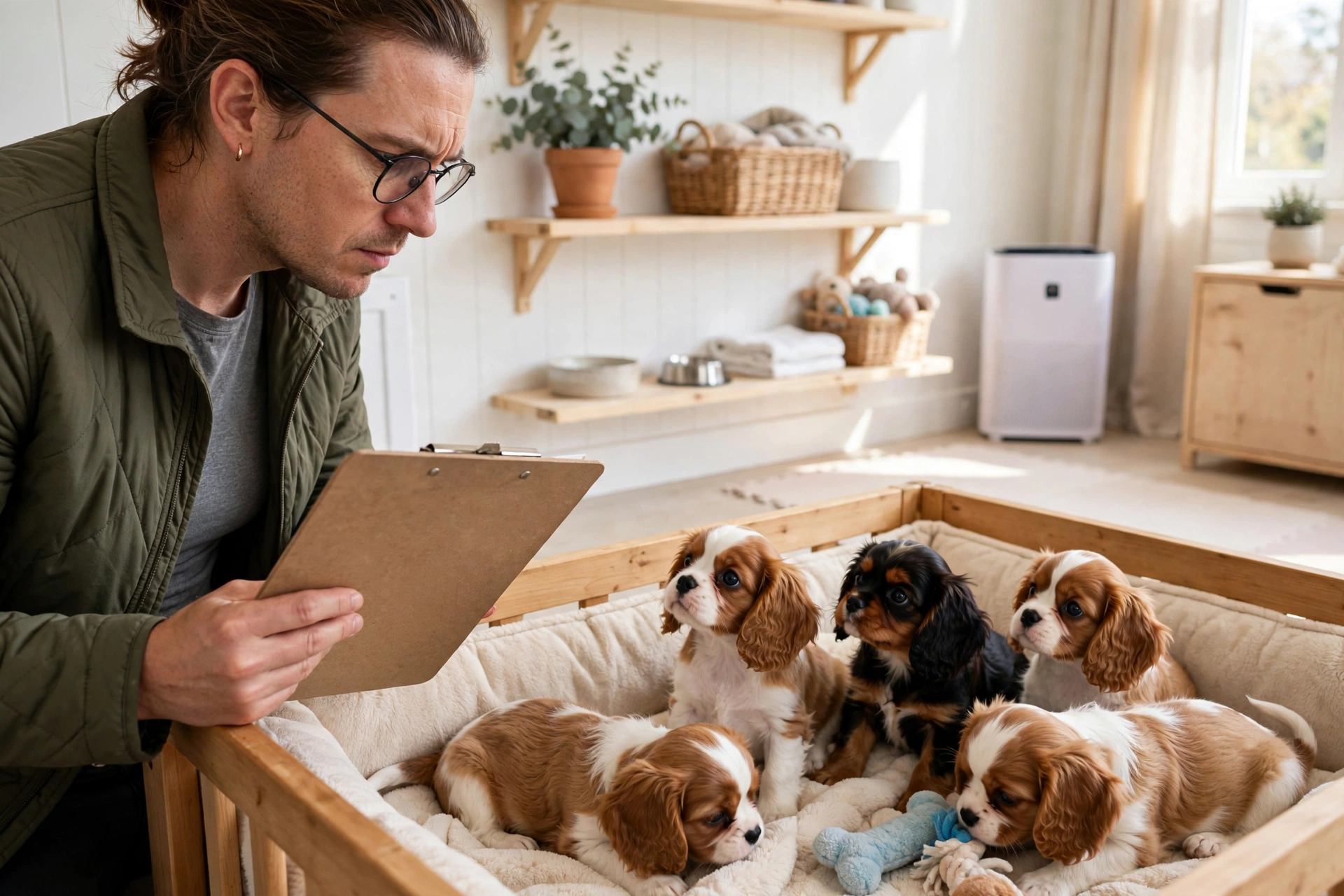
Walk away — politely but firmly — if you encounter any of these:
- No health testing documentation. “Our vet says they’re healthy” is not health testing. Without written clearances, you’re gambling on genetics.
- Always-available puppies. Reputable breeders have waitlists. Someone with puppies ready to go at all times is likely producing volume, not quality.
- Refusal of home visits. Meeting in a parking lot or offering to ship the puppy without a visit hides the conditions the dogs live in.
- Pressure tactics. “Someone else wants this puppy” urgency, demands for large non-refundable deposits before you’ve met anyone, or discounts for paying cash are classic warning signs.
- Multiple unrelated breeds. A breeder juggling five or six different breeds is rarely doing justice to any of them.
- No contract or guarantee. A handshake deal on a living animal that may live 12+ years is a deal you shouldn’t take.
Cavalier Adoption and Rescue Options in Indiana
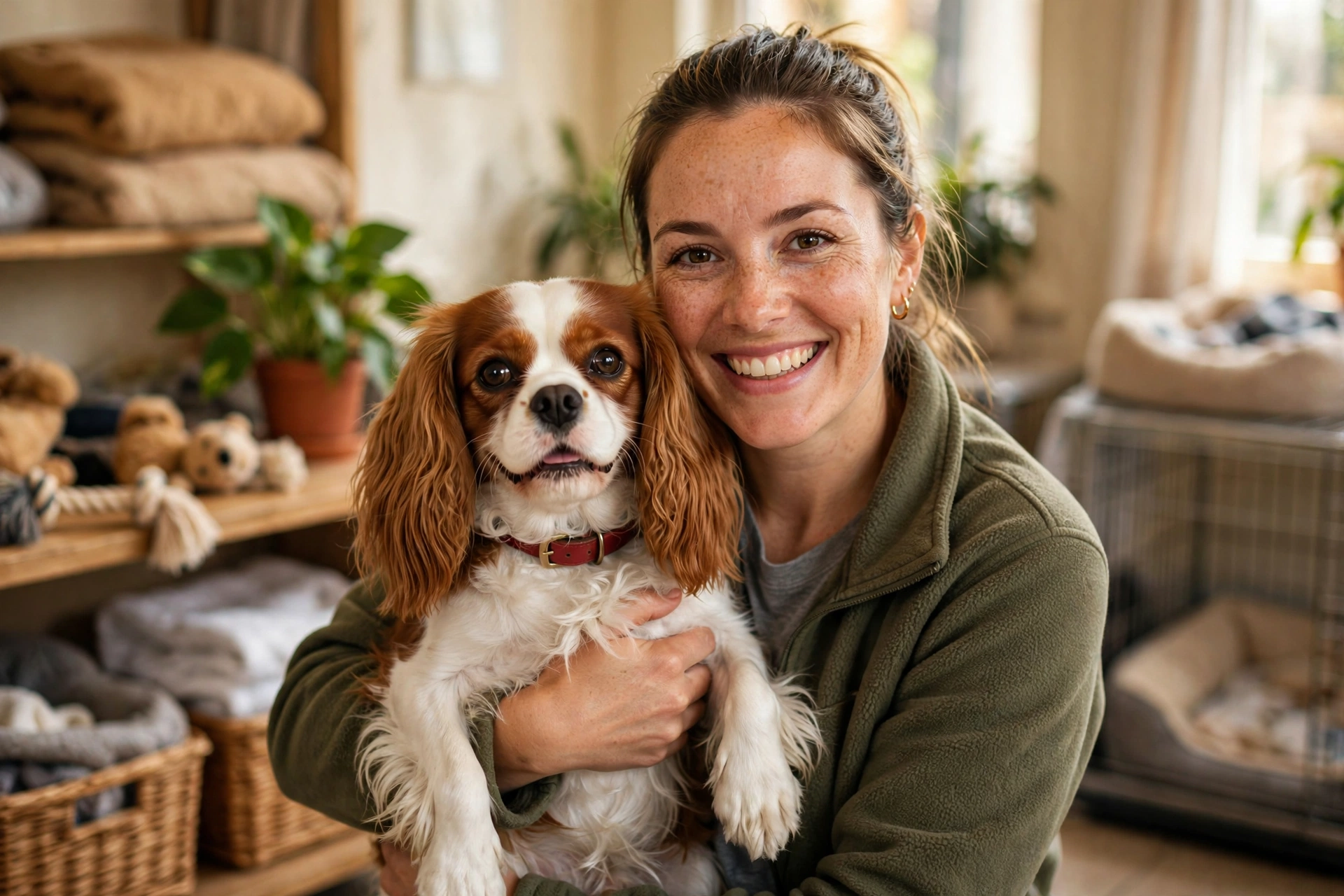
Buying from a breeder isn’t the only path to a Cavalier. Breed-specific rescues and Indiana shelters regularly have Cavaliers and Cavalier mixes looking for homes — including young dogs and occasionally puppies. Rescue adoption fees are typically a fraction of breeder prices, and many rescue dogs arrive spayed or neutered, vaccinated, and temperament-assessed.
Start by searching for Cavalier-specific rescue organizations serving the Midwest, then check larger Indiana humane societies and municipal shelters. Be honest on your application about your lifestyle and experience; rescues match dogs carefully, and a good match means a smoother transition for everyone.
One note of caution: if a “rescue” always seems to have purebred puppies available and charges breeder-level prices, look closer — some operations use the rescue label as cover for retail-style puppy sales. Legitimate rescues are transparent about their nonprofit status and where their dogs come from.
Bringing It All Together
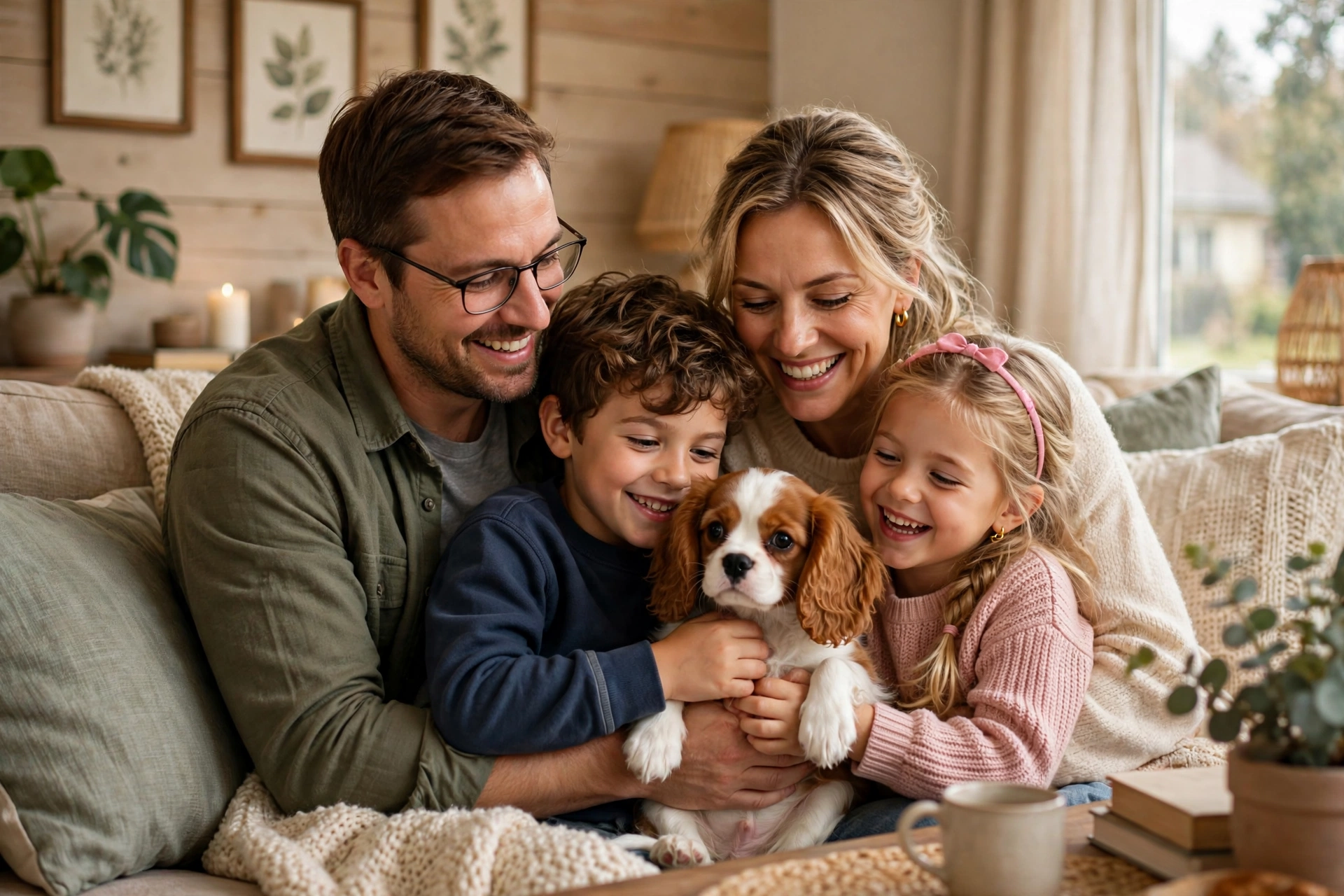
Finding the right breeder takes patience, but the payoff is enormous: a well-bred, well-socialized Cavalier puppy from health-tested parents gives you the best possible start on a decade or more of companionship. Do your homework, visit in person, ask the hard questions, and trust your instincts. The right breeder will welcome your scrutiny — because they have nothing to hide.
Frequently Asked Questions
How much does a Cavalier King Charles Spaniel puppy cost in Indiana?
Prices from reputable Indiana breeders typically fall in the low-to-mid four figures, varying with the breeder’s reputation, the puppy’s pedigree, and coat color. Be wary of prices that seem too good to be true — rock-bottom prices usually mean skipped health testing. Budget also for ongoing costs like quality food, grooming, vet care, and pet insurance.
What health tests should an Indiana Cavalier breeder perform?
At minimum: cardiac screening for mitral valve disease, annual eye exams, and patella evaluations on both parents. Many top breeders also test hips and DNA-screen for episodic falling syndrome and curly coat/dry eye syndrome. Always ask to see the actual certificates.
Is it better to adopt a Cavalier or buy from a breeder?
Neither path is universally better — it depends on your situation. A reputable breeder offers predictability in health history and temperament, while rescue gives a deserving dog a home at lower cost. Both require the same diligence: vet the breeder or the rescue organization thoroughly either way.
How long is the typical wait for a Cavalier puppy in Indiana?
Good breeders usually have waitlists ranging from a few months to over a year, especially for specific coat colors or genders. A waitlist is actually a positive sign — it means the breeder isn’t overproducing.
Should I visit the breeder before putting down a deposit?
Yes — always. Visiting lets you see the living conditions, meet the mother dog, and gauge the breeder’s knowledge and honesty firsthand. Never send a deposit to a breeder you haven’t met in person.