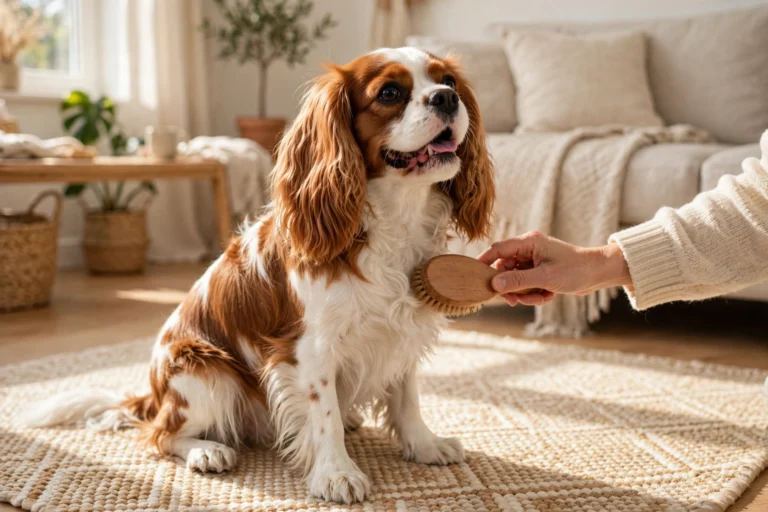
Cavalier King Charles Spaniel Breeders in Utah: How to Find a Reputable One

If you live in Utah and have your heart set on a Cavalier King Charles Spaniel, finding the right breeder is the single most important decision you will make. A quick search for cavalier king charles spaniel breeders utah will turn up plenty of names, but not every breeder works to the same standard — and with a breed prone to certain inherited health conditions, doing your homework truly matters.
The good news is that Utah has an active community of Cavalier enthusiasts, from show breeders along the Wasatch Front to family-run programs in the state’s rural counties. This guide will walk you through exactly what to look for in a reputable Utah breeder, the questions to ask before you commit, the red flags that should send you walking, and the rescue options worth considering too.
Table of Contents
- What to Look for in a Reputable Utah Breeder
- Questions to Ask Before You Commit
- Red Flags to Avoid
- Cavalier Adoption and Rescue Options in Utah
- Frequently Asked Questions
- Keep Reading
What to Look for in a Reputable Utah Breeder

Cavaliers are famously sweet, gentle dogs — but the breed carries well-documented risks for mitral valve disease (MVD), syringomyelia, hip dysplasia, and eye disorders. A responsible Utah breeder treats health screening as non-negotiable, not optional. Here is what separates the professionals from the rest.
Cardiac testing. Because MVD is the leading health concern in the breed, breeding dogs should have their hearts evaluated by a board-certified veterinary cardiologist, not just a general practitioner. Ask for documentation showing the sire and dam were heart-clear at the time of breeding. A breeder who waves this off or says “my vet listened and they sound fine” is cutting a corner you cannot afford.
Eye and orthopedic clearances. Look for annual eye examinations registered with the Orthopedic Foundation for Animals (OFA) or a comparable registry, plus hip and patella evaluations. Cavaliers can suffer from luxating patellas, and hip scores give you a window into the structural soundness of the line. A reputable breeder will hand you these certificates without hesitation — transparency is the whole point.
AKC registration and breed club involvement. Puppies should be eligible for American Kennel Club registration, and the best breeders are active in the Cavalier King Charles Spaniel Club (CKCSC, USA) or a regional specialty club. Club involvement signals that the breeder answers to a community with written ethics guidelines, not just to themselves.
A written contract with a health guarantee. Expect a detailed sales contract that spells out the health guarantee (typically covering serious congenital conditions for one to two years), spay/neuter terms for pet-quality puppies, and — critically — a take-back clause. Ethical breeders require that if you ever cannot keep the dog, it comes back to them rather than going to a shelter.
An in-person visit. Utah is compact enough that there is rarely an excuse to buy sight unseen. Visit the breeder’s home, meet the mother dog, and observe the living conditions. Puppies raised underfoot in a family home, exposed to normal household sights and sounds, start life with a socialization advantage that a kennel-raised puppy simply does not get.
Questions to Ask Before You Commit
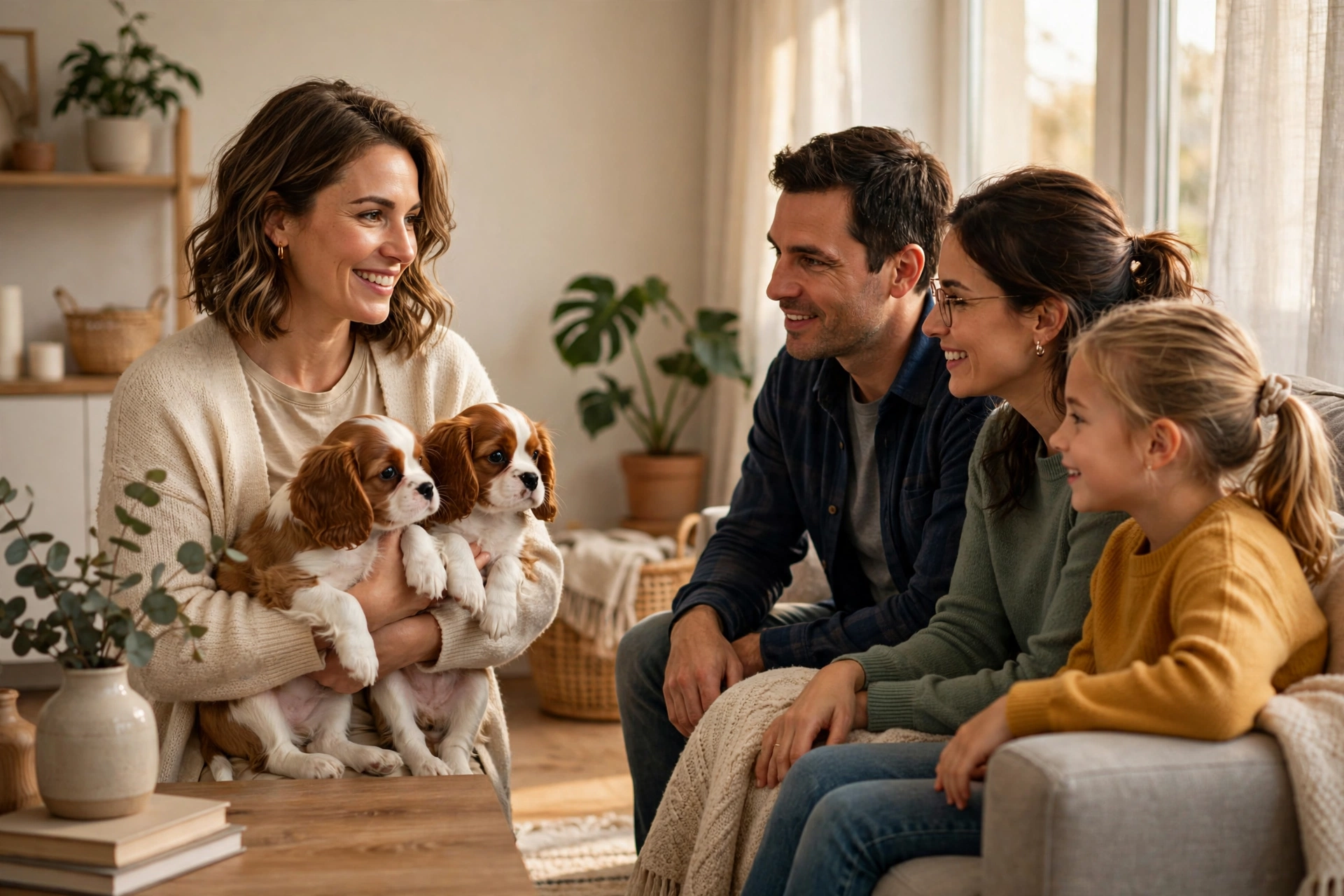
A good breeder will welcome your questions — and will ask plenty of their own about your lifestyle, schedule, and experience. Arrive prepared with these:
- How long have you been breeding Cavaliers, and how many litters do you raise per year? Experience matters, and a small number of carefully planned litters beats volume every time.
- What health testing do you perform on your breeding dogs? Listen for specifics: cardiologist heart clearances, OFA eye exams, hip and patella evaluations — not vague reassurances.
- Can I see the health certificates for both parents? Paperwork should be produced cheerfully. Reluctance is a warning sign.
- What does your health guarantee cover, and for how long? Get it in writing, and read the fine print about what happens if a problem is diagnosed.
- How do you socialize your puppies before they go home? Look for deliberate exposure to people of different ages, household noises, car rides, and early crate introduction.
- At what age do puppies go to their new homes? Eight to ten weeks is standard; anyone offering puppies at six weeks is rushing the process.
- What support do you offer after the sale? The best breeders act as a lifetime resource — they want updates, answer questions, and will take the dog back if your circumstances ever change.
- Why do you breed Cavaliers? The answer you want to hear involves love of the breed, showing, or improving health — never just “my kids wanted puppies” or extra income.
Red Flags to Avoid

Utah’s puppy market, like everywhere else, has its share of operators you should steer clear of. Walk away if you encounter any of these:
- No health testing. If a breeder cannot show you cardiac, eye, and orthopedic clearances for the parents, keep looking. This is the biggest red flag in the breed.
- Always has puppies available. A breeder with multiple litters on the ground year-round, or who can “get you any color you want next week,” is running a volume business.
- Refuses home visits. Meeting in a parking lot, shipping the puppy without ever letting you see where it was raised, or making excuses about visits all suggest something is being hidden.
- No contract or health guarantee. A handshake deal with no paperwork protects only the seller.
- Pressure tactics. “Someone else is coming to look at this puppy tomorrow” is a sales trick. A reputable breeder would rather keep a puppy longer than place it with the wrong family.
- Prices far below the market. Raising a well-bred Cavalier litter — with full health testing, quality food, and veterinary care — is expensive. A suspiciously cheap puppy usually means corners were cut somewhere, often on health.
Cavalier Adoption and Rescue Options in Utah
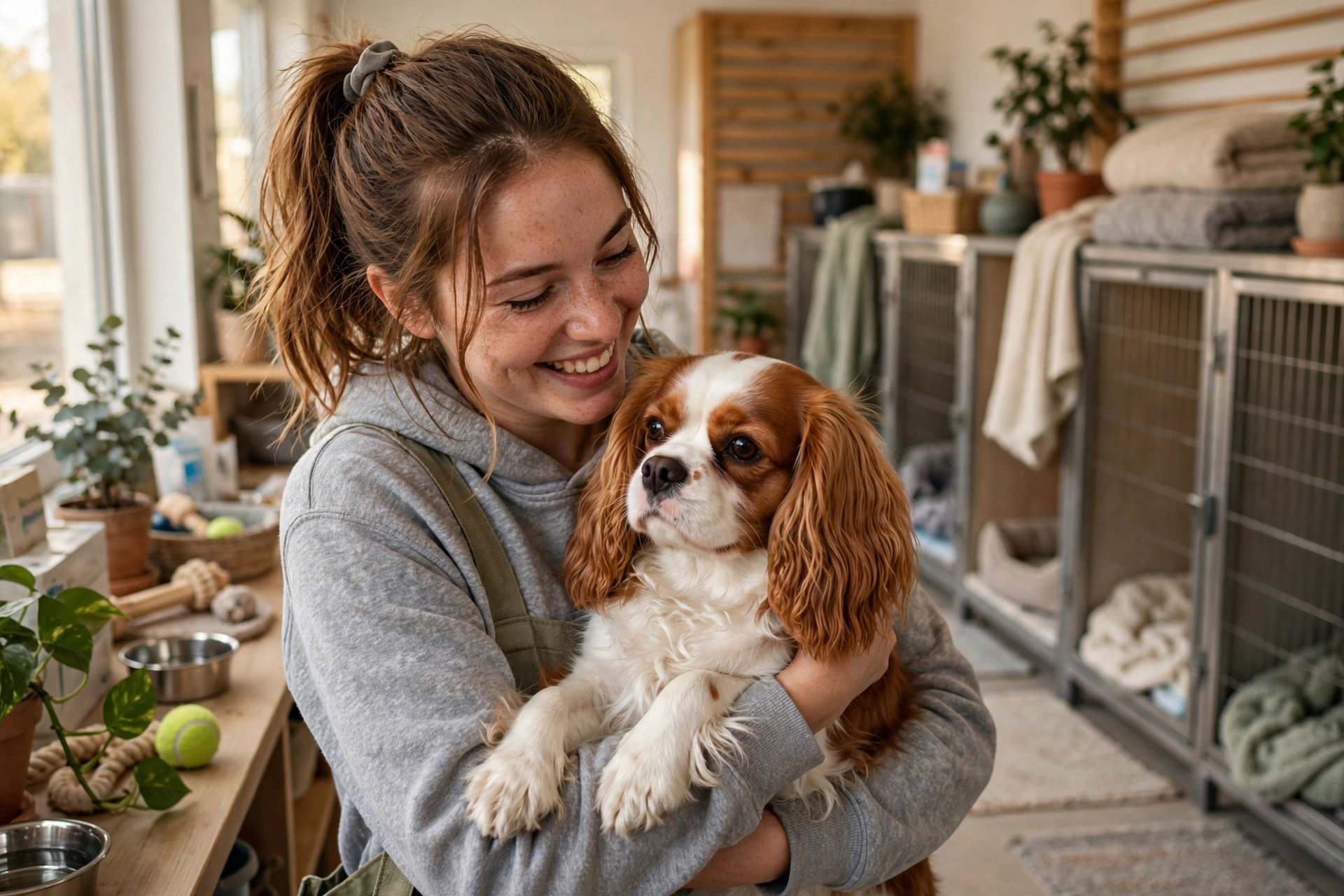
Buying from a breeder is not the only path to a Cavalier in Utah. Breed-specific rescue groups operate throughout the Mountain West, and they regularly have Cavaliers and Cavalier mixes looking for homes — including young dogs and the occasional puppy.
Rescue is worth serious consideration if you are open to an adult dog. Adult Cavaliers from rescue are typically past the destructive chewing phase, their personalities are already known, and many are already house-trained. Adoption fees are a fraction of breeder prices, and you are giving a deserving dog a second chance.
Start with national Cavalier rescue networks that serve Utah, then check Utah-based all-breed rescues and your local humane society. Many maintain waiting lists, so it pays to apply early and be patient. Whether you choose a breeder or rescue, the same principle applies: a responsible source will ask you as many questions as you ask them.
Frequently Asked Questions

How much does a Cavalier King Charles Spaniel puppy cost in Utah?
Prices typically range from $1,500 to $4,500 depending on the breeder’s reputation, the puppy’s pedigree, and the extent of health testing behind the litter. Budget an additional $80 to $150 per month for food, grooming supplies, toys, veterinary care, and insurance.
Should I visit the breeder in person before buying?
Yes — always. An in-person visit lets you assess cleanliness, meet the mother dog, observe the puppies’ temperaments, and gauge how the breeder interacts with their animals. It is the single best due-diligence step you can take.
What is the most important health test for Cavalier breeders?
Cardiac screening by a board-certified cardiologist. Mitral valve disease is the breed’s most serious inherited condition, and responsible breeders only breed dogs with documented heart clearances.
Is it better to adopt a Cavalier or buy from a breeder in Utah?
Neither path is universally better — it depends on your situation. A reputable breeder offers predictability in health background and early socialization, while rescue gives an adult dog a home at lower cost. Both require the same careful vetting of the source.
How do I know if a Utah breeder is legitimate?
Look for the full package: documented health testing on both parents, AKC registration, a written contract with a health guarantee and take-back clause, willingness to host you for a visit, and active involvement in the breed community. If several of these are missing, keep searching.