Cavalier King Charles Spaniel Breeders in Arizona: How to Find a Reputable One

If you are searching for cavalier king charles spaniel breeders in Arizona, you are already on the right track. This charming toy breed is one of the most affectionate companions you can welcome into your home, and starting your search with a reputable breeder makes all the difference in your puppy’s health and temperament. Arizona’s warm climate, active dog-loving communities, and growing interest in companion breeds mean there are more options than ever — which is exactly why knowing how to separate excellent breeders from risky ones matters so much.
This guide walks you through everything you need to know: what a trustworthy breeder looks like, the questions that matter most, the warning signs to avoid, and how adoption and rescue fit into the picture. It is not a directory of named kennels — instead, it is a practical how-to-find guide so you can evaluate any Arizona breeder with confidence and bring home a healthy, happy Cavalier.
Table of Contents
What to Look for in a Reputable Arizona Breeder

A responsible Arizona breeder treats health testing as non-negotiable, not optional. Cavaliers are prone to specific inherited conditions, so the single most important thing you can verify is documented screening of the parent dogs.
Health testing done right
- Heart screening: A board-certified cardiologist should clear both parents annually, since mitral valve disease is the breed’s biggest health threat.
- Eye examinations: Annual checks by a veterinary ophthalmologist screen for cataracts and other inherited eye conditions.
- Hips and patellas: Orthopedic Foundation for Animals (OFA) hip evaluations and veterinarian-performed patella checks help rule out joint problems.
- DNA testing: Reputable programs test for episodic falling syndrome and curly coat syndrome, two known genetic disorders in the breed.
Ask to see the actual certificates or look up results yourself in the OFA database. A breeder who hesitates to share documentation is telling you something.
Registration and paperwork
Legitimate breeders register their dogs with the American Kennel Club (AKC) and provide limited registration for pet puppies, typically with a spay/neuter agreement. Membership in breed clubs such as the Cavalier King Charles Spaniel Club is another positive sign of commitment to breed standards.
Home-raised puppies
The best Arizona breeders raise their puppies inside the home, not in outdoor kennels or separate buildings. Home-raised puppies hear household sounds, meet different people, and develop the confident, social personality Cavaliers are famous for. This matters even more in Arizona’s extreme summer heat — puppies should never be kept outdoors in a Phoenix or Tucson summer.
Written contracts and guarantees
Expect a written contract covering a health guarantee (usually one to two years), a take-back clause promising the breeder will accept the dog back at any point in its life, and clear terms about breeding rights. These documents protect both you and the puppy.
Visits welcome
A trustworthy breeder invites you to visit where the puppies are raised and lets you meet at least the mother. Observing the environment firsthand tells you more than any website ever could: look for clean spaces, friendly dogs, and a breeder who clearly knows and loves their animals.
Questions to Ask Before You Commit
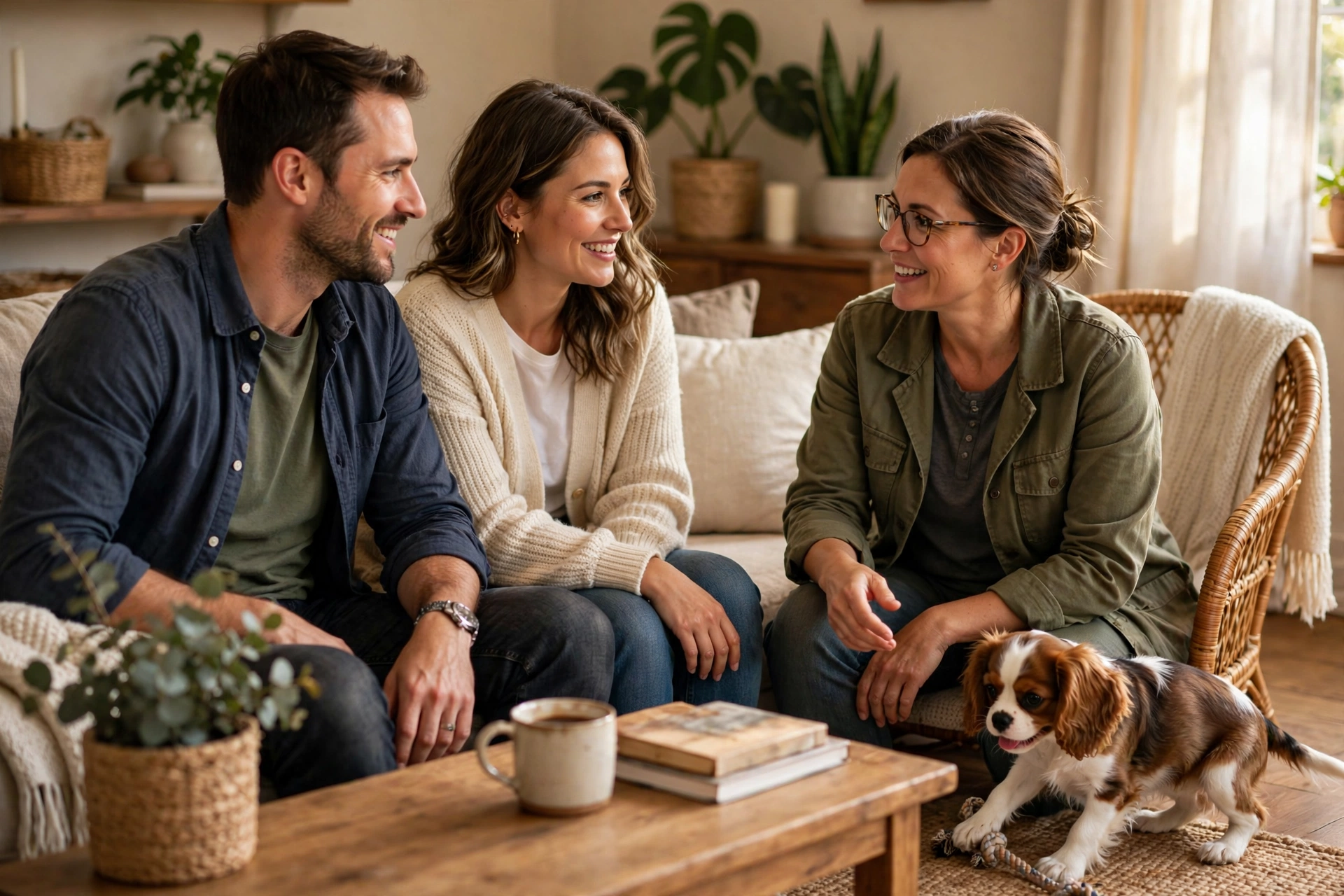
Bring this list with you when you contact breeders. The quality of their answers reveals everything.
- What health screenings have the parent dogs completed, and can I see the documentation?
- How many litters do you raise per year, and how many breeding dogs do you have?
- Can I visit your home and meet the puppy’s mother before committing?
- What early socialization and training do the puppies receive before going home?
- Do you provide a written health guarantee and a take-back policy?
- What food, vaccination schedule, and vet care have the puppies received so far?
- What happens if my puppy develops a serious health condition in the first year or two?
- Will you stay available for questions and support after I bring my puppy home?
Remember that a responsible breeder will interview you too. Expect questions about your living situation, work schedule, previous dog experience, and why you want a Cavalier. Breeders who care about where their puppies land are not being difficult — they are being responsible.
Red Flags to Avoid

If you spot any of these warning signs, walk away — no matter how cute the puppies are.
- No health testing: A breeder who says their dogs are “vet-checked” but cannot show cardiac, eye, or orthopedic clearances is cutting corners where it counts most.
- No visits allowed: Excuses about why you cannot see where puppies are raised are one of the most reliable warning signs in dog buying.
- Always-available puppies: Multiple litters at once, puppies ready year-round, and instant availability usually signal volume over quality.
- No contract or guarantee: A handshake deal with no written health guarantee leaves you with no recourse if problems arise.
- Pressure tactics: Demands for quick decisions, cash-only payments, or unwillingness to answer questions should end the conversation.
- Shipping without meeting: A breeder who offers to ship a puppy sight unseen without any video calls or references deserves your suspicion, not your deposit.
Cavalier Adoption and Rescue Options in Arizona

Buying from a breeder is not the only path to a Cavalier. Breed-specific rescues in the Southwest regularly rehome Cavaliers of all ages — including owner surrenders, retired breeding dogs, and young adults whose families could no longer keep them. Rescue dogs are typically vet-checked, spayed or neutered, and placed with foster families who can tell you about their personality.
Rescue organizations usually charge an adoption fee well below breeder prices, and you give a wonderful dog a second chance. Many also have waiting lists, so apply early and be patient. Adult and senior Cavaliers can be especially rewarding companions for quieter households.
What Cavalier Puppies Cost in Arizona

In Arizona, well-bred Cavalier puppies from health-tested parents typically range from about $2,000 to $4,000. Price varies with pedigree, the extent of health testing, the breeder’s reputation, and current demand. Puppies priced far below this range often come from breeders skipping expensive health screenings — a short-term saving that can lead to heartbreaking and costly health problems later.
Budget beyond the purchase price too: quality food, pet insurance (wise for this breed’s heart risk), grooming, vet care, and training will add up over the years. A Cavalier is a long-term commitment, and planning for the full picture keeps everyone happy.
Frequently Asked Questions
How do I find a reputable Cavalier breeder in Arizona?
Start with the AKC breeder referral resources and breed club member lists, then verify health testing documentation, visit in person, and check references from past buyers before placing a deposit.
How much do Cavalier King Charles Spaniel puppies cost in Arizona?
Expect roughly $2,000 to $4,000 from a reputable breeder who health-tests their dogs. Significantly lower prices usually mean corners are being cut on testing or care.
Can Cavaliers handle Arizona’s summer heat?
They are not built for extreme heat — keep exercise to early mornings and evenings, provide constant water and air conditioning, and never leave a Cavalier outdoors or in a car during Arizona summers.
Are Cavalier rescues available in Arizona?
Yes. Breed-specific rescues and general shelters in the Phoenix and Tucson areas regularly have Cavaliers and Cavalier mixes. Apply to rescue waiting lists early, as demand is high.
What health tests should an Arizona Cavalier breeder do?
At minimum: annual cardiologist heart clearances, annual eye exams, OFA hips and patella checks, and DNA testing for episodic falling and curly coat syndromes on both parents.