
10 Signs Your Dog Loves You (Backed by Science & Behavior)
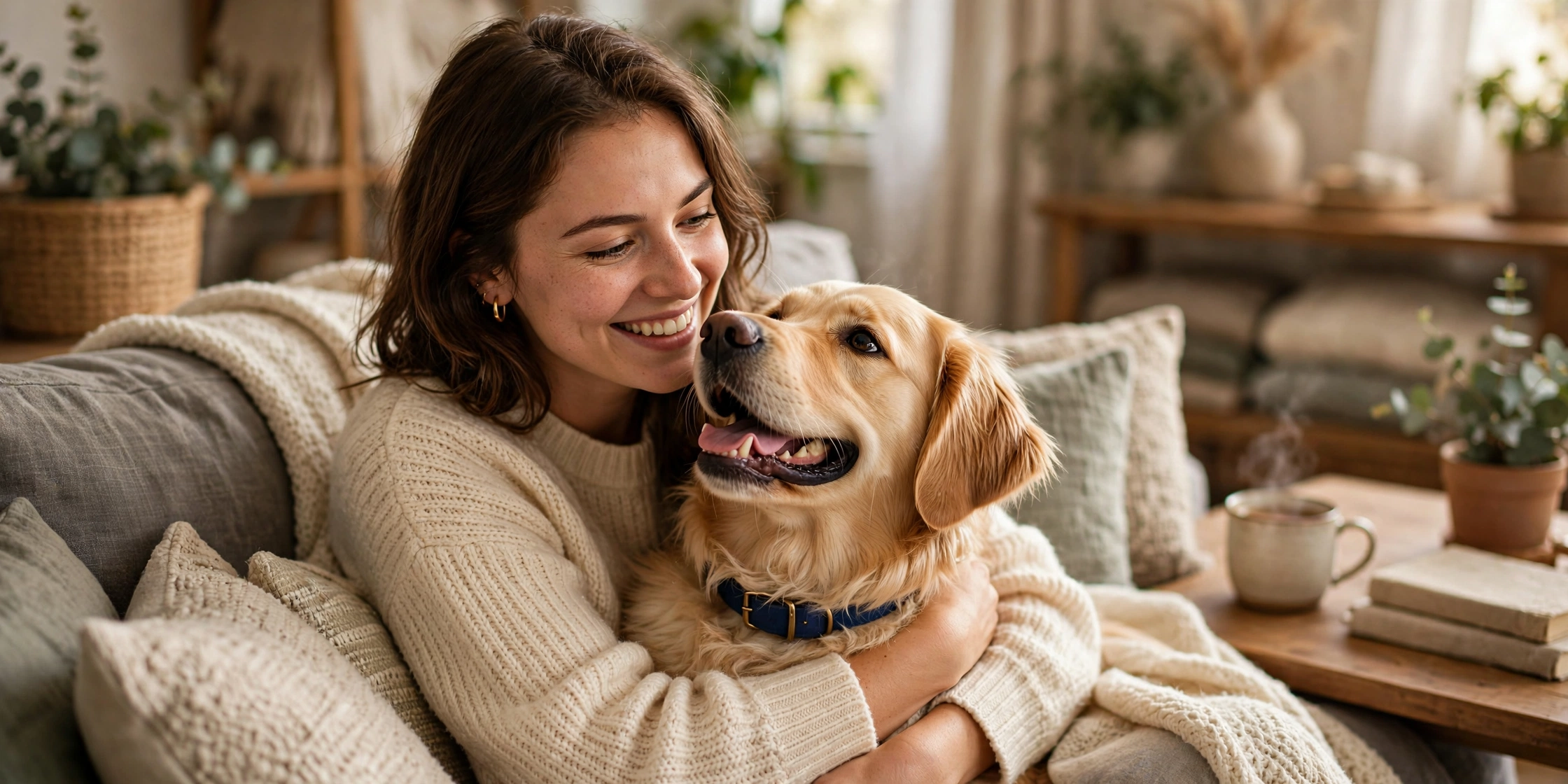
Wondering about the signs your dog loves you? Here’s the good news: dogs don’t just tolerate us — they form genuine emotional bonds with us, and researchers can measure it. Studies on the “love hormone” oxytocin show that when a dog gazes into their owner’s eyes, oxytocin rises in both the dog and the human — the same feedback loop seen between parents and babies. Brain-imaging research has even found that dogs’ reward centers light up most strongly at their owner’s scent.
But science aside, your dog shows love every single day in ways you might be missing. Below are 10 behavior-backed signs your dog loves you — plus what each one really means, and how to love them right back.
Table of Contents
- 1. The Whole-Body Wiggle
- 2. Leaning on You
- 3. Following You Everywhere
- 4. The Over-the-Top Greeting
- 5. Soft, Lingering Eye Contact
- 6. Gentle Licks
- 7. Sleeping Near (or Touching) You
- 8. Bringing You Their Favorite Toys
- 9. Checking on You
- 10. Being Calm in Your Presence
- How to Show Your Dog You Love Them Back
- Frequently Asked Questions
1. The Whole-Body Wiggle
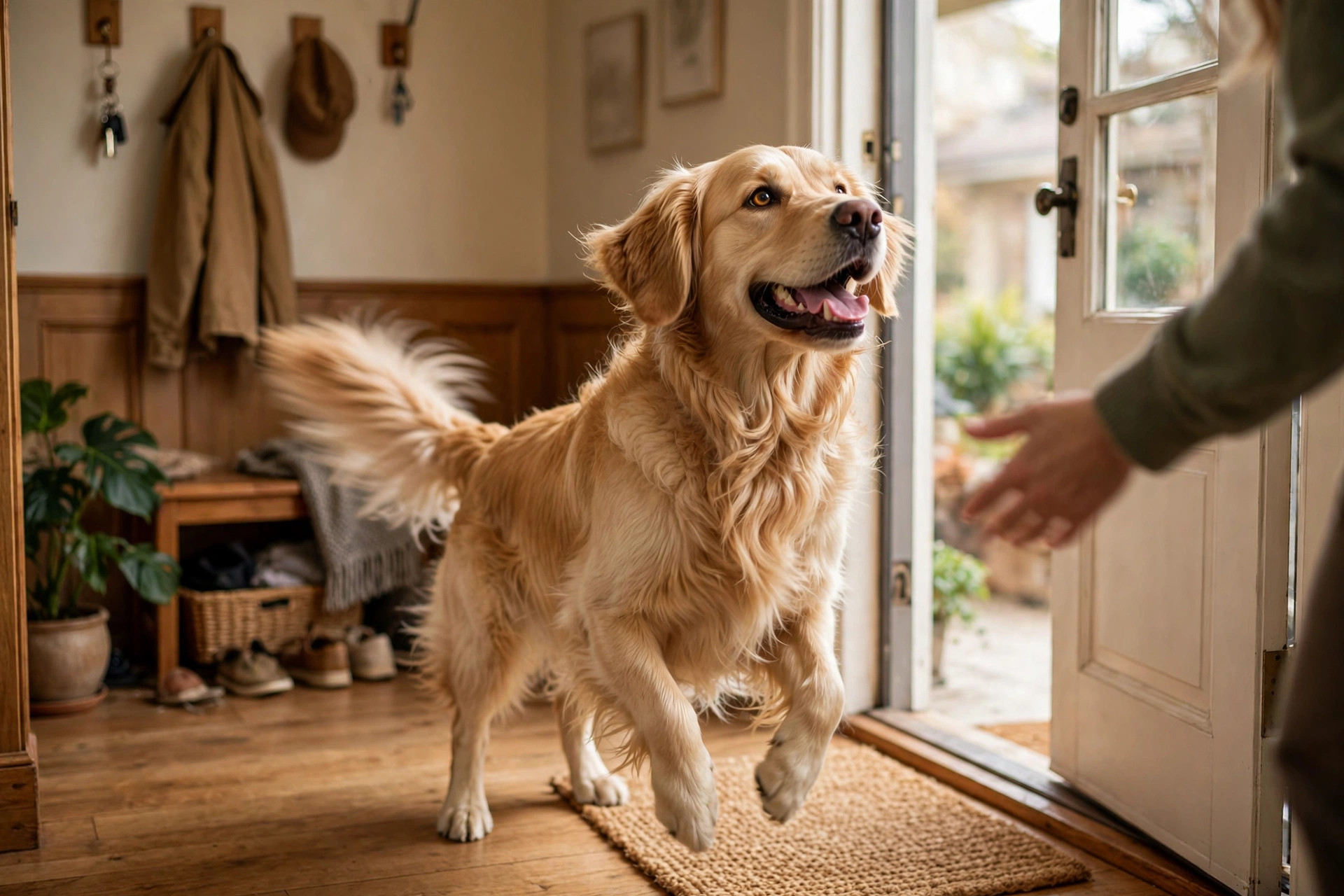
A wagging tail alone doesn’t always mean happiness — context matters. But when your dog’s entire back half joins the party, wiggling so hard their whole body sways, that’s pure joy. Researchers have even found that dogs tend to wag more to the right when they see someone they feel positively about.
The whole-body wiggle is your dog’s version of a happy dance. It’s loose, bouncy, and completely unguarded — the opposite of the stiff, high wag that can signal tension. If your dog wiggles like a furry noodle every time you walk in, consider yourself deeply loved.
Helpful pick: Furbo 360° Dog Camera — catch that happy wiggle on video and toss treats remotely when you’re away.
2. Leaning on You
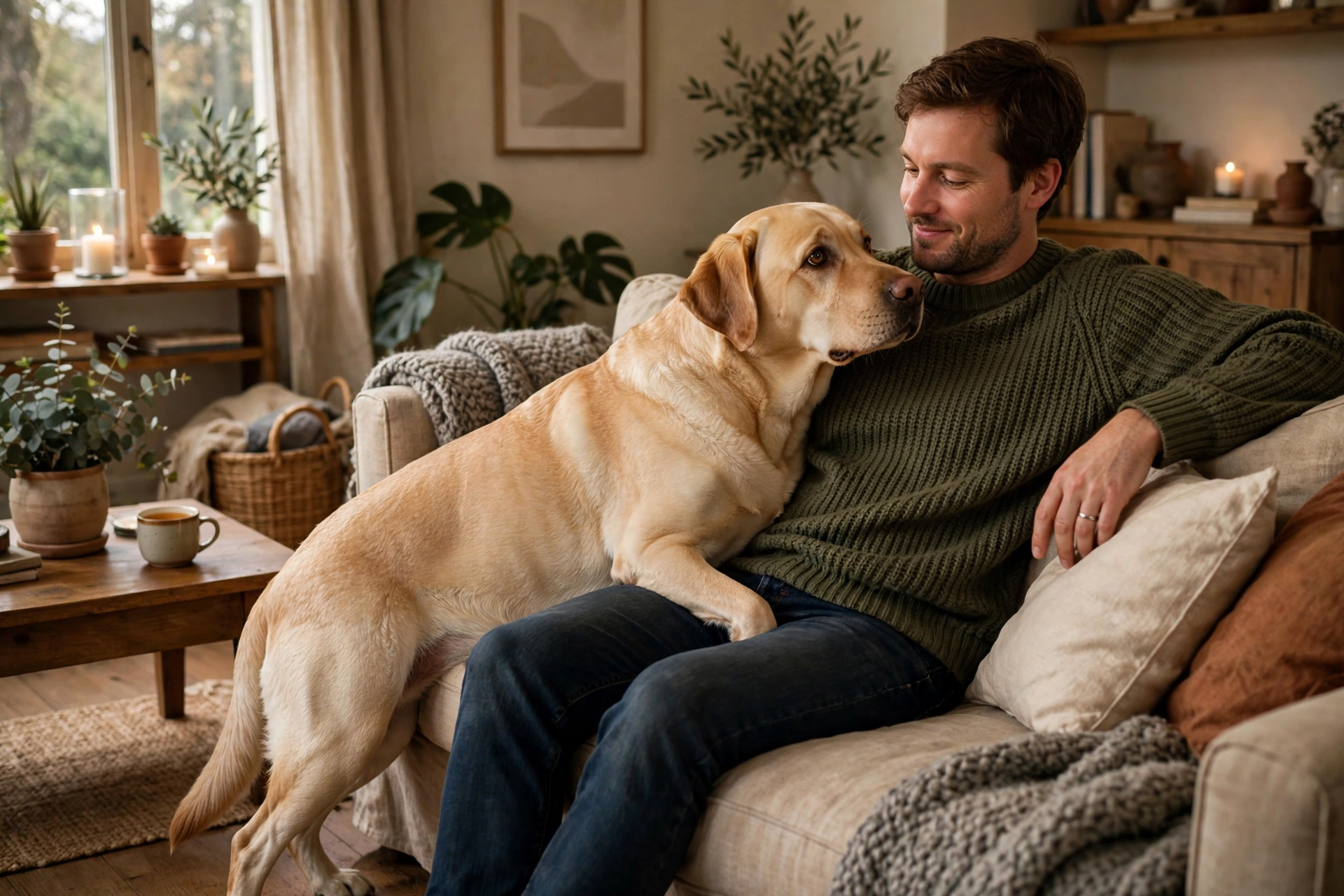
When your dog presses their full weight against your leg or drapes themselves across you on the couch, they’re doing something vulnerable: giving up their balance to you. In dog body language, leaning is a trust fall. It says, “I feel safe enough to literally lean on you.”
Dogs also lean to seek comfort when they’re unsure — a thunderstorm, a strange visitor, a vet waiting room. If you’re the person they press into when the world feels big, you’re their safe place. That’s one of the clearest signs your dog loves you.
Helpful pick: PetAmi Sherpa Fleece Blanket — make those lean-in couch sessions extra cozy for both of you.
3. Following You Everywhere
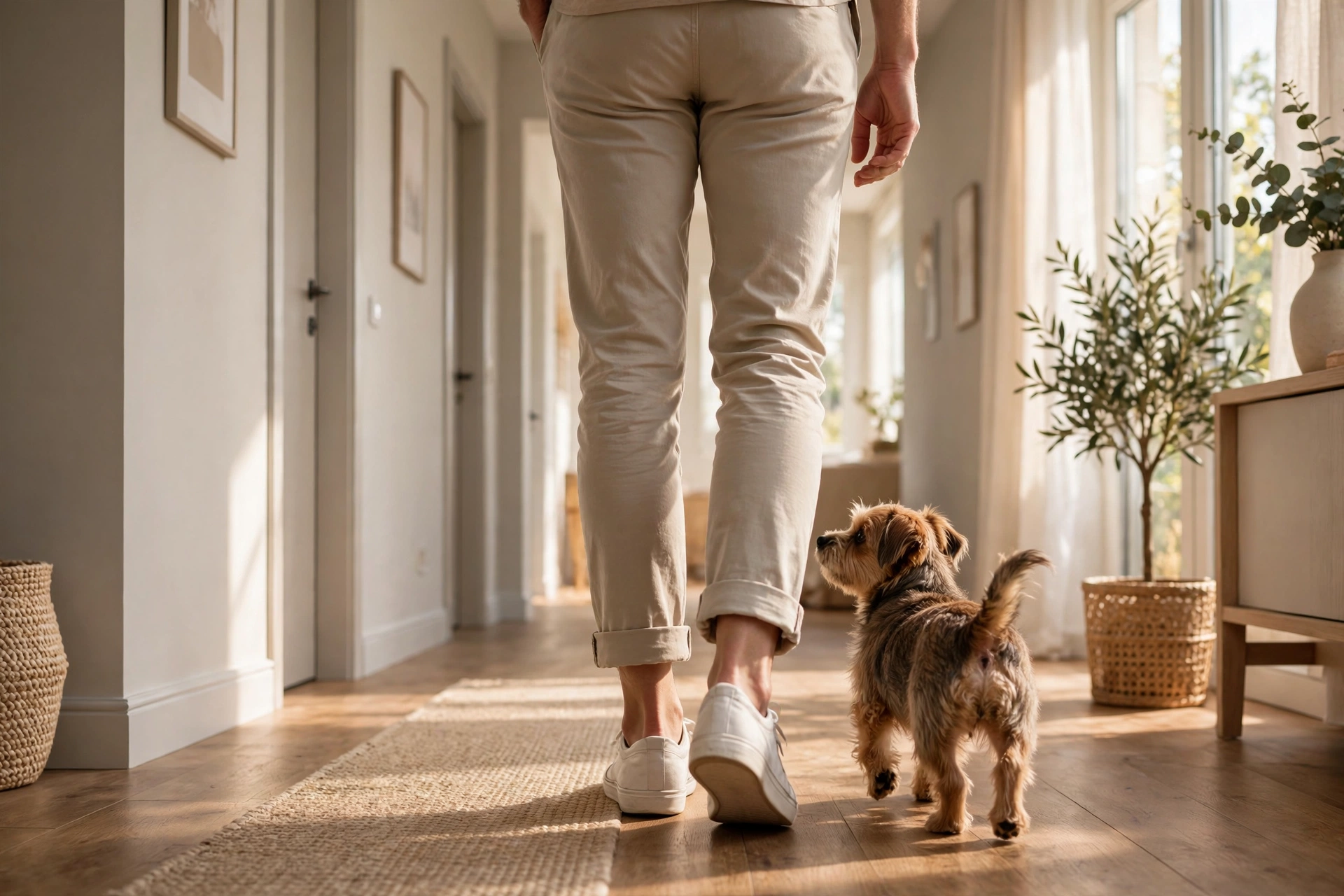
Got a furry shadow? Dogs are social animals, and following you from room to room — even to the bathroom — is a sign of deep attachment. Behaviorists call this “shadowing,” and in a secure dog it simply means: being near you is their favorite place to be.
A quick note: there’s a difference between loving shadowing and anxious clinginess. If your dog panics when you leave (panting, drooling, destroying things), that may be separation anxiety, which deserves support — not just celebration. But a relaxed dog who simply likes to hang out wherever you are? That’s love.
Helpful pick: Snuggle Puppy Behavioral Aid Toy — a heartbeat comfort toy that helps your shadow settle when you step out.
4. The Over-the-Top Greeting
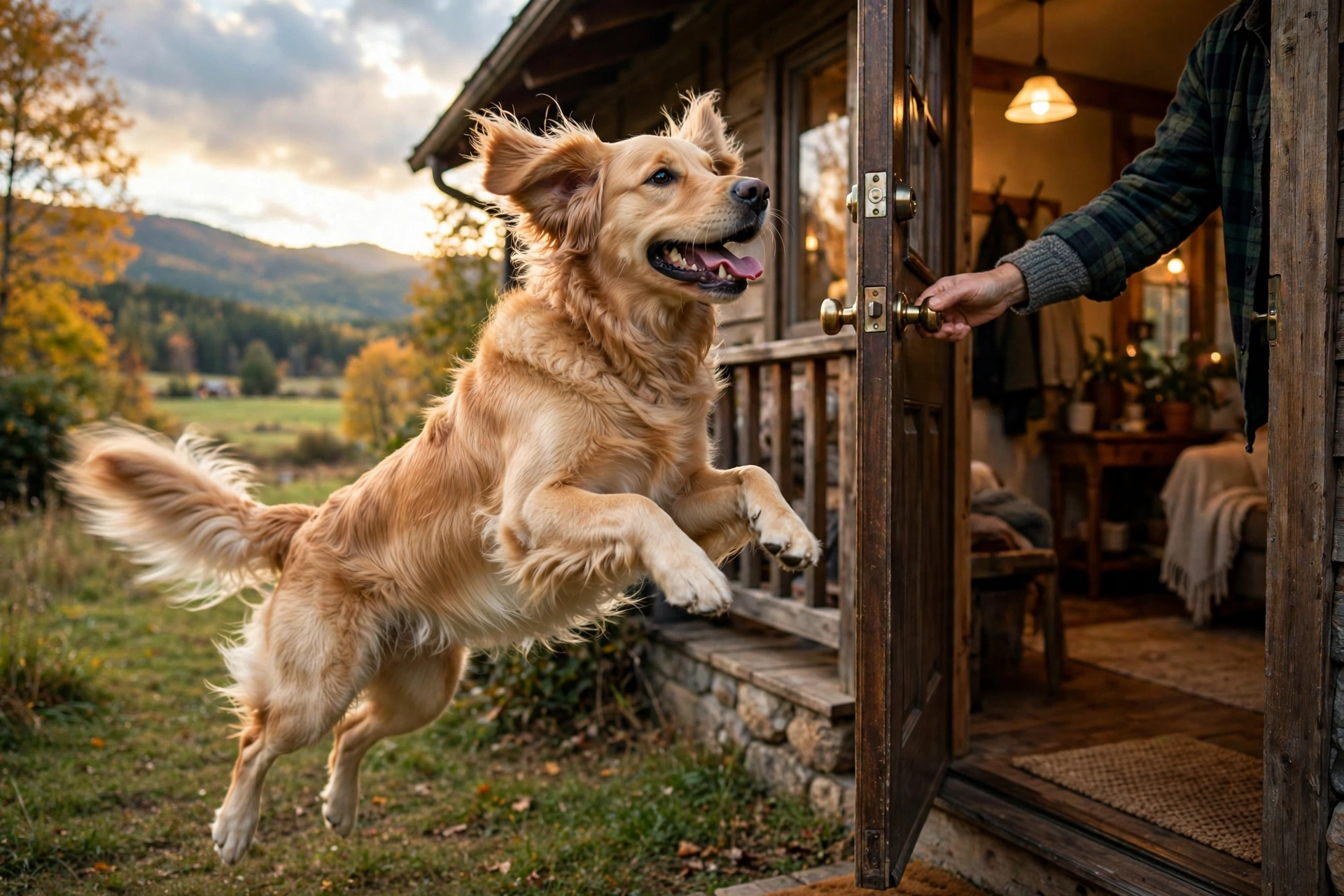
Whether you’ve been gone eight hours or eight minutes, does your dog act like you’ve returned from war? Spinning, jumping, squeaking, tail helicoptering — that explosive reunion is one of the most honest signs your dog loves you. Research shows reunions with a beloved owner raise oxytocin and lower the stress hormone cortisol in dogs.
Enjoy it, but channel it: a dog that practices calm greetings gets rewarded with more of your attention, not less. Ask for a sit before the petting starts, and you’ll shape that wild love into polite love.
Helpful pick: KONG Classic — stuff it and redirect that reunion energy into a satisfying chew session.
5. Soft, Lingering Eye Contact
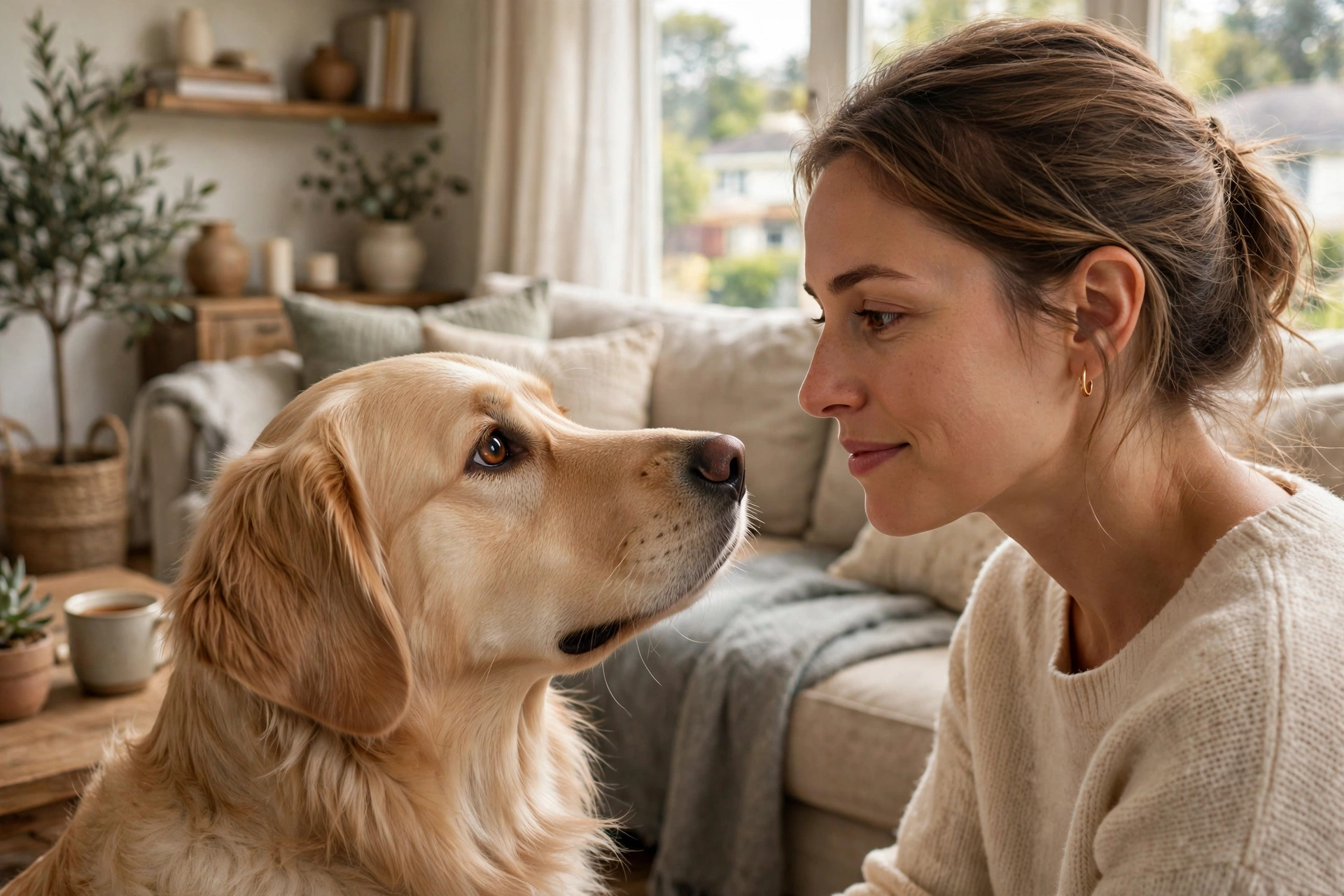
This one is backed by some of the most beautiful science in the dog world. Japanese researchers found that when dogs and owners share a long, soft gaze, oxytocin surges in both species — a positive feedback loop nearly identical to the one between human mothers and infants. Your dog literally bonds with you through eye contact.
The key word is soft: relaxed eyes, loose body, maybe a slow blink. (A hard, fixed stare with a stiff body means something else entirely.) When your dog gazes up at you with that melting expression, they’re not begging — they’re bonding. Gaze back gently. You’re both getting a dose of the good stuff.
Helpful pick: Egiao Treat Pouch Kit — reward those calm, connected gazes during training and build the bond further.
6. Gentle Licks
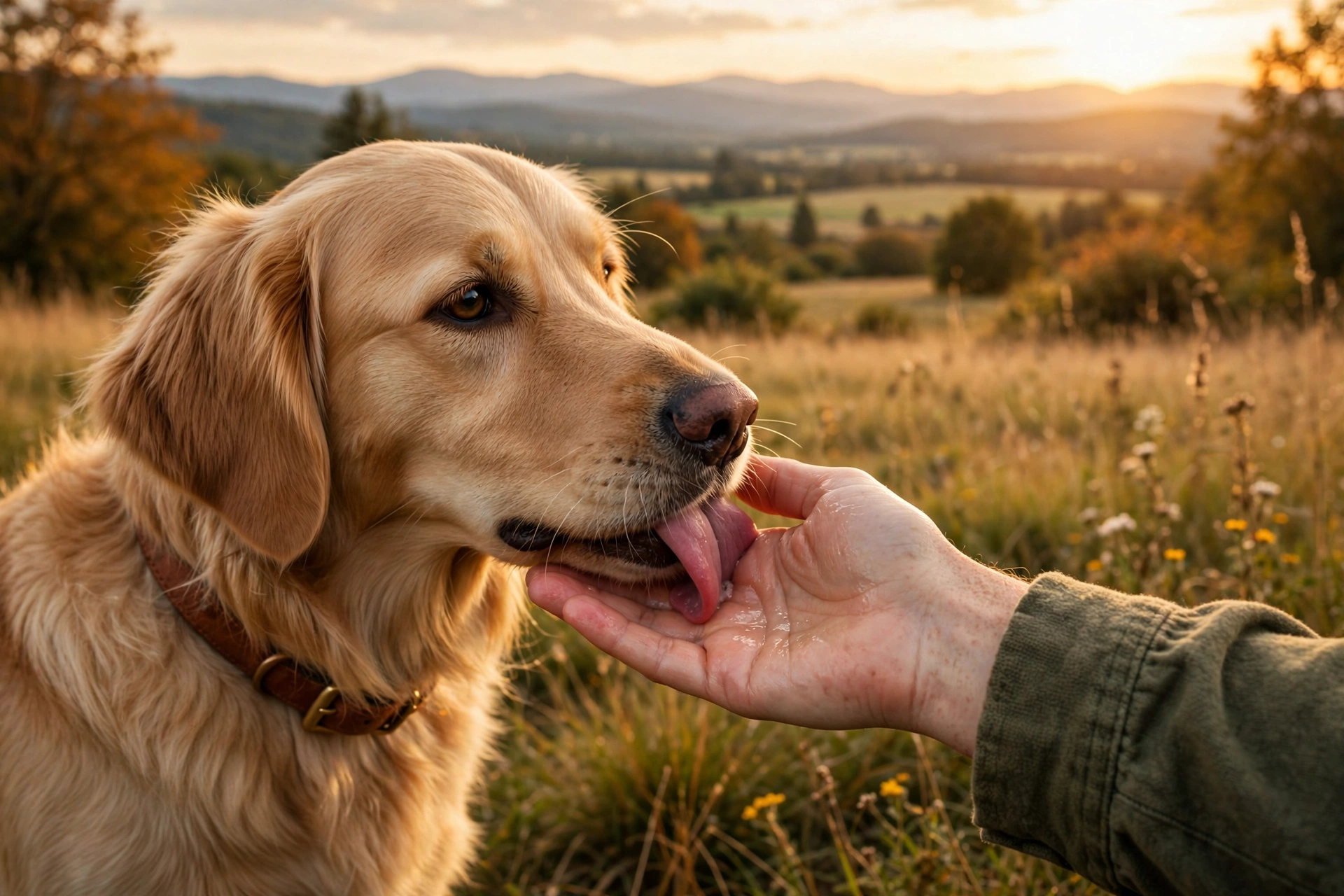
Puppy kisses aren’t just cute — they’re rooted in instinct. In the wild, canines lick each other as a grooming and bonding behavior, and puppies lick their mothers to show deference and affection. When your adult dog gives you soft licks on your hands or face, it’s a leftover love language from puppyhood.
Context counts: relaxed, gentle licking is affectionate. Frantic, obsessive licking of themselves, objects, or the air can signal stress or nausea instead — if that’s happening, read our guide on why dogs lick so much to sort it out.
Helpful pick: LickiMat Classic — give your enthusiastic licker a soothing, lick-worthy outlet of their own.
7. Sleeping Near (or Touching) You
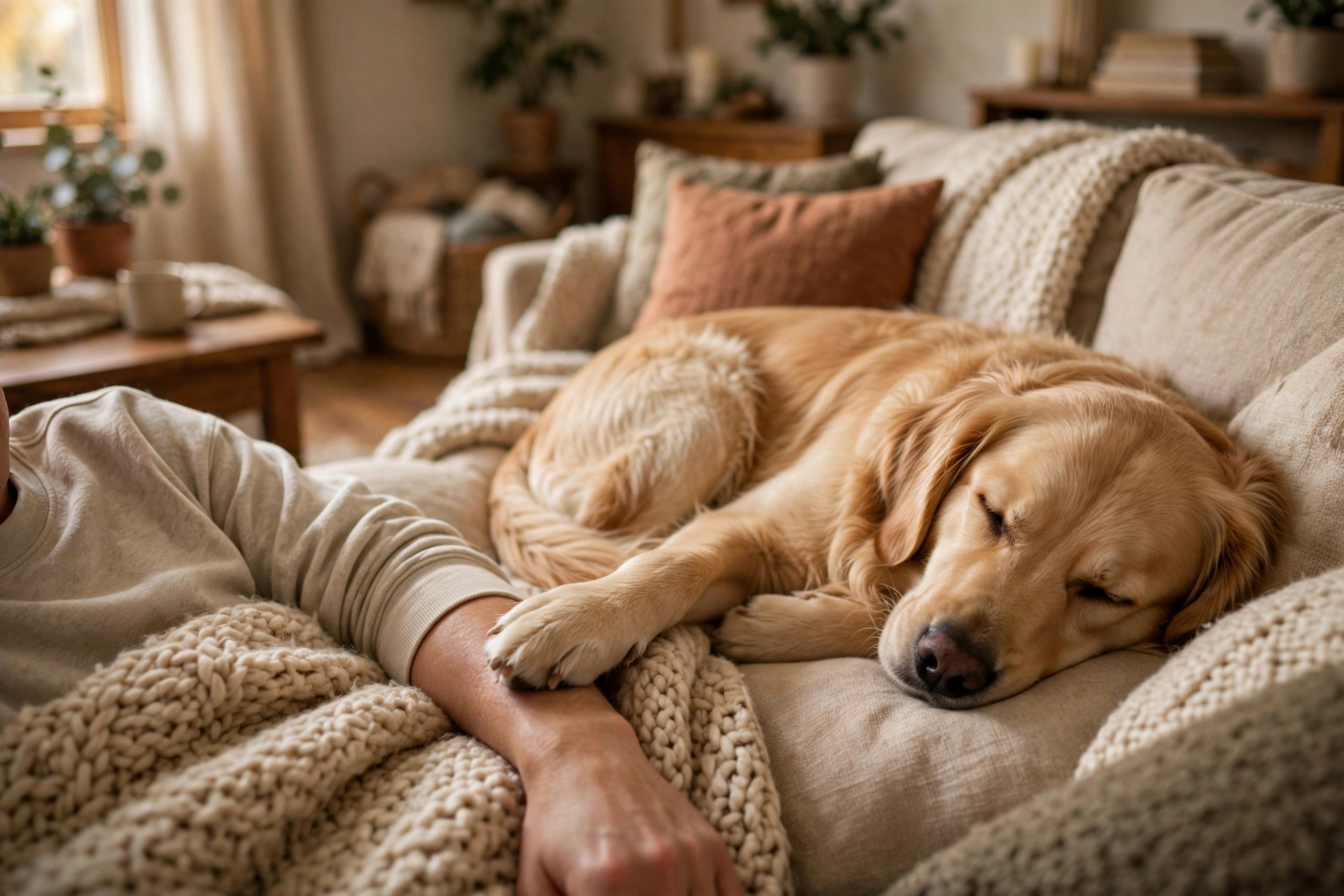
Dogs are at their most vulnerable when they sleep. So when your dog chooses to nap pressed against your leg, draped over your feet, or curled up beside you on the couch, they’re making a profound statement of trust: “I feel safest with you.”
Even dogs who don’t cuddle often show it in subtler ways — sleeping in the same room, or keeping one paw touching you. Dog sleeping positions reveal a lot about how secure your pup feels, and the closer they sleep, the deeper the bond.
Helpful pick: Best Friends by Sheri Donut Cuddler Bed — a calming nest they’ll love curling into right next to you.
8. Bringing You Their Favorite Toys
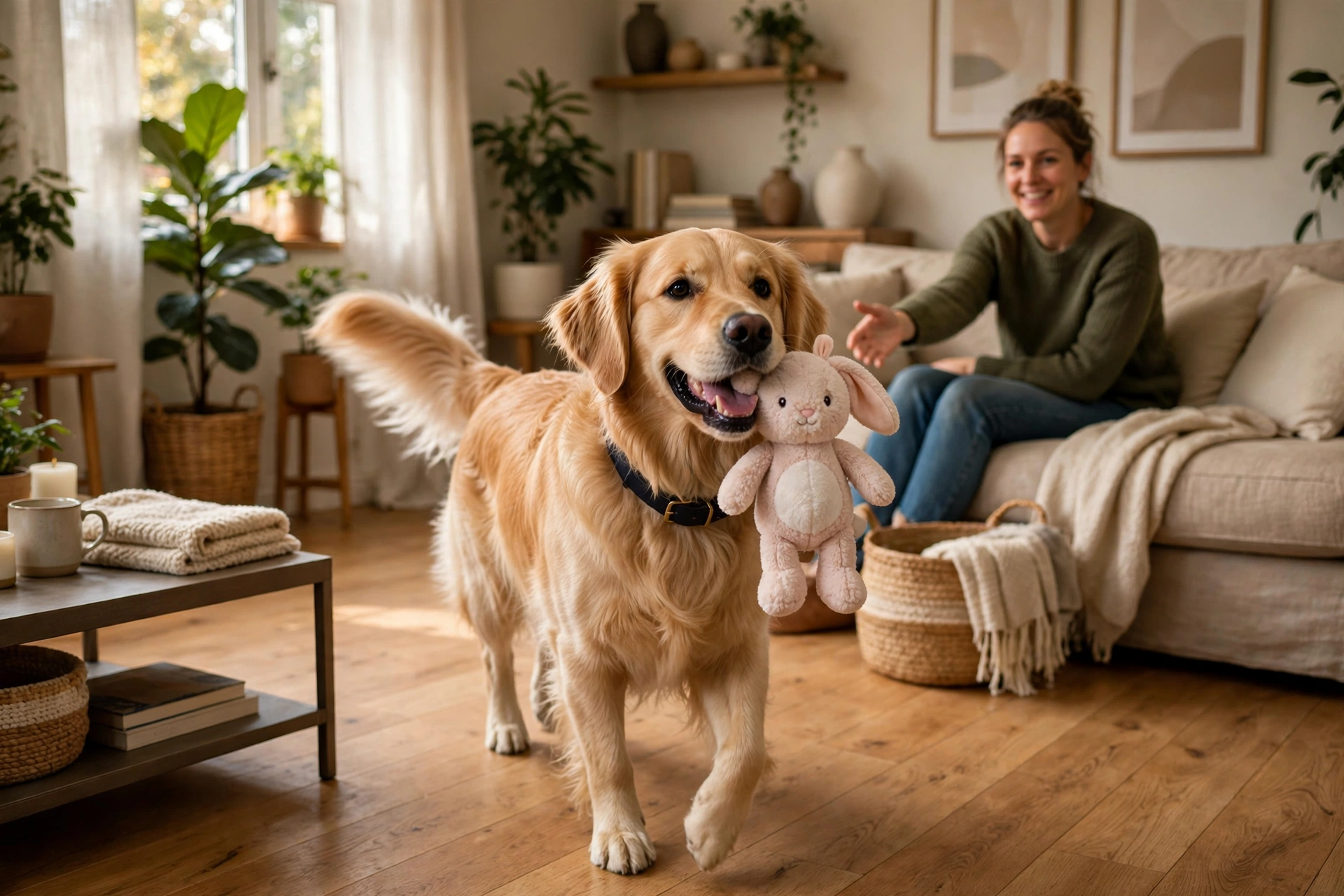
Most dogs are possessive about their prized possessions. So when your dog trots over and drops their absolute favorite squeaky toy in your lap, that’s not random — it’s a gift. They’re sharing their most valued treasure with their most valued person: you.
Sometimes it’s an invitation to play, and sometimes it’s just sharing. Either way, it means you’re part of their inner circle. Accept the offering graciously — a quick game of fetch or tug is the perfect thank-you. Looking for new favorites? Our dog gift ideas roundup has plenty.
Helpful pick: Outward Hound Dog Tornado Puzzle — a fresh challenge for the toy-bringer who loves showing off their smarts.
9. Checking on You
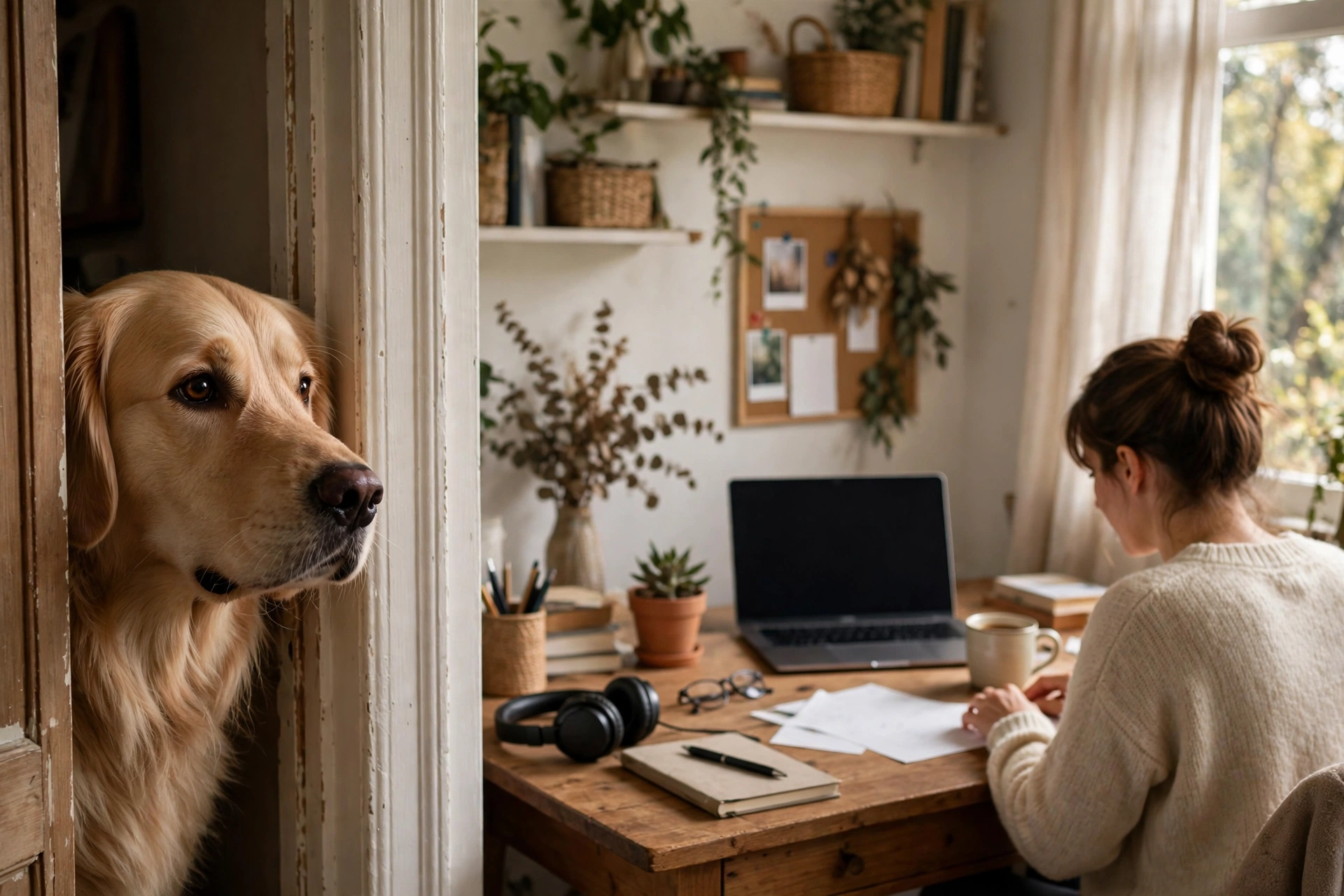
Does your dog wander off to another room, then circle back just to make sure you’re still there? That little “check-in” is a hallmark of secure attachment — the same pattern researchers see in bonded human toddlers, who explore but return to their safe base.
Dogs also check on us emotionally. Many owners report their dog nudging them during a crying spell or resting a head on their lap on a hard day. Whether it’s science or something more mysterious, dogs are remarkably tuned in to our moods — and the dogs who check on us most are often the ones most bonded to us.
Helpful pick: Zesty Paws Calming Chews — help an anxious checker relax while keeping that sweet bond intact.
10. Being Calm in Your Presence

Here’s the quietest sign of all — and maybe the most meaningful. A dog that can simply be near you, sighing contentedly and drifting off while you read or watch TV, is a dog that feels completely at peace. No performing, no demanding, no anxiety. Just calm coexistence.
Behaviorists consider the ability to settle near a person a gold-standard indicator of a secure bond. Fireworks-level excitement is fun, but this — the soft sigh, the relaxed flop, the half-closed eyes — is what deep, settled love looks like. If your dog does this with you daily, congratulations: you’re their whole world.
Helpful pick: LickiMat Classic Soother — spread some peanut butter and enjoy a calm, side-by-side wind-down together.
How to Show Your Dog You Love Them Back
Love is a two-way street, and dogs notice how we respond. Here’s how to speak their language:
- Respect their communication. Learn what a soft gaze, a play bow, or a stress yawn means — and respond kindly.
- Keep routines predictable. Dogs feel most secure (and show the most affection) when daily life is stable.
- Train with kindness. Positive reinforcement builds trust far more reliably than punishment ever will.
- Touch on their terms. Gentle petting your dog actively seeks out releases oxytocin in you both.
- Play every day. Even ten minutes of fetch or tug tells your dog they’re a priority, not an afterthought.
- Protect their health. Good food, vet care, and exercise are love in its most practical form — breeds prone to health issues, like the Cavalier King Charles Spaniel, need it most.
Frequently Asked Questions
Do dogs really love their owners, or is it just about food?
It’s genuinely more than food. Brain-imaging studies show dogs’ reward centers respond most strongly to their owner’s scent — above food smells — and the oxytocin feedback loop during mutual gazing mirrors human parent-child bonding. Food helps, but the bond is real.
How do dogs choose their favorite person?
Dogs tend to bond most with whoever provides consistent positive experiences: feeding, walking, playing, training, and calm companionship. It’s less about one grand gesture and more about hundreds of small, reliable ones.
Why does my dog stare at me?
Usually, it’s affection — that oxytocin-fueled gaze we covered in sign #5. Dogs also stare to read your cues or anticipate what you’ll do next. Only worry if the stare is hard and stiff, which can signal tension instead.
Does my dog know I love them?
Dogs may not understand the word, but they absolutely read the behaviors: your tone of voice, gentle touch, playtime, and routines. Consistent kindness registers with them every bit as clearly as their love registers with you.
What if my dog doesn’t show these signs?
Some dogs are simply more independent — especially certain breeds — and show love in quieter ways, like choosing to rest in the same room. Sudden changes in affection, though, can occasionally signal pain or illness, so check with your vet if a cuddly dog goes distant.
As an Amazon Associate, PetPostHub earns from qualifying purchases.




18 Comments