Is Your Dog Left-Pawed or Right-Pawed? How to Tell (2026)

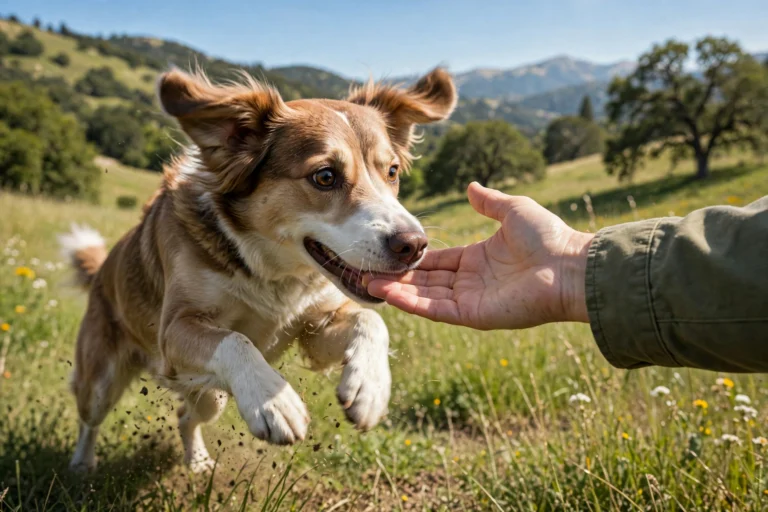
Have you ever asked whether your dog is left pawed or right pawed — and whether it means anything? Like people favor one hand, most dogs favor one front paw. Figuring out which paw your dog prefers is a fun little science project you can do at home.
In this guide, you will learn how to tell if your dog is left-pawed or right-pawed with three simple home tests, what researchers believe paw preference says about canine personality, and how to use that knowledge to make training sessions smoother and more fun.
1. Yes, Dogs Really Do Have Paw Preferences
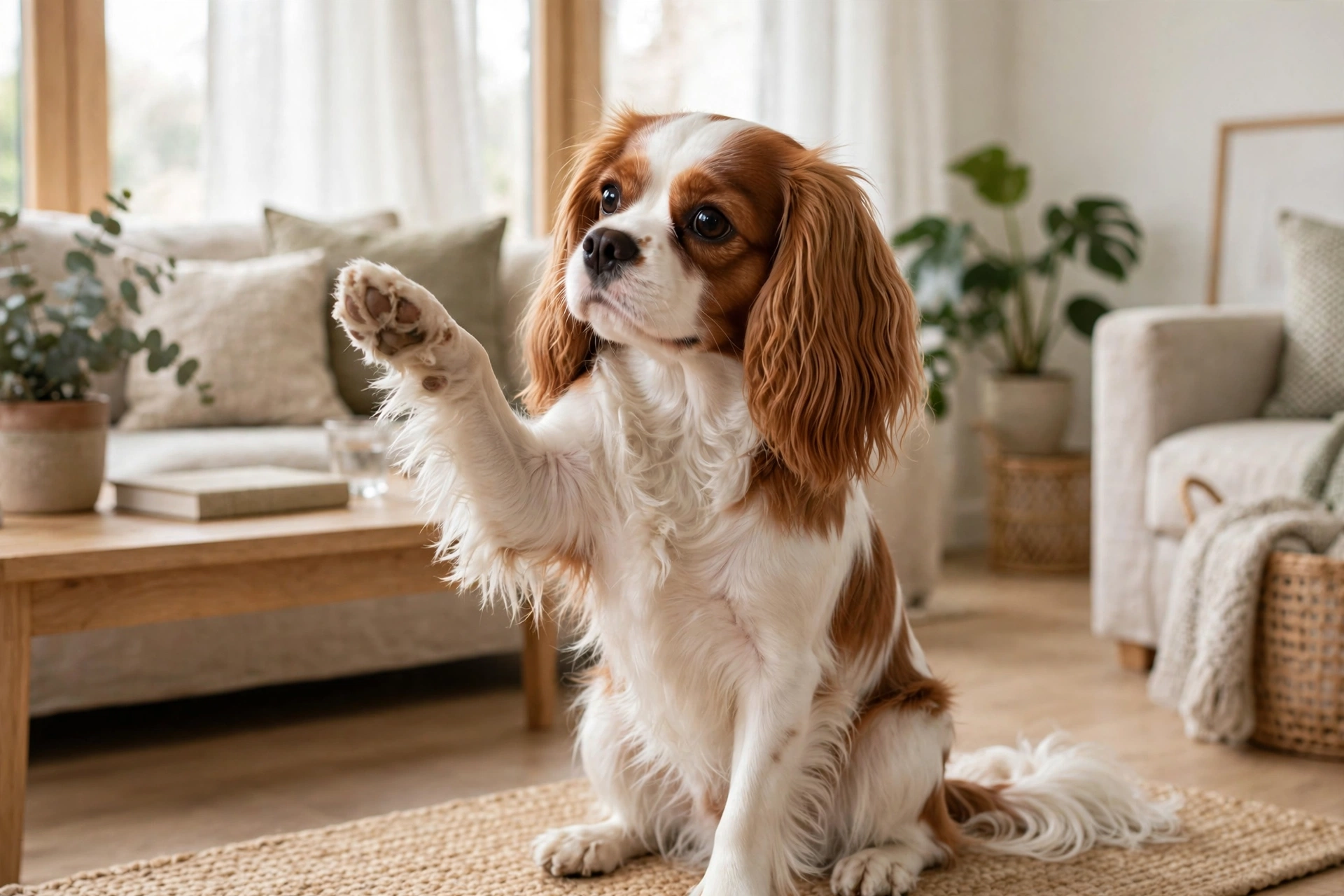
It sounds like a party trick, but paw preference is a genuine, studied trait in dogs. Researchers who watch dogs perform dozens of reaching and steadying tasks find that roughly two out of three dogs consistently favor one front paw. The other third use both paws more or less equally, and scientists call those dogs ambilateral — the canine version of ambidextrous.
Unlike humans, where most people are right-handed, dogs split more evenly — there is no species-wide bias toward one side. Your dog’s preference is personal and tends to stay stable, which is what makes the home tests below so satisfying: you are measuring something real.
To get reliable results, test your dog when they are calm and focused, not mid-zoomies. Run each test several times over a few days, and keep a quick tally. A dog who uses the same paw at least 60 to 70 percent of the time has a clear preference.
Helpful pick: Zuke’s Mini Naturals Training Treats — tiny, soft rewards that keep your dog motivated through repeated test rounds without overfeeding.
2. The Kong Test: Watch Which Paw Does the Work
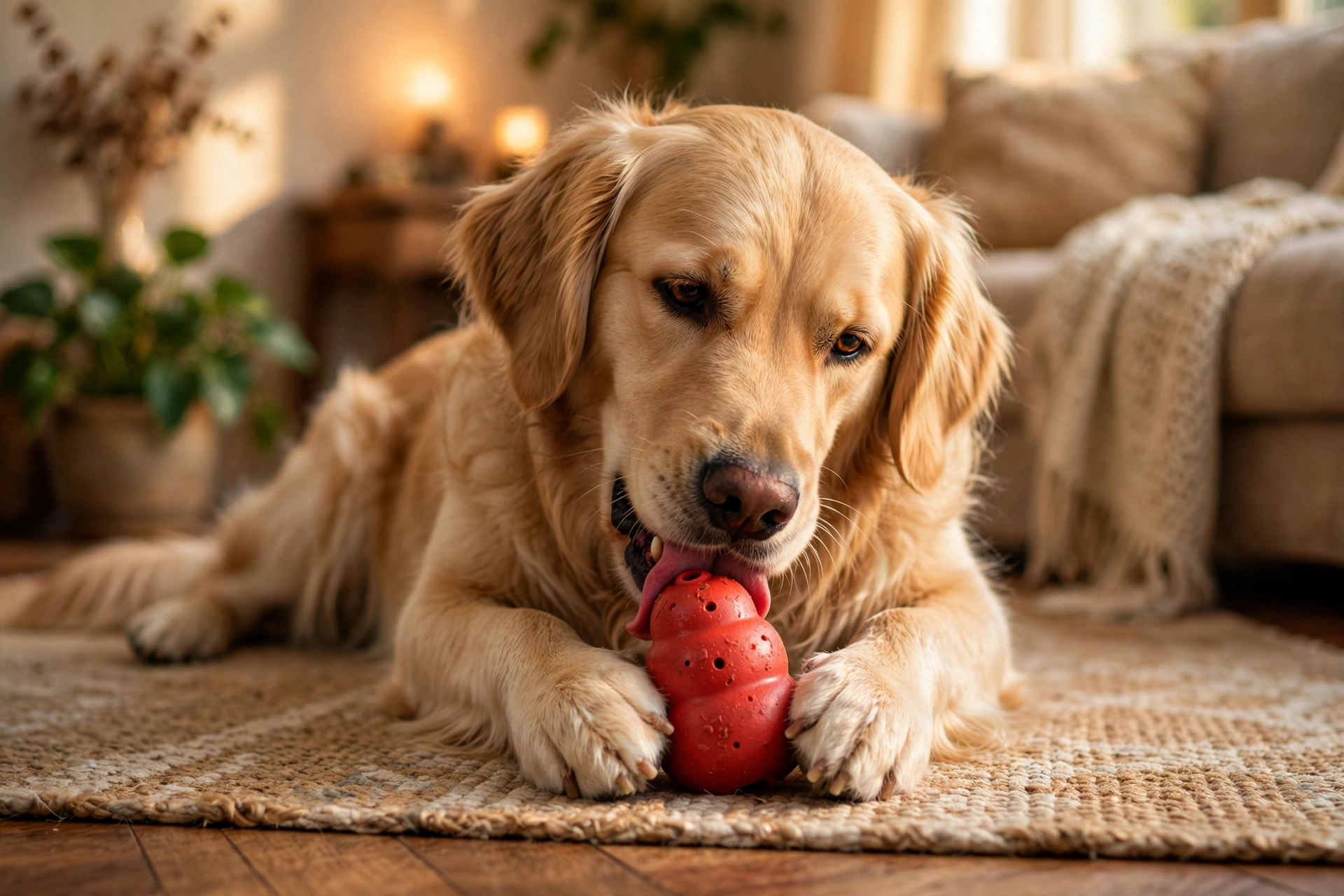
The Kong test is one of the most popular ways trainers and researchers check paw preference, and it is wonderfully simple. Smear something tasty — peanut butter, plain pumpkin, or a little cream cheese — inside a hollow rubber toy, and hand it to your dog. As they work to steady the toy and lick out the filling, watch which paw pins the toy in place.
Dogs typically use their preferred paw for the precision part of the job: holding the toy steady while the tongue does the licking. Record the paw used during each session, and repeat the test at least five or six times on different days before drawing a conclusion. Tip: freeze the stuffed toy for an hour or two first — a harder task gives you a clearer read.
Helpful pick: KONG Classic — the original hollow rubber toy that makes this test easy, plus hours of enrichment afterward.
3. The First-Step Test: Notice the Leading Paw
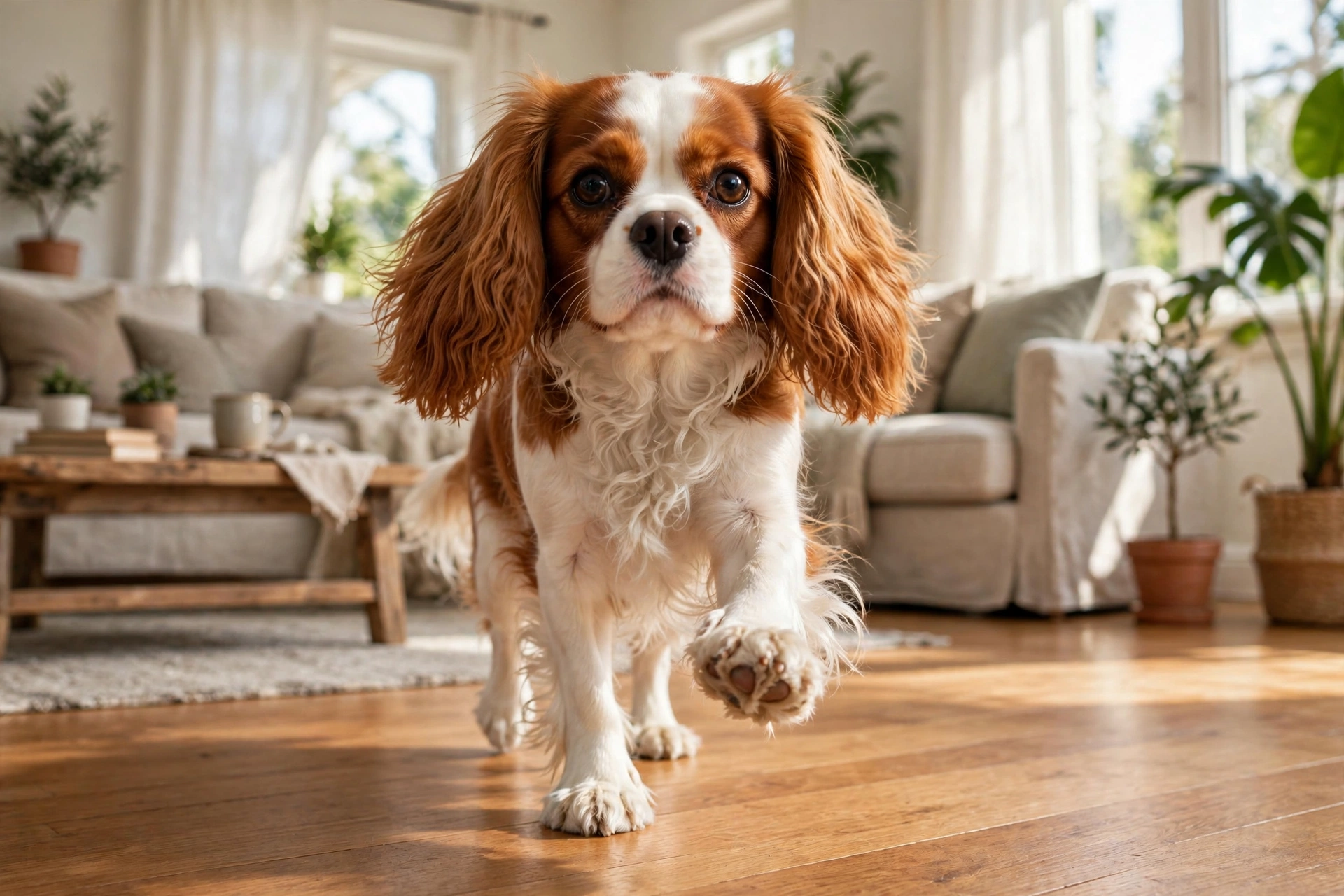
The first-step test catches your dog’s paw preference in motion. Ask your dog to sit and stay, walk a few steps away, then call them to you. Watch carefully: which front paw moves first as they push off from the sit? Dogs usually lead with their preferred paw when they are relaxed and unhurried.
The trick here is keeping things low-key. If your dog is bursting with excitement, adrenaline takes over and the results get messy. Use a calm, cheerful tone, and only count trials where your dog started from a settled position. Ten to fifteen calm trials give you a solid sample.
Helpful pick: Chuckit! Ultra Ball — a high-bounce reward that makes recall practice — and your first-step tests — something your dog looks forward to.
4. The Treat-Under-Cup Test: A Fun Home Experiment
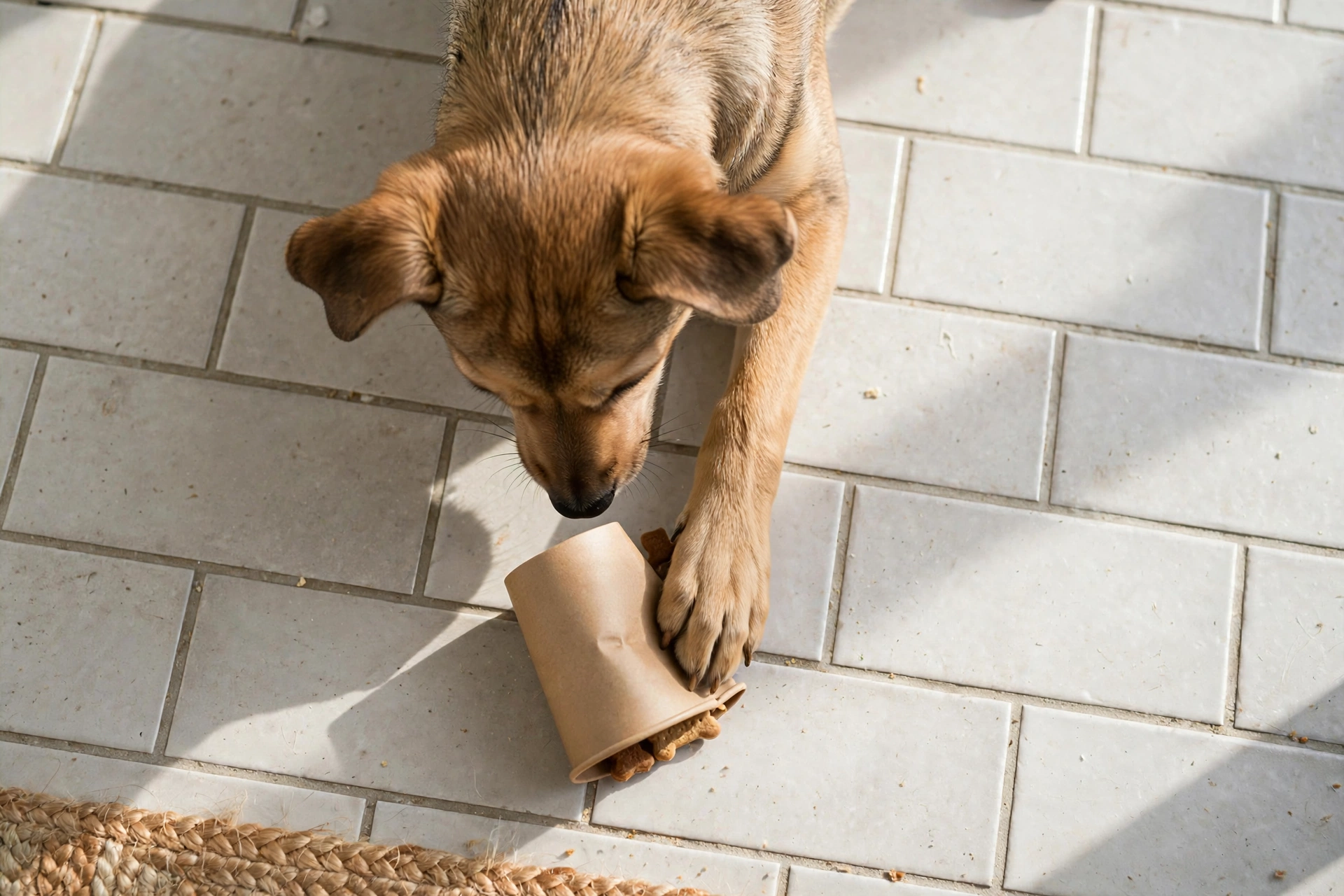
Here is a test your dog will think is just a game. Place a smelly treat on the floor, then cover it with an overturned plastic cup or a lightweight container. Your dog will nudge, nose, and eventually paw at the cup to get the goodie. Note which paw they reach with first.
For the cleanest results, use a cup light enough that your dog can tip it with one paw but not so flimsy that it skitters away. Sit back and stay quiet — if you coach or point, you might accidentally steer your dog’s choice. Repeat the game in different spots over a few days; most dogs settle into a pattern quickly.
Helpful pick: LickiMat Classic Soother — a calming licking surface that makes a perfect cool-down activity after a round of brain games.
5. What Studies Say About Paw Preference and Personality

So your dog is a lefty — does that make them the creative type? Researchers have looked for personality clues tied to paw preference, and the findings are intriguing, if still early. Several studies suggest that dogs with a strong paw preference, left or right, tend to be more confident and quicker to settle after a stressful moment than dogs with no clear preference.
One popular theory connects paw use to brain hemisphere activity, borrowing from what we know about handedness in people: a right-pawed dog may lean on left-brain processing (routine, focused behavior), while a left-pawed dog may lean on right-brain processing (novelty, emotion). It is a neat framework, but scientists call it a theory, not a rule — paw preference is one small ingredient in your dog’s personality, not a crystal ball.
Helpful pick: Outward Hound Hide-A-Squirrel Puzzle Toy — a squeaky enrichment toy that lets both lefties and righties show off their problem-solving style.
6. Why Your Dog’s Paw Preference Matters for Training
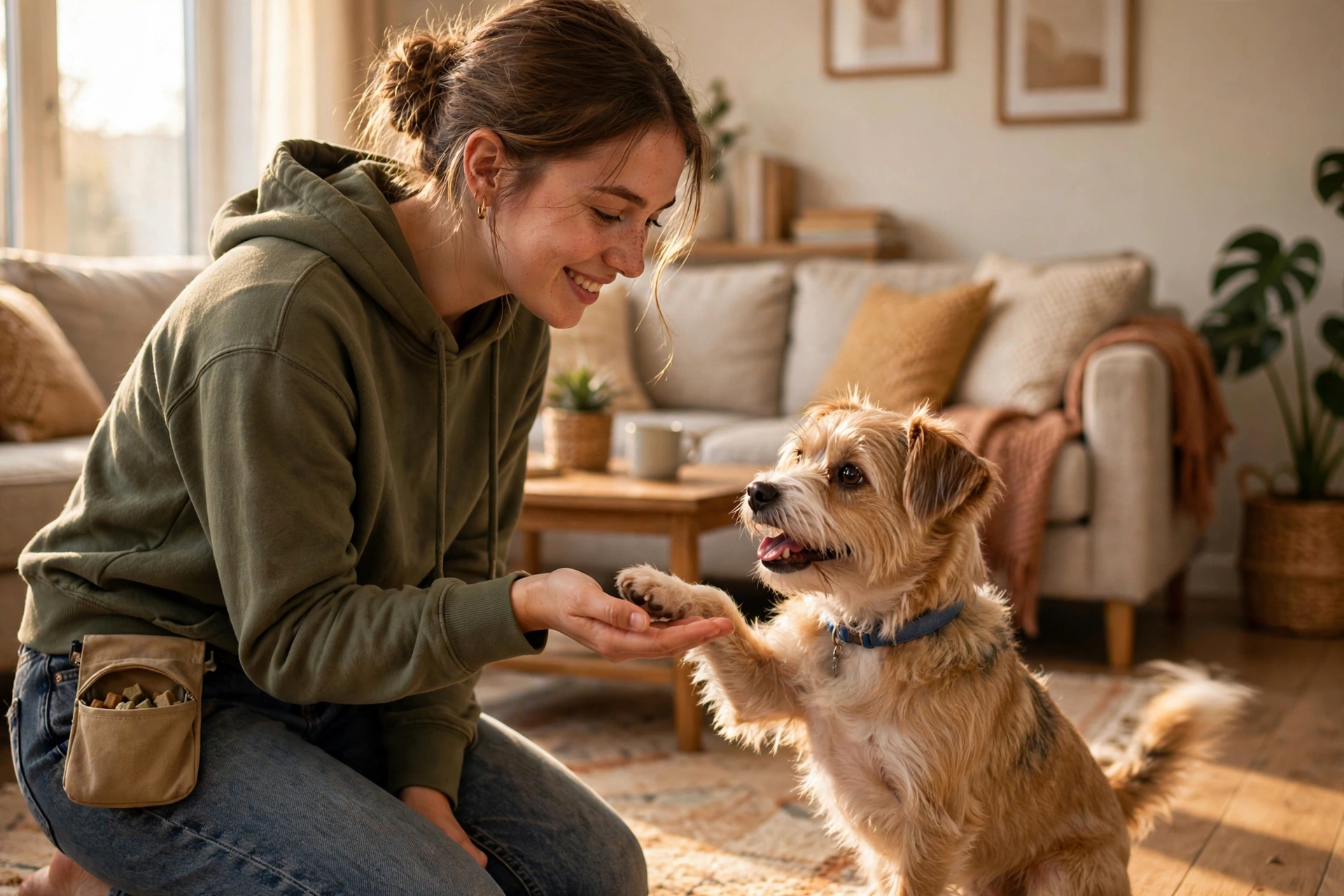
Here is where paw science gets practical. When you teach tricks that involve a specific paw — shake, wave, high-five, or closing a door — start with the paw your dog already favors. You will get faster wins, and those early successes keep training sessions upbeat for both of you.
Once the trick is solid on the preferred side, you can train the other paw as a fun advanced challenge — many trainers use it to build coordination and focus. Small adjustments like these reduce frustration, shorten learning time, and keep your dog eager to train.
Helpful pick: Egiao Dog Treat Pouch — a handy belt pouch that keeps rewards within reach so your timing stays sharp during training.
7. Fun Facts About Ambilateral Dogs (and a Few Surprises)
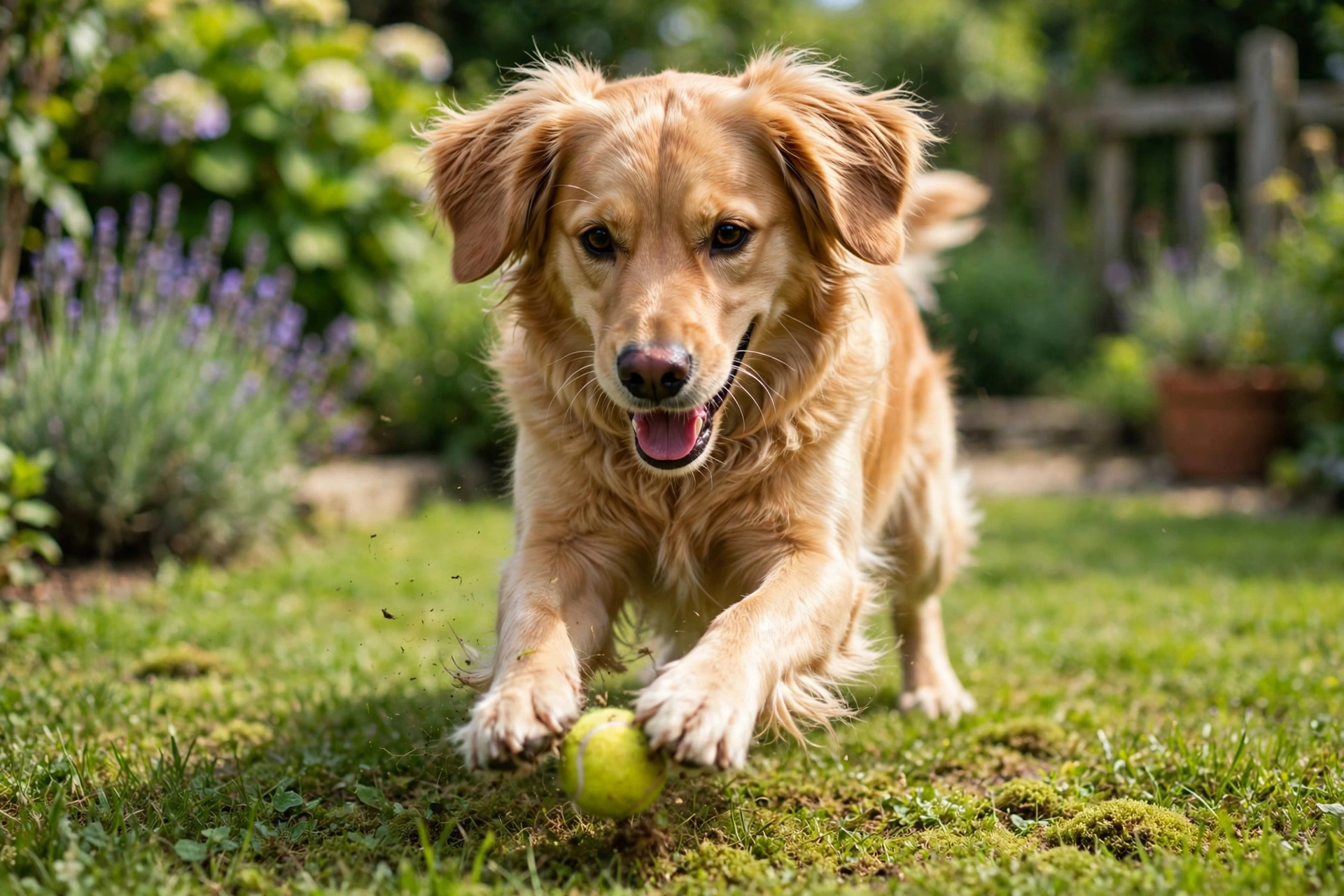
Not every dog picks a side, and that is perfectly normal. Ambilateral dogs — the ones who swap paws freely — make up roughly a third of the canine population. Some researchers have found they can be a touch more reactive to new or stressful situations, which makes sense if you think of a strong paw preference as a sign of a settled, lateralized brain.
Puppies can show paw preferences surprisingly early, sometimes within the first few months of life. And in multi-dog households, owners often discover their dogs have opposite preferences — great dinner-party trivia.
The biggest surprise of all might be how much fun this little experiment brings into your routine. Testing takes five minutes, costs nothing, and gives you a new lens on the dog you thought you knew completely. Whether your pup is a proud lefty, a steady righty, or happily ambilateral, the real prize is the extra time you spend paying close attention to them.
Helpful pick: Snuffle Mat for Dogs — a foraging mat that turns mealtime into nose work, a favorite wind-down for dogs of every paw preference.
Frequently Asked Questions
Can my dog’s paw preference change over time?
It is uncommon but possible. Paw preference is usually stable in adult dogs, though injury or aging can shift patterns. If your dog suddenly switches paws, check with your vet in case of soreness or a minor injury.
Are left-pawed dogs rarer than right-pawed dogs?
Not really. Unlike humans, where right-handers dominate, dogs split fairly evenly between left and right. Neither side is meaningfully rarer.
Do all dogs show a paw preference?
No — about a third of dogs are ambilateral and use both paws comfortably. That is a normal variation, not a problem.
Should I train my dog to use their non-preferred paw?
There is no need to “correct” a paw preference. Teach new tricks on the favored side first, then add the other paw later as an advanced skill if you want to.
At what age can I test my puppy’s paw preference?
You can start simple observations at a few months old, but wait until your puppy is around six months for more consistent results.
Keep Reading
- Dog Body Language Guide: What Your Pup Is Really Telling You
- 12 Signs Your Dog Loves You (Backed by Behavior Science)
- How to Teach Your Dog to Come When Called
- 10 Training Tricks Every Cavalier Can Learn
- How to Help a Dog With Separation Anxiety
As an Amazon Associate, PetPostHub earns from qualifying purchases.