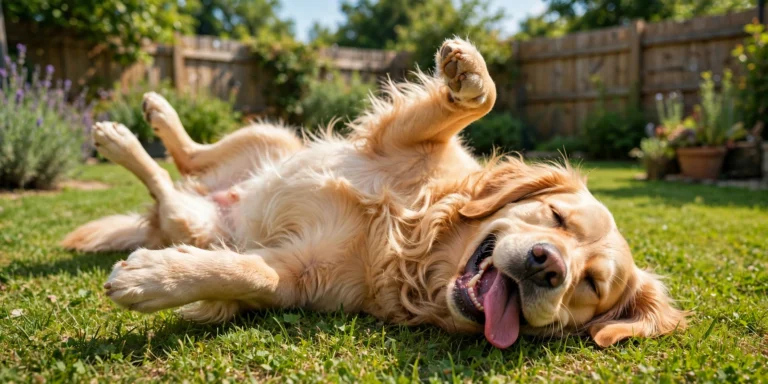
Why Does My Dog Lick My Chest? 5 Reasons (2026 Guide)

If you’ve ever sat down to relax only to find your dog’s tongue sweeping across your chest, you’ve probably wondered: why does my dog lick my chest? It can feel sweet, ticklish, or just plain slobbery depending on the day. The good news is that chest licking is almost always a normal, harmless behavior — and it usually means something positive about your bond.
In this guide, we’ll unpack the five most common reasons dogs lick their owner’s chest, what each one means, and what to do about it. Whether your pup is giving you kisses or simply tasting last night’s workout, you’ll know exactly how to read the lick.
Table of Contents
- 1. Affection — The Classic “I Love You”
- 2. You Taste Salty (Especially After a Workout)
- 3. Grooming Instinct — Treating You Like Pack
- 4. Seeking Comfort and Self-Soothing
- 5. It Has Become a Rewarding Habit
- How to Redirect Chest Licking
- Frequently Asked Questions
1. Affection — The Classic “I Love You”

What it means: For most dogs, licking a beloved human is simply a kiss. Licking triggers the release of feel-good endorphins in your dog’s brain — the same comfort they felt when their mother licked them as a newborn puppy. Your chest is right at tongue height when you’re sitting or lying down, so it’s a natural target for an affectionate greeting. If your dog wiggles, wags, and leans into you while licking, that’s pure adoration.
What to do: Enjoy it if you like it! A calm “good boy/girl” rewards the sweet behavior. If it’s too much, calmly redirect with a toy or a cue like “sit” rather than scolding — you don’t want to punish a loving gesture. Short, gentle sessions of petting can also satisfy their need for closeness.
Helpful pick: Zuke’s Mini Naturals Training Treats — perfect for rewarding calm greetings instead of endless licking.
2. You Taste Salty (Especially After a Workout)
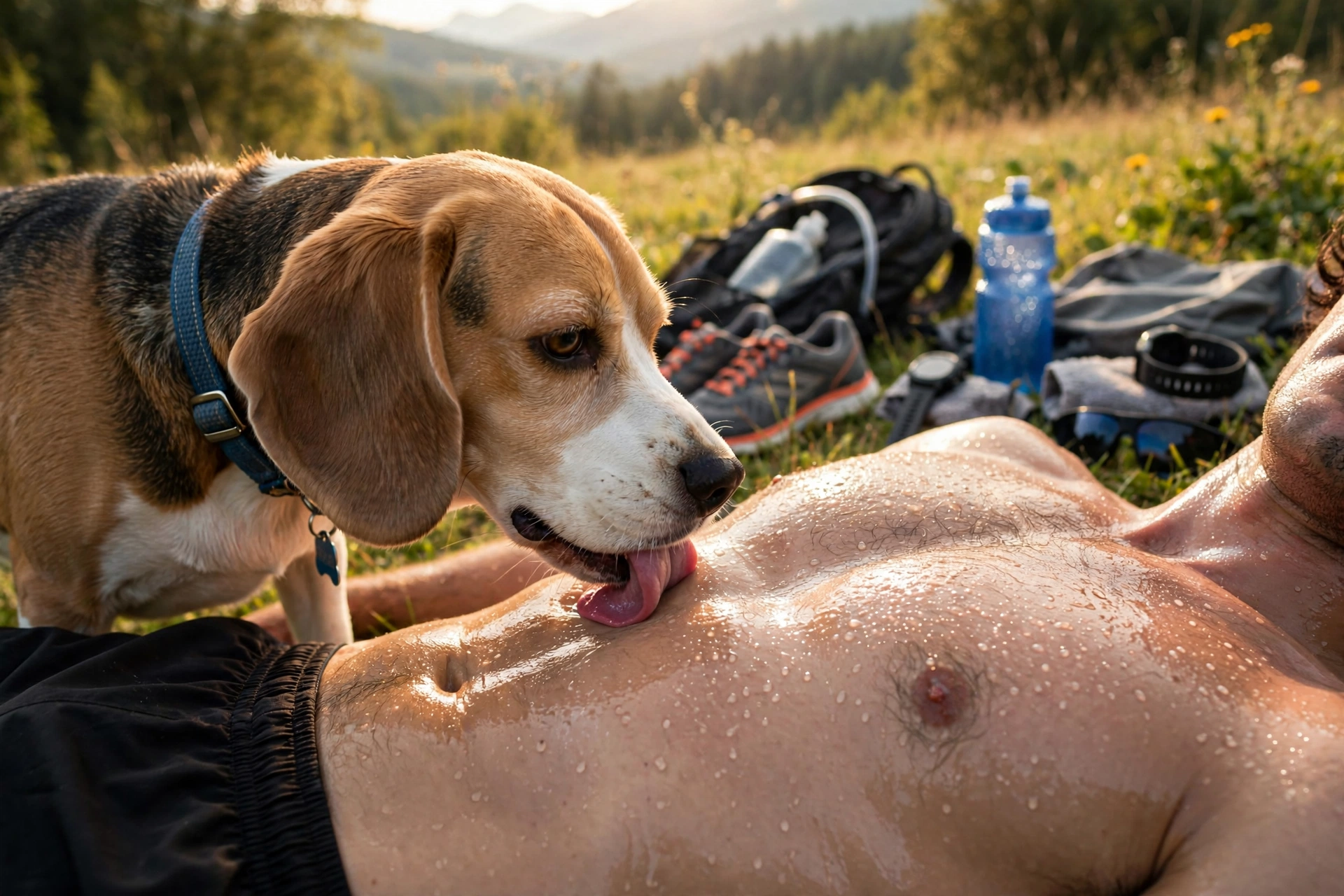
What it means: Dogs are drawn to the taste of salt, and human sweat is basically a salty snack. If your dog only licks your chest after exercise, on hot days, or after a shower-less evening, taste is the likely driver. Lotion, sunscreen, and skincare products add even more interesting flavors. It’s the same reason dogs love licking feet and hands — we taste fascinating to them.
What to do: Nothing urgent — it’s harmless. But do be mindful of skincare products: some lotions, essential oils, and medicated creams aren’t meant to be ingested. If you use them, give them time to absorb or keep your dog away until they dry. A quick rinse before cuddle time can also take the “flavor” away.
Helpful pick: Egiao Dog Treat Pouch — carry treats on walks so you can reward recall instead of post-run licking sessions.
3. Grooming Instinct — Treating You Like Pack

What it means: In dog packs, mutual grooming is a bonding ritual — packmates lick each other to strengthen trust and social ties. When your dog licks your chest slowly and methodically, they may be including you in that ritual. It’s a sign they see you as family, not just as the food provider. Puppies who were raised with close maternal grooming often carry this behavior into adulthood.
What to do: Treat it as a compliment. If you’d rather not be the grooming project, offer an alternative bonding activity: a gentle brushing session (dogs who groom often love being brushed), a calm game of fetch, or simply quiet time together. You can also teach a “kisses” cue so the licking happens on your terms.
Helpful pick: KONG Classic Dog Toy — stuff it with peanut butter for a grooming-energy outlet that keeps their tongue busy.
4. Seeking Comfort and Self-Soothing

What it means: Licking releases calming endorphins, so some dogs lick their owner when they’re feeling anxious, tired, or unsettled — a thunderstorm, fireworks, a new home, or even a long day can trigger it. Your chest is warm, close to your heartbeat, and smells like safety, making it the ultimate comfort blanket. If the licking happens at night or during stressful events, comfort is likely the reason.
What to do: Stay calm and reassuring — your relaxed body language tells them there’s nothing to fear. Avoid over-coddling (which can reinforce anxiety), but offer quiet companionship. A cozy spot, a white-noise machine, or a comfort toy can help. If anxiety-driven licking becomes obsessive or is paired with pacing, drooling, or destructive behavior, talk to your vet about calming support.
Helpful pick: ADAPTIL Calm Home Diffuser — vet-recommended pheromone support that helps anxious dogs relax at home.
5. It Has Become a Rewarding Habit
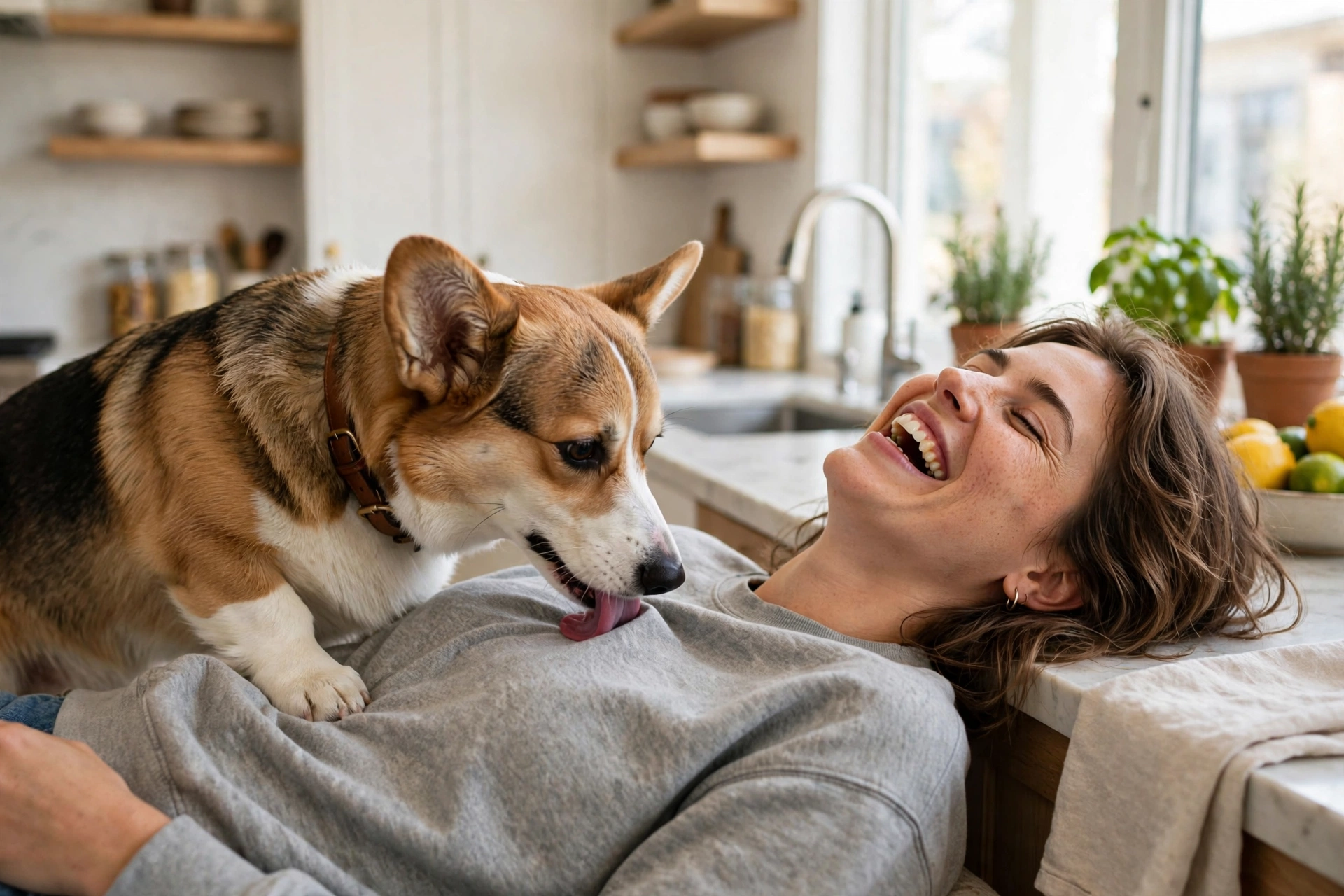
What it means: Dogs repeat what works. If chest licking has earned your dog attention, laughter, pets, or even a funny “stop it!” reaction, they’ve learned it gets a response. Over time it becomes a self-reinforcing habit: the licking itself feels good (hello, endorphins), and the attention makes it even better. Some dogs will lick your chest every single time you sit down — that’s a habit on autopilot.
What to do: The fix is simple but requires consistency: don’t reward the licking. When your dog starts, calmly stand up, turn away, or redirect to a toy — no scolding, no drama. The moment they stop or offer a calm alternative (like settling down), reward that instead. Everyone in the household needs to follow the same rule, or the habit will stick around.
Helpful pick: Outward Hound Tornado Puzzle Toy — keeps a habitual licker’s brain and tongue busy with a better job to do.
How to Redirect Chest Licking
If the licking has crossed from cute to constant, here’s a simple redirect plan:
- Don’t punish the lick. Scolding confuses an affectionate dog. Stay neutral.
- Withdraw attention briefly. Stand up or turn away for 10–15 seconds when licking starts.
- Teach an alternative. Train “sit” or “place” as the new greeting ritual — reward calm behavior heavily.
- Offer a lick substitute. A lick mat with peanut butter gives them the same soothing sensation without your chest being the target.
- Stay consistent. Every person in the house must follow the same response, or the habit survives.
Frequently Asked Questions
Is it safe to let my dog lick my chest?
For most healthy adults, yes. Dog saliva isn’t toxic, but it does carry bacteria. Avoid letting dogs lick broken skin, and wash up afterward if you have a sensitive immune system or use medicated skin products.
Why does my dog only lick my chest and not my partner’s?
Usually it comes down to taste, routine, or bond strength. You might be the primary caregiver (stronger bond), or you might simply taste more interesting — sweat, lotion, or your natural skin scent can all make you the preferred target.
Why does my dog lick my chest at night?
Nighttime licking is often comfort-seeking. Your dog is winding down, feeling close to you, and the warm, steady rhythm of your breathing makes you the perfect soothing target. It can also become a bedtime habit if it earns cuddles.
Does chest licking mean my dog loves me?
Very often, yes! Affection is the most common reason. The wiggly body, soft eyes, and relaxed tail that come with the licking are classic signs of love. Learn more about signs your dog loves you to read the full picture.
How do I stop my dog from licking my chest without hurting their feelings?
Redirect, don’t reject. Calmly withdraw attention when licking starts, then reward calm behavior or offer a lick mat. Teaching a “kisses” cue lets your dog show affection on your terms — a win for both of you.
For more on the licking family of behaviors, see why dogs lick your shoulder, why dogs lick your arm, why dogs lick your chin, and why dogs sniff your eyes.
As an Amazon Associate, PetPostHub earns from qualifying purchases.