
How to Train Your Dog to Ride in the Car Safely: A Complete Car Travel Guide
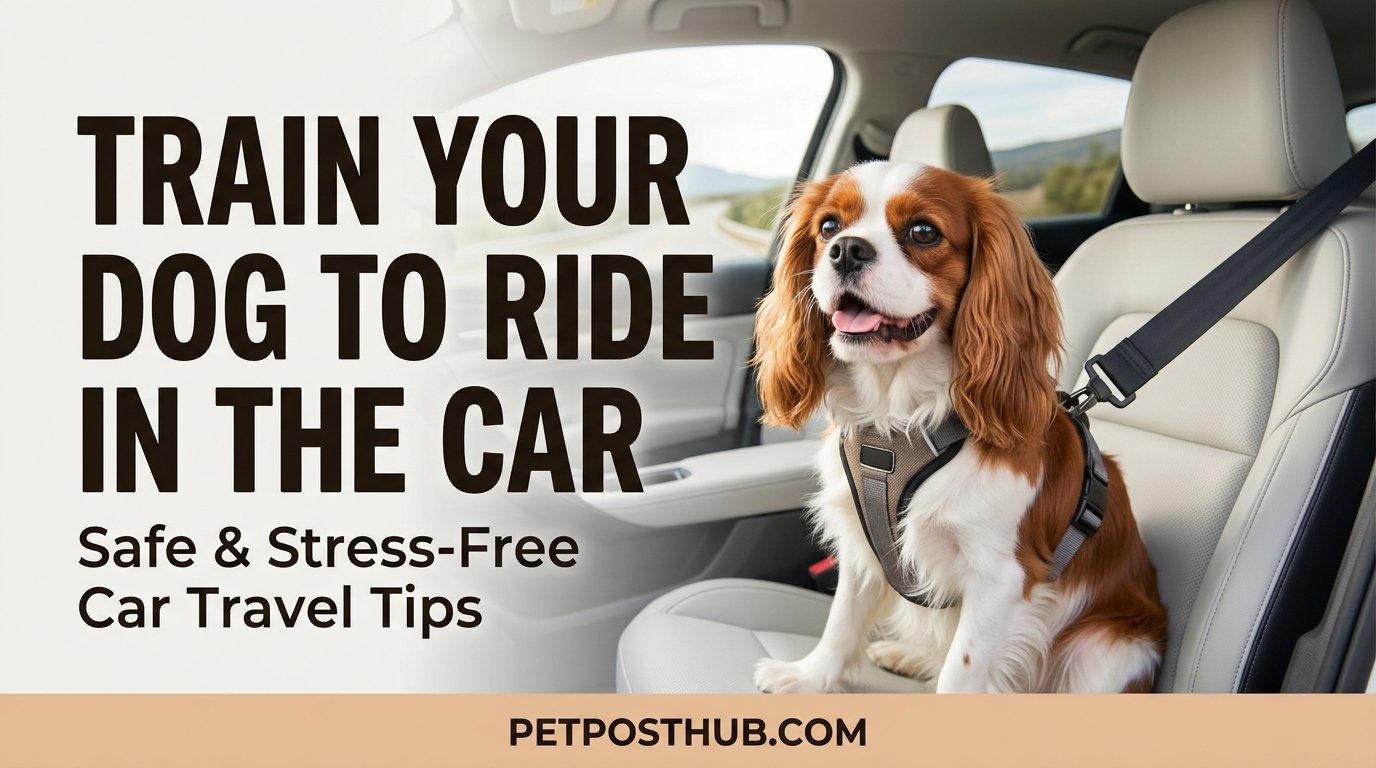
For many dogs, getting into a car is exciting. For others, the unfamiliar sounds, movement, smells, and vibrations can be overwhelming. Whether you have a young puppy or an adult dog that has never enjoyed car rides, you can help them become a comfortable and confident passenger with gradual training.
Learning how to train your dog to ride in the car is not simply about teaching your pet to sit quietly. It is also about creating positive associations, choosing appropriate safety equipment, preparing for motion sickness, and making sure your dog cannot escape or distract the driver.
With patience and short practice sessions, most dogs can learn that a car ride is a normal and enjoyable part of life.
Why Should You Train Your Dog for Car Rides?
Regular car training can make everyday trips much easier. Your dog may need to travel to the veterinarian, groomer, boarding facility, dog park, or on a family vacation.
A dog that becomes frightened every time the car starts can experience unnecessary stress. Some dogs may pant, whine, drool, shake, pace, or attempt to escape.
Proper dog car training helps your pet gradually become familiar with:
- The smell and interior of the vehicle
- The sound of the engine
- Car movement and vibrations
- Being secured in one location
- Road noise and traffic
- Longer periods of travel
- Getting in and out of the vehicle calmly
The goal is to make the car feel like a safe and predictable environment.
How to Get Your Dog Used to the Car
Do not expect a dog that has never traveled in a vehicle to immediately enjoy a long road trip. Start slowly and increase the experience in small steps.
1. Start With the Car Parked
Begin with the simplest possible experience.
Park the car somewhere quiet and allow your dog to approach it at their own pace. Open the doors and let your pet investigate the vehicle while the engine is off.
Allow your dog to sniff the seats, floor, doors, and other safe areas.
You can place a few treats inside the car to encourage positive exploration. Keep the experience relaxed and never force your dog inside if they are clearly frightened.
For a puppy, this first step can be particularly important because the vehicle is completely unfamiliar.
2. Make the Car a Positive Place
Your dog should gradually learn that getting into the car leads to good things.
Place a familiar blanket or toy inside the vehicle and reward calm behavior with small treats and praise.
You can practice:
Approach the car → get inside → receive a treat → come back out.
Repeat this several times without actually driving anywhere.
This teaches your dog that the car itself is not something to fear.
3. Let Your Dog Experience the Engine
Once your dog is comfortable sitting in the stationary vehicle, introduce the sound of the engine.
Secure your dog appropriately and start the engine while the vehicle remains parked.
Watch their body language carefully.
If your dog remains relaxed, offer praise and a treat. If they become nervous, turn the engine off and return to an easier stage of training.
Keep these sessions short. There is no advantage to rushing.
4. Take Very Short Drives
When your dog is comfortable with the stationary car, begin driving for only a few minutes.
Your first trips could be around the block or down a quiet street.
Keep the experience positive and gradually increase the length of the trips.
A useful progression might look like:
- Sitting in a parked car
- Sitting in the car with the engine running
- Driving for two or three minutes
- Taking a short trip around the neighborhood
- Driving for 10–15 minutes
- Gradually introducing longer journeys
If your dog becomes anxious, go back to the previous comfortable step rather than pushing forward.
Use a Proper Dog Car Restraint
Your dog should not be allowed to freely move around the passenger compartment while you are driving.
An unsecured dog can become a distraction and may be seriously injured during sudden braking or a collision.
Depending on your vehicle and your dog’s size, options may include:
- A properly designed dog car harness
- A secured travel crate
- A suitable dog carrier
- A properly installed pet travel system
- A dog car seat designed to work with an appropriate restraint
The restraint should be appropriate for your dog’s size and used according to the manufacturer’s instructions.
Never attach a restraint in a way that could allow your dog to escape or become tangled.
Where Should a Dog Sit in the Car?
The safest location depends on the vehicle, restraint system, and manufacturer’s instructions.
In general, avoid allowing your dog to sit on your lap or roam around the front seat. An unrestrained dog can interfere with steering, pedals, visibility, and other controls.
If using a crate or carrier, make sure it is stable and appropriately secured.
If using a harness or other restraint, follow its fitting instructions carefully and check that your dog cannot slip out.
The important principle is simple: your dog should be safely contained without restricting normal breathing or causing unnecessary discomfort.
Help Your Dog Overcome Car Anxiety
Some dogs are not simply inexperienced with cars—they are genuinely afraid of them.
Signs of dog car anxiety can include:
- Excessive panting
- Whining or barking
- Trembling
- Drooling
- Pacing
- Hiding
- Refusing to enter the vehicle
- Trying to escape
- Excessive licking
- Restlessness
If your dog is nervous, make the training sessions shorter and easier.
Do not punish whining, shaking, or other fear-related behavior. Instead, reduce the intensity of the experience and reward calm behavior.
For severe anxiety, speak with your veterinarian or a qualified positive-reinforcement dog trainer.
What If Your Dog Gets Carsick?
Motion sickness is another common reason dogs dislike car rides.
Some dogs may drool heavily, lick their lips, vomit, or appear uncomfortable during travel.
For longer journeys, avoid giving your dog a large meal immediately before leaving. However, your dog’s individual feeding needs should always take priority, particularly for puppies or dogs with medical conditions.
Provide access to appropriate hydration and take regular breaks during longer journeys.
If your dog repeatedly experiences vomiting or severe nausea in the car, talk to your veterinarian. There may be medical or behavioral solutions that can make travel easier.
Always Keep Identification on Your Dog
Your dog should wear appropriate identification while traveling.
Even if your pet normally stays close to you, unfamiliar locations can create unexpected situations. A frightened dog could escape during a rest stop, while getting out of the car, or after an accident.
Before traveling, check that:
- Your dog’s ID tag is readable
- Your phone number is current
- Your dog has a secure collar
- Your dog’s microchip information is up to date, if applicable
For trips away from home, you can also consider a temporary travel tag containing your destination contact information.
Pack a Dog Travel Bag
Before leaving home, prepare a small travel kit for your dog.
Useful supplies include:
- Fresh drinking water
- A portable water bowl
- Regular food
- Small treats
- Extra leash
- Collar and identification
- Familiar blanket or toy
- Waste bags
- Paper towels
- Cleaning supplies
- Any required medications
- Veterinary records
- A recent photo of your dog
Having these supplies available can make unexpected situations much easier to handle.
Bring Your Dog’s Veterinary Information
A copy of your dog’s important veterinary information can be useful when traveling away from home.
Consider keeping records of:
- Vaccination history
- Current medications
- Medical conditions
- Your veterinarian’s contact information
- Emergency veterinary contact information
A recent photograph can also be useful if your dog becomes lost.
For international or long-distance travel, check destination-specific pet entry requirements well in advance.
Take Breaks on Long Car Trips
Dogs should not be expected to remain in the same position for an entire long-distance journey.
During longer trips, schedule appropriate stops so your dog can:
- Stretch their legs
- Drink water
- Use the bathroom
- Relax for a few minutes
- Get some fresh air
Always use a leash before opening the car door.
A dog that normally comes when called may behave differently in an unfamiliar location.
Never Leave Your Dog Alone in a Parked Car
One of the most important dog car safety tips is also one of the simplest:
Never leave your dog alone in a parked vehicle.
The temperature inside a vehicle can rise rapidly, even when the outside weather does not initially seem extreme. Cracking the windows or parking in the shade does not make an unattended vehicle a safe environment for a dog.
Heat-related emergencies can become life-threatening very quickly.
If you need to visit a location where dogs are not permitted, make alternative arrangements rather than leaving your pet inside the car.
Keep Your Dog Comfortable During Travel
Comfort can make a major difference, particularly on longer journeys.
Consider using:
- A familiar blanket
- A favorite non-dangerous toy
- Appropriate ventilation
- Sun shades when suitable
- A comfortable, correctly fitted restraint
- Regular breaks
Avoid making the environment overly stimulating. Loud music, excessive heat, or constant interaction can make some dogs more nervous.
What to Do If Your Dog Escapes From the Car
Preparation is especially important when traveling.
If your dog gets loose:
- Stay calm.
- Do not immediately chase the dog.
- Use familiar treats or a favorite toy to encourage them back.
- Call your dog using a calm, positive voice.
- Keep an extra leash readily available.
- Ask nearby people for assistance if necessary.
- Contact local animal shelters or veterinary clinics if your dog cannot be found.
This is another reason identification and current microchip information are so important.
Special Tips for Cavalier King Charles Spaniels
Cavalier King Charles Spaniels are companion dogs that often enjoy being close to their families, but individual dogs can have very different reactions to car travel.
If you are traveling with a Cavalier King Charles Spaniel, pay particular attention to comfort, temperature, restraint, and stress levels.
A Cavalier should never be allowed to sit unsecured in your lap while you drive. Instead, use a suitable travel setup that keeps your dog safely contained.
Because Cavaliers can be eager to stay close to their owners, it can be tempting to let them move around the vehicle. However, keeping your dog safely restrained is more important than allowing unrestricted access to the cabin.
Puppy Car Training: Start Early
Puppies can benefit greatly from positive car experiences.
Instead of waiting until your puppy needs a long trip to the veterinarian, introduce car travel as part of normal socialization.
Keep early rides short and positive.
For example:
Day 1: Explore the parked car.
Day 2: Sit inside while the engine is off.
Day 3: Experience the engine while parked.
Day 4: Take a very short drive.
Following weeks: Gradually increase travel time.
The exact timeline is less important than your puppy’s comfort. Move forward only when your puppy is relaxed at the current stage.
Common Mistakes to Avoid
When training a dog to ride in the car, avoid these common mistakes.
Taking a Nervous Dog on a Long Trip
A five-minute practice drive is much better than immediately attempting a three-hour journey.
Forcing Your Dog Into the Vehicle
Forcing can make an already frightened dog associate the car with an unpleasant experience.
Allowing Your Dog to Ride Unrestrained
An unsecured dog can distract the driver and may be injured during sudden movements or collisions.
Feeding a Large Meal Immediately Before Travel
This can contribute to stomach upset in dogs that are prone to motion sickness.
Ignoring Signs of Stress
Panting, drooling, shaking, vomiting, or repeated attempts to escape should not simply be ignored.
Leaving a Dog in a Parked Car
This can become dangerous extremely quickly, particularly during warm weather.
Dog Car Travel Checklist
Before leaving for a trip, use this simple checklist:
Safety
- Proper restraint
- Secure collar
- ID tag
- Updated microchip information
Food & Water
- Fresh water
- Travel bowl
- Food
- Treats
Comfort
- Familiar blanket
- Favorite toy
- Appropriate sun protection
Emergency Supplies
- Extra leash
- Waste bags
- Cleaning supplies
- Veterinary records
- Recent photo
Frequently Asked Questions
How long does it take to train a dog to ride in a car?
It depends on the dog. Some dogs become comfortable after several short sessions, while anxious dogs may need weeks of gradual training. Always progress according to your dog’s comfort level.
How do I get my dog to stop being afraid of the car?
Start while the car is parked. Reward your dog for calmly approaching and entering the vehicle, then gradually introduce the engine and short drives. Avoid forcing your dog or moving too quickly.
Should my dog wear a seat belt in the car?
A properly designed dog travel harness or restraint can help prevent your dog from moving freely around the vehicle. Choose equipment appropriate for your dog’s size and use it according to the manufacturer’s instructions.
Can my dog sit in the front seat?
It is generally better to keep dogs away from the driver and controls. Follow your vehicle and restraint manufacturer’s safety instructions and use an appropriate secured travel arrangement.
What should I do if my dog vomits in the car?
Stop when it is safe, clean the area, provide an appropriate break, and monitor your dog. If motion sickness happens repeatedly, consult your veterinarian for advice.
Can I leave my dog in the car for a few minutes?
No. A parked vehicle can become dangerously hot very quickly, and cracking the windows does not eliminate the risk.
Should I give my dog food before a car ride?
Avoid giving a large meal immediately before travel if your dog is prone to motion sickness. For puppies, dogs with medical conditions, or dogs with special feeding requirements, follow your veterinarian’s advice.
Final Thoughts
Training your dog to ride in the car should be a gradual process rather than a one-day lesson.
Start with a parked vehicle, allow your dog to investigate, introduce the engine slowly, and then progress to short drives. Reward calm behavior and use appropriate safety equipment throughout the process.
For longer journeys, prepare water, food, identification, veterinary information, an extra leash, and other essential supplies. Most importantly, never leave your dog unattended in a parked car.
With patience, preparation, and positive experiences, car travel can become a comfortable part of your dog’s routine—and a much more enjoyable experience for both of you.