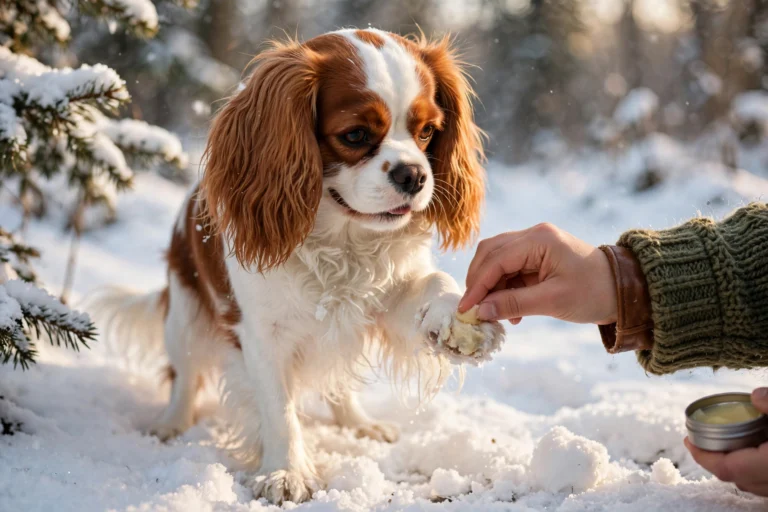
Cute Cavalier King Charles Spaniel Puppies: 8 Things to Know Before You Get One
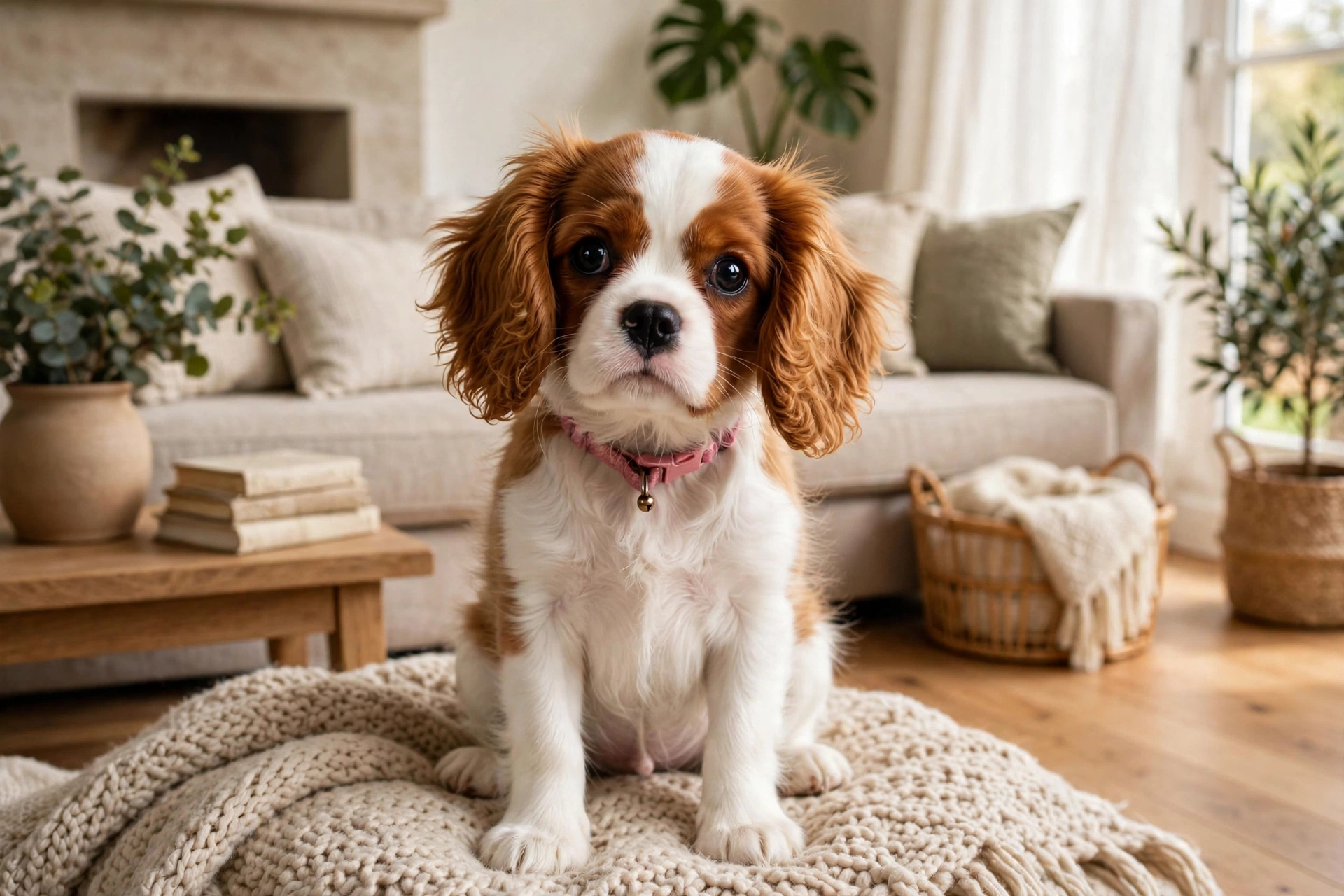
Few things in this world can melt a heart faster than cute Cavalier King Charles Spaniel puppies. With their big, soulful eyes, silky ears, and permanently cheerful expressions, these little charmers consistently rank among the most beloved toy breeds in the world. But behind all that cuteness is a real, living puppy with real needs — and bringing one home is a decision worth preparing for.
This guide walks you through everything you should know before getting a Cavalier puppy: what makes them so irresistible, what the first weeks look like, how to socialize and train them, what to feed them, their vet schedule, how to puppy-proof your home, and how to choose the right puppy in the first place.
Table of Contents
- Why Cavalier Puppies Melt Hearts
- What to Expect in the First Weeks
- Socialization Windows Matter
- Training Basics That Work
- Feeding a Growing Puppy
- Vet Schedule and Vaccinations
- Puppy-Proofing Essentials
- Choosing the Right Puppy
- Frequently Asked Questions
Why Cavalier Puppies Melt Hearts

Cavalier puppies seem designed by nature to trigger our nurturing instincts. Their large, round eyes sit wide on a sweet, expressive face, and their long, feathered ears frame it like a picture. Unlike some breeds that grow into their looks, Cavaliers are adorable from day one — and they stay affectionate for life.
But it is not just looks. Cavalier puppies are famously people-oriented. They want to be near you, on you, or at the very least in the same room. This Velcro temperament is exactly why the breed has such a devoted following — you are not just getting a cute face, you are getting a tiny, loyal shadow.
Helpful pick: Start bonding through gentle play with the Outward Hound Hide-A-Squirrel plush puzzle toy — a soft, puppy-friendly favorite for interactive games.
What to Expect in the First Weeks

The first two weeks are all about adjustment. Your puppy has just left everything familiar — littermates, mother, and the only home it has known. Expect some whimpering at night, cautious exploring, and a lot of napping. Puppies this age sleep 18 to 20 hours a day, and that is completely normal.
Keep the environment calm and predictable. Set up a consistent routine for meals, potty breaks, play, and sleep from day one. Avoid overwhelming your puppy with visitors in the first few days; let it bond with your household first. Short, positive experiences beat long, chaotic ones every time.
Helpful pick: Keep gentle cleanups easy during the messy adjustment phase with Earth Rated pet grooming wipes — mild, alcohol-free, and handy for paws and faces.
Socialization Windows Matter

The prime socialization window for puppies runs roughly from 3 to 14 weeks of age. During this period, positive exposure to different people, sounds, surfaces, and gentle dogs shapes your Cavalier’s confidence for life. Because the breed is naturally friendly, most Cavaliers take to socialization beautifully — but it still needs to happen deliberately.
Focus on quality over quantity: calm children, friendly vaccinated dogs, car rides, umbrellas opening, vacuum cleaners at a distance. Pair every new experience with praise or a treat so your puppy files it under “good things.” If your puppy seems nervous, increase distance rather than forcing the interaction.
Helpful pick: Reward brave, curious behavior with tiny, soft Zuke’s Mini Naturals training treats — small enough for frequent rewarding during socialization outings.
Training Basics That Work

Cavaliers are eager to please and highly food-motivated, which makes them one of the easier toy breeds to train. Start with the essentials: name recognition, sit, come, and house training. Keep sessions to five minutes or less — a puppy’s attention span is short, and ending on a success builds enthusiasm for the next round.
Positive reinforcement is the only method you need. Harsh corrections can crush a Cavalier’s sensitive spirit, while cheerful praise and treats turn training into their favorite game. Crate training pairs wonderfully with house training, since puppies naturally avoid soiling their sleeping space.
Helpful pick: Make the crate a happy place and keep your puppy busy with the classic KONG Classic — stuff it with a little peanut butter for calm, focused chewing.
Feeding a Growing Puppy

Growing Cavalier puppies need a high-quality puppy formula with the right balance of protein, fat, and DHA for brain development. Feed three to four small meals a day up to about six months, then transition to two meals daily. Keep portions measured — Cavaliers gain weight easily, and good habits start in puppyhood.
Stick with whatever food your breeder was feeding for the first week or two, then transition gradually over 7 to 10 days if you switch brands. Always keep fresh water available, and avoid foods that are unsafe for dogs, such as chocolate, grapes, onions, and anything sweetened with xylitol.
Helpful pick: Slow down speedy eaters and turn mealtime into enrichment with a snuffle mat — it engages your puppy’s nose and natural foraging instincts.
Vet Schedule and Vaccinations

Book your puppy’s first vet visit within the first week home. Your vet will confirm overall health, set up the vaccination schedule, and discuss parasite prevention. Core puppy vaccines typically start around 6 to 8 weeks and continue every 3 to 4 weeks until about 16 weeks, followed by boosters.
Cavaliers are prone to certain hereditary conditions, including mitral valve disease and syringomyelia, so ask your vet about baseline cardiac screening as your dog matures. Regular checkups, dental care, and maintaining a healthy weight go a long way toward a long, happy life. Never skip the final puppy boosters — they are what lock in lasting immunity.
Helpful pick: Monitor your puppy’s health at home between visits with the PetMedics non-contact pet thermometer — a quick, stress-free way to check for fever.
Puppy-Proofing Essentials

Before your puppy arrives, get down to puppy eye level and look for trouble: exposed cords, toxic plants, small objects to swallow, open trash cans, and cleaning supplies under sinks. Secure cabinets, tuck away cables, and move anything chewable out of reach. Cavalier puppies explore the world with their mouths.
Set up a designated puppy zone with a crate or pen, water, toys, and a potty area. Baby gates are invaluable for blocking stairs and off-limits rooms. Remember that supervision is the real puppy-proofing — no setup replaces watching a curious puppy, especially in the early months.
Helpful pick: Create a safe play zone with the MidWest folding exercise pen — sturdy, portable, and perfect for giving your puppy room to play safely.
Choosing the Right Puppy

The cutest puppy in the litter is not always the best match for your home — temperament matters more than looks. Visit the litter in person if possible and watch how the puppies interact. Look for a puppy that is curious and playful but recovers quickly from startling, and that enjoys being held without panicking.
Choose a responsible breeder who health-tests the parents (heart, eyes, hips, and patellas at minimum), raises puppies in the home, and asks you as many questions as you ask them. Be wary of anyone who always has puppies available, will not let you meet the mother, or pressures you to decide on the spot.
Helpful pick: Have the essentials ready before your puppy arrives, starting with the MidWest iCrate — a safe den that makes house training and settling in far easier.
Frequently Asked Questions
How much do Cavalier King Charles Spaniel puppies cost?
From a reputable breeder, expect to pay roughly $2,000 to $4,000 depending on lineage, location, and health testing. Prices far below that range are a red flag for puppy mills or untested breeding.
Are Cavalier puppies good with kids?
Yes — Cavaliers are famously gentle and patient with children. Still, always supervise interactions, since puppies of any breed can nip during play and small children can accidentally hurt a tiny puppy.
How much exercise does a Cavalier puppy need?
Short bursts are best: a good rule is about five minutes of structured exercise per month of age, twice a day, plus free play. Avoid long walks or stairs until joints mature.
Do Cavalier puppies shed a lot?
They shed moderately year-round, with heavier shedding in spring and fall. Weekly brushing keeps loose hair under control and prevents tangles in their feathered coat.
At what age can a Cavalier puppy come home?
Eight weeks is the minimum, and many responsible breeders keep puppies until 9 or 10 weeks so they benefit from extra time learning social skills from their mother and littermates.
Keep Reading
- Puppy Vaccination Schedule: What Every New Owner Should Know
- Start With a Healthy Puppy: A Buyer’s Checklist
- How to Teach Your Dog to Come When Called
- Foods Dogs Can and Can’t Eat: The Complete List
- Cavalier King Charles Spaniel Health Issues to Know
As an Amazon Associate, PetPostHub earns from qualifying purchases.