
Dog Haircuts: 10 Best Styles for Every Breed (2026)
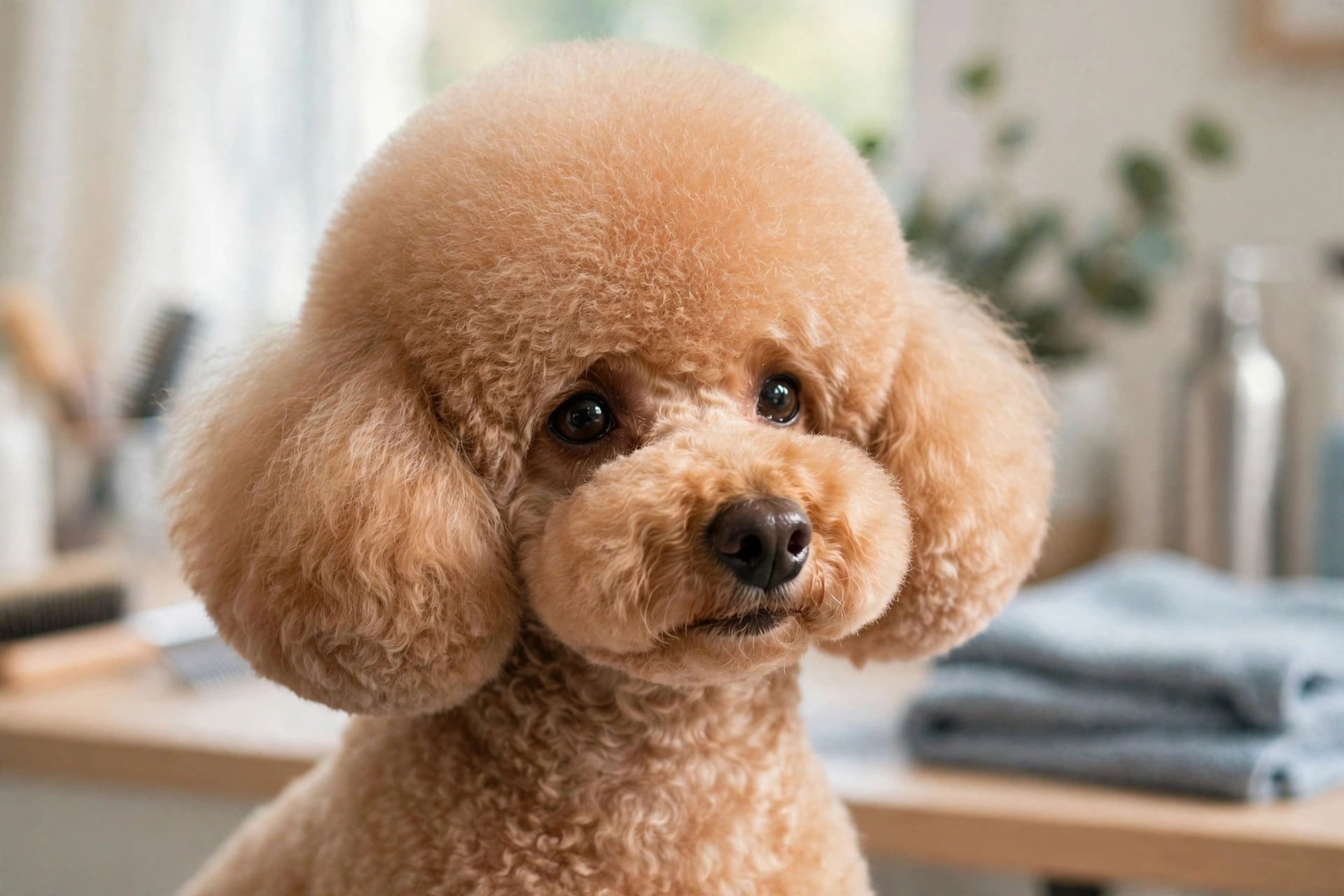
A great dog haircut does more than make your pup look adorable for photos. It keeps the coat manageable, cuts down on shedding around the house, and helps your dog feel comfortable through every season. Whether you book a professional groomer every few weeks or handle trims at home, knowing the main haircut styles helps you ask for exactly what your dog needs.
This guide walks you through 10 of the best dog haircut styles, which coat types each one suits, and how often your dog really needs a trim.
Contents
- 1. The Teddy Bear Cut
- 2. The Puppy Cut
- 3. The Lion Cut
- 4. The Lamb Cut
- 5. The Continental Cut
- 6. The Mohawk Cut
- 7. The Summer Cut
- 8. The Face-and-Feet Trim
- 9. The Sanitary Trim
- 10. The Topknot
- How Often Should Your Dog Get a Haircut?
- Frequently Asked Questions
1. The Teddy Bear Cut

The teddy bear cut is one of the most requested dog haircut styles, and for good reason. The head is scissored into a soft, rounded shape that looks like a plush toy, while the body is clipped to a short, even length. It works beautifully on Poodles, Doodles, Bichon Frises, and Shih Tzus.
Ask your groomer to keep the face full and round while blending it into a shorter body. Between appointments, brush the face and ears a few times a week so the rounded shape holds and mats stay away.
Helpful pick: The Stuff Leave-In Detangler Spray — mist before brushing to keep the fluffy round head smooth between trims.
2. The Puppy Cut
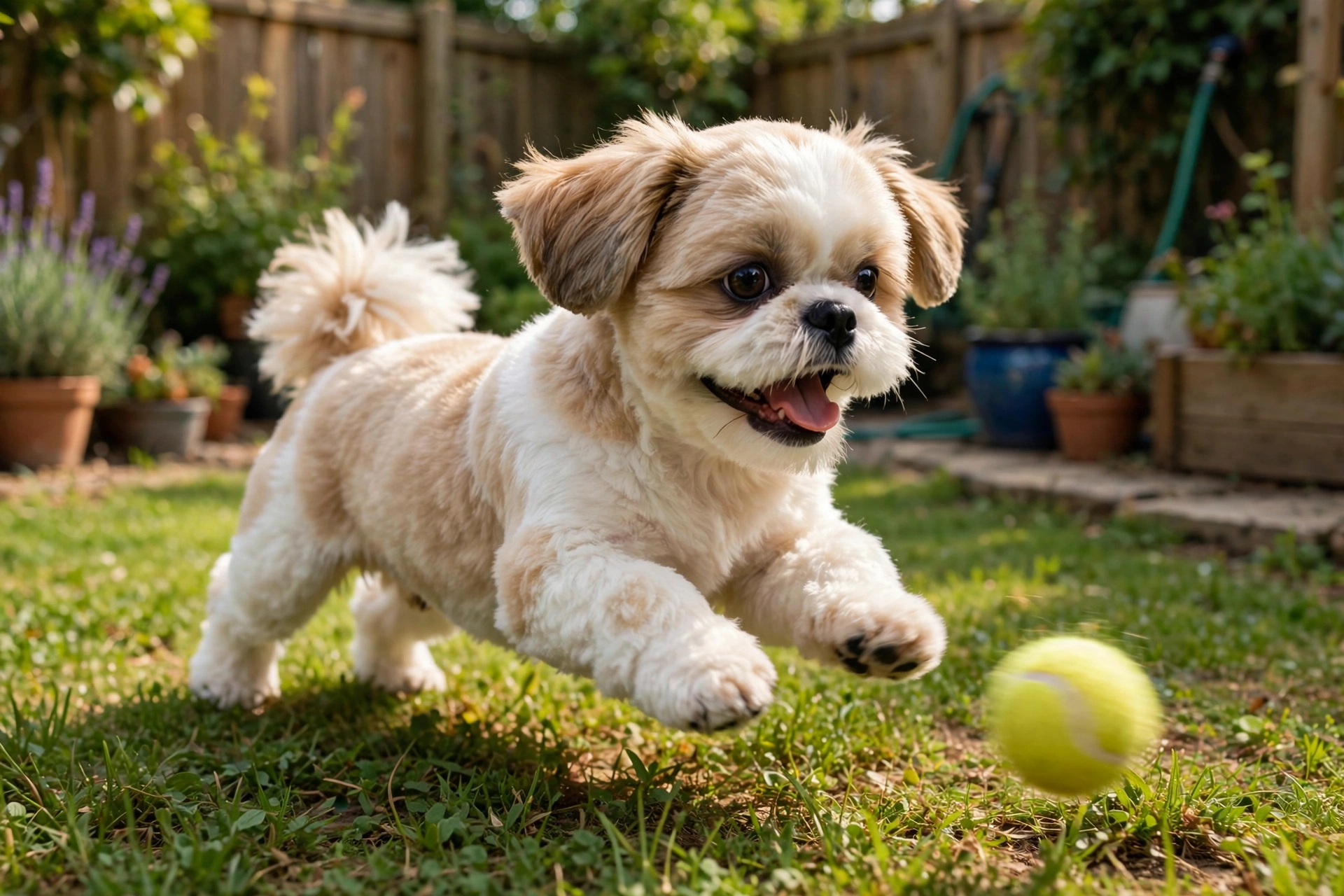
The puppy cut is exactly what it sounds like: one even length all over the body, usually between one and two inches. It is simple, easy to maintain, and suits nearly every breed that needs regular trimming. Long-haired breeds like Shih Tzus, Maltese, and Yorkshire Terriers do especially well with it.
This cut is ideal if you are new to grooming schedules because there is no complicated shaping. Just one uniform length that keeps your dog neat and tangle-free.
Helpful pick: Hertzko Self-Cleaning Slicker Brush — a quick weekly brushing keeps a puppy cut looking sharp.
3. The Lion Cut
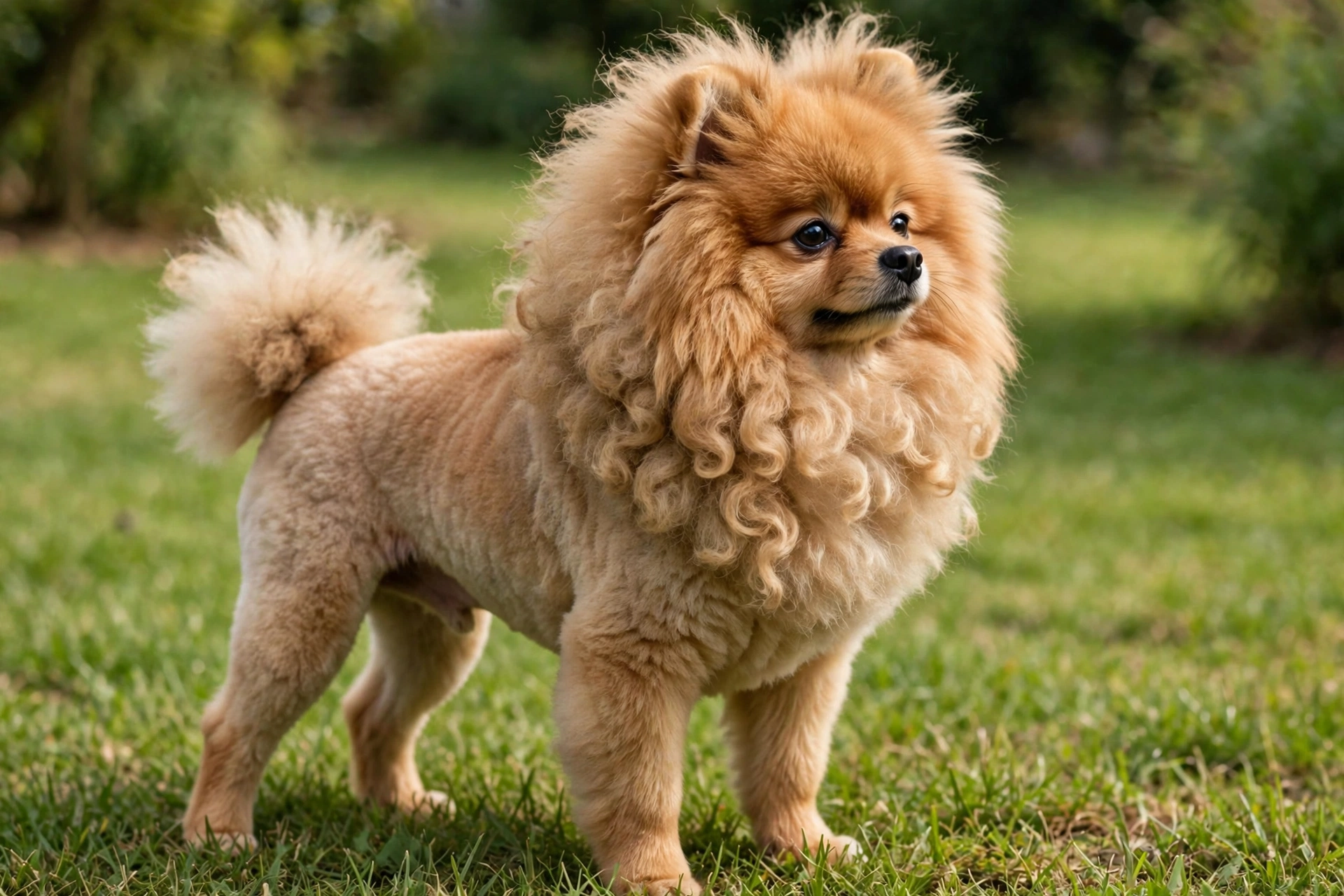
The lion cut is the showstopper of dog haircuts. The head, chest, and neck are left full and fluffy like a mane, while the body, legs, and tail are clipped short. Pomeranians and Chow Chows are the classic candidates for this look.
Keep in mind that the mane needs regular brushing since longer hair mats faster, and this style takes more shaping skill than a simple trim. It is a great pick if you want a dramatic look and do not mind a little extra coat care.
Helpful pick: Thunderpaws 2-in-1 Deshedding Brush — helps keep the full mane free of tangles and loose undercoat.
4. The Lamb Cut
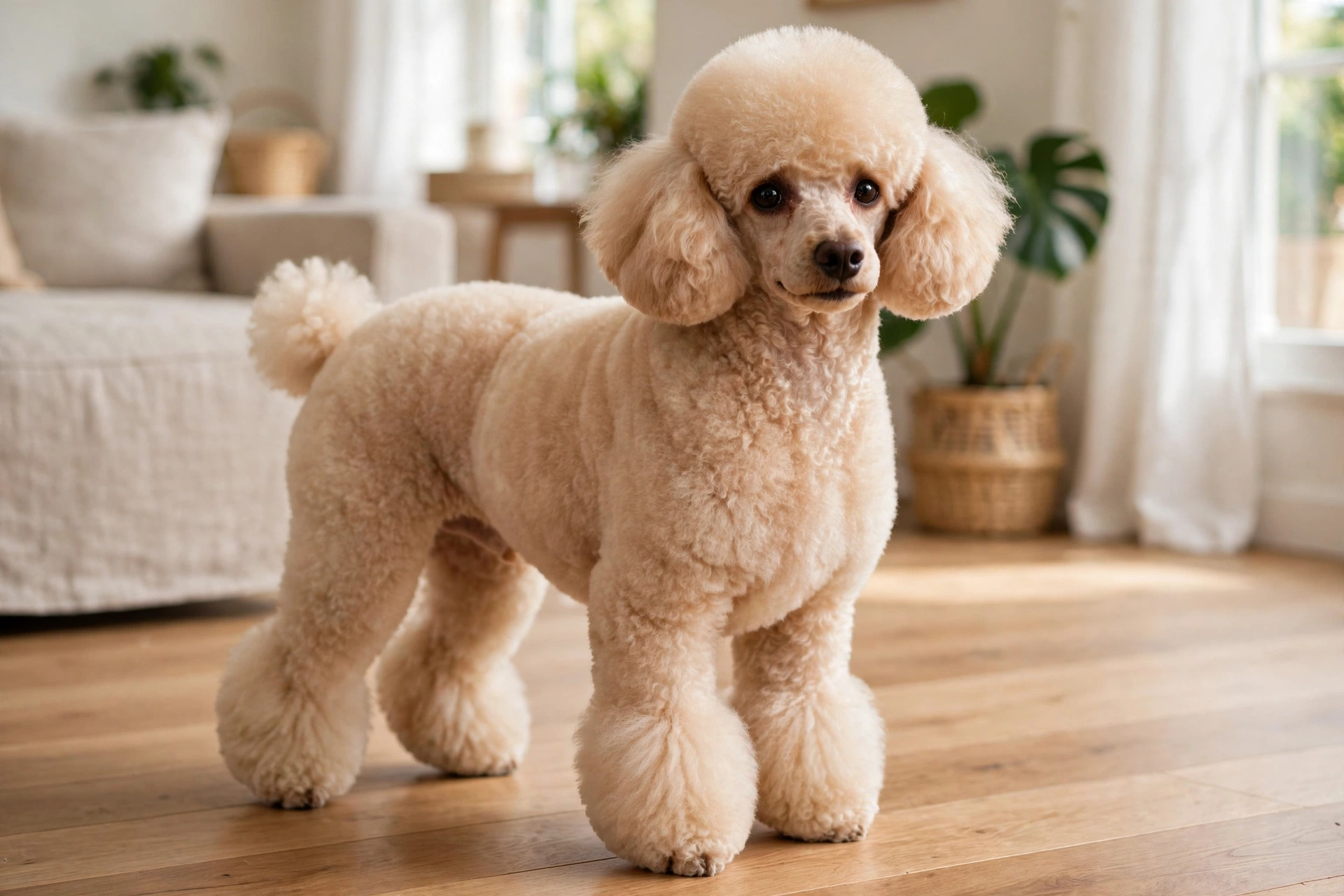
The lamb cut gives curly-coated dogs a soft, rounded, evenly fluffy look from head to toe. The body is trimmed to a medium length, the legs are blended into the body, and the feet are rounded into soft pompom shapes. Poodles and Bichon Frises wear this cut wonderfully.
It is less sculpted than a continental cut but tidier than a puppy cut, so it sits in a nice middle ground. Regular baths keep the fluffy texture light and airy.
Helpful pick: Burt’s Bees Oatmeal Shampoo — a gentle shampoo supports a soft, fluffy coat after a bath.
5. The Continental Cut
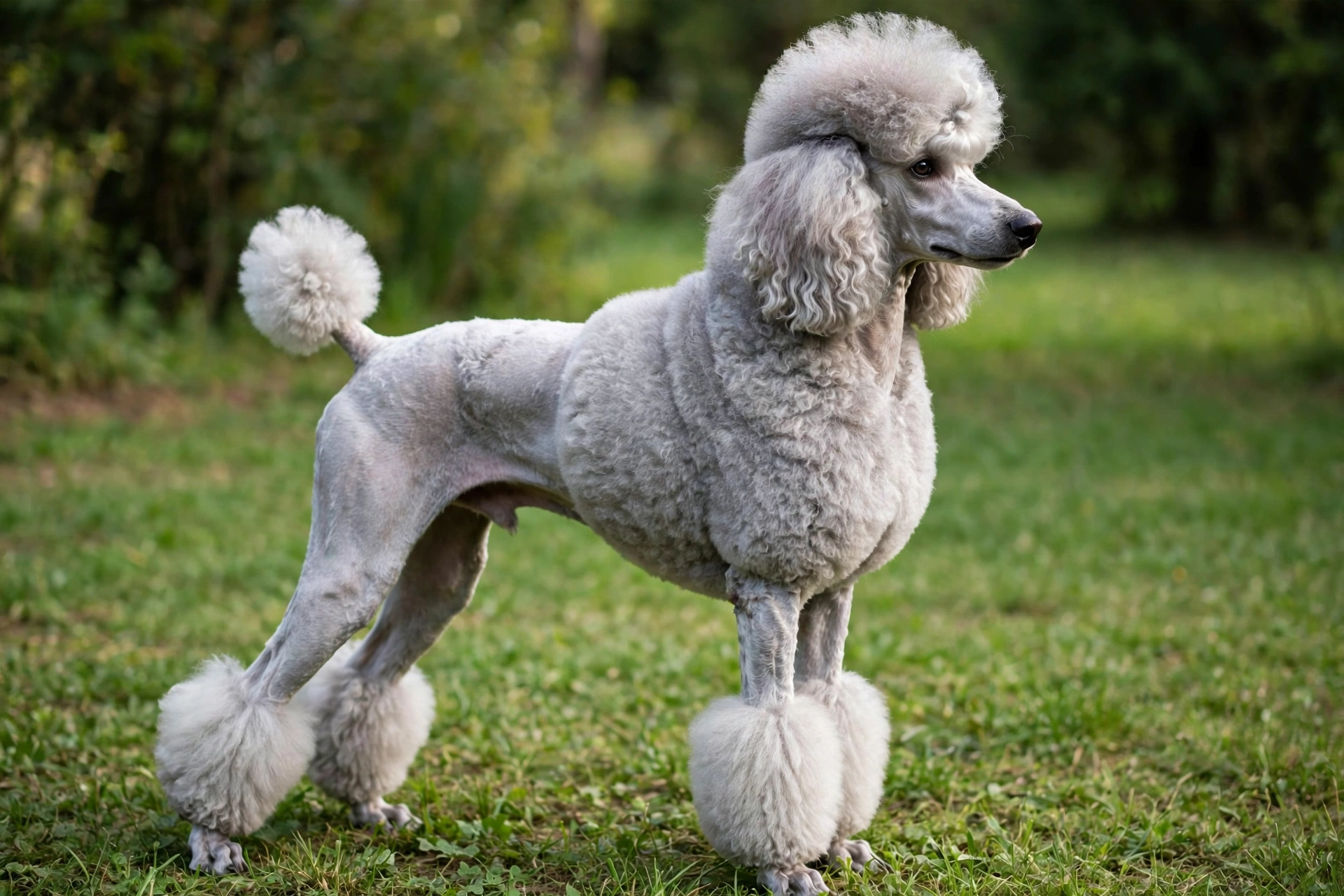
The continental cut is the classic Poodle show trim: shaved hindquarters and midsection, with fluffy pompoms left on the ankles, hips, and tail, plus a full mane up front. It looks dramatic, but it was designed with a practical purpose — keeping joints warm while letting the dog move freely.
This is definitely a groomer job rather than a DIY project. The shaping is precise and needs a steady, experienced hand.
Helpful pick: Vet’s Best Ear Relief Wash — good ear care matters for show dogs who bathe and groom often.
6. The Mohawk Cut
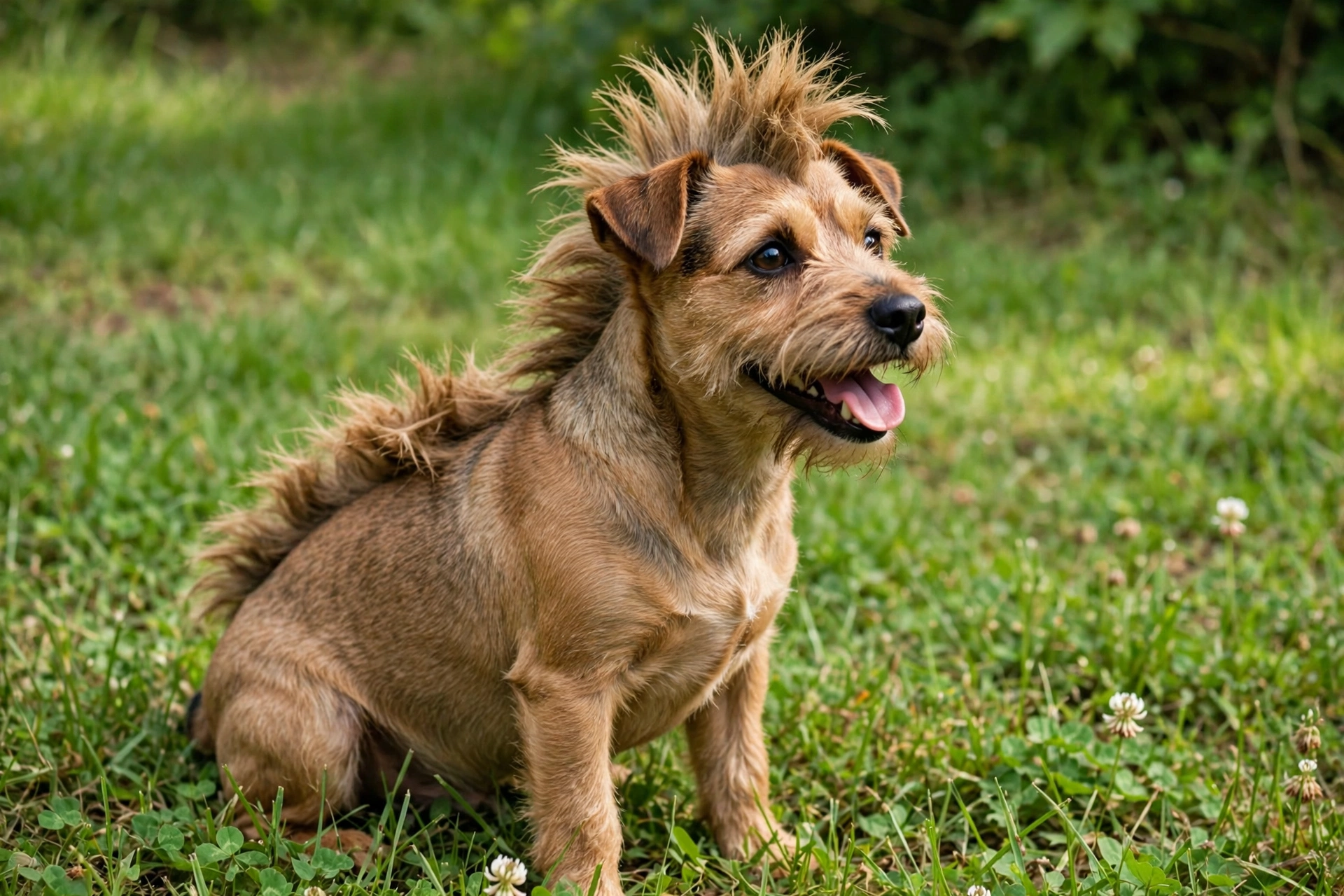
The mohawk cut keeps the body clipped short while leaving a strip of longer hair running along the spine. It is playful, eye-catching, and surprisingly practical — the short body is easy to maintain while the mohawk strip gives your dog tons of personality.
Terriers, Schnauzers, and other wiry or short-coated breeds can rock this style. You can even ask for the strip to be shaped or slightly colored with pet-safe dye for extra flair.
Helpful pick: DakPets Nail Clippers with Safety Guard — pair any bold haircut with neat, well-trimmed nails.
7. The Summer Cut

A summer cut is simply a short, even clip that keeps your dog cool when temperatures rise. It is not a shave — the coat stays long enough to protect the skin from sun — just short enough to dry fast and stay comfortable.
One important rule: skip this approach for double-coated breeds like Huskies and Golden Retrievers. Shaving or cutting their coat too short can damage the undercoat and actually make temperature regulation worse.
Helpful pick: Tuff Pupper Microfiber Towel — short summer coats dry fast, and a good towel speeds things up after a swim.
8. The Face-and-Feet Trim
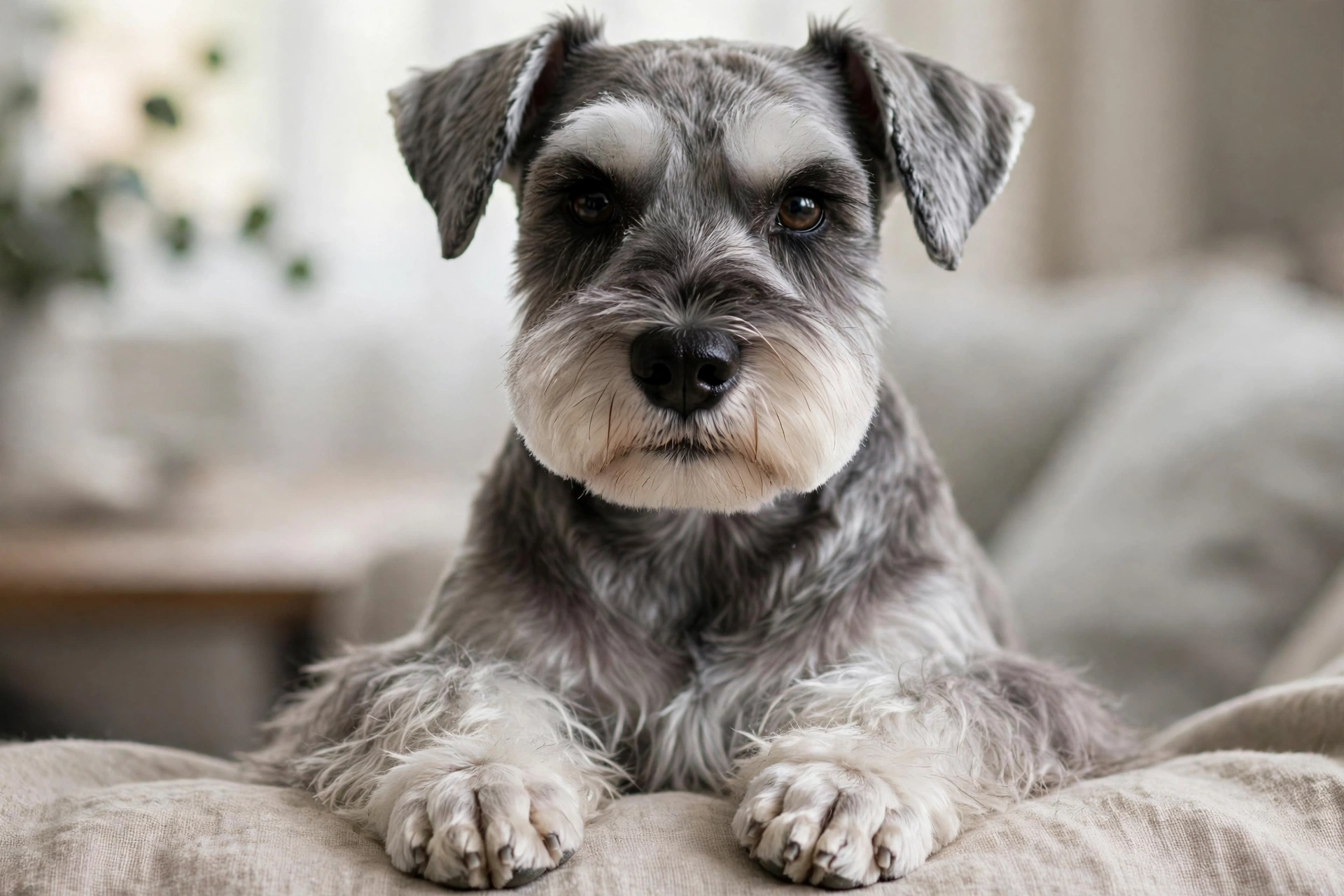
Not every dog needs a full haircut. The face-and-feet trim focuses on the details: neat edges around the eyes and muzzle, tidy ears, and clean paws. The rest of the coat stays its natural length. This is perfect between full grooming appointments or for breeds that just need tidying.
Schnauzers, Spaniels, and Setters benefit a lot from this trim since it keeps their expressive faces visible and their paws clean.
Helpful pick: Josmimic Adjustable Grooming Arm — helps keep your dog steady for careful face and paw trims at home.
9. The Sanitary Trim

The sanitary trim is all about hygiene. The groomer trims the fur around the belly, inner thighs, and rear so the coat stays clean and comfortable. It is quick, affordable, and recommended for almost every breed — even dogs that never need a full haircut.
Many groomers offer it as an add-on to a bath, and it is one of the easiest trims to request. Ask for it every visit if your dog has a thick or long coat.
Helpful pick: Wag Dog Training Treats — reward calm behavior to make every grooming visit easier.
10. The Topknot
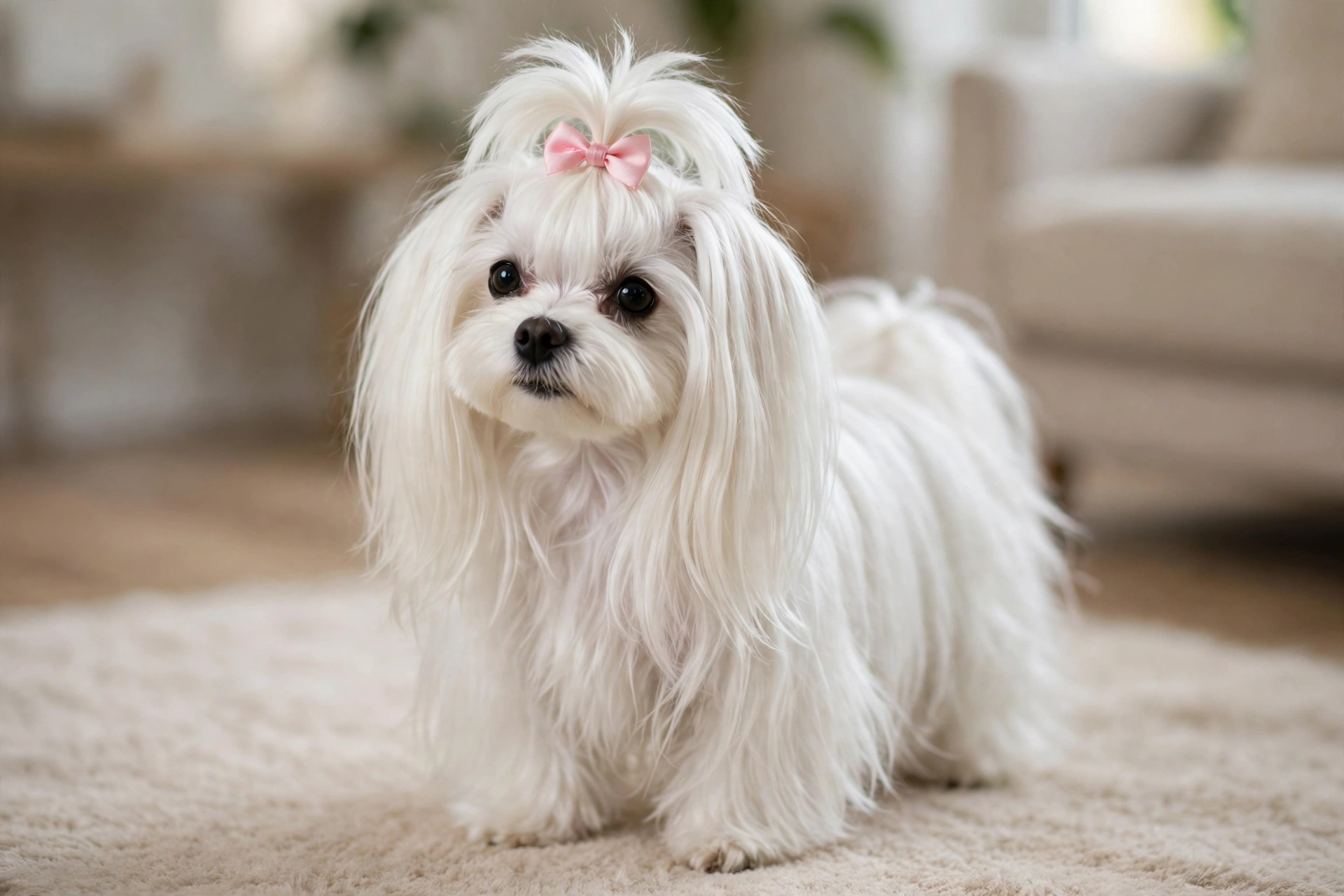
The topknot is the classic style for long-haired breeds like Maltese, Shih Tzus, and Yorkshire Terriers. The hair on top of the head is gathered and tied with a small band or bow, keeping it out of the eyes while the rest of the coat flows long.
Use coated bands made for dogs to avoid breakage.
Helpful pick: Natural Dog Company Paw Soother Stick — complete the pampered look with soft, conditioned paw pads.
How Often Should Your Dog Get a Haircut?
Grooming frequency depends on coat type. Use these guidelines as a starting point:
| Coat Type | Suggested Frequency |
|---|---|
| Long-haired breeds | Every 4–6 weeks |
| Curly-coated breeds | Every 6–8 weeks |
| Double-coated breeds | Trimming only, every 3–4 months |
| Short-haired breeds | No haircut needed, just brushing |
Watch for signs your dog is overdue: matted or tangled fur, hair covering the eyes, dirt stuck in the coat, or overheating on warm days.
Keep Reading
- How to Bathe a Puppy: A Step-by-Step Guide
- DIY Dog Bath Ideas
- How to Clean Your Dog’s Teeth at Home
- 12 Dog Grooming Tips Every Pet Parent Should Know
- Teddy Bear Dog Haircut Ideas: The Ultimate Guide
Frequently Asked Questions
What is the most popular dog haircut?
The teddy bear cut is one of the most popular dog haircut styles, especially for Poodles, Doodles, and Bichon Frises. The puppy cut is a close second because of its simplicity and easy maintenance.
Should I shave my double-coated dog in summer?
No. Shaving a double-coated breed like a Husky or Golden Retriever can damage the coat and disrupt natural temperature regulation. Ask for a deshedding trim instead.
Can I cut my dog’s hair at home?
Yes, with the right tools and patience. Simple trims like face-and-feet tidying are beginner-friendly, but complex shaping such as the continental cut is best left to a professional groomer.
How do I know my dog needs a haircut?
Common signs include matted fur, hair covering the eyes, debris stuck in the coat, and your dog overheating on warm days.
How can I make haircuts less stressful for my dog?
Keep sessions short, use treats as rewards, and let your dog get used to the tools before you start. Regular brushing between visits also makes the experience calmer.
As an Amazon Associate, PetPostHub earns from qualifying purchases.


