
Do Cavalier King Charles Spaniels Smell? 7 Reasons & Fixes

So, do Cavaliers smell? The honest answer: a healthy, well-groomed Cavalier King Charles Spaniel should smell like almost nothing at all — maybe a faint, warm “dog” scent after a long walk. They are not known as a particularly smelly breed. But if your Cavalier has developed a noticeable odor, don’t ignore it. That smell is usually your dog’s way of telling you something needs attention.
In this guide, we’ll walk through the difference between normal dog scent and a real problem, the seven most common reasons Cavaliers get smelly, and exactly what to do about each one — so your spaniel can go back to smelling as sweet as they look.
Table of Contents
- 1. Normal Dog Scent vs. a Real Problem
- 2. Ears and Yeast: The Number-One Culprit
- 3. Skin and Coat Causes
- 4. Dental Odor: When the Mouth Is the Problem
- 5. Anal Glands: The Fishy Smell
- 6. Diet-Related Smell
- 7. A Grooming Routine That Keeps Your Cavalier Fresh
- Frequently Asked Questions
1. Normal Dog Scent vs. a Real Problem

Every dog has a scent. Cavaliers have a mild one — their silky, medium-length coat produces less oily sebum than heavy-coated or hound-type breeds, so they rarely develop that strong “doggy” smell on their own. A faint scent after outdoor play, a slightly musty coat when it’s been raining, or warm breath up close — all of that is normal.
A problem smell is different: it’s noticeable from across the room, doesn’t fade after a bath, or comes from one specific area — the ears, mouth, or rear. Sour, fishy, or yeasty odors usually point to an underlying issue, not just a dog who needs a wash.
Helpful pick: Earth Rated Pet Grooming Wipes — handy for quick freshen-ups between baths.
2. Ears and Yeast: The Number-One Culprit

If a Cavalier smells bad, start with the ears. Those long, feathered ears trap warmth and moisture against the ear canal, creating the perfect environment for yeast and bacteria. A yeasty ear infection smells sour or musty — sometimes described as smelling like old bread or corn chips — and it’s one of the most common medical causes of odor in this breed.
Watch for head shaking, ear scratching, redness, swelling, or dark waxy discharge. Cavaliers who swim or have allergies are more prone to flare-ups. Lift the ear flap and check for redness or buildup — and never poke anything deep into the canal.
A gentle enzymatic cleaner used as directed can help keep the outer ears fresh between vet visits. But if the smell is strong, discharge is heavy, or your dog seems painful, see your veterinarian — true infections need proper diagnosis, not just cleaning.
Helpful pick: Zymox Advanced Formula Otic Plus Enzymatic Ear Solution — an enzymatic ear care solution for routine ear freshness.
3. Skin and Coat Causes
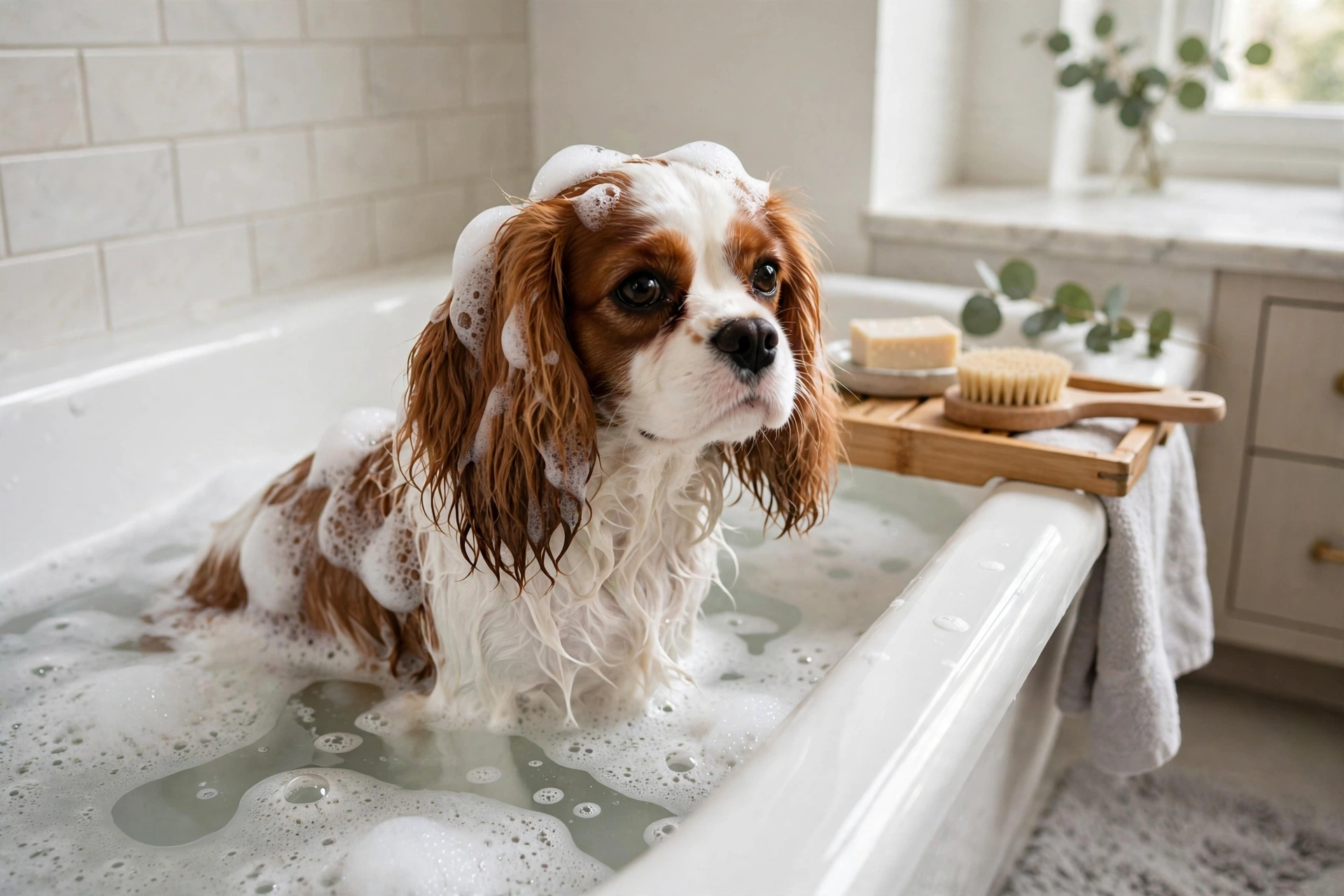
A Cavalier’s beautiful coat can hold onto smells. Dirt, pollen, and natural skin oils build up between baths, and a damp coat that isn’t dried properly can develop a mildewy odor. Beyond simple dirt, though, skin problems are a frequent hidden cause of bad smell. Allergies — very common in Cavaliers — can lead to itchy, inflamed skin where yeast and bacteria thrive, producing a greasy, sour smell even in a recently bathed dog.
Odor on the paws, belly, or skin folds often points to yeast on the skin; an all-over oily smell may signal seborrhea. Avoid over-bathing — stripping the coat’s natural oils can dry the skin and actually increase odor. Most Cavaliers do well with a bath every four to six weeks.
If odor returns right after bathing, or you see flaking, redness, hot spots, or constant scratching, talk to your vet — skin issues often need medical treatment alongside better grooming.
Helpful pick: earthbath Oatmeal & Aloe Dog Shampoo — a gentle oatmeal shampoo that cleans without stripping the coat.
4. Dental Odor: When the Mouth Is the Problem

Bad breath in a Cavalier is rarely “just dog breath.” This breed is prone to dental disease — tartar buildup, gum inflammation, and even loose teeth can develop surprisingly early. When bacteria collect along the gumline, they produce a foul, sometimes rotten odor that you’ll notice every time your dog yawns in your face.
Lift your Cavalier’s lips: healthy gums are pink, not red or bleeding, and teeth shouldn’t be coated in thick tartar. A sudden breath change can also mean something stuck in the teeth — or, rarely, a digestive or kidney issue worth discussing with your vet.
Brushing a few times a week with dog-safe toothpaste is ideal, and dental chews can support cleaner teeth between brushings. If breath is truly foul, gums bleed, or your dog avoids hard food, book a dental checkup — professional cleaning is sometimes the only real fix.
Helpful pick: Greenies Teenie Dental Dog Treats — vet-recommended chewy treats sized for small dogs that help fight plaque and freshen breath.
5. Anal Glands: The Fishy Smell
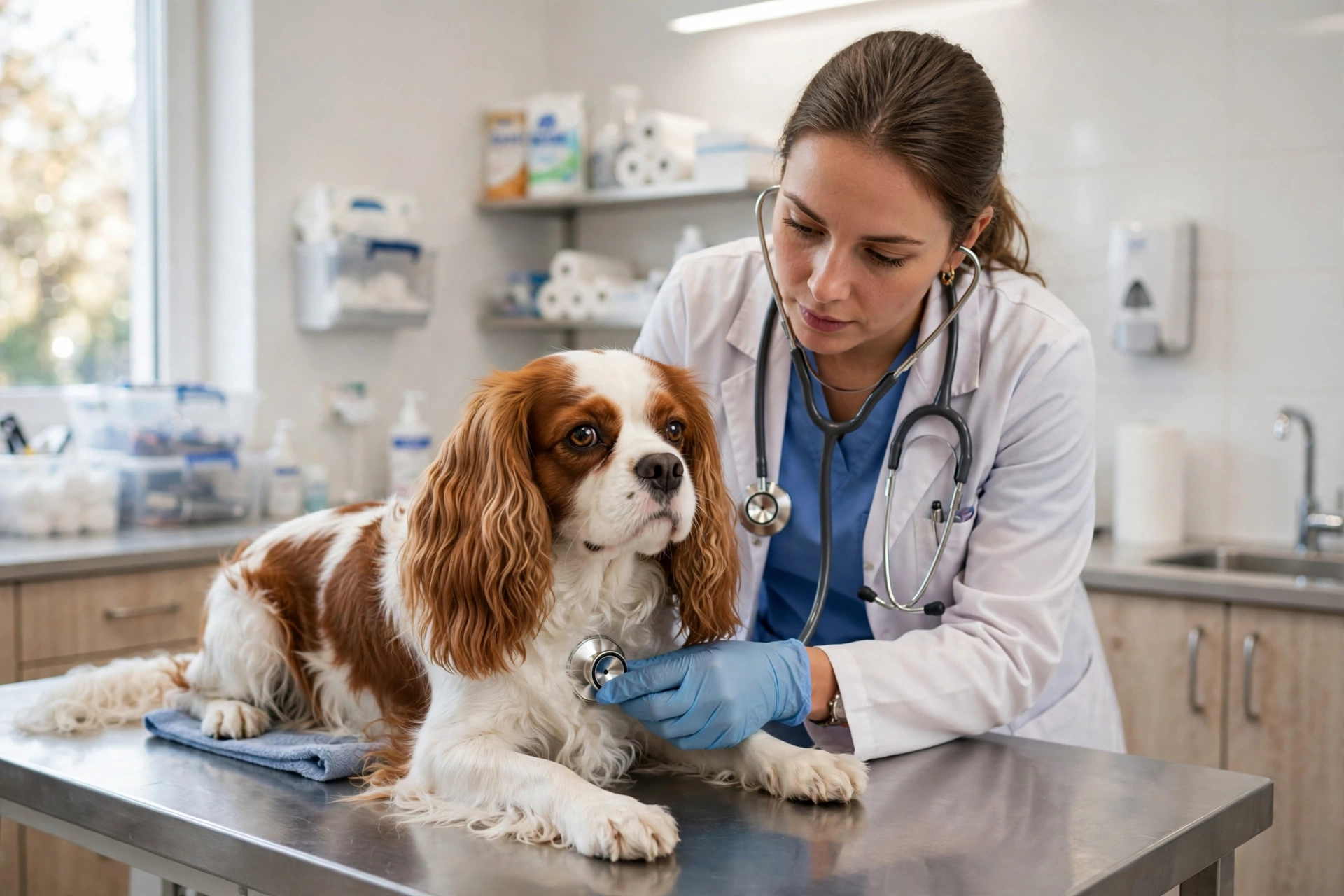
If you’ve ever caught a whiff of something fishy around your Cavalier, the anal glands are the likely source. These two small sacs sit on either side of the rectum and normally empty during bowel movements. When they don’t empty fully, the trapped secretion smells strongly — distinctly fishy — and can leak onto bedding or furniture.
Classic signs: scooting, excessive licking of the back end, or a sudden fishy odor. Some dogs need regular gland expression by a vet or groomer; others never have trouble. Firm stools help the glands empty naturally, so chronic soft stools can contribute to the problem.
Fiber supplements with pumpkin can support healthy anal gland function and firmer stools. Never express the glands yourself without proper instruction — bad technique can injure. If your dog seems uncomfortable or the area looks swollen or red, see your vet promptly.
Helpful pick: Vetnique Glandex Anal Gland Soft Chew Treats — fiber-based chews formulated to support healthy anal glands and digestion.
6. Diet-Related Smell

What goes in affects what comes out — and sometimes what radiates off the coat. A low-quality diet heavy in fillers can contribute to excessive gas, loose stools, and even a duller, smellier coat. Cavaliers with food sensitivities may develop itchy skin and ear flare-ups that add their own odors to the mix, making diet a quiet but powerful smell factor.
Constant foul-smelling gas isn’t normal and often signals the current food isn’t agreeing with your dog — same for chronically soft stools. A diet built around quality protein, without artificial colors or fillers, means less gas, firmer stools, and a healthier coat.
Omega-3 fish oil is a popular addition for supporting skin and coat health, which can reduce that oily, musty coat smell over time. Change foods gradually over a week or more, and see your vet if digestive symptoms persist.
Helpful pick: Zesty Paws Wild Alaskan Salmon Oil — an omega-rich supplement that supports healthy skin and a shiny coat.
7. A Grooming Routine That Keeps Your Cavalier Fresh
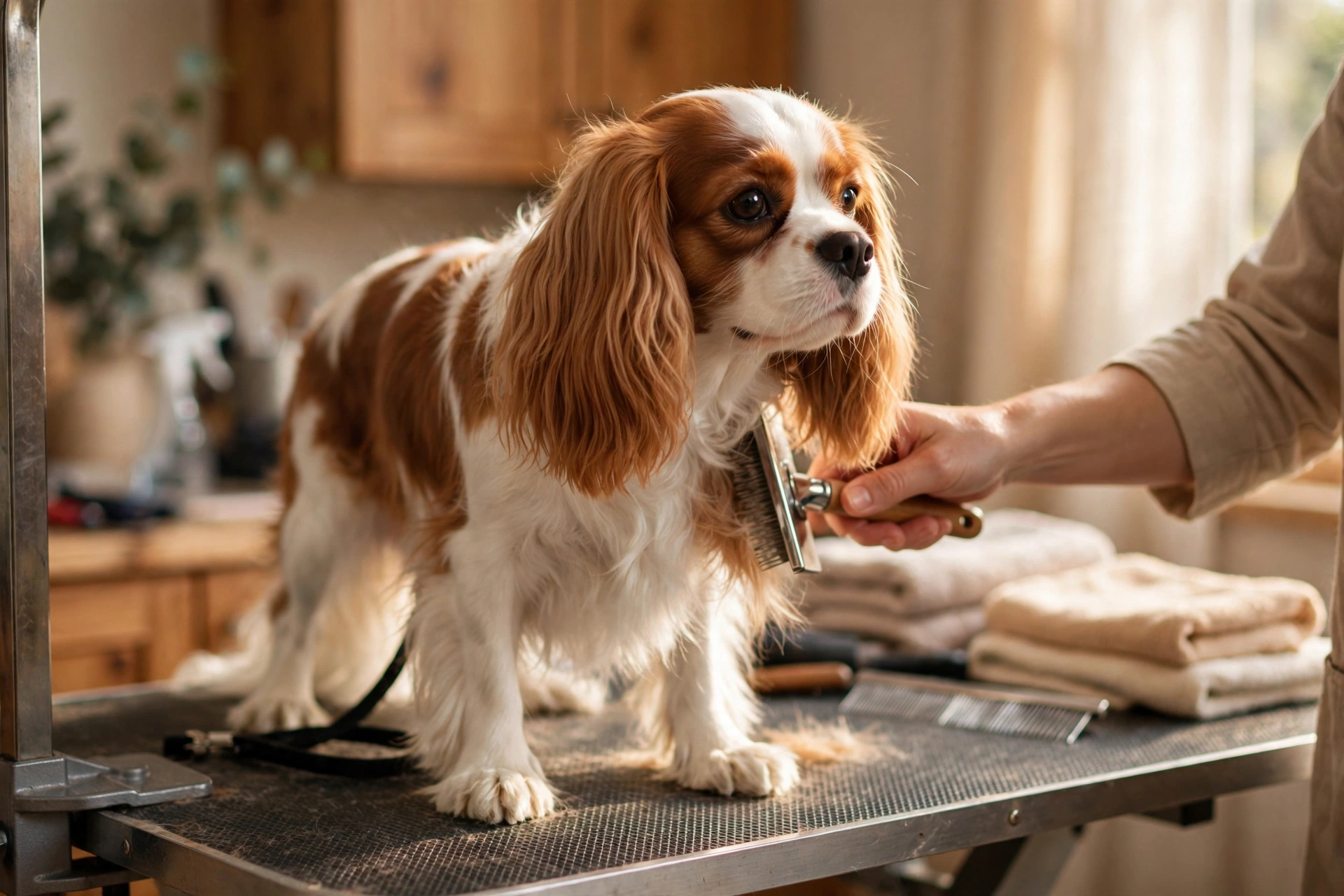
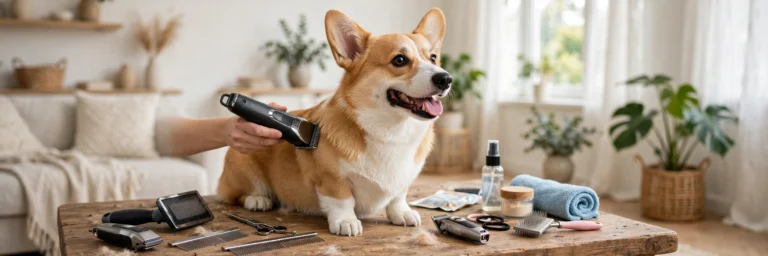
Once medical causes are ruled out, a consistent grooming routine is what keeps a Cavalier smelling sweet long-term. The good news: it doesn’t take much. Brush your Cavalier two to three times a week with a slicker brush or pin brush to remove loose hair, distribute natural oils, and prevent the mats that trap odor and moisture against the skin.
Bathe every four to six weeks with a gentle dog shampoo, drying the coat thoroughly afterward — including under those long ears. Wipe the ears’ outer folds weekly, clean around the eyes as needed, and use grooming wipes after muddy walks for day-to-day freshness.
Grooming is also an early-warning system: regular hands-on time means you’ll catch lumps, redness, or smell changes early. A Cavalier who is brushed and bathed on schedule rarely smells like anything at all.
Helpful pick: Hertzko Self-Cleaning Slicker Brush — a gentle slicker brush that makes regular coat maintenance quick and easy.
Frequently Asked Questions
Do Cavalier King Charles Spaniels smell more than other breeds?
No — Cavaliers are a low-odor breed. A noticeable smell usually means something specific is going on, like an ear infection, dental issue, or skin problem.
Why does my Cavalier smell even after a bath?
If odor returns within a day or two of bathing, the cause is probably medical — ear infection, skin yeast, dental disease, or anal glands. See your vet instead of bathing more often.
What does a Cavalier ear infection smell like?
Yeast smells sour or musty — sometimes like old bread or corn chips. Bacterial infections smell sharper. Either way, pair the smell with head shaking or dark discharge and get a vet check.
How often should I bathe my Cavalier to control odor?
Every four to six weeks for most Cavaliers. More frequent bathing can dry the skin and worsen odor — stick to brushing and grooming wipes between baths.
When should a smelly Cavalier see the vet?
See your vet if the odor is strong or sudden, comes from the ears, mouth, or rear, or comes with scratching, discharge, redness, or lethargy. Persistent odor is usually a symptom, not the problem itself.
Keep Reading
- Cavalier King Charles Spaniel Health Issues to Watch For
- A Haircut or a Shave for Your Cavalier King Charles Spaniel?
- When Do Cavaliers Get Their Full Coat?
- Why Do Cavaliers Lick So Much? 7 Reasons Explained
- Foods Dogs Can and Can’t Eat: The Complete List
As an Amazon Associate, PetPostHub earns from qualifying purchases.



One Comment