Understanding Yeast Infections in Dogs: Causes, Symptoms & Care (2026)
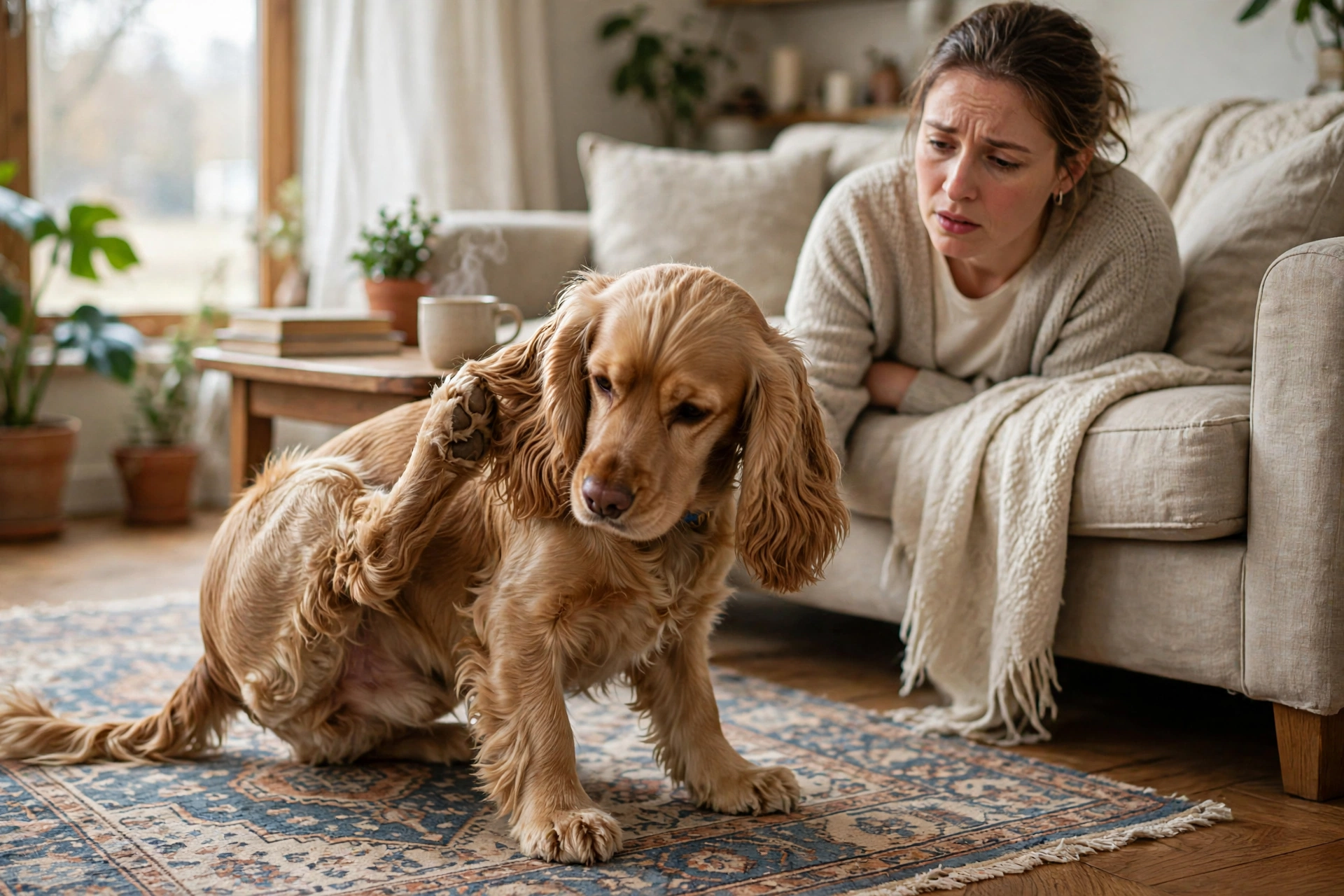
If your dog keeps scratching his ears or licking his paws until they look stained, you might be dealing with a yeast infection in dogs — one of the most common skin problems veterinarians see. These infections are uncomfortable, often smelly, and they tend to keep coming back unless you understand what is actually causing them.
The good news is that yeast infections are manageable once you know what to look for. This guide explains what they are, where they appear, the warning signs, the common reasons they develop, how your vet confirms the diagnosis, and what you can do at home to help prevent repeat flare-ups.
What Is a Yeast Infection in Dogs?
Every dog carries small amounts of yeast on his skin and inside his ears. The most common type is a fungus called Malassezia, which lives quietly on healthy dogs without causing any trouble. Problems begin when something tips the balance and lets the yeast multiply out of control.
Yeast loves warm, damp places: ear canals, the skin between the toes, and facial folds all stay warm and collect moisture. When the population explodes, the skin becomes irritated, itchy, and sometimes infected with bacteria as a secondary problem.
A yeast infection is rarely an emergency, but it is almost always a signal that something else is going on with your dog’s health. Recurring infections usually point to an underlying issue — such as allergies — that needs attention alongside the infection itself.
Where Yeast Infections Show Up
Yeast infections favor the same warm, moist areas every time, so knowing where to look helps you catch a flare-up early.
The Ears
The ear canal is the number one spot. It stays warm, gets very little airflow, and traps water after baths or swimming. Dogs with floppy ears — like Cocker Spaniels, Basset Hounds, and Labrador Retrievers — are especially prone because their ear flaps seal in heat and moisture.
The Paws
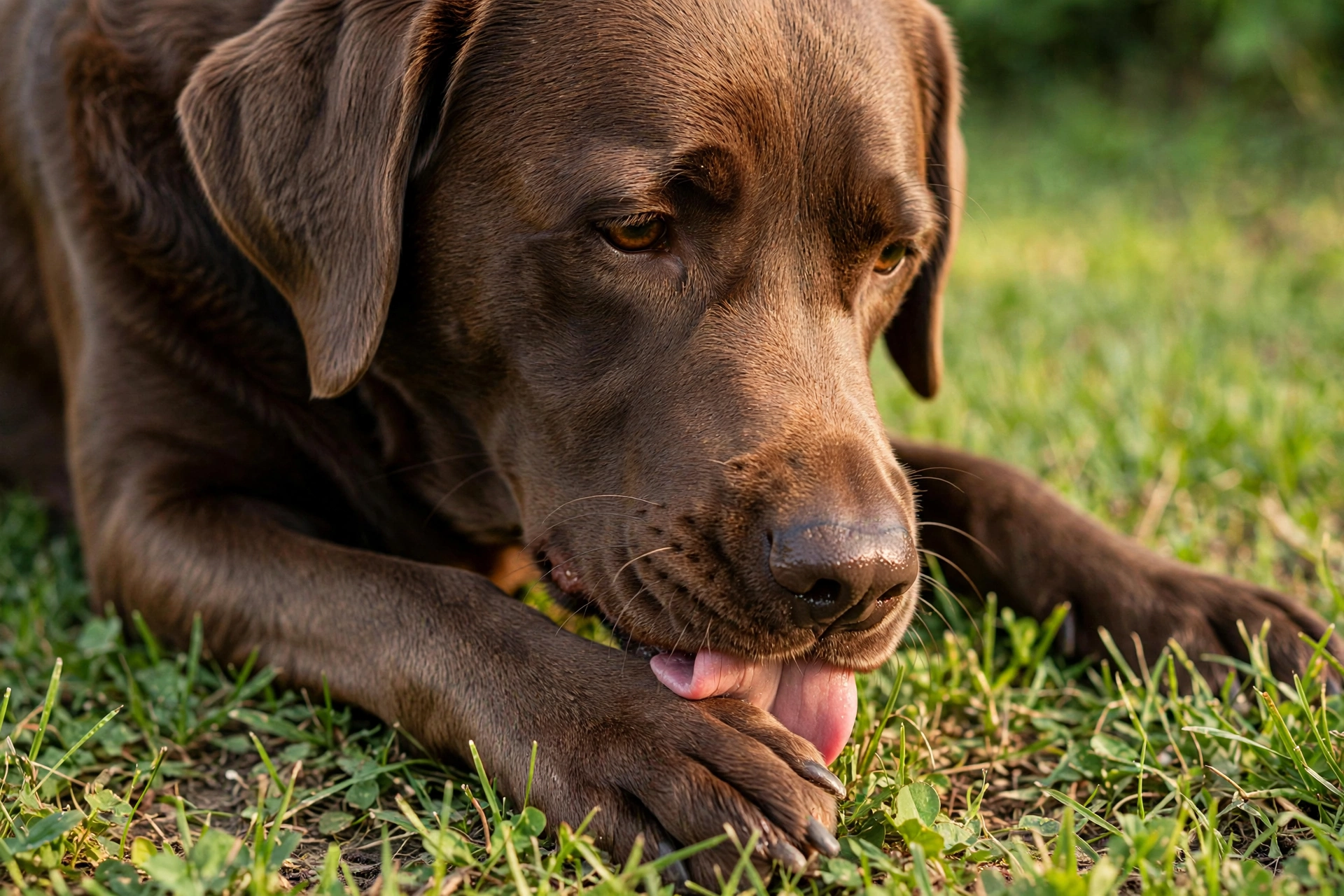
The skin between the toes stays damp from dew, rain, or simple sweat, and it picks up pollen and dust on walks. Dogs with yeasty paws often chew or lick their feet for long stretches, and the fur between the toes can turn a rusty brown color.
Skin Folds
Wrinkly breeds like Bulldogs, Pugs, and Shar-Peis trap sweat and moisture in their folds with almost no air circulation. Even dogs without deep wrinkles can develop yeast in the folds around the neck or at the base of the tail.
The Groin and Armpits
These areas stay warm against the body and tend to get sweaty, particularly in overweight dogs. Many owners do not notice a problem here until the skin is already red and irritated.
Symptoms to Watch For
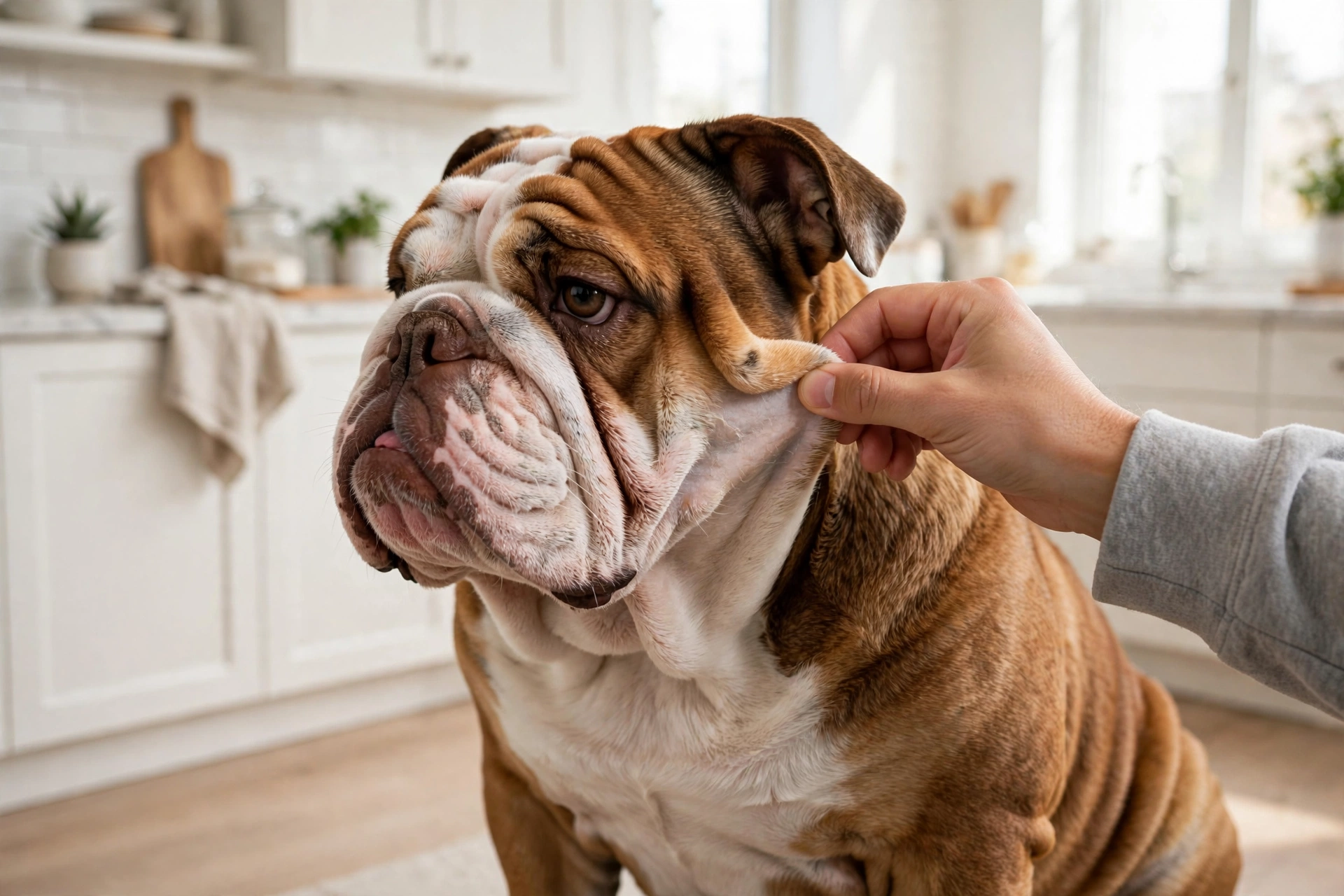
Spotting a yeast infection early usually means a shorter, simpler recovery. Here are the signs most owners notice first:
- Itching and scratching. Repeated scratching at the ears, face, or belly is often the first clue.
- A musty or sour odor. Yeasty skin often smells like old bread, stale beer, or corn chips. The smell coming from the paws is so familiar that many groomers call it “Frito feet.”
- Discolored skin or discharge. Ear infections may produce thick brown or waxy discharge. On the skin, look for pink or red patches, greasy-feeling fur, or brown staining between the toes.
- Hair loss and thickened skin. Infections that go on for weeks can cause the coat to thin and the skin to become thick and leathery.
- Head shaking or face rubbing. Dogs with ear yeast shake their heads often and may rub their faces along furniture or the carpet for relief.
If your dog is scratching until the skin bleeds, has swollen or painful ears, or becomes suddenly lethargic, see your veterinarian promptly rather than waiting to see if things improve.
Common Causes of Yeast Overgrowth
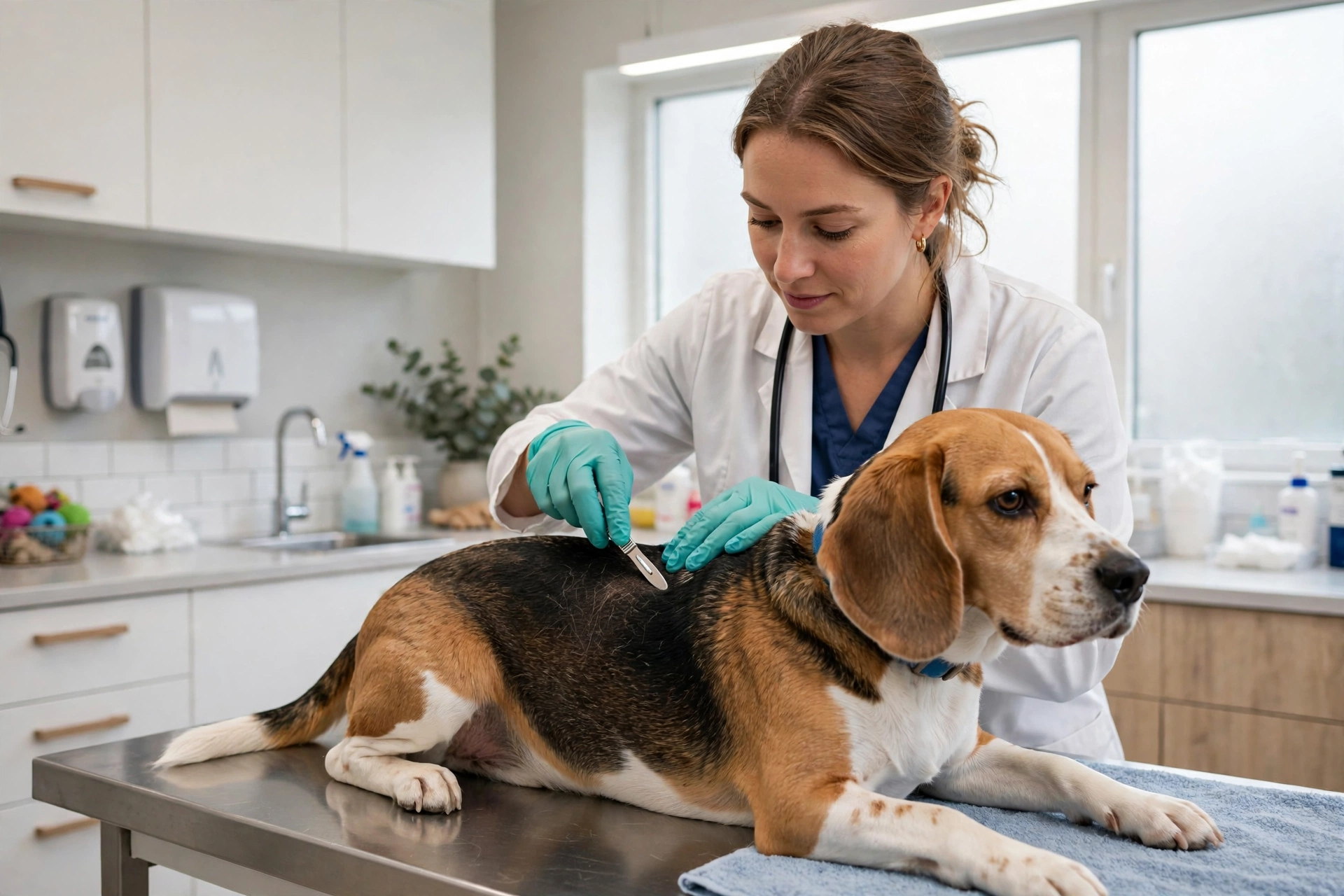
Yeast infections rarely happen for no reason. In most dogs, one or more of these triggers is behind the flare-up:
Allergies
Both food sensitivities and environmental allergies (pollen, grass, dust mites) inflame the skin and weaken its natural barrier, which gives yeast an opening to multiply. Dogs with seasonal allergies often get yeasty ears and paws right when their allergy signs peak.
Trapped Moisture
Dogs who swim often, get bathed without being dried fully, or live in humid climates are at higher risk. Yeast thrives when skin stays damp for long periods, especially inside ear canals and between the toes.
Recent Antibiotic Use
Antibiotics clear out harmful bacteria, but they can also reduce the helpful microbes that normally keep yeast in check. Some dogs develop a yeast flare-up during or shortly after a course of antibiotics.
Underlying Health Conditions
Conditions that affect the immune system — such as low thyroid function, Cushing’s disease, or diabetes — make it harder for a dog’s body to keep yeast under control. Older dogs can also be more susceptible as their immune response changes with age.
Chronic Scratching
Constant scratching damages the skin barrier with tiny micro-tears, which lets yeast and bacteria settle in deeper. Treating the itch and the underlying trigger matters as much as treating the yeast itself.
How Vets Diagnose Yeast Infections
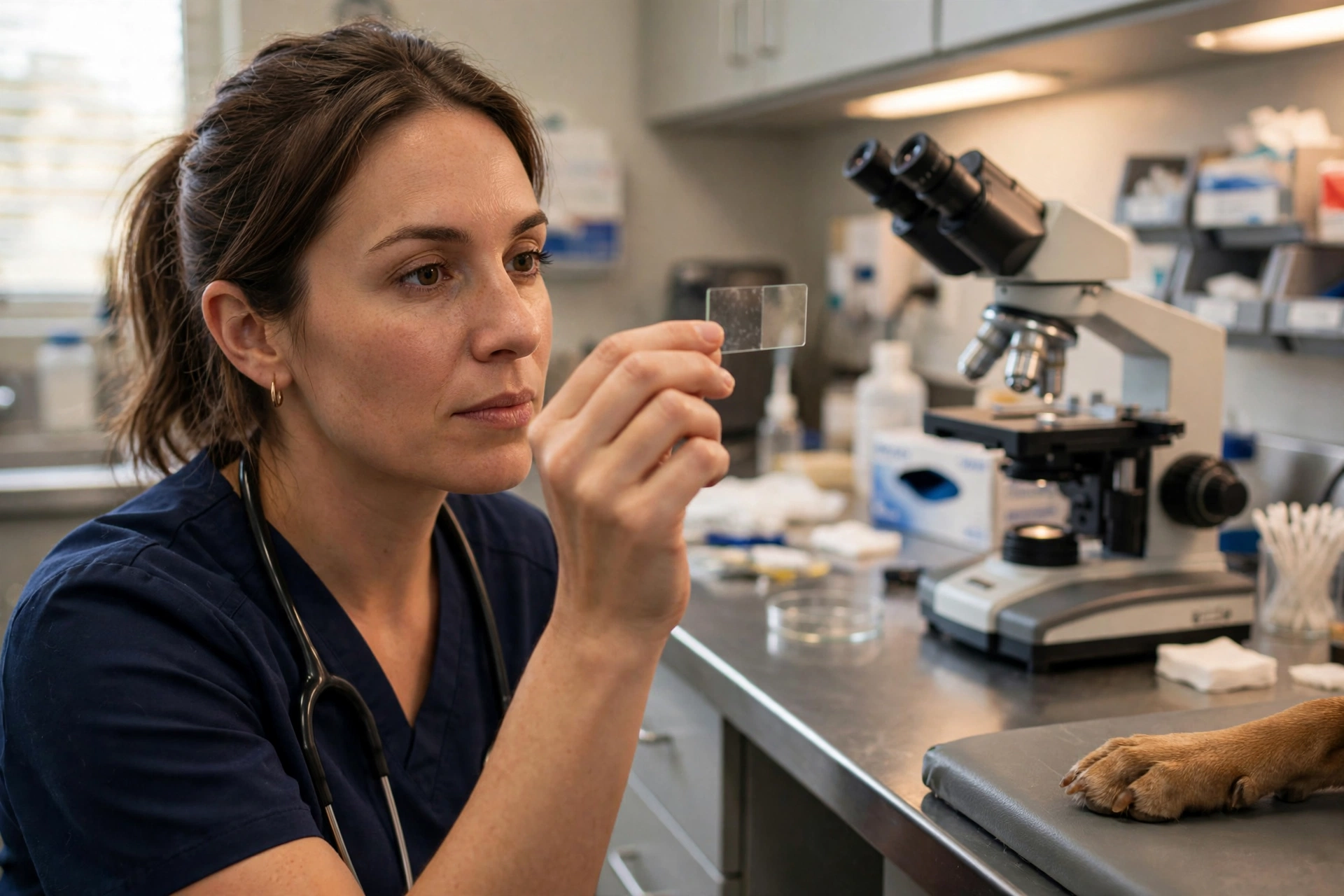
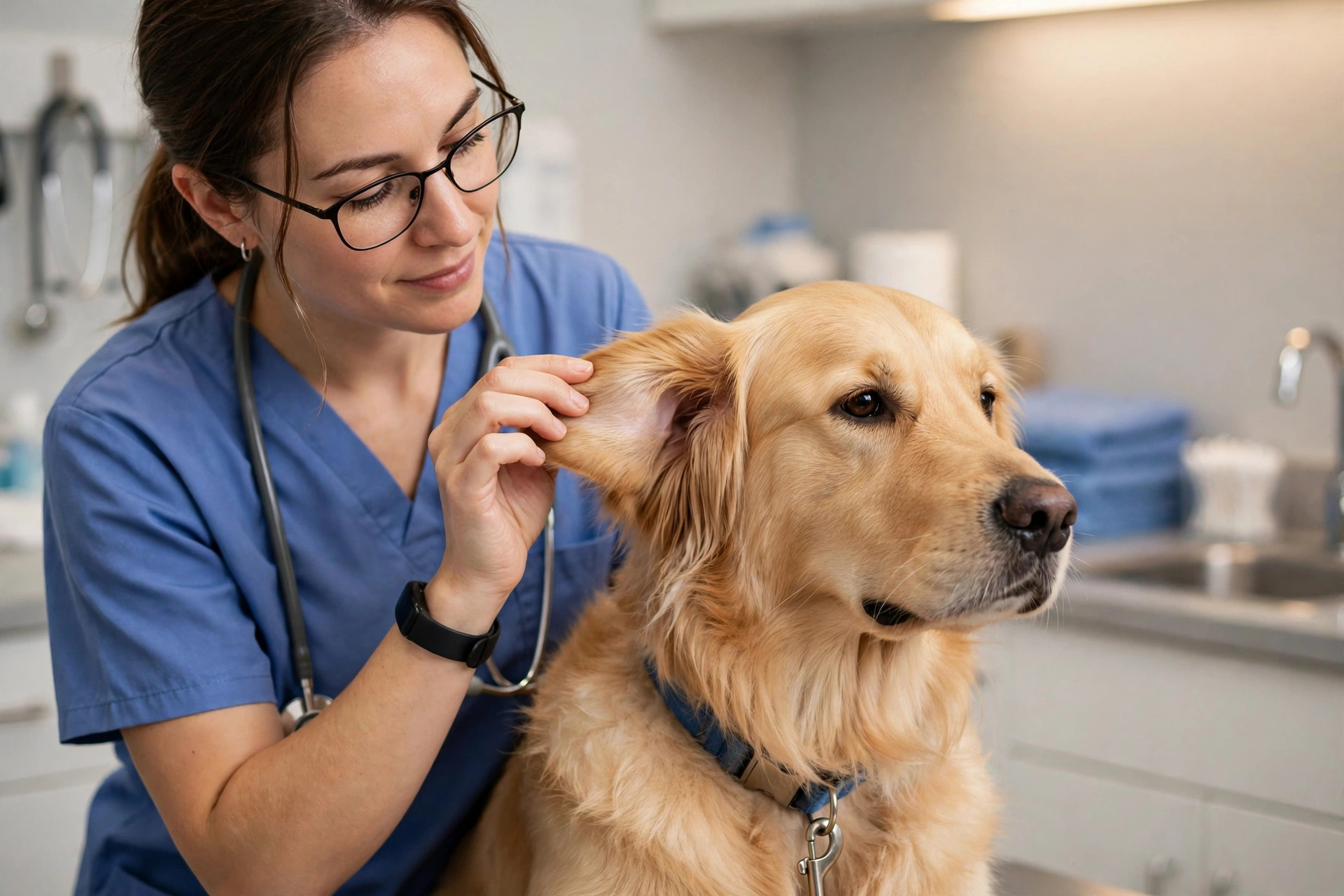
Your veterinarian will start with a physical exam, checking the ears, skin folds, paws, and any areas you are concerned about. To confirm yeast, the vet usually takes a quick sample for a microscope check:
- Ear swab cytology. A cotton swab collects material from the ear canal, which is stained and examined under the microscope — results are typically ready the same day.
- Tape preparation. Clear tape is pressed gently against affected skin, stained, and checked for yeast organisms.
- Skin scrape or culture. For stubborn or recurring cases, the vet may take a deeper sample or send a culture to the lab to identify exactly what is growing.
Getting a proper diagnosis matters because yeast infections can look like bacterial infections or mange, and each one needs different treatment. A quick in-clinic test keeps your dog from getting the wrong medication.
Preventing Yeast Infections at Home
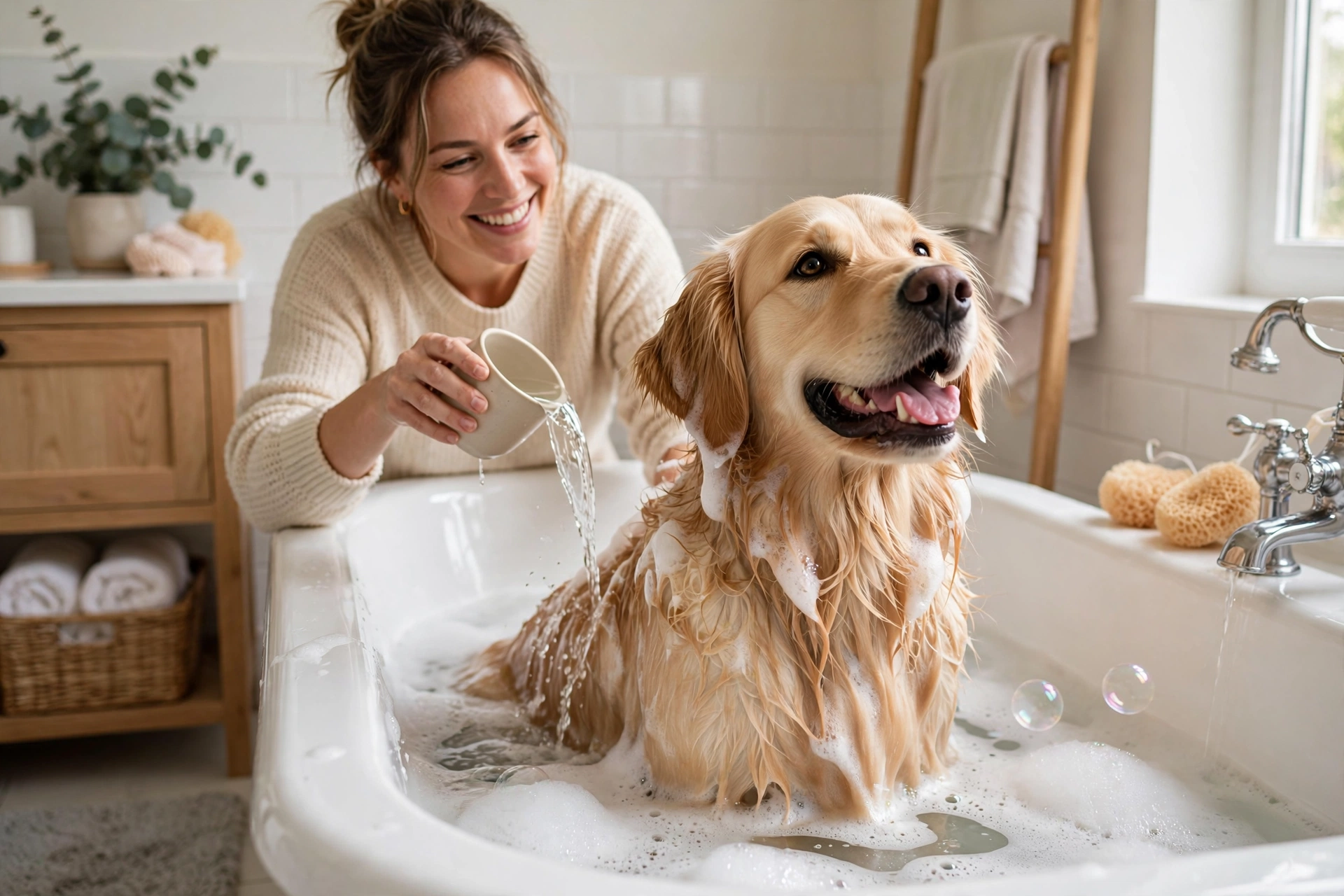
You cannot always stop a yeast infection, but a consistent routine can greatly reduce how often flare-ups return:
- Dry your dog thoroughly. After baths, swimming, or rainy walks, dry the ears (outer ear only), paws, and any skin folds completely. Moisture left behind is one of the biggest triggers.
- Clean the ears regularly. Ask your vet how often your dog’s ears should be cleaned and which type of ear cleaner is appropriate. Never push cotton swabs deep into the canal.
- Wipe paws after walks. A quick wipe removes pollen, dust, and moisture from between the toes before your dog starts licking.
- Manage allergies. If your dog has known food or environmental allergies, staying on top of the vet’s treatment plan supports healthier skin year-round.
- Keep folds clean and dry. For wrinkly breeds, gently clean and fully dry the folds regularly so sweat does not sit against the skin.
When to Call the Vet
Book a vet visit if the odor or discharge is strong, your dog is in clear discomfort, the ears look swollen or painful, symptoms spread to new areas, or home care has not helped within a few days. Recurring infections — three or more in a year — also deserve a full workup to find the cause.
Keep Reading
- DIY Dog Bath Setup Ideas
- Best Dog Ear Cleaners for Wax Buildup
- How to Bathe a Puppy
- 12 Dog Grooming Tips Every Pet Parent Should Know
- Homemade Dog Food Recipes
Frequently Asked Questions
Are yeast infections in dogs contagious to people or other pets?
Malassezia, the yeast most common on dogs, is a normal resident of canine skin and is not considered contagious to healthy people or other pets. Still, wash your hands after handling irritated skin and keep your dog’s bedding clean during a flare-up.
Can a yeast infection go away on its own?
Mild cases sometimes improve if the underlying trigger is removed, but most need veterinary treatment to fully resolve. Left alone, yeast infections tend to worsen and can invite secondary bacterial infections.
How long does it take for a dog yeast infection to clear up?
With proper treatment, mild ear or skin infections often improve noticeably within one to two weeks. More advanced or chronic cases can take several weeks, especially if an underlying allergy or health condition also needs managing.
Why does my dog keep getting yeast infections?
Recurrence almost always points to an unmanaged trigger — most often allergies, chronic moisture, or an immune-related condition. If your dog gets them repeatedly, ask your vet about allergy testing or a deeper health workup.
What foods should I avoid if my dog gets yeast infections?
There is no single diet that prevents yeast in every dog, but dogs with suspected food sensitivities often do better once the trigger ingredient is found through an elimination diet guided by a veterinarian.