DIY Pill Pockets for Dogs: Easy Homemade Recipe
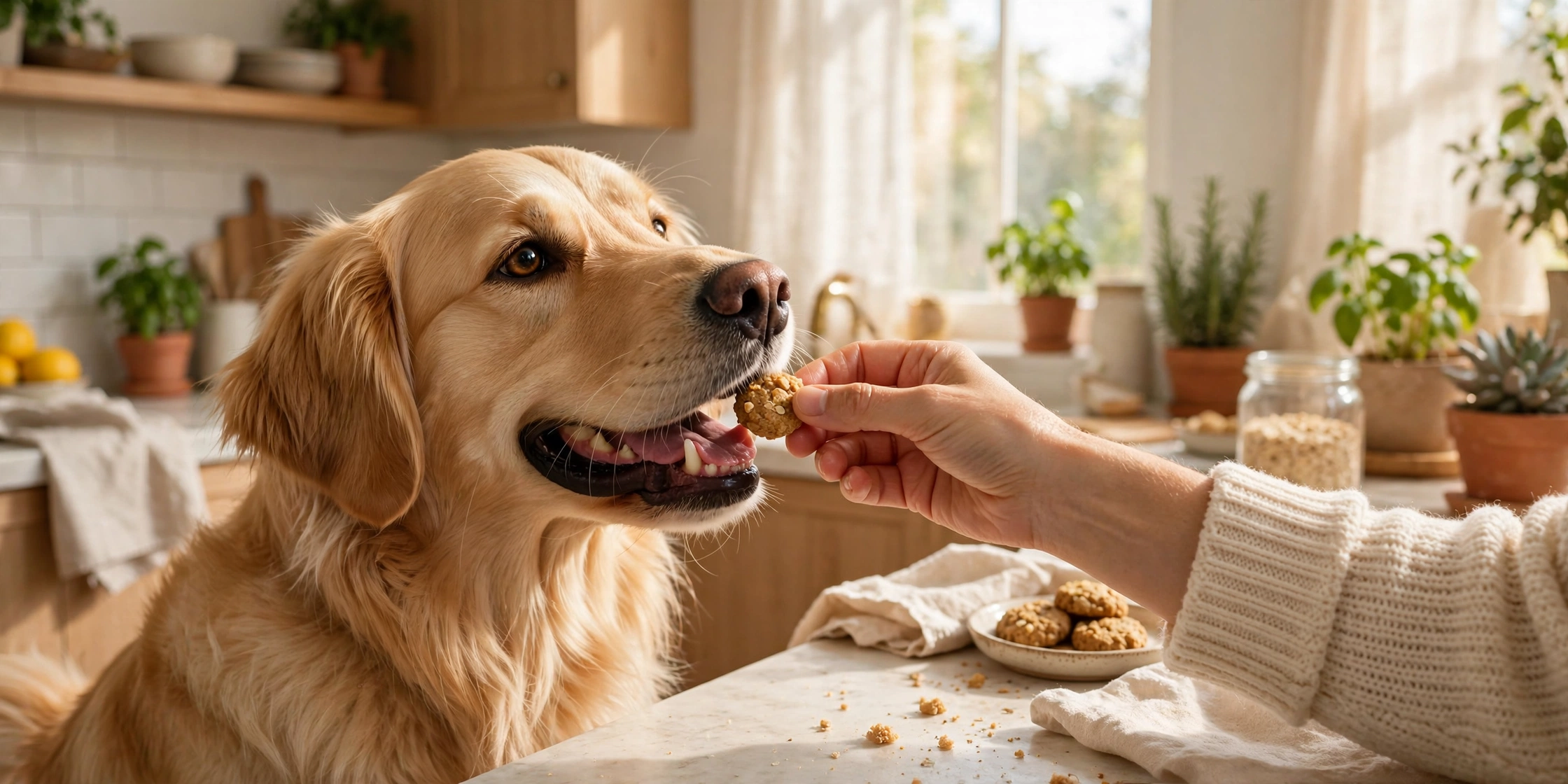
Giving your dog a pill can feel like a battle of wits. You wrap it in cheese, and your dog eats the cheese and spits out the pill. You hide it in a piece of hot dog, and somehow the pill ends up on the carpet five minutes later. Learning how to make DIY pill pockets for dogs at home solves this daily struggle for good.
These homemade pill pockets are soft, moldable, and made with just three simple dog-safe ingredients. They take about five minutes to mix up, cost a fraction of the store-bought version, and most dogs gobble them down without ever noticing the medicine hidden inside.
Why Homemade Pill Pockets Work So Well
Store-bought pill pockets work, but they are surprisingly expensive for what they are — essentially flavored dough with a long list of preservatives. A homemade version gives you full control over the ingredients, which matters if your dog has food sensitivities or you simply prefer to know exactly what goes into their treats.
The trick is texture. A good pill pocket dough needs to be soft and pliable like play-dough: firm enough to hold its shape around a pill, but soft enough to seal shut with a quick pinch. This recipe nails that texture with a simple combination of oat flour, peanut butter, and pumpkin puree.
Safety note: Always check your peanut butter label before you start. Make sure it does not contain xylitol (also listed as birch sugar), which is highly toxic to dogs. Choose a natural peanut butter made with just peanuts and salt. And if your dog takes medication that must be given on an empty stomach, ask your vet before hiding pills in food.
Homemade Pill Pockets Recipe

Ingredients
| Ingredient | Amount |
|---|---|
| Oat flour (store-bought or homemade from rolled oats) | 3 tablespoons |
| Creamy peanut butter (xylitol-free) | 1 tablespoon |
| Plain pumpkin puree (not pie filling) | 1 tablespoon |
Step-by-Step Instructions
Step 1: Make the oat flour
If you are starting with rolled oats, add them to a blender, coffee grinder, or small food processor and pulse until they turn into a fine, soft powder. Pre-ground oat flour from the store works just as well and saves a step.

Step 2: Mix the dough
In a small bowl, stir together the oat flour, peanut butter, and pumpkin puree with a spoon until a shaggy dough starts to come together. At first it may look a little crumbly — keep stirring and it will pull together.
Step 3: Knead it smooth
Tip the dough out into your hands and knead it for 30 seconds until it feels soft and pliable, like play-dough. If it cracks when you roll it, add a few drops of water. If it sticks to your fingers, dust in a pinch more oat flour.

Step 4: Shape the pockets
Pinch off a small piece of dough and roll it into a smooth ball between your palms. This recipe makes about 10 to 12 small pockets — make them larger or smaller depending on the size of the pill you need to hide.
Step 5: Hide the pill
Press your thumb (or the end of a chopstick) gently into the center of each ball to make a deep pocket. Drop the pill in, then pinch the dough closed over the top and roll it smooth again so there are no visible seams. A seamless pocket is much harder for a clever dog to unpack.

Step 6: Serve with confidence
Hand your dog the pill pocket like it is the most exciting treat in the world. Most dogs swallow it whole before they even realize there was a mission involved.
Storage Tips
Because these contain no artificial preservatives, proper storage keeps them soft and moldable.
Refrigerator (best option): Store the finished pill pockets in a small airtight container or zip-top bag in the fridge for up to 1 week. The cold can make them slightly firm — just hold one in your hand for 10 seconds before pilling time to warm it back up.
Freezer (bulk batch): These freeze beautifully for up to 3 months. Pull one out 5 to 10 minutes before medication time and let it thaw on the counter.
Feeding Guidelines
The “treat vs. tool” rule: These are made with healthy ingredients, but peanut butter is calorie-dense. Try to use pill pockets only for medication, not as everyday treats — you want your dog to associate that special smell with a high-value moment, so they never get suspicious when a pill is inside.
The 10% rule: Treats (including pill pockets) should make up no more than 10% of your dog’s daily calories. If your dog takes several pills a day, slightly reduce their dinner portion to account for the extra peanut butter.
Frequently Asked Questions
Can I use almond butter instead of peanut butter?
Yes, as long as it is xylitol-free. Almond butter works the same way in this recipe. Just double-check the label, since some nut butters sneak in sweeteners.
My dog eats the dough and spits out the pill. What now?
Try the two-pocket trick: give one empty pocket first, then immediately offer the loaded one while they are still swallowing. Most dogs gulp the second one down without inspecting it.
Can I make these with coconut flour instead of oat flour?
You can, but coconut flour absorbs much more moisture, so start with half the amount and add water a teaspoon at a time until the dough comes together.
How many pill pockets does this recipe make?
About 10 to 12 small pockets, depending on how large you roll them. Scale the batch up or down to match your dog’s pill size and how many doses you need per week.
Are homemade pill pockets safe for puppies?
The ingredients themselves are puppy-safe, but always confirm with your vet that your puppy’s specific medication can be given with food before hiding pills in treats.