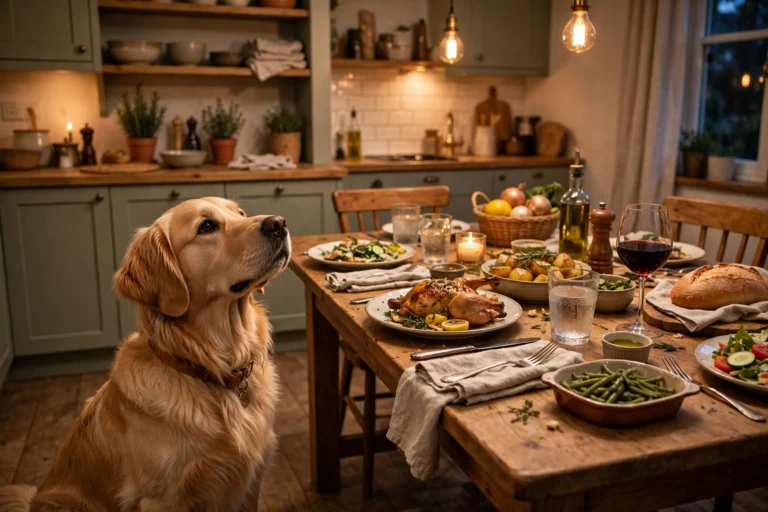
Dog Training Commands: 12 Every Dog Should Know (2026)

Learning the right dog training commands is the fastest way to turn a chaotic household into a calm one. Commands give your dog clear answers in confusing moments, keep them safe around traffic and hazards, and build a shared language that makes daily life easier. This guide walks you through the 12 commands every dog should know, the best order to teach them, and the small timing trick that makes training finally click.
Table of Contents
- Why Dog Training Commands Matter
- The Timing Secret: Reward Within Two Seconds
- 12 Dog Training Commands Every Dog Should Know
- 1. Sit
- 2. Stay
- 3. Come (Recall)
- 4. Down
- 5. Leave It
- 6. Heel
- 7. Off
- 8. Drop It
- 9. Place
- 10. Wait
- 11. Touch
- 12. Quiet
- Training Commands by Your Dog’s Age
- Keep Reading
- Frequently Asked Questions
Why Dog Training Commands Matter
Commands are far more than party tricks. A solid recall can stop your dog from bolting into the street, and “leave it” can prevent them from swallowing something dangerous on a walk. Beyond safety, commands reduce your dog’s stress. Dogs constantly look to us for direction, and a dog that understands what you are asking is a dog that relaxes. Every short training session also strengthens your bond, because you are building teamwork through clear, rewarding communication.
The Timing Secret: Reward Within Two Seconds
Here is the single most important training principle: reward your dog within two seconds of the behavior you want. Dogs live in the moment, so if you deliver the treat late, they may connect it to whatever they are doing at that instant, like sniffing the ground, instead of the sit you asked for. Quick rewards make the connection crystal clear. Short, upbeat sessions of five to ten minutes, repeated a few times a day, will always beat one long, exhausting lesson.
12 Dog Training Commands Every Dog Should Know
Teach these commands roughly in this order. Each one builds on the last, moving from the simplest foundation skills to the impulse control and household manners that make your dog a welcome companion anywhere.
1. Sit

Sit is the gateway command and the starting point for stay, down, and most tricks. Hold a treat near your dog’s nose, then lift it slowly over their head. As their eyes follow, their bottom naturally drops. Say “sit” the moment it happens, then reward. A reliable sit also solves one of the most common complaints: a dog cannot sit and jump on guests at the same time.
2. Stay

Stay turns a momentary pause into real impulse control. Ask for a sit, hold your palm out like a stop sign, and say “stay.” Take one step back, then return and reward before your dog can break. Add one second at a time over many sessions. If your dog keeps breaking, you moved too fast: drop back a level and rebuild. Gradually add distance and small distractions, and always use a clear release word so your dog knows when the job is done.
3. Come (Recall)

Recall can save your dog’s life, so train it like it matters. Start indoors, crouch down, and call your dog in your most exciting voice, rewarding every time with something better than regular treats. Never call your dog and then do something unpleasant like a bath, or you will teach them that coming to you leads to trouble. Practice with a long leash outside, and keep sessions short so “come” always feels like the best choice.
4. Down
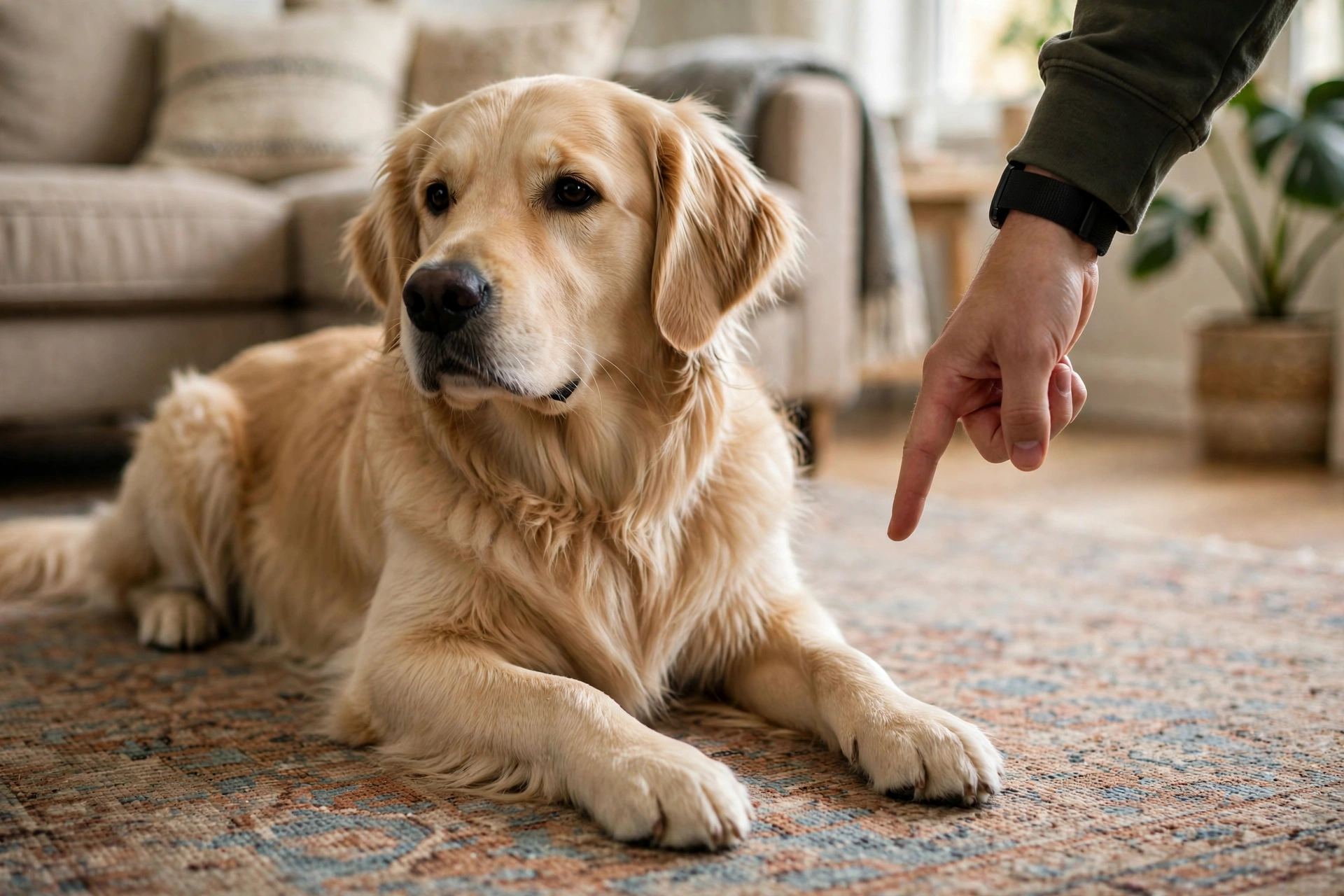
Down asks for more commitment than sit, so expect it to take longer. From a sit, lure your dog by moving a treat from their nose down to the floor and slightly forward. The instant their elbows touch the ground, say “down” and reward. Practice on soft surfaces like carpet at first.
5. Leave It

“Leave it” teaches your dog to ignore something tempting, protecting them from dropped food and worse on walks. Start with a boring treat in your closed fist. When your dog sniffs and backs away, say “leave it” and reward with a better treat from your other hand.
6. Heel

Heel turns chaotic walks into pleasant ones. Start in a quiet area, hold a treat at your left hip, and take a few steps. Every time your dog stays in position, say “heel” and reward. If they surge ahead, stop and reset instead of dragging them back, and build from a few steps to a full block.
7. Off
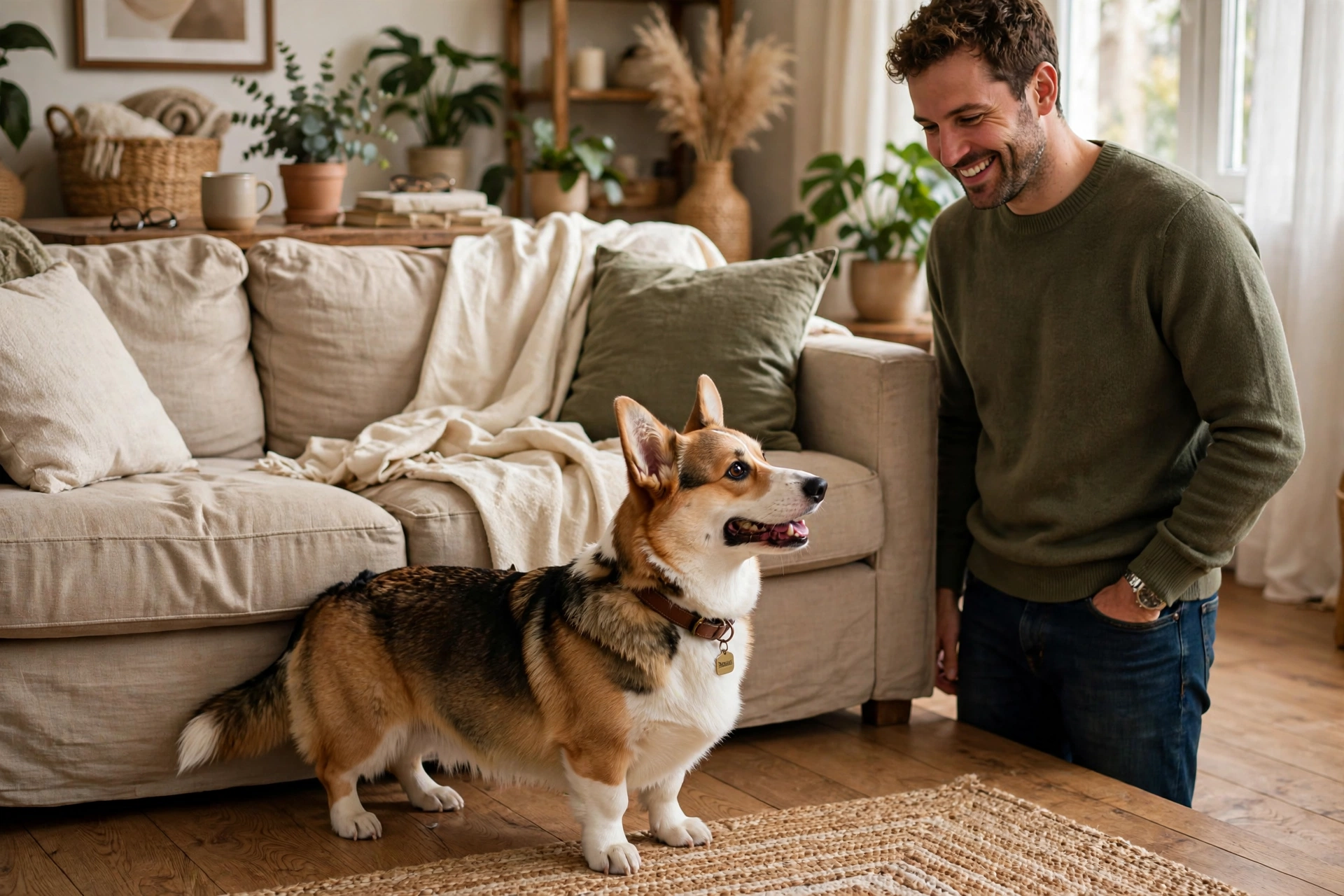
“Off” teaches your dog that all four paws belong on the floor. When your dog jumps up, calmly say “off” and lure them back down, rewarding the moment all paws touch the ground. Avoid pushing them off with your hands, since many dogs read that as play.
8. Drop It

“Drop it” gets things out of your dog’s mouth without a wrestling match. When your dog has a toy, offer a treat near their nose and say “drop it.” When they release it, reward, and sometimes give the toy right back so giving things up never means losing them forever.
9. Place

“Place” sends your dog to a mat or bed where they settle until released: a lifesaver when guests arrive or during meals. Toss a treat onto the mat and say “place” when your dog steps on it. Gradually ask for a sit or down on the mat before rewarding, then stretch the duration.
10. Wait

“Wait” is a short pause with a quick release, unlike a long stay. Use it at doorways, before meals, and when getting out of the car. Ask for a sit, say “wait,” then pause briefly before your release word. Start with two or three seconds and build slowly.
11. Touch

“Touch” teaches your dog to press their nose to your open palm: it redirects attention and makes leashing and vet handling easier. Present your palm a few inches from their nose. The moment they sniff it, say “touch” and reward.
12. Quiet

“Quiet” turns down excessive barking without shouting, which only adds to the noise. Wait for a brief pause in barking, say “quiet,” and reward the silence immediately. Over time your dog learns that silence, not barking, earns the payoff.
Training Commands by Your Dog’s Age
Puppies between 8 and 16 weeks are like sponges, but they tire quickly, so keep sessions to about five minutes and focus on name recognition, sit, and come. Make everything a game, and do not expect reliability in distracting environments yet. Adult dogs often learn faster than puppies because their focus is better developed. Start from the same basics with high-value treats, and keep sessions shorter and gentler for older dogs.
Keep Reading
- 15 Dog Training Tips That Work
- 17 Dog Body Language Signals Owners Miss
- How to Build an Indoor Dog Park
- Adorable Dog Photo Ideas to Try
- How to Build a DIY Dog Potty Area
Frequently Asked Questions
How many dog training commands should a dog know?
Most pet dogs do well with 8 to 12 core commands covering safety, manners, and daily routines. Quality matters more than quantity: a dog that reliably obeys 10 commands is far easier to live with than one that half-knows 30.
What is the first command to teach a dog?
Sit is the best first command because it is easy for most dogs to learn, teaches impulse control, and becomes the foundation for stay, down, and place.
How long does it take to teach a dog basic commands?
Most dogs learn the basics in four to eight weeks of consistent daily sessions, though reliability in distracting environments takes longer. Short sessions of five to ten minutes a few times a day work best.
Can you train an old dog new commands?
Yes. Adult and senior dogs often learn faster than puppies because they have better focus. Start with the basics, use high-value treats, and keep sessions gentle.
Why does my dog obey at home but not at the park?
Your dog has not proofed the command in new environments yet. Retrain each command in gradually more distracting places so it holds up anywhere.