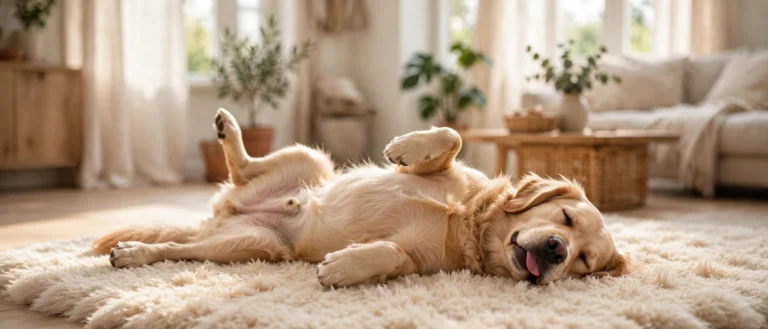
17 Dog Body Language Signals Every Owner Should Know

Your dog talks to you all day — just not with words. Every tail position, ear flick, and yawn is a sentence in dog body language, and learning to read it will change how you care for your pup. Most owners miss the quiet cues and only notice the loud ones, which is exactly how misunderstandings happen. Here are the 17 most important signals every owner should know, what each one really means, and how to respond.
Table of Contents
- 1. Tail Held High and Stiff
- 2. Low or Tucked Tail
- 3. Wagging Speed Changes
- 4. Whale Eye
- 5. Lip Licking With No Food Around
- 6. Excessive Yawning
- 7. Ears Pinned Back
- 8. Ears Pushed Forward
- 9. Showing Teeth
- 10. The Play Bow
- 11. Cowering Low to the Ground
- 12. Raised Hackles
- 13. The Freeze
- 14. Panting Without Heat
- 15. A Raised Paw
- 16. Turning the Head Away
- 17. Leaning In or Leaning Away
1. Tail Held High and Stiff

A tail carried high and rigid does not automatically mean happiness — it usually means your dog is highly aroused, on alert, and possibly feeling assertive or threatened. If the stiff tail comes with a forward-leaning stance and hard stare, tension is building: calmly create distance from whatever is triggering it instead of letting it escalate.
2. Low or Tucked Tail
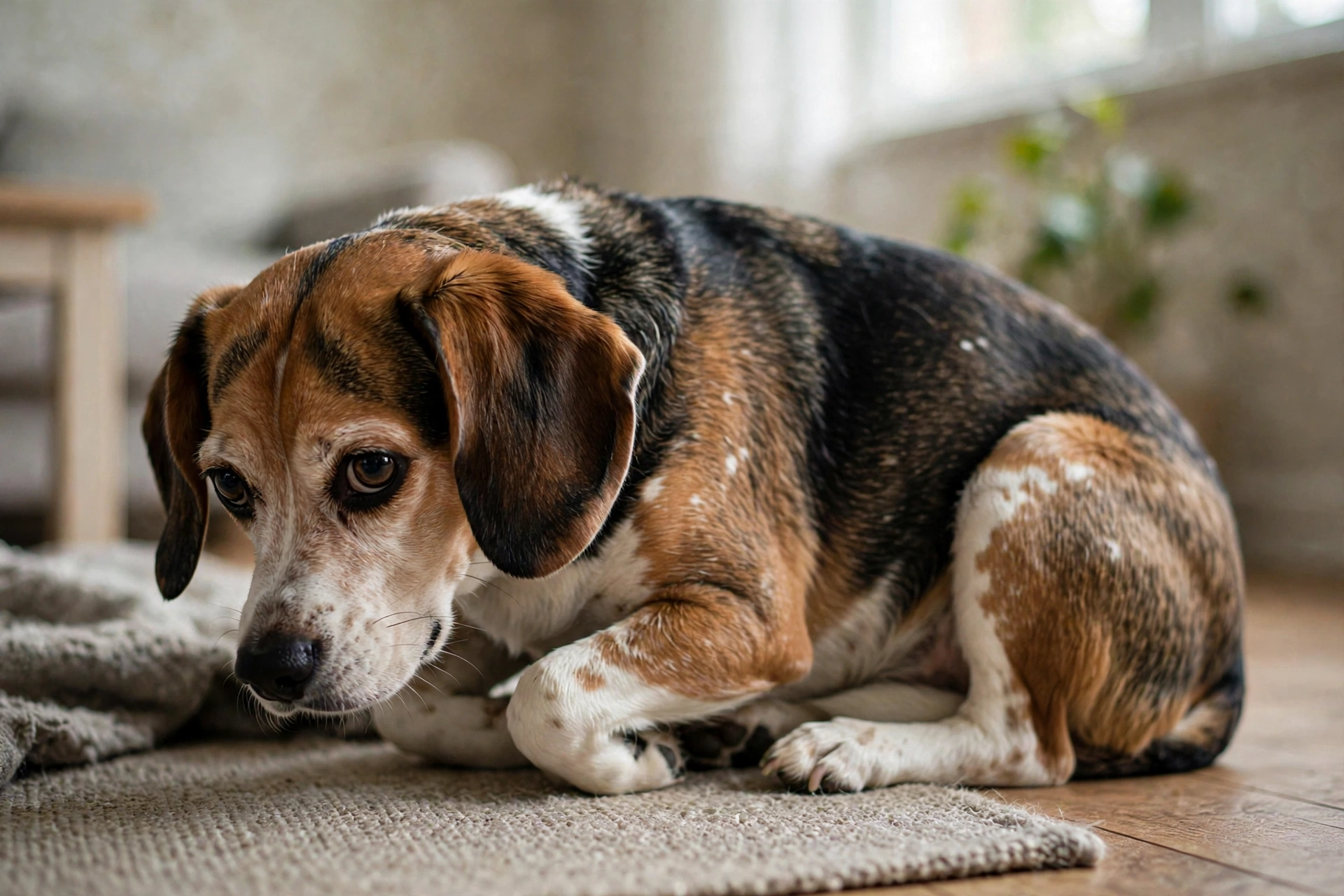
When a tail drops below neutral or disappears between the legs, your dog feels uneasy, scared, or submissive — you will see this at the vet, during storms, or when meeting strangers. Lower the pressure: speak softly, avoid towering over your dog, and let them move away. Never scold a fearful dog; calm reassurance and an escape route work far better.
3. Wagging Speed Changes
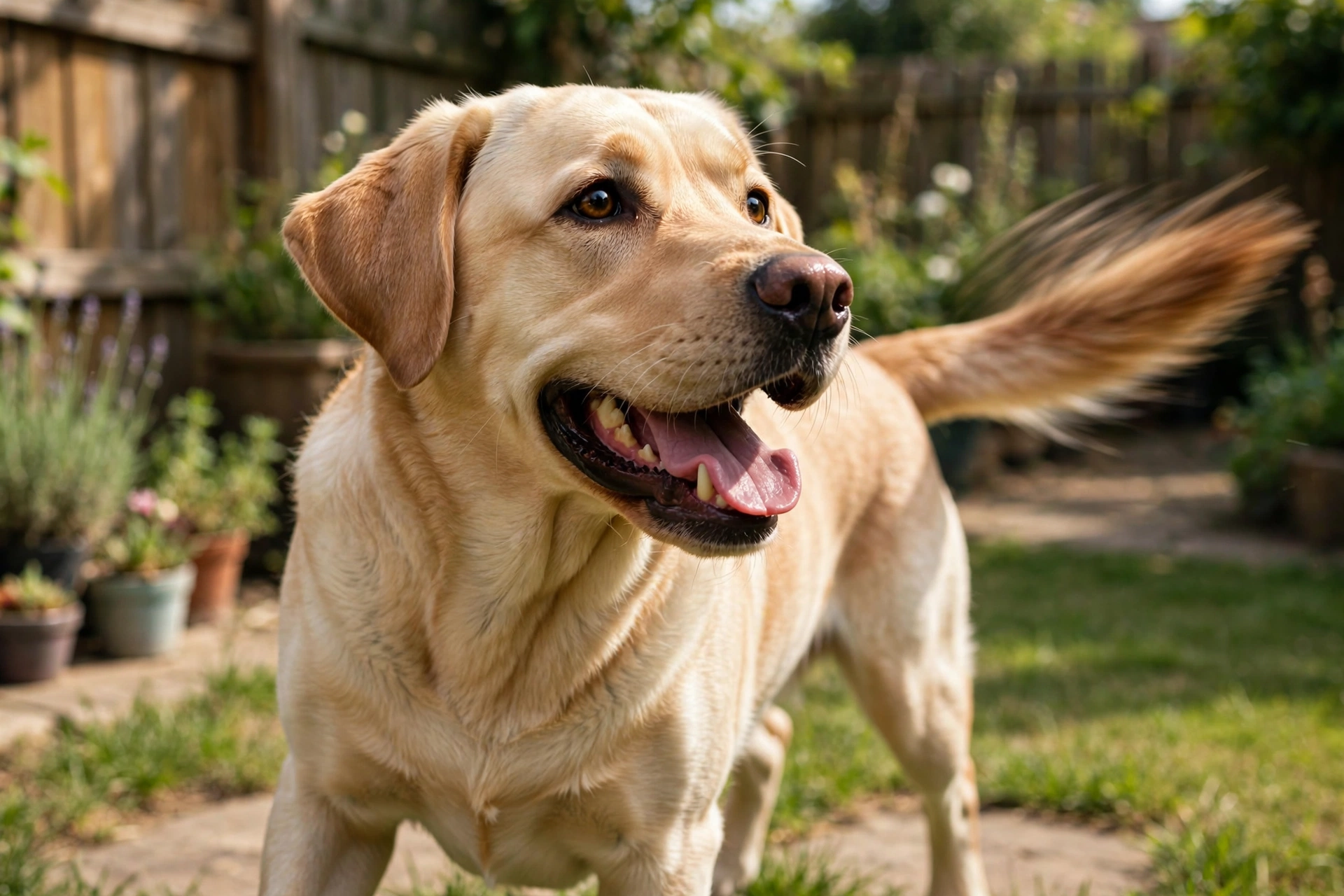
“A wagging tail means a happy dog” is one of the biggest myths in pet ownership. A slow, stiff wag often signals uncertainty or a dog weighing up a situation, while a loose, sweeping wag that moves the whole back end is the one that truly means a happy, relaxed greeting. A fast wag on a stiff dog is high arousal, not joy.
4. Whale Eye
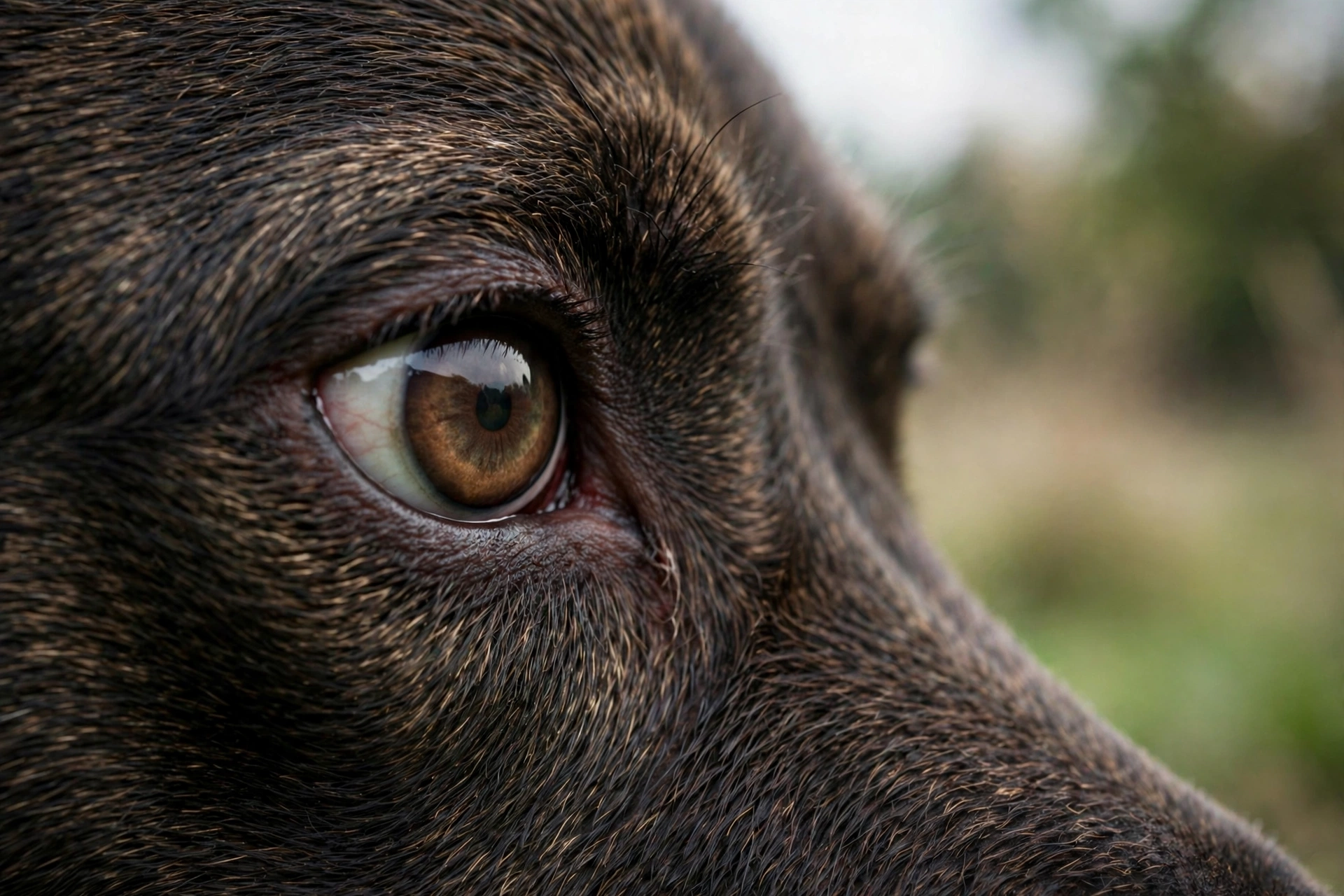
Whale eye is the crescent of white showing at the edge of your dog’s eye when they turn their head away but keep their gaze locked on something worrying — a stranger reaching in, someone near the food bowl, or handling they dislike. It is an early, polite warning — back off and give space. Dogs whose subtle signals are ignored learn to skip straight to growling.
5. Lip Licking With No Food Around
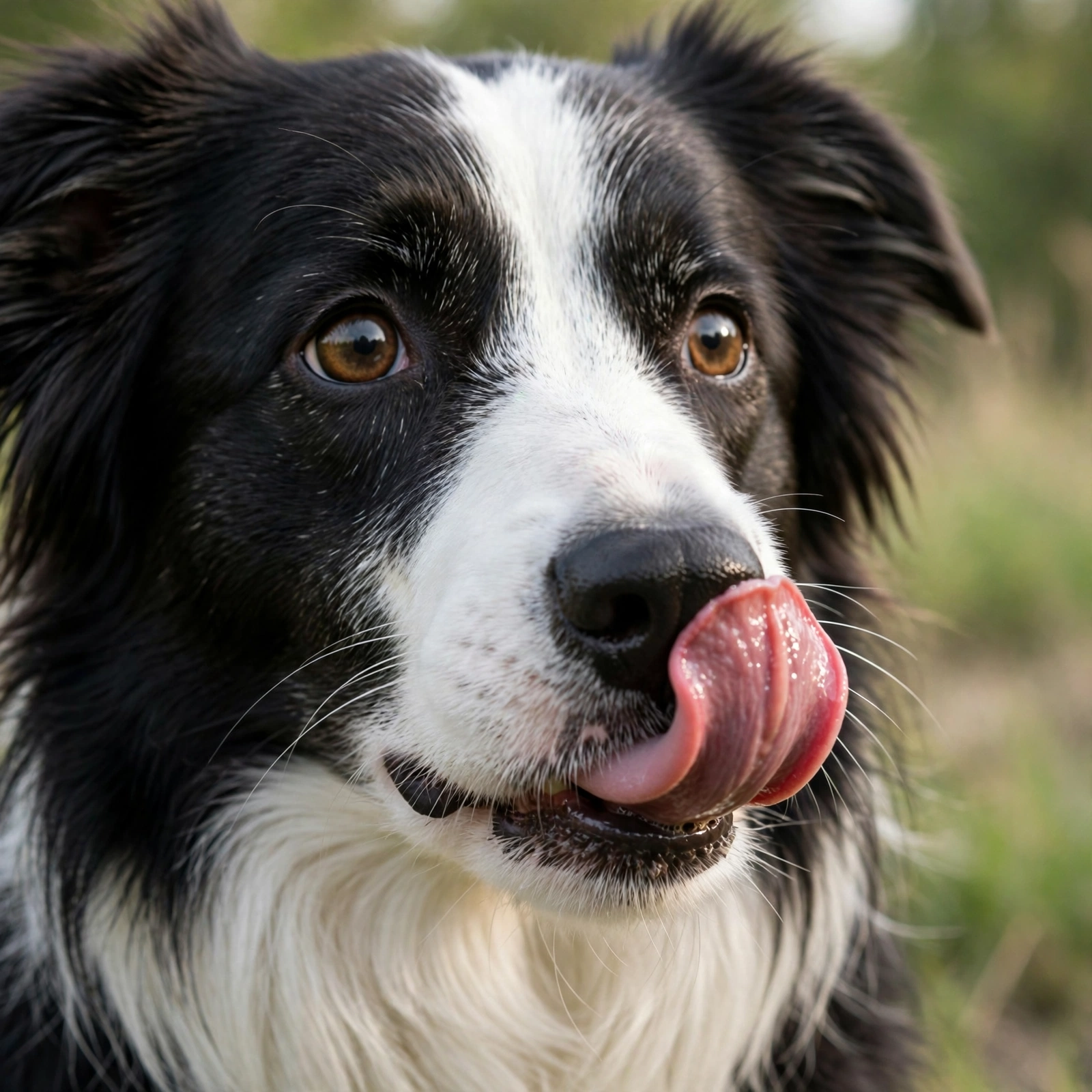
A quick, darting flick of the tongue over the lips — with no treat in sight — is a displacement behavior dogs use to cope with stress, very different from the slow lick after a meal. If your dog licks their lips every time you hug them, hugs feel uncomfortable to them. Switch to an ear scratch instead.
6. Excessive Yawning
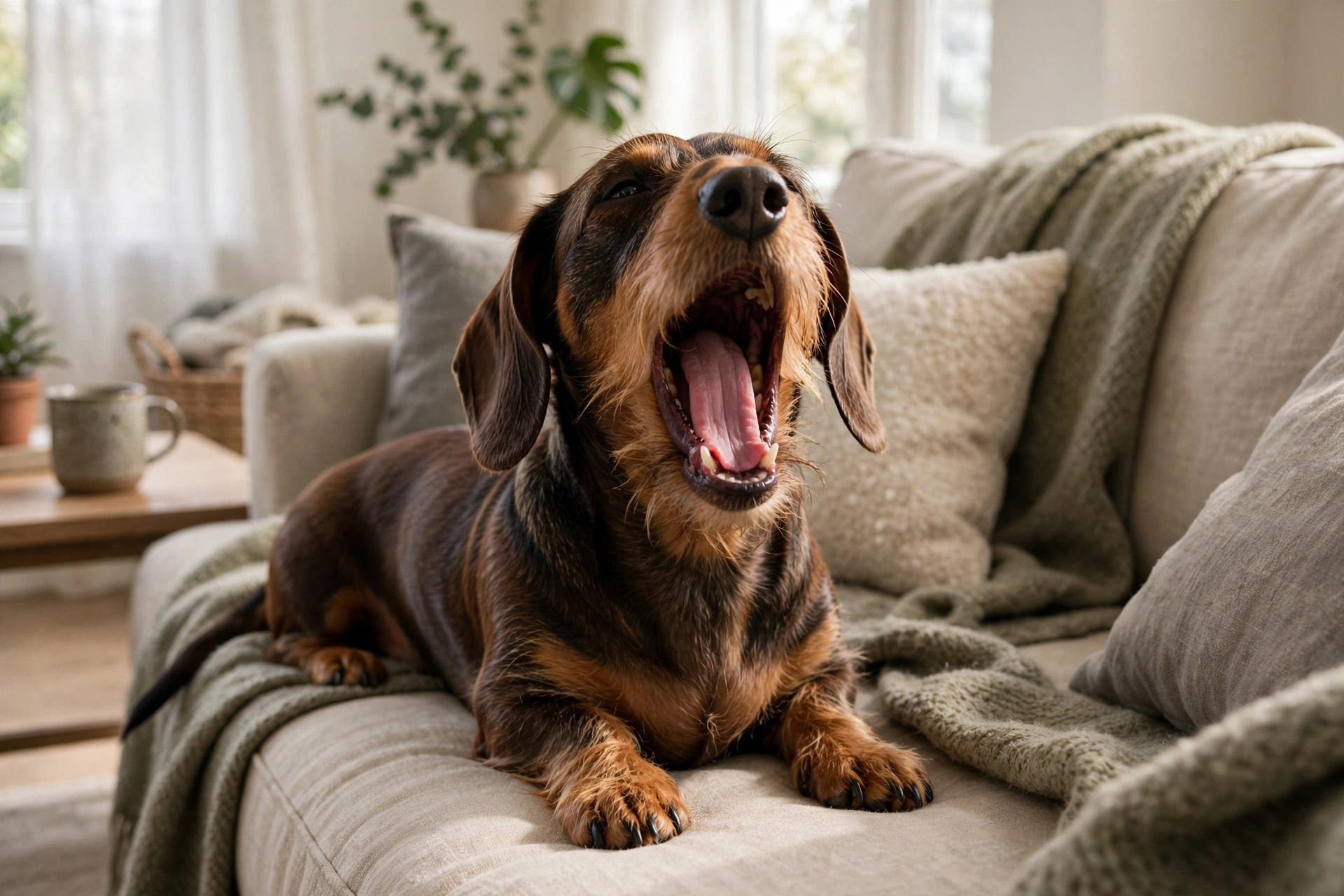
A yawn from a wide-awake dog is rarely about sleepiness. Stress yawns are bigger and more exaggerated than tired yawns, often paired with a shake-off — a self-soothing signal dogs use under pressure at the vet, in crowds, or during tense training. If your dog yawns repeatedly in training, the session is too long or too hard: take a break and end on a win.
7. Ears Pinned Back

Flattened ears are one of the clearest signs of fear, anxiety, or appeasement — your dog is trying to look smaller and less threatening, essentially saying, “Please don’t hurt me.” It often arrives with a tucked tail and lowered body. Dial down the intensity: avoid looming approaches, let your dog come to you, and give them time.
8. Ears Pushed Forward
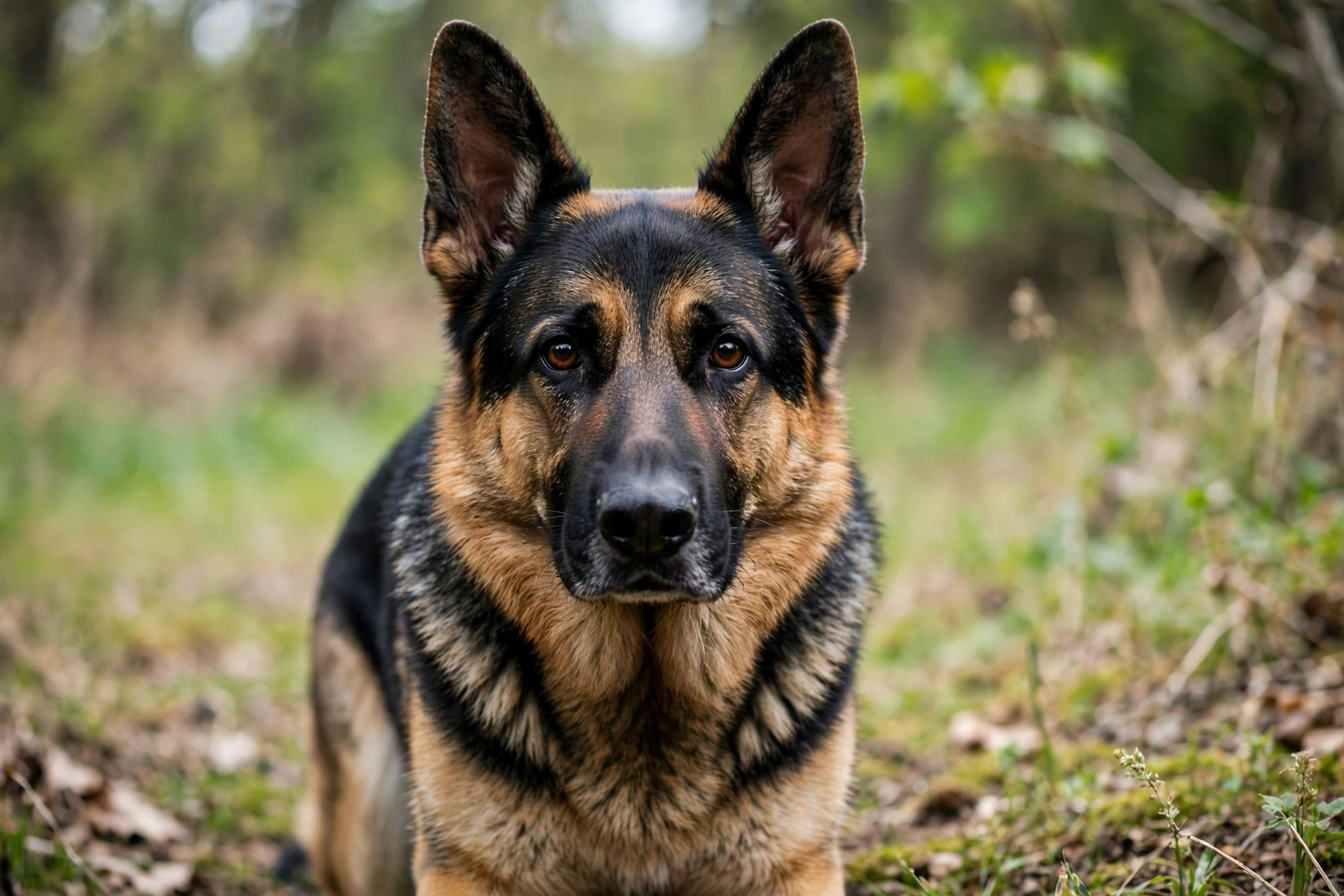
When your dog pushes their ears up and forward, they are locked in — alert, curious, and processing something interesting, like an unfamiliar sound or a training cue. Forward ears mean engagement, not relaxation. Notice what has their attention: in training it is the perfect moment to reward focus, and outdoors it is your early notice before they react.
9. Showing Teeth
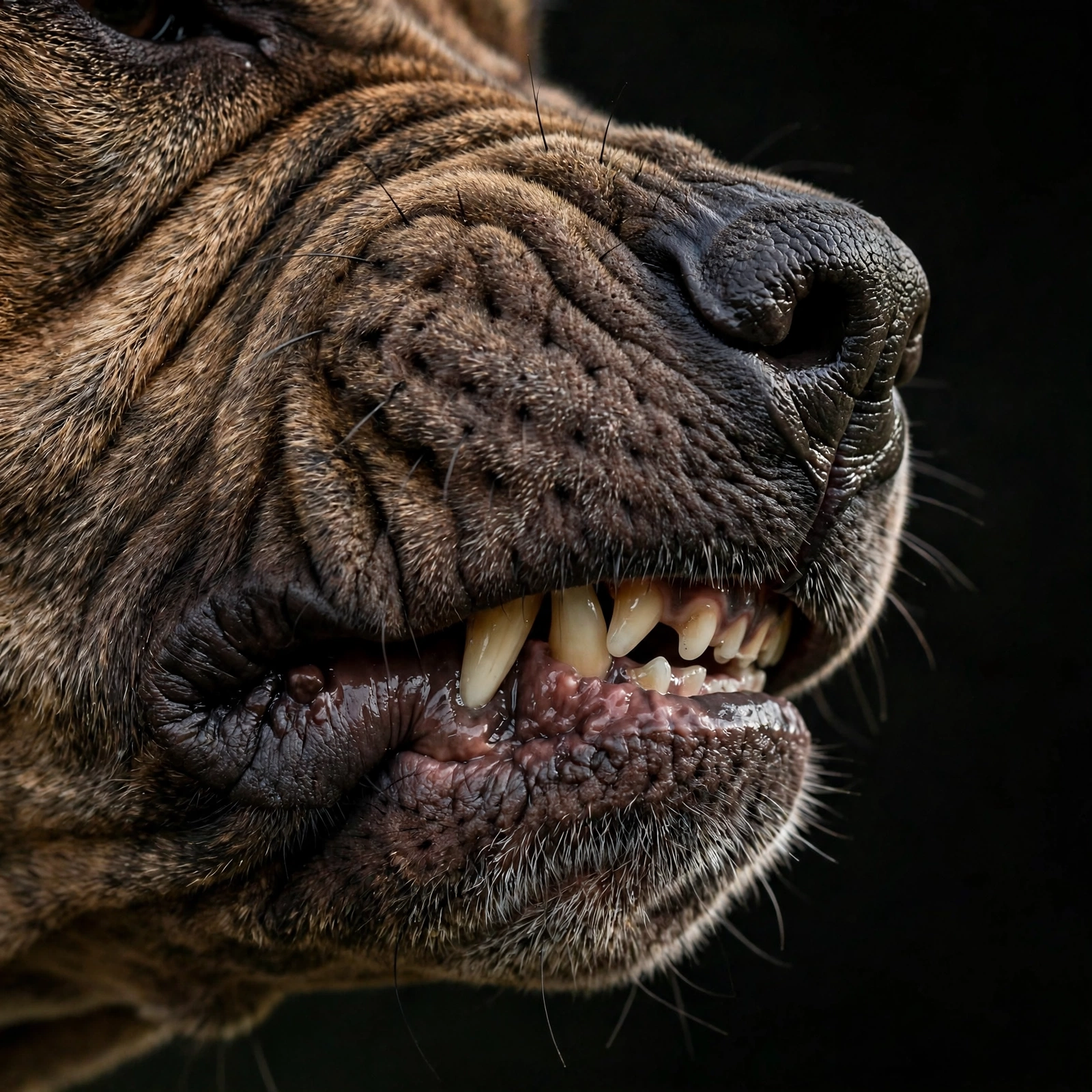
Bared teeth mean opposite things depending on context. Teeth with a stiff body, hard stare, and wrinkled muzzle is a genuine warning; teeth with a loose, bouncy body and soft eyes is exuberant play. There is even a “submissive grin” — lips pulled back horizontally in a goofy, squinty smile that means pure appeasement. Read the whole dog, never just the mouth.
10. The Play Bow
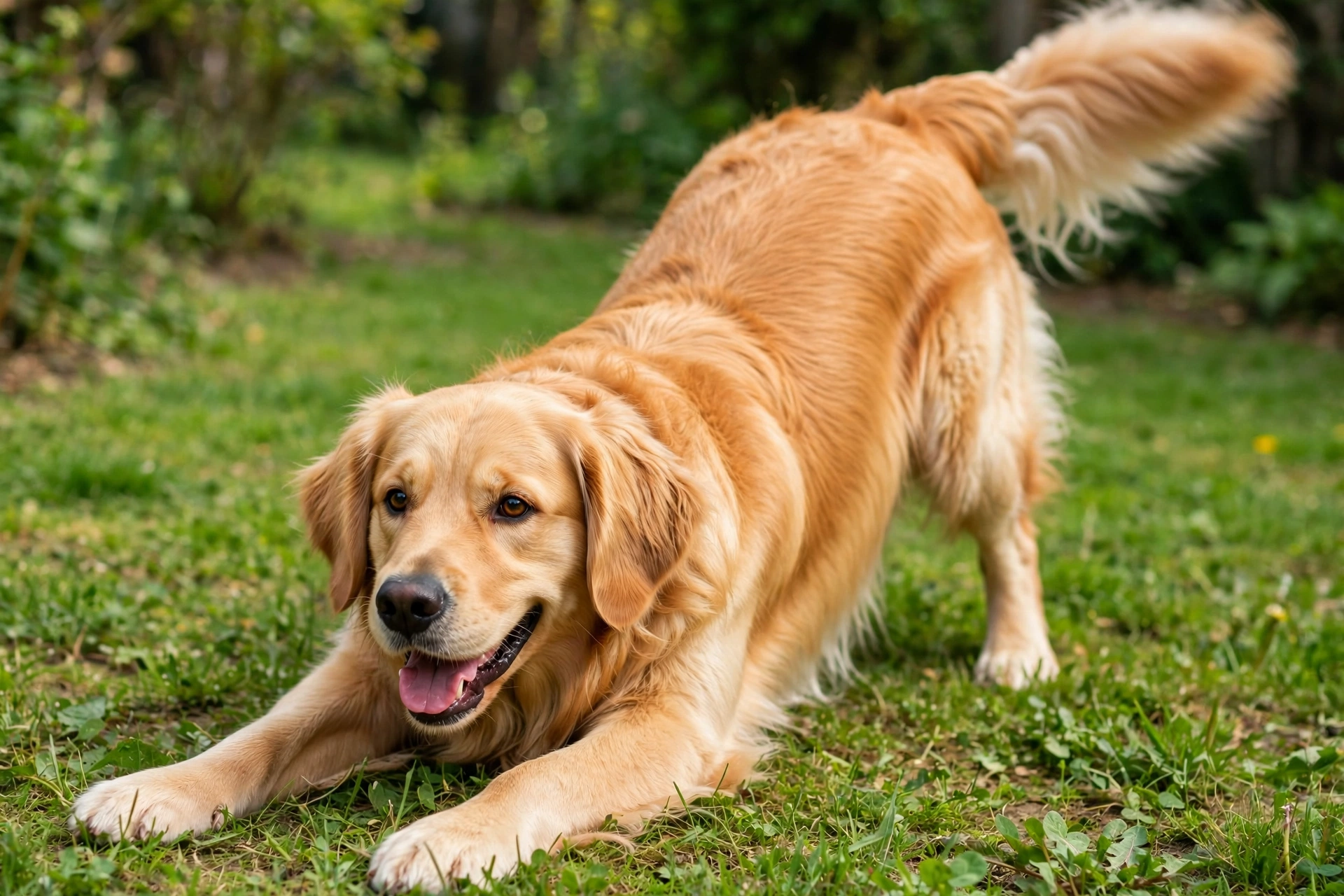
Front end down, rear end up, tail wagging — the play bow means “everything I’m about to do is in fun.” Dogs use it to start play, re-invite a playmate who checked out, and even mid-wrestle as proof the rough stuff is friendly. It is one of the few signals that is almost always positive. Mirror the energy — just make sure the other dog is willing too.
11. Cowering Low to the Ground

A dog pressing their belly toward the ground with hunched shoulders, tucked tail, and flattened ears is broadcasting fear as loudly as they can — trying to disappear. Punishing this posture is one of the worst mistakes an owner can make. Instead, crouch down sideways, use a soft voice, let your dog approach you, and reward any brave step forward.
12. Raised Hackles

The fur standing up along your dog’s spine — piloerection — looks dramatic but is closer to goosebumps than a threat display. It simply means arousal has spiked, and that spike can come from fear, excitement, or surprise. Check the supporting cast: hackles with a loose body and wagging tail usually mean excitement; with a stiff body and hard stare, they mean tension.
13. The Freeze
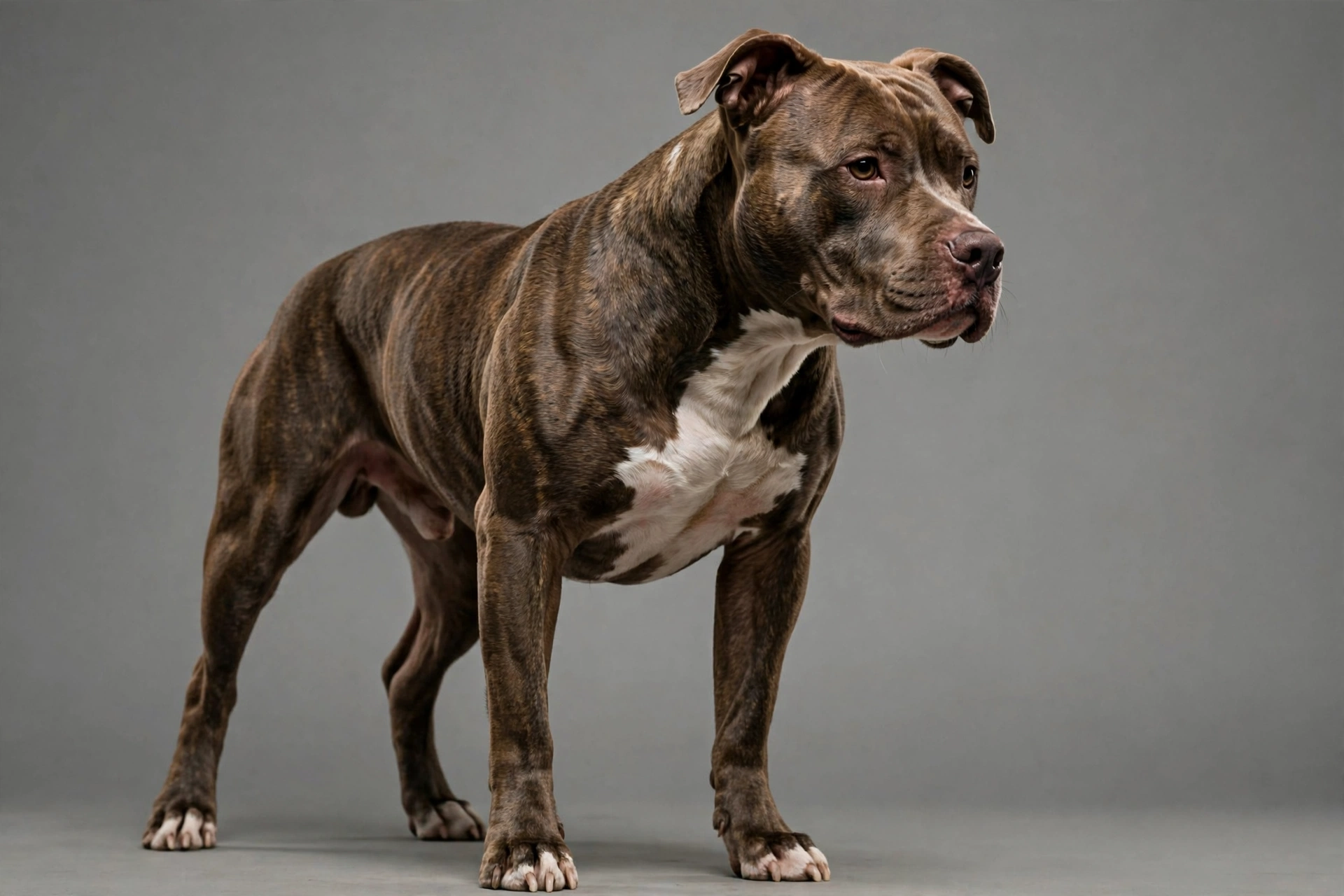
The freeze is the signal you cannot afford to miss: your dog suddenly goes statue-still — muscles tense, breathing shallow, eyes locked without blinking — for a few seconds before a potential bite or lunge. Many owners mistake it for calm attention. Act immediately but calmly: create distance from the trigger and call your dog away cheerfully. If it happens often, consult a professional trainer.
14. Panting Without Heat
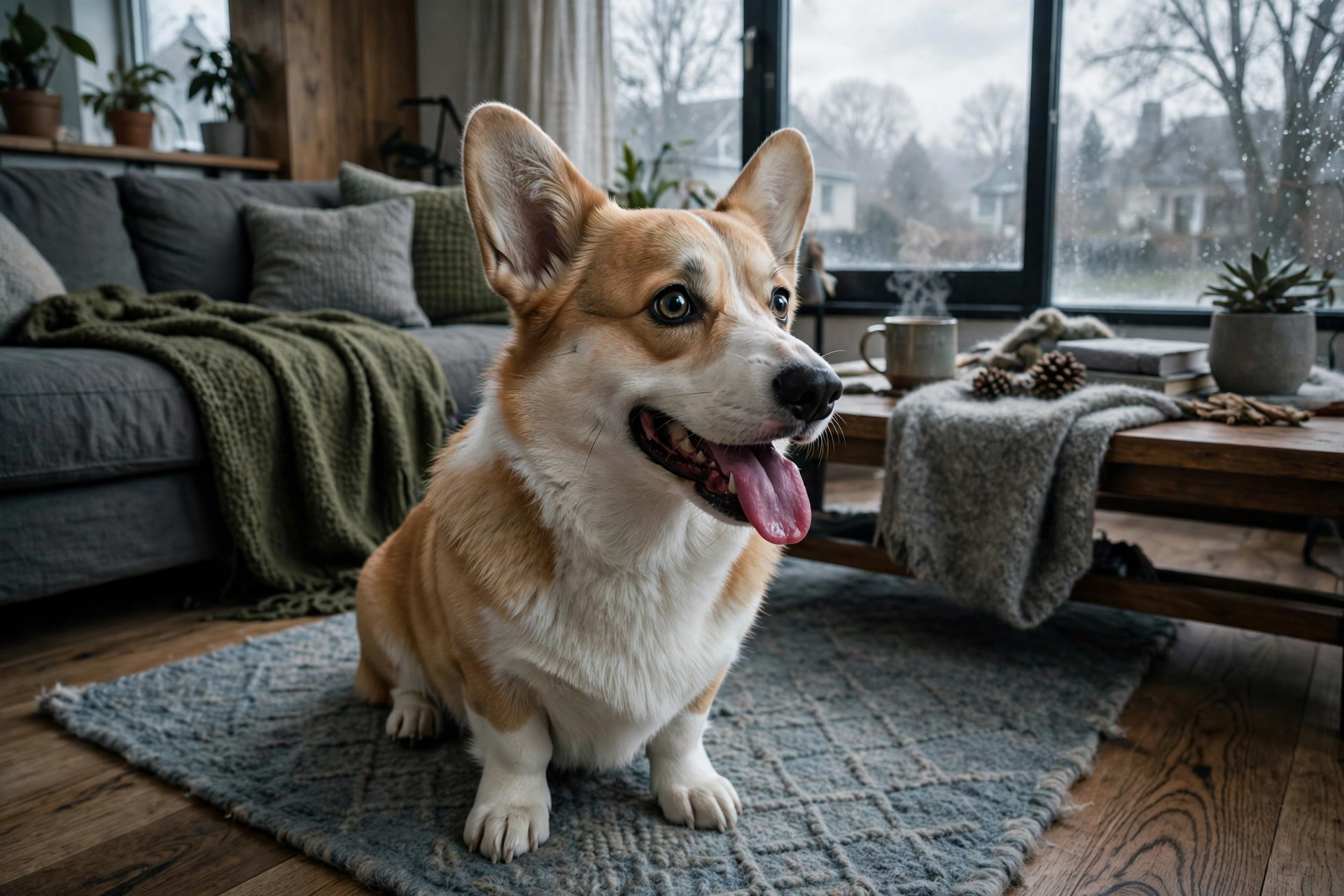
Heavy panting on a cool day with no exercise behind it is a classic stress indicator. Stress panting is faster and shallower than heat panting, paired with a tight mouth and worried eyes — common at the vet, during fireworks, or in overwhelming situations. Reduce the stressor, move somewhere quieter, and keep your own energy calm. If it is sudden or paired with other symptoms, see your vet.
15. A Raised Paw
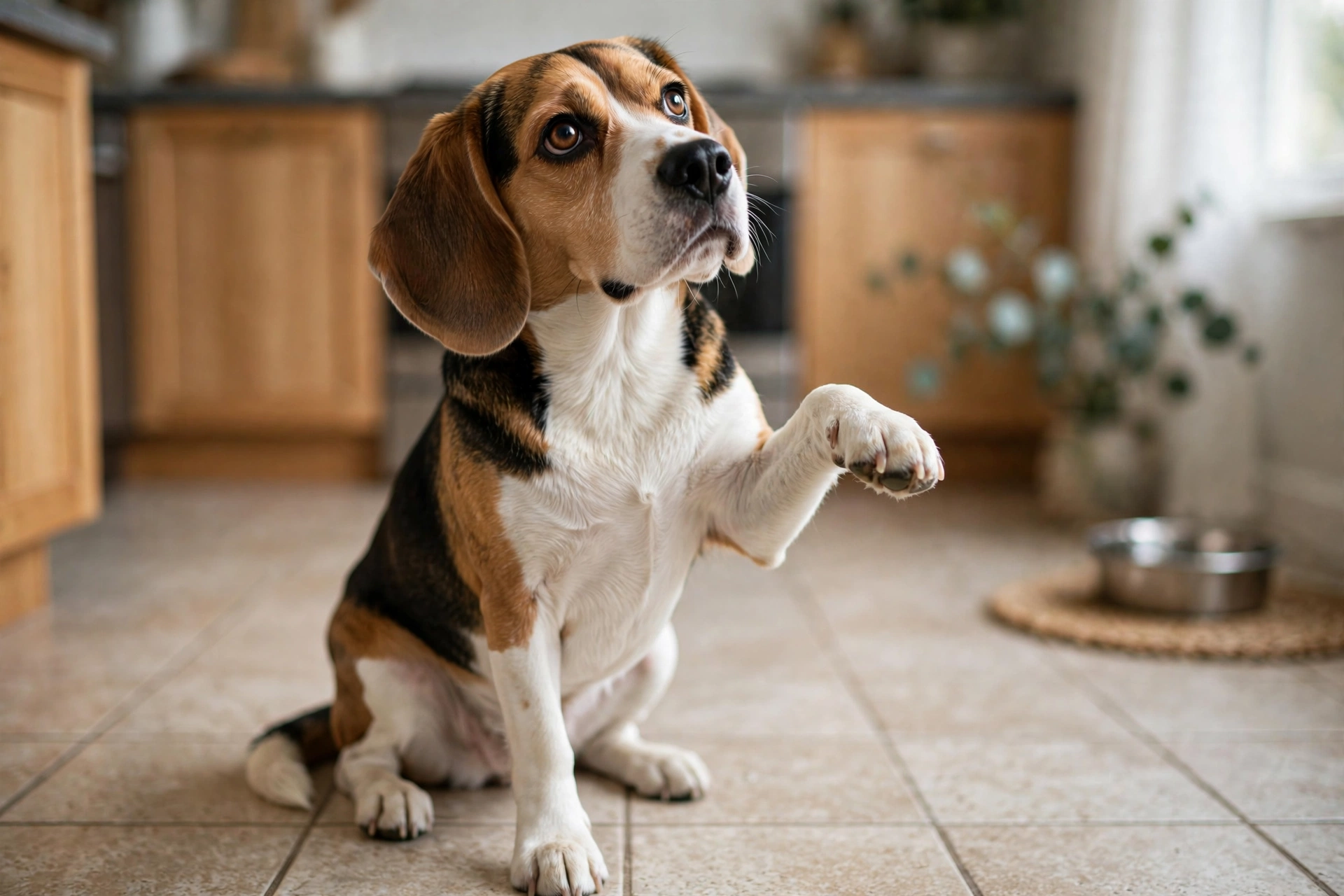
A dog lifting one front paw while otherwise still is often showing uncertainty or anticipation — the canine version of a hesitant hand raise. You will see it when a dog is unsure what you want or conflicted about approaching something. Make things clearer: in training, simplify the request and reward small successes; in new places, let your dog investigate at their own pace.
16. Turning the Head Away
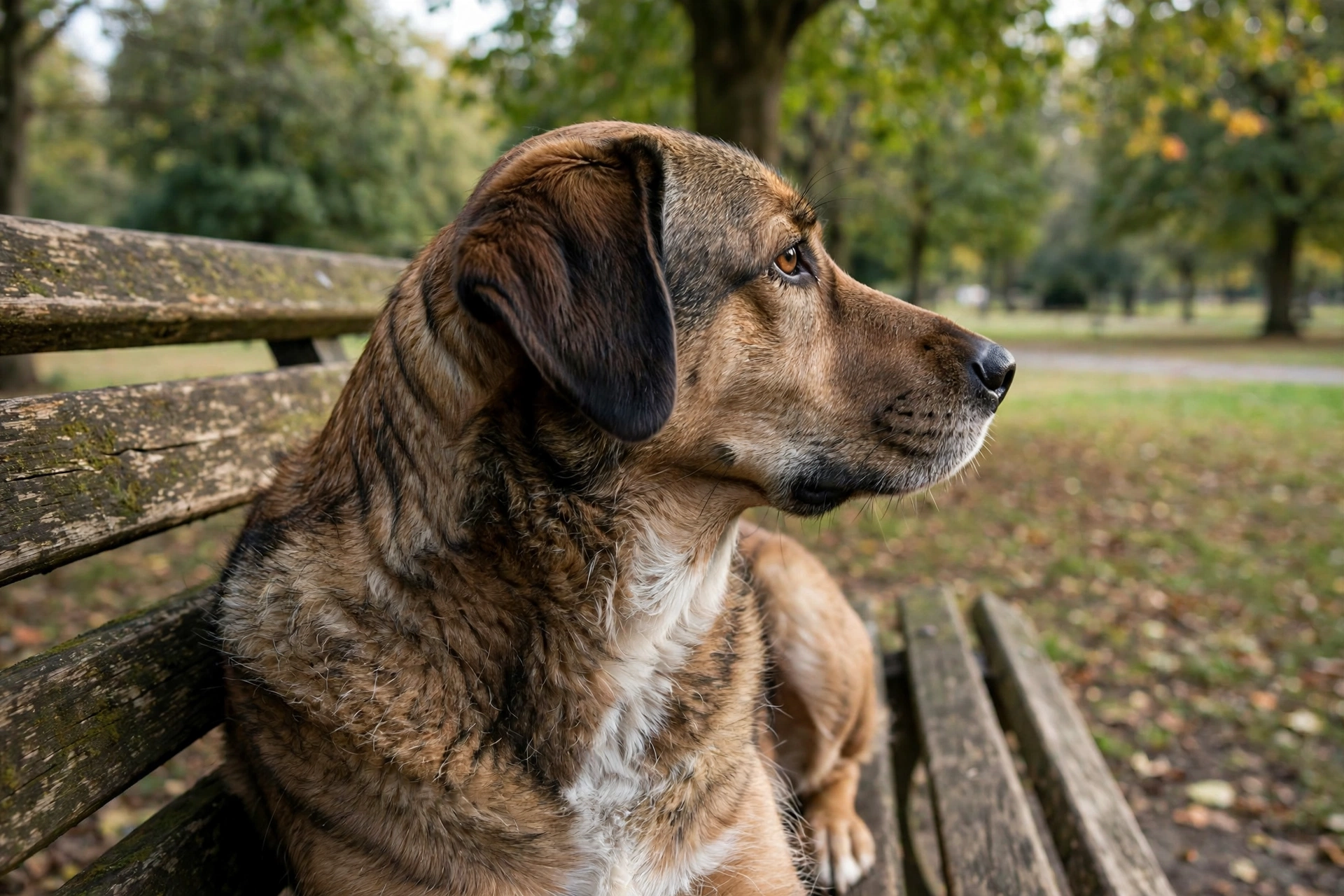
When your dog deliberately turns their head away — during a tight hug, a stare-down with another dog, or an intense training moment — they are using a calming signal to defuse tension: “I don’t want trouble.” Honor it by easing up, breaking your own stare, or pausing the interaction. Dogs whose polite signals work rarely need to escalate.
17. Leaning In or Leaning Away
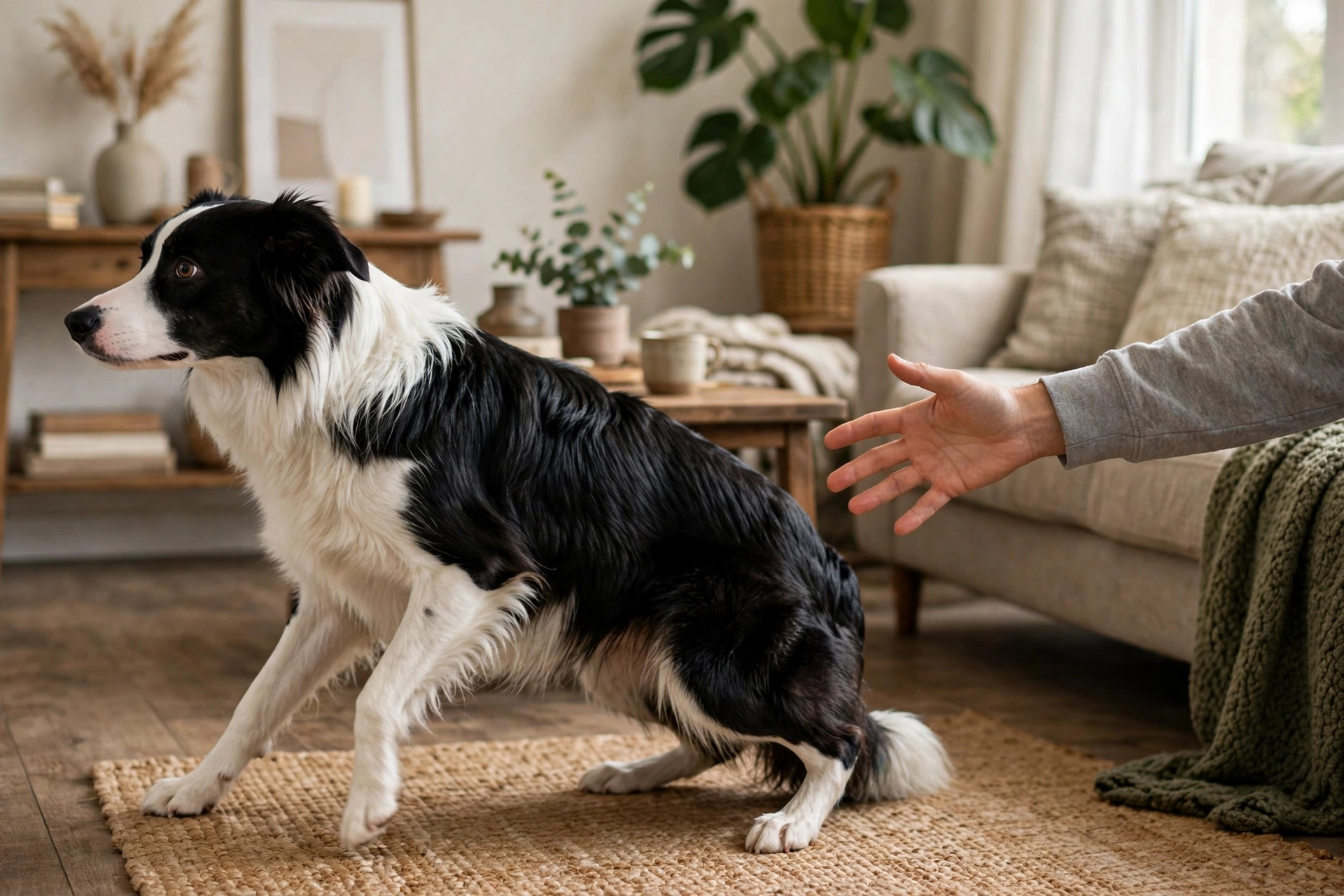
Where your dog puts their weight reveals how they feel. A dog leaning into you is showing trust and asking for contact — one of the sweetest compliments a dog can give. A dog shifting weight away, even slightly, is creating distance from something unsure. Welcome the lean-in; give space to the lean-away.
Keep Reading
- 15 Dog Training Tips That Work
- How to Teach Your Dog to Shake
- 9 DIY Dog Toys for Heavy Chewers That Actually Survive
- 7 DIY Dog Enrichment Ideas That Tire Your Pup Out
- Best Puzzle Toys for Dogs
Frequently Asked Questions
What is the most important dog body language signal to learn?
The freeze — sudden, total stillness with a fixed stare — because it often comes right before a bite. Spotting it lets you create distance in time.
Does a wagging tail always mean a happy dog?
No. A slow, stiff wag can signal uncertainty, while a loose, full-body wag truly means joy. Always read the wag with the rest of the body.
Why does my dog yawn when he’s not tired?
Exaggerated yawns in an awake dog are calming signals — dogs use them to self-soothe under pressure, like at the vet or during training.
What should I do when my dog shows whale eye?
Give space and remove the cause of discomfort. Respecting this early warning teaches your dog that subtle communication works.
Can I get better at reading dog body language?
Yes. Watch your dog’s signals daily and note the patterns. Responding calmly to early signals builds trust and prevents most misunderstandings.